Explore our industrial grade chemical compounds, raw monomers, and specialized surface modifiers.
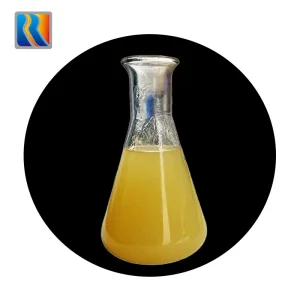
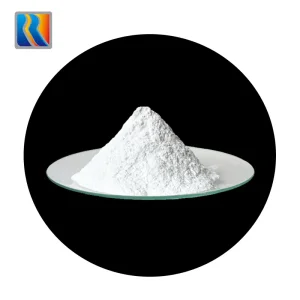
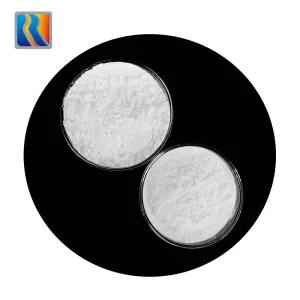
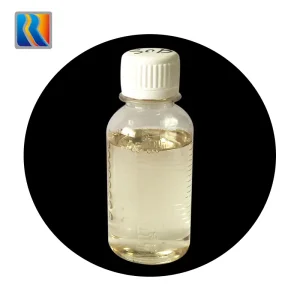
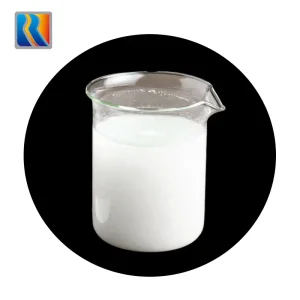
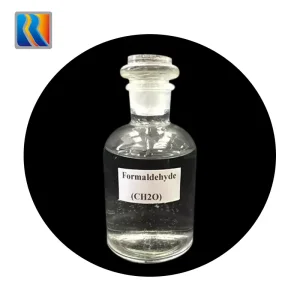
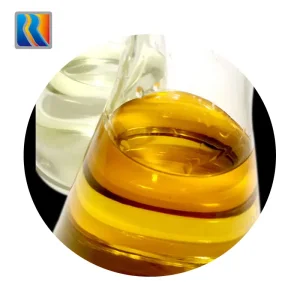
Amino resins, primarily encompassing Urea-Formaldehyde (UF) and Melamine-Formaldehyde (MF), form a critical cornerstone of the modern synthetic thermosetting polymer industry. As highly cross-linked networks formed through the condensation polymerization of aldehydes with amino functional groups, these resins possess high mechanical strength, thermal stability, excellent surface hardness, and superior resistance to chemical degradation.
For global industrial sourcing managers, finding a reliable wholesale supplier is not merely about competitive pricing—it requires deep alignment on technical parameters such as molar ratios, cross-linking density, free formaldehyde content limits, shelf-life stabilization, and compliance with strict environmental regulations like EPA TSCA Title VI and CARB Phase II.
The control of free formaldehyde in amino resins relies heavily on the molar ratio (F:U or F:M) and precise multi-stage temperature profiles during the synthesis reaction. Runtai New Materials utilizes DCS automated control systems to ensure free monomer content is kept at ultra-low levels without sacrificing binding strength.
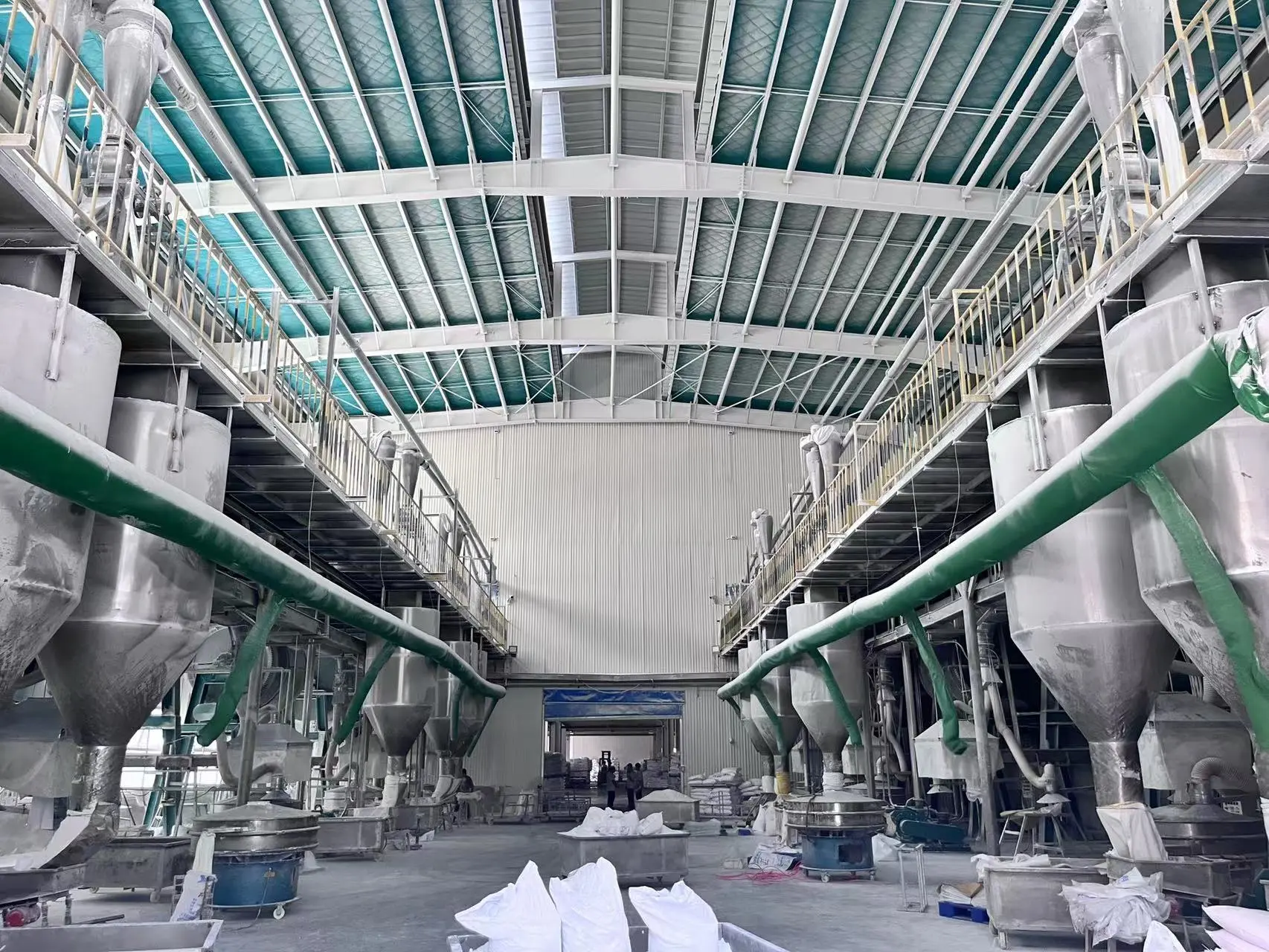
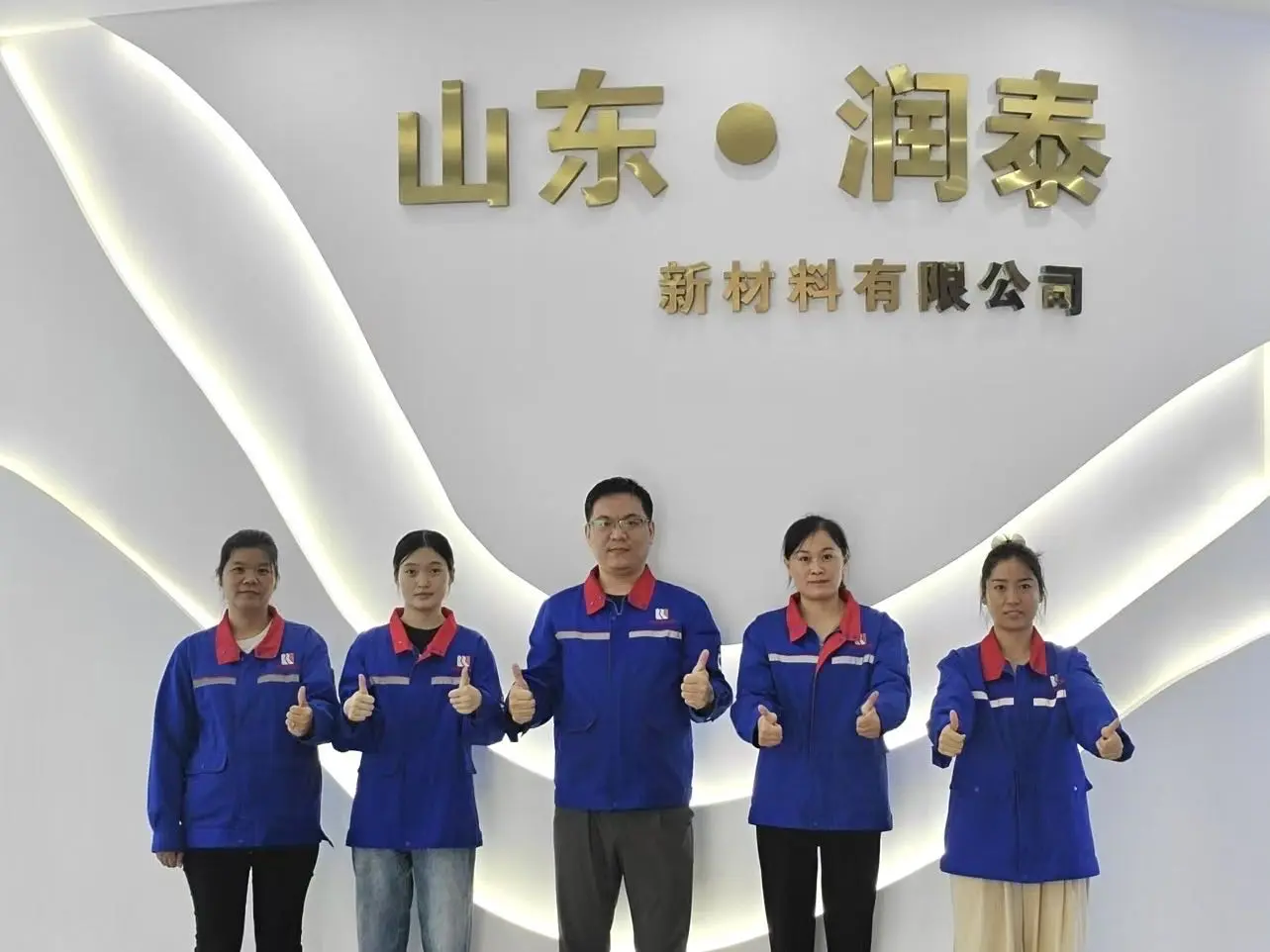
Shandong Runtai New Materials Co., Ltd. represents one of China's most robust chemical production complexes.
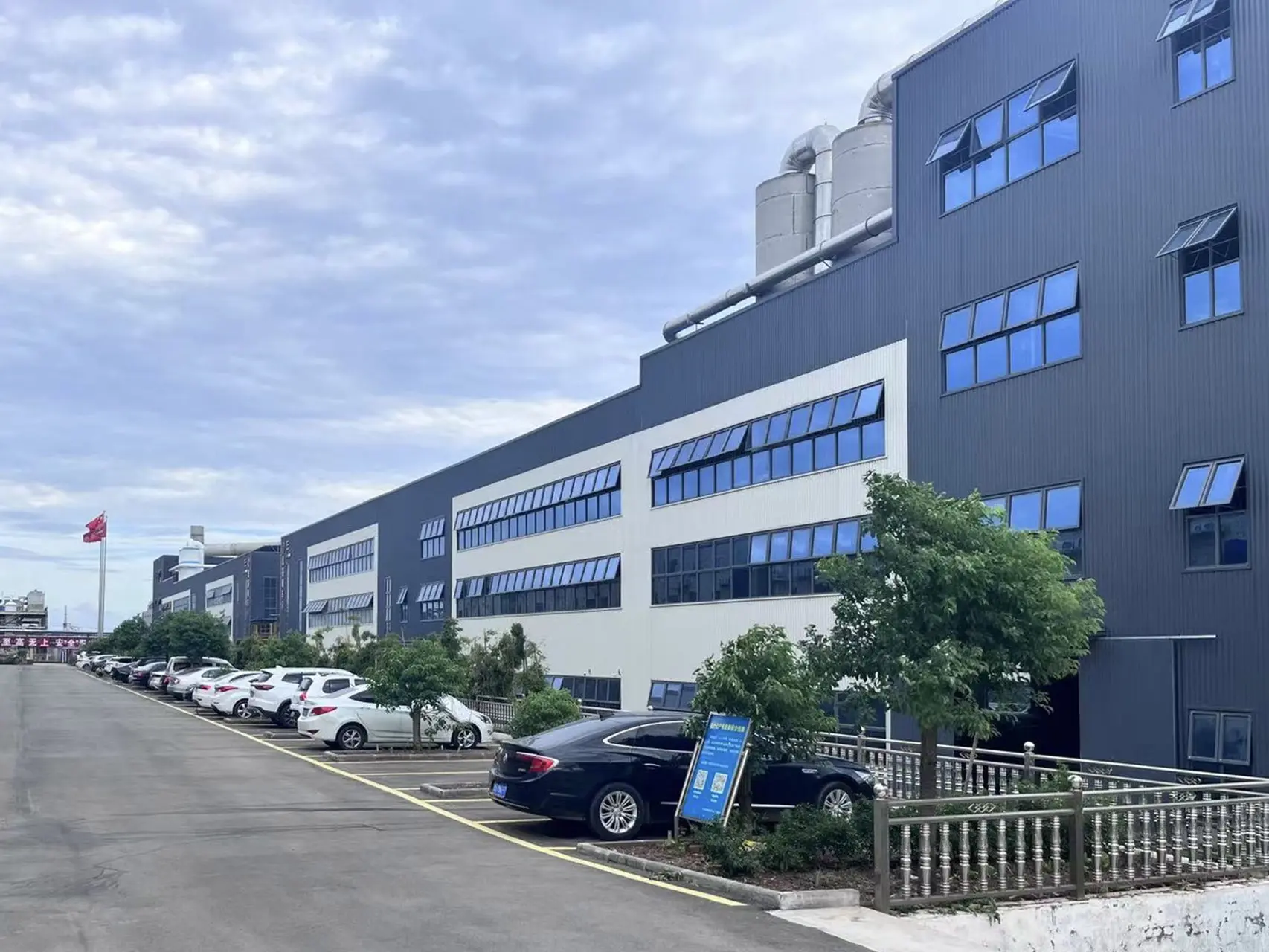
Founded in March 2020, Shandong Runtai New Materials Co., Ltd. is a comprehensive group firm that specializes in high-performance fine chemical products. The corporation has established strategic branches in five different cities throughout China, with its headquarters located in Zaozhuang City, Shandong Province. Runtai New Materials covers a massive footprint of 270,000 square meters with a total investment of 2.06 billion yuan.
By integrating feedstock production (Formaldehyde) with downstream synthetic polymers (Urea Formaldehyde Resin, Melamine, and Glazing Powders), we guarantee vertical supply-chain integrity, neutralizing logistics bottlenecks and cost volatility for our international partners.
Why industrial procurement departments choose Shandong Runtai as their primary chemical partner.
Upon completing our major melamine projects, Runtai New Materials has secured an estimated 80% domestic market share. This high output keeps unit costs at a minimum, translating directly to wholesale savings for overseas clients.
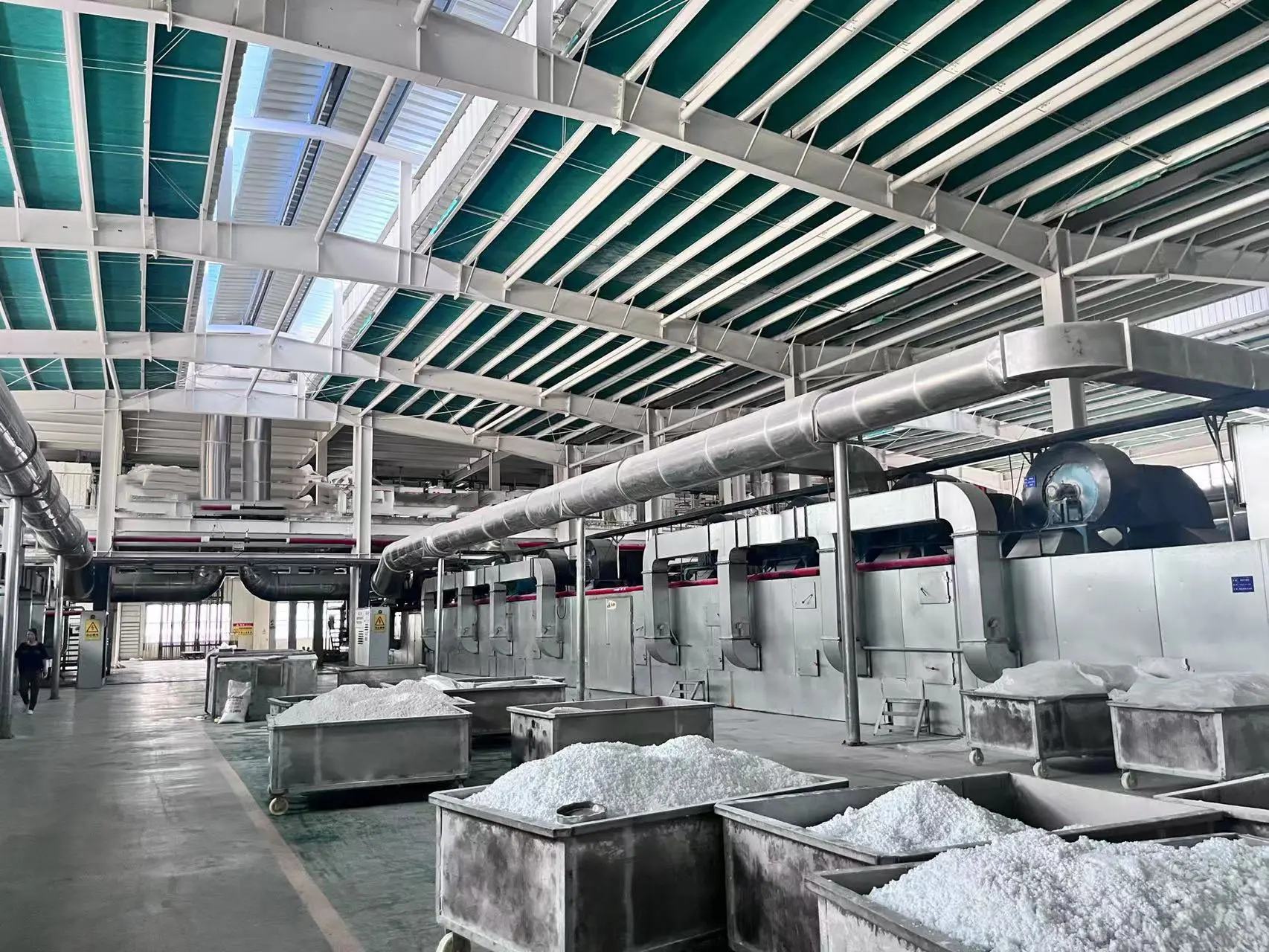
We deploy advanced Distributed Control Systems (DCS) to monitor real-time chemical reaction parameters. This reduces raw material consumption, optimizes polymerization kinetics, and secures exceptional structural purity.
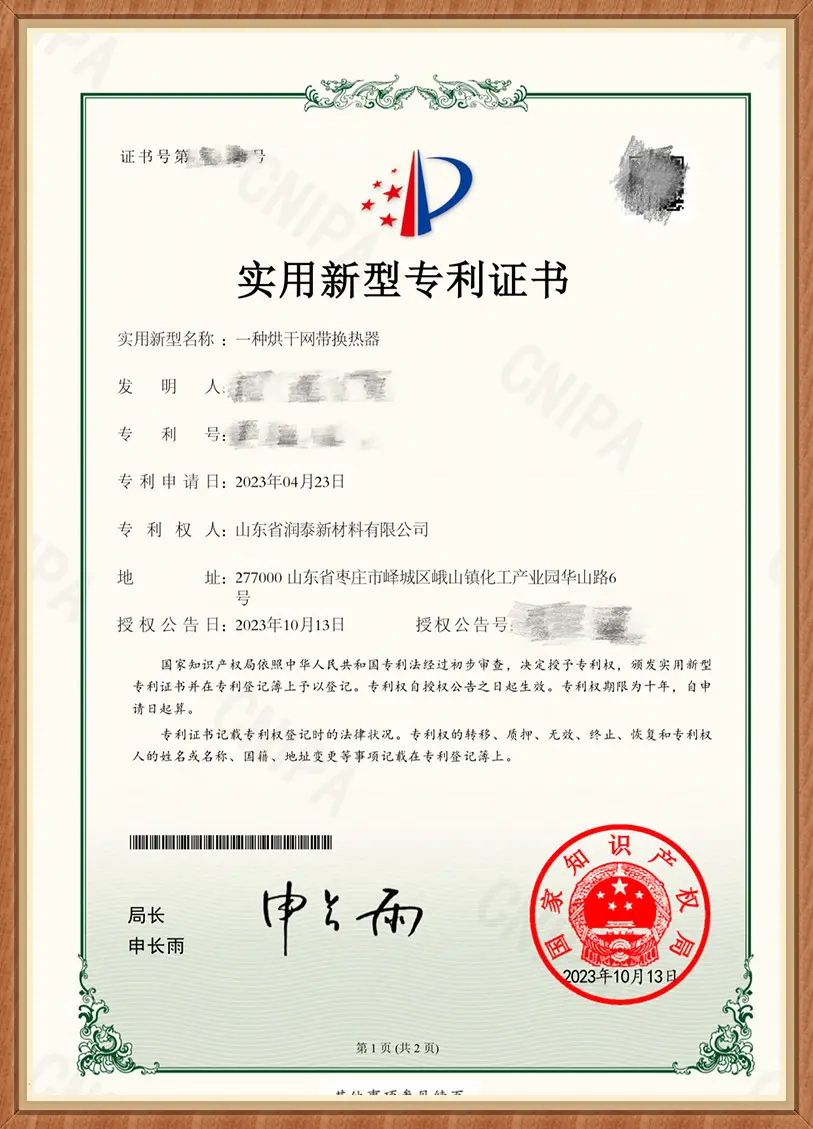
Collaborating with the Changzhou Research Institute of Beijing University of Chemical Technology, Runtai supports a dedicated doctoral team that translates lab breakthroughs into patented industrial resins.
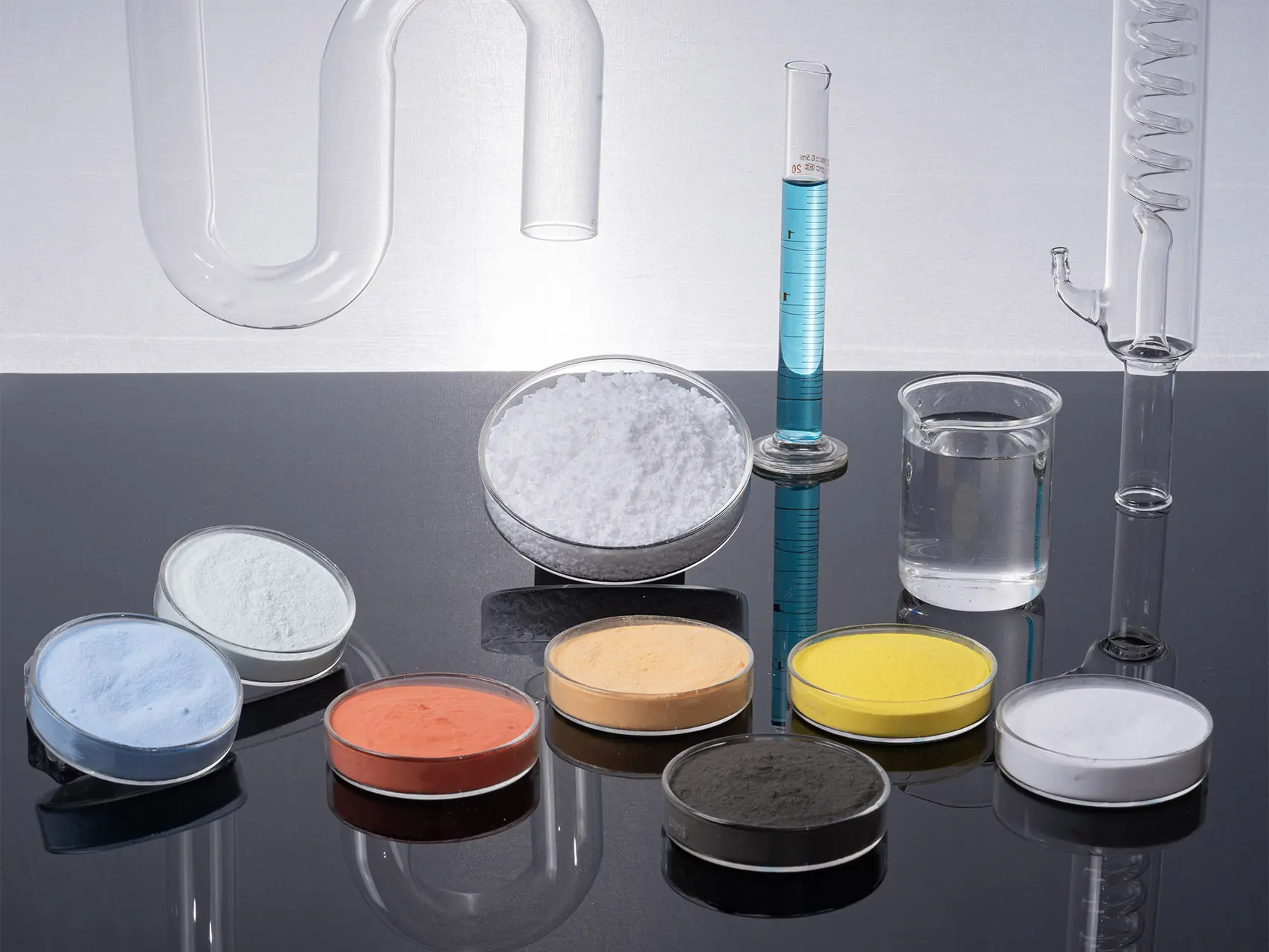
Formaldehyde serves as the base monomer for building multi-functional resins. Because Runtai produces its own formaldehyde feedstock on-site, we bypass the transit dangers and storage costs associated with high-concentration formalin. This integration extends to derivatives like Paraformaldehyde, Urea-Formaldehyde Resin (UF), and Melamine Glazing Powders. This cohesive production workflow serves several critical downstream markets:
| Product Class | Core Application | Standard Specifications | Export Standards |
|---|---|---|---|
| Urea Formaldehyde (UF) | Plywood, MDF, Particleboard bonding | Solids: 65%±2, Viscosity: 150-300 mPa.s | E0, E1, CARB Phase II |
| Melamine Moulding Compound (MMC) | Compression-molded dinnerware, electrical panels | Flowability customized, mold temp 160-180°C | FDA food grade, EU 10/2011 compliant |
| Melamine Glazing Powder | Surface finish, high gloss protection | Moisture ≤ 5.0%, Curing speed: 30-50s | SGS, RoHS certifications |
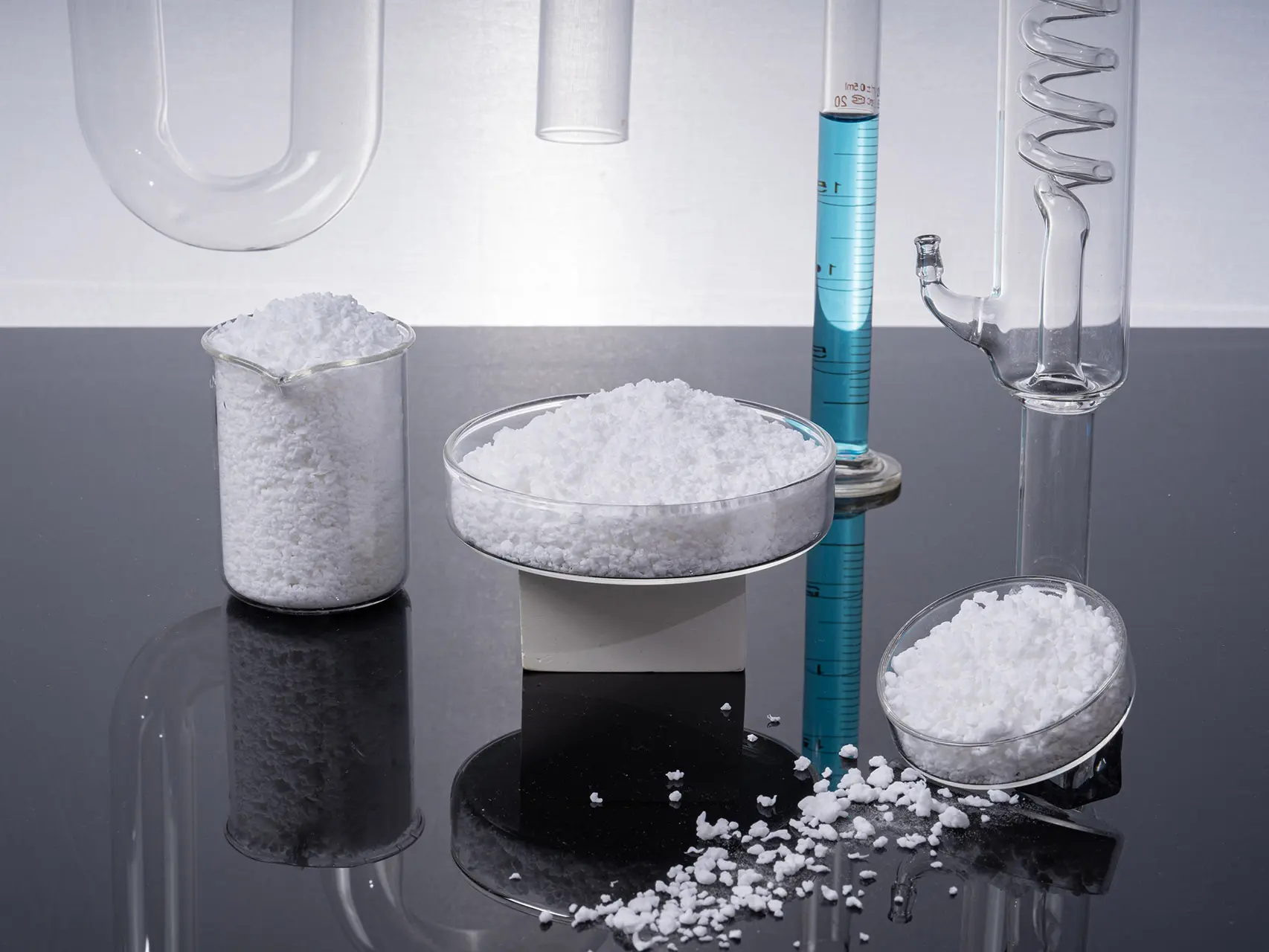
| Paraformaldehyde | Organic synthesis, agrochemicals, pharmaceuticals | Purity: 92% and 96% prills/powder | UN-approved packaging for hazardous goods |
Providing functional polymer solutions that cater to the evolving technical needs of global manufacturers.
In the timber processing sector, adhesives must withstand hot pressing, mechanical stresses, and ambient humidity. Runtai’s Urea Formaldehyde Resin yields strong interior bonds, making it the industry standard for Medium Density Fiberboard (MDF), High Density Fiberboard (HDF), and veneer lamination. For outdoor architectural materials requiring higher water resistance, we formulate melamine-modified urea-formaldehyde (MUF) systems that balance durability and material costs.
Melamine Moulding Compound (MMC) is highly regarded for its structural stability, surface hardness, and flame resistance. Dinnerware factories rely on consistent cure cycles and color matching. Our compound lines produce raw materials that flow evenly into compression molds, reducing flash, cracking, and surface discoloration. Additionally, our Melamine Glazing Powder provides a durable protective barrier, safeguarding dinnerware surfaces from stains and acidic food degradation.
In the coatings sector, modified amino resins (such as methylated or butylated melamine resins) serve as essential cross-linkers in high-temperature baking finishes. When combined with acrylic, polyester, or alkyd resins, they cross-link to form hard, weather-resistant coatings used in automotive primers, coil coatings, and general industrial enamels.

Meeting international quality and safety benchmarks through scientific validation.
Global manufacturing markets face increasingly stringent environmental regulations regarding formaldehyde off-gassing. For example, the United States EPA TSCA Title VI and the European Union’s REACH regulations impose strict limits on formaldehyde emissions from finished wood products and household consumer goods.
At Shandong Runtai, we maintain a proactive approach to environmental compliance. Our R&D team continuously refines polymerization techniques to minimize residual unreacted monomers. By optimizing molar ratios, we deliver resins that easily pass low-emission requirements without sacrificing bonding speed or mechanical strength. This environmental focus helps our customers enter markets with high compliance standards, including North America, Europe, Japan, and Oceania.
Logistical reliability is equally critical when sourcing chemical products. Liquid amino resins are prone to self-polymerization over time, limiting their shelf life. To address this, Runtai has developed specialized powder versions of our urea-formaldehyde and melamine resins. These spray-dried powders can be shipped long distances, stored up to a year, and easily reconstituted with water on-site. This flexibility helps minimize freight waste and logistics risks for global buyers.
Clear, direct answers to common questions raised by industrial chemists, quality control experts, and procurement leads.
We use a multi-step reaction process driven by a Distributed Control System (DCS). By tracking reactor temperatures, adjusting pH levels, and maintaining accurate molar ratios of formaldehyde to urea or melamine, we keep unreacted free formaldehyde to a minimum. For wood composite adhesives, we can also add formaldehyde scavengers to meet E0, CARB Phase II, and EPA TSCA Title VI emission standards.
Liquid Urea-Formaldehyde and Melamine-Formaldehyde resins naturally cure over time, giving them a shelf life of 2 to 4 weeks depending on storage temperatures. For international shipments with longer transit times, we recommend our spray-dried powder formulations. Kept in a cool, dry place, these powders remain stable for up to 12 months and can be mixed with water on-site just before use.
Yes. Our partnership with the Changzhou Research Institute of Beijing University of Chemical Technology allows us to customize resin formulations. We can modify viscosity, gel time, and cure temperatures to match your machinery, whether you run short-cycle hot presses for laminates or high-speed extrusion lines.
Standard Urea-Formaldehyde (UF) resins are cost-effective but sensitive to moisture and heat. Adding melamine creates a Melamine-Urea-Formaldehyde (MUF) resin with stronger cross-linked bonds. This addition improves moisture resistance, increases tensile strength, and reduces formaldehyde off-gassing, making MUF resins suitable for humid environments and load-bearing applications.
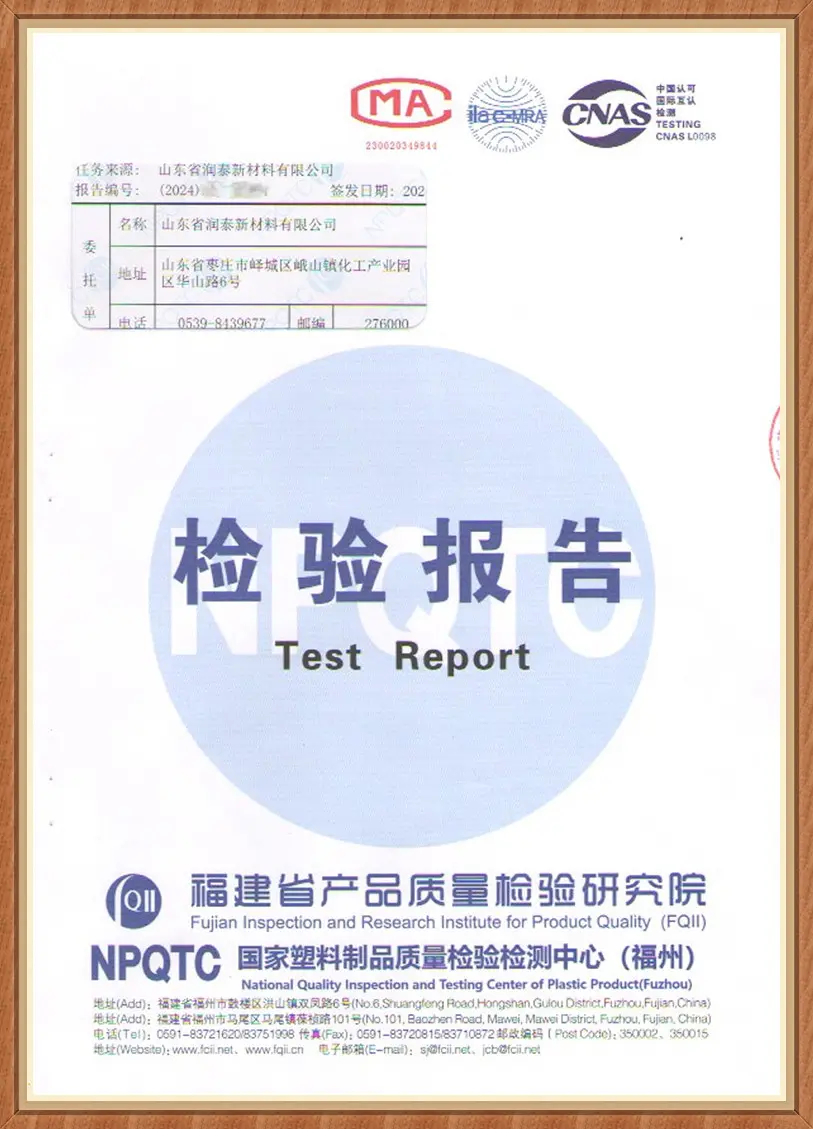
Our factory operations are highly automated. The DCS control room manages raw material feeds, temperatures, and reaction times, which minimizes batch-to-batch variation. We also test each production run for solids content, viscosity, pH, gel time, and free formaldehyde levels, keeping samples from each batch to maintain traceability.
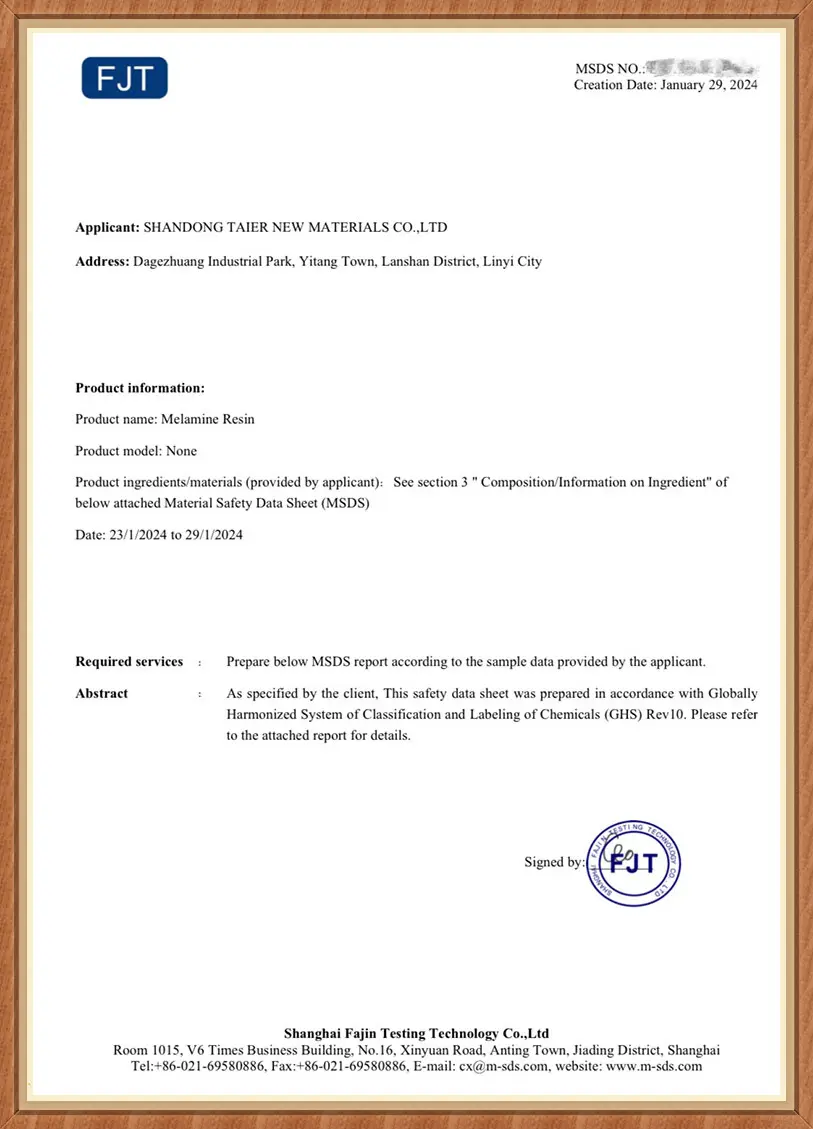
Verifiable proof of our chemical manufacturing expertise and structural quality standards.
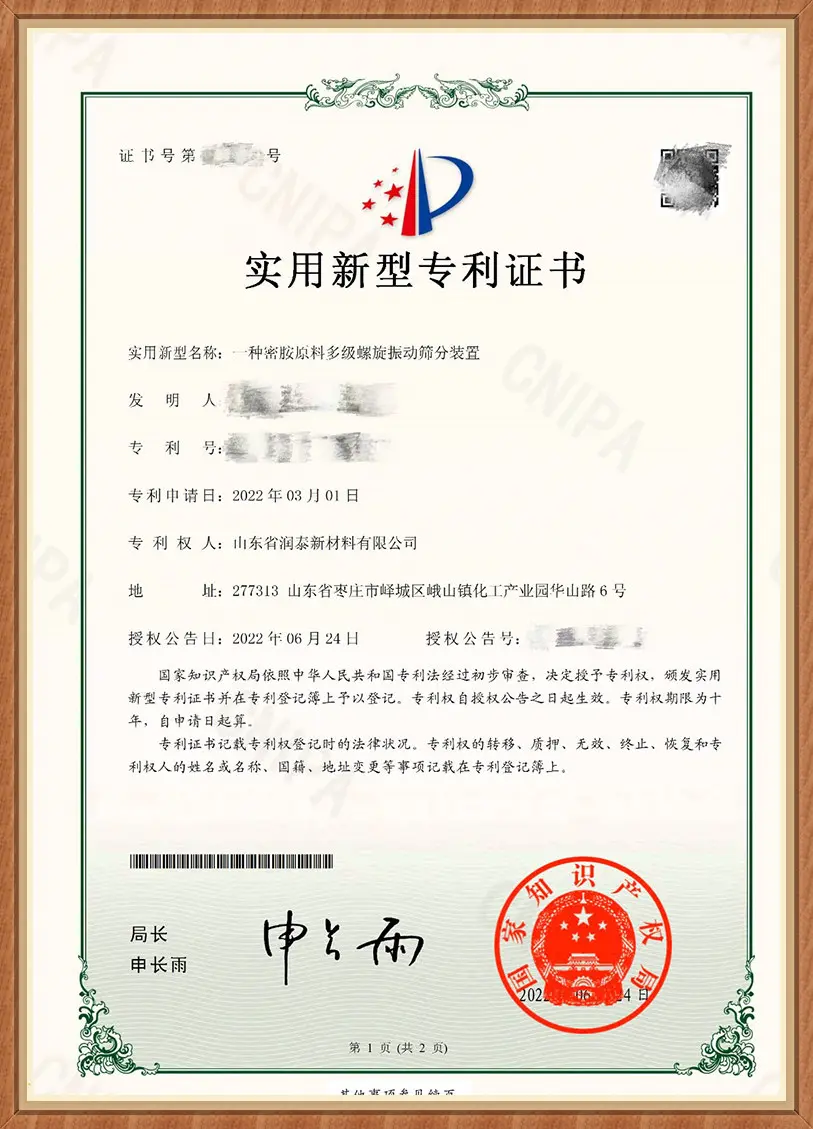
Complete your chemical supply chain with our specialized process aids and auxiliary products.
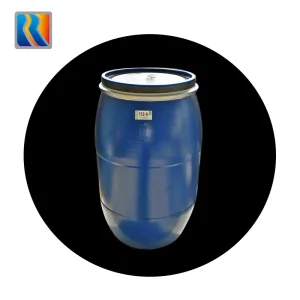
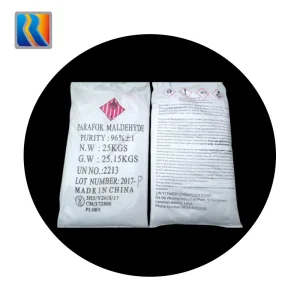
 Runtai