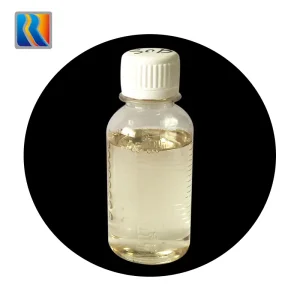
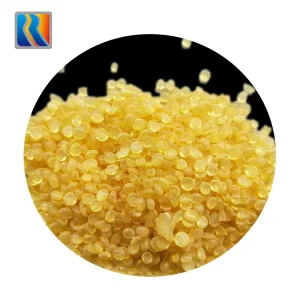
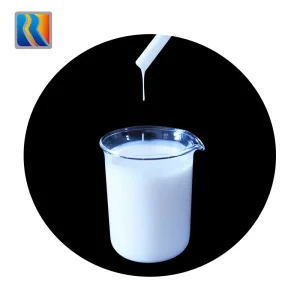
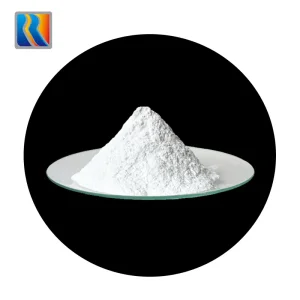
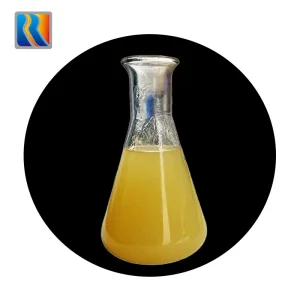
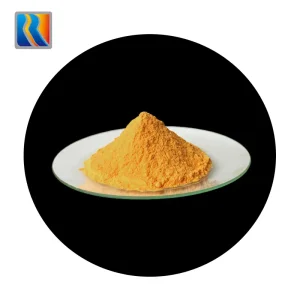
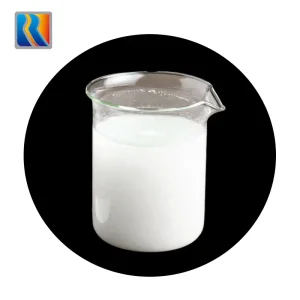
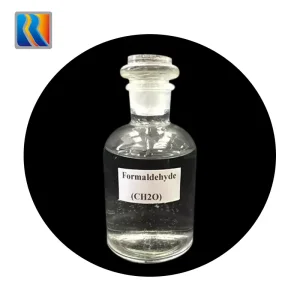
As a cornerstone chemical intermediate, 37% Formaldehyde (also commonly referred to as 37% Formalin in aqueous solution) is utilized globally across wood adhesives, synthetic resins, agricultural formulations, and specialized polymer syntheses. Structurally, it is an equilibrium mixture consisting of free formaldehyde monomer, methylene glycol, and various low-molecular-weight polyoxymethylenes.
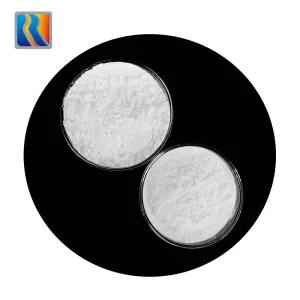
At industrial scale, maintaining the stability of a 37 percent concentration requires rigorous thermodynamic control. Formaldehyde solutions are prone to polymerization, resulting in the precipitation of insoluble paraformaldehyde white solids. To suppress this spontaneous polycondensation reaction, manufacturer stabilization methods typically employ specific weight fractions of methanol (ranging from 1.0% to 15.0%) acting as a thermodynamic inhibitor. Low-methanol (stabilized by low temperatures and chemical inhibitors) and high-methanol formulations must be carefully specified based on downstream industrial applications.
Chemical Standard Parameters:
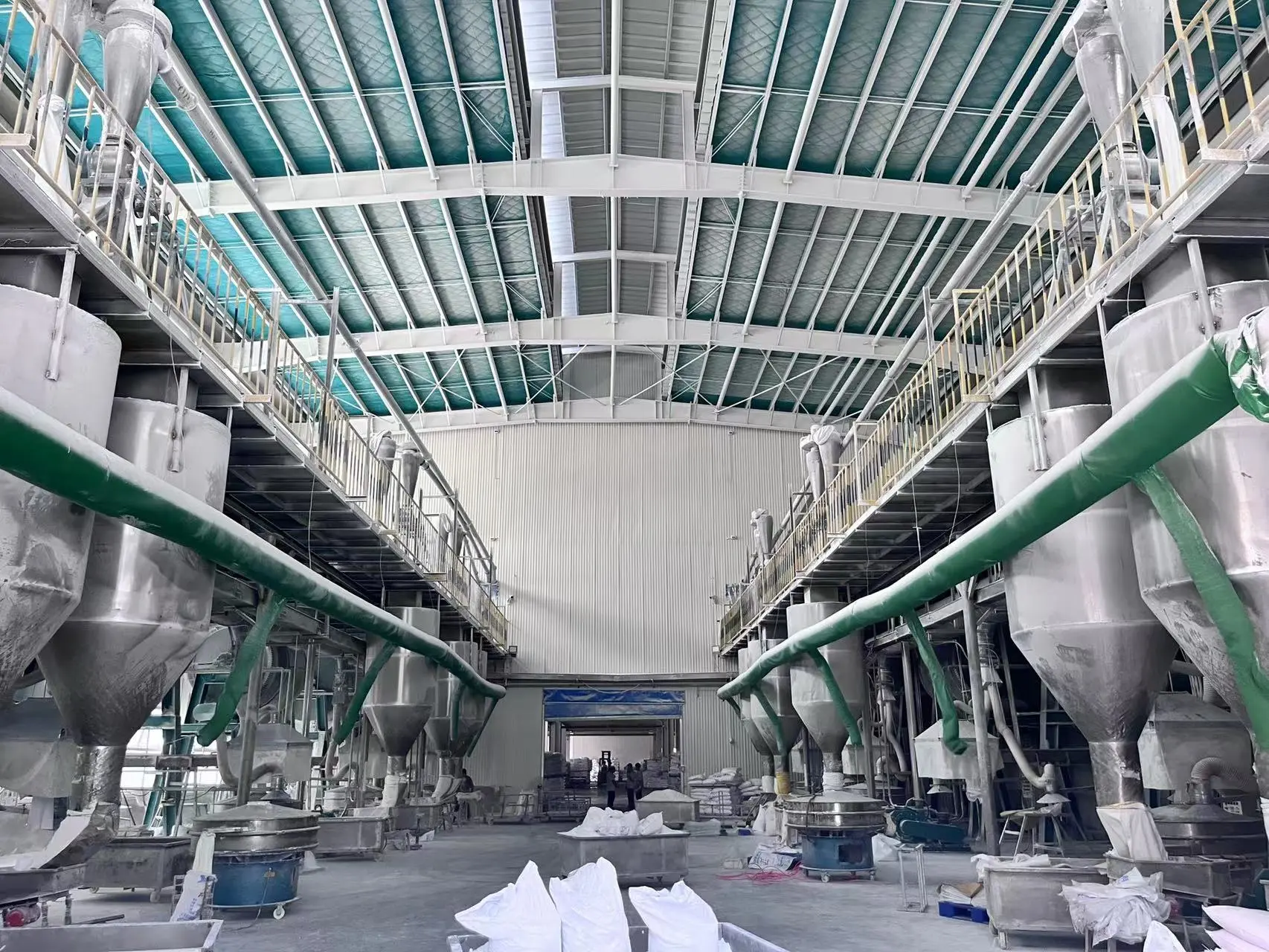
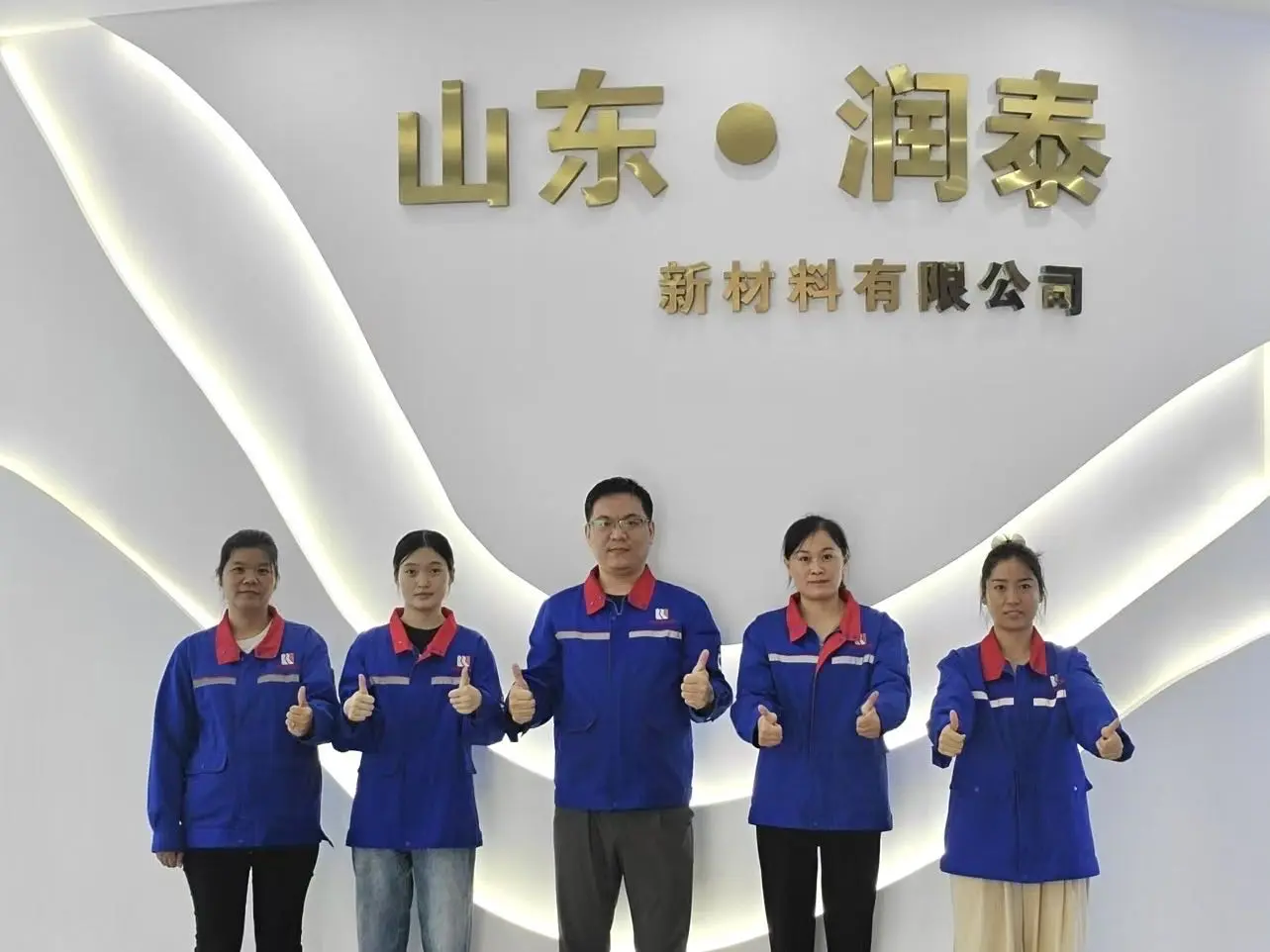
Founded in March 2020, Shandong Runtai New Materials Co., Ltd. has rapidly positioned itself as a comprehensive group firm at the absolute forefront of the Asian fine chemical industry. Strategically headquartered in Zaozhuang City, Shandong Province, our industrial compound spans a massive footprint of 270,000 square meters, supported by a total capital investment of 2.06 billion yuan.
By designing a vertically integrated production ecosystem, we maintain cost leadership and quality control that is virtually unmatched in the region. We operate specialized branches across 5 domestic cities, ensuring rapid distribution logistics and continuous production redundancy. As of today, our products are widely exported to the United States, Thailand, Kenya, Egypt, and key markets in Europe, receiving widespread praise for exceptional purity and technical consistency.
Our core operating paradigm centers around custom solution development. While standard 37% Formaldehyde is manufactured to tight international standards, our technical support and chemical engineering divisions collaborate with clients to configure tailored formulations (e.g., precise methanol-to-formaldehyde ratios, low-acid specifications, and optimized temperatures for liquid transport).
Sourcing industrial chemical raw materials globally requires a balance of reliability, safety compliance, technological stability, and economic feasibility. Here is why global corporations partner with Runtai New Materials.
By manufacturing raw materials like Formaldehyde (380,000 tons/yr) and converting them directly into downstream intermediates like Melamine (60,000 tons/yr), Paraformaldehyde, and Urea Formaldehyde Resins (300,000 tons/yr), we eliminate volatile market pricing and intermediate margin stack.
Our plants utilize high-precision Distributed Control Systems (DCS) to monitor critical manufacturing variables: methanol evaporation rates, oxidation temperatures, and water-absorption column outputs. This ensures unparalleled product consistency and process safety.
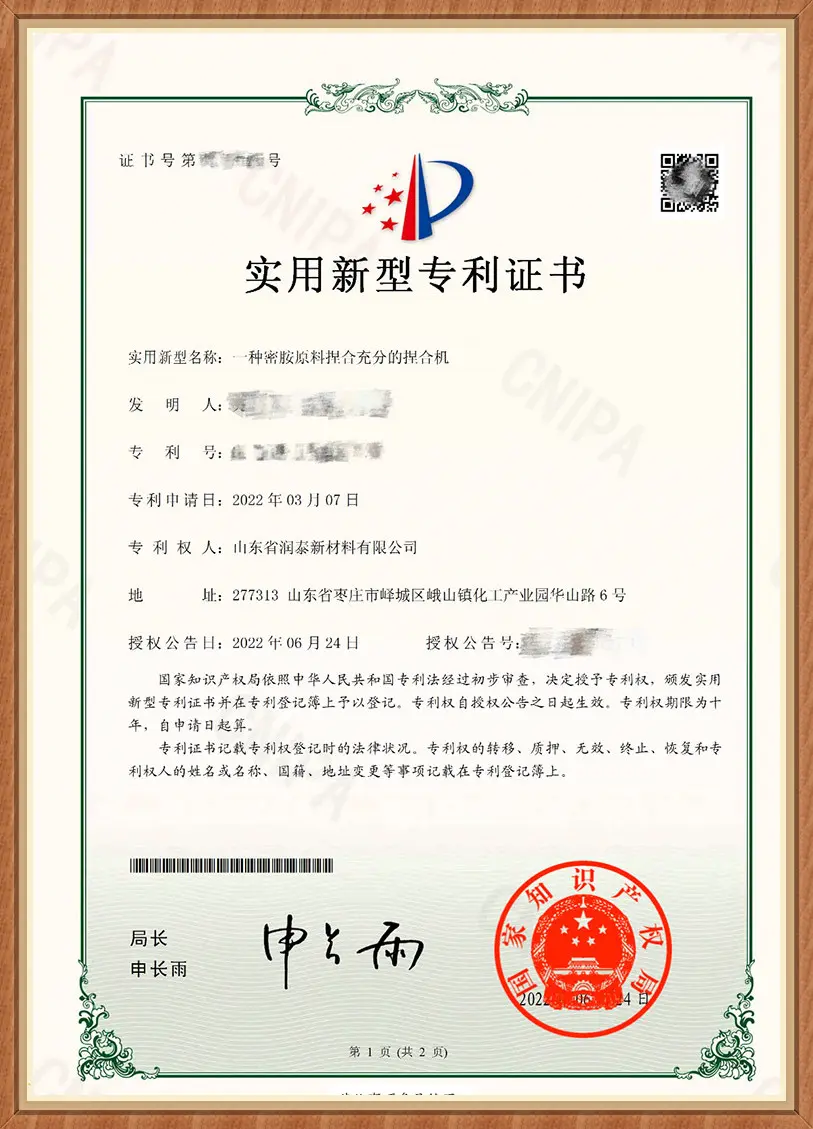
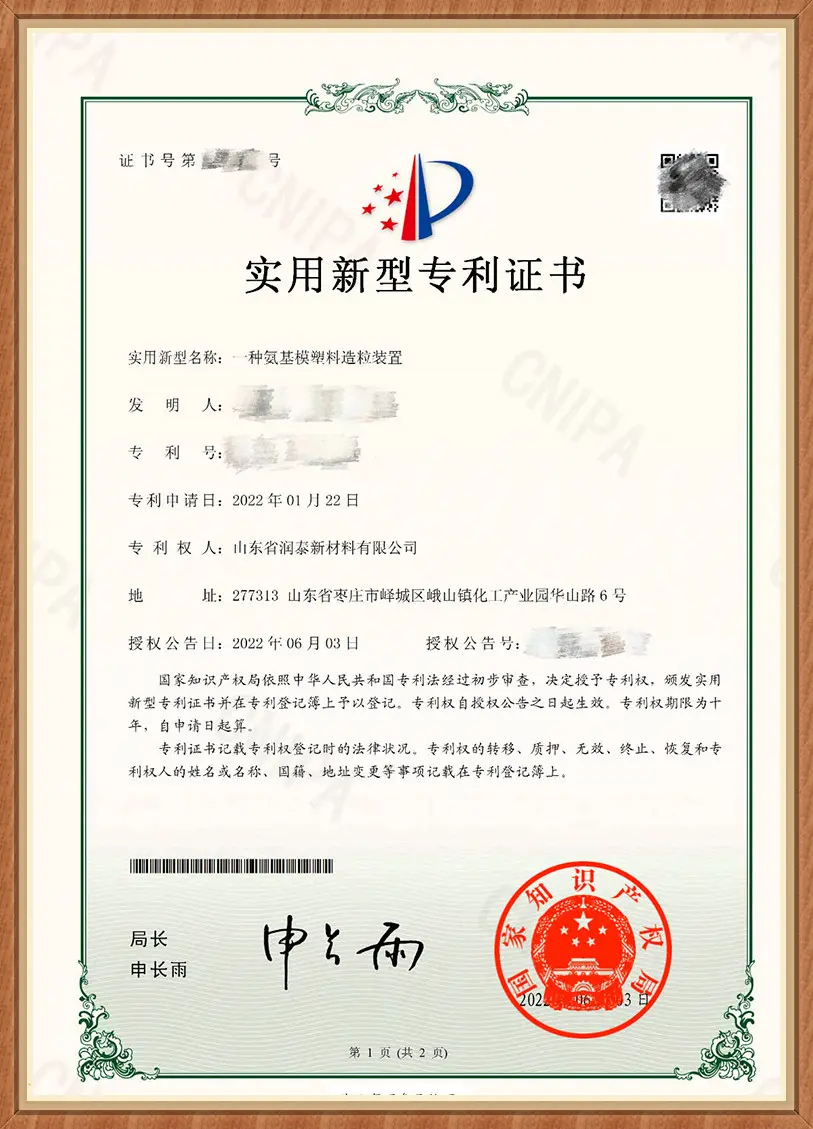
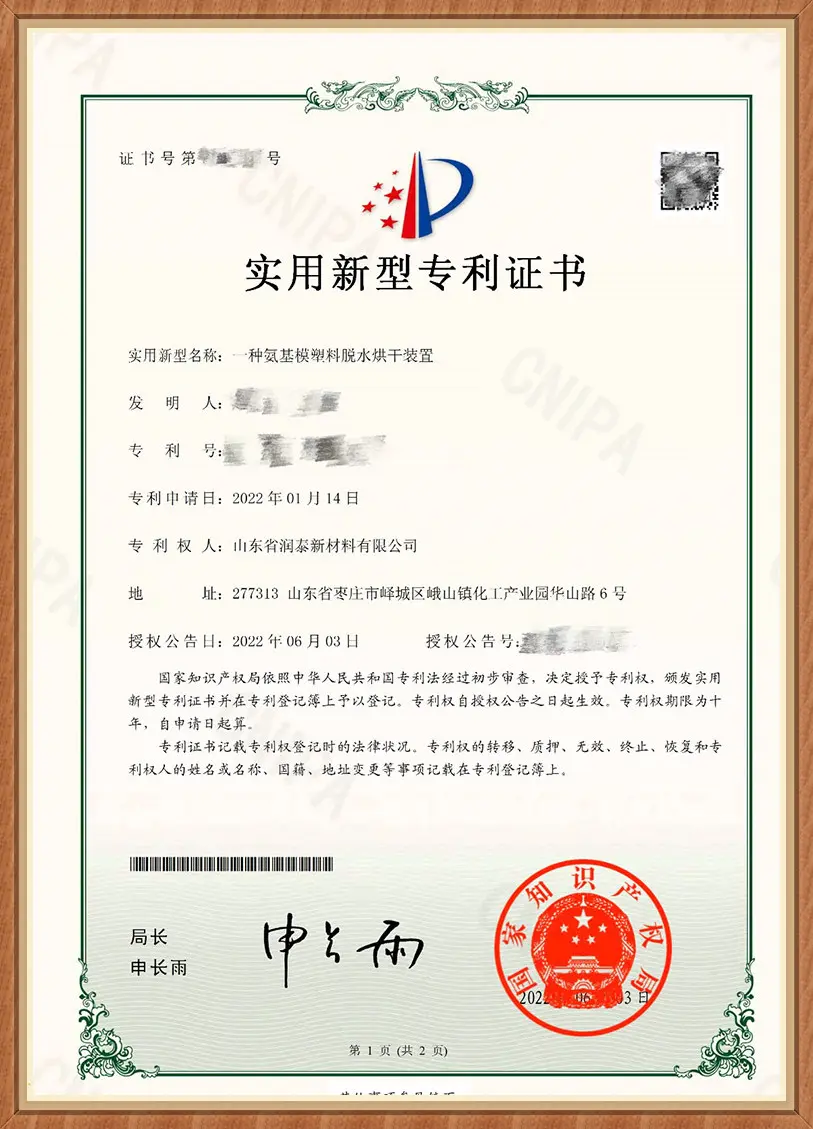
Through our collaboration with the Changzhou Research Institute of Beijing University of Chemical Technology, our internal doctoral research and development team holds multiple production patents, pioneering low-free-formaldehyde resin formulations.
The fundamental use of 37% Formaldehyde is in the polycondensation reaction with urea, melamine, or phenol. This process synthesizes high-performance thermosetting polymers: Urea Formaldehyde Resin (UF), Melamine Moulding Compound (MMC), and Phenolic Resins. These resins act as the binding matrices for structural wood composites, high-pressure decorative laminates, electrical insulation housings, and household tableware.
In localized manufacturing centers globally—from Southeast Asian plywood factories to North American MDF lines—our 37% Formaldehyde serves as the critical precursor for wood binders. By controlling free formaldehyde emissions to meet E0, E1, and CARB Phase 2 requirements, our downstream UF resins provide superior shear strength and water resistance.
In the agricultural sector, formaldehyde acts as a key synthetic block for crop protection chemicals and slow-release nitrogen fertilizers (urea-formaldehydes). Its antimicrobial properties also make it useful in livestock hygiene applications and veterinary disinfection programs.


At Runtai New Materials, we implement the silver catalyst process and the metal oxide process (Formox process) to convert methanol feedstock into gaseous formaldehyde. Using our state-of-the-art DCS systems, the conversion is continuously monitored for absolute reaction efficiency:
2 CH3OH + O2 → 2 HCHO + 2 H2O
By managing the adiabatic temperature within the reactor catalyst bed, we minimize the side reactions that generate carbon monoxide and formic acid. This process control directly translates to a highly stable 37 percent formalin solution with exceptionally low formic acid levels. The chemical gas is then routed through a multi-stage absorption column where high-purity deionized water captures the gaseous phase, yielding the liquid 37% solution.
Furthermore, the exhaust gases generated in the process are directed to an off-gas combustor system. This system reclaims thermal energy to generate process steam for the downstream Melamine and Resin polymerization plants. This closed-loop configuration underpins our commitment to sustainable development and environmental stewardship.
Runtai New Materials adheres strictly to international chemical management protocols. Our state-of-the-art testing laboratories verify every batch using gas chromatography and automated titration methods to guarantee compliance.
ISO 9001:2015 Certification
ISO 14001:2015 Standard
ISO 45001:2018 Management
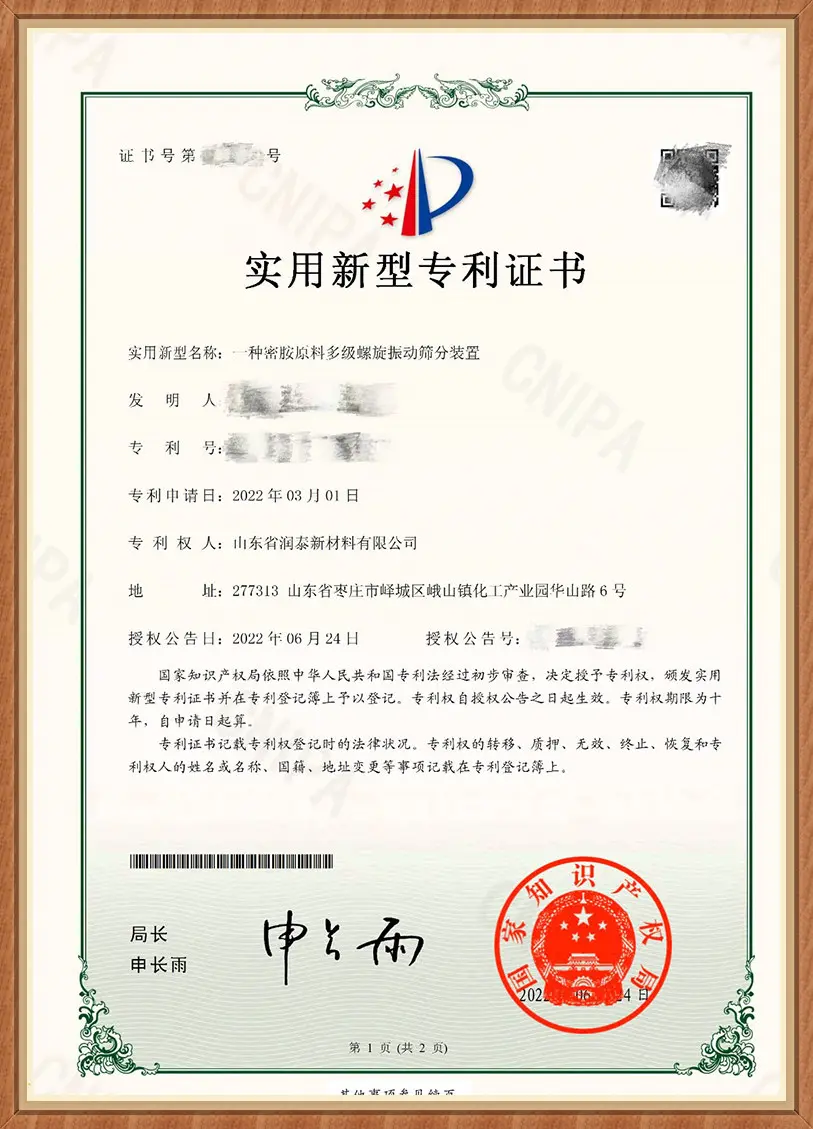
Joint Lab R&D Patents
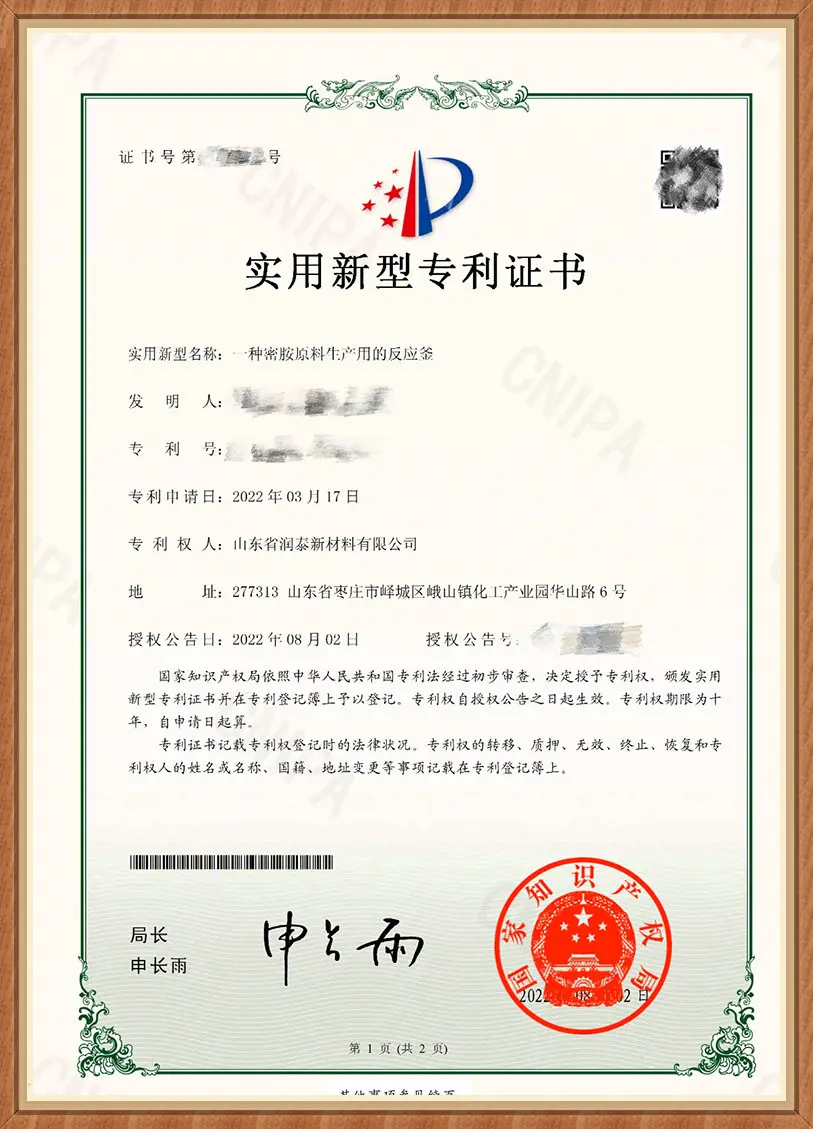
Chemical Technology Patent
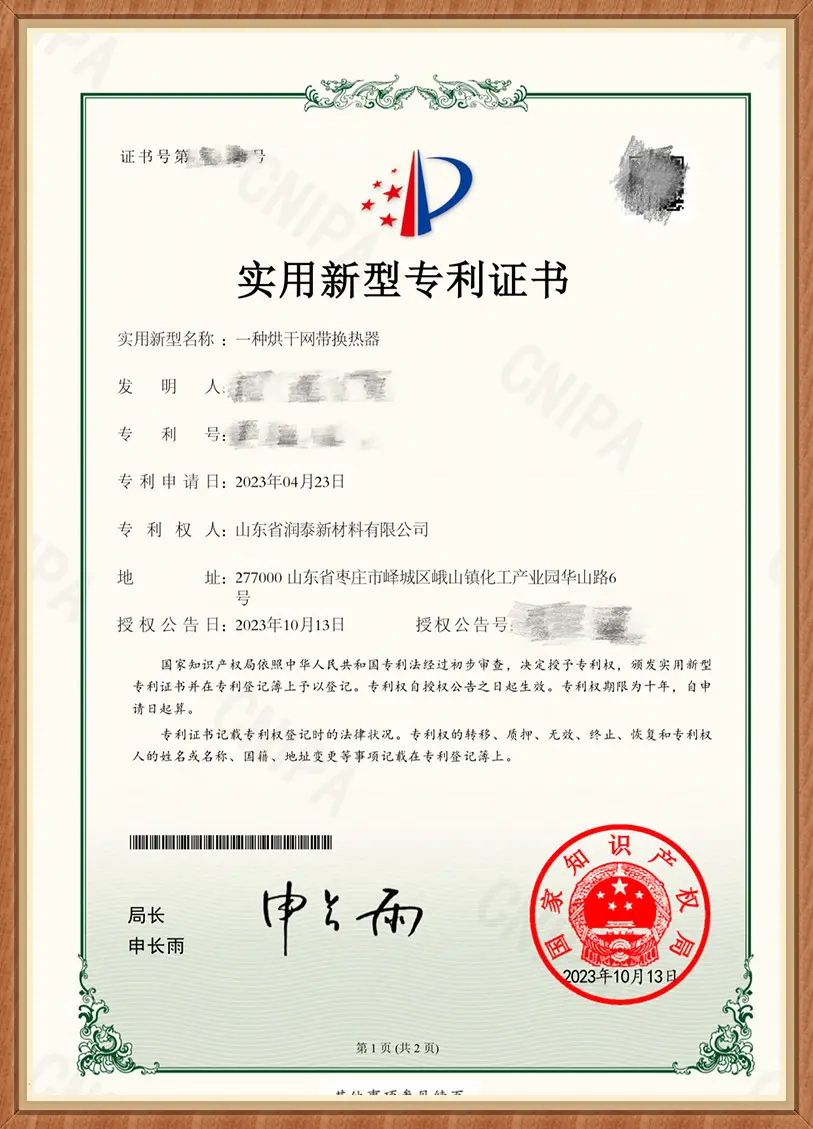
Quality Assurance Seal
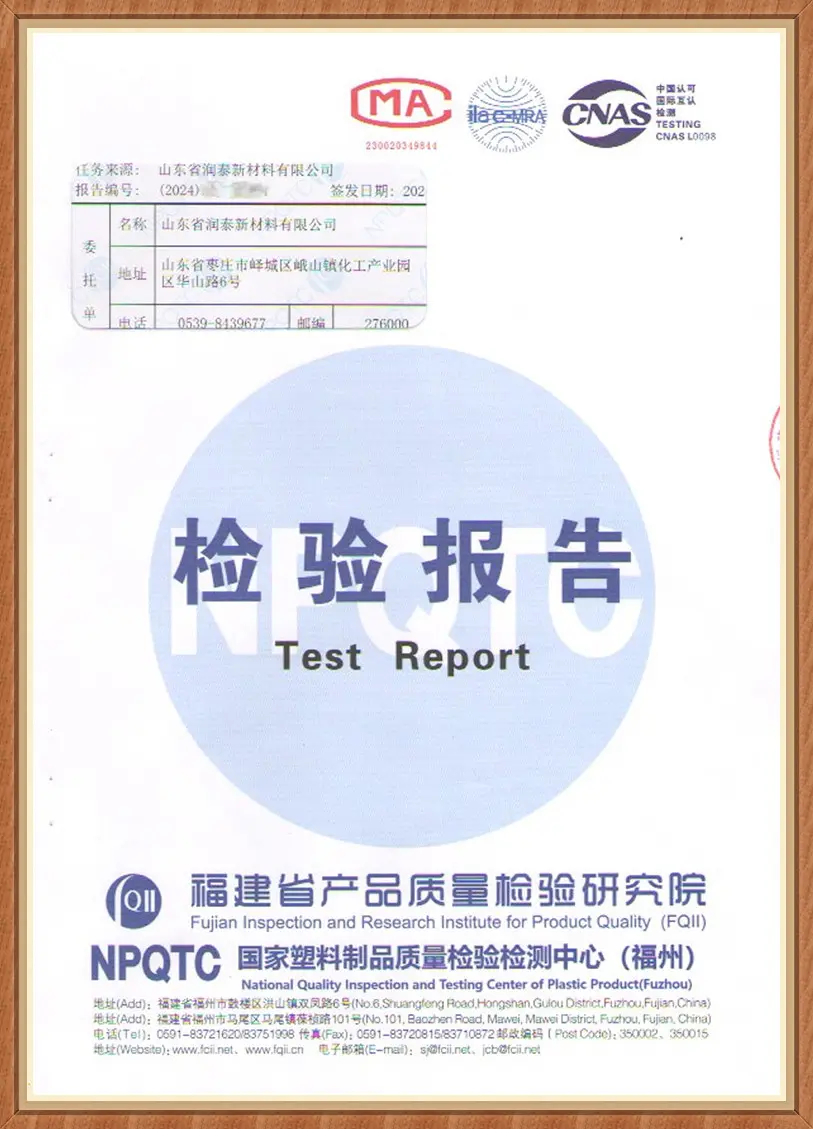
Dangerous Cargo Maritime Approval
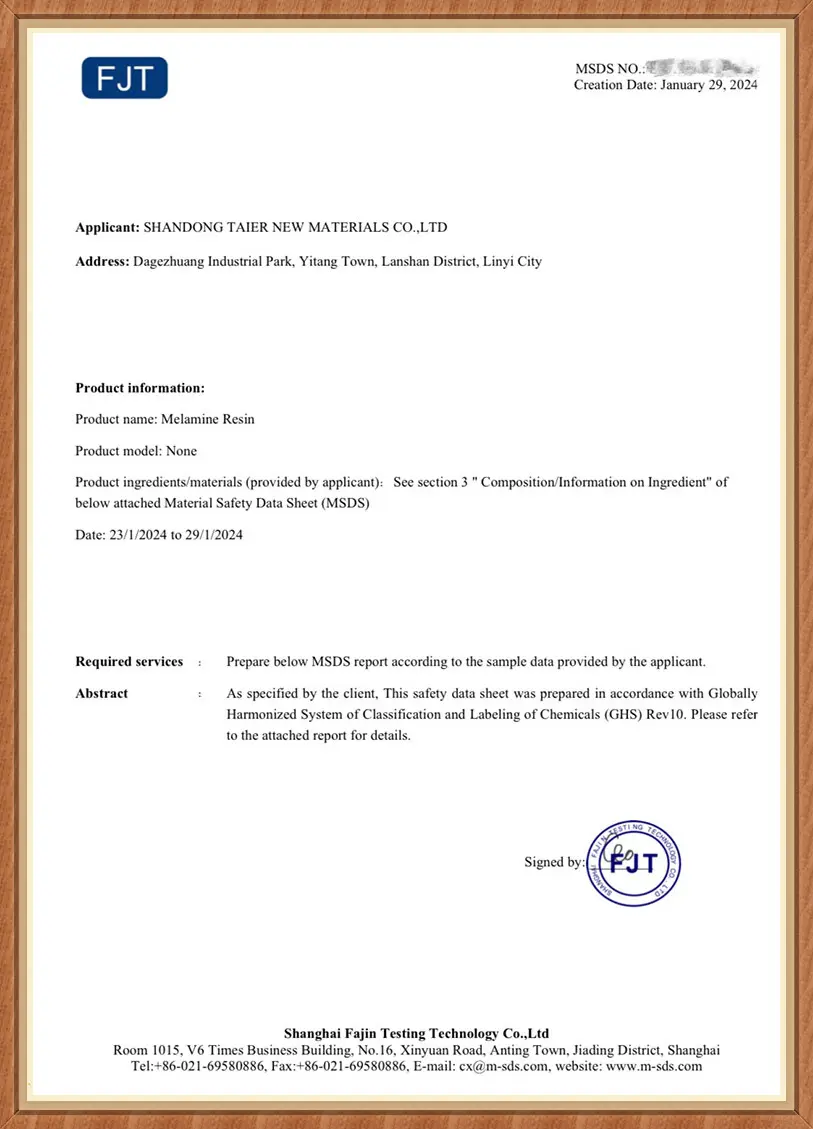
Green Industry Enterprise Standard
 Runtai