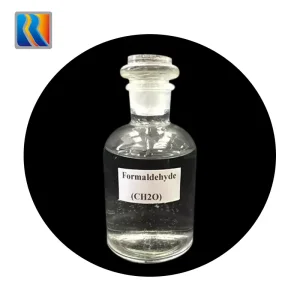
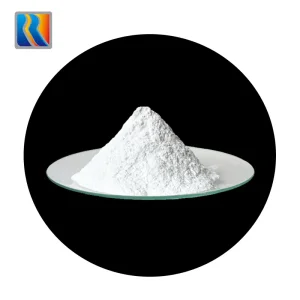
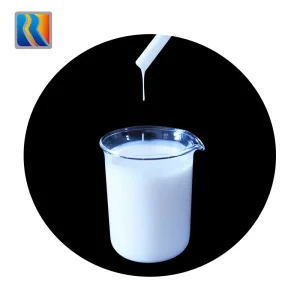
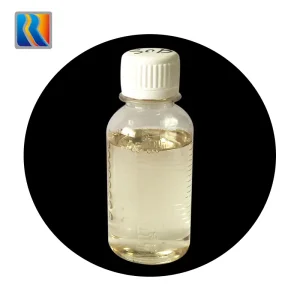
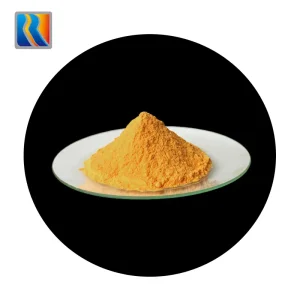
Explore our premium grade chemical solutions manufactured at our modern facility to meet global standards.
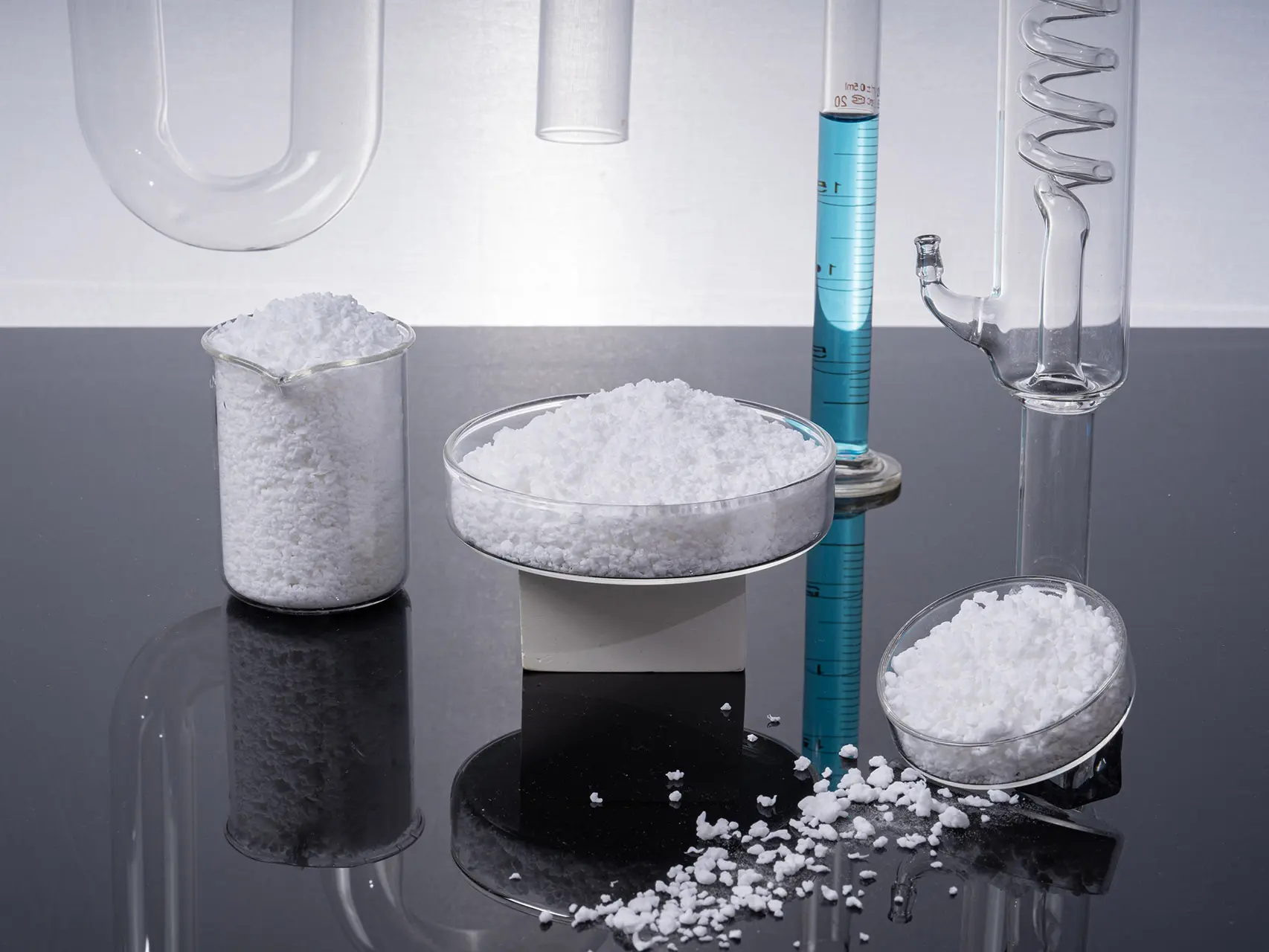
Terpene Phenolic Resins are thermoplastic, linear copolymer structures generated through the cationic copolymerization of natural terpenes (such as limonene, dipentene, or pinene) with phenols. As a premium tackifier, they bridge the compatibility gap between non-polar elastomer structures (like SIS, SBS, and natural rubber) and highly polar polymers (including ethylene-vinyl acetate or acrylics). By adjusting the terpene-to-phenol ratio, manufacturers can precisely alter the hydroxyl value and softening point, offering customized adhesion properties for complex substrates.
The molecular weight distribution ($M_w/M_n$) of terpene phenolic resin is typically narrow, which provides sharp melting points and prevents phase segregation during thermal aging. High-purity terpene phenolics possess excellent thermal stability, resisting decomposition at temperatures exceeding 250°C, a mandatory characteristic for modern hot melt adhesives (HMAs) applied in high-speed packaging lines.
To understand the unique performance values of Terpene Phenolic Resins, it is useful to evaluate them against other common tackifying agents used across global manufacturing:
| Resin Type | Raw Material Base | Softening Point Range | Compatibility (EVA / Acrylics) | Cohesive Strength | Thermal Stability |
|---|---|---|---|---|---|
| Terpene Phenolic Resins | Bio-based Pine Terpenes & Phenols | 95°C – 150°C | Excellent (Outstanding polarity tuning) | Very High | Superior (Low VOC emissions) |
| Rosin Esters | Natural Gum Rosin & Polyols | 80°C – 115°C | Good | Moderate | Moderate (Prone to oxidation) |
| C5 Hydrocarbon Resins | Cracked Petroleum Fractions | 85°C – 105°C | Poor (Suitable for non-polar only) | Moderate | Fair |
| C9 Hydrocarbon Resins | Aromatic Petroleum Feedstocks | 90°C – 140°C | Moderate | Moderate | Fair (Distinct odor profile) |
As demonstrated in the comparison, terpene phenolic resins present a superior choice for formulations requiring high cohesive strength and heat resistance. The hydroxyl groups within the polymer skeleton form hydrogen bonds with polar surfaces like aluminum foils, glass, and polyethylene terephthalate (PET), making them the preferred raw material for technical packaging film adhesives.
Shandong Runtai New Materials Co., Ltd.
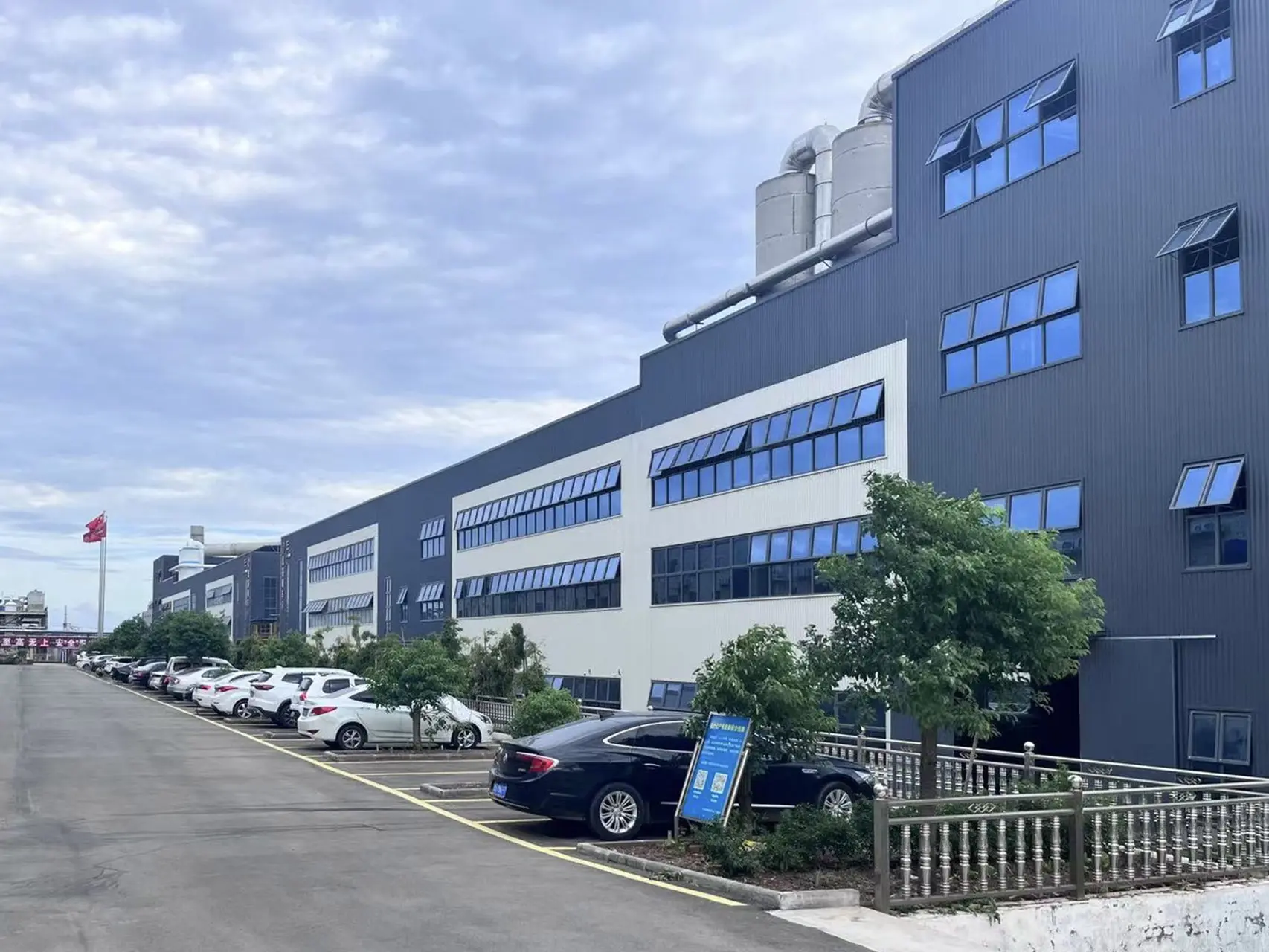
Founded in March 2020, Shandong Runtai New Materials Co., Ltd. is a comprehensive group firm that specializes in fine chemical products. Our primary products include formaldehyde, polyformaldehyde, urea formaldehyde resin, melamine powder, and melamine glazing powder. The corporation has branches in five different cities throughout the whole country, with its headquarters located in Zaozhuang City, Shandong Province.
Runtai New Materials covers an area of 270,000 square meters with a total investment of 2.06 billion yuan. By integrating upstream chemical feeds with modern downstream processing, we establish robust polymer production stability and price predictability for our partners globally.
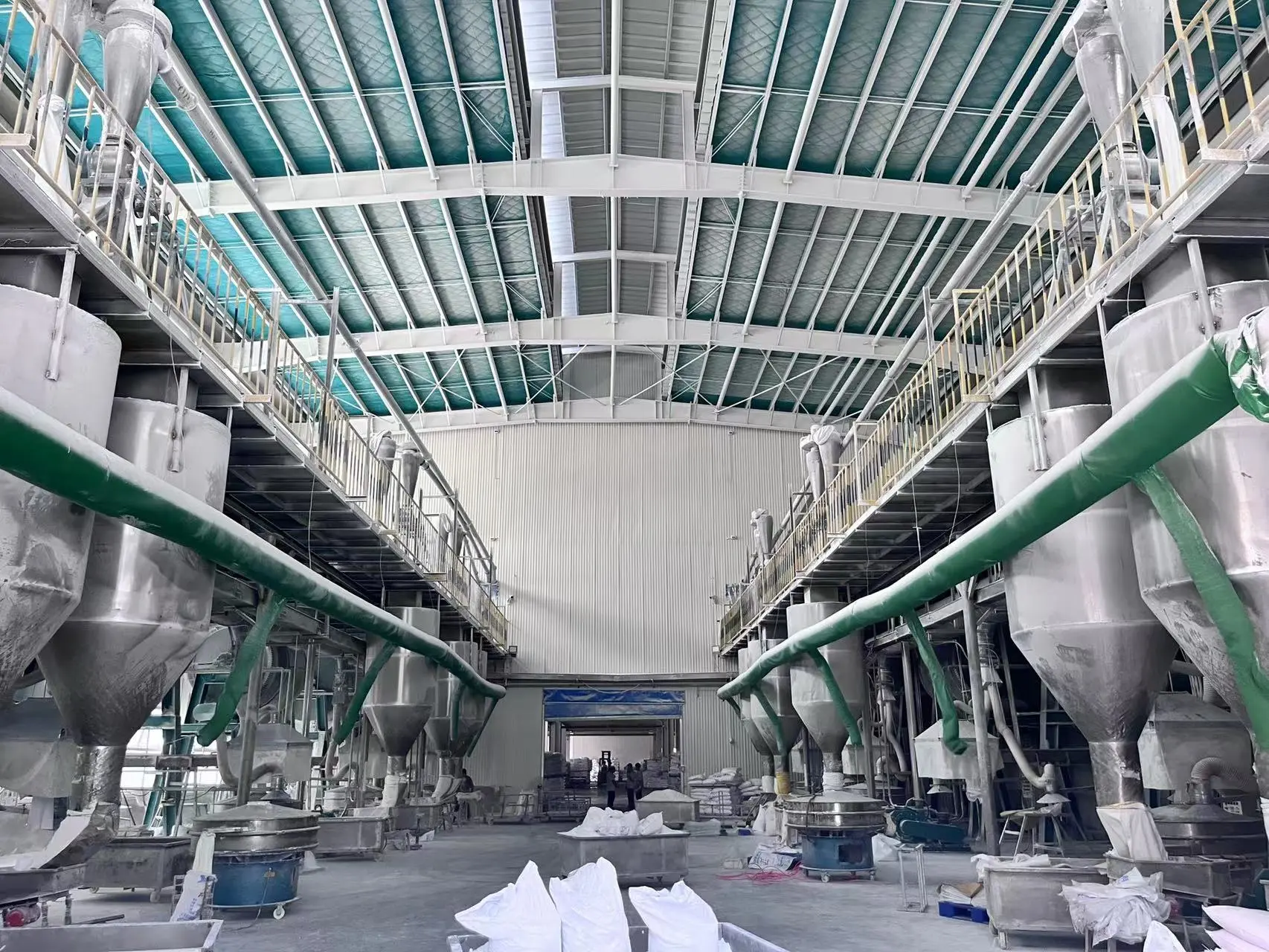
Runtai New Materials has grown to be one of China's top producers of melamine and formaldehyde due to our recent improvements in production lines growth. As of currently, the company produces 380,000 tons of formaldehyde annually, 60,000 tons of melamine annually, 20,000 tons of melamine glazing powder annually, 11,000 tons of specialty resin annually, and 300,000 tons of urea formaldehyde resin annually.
We have reached about 80% market share in China. At the same time, we are actively developing overseas business; our products have been exported to the United States, Thailand, Kenya, Egypt, and other countries and have been widely praised by overseas customers. Our professional staff and cutting-edge production machinery are committed to the production of chemical goods that satisfy global standards, providing tailored solutions based on the unique requirements of our customers.
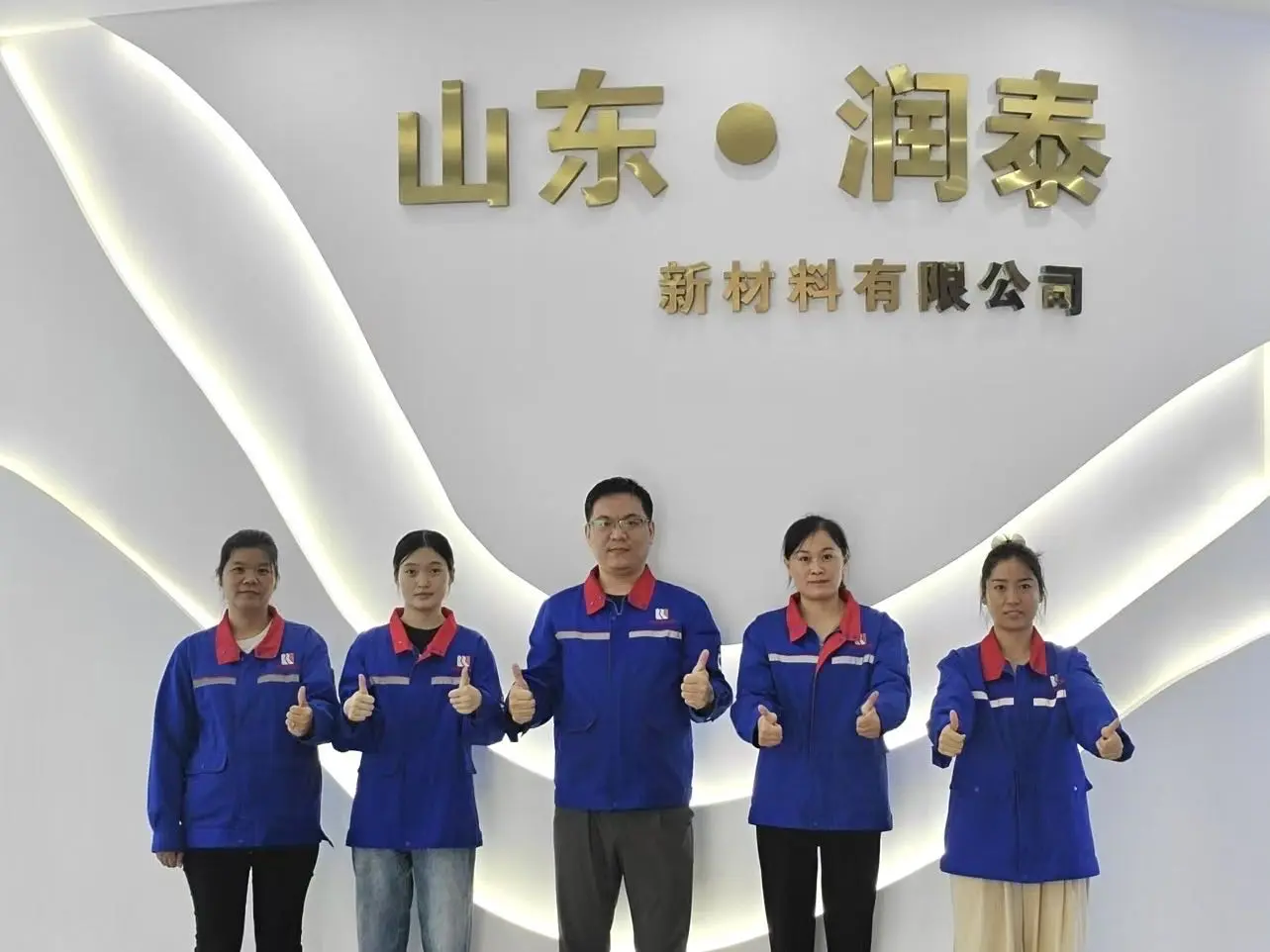
Our core strengths position us at the forefront of the chemical polymer supply chain, serving as a reliable backbone for global partners.
Following the completion of our projects, Runtai has become a comprehensive enterprise in the forefront of research, production, sales, and application of new chemical materials with formaldehyde as raw materials, commanding a leading national market share.
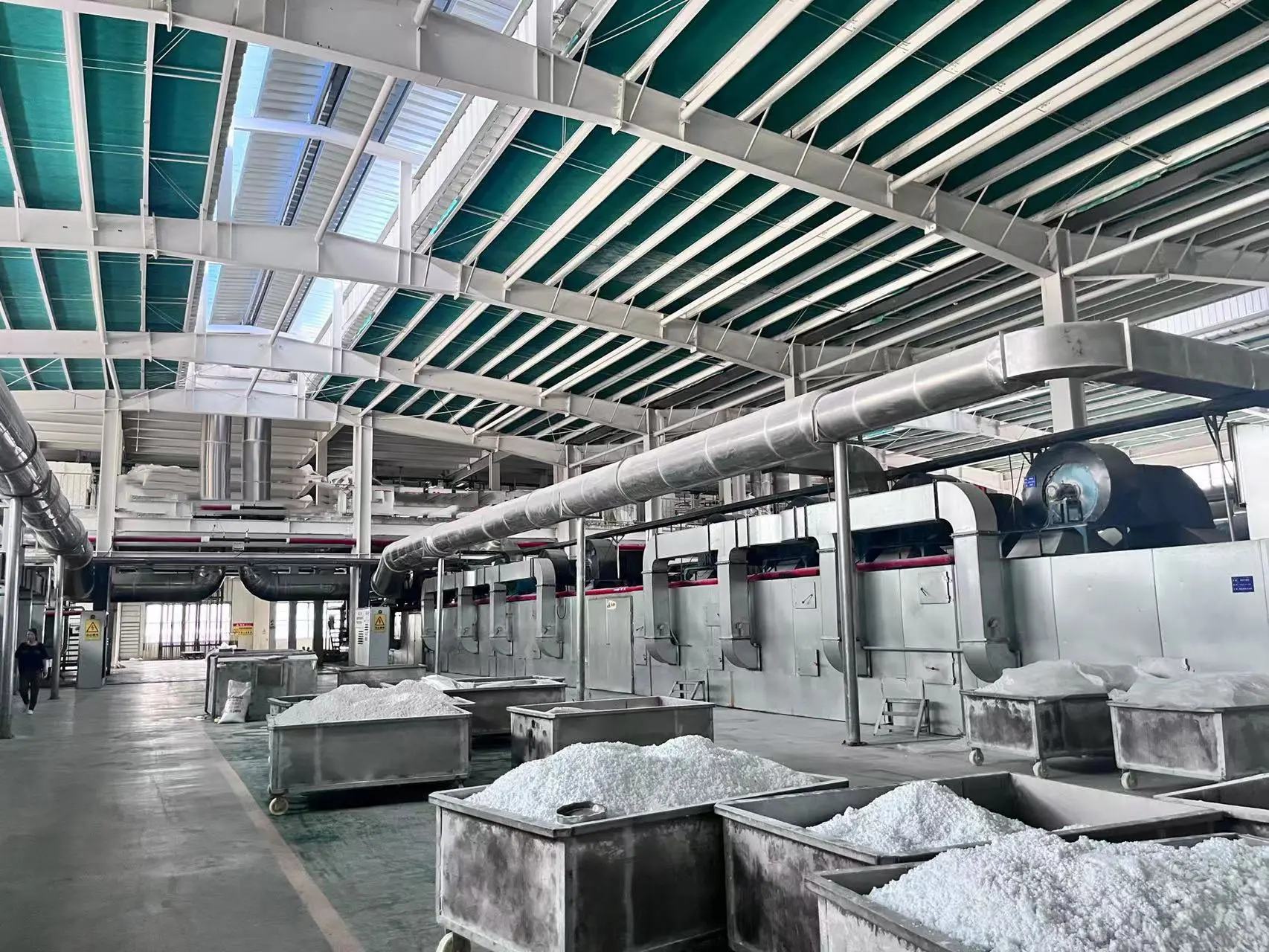
Our production relies on a highly advanced Distributed Control System (DCS), allowing us to manage process parameters across the entire production line. This ensures equipment safety and high product quality while reducing raw material consumption.
We deploy modern, reliable testing and production machinery to maximize output quality. Automated processes minimize labor intensity, increase productivity, conserve energy, and significantly lower production costs.
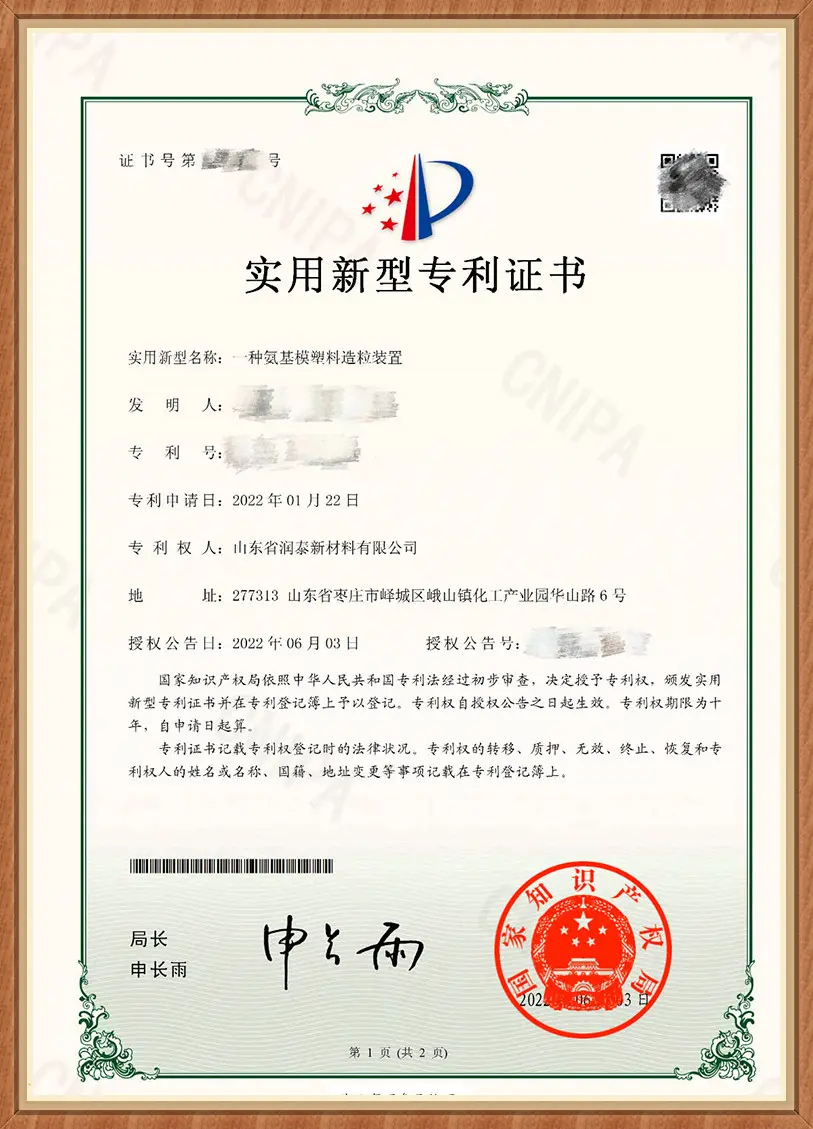
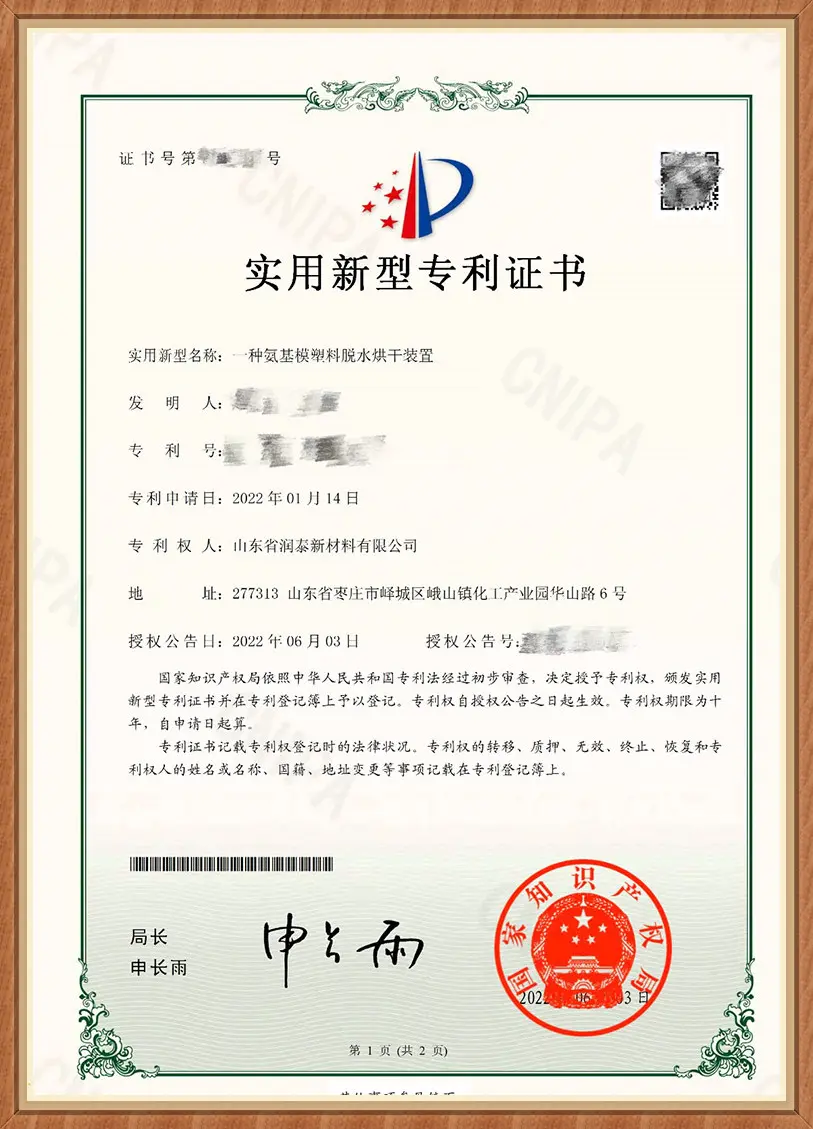
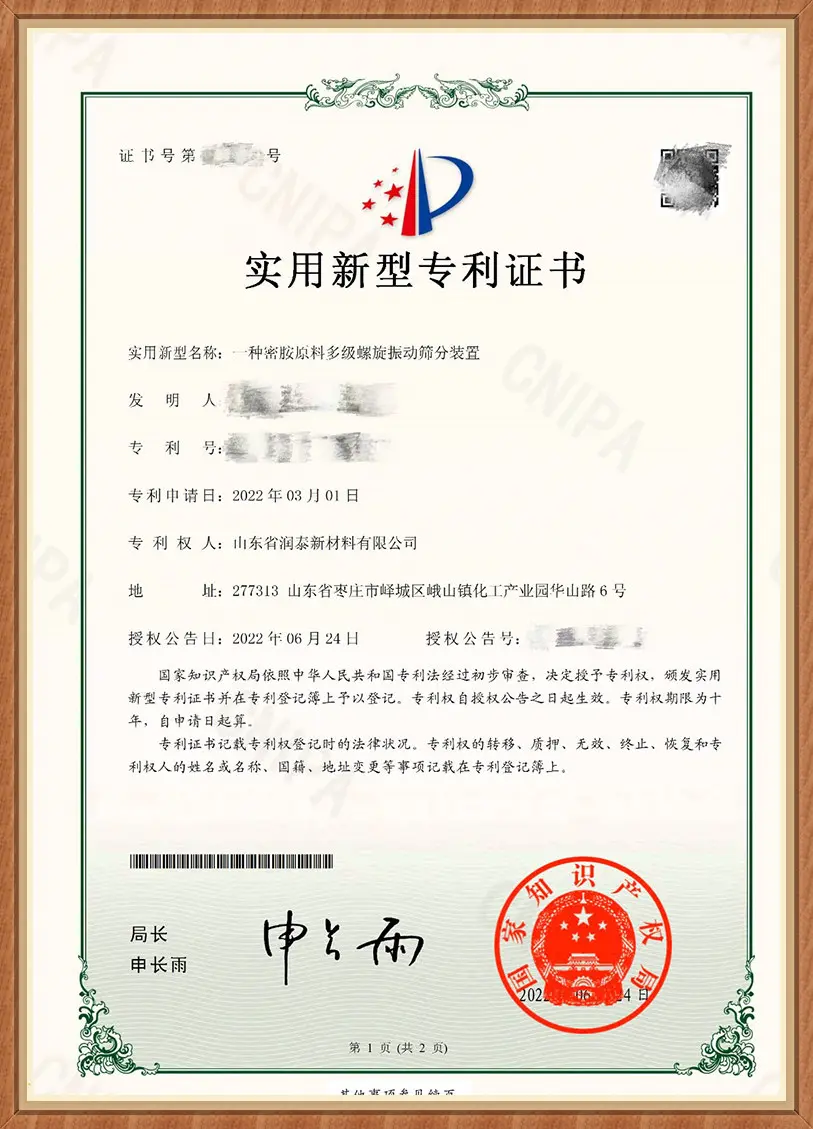
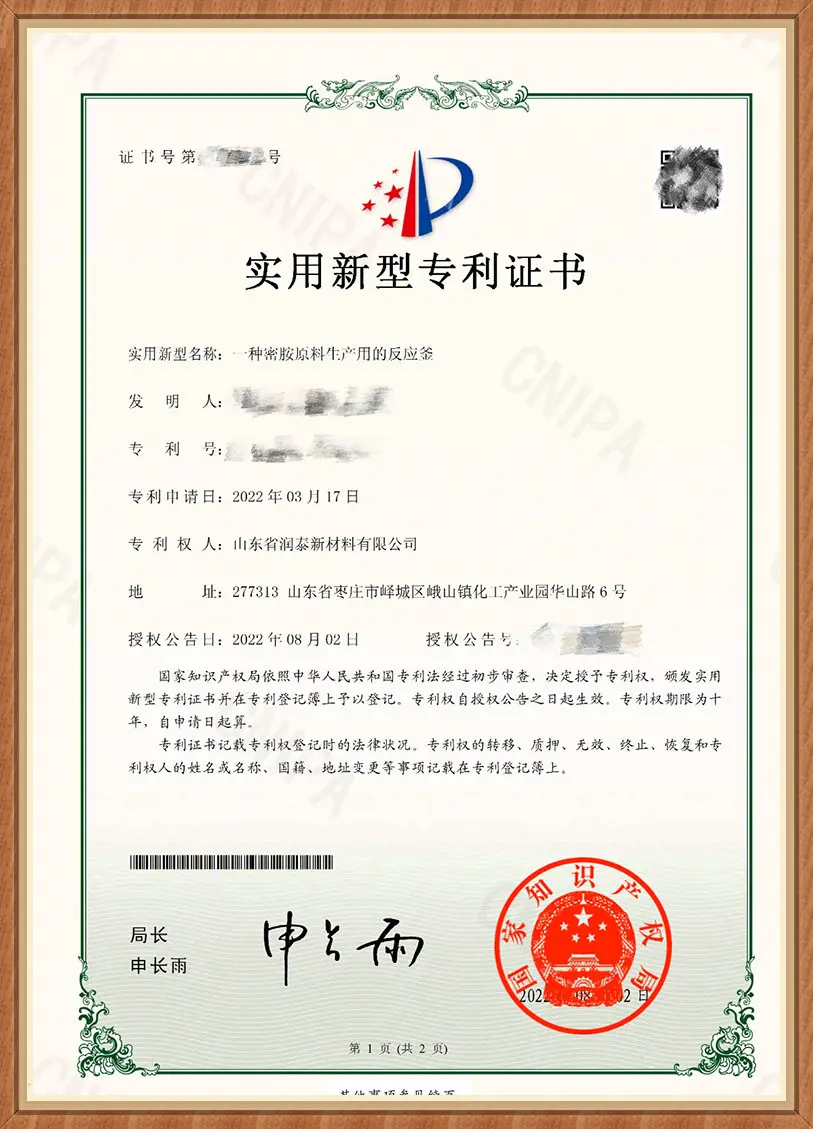
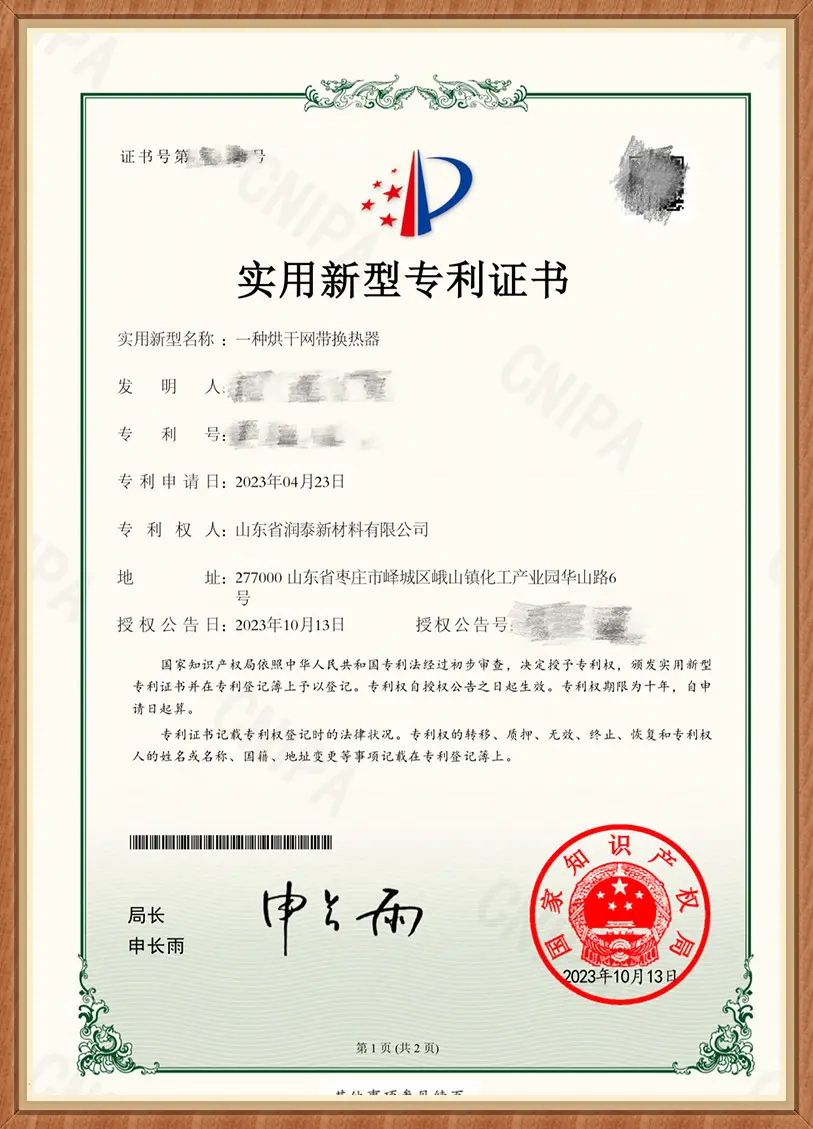
Engaging in the integration of production, learning, and research, we maintain partnerships with institutions like the Changzhou Research Institute of Beijing University of Chemical Technology. Our in-house R&D team holds multiple patented technologies.
Our formaldehyde-based chemical materials industry has substantial potential for downstream derivatives. Applications extend into adhesives, coatings, resins, dyes, pharmaceutical raw materials, electronics, and mechanical replacement fields.
Our Zaozhuang facility operates under Industry 4.0 principles, utilizing integrated automation frameworks that synchronize real-time raw material intake with dynamic production scheduling. This continuous data loop ensures that even during global fluctuations in feedstocks, our production output remains predictable, preventing delivery delays for international clients.
To eliminate batch-to-batch variations, our smart reactors measure critical parameters like viscosity index, pH deviations, and exothermic reaction profiles automatically. Our closed-loop processing design captures trace emissions, converting them into useful chemical energy, establishing an environmentally responsible manufacturing ecosystem that meets global green requirements.

Our long-term development focuses on sustainability, low VOC emissions, and renewable bio-derived chemistry.
Maximizing the use of pine-based terpenes in polymer backbones to decrease carbon footprints while preserving tackifying performance.
Optimizing synthesis extraction to reduce free monomer levels (phenol and formaldehyde) below 0.05% for indoor and medical grade requirements.
Developing stable, surfactant-optimized water-based terpene phenolic dispersions for environmentally friendly packaging adhesives.
Collaborating with academic institutes to functionalize resins with reactive end-groups, enhancing adhesion on difficult engineering plastics.
Industrial applications present diverse environments requiring strict compliance parameters. Runtai provides tailored chemical systems engineered for regional standards:
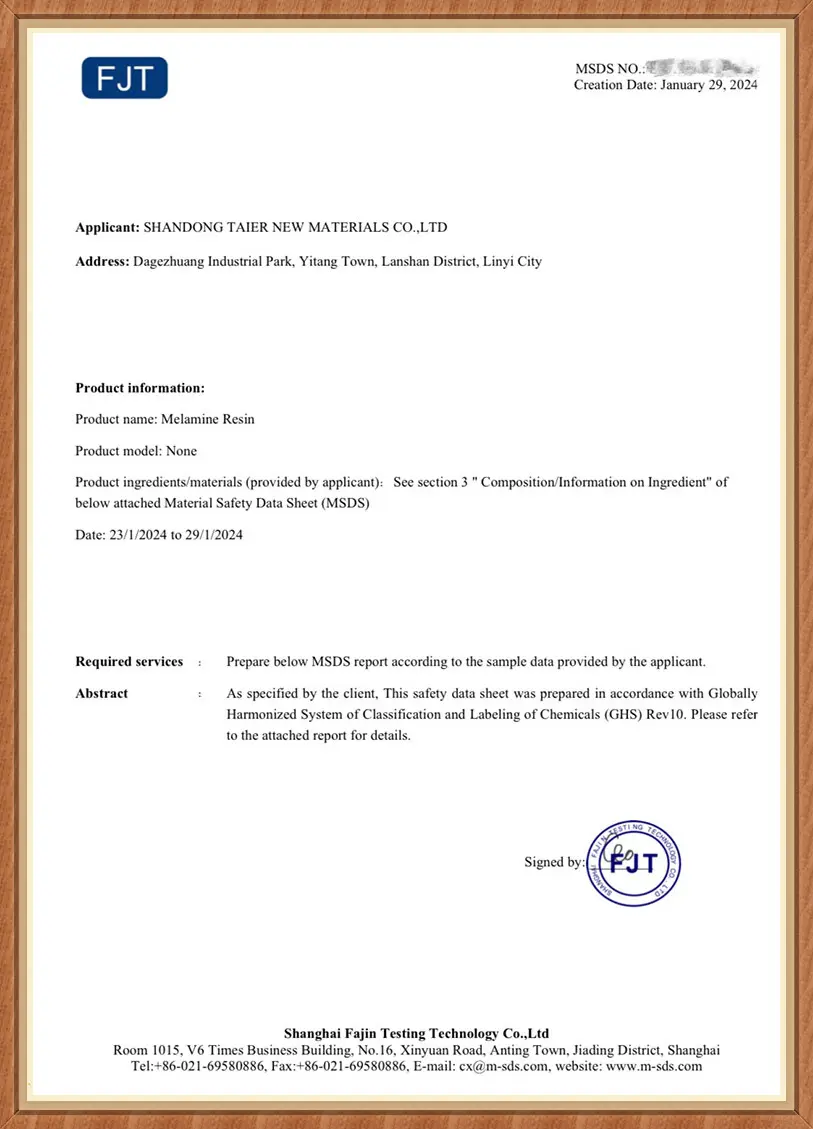
We work closely with global auditing systems to guarantee that our products flow smoothly across borders:
| Compliance Standard | Focus Parameters | Runtai Certification Status | Target Market / Applications |
|---|---|---|---|
| EU REACH Regulation | Chemical Substance Registration | Registered & Compliant | European Union Adhesives & Sealants | US TSCA Inventory | Active Chemical Substance Status | Listed / Compliant | North American Automotive & Packaging |
| FDA 21 CFR 175.105 | Food-Grade Adhesives Migrations | Certified Safe for Indirect Food Contact | Global Flexible Food Packaging Film |
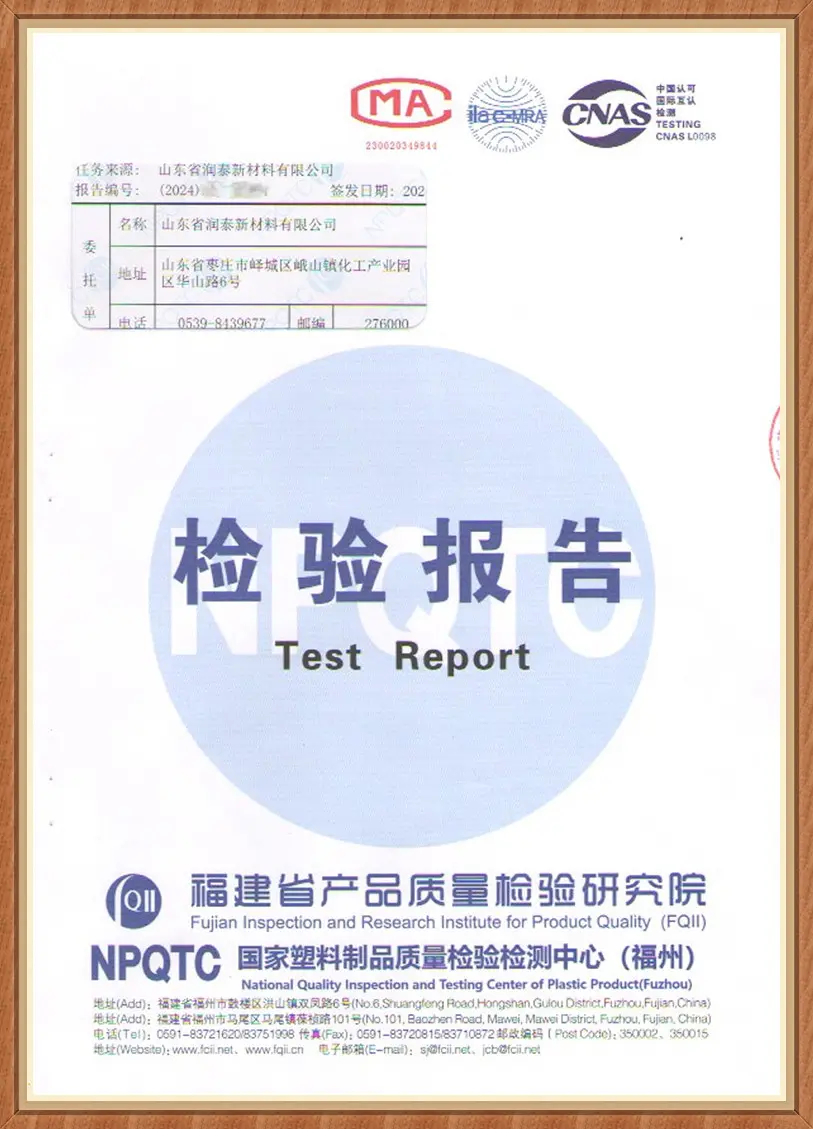
| ISO 9001 & 14001 | Quality & Environmental Management Systems | Audited annually with Zero Non-Conformance | Global Industrial Operations |
Our commitment to quality is backed by certified verification and modern laboratory equipment.
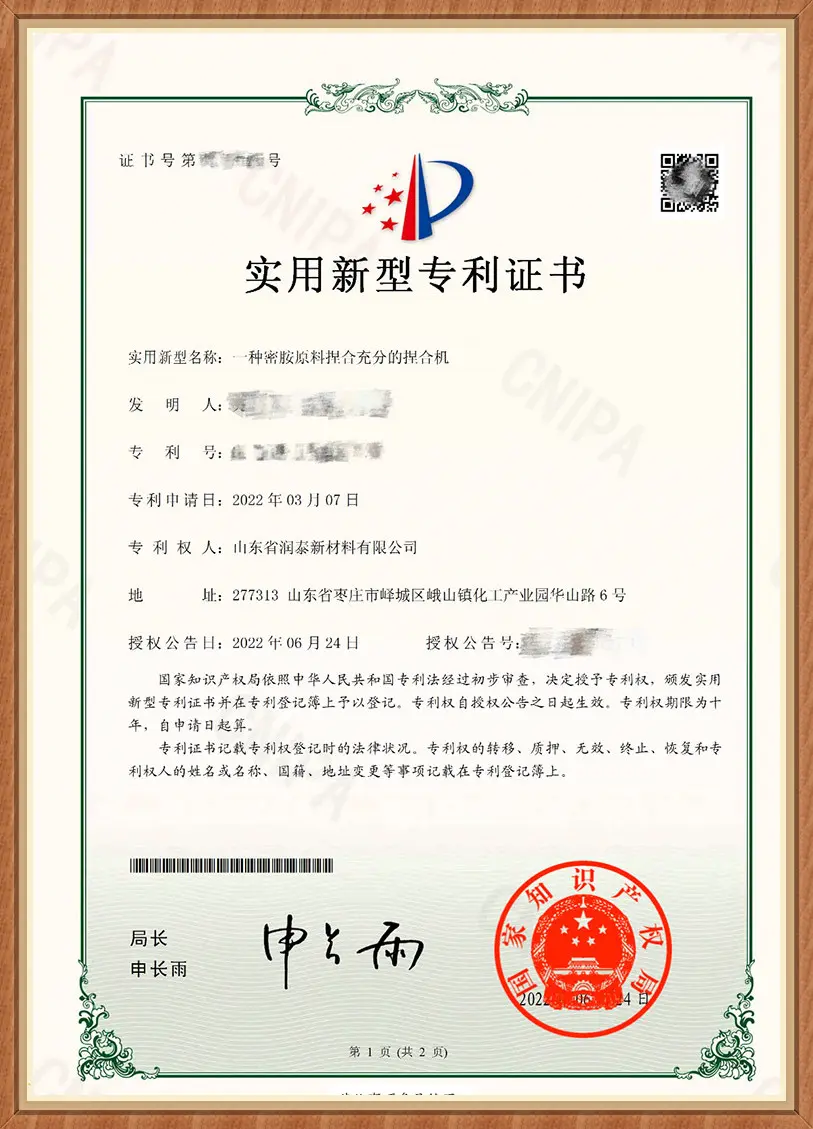

Get professional answers to common questions about Terpene Phenolic Resins and sourcing protocols.
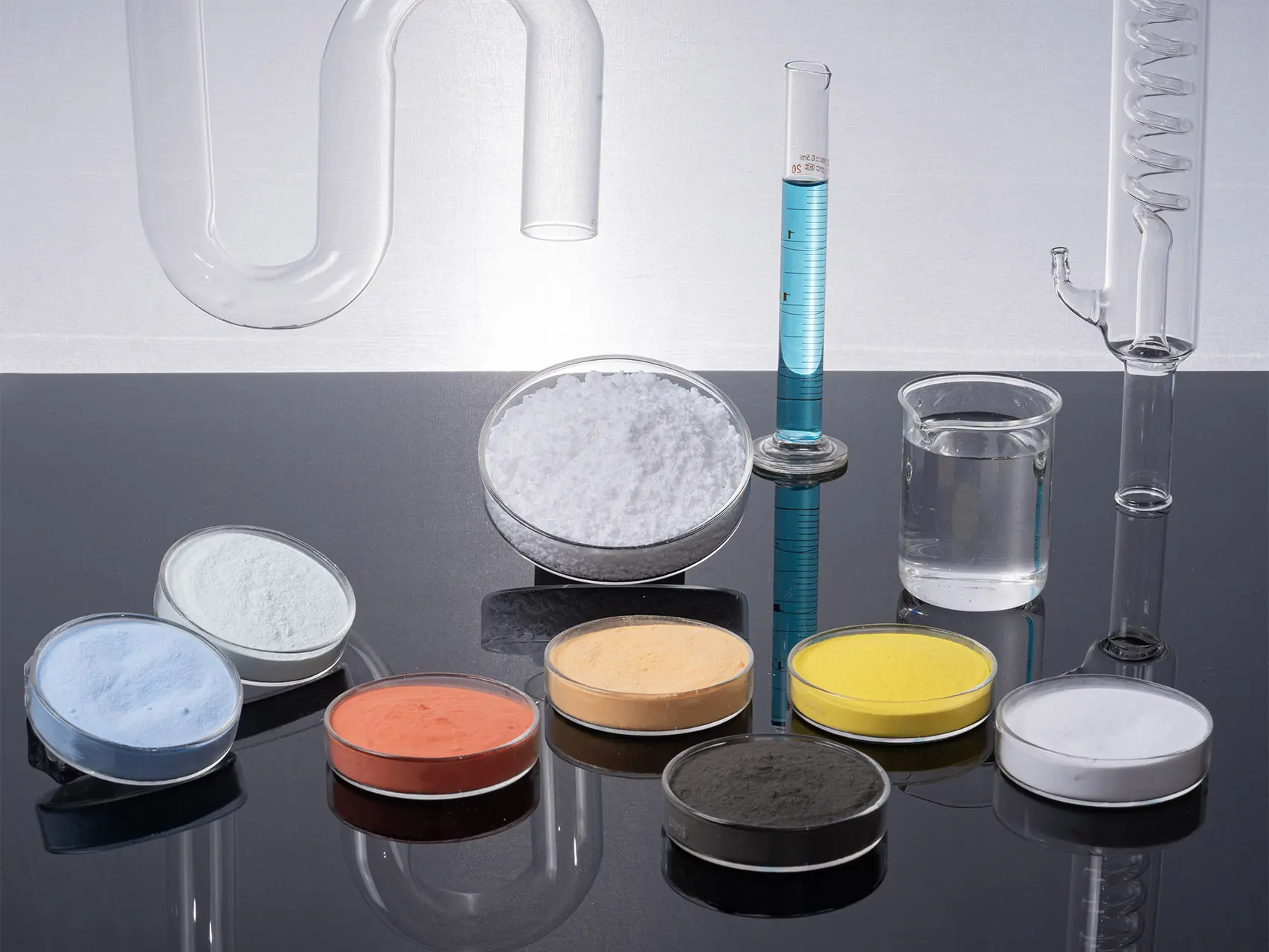
Discover our range of chemical intermediates, moulding compounds, and water-based performance additives.
 Runtai