Pioneering standard-compliant chemicals manufactured through specialized gaseous-phase oxidation and synthesis networks.
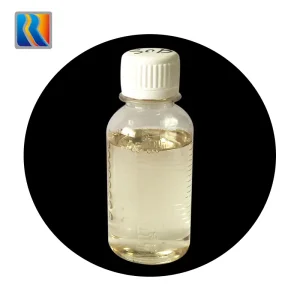
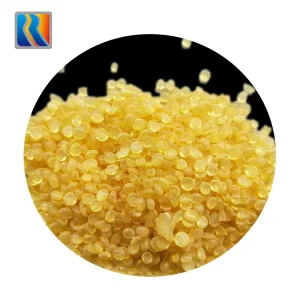
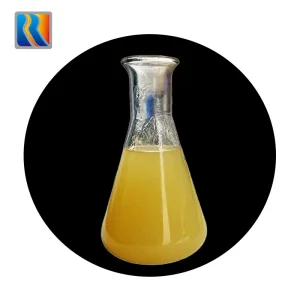
Understanding the chemical mechanics, phase kinetics, and upstream structural pathways of industrial formaldehyde synthesis.
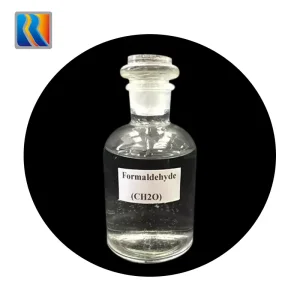
Gaseous formaldehyde ($CH_2O$), or methanal in its natural thermodynamic gaseous phase, serves as one of the most critical C1 chemical building blocks in modern industrial chemistry. Characterized by its strong, pungent aroma and high reactivity, the gaseous compound is synthesized primarily via the catalytic oxidation of methanol vapor. The process occurs either over a silver crystal catalyst bed or via a metal oxide catalytic reactor (the standard Formox route). Because monomeric gaseous formaldehyde readily polymerizes into solid paraformaldehyde or trioxane at ambient pressures and temperatures below 100°C, its commercial generation, immediate downstream processing, or stabilization in liquid aqueous formulations (formalin) requires deep structural control.
As a premier global chemical manufacturer, Shandong Runtai New Materials Co., Ltd. operates at the absolute cutting edge of this synthesis pathway. By controlling the transition from methanol vapors to stabilized liquid formulations and specialized polymer systems, we ensure structural integrity, low impurity profiles, and continuous supply chains. From architectural wood adhesives to automotive thermosets, the control of gaseous formaldehyde is the key differentiator in final polymer performance.
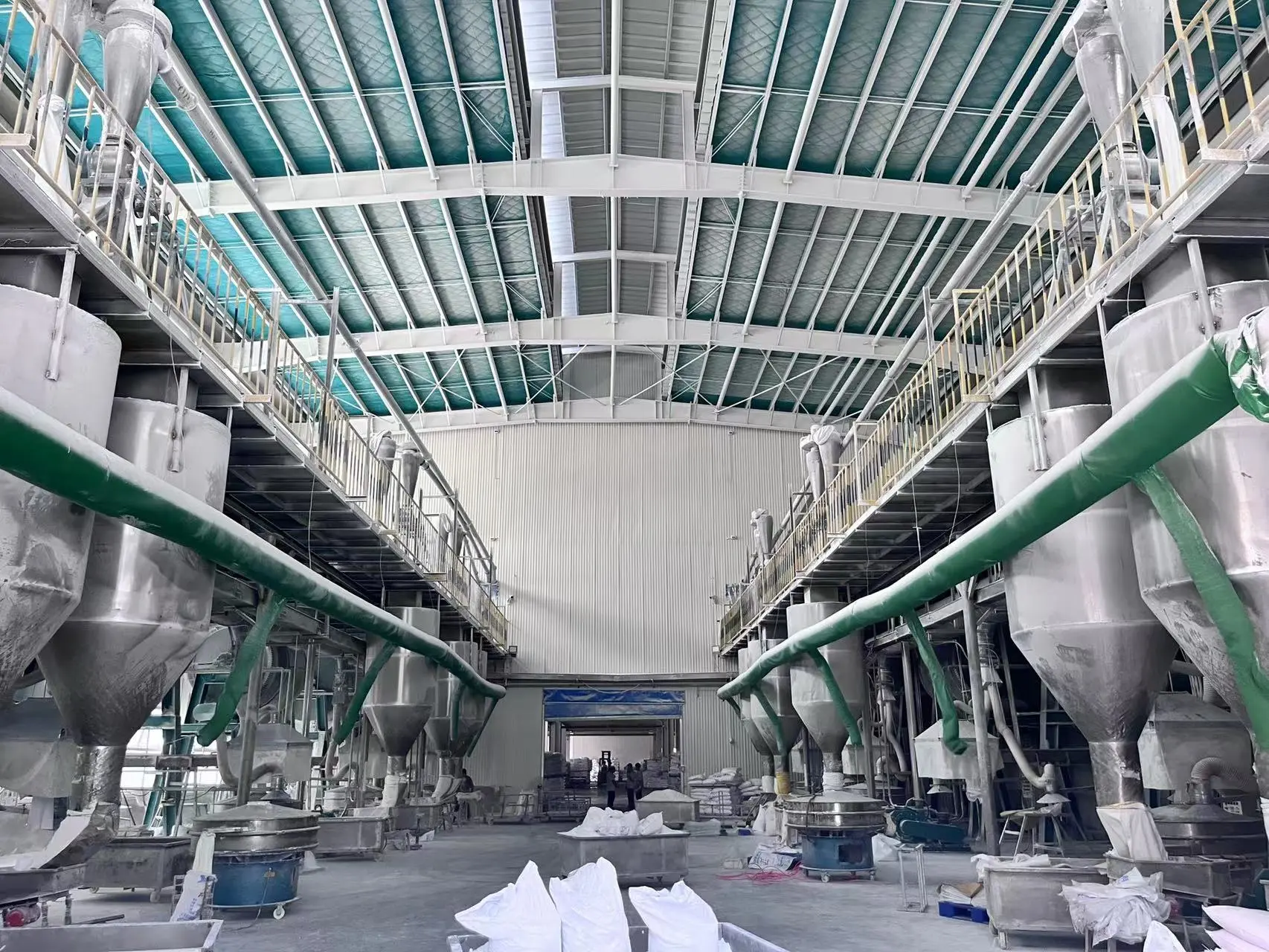
Scale, integration, and operational authority in the global industrial intermediates marketplace.
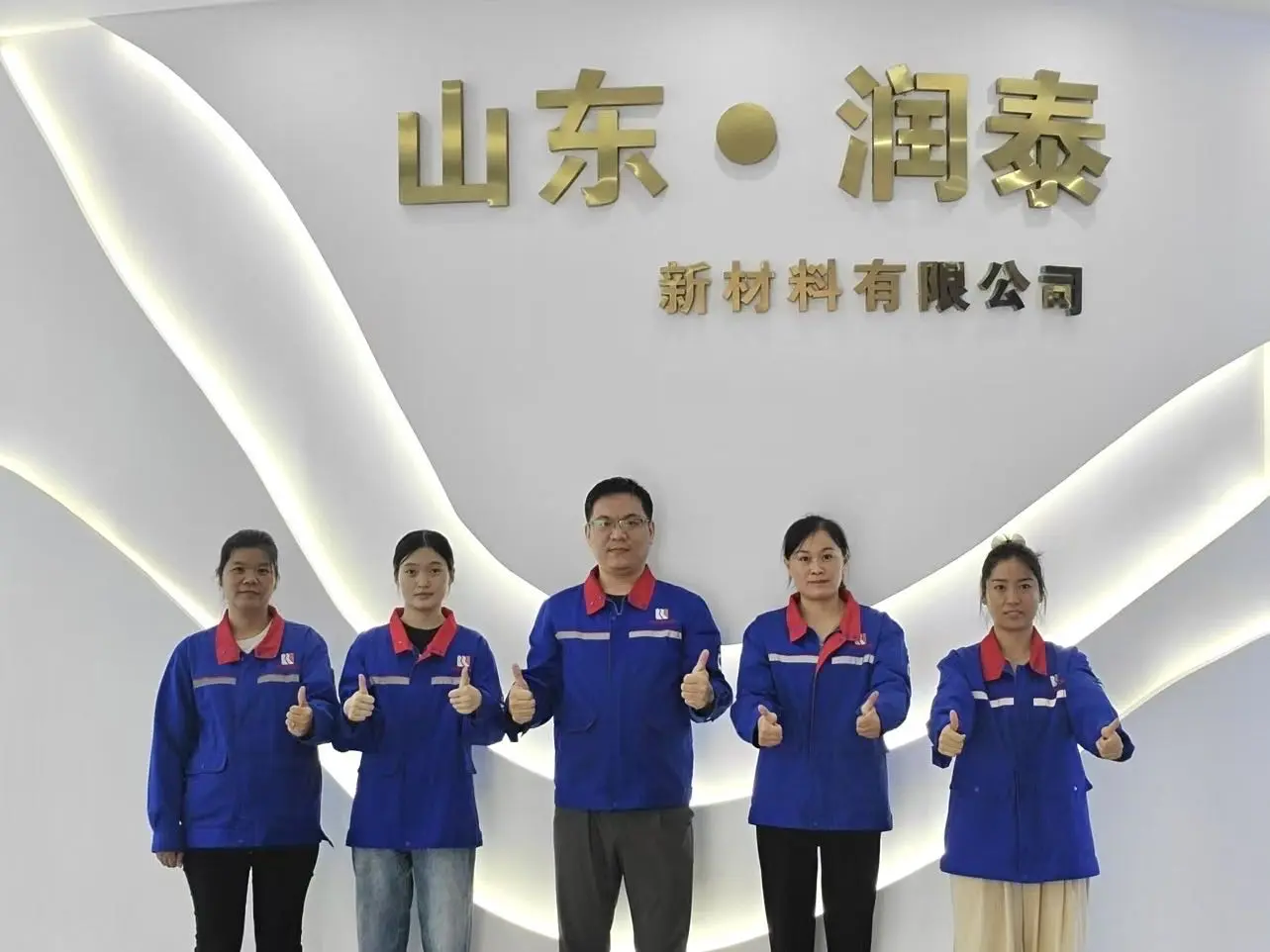
Runtai New Materials is a professional chemical supplier dedicated to satisfying customer requirements with superior chemical products and solutions. Our professional staff and cutting-edge production machinery are committed to the production of chemical goods that satisfy global standards. In order to satisfy the needs of various industries, we simultaneously offer standardized products as well as tailored solutions based on the unique requirements of our customers.
By controlling the vertical chain from formaldehyde gas generation to synthetic resins (such as MMC, UMC, and Phenolic Resins), we optimize cost-performance ratios and eliminate batch-to-batch inconsistencies that commonly plague non-integrated manufacturers.
Leveraging state-of-the-art DCS automation and independent academic R&D partnerships to build a safer, cleaner chemical ecosystem.
We select the more advanced distributed control system (DCS) available currently. This allows real-time regulation of system flow rate, heat removal in the converter, and absorption tower water balances, keeping yield rates stable and lowering side-product generation (e.g., formic acid).
In cooperation with the Changzhou Research Institute of Beijing University of Chemical Technology, Runtai integrates cutting-edge catalysts, processes, and chemical design patents, backed by our dedicated on-site doctoral R&D teams.
Formaldehyde gas feedstock feeds directly into melamine powder, melamine glazing powder, phenolic resins, and urea formaldehyde resin. This vertical model lowers transportation hazards and ensures predictable pricing structures.
Meanwhile, Runtai New Materials, as an ethical company, prioritizes sustainable development and environmental preservation. Our commitment lies in developing and producing eco-friendly products that minimize their negative effects on the environment while adhering to pertinent laws, regulations, and standards.
The "quality first, customer first" attitude has always guided our business, and we embrace customer service with honesty and professionalism. Friends from both domestic and foreign locations are warmly invited to visit Runtai New Materials. We look forward to collaborating with you to build a better future together!

Evaluating regulatory pressures, environmental compliance, and global trade challenges shaping the future of formaldehyde chemistry.
Regulatory bodies worldwide (including EPA TSCA Title VI, CARB Phase 2, and European E1/E0 standards) continue to tighten permissible free-formaldehyde levels in industrial end-products. The market is shifting towards low-fume urea-formaldehyde (UF) and melamine-urea-formaldehyde (MUF) resin formulations, requiring highly precise control over chemical mole ratios.
As global chemical giants commit to Net-Zero targets, sourcing bio-methanol or e-methanol as a precursor for gaseous formaldehyde synthesis is transitioning from a niche concept to a critical procurement requirement. Manufacturers capable of tracing feedstock carbon footprints will secure structural advantages.
Due to the dangerous goods classifications associated with transporting bulk formalin (UN 2209) or concentrated gas, heavy downstream consumers (like wood panels and particle board factories) increasingly seek partners who can configure on-site generation loops or supply stable solid paraformaldehyde (UN 2213) for in-situ depolymerization.
Choosing the right grade of gaseous derivative is critical for ensuring chemical synthesis success. The table below represents the benchmark parameters of our key industrial offerings:
| Industrial Grade / Product | Monomeric Purity | Key Stabilizers | Downstream Focus | Compliance Standard |
|---|---|---|---|---|
| Industrial Formalin (Aqueous) | 37% - 50% $CH_2O$ | 1% - 15% Methanol | UF, MF, Phenolic Resins | ISO 9001, REACH Compliant |
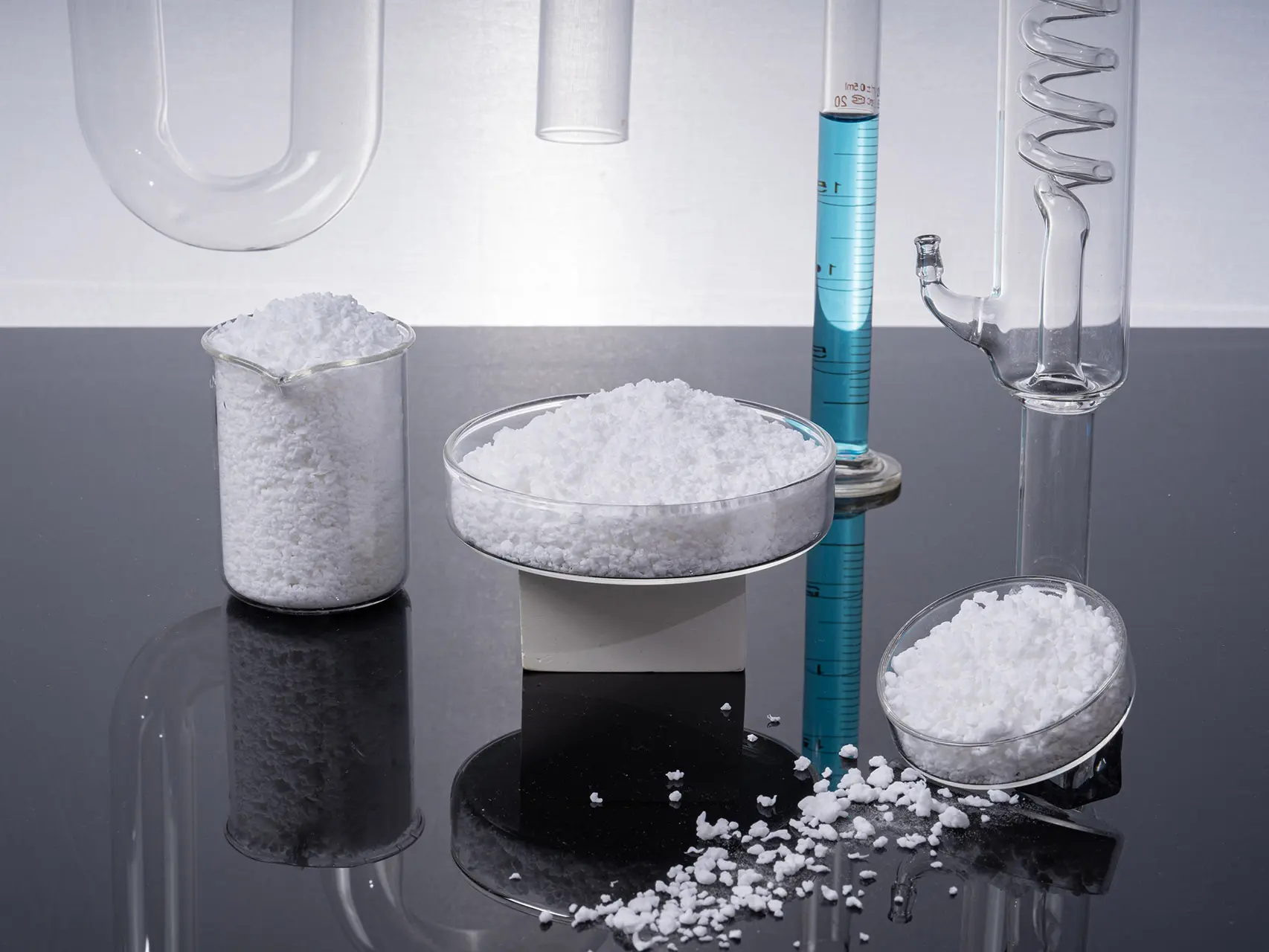
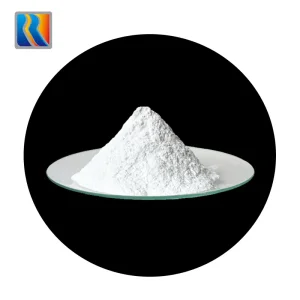
| Paraformaldehyde (Solid) | 91% - 96% Active | Trace Organic Acids | Thermoset Adhesives, Paints | UN 2213 Class 4.1 |
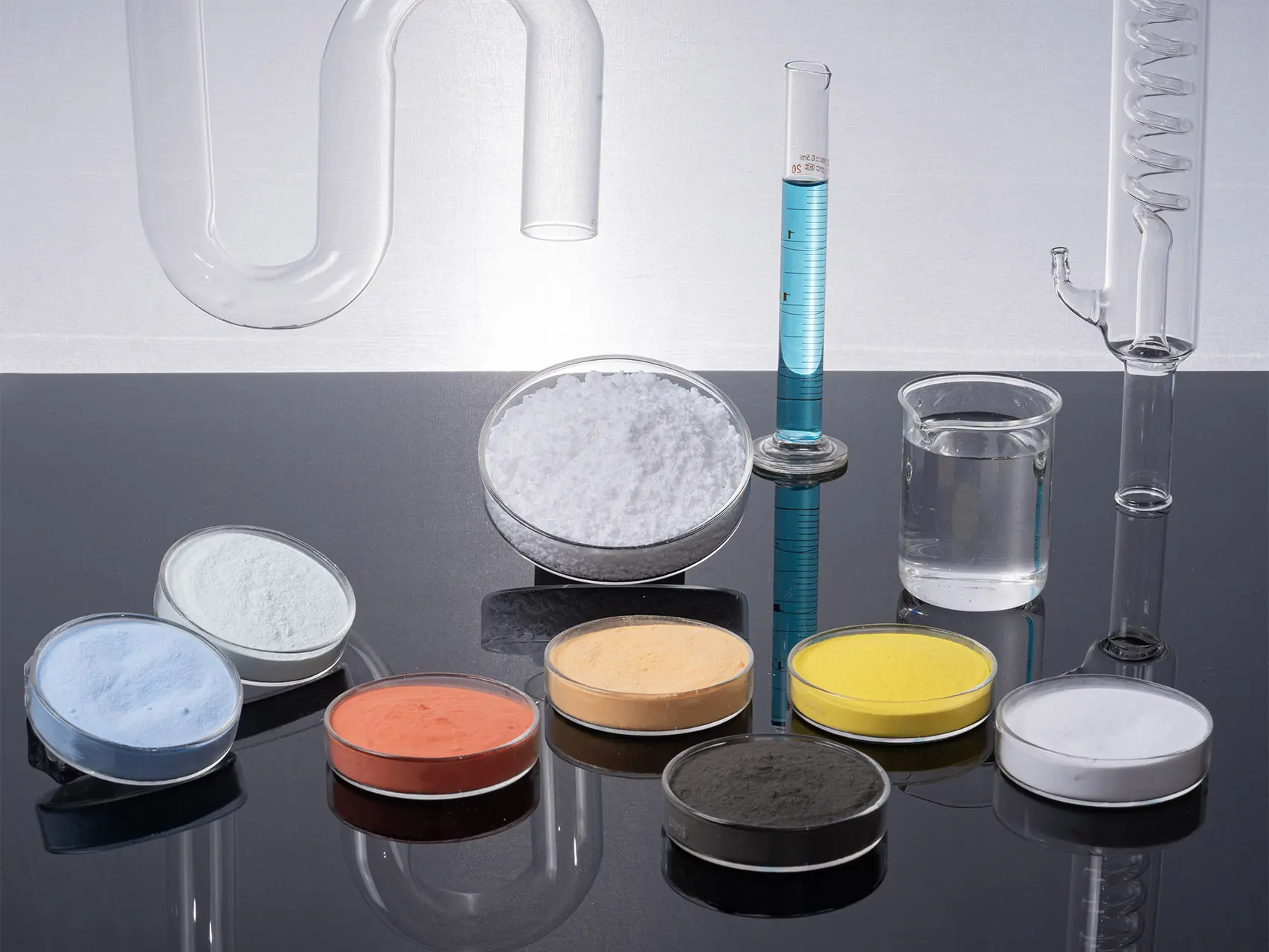
| Melamine Moulding Compound (MMC) | Polymer Grade | Cellulose Filler, Colorants | Tableware, Electrical Switches | FDA, EU 10/2011 Food Grade |
| Urea Moulding Compound (UMC) | Polymer Grade | Alpha-Cellulose, Catalysts | Electrical Fittings, Closures | GB/T 13454 Equivalent |
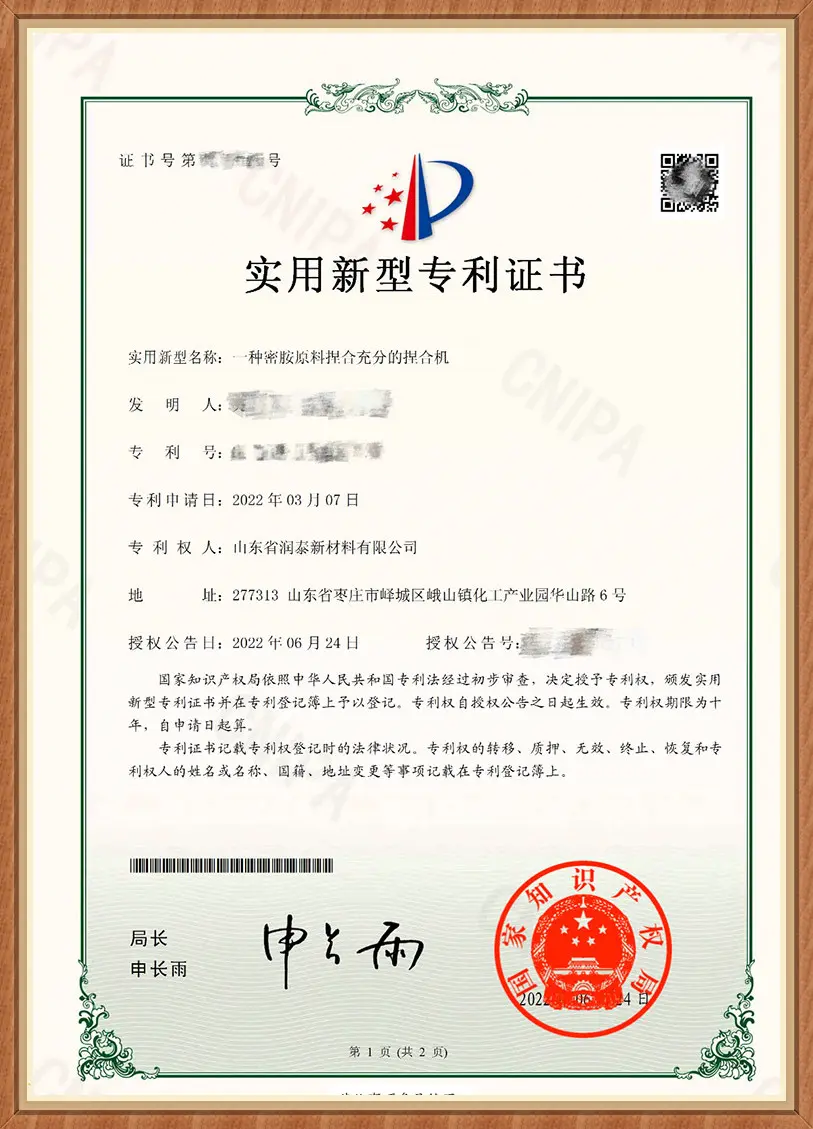
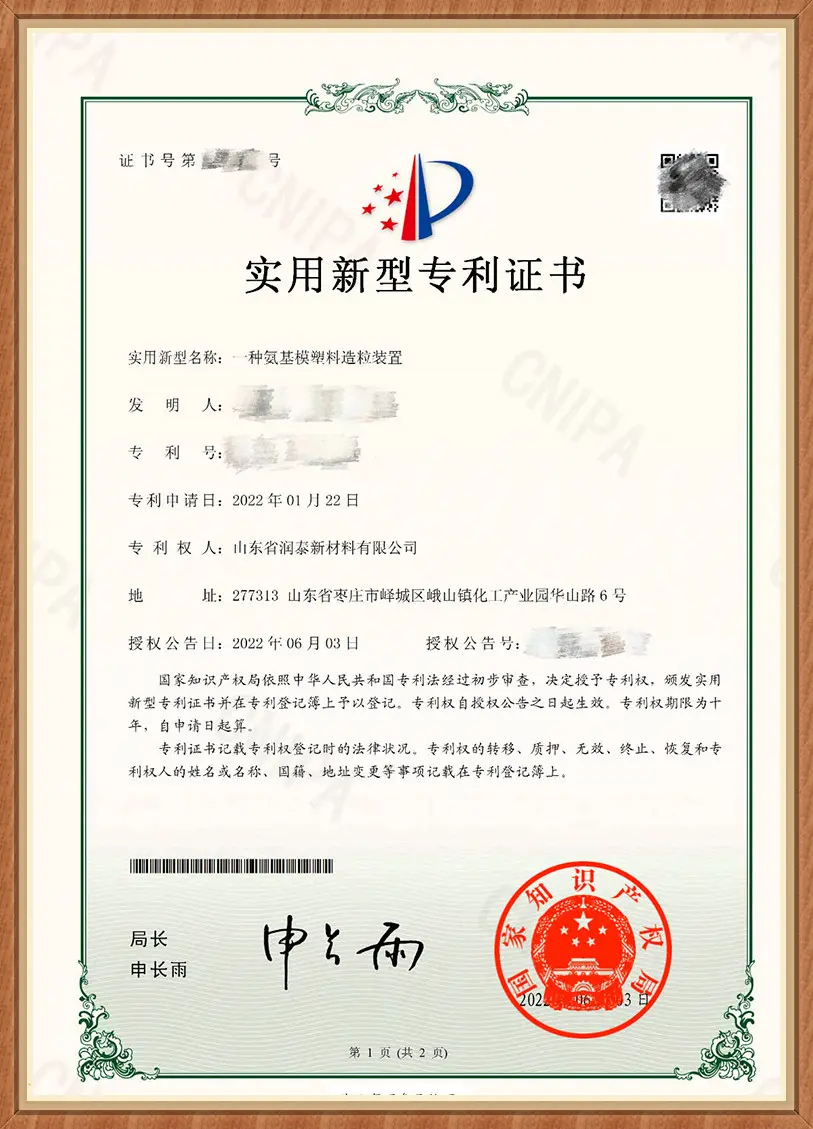
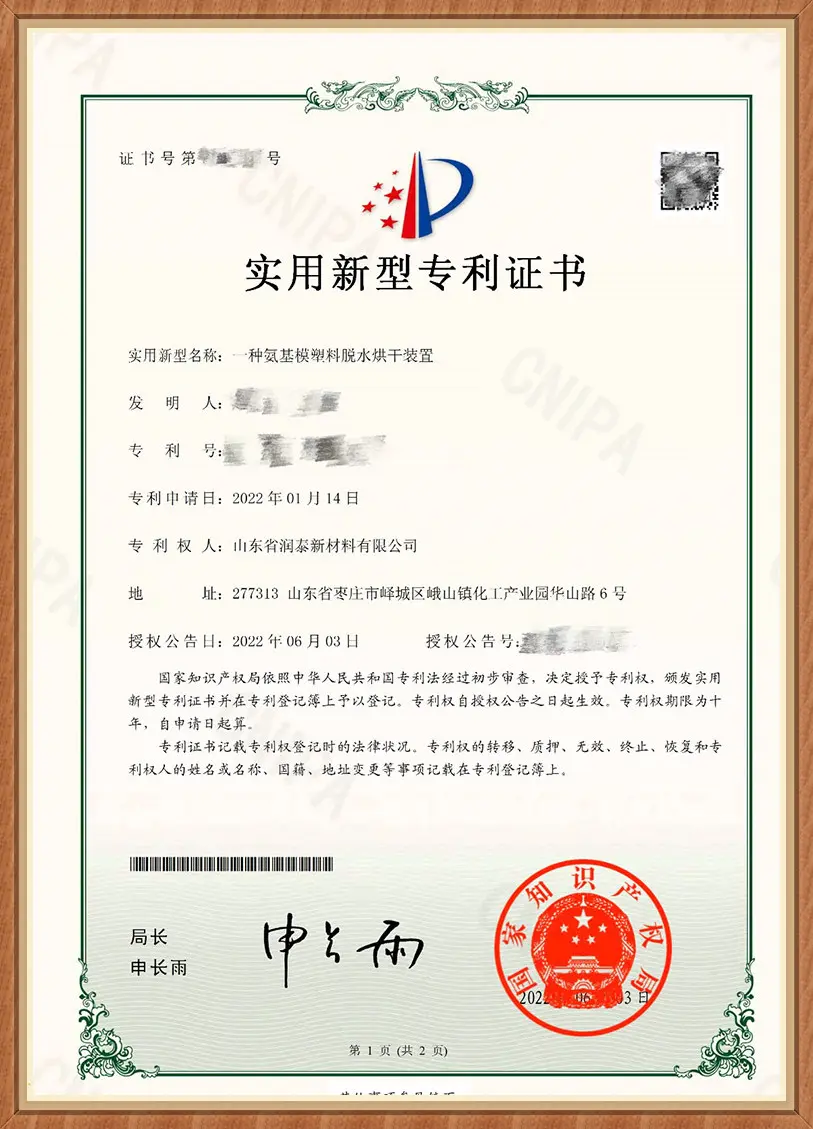
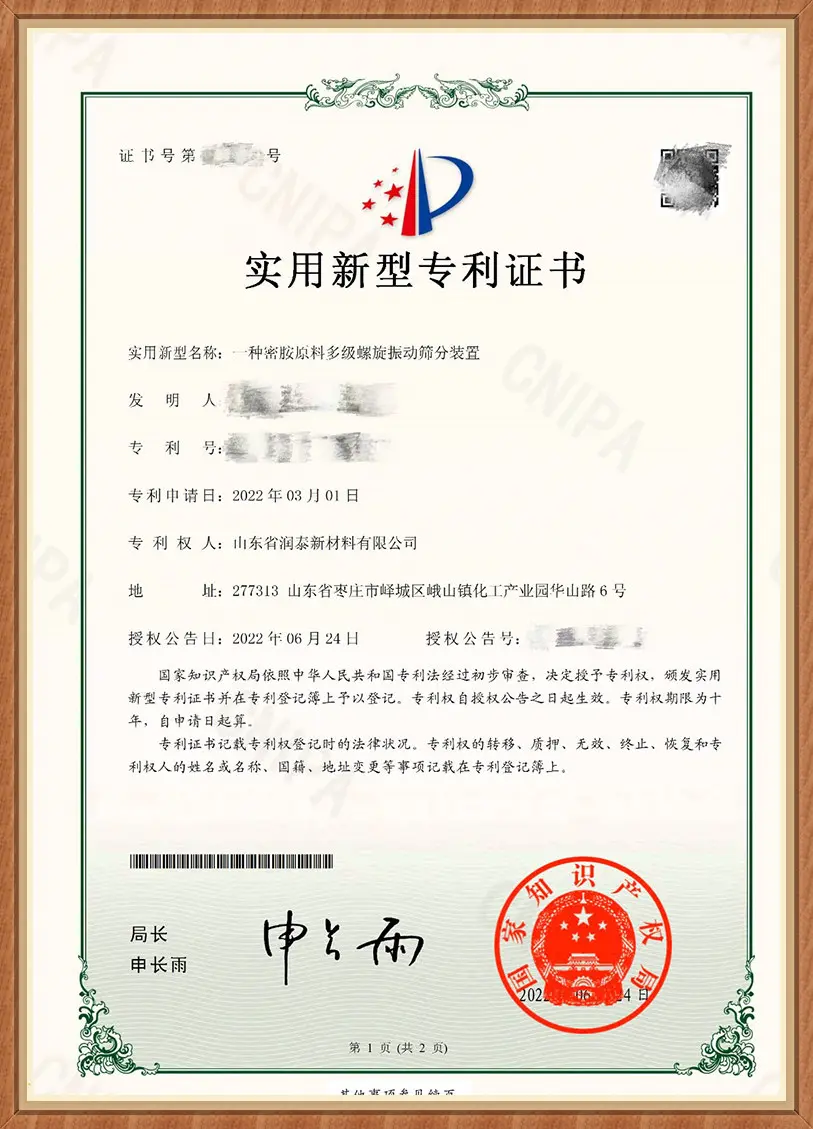
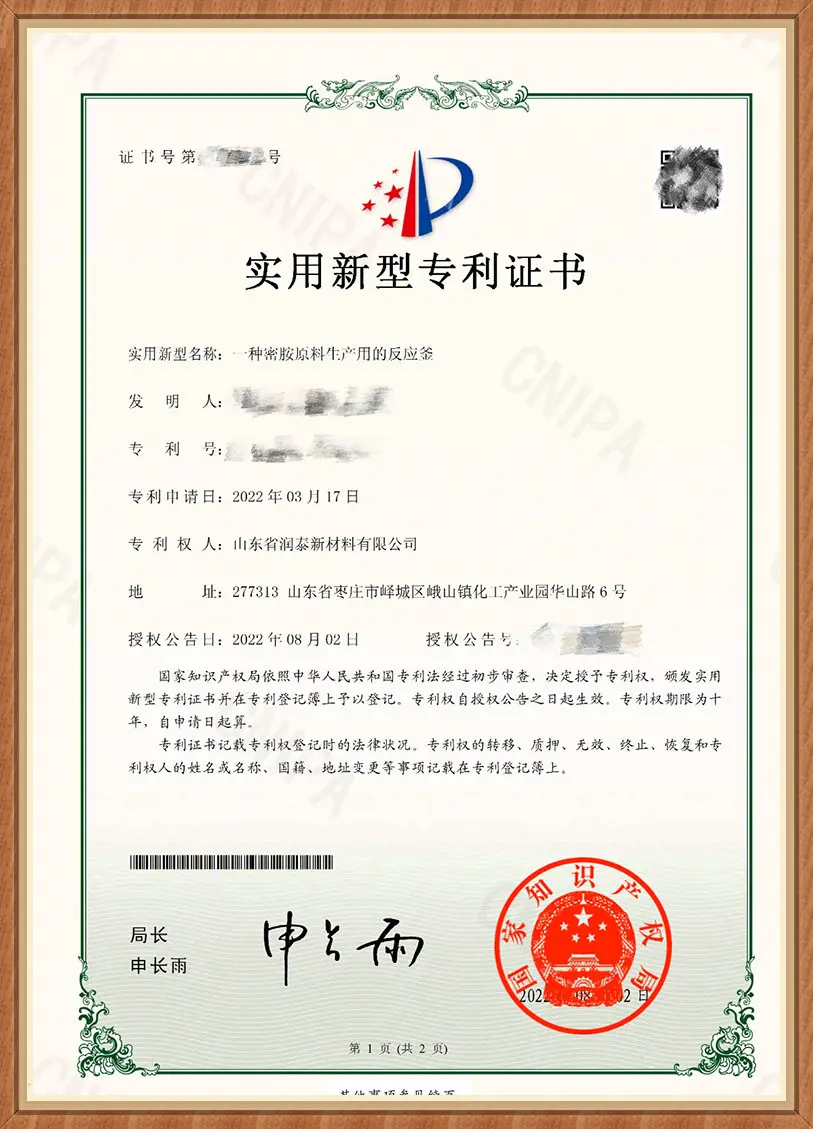
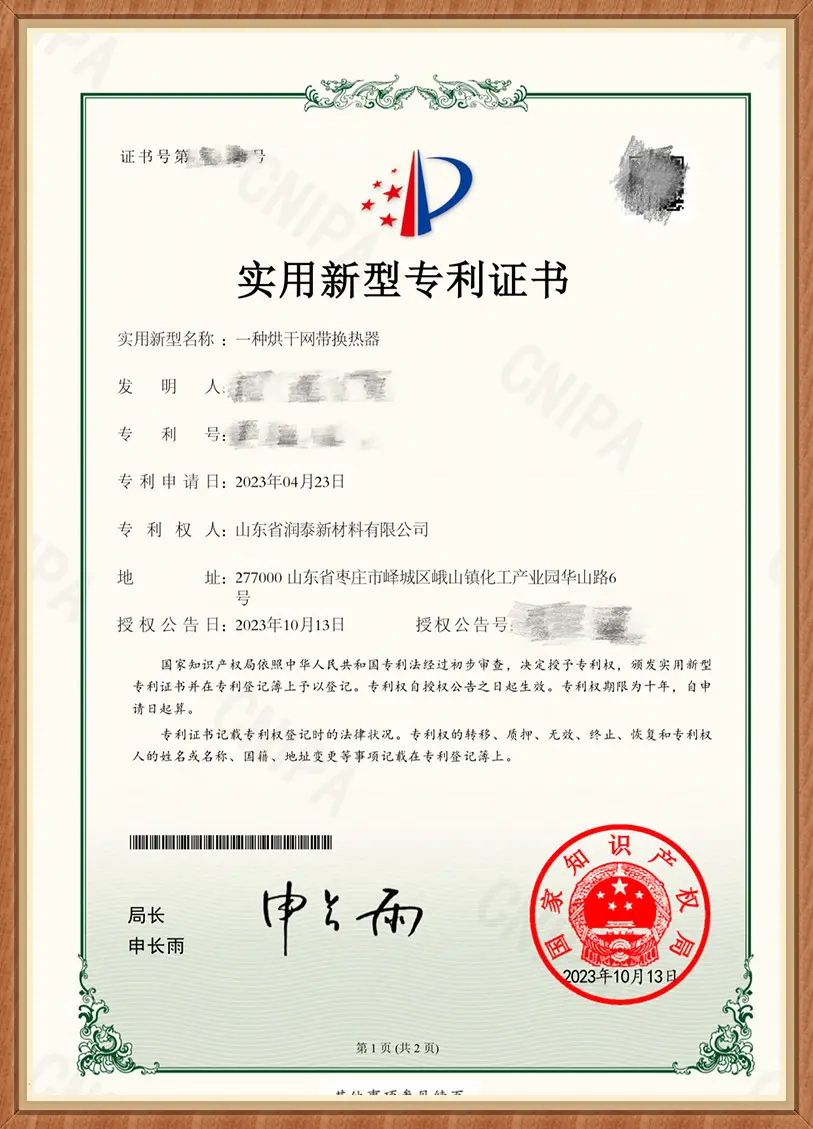
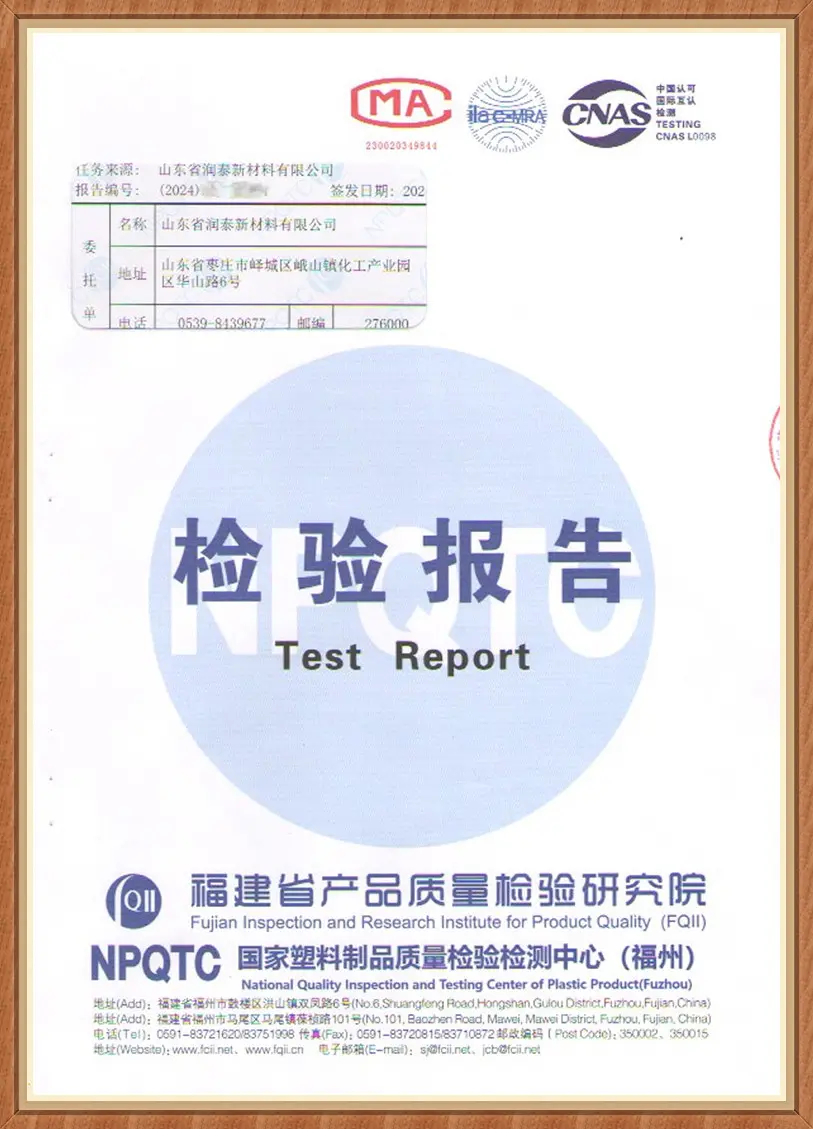
Safeguarding intercontinental logistics and quality parameters through rigorous testing, global warehousing, and robust standards compliance.
A forward-looking perspective on how Runtai is designing the next generation of safe, high-performance C1 chemistry.
Working with academic research institutes, we are testing modified iron-molybdenum-oxide catalysts. These catalysts aim to lower reaction temperatures in gaseous phase processes, reduce carbon footprint, and limit methanol carry-over.
We are integrating machine learning algorithms with our plant DCS. By monitoring variables like air humidity, catalyst bed age, and methanol purity, the system dynamically balances process variables to optimize yield.
Our pipeline includes expanding production of melamine-urea-formaldehyde (MUF) resin and water-soluble phenolic resin binders. These products are designed for the high-end packaging film, composite wood, and automotive laminating industries.
Direct, engineering-level answers to the most common inquiries regarding gaseous phase formaldehyde synthesis and sourcing.
Browse our downstream solutions, including molding compounds, resins, and defoamers derived from our integrated chemical loop.
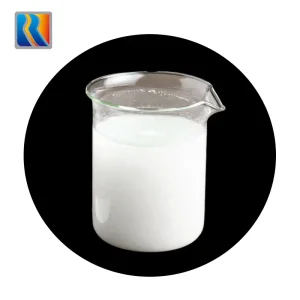
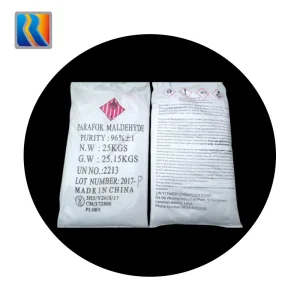
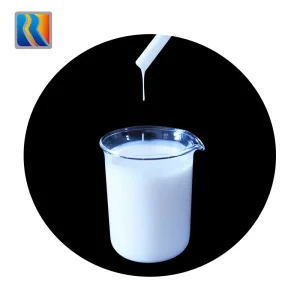
Our complete chemical selection for composite woods, adhesives, molding systems, and processing agents.
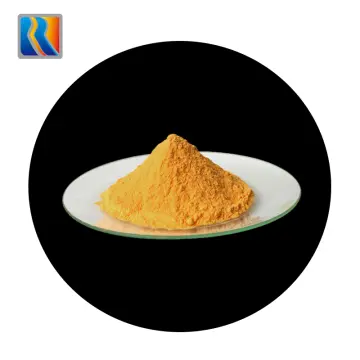
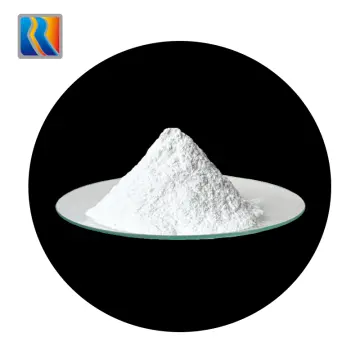
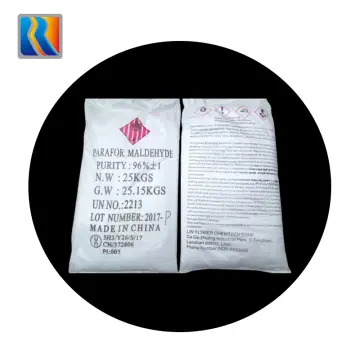
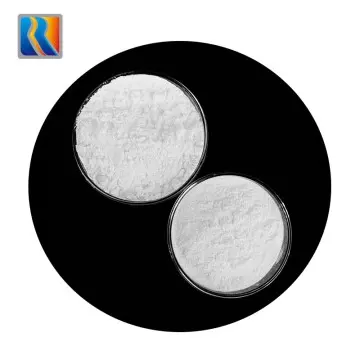
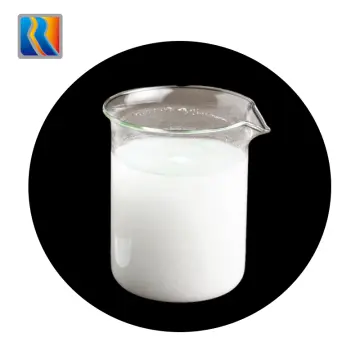
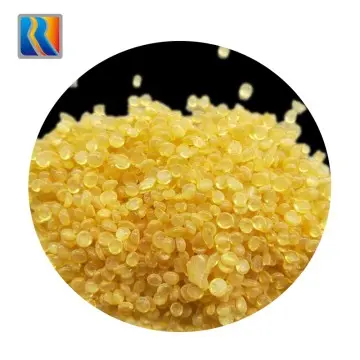
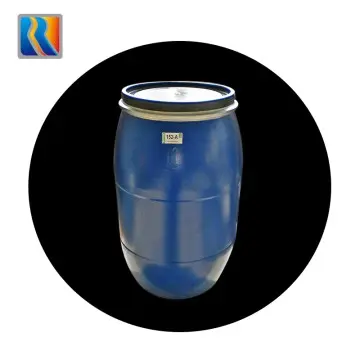
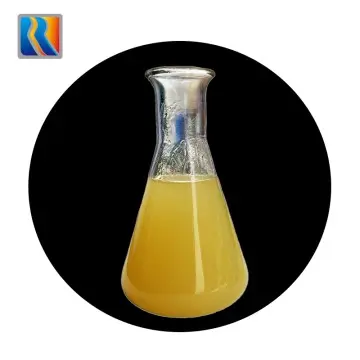
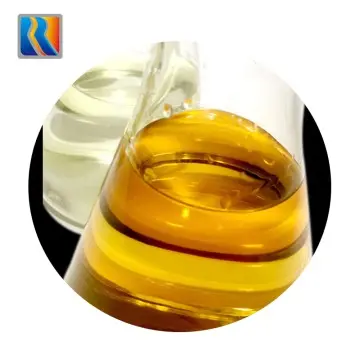
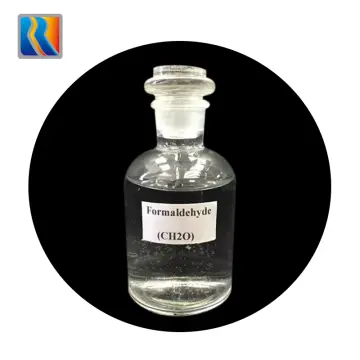
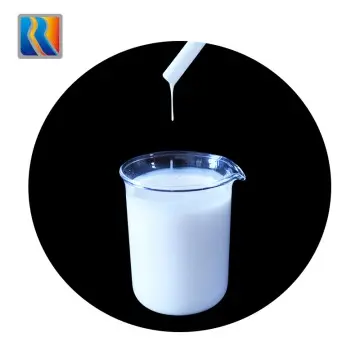
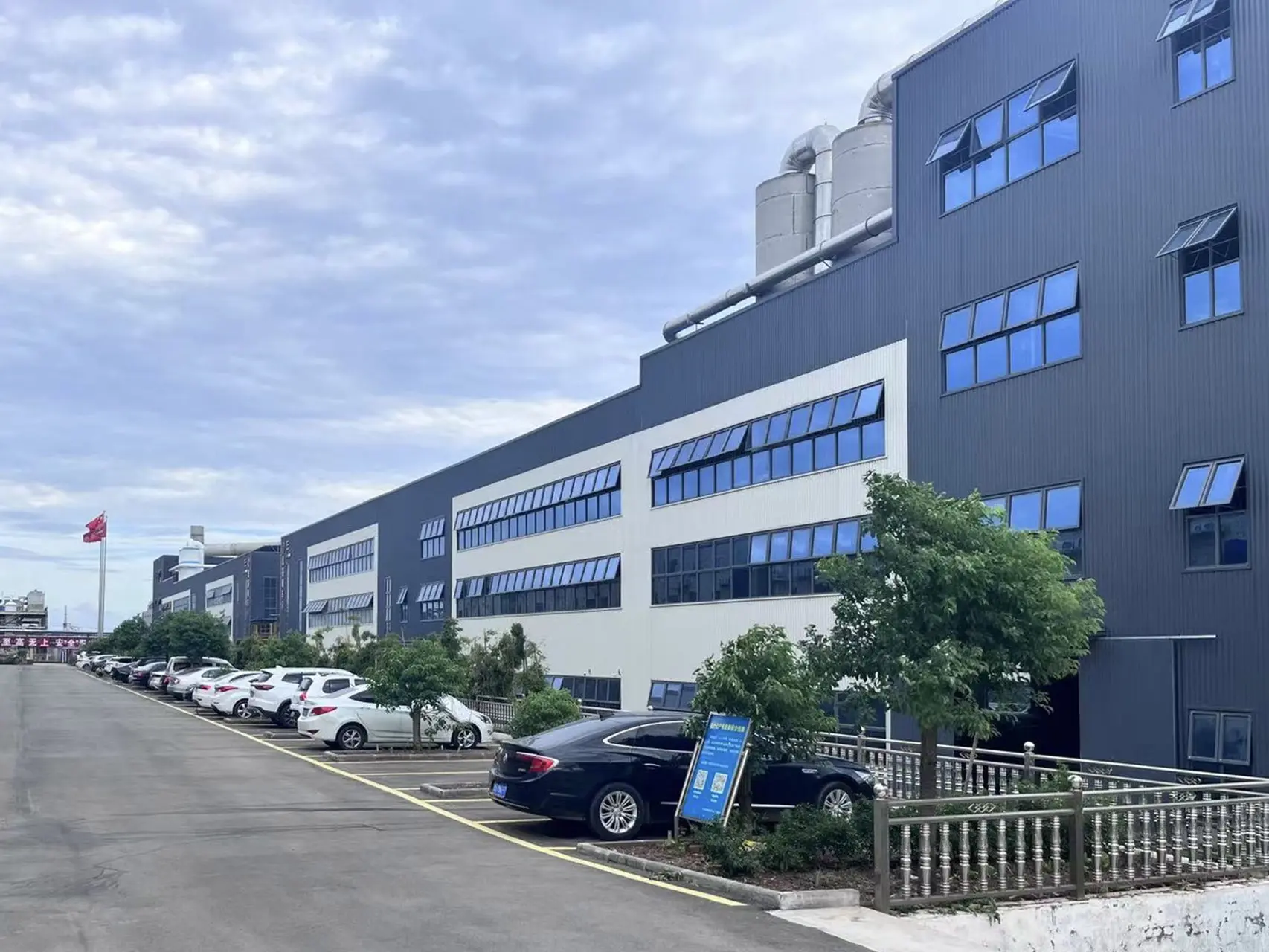
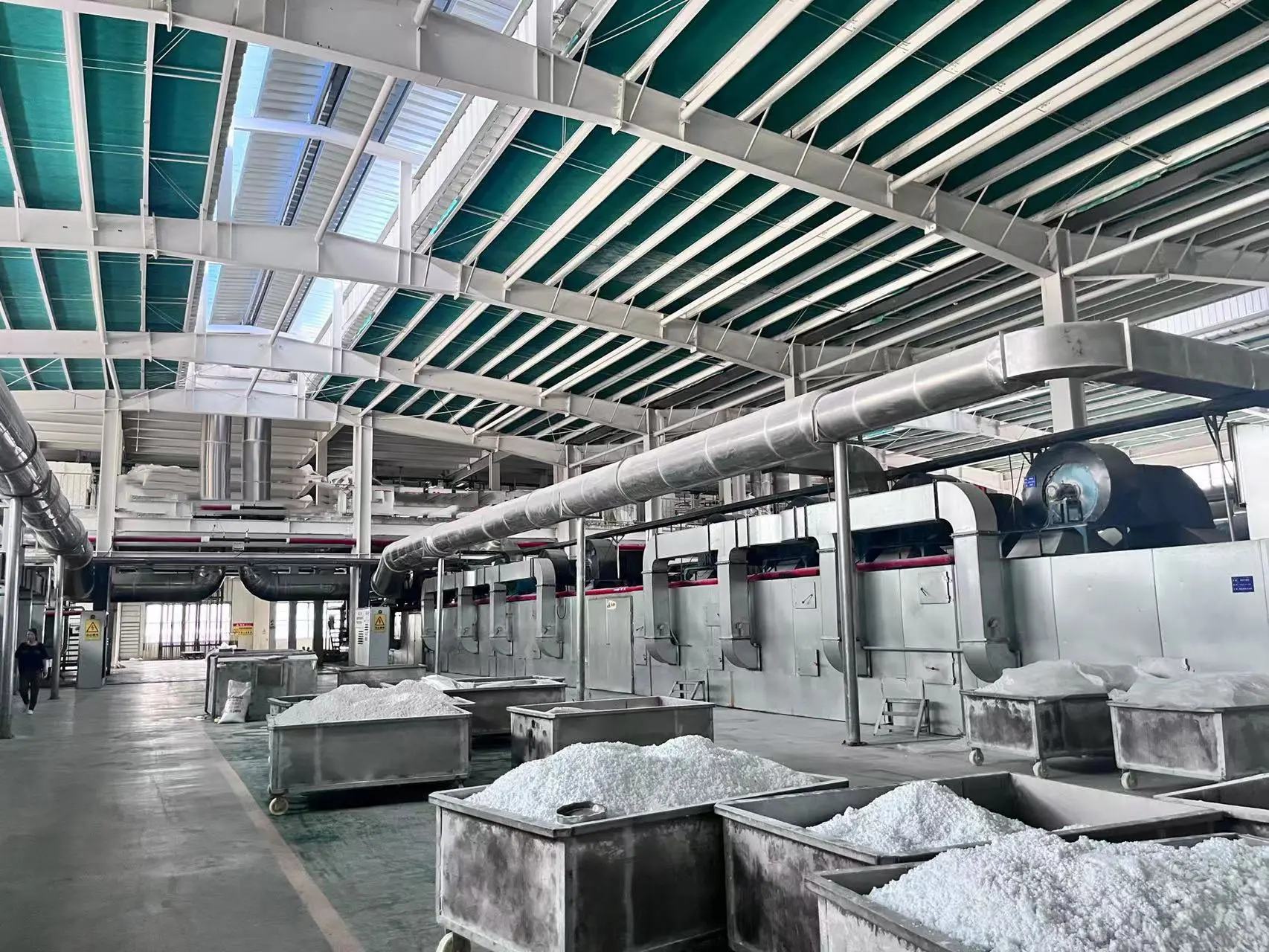
Inside our integrated production facilities, showing our materials production and storage networks.
 Runtai