Discover our core engineered compounds, polymers, and raw materials optimized for global supply chains in textiles, manufacturing, and wood composites.
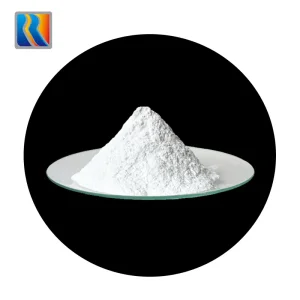
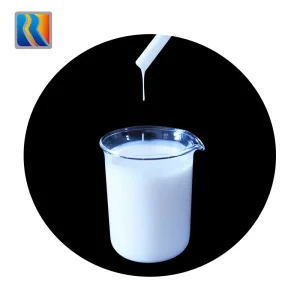
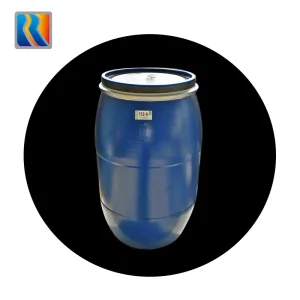
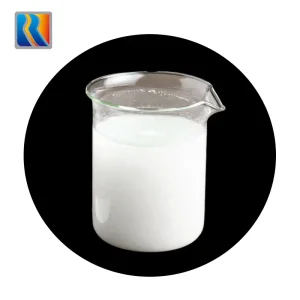
Formaldehyde and its derivative resins, particularly Urea-Formaldehyde (UF) and Melamine-Formaldehyde (MF), play a vital, foundational role in the textile finishing industry. Known globally as "easy-care" or durable press finishing agents, these compounds are crosslinked with cellulose fibers (such as cotton, linen, and rayon) to bestow crease resistance, shape retention, wrinkle recovery, and flame retardancy. Without these crosslinking polymers, modern fast-fashion and high-durability industrial uniforms would lack the structural integrity required to withstand repeated washingcycles.
However, modern textile manufacturing is undergoing a regulatory revolution. International bodies, brands, and consumers demand rigorous monitoring of free formaldehyde content in finished fabrics. Standardizing agencies like OEKO-TEX® (Standard 100), REACH in Europe, and GB 18401 in China enforce stringent parts-per-million (ppm) limits on free formaldehyde in textile garments, particularly those in direct contact with skin. As a response, global chemical manufacturers must engineer polymer systems that maintain high-efficiency crosslinking capabilities while minimizing or eliminating off-gassing and free residue.
In textile finishing chemistry, formaldehyde-donor resins (primarily dimethyloldihydroxyethyleneurea or DMdHEU, along with specialized modified melamine-formaldehyde resins) form covalent ether linkages with the hydroxyl groups of cotton cellulose molecules. This lock-in structure prevents the cellulose chains from sliding when wet, avoiding shrinkage and creasing. As a pioneer in formaldehyde manufacturing, Shandong Runtai New Materials Co., Ltd. leverages high-grade raw formaldehyde inputs to synthesize specialized textile resins that strike a perfect balance between tensile strength retention and minimal free formaldehyde release, meeting the highest tiers of global ecological safety certificates.
Industrial chemical buyers face shifting supply chain dynamics, tighter environmental regulations, and fluctuating feedstock prices. Here are the defining trends driving the sourcing of formaldehyde and related resins:
B2B procurement agents are actively transitioning to low-emission urea-formaldehyde polymers and modified etherified melamine finishing chemicals. Meeting standard guidelines requires precise reaction controls during the chemical synthesis stage to lock the free monomers.
Specialized industrial fabrics, such as military uniforms, medical curtains, and automotive interiors, require multifunctional coatings combining anti-wrinkle finishing with water-repellents and flame retardants using robust melamine-formaldehyde and acrylic emulsions.
Major textile mills now mandate complete traceability from raw chemical producers. Certified facilities holding ISO 9001, ISO 14001, and advanced doctoral R&D backing represent the new standard for supply chain safety.
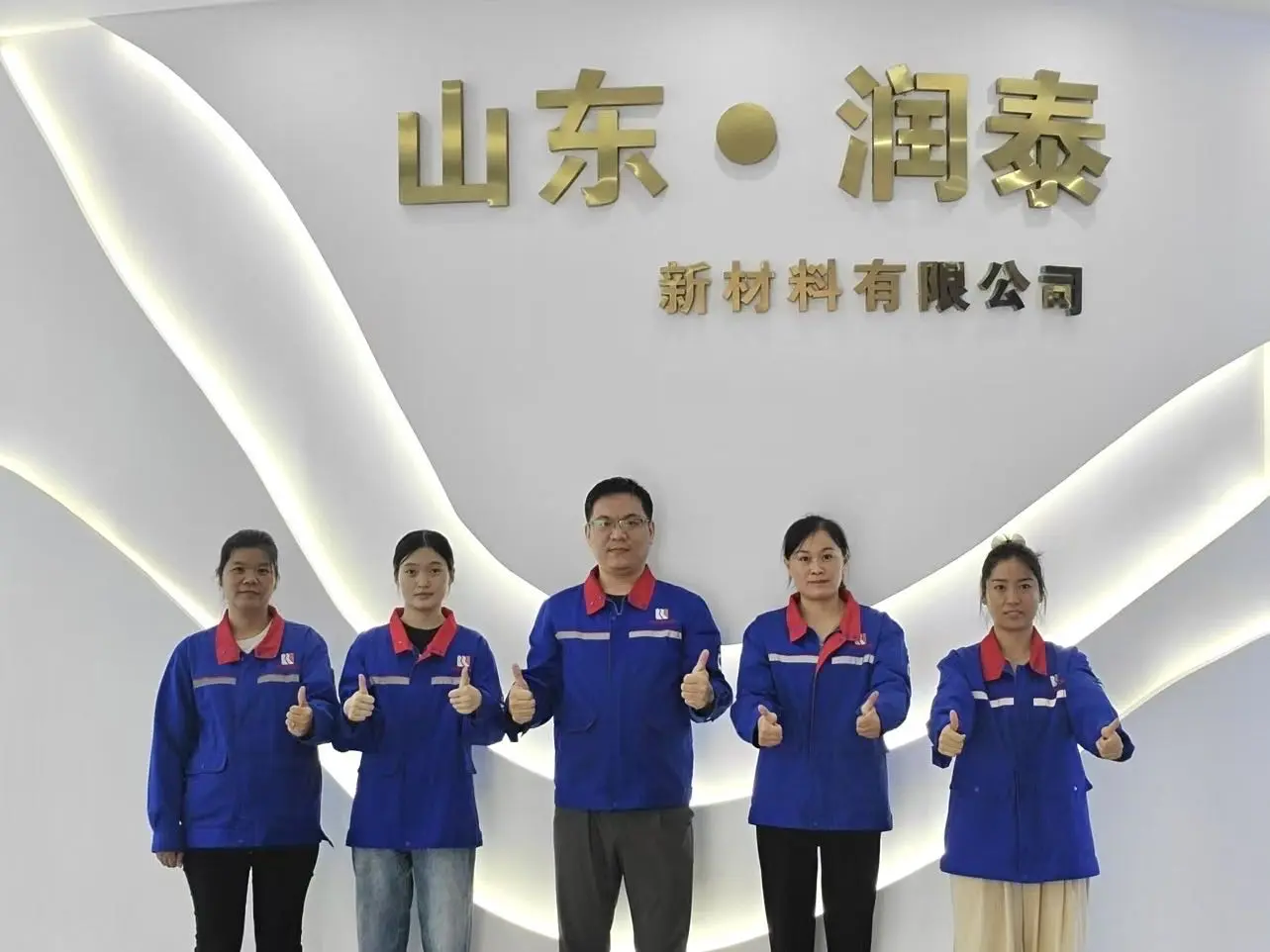
Shandong Runtai New Materials Co., Ltd. is a premier chemical group company specializing in fine chemical research, raw materials, and resin synthesis.
Founded in March 2020, Shandong Runtai New Materials Co., Ltd. is a comprehensive group firm that specializes in fine chemical products. Our primary products include formaldehyde, polyformaldehyde, urea formaldehyde resin, melamine powder, and melamine glazing powder. The corporation has branches in five different cities throughout China, with its headquarters located in Zaozhuang City, Shandong Province. Runtai New Materials covers an area of 270,000 square meters with a total investment of 2.06 billion yuan.
We are a professional chemical supplier dedicated to satisfying customer requirements with superior chemical products and solutions. Our professional staff and cutting-edge production machinery are committed to the production of chemical goods that satisfy global standards. In order to satisfy the needs of various industries, we simultaneously offer standardized products as well as tailored solutions based on the unique requirements of our customers.
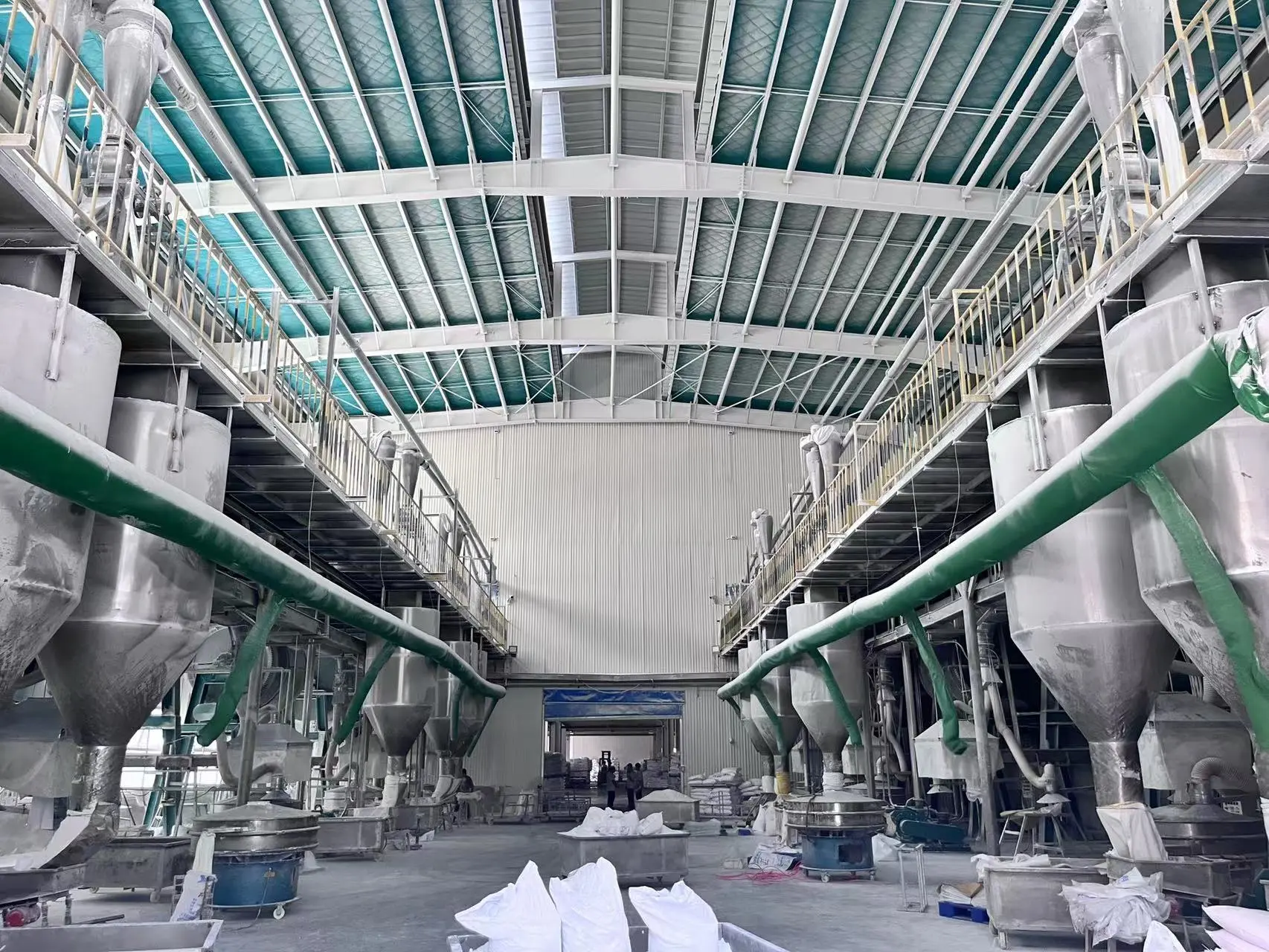
In chemical manufacturing, precision and security are paramount. Shandong Runtai New Materials Co., Ltd. adopts the core principles of "automatic control, safe and reliable, stable operation, energy saving and consumption reduction, and comprehensive utilization of resources" across all production complexes.
By implementing state-of-the-art Distributed Control Systems (DCS), our factories monitor and manage every chemical process parameter in real-time. This automated control maintains high levels of product consistency, prevents batches from deviating from specifications, and significantly reduces the consumption of raw energy and feedstock. In addition, our physical plant relies on high-end testing devices from international developers to ensure zero-defect product delivery.
Our long industrial chain, built on raw formaldehyde base synthesis, allows us to scale manufacturing across multiple downstream applications. This horizontal and vertical integration shields our global buyers from supply chain shocks, keeping lead times steady and costs optimized.
Innovation is key to low-VOC, highly active crosslinkers. Runtai New Materials maintains long-term cooperative partnerships with prestigious scientific institutions, including the Changzhou Research Institute of Beijing University of Chemical Technology. Our R&D ecosystem features a dedicated doctoral team backed by multiple national and international patents.
This academic-industrial synergy enables us to develop next-generation melamine compounds, acrylic thickeners, and water-based additives designed to lower environmental impact. As an ethical and green-focused company, we prioritize sustainable development, adhering to environmental preservation regulations, green production certifications, and carbon-reduction targets.

From durable press textile finishing to high-performance composite wood adhesives, Runtai chemical systems are optimized for diverse industrial processes:
Utilizing high-purity melamine resins and formaldehyde solutions to provide cotton, poly-cotton blends, and linen fabrics with excellent crease resistance, quick-dry performance, and flame-retarding traits.
Our massive 300,000-ton capacity of Urea-Formaldehyde (UF) resins supports MDF, particleboard, and plywood manufacturers worldwide, offering superior tensile strength, humidity resistance, and fast curing cycles.
Supplying premium Melamine Moulding Compounds (MMC) and glazing powders that enable the compression molding of scratch-resistant, kitchen-safe tableware resembling fine porcelain.
Answers to technical and logistics questions commonly asked by chemical procurement managers and technical engineers.
Through precise synthesis controls, we execute exact molar ratio regulations of formaldehyde-to-urea or melamine under real-time DCS monitor parameters. This ensures that the polymerization process progresses to completion, minimizing unreacted free monomer residues in the final products.
MMC is based on melamine-formaldehyde resin, which offers superior thermal resistance, surface hardness, chemical durability, and water resistance, making it perfect for dinnerware and industrial electrical parts. UMC is formulated from urea-formaldehyde, providing a cost-effective solution for standard indoor electrical housings, buttons, and switches.
Runtai supports diverse container solutions, including specialized tanker trucks for liquid resins, IBC totes, and multi-wall paper bags with plastic lining for powder compounds. With offices across 5 major shipping hubs in China, we export smoothly to the US, Thailand, Egypt, Kenya, and beyond.
Yes. Our collaboration with the Changzhou Research Institute of Beijing University of Chemical Technology enables us to fine-tune gel times, solids content, pH values, and viscosity metrics based on the buyer's processing speeds and press temperatures.
Browse our full selection of chemicals, including specialty thickeners, defoamers, and raw formaldehyde chemicals.
 Runtai