High-purity monomers, advanced polymers, and customized synthetic auxiliaries optimized for international distribution.
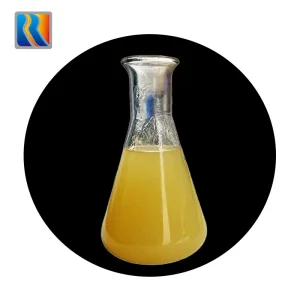
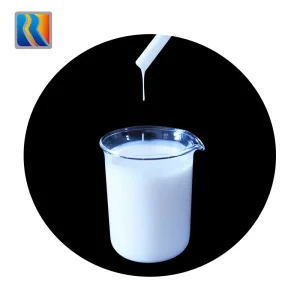
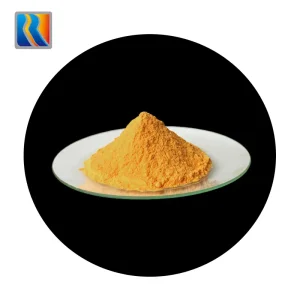
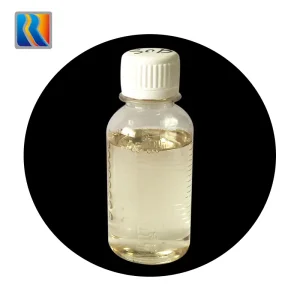
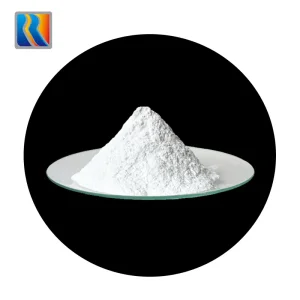
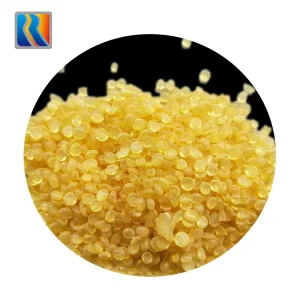
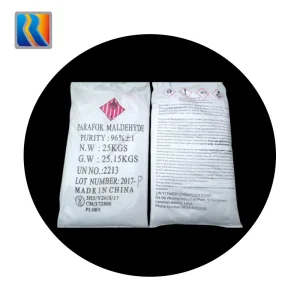
Formaldehyde (CH2O) acts as one of the most critical structural building blocks in modern chemical synthesis. From its fundamental role in thermosetting polymers to its integration in performance additives, formaldehyde drives progress across multiple manufacturing verticals including construction, electronics, automotive engineering, and consumer goods. As structural demand shifts toward lower environmental impact, zero-emission standards, and high mechanical stability, the global supply chain demands manufacturing partners that integrate raw material scale with precise synthesis technology.
In this context, Shandong Runtai New Materials Co., Ltd. has established an advanced manufacturing framework capable of servicing global procurement challenges. Using modern catalyst methodologies and automated Distributed Control Systems (DCS), we secure high-yield, high-purity chemical bases that conform to global performance metrics.
Established in March 2020, Shandong Runtai New Materials Co., Ltd. operates as a leading integrated chemical manufacturer specializing in fine chemical intermediates and thermosetting polymers. Headquartered in Zaozhuang City, Shandong Province, our industrial footprint spans a modern 270,000 square meter production complex, backed by a total strategic investment of 2.06 billion yuan.
Our operational model bridges base raw material synthesis directly with specialized derivatives. This integration ensures complete control over volatile cost structures and guarantees product consistency. Through domestic branches across five major economic centers in China, we manage smooth logistical channels, ensuring fast distribution to our domestic clients while supporting our rapidly growing international shipping infrastructure.
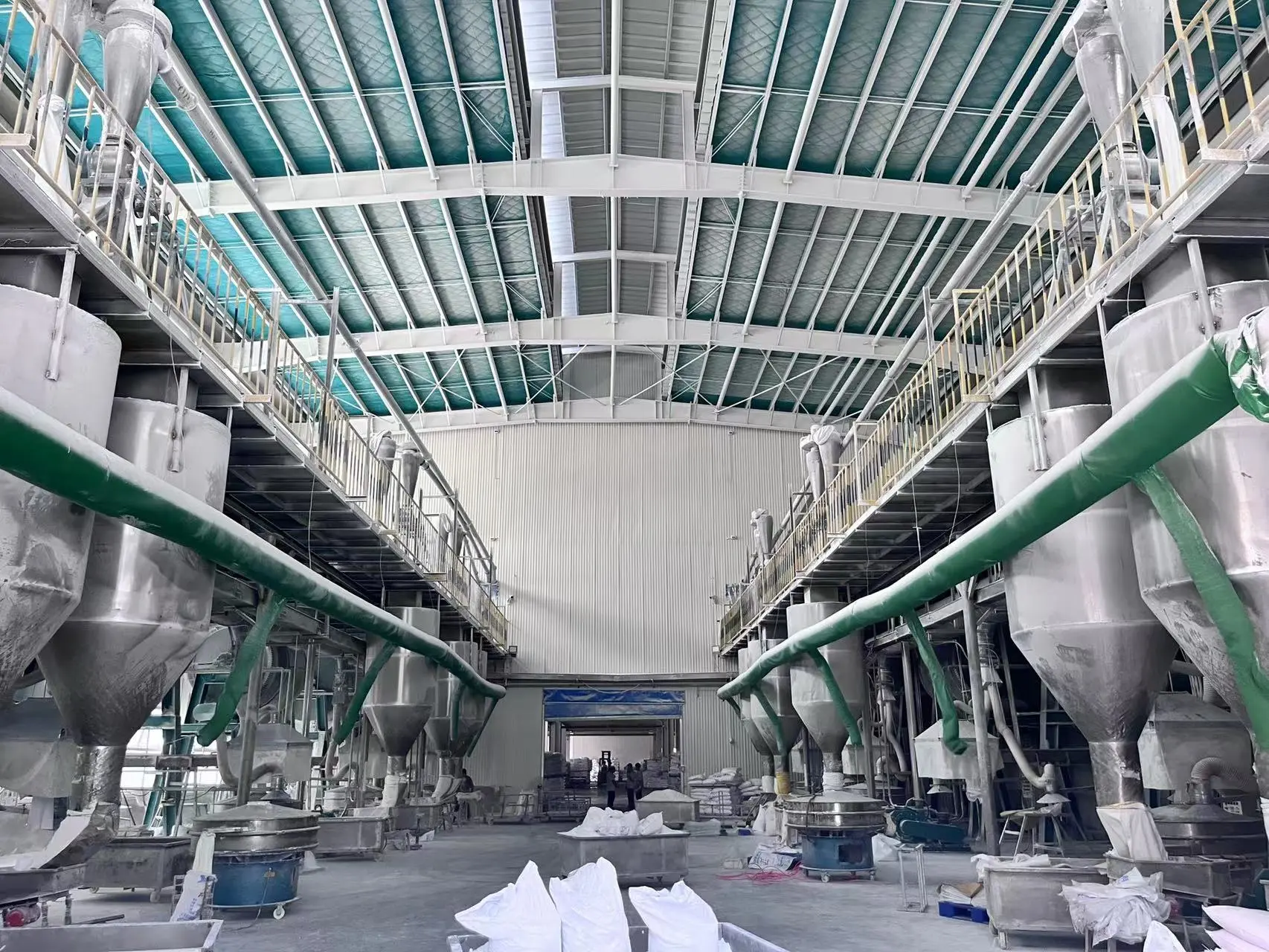
Supply security is a primary metric for global chemical sourcing departments. Large-scale downstream applications—such as continuous wood panel pressing, automotive electronics molding, and industrial coating formulation—cannot tolerate supply interruptions. Runtai New Materials has resolved this vulnerability through substantial capacity scaling.
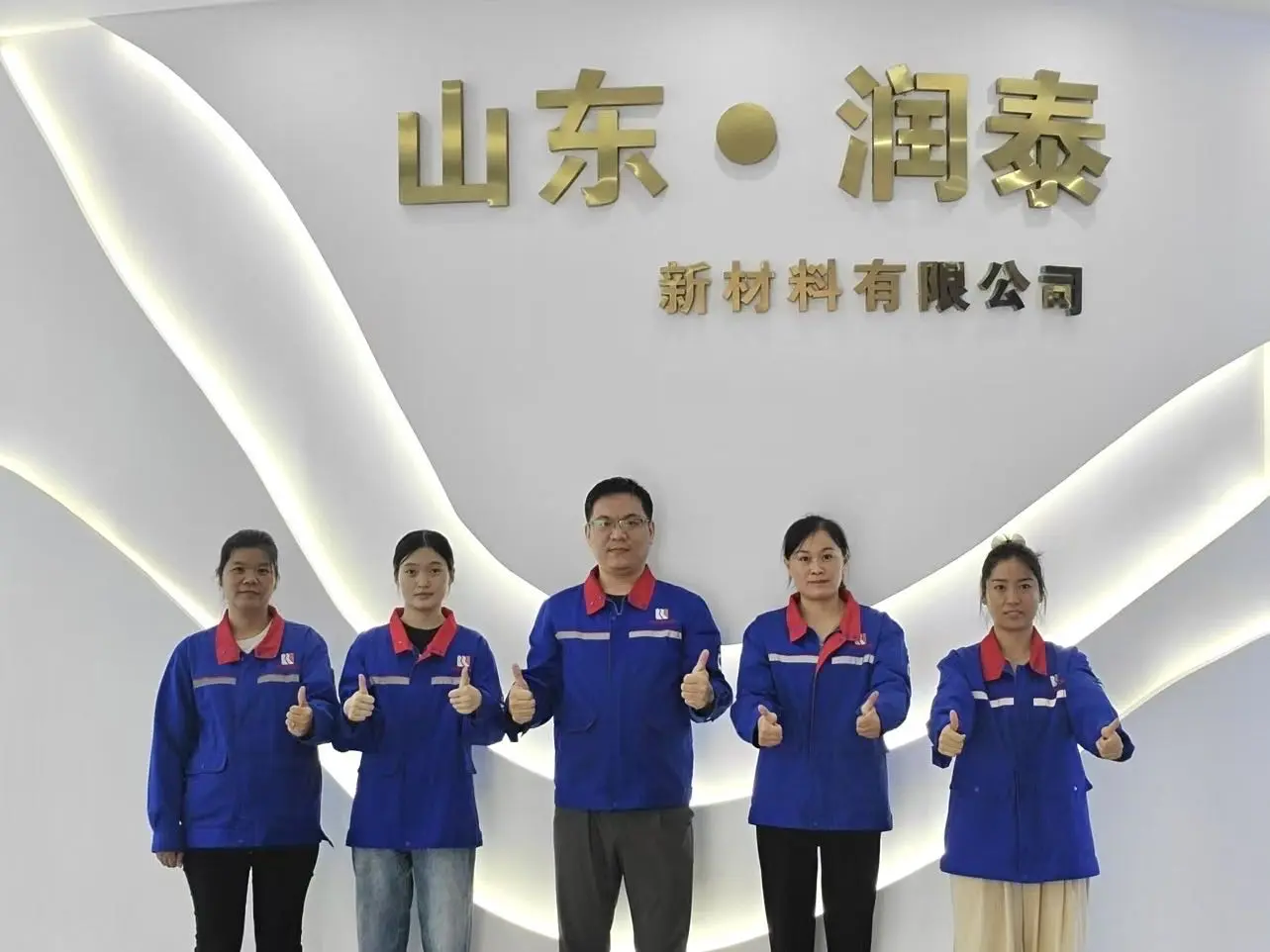
Our domestic market share has reached approximately 80% within China, validating our process reliability and pricing advantages. Concurrently, Runtai's global export division has successfully established shipping routes to the United States, Thailand, Kenya, Egypt, and numerous other markets across Asia, Africa, and the Americas.
Whether providing standardized bulk shipments or customized molecular-weight formulations, our production lines adapt dynamically to meet global standards. We provide technical solutions tailored to regional temperatures, shipping times, and storage environments.
Technical capabilities and systemic advantages that ensure product quality and supply chain resilience.
By controlling the raw material path from base formaldehyde to secondary molding compounds (MMC, UMC) and performance glazing powders, we eliminate external price volatility and guarantee strict batch traceabilities.
We deploy modern Distributed Control Systems (DCS) to monitor critical process variables (temperature, pressure, gas concentration ratios) in real-time, resulting in consistent, high-yield product runs with low impurity profiles.
Partnering with the Changzhou Research Institute of Beijing University of Chemical Technology, our doctoral R&D teams hold multiple patents focusing on lower free-formaldehyde emissions and high-strength polymer matrices.
We incorporate comprehensive resources conservation technology, utilizing catalytic systems that minimize waste gas and recovering thermal energy from exothermic reactions to power our purification stages.
Our export operations are optimized for global transport safety. We provide stable packaging solutions, complete MSDS documentation, and local regulatory compliance assistance for complex shipping channels.
The global formaldehyde manufacturing sector is undergoing rapid evolution. Key regulatory frameworks like European REACH, US EPA TSCA Title VI, and California's CARB phase 2 have established stringent limits on free-formaldehyde release in consumer resins and panels. Under these guidelines, manufacturers must adopt clean synthesis routes.
To stay ahead of these requirements, Runtai New Materials has designed a technology roadmap focused on low-VOC polymer modification and bio-derived feedstocks:
Below is an analytical overview of the properties of our primary polymer and chemical products:
| Product Classification | Standard Specifications | Primary Mechanical / Chemical Property | Compliance Certifications |
|---|---|---|---|
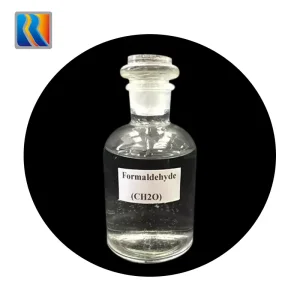
| Formaldehyde (Liquid) | 37% - 50% concentration options | Low methanol residue, consistent reactivity index | ISO 9001, RoHS |
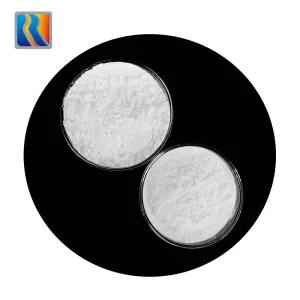
| Paraformaldehyde | 92% & 96% crystalline powder/prills | Fast dissolution profile, minimal polymer residue | REACH registered |
| Melamine Moulding Compound | Color matching, compression/injection grades | High surface hardness (≥ 8 Mohs), flame-retardant | FDA food grade, LFGB |
| Urea Formaldehyde Resin | Powder / Liquid custom variants | Superior adhesion values, controlled curing speeds | EN 312 compliance, CARB-2 compatible |
Decarbonization Pathways: Our technology group is researching the integration of bio-methanol as a direct synthesis feed. In this way, we aim to decrease the carbon footprint of our downstream amino resins by up to 35% over the next decade. Concurrently, we are developing new scavenging agents that capture residual free-formaldehyde during thermal processing without weakening mechanical strength.

Importing large volumes of industrial chemical precursors requires high reliability. Local environmental regulations demand rigorous documentation, including chemical safety registration, transport licensing, and compliance declarations. At Shandong Runtai, we maintain a dedicated compliance team that prepares custom validation packages for international customs and environmental agencies.
Our chemical facilities operate under strict ISO 9001:2015 Quality Management Systems and ISO 14001:2015 Environmental Management Systems. Every batch undergoes gas chromatography (GC) validation to confirm structural compositions, tracking water-to-monomer ratios, volatile components, and curing rates before leaving our facility.
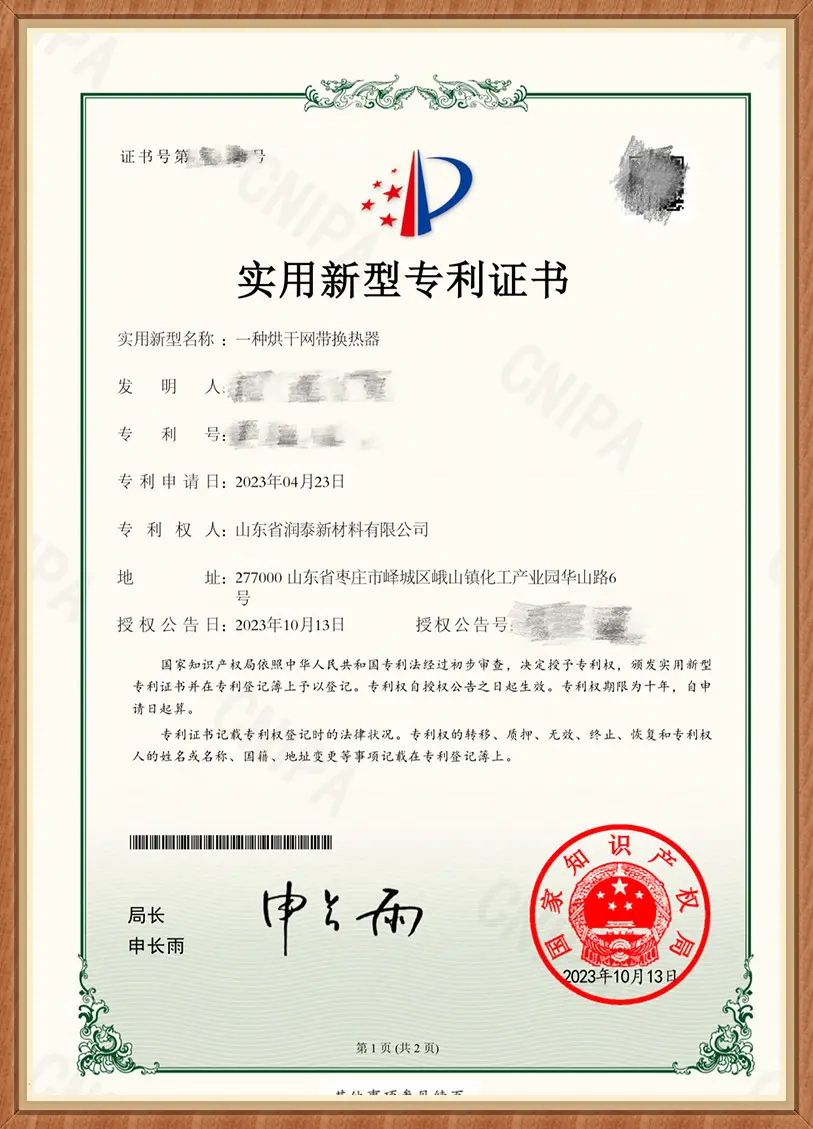
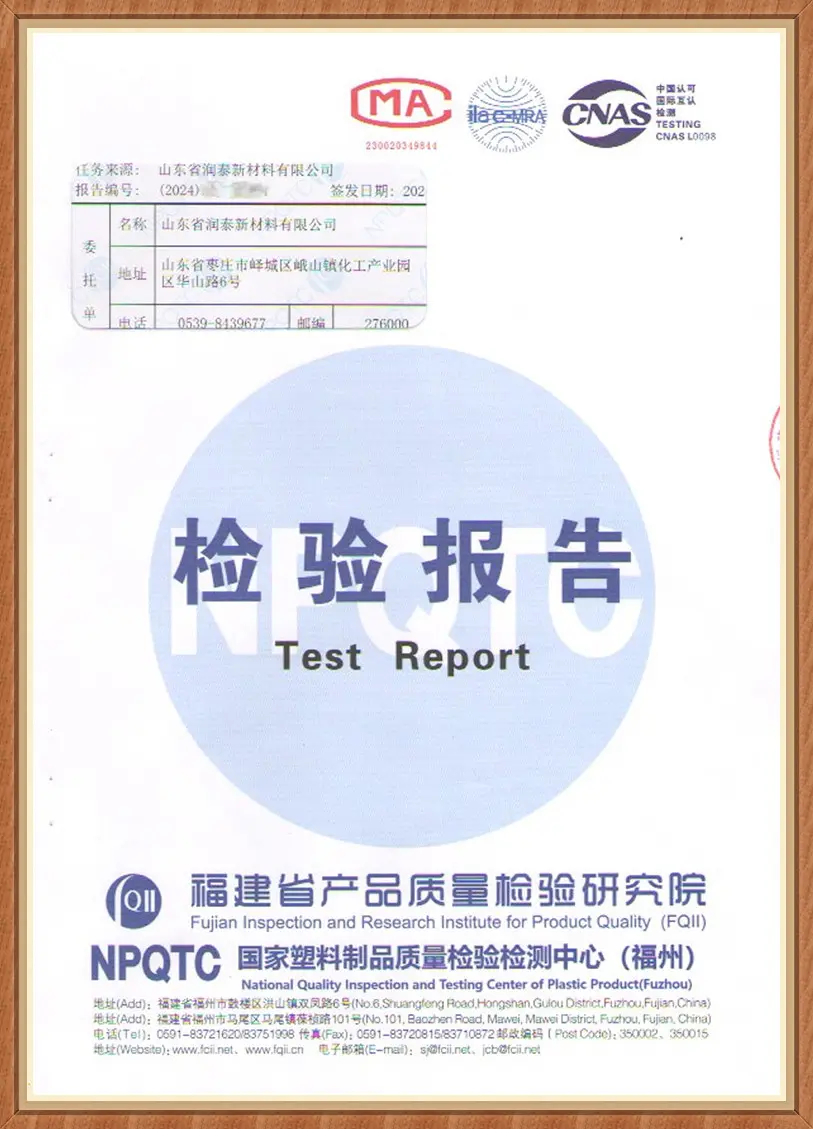
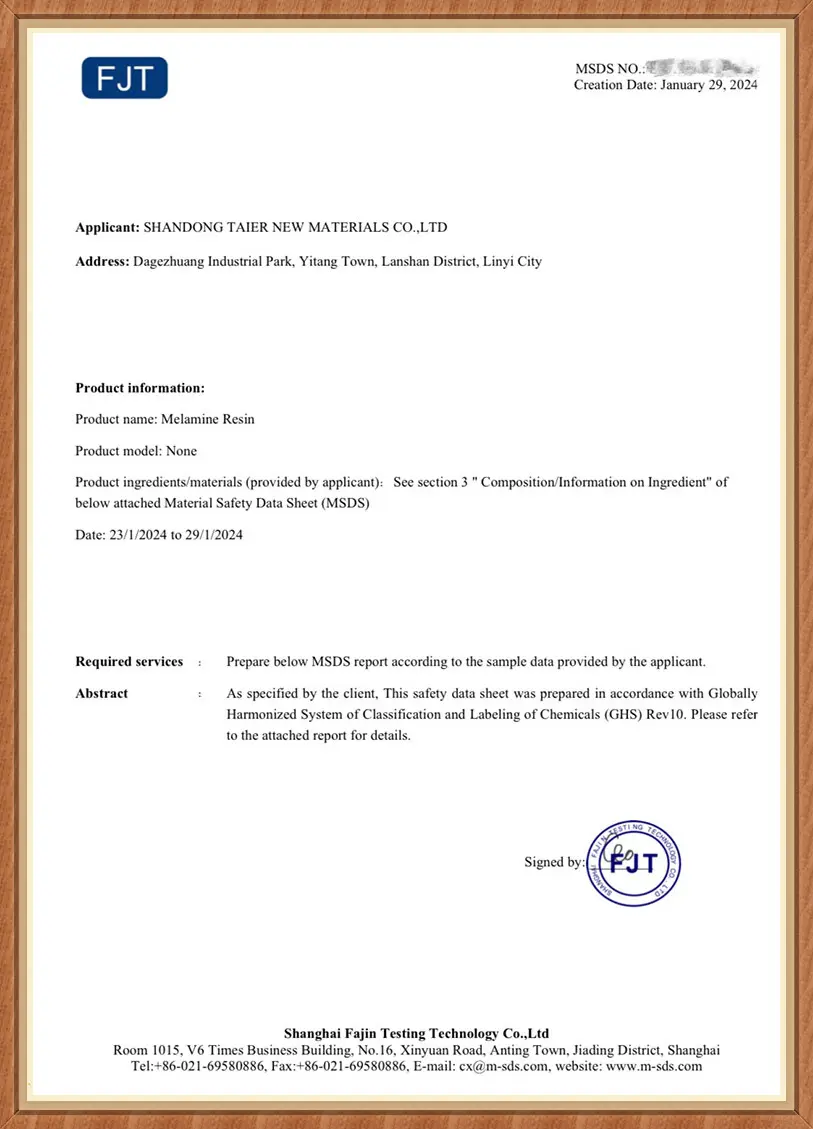
Technical and logistical solutions designed for purchasing directors and chemical process engineers.
From bulk base aldehydes to polymer resins and specialty additives, we support diverse industrial setups.
 Runtai