Explore our foundational range of high-performance polymer compounds, specialty additives, and resins manufactured under strict quality controls.
A comprehensive analysis of composition, quality standards, and evaluation protocols for global enterprise procurement teams.
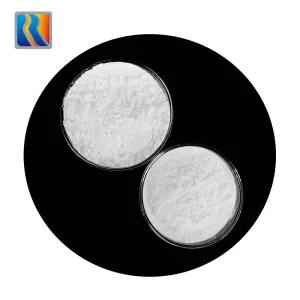
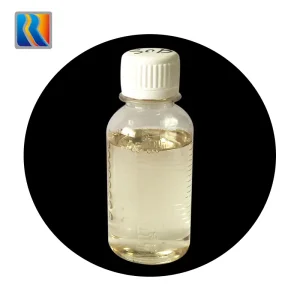
Emulsifier 471, universally designated as E471 in the international food additive numbering system, consists of mono- and diglycerides of long-chain fatty acids synthesized primarily from plant-derived oils (such as palm oil, soybean oil, or sunflower oil) or animal fats. Chemically, it acts as a non-ionic surfactant. The presence of both hydrophilic (glycerol backbone) and lipophilic (fatty acid chains) functional groups within a single molecular structure allows it to reduce surface tension at the oil-water interface, stabilizing thermodynamic systems that would otherwise separate.
When assessing E471 factories and suppliers, industrial buyers must evaluate the monoester content. Standard commercial grades usually fall into two categories:
The sourcing of Emulsifier 471 is governed by strict regional standards. For food applications, suppliers must verify compliance with the Joint FAO/WHO Expert Committee on Food Additives (JECFA) guidelines, European Union Regulation (EU) No 231/2012, and the United States Food and Drug Administration (FDA) GRAS (Generally Recognized as Safe) provisions under 21 CFR §184.1505.
Crucial verification vectors for international sourcing teams include:
An overview of industrial infrastructure, research capacity, and high-volume chemical processing technologies.
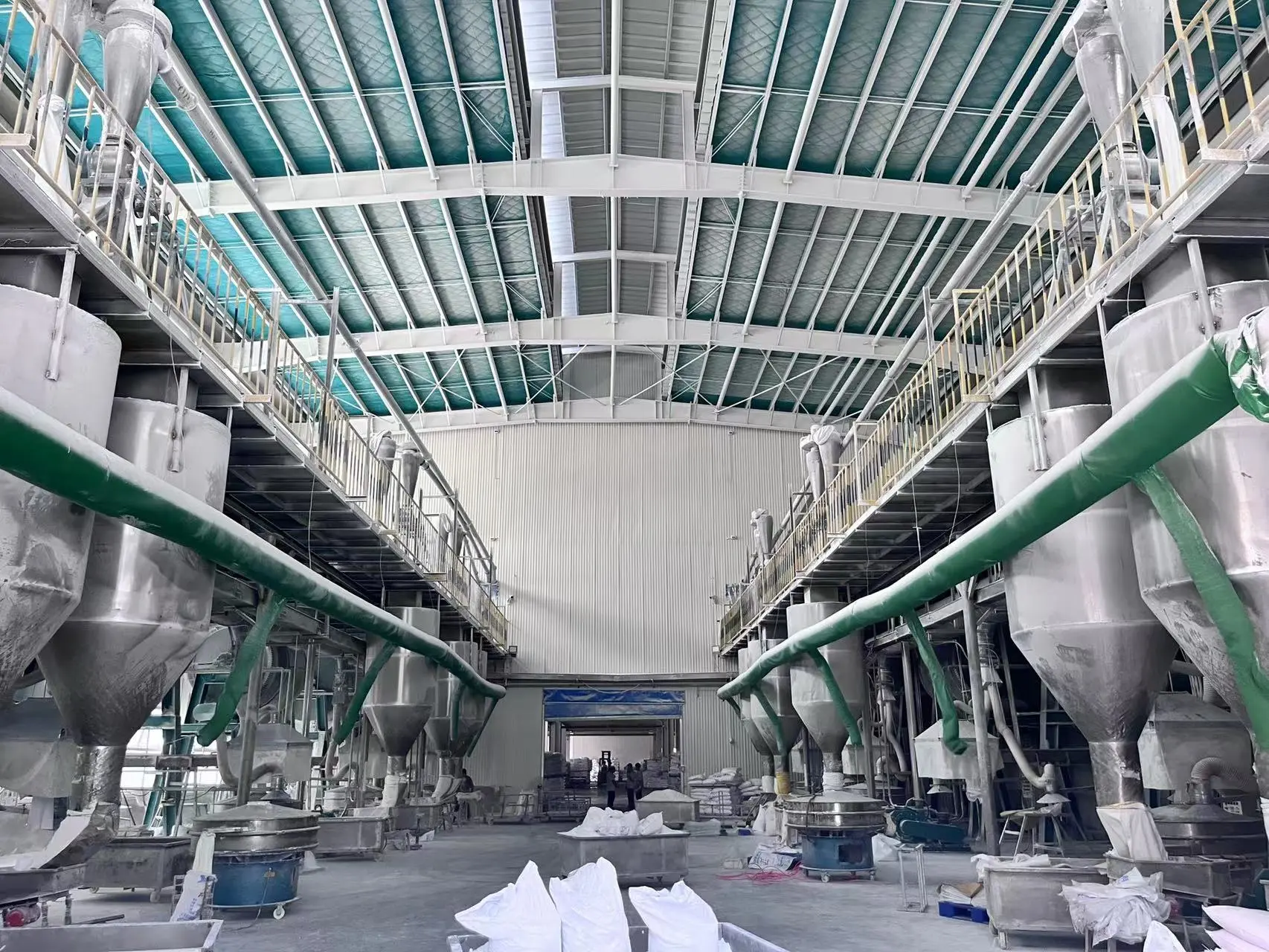
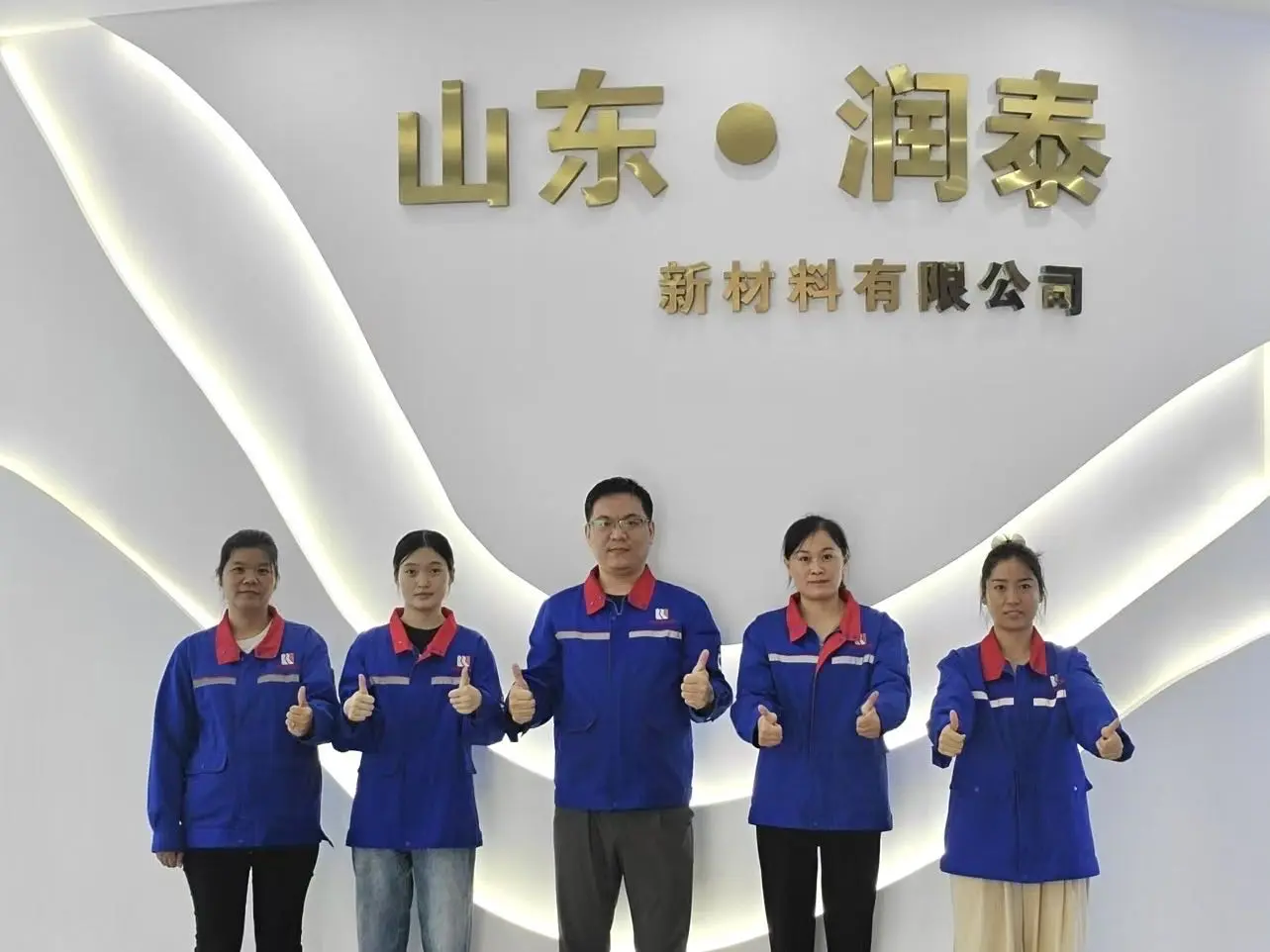
China's dominance in the global industrial chemical landscape is characterized by integrated upstream raw material access, centralized energy systems, and high-efficiency chemical clusters. Shandong Province, home to Shandong Runtai New Materials Co., Ltd., represents the vanguard of this industrial model. Founded in March 2020 and headquartered in Zaozhuang City, Runtai operates an advanced fine chemical manufacturing base covering 270,000 square meters, backed by a total investment of 2.06 billion yuan.
By leveraging state-of-the-art chemical synthesis technology, Chinese factories achieve economies of scale that stabilize prices globally. Runtai's operational profile serves as a benchmark for modern industrial facilities:
Formaldehyde Annually
Urea Formaldehyde Resin
Melamine Output
Melamine Glazing Powder
In addition to these capacities, Runtai produces 11,000 tons of specialty resins annually. Runtai's infrastructure has enabled it to capture an 80% market share within China, while simultaneously expanding exports to international markets including the United States, Thailand, Kenya, Egypt, and beyond.
Modern sourcing demands reliable product consistency across batches. High-performing factories rely on advanced technological systems to eliminate human error and maintain tight control over process parameters.
Runtai utilizes an advanced Distributed Control System (DCS) across its entire processing footprint. The DCS enables real-time monitoring and micro-adjustments of key synthesis metrics—such as temperature, pressure, feed rates, and catalytic inputs. This ensures stable chemical reactions, prevents batch variances, minimizes raw material wastage, and improves safety margins.
Why modern industrial enterprises select our manufacturing ecosystem for strategic raw material supply.
With an established 80% market share in key sectors within China, our infrastructure is built to support large-scale industrial orders, mitigating supply chain volatility for global buyers.
Operational efficiency is driven by Distributed Control Systems (DCS), ensuring precise control over process parameters, lowering energy consumption, and maintaining consistent batch quality.
We deploy advanced chemical reactors and analytical testing instruments sourced from leading manufacturers to meet global standards and ensure strict quality control.
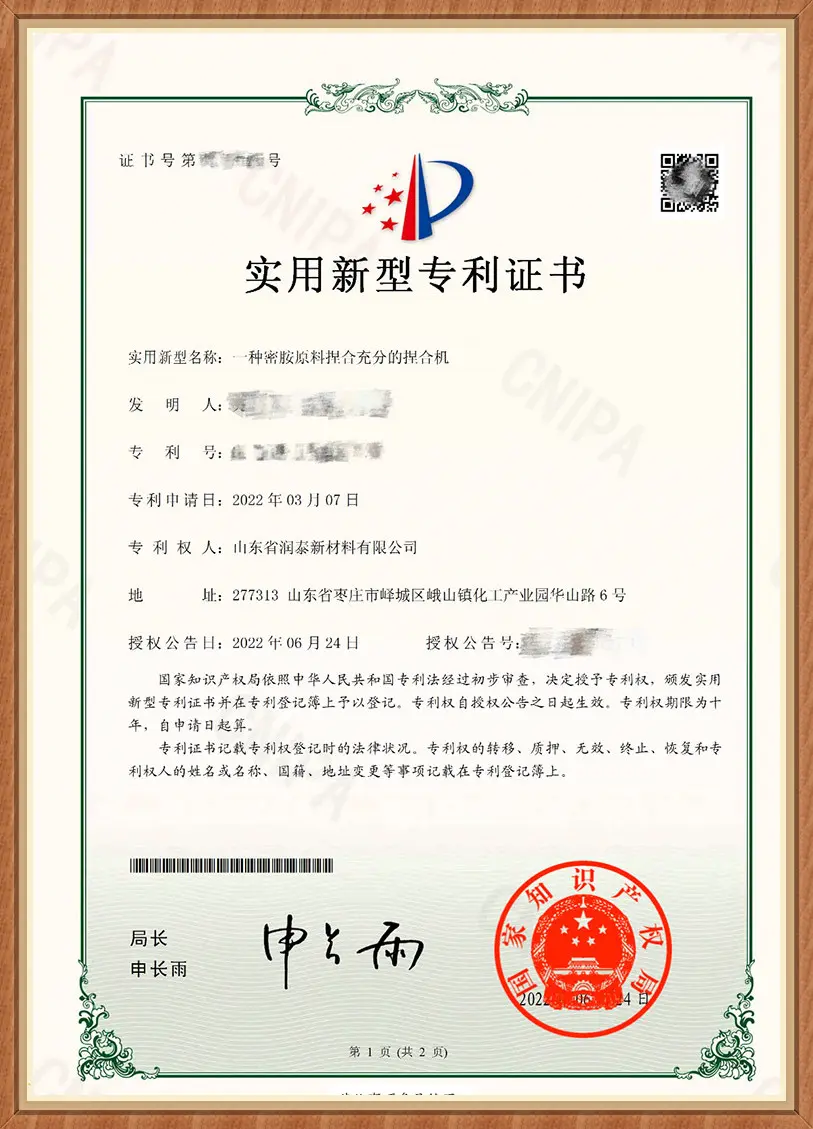
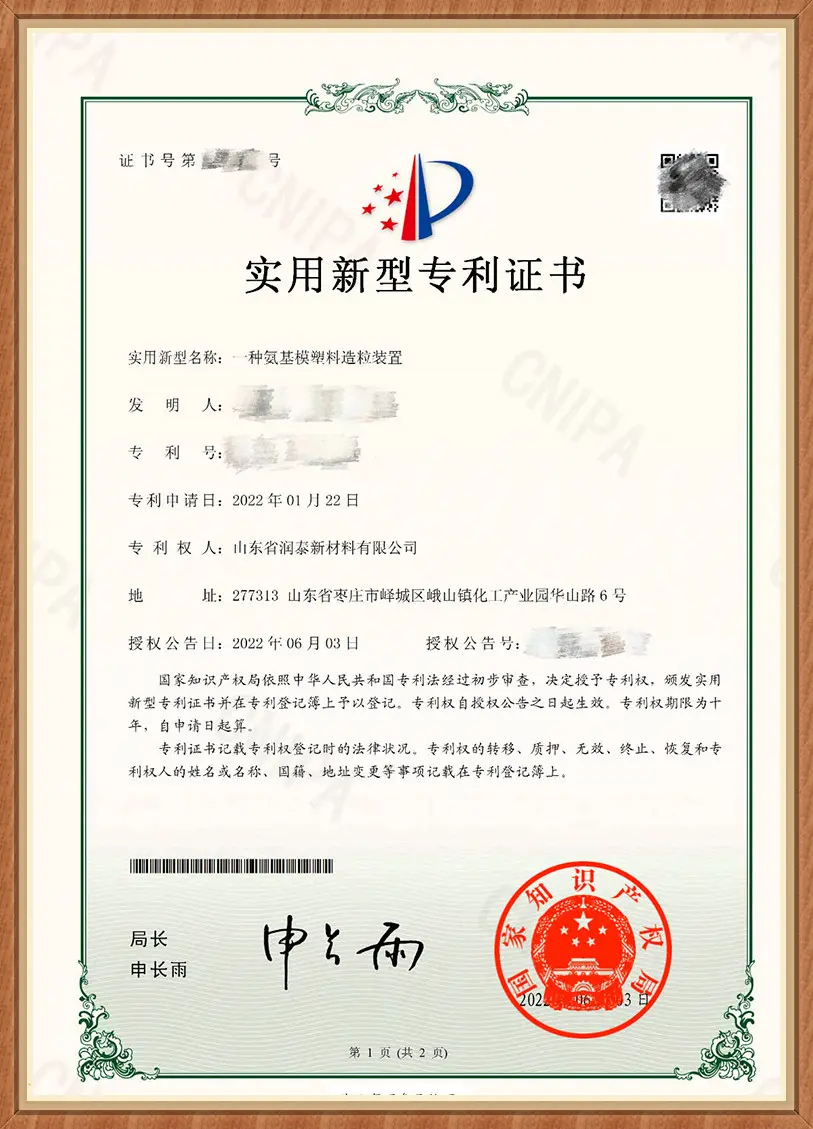
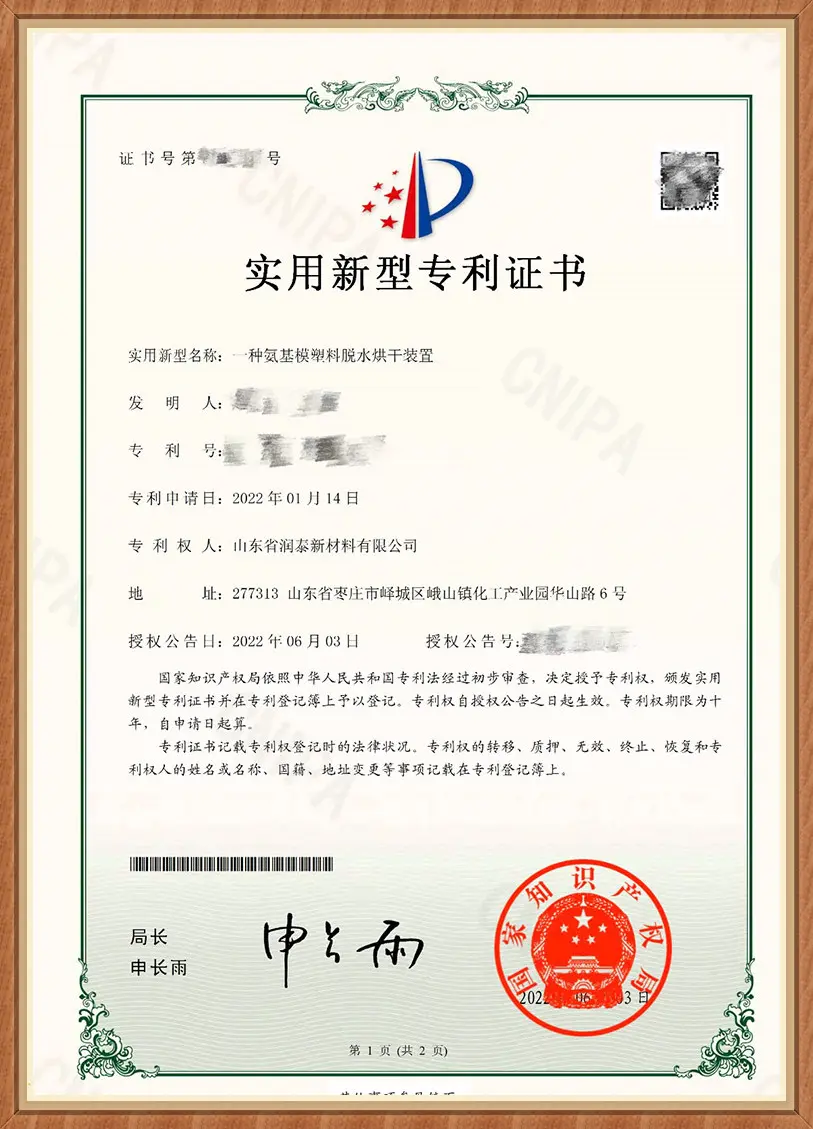
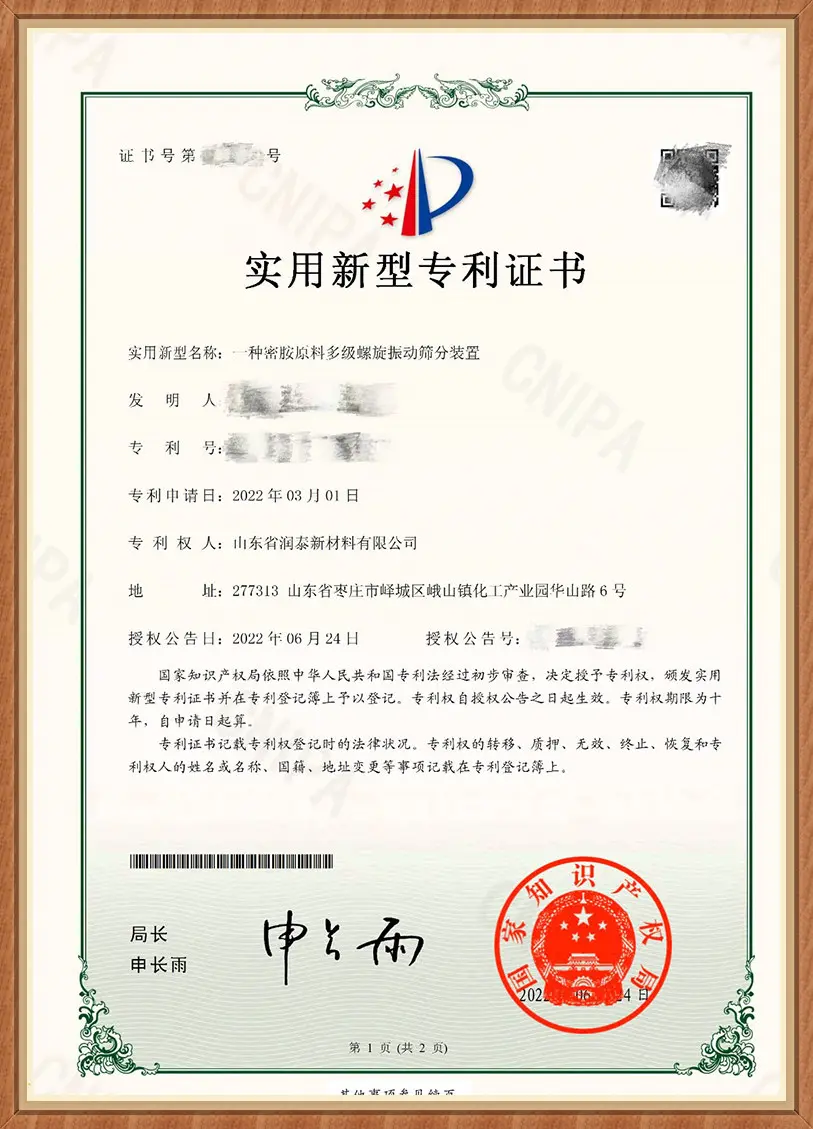
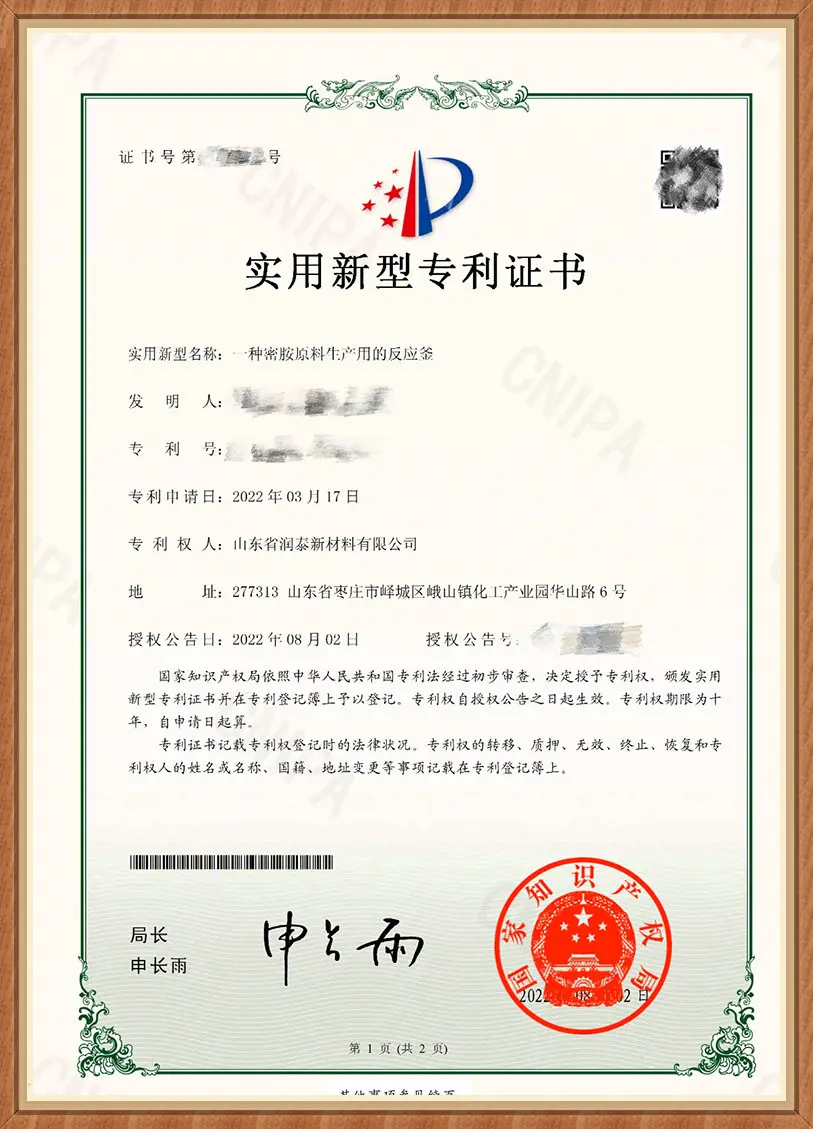
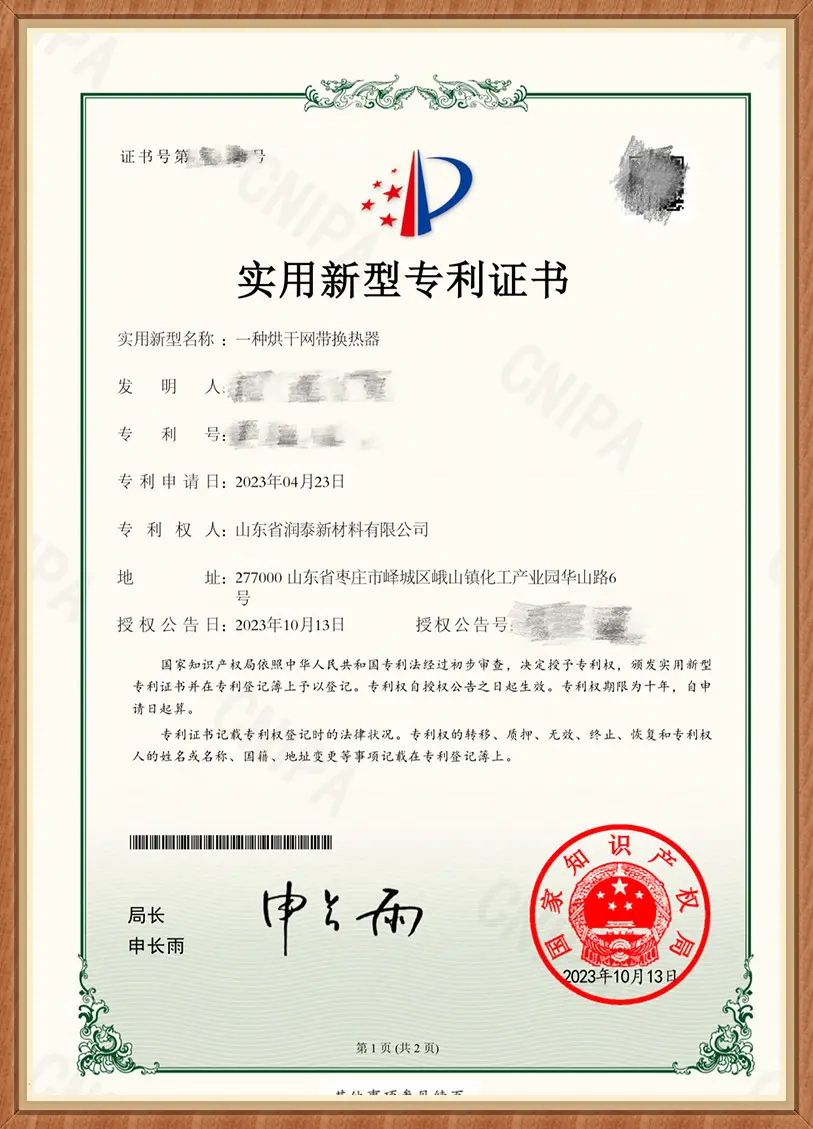
Collaborating with the Changzhou Research Institute of Beijing University of Chemical Technology, our doctoral research team develops proprietary chemical formulas and holds multiple patents.
Using formaldehyde as a primary building block, our long value chain generates derivatives widely applied in adhesives, coatings, resins, cosmetics, and packaging industries.
Navigating global regulatory landscapes and logistics systems to ensure uninterrupted chemical deliveries.

When importing raw materials like Emulsifier 471 or custom polymer matrices, compliance validation must happen before shipment. Leading suppliers support buyers with standard analytical packages:
Operating in an environmentally sensitive industry, modern chemical enterprises prioritize sustainability and resource conservation. Runtai develops products designed to minimize environmental impact while adhering to local and international environmental regulations. Guided by a "quality first, customer first" ethos, we integrate safety, automated control, and environmental preservation into our core processes.
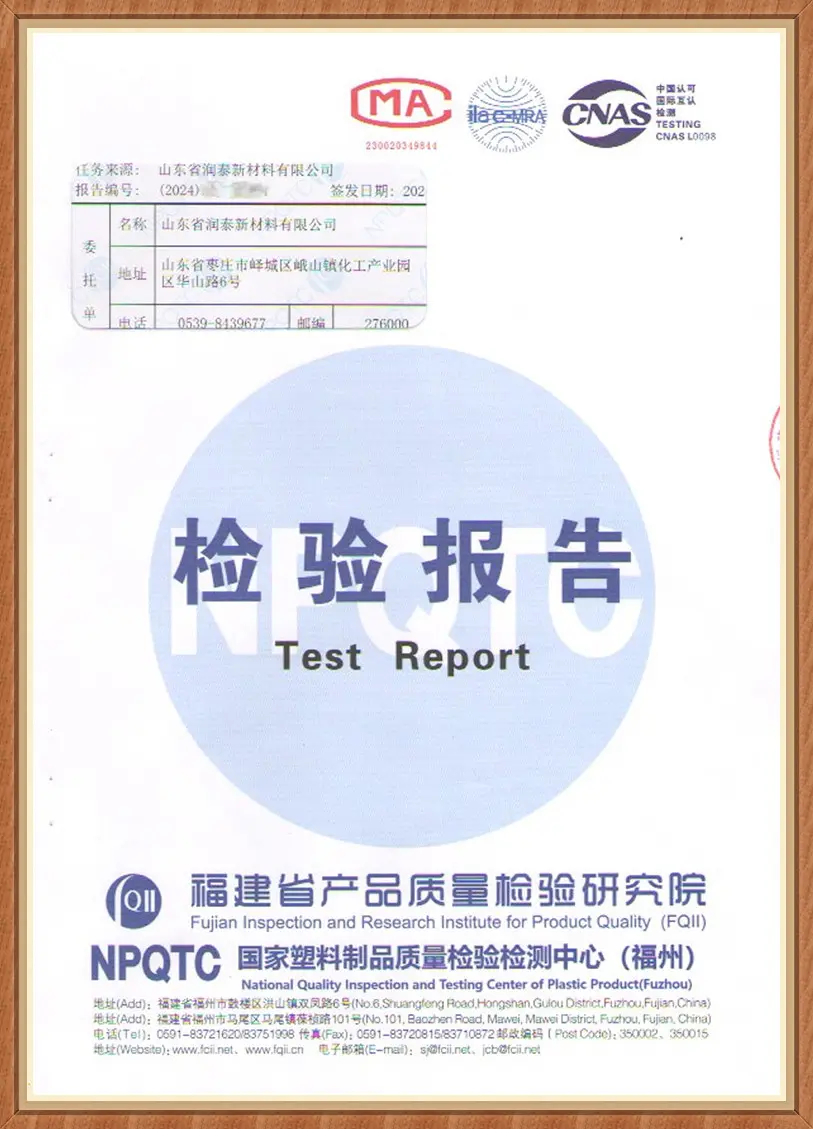
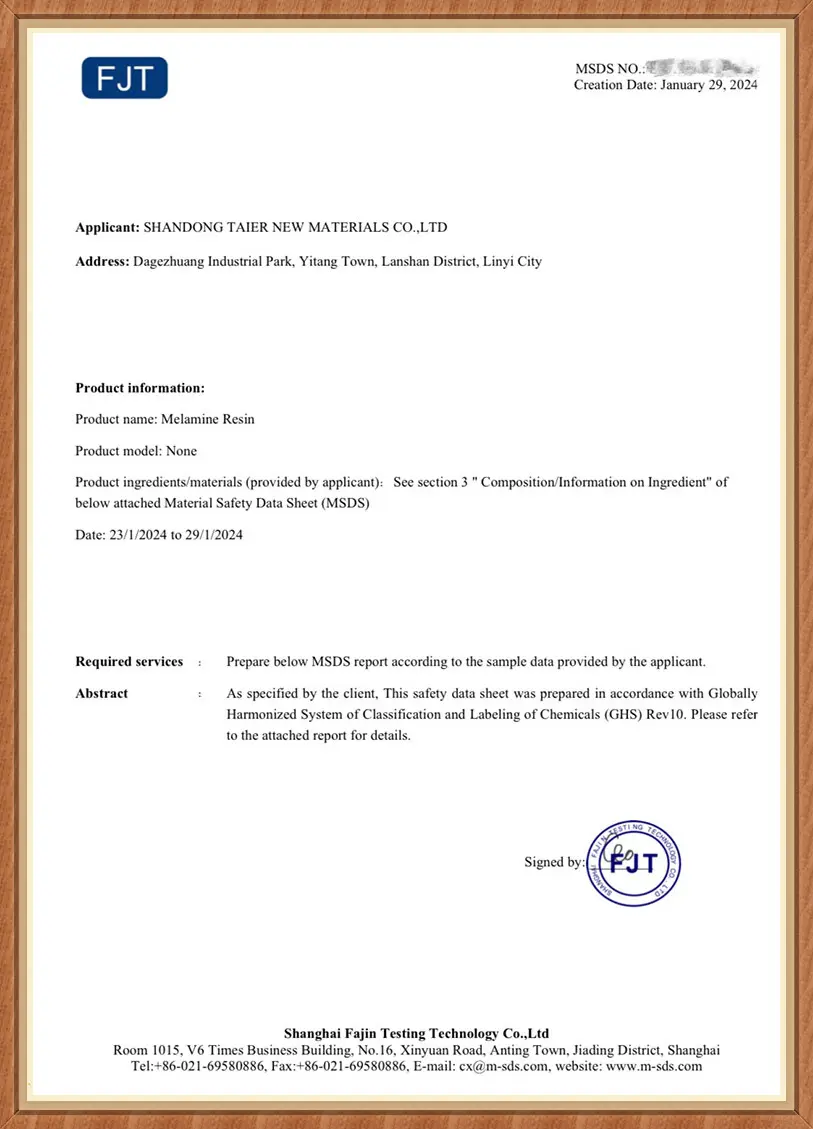
A showcase of our adherence to international manufacturing standards, quality management protocols, and safety norms.
Addressing the core technical, administrative, and logistical questions raised by procurement managers and research chemists.
Monoglycerides contain one fatty acid chain chemically bonded to a glycerol backbone, whereas diglycerides contain two. Monoglycerides are the primary emulsifying agent because they have two free, highly polar hydroxyl groups that bond with water. Diglycerides have only one. Standard E471 features a mixture of both, which is effective for general fat dispersion. In contrast, Distilled Monoglycerides (DMG, E471) remove the diglycerides and free glycerol via molecular distillation to achieve a purity of over 90% monoglycerides for more demanding applications.
Procurement teams can verify the raw material source of E471 by requesting a comprehensive Certificate of Origin, a detailed raw materials declaration, and third-party certifications like Halal or Kosher. Food-grade E471 sourced from vegetable lipids will typically state "plant-based," "vegetable source," or "RSPO palm oil derived" on its documentation, indicating it is free from animal fats.
The melting point of E471 typically ranges between 58°C and 68°C, depending on the length and saturation of the esterified fatty acids (e.g., stearic acid vs. palmitic acid). In manufacturing processes such as plastic extrusion (where E471 is used as an antistatic agent) or industrial baking, the emulsifier must be melted and uniformly distributed. Processing at temperatures below the melting point can cause lump formation and uneven dispersion, reducing its effectiveness.
We ensure consistency by using a DCS system that monitors temperature, catalytic rate, and pressure levels in real time. Combined with strict quality audits of raw material feedstocks and gas chromatography (GC) testing on finished batches, we ensure that products meet specified limits for chemical purity and physical performance before shipping.
Because E471 is lipid-based, it is sensitive to heat and compaction. It should be stored in dry, well-ventilated areas below 25°C. Exposure to direct sunlight, high humidity, or heavy pallet stacking can cause "caking" (agglomeration of particles), making the product difficult to handle.
Browse our complete list of industrial-grade additives, thickeners, and specialized defoaming systems.
 Runtai