Engineered chemicals from certified facilities satisfying strict low-VOC, structural durability, and high-safety standards.
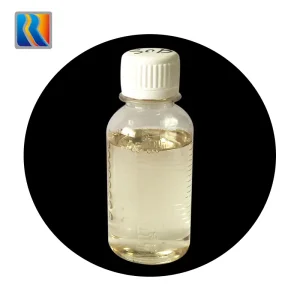
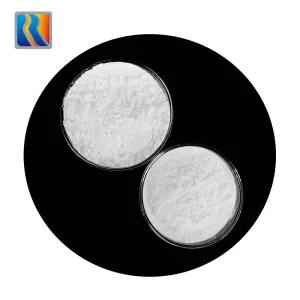
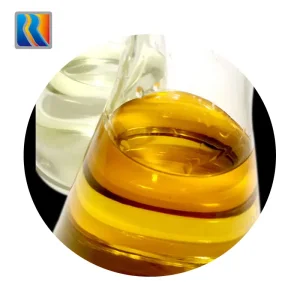
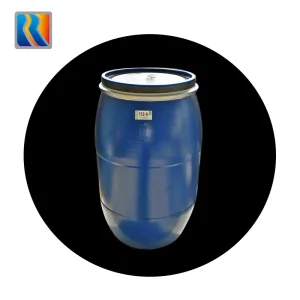
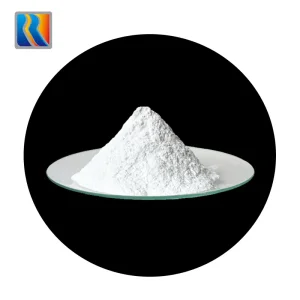
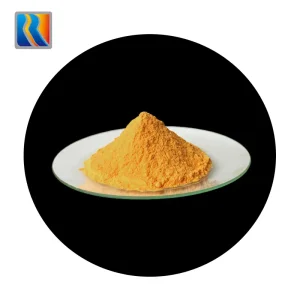
In the contemporary global chemical landscape, the demand for high-performance resins, molding compounds, and additives operates alongside a strict regulatory push for low-emission products. "Anti-Formaldehyde" solutions represent a comprehensive industrial paradigm. This initiative focuses on reducing the presence of unreacted free formaldehyde in thermosetting resins, mitigating off-gassing from engineered wood products, and manufacturing stable molding materials. These processes are designed to comply with rigorous international environmental guidelines, such as EPA TSCA Title VI, CARB Phase II, and European E1/E0 standards.
Formaldehyde remains an indispensable building block in the synthetic polymer industry. Its high reactivity makes it crucial for producing structural adhesives, thermosetting plastics, and specialized coatings. However, managing its environmental and health impacts has transformed global markets. Major manufacturing hubs in Asia-Pacific, Europe, and North America are transitiong toward advanced synthetic formulations. Modern production facilities are upgrading their processes to supply materials with low formaldehyde emissions.
Industrial demand is shifting from traditional, high-emission formulations toward melamine-modified matrices, optimized urea-formaldehyde resins, and advanced formaldehyde scavengers. In construction, furniture manufacturing, and automotive components, chemical suppliers are required to guarantee minimum volatile organic compound (VOC) generation. This requirement has spurred significant investment in technologies that optimize the reaction kinetics of polymer networks, ensuring that free monomer levels are minimized during synthesis, curing, and lifecycle applications.
The global fine chemical industry is moving toward high-efficiency catalytic synthesis, automated batching, and sustainable feedstock utilization. Key growth trends include:
Decreased Formaldehyde-to-Urea (F:U) Molar Ratios: Standard urea-formaldehyde adhesives historically relied on high excess formaldehyde to ensure rapid curing and strong mechanical bonds. Modern facilities are using precise polymer chemistry to design resins with lower molar ratios. This adjustment reduces free formaldehyde emission levels to match those of natural wood, without compromising adhesive strength.
Melamine Modification and Glazing Evolution: Integrating melamine into urea-based polymers significantly enhances hydrolytic stability. Because melamine possesses multiple amine groups, it acts as an efficient formaldehyde scavenger. This makes Melamine Moulding Compounds (MMC) and Melamine Glazing Powders critical for producing durable, food-grade tableware and electrical housings that exhibit negligible chemical migration.
Green Manufacturing Integration: Leading chemical producers are implementing closed-loop heat recovery, catalytic oxidizers, and automated Distributed Control Systems (DCS). These technologies help control reaction parameters in real-time, reducing energy consumption and minimizing process waste.
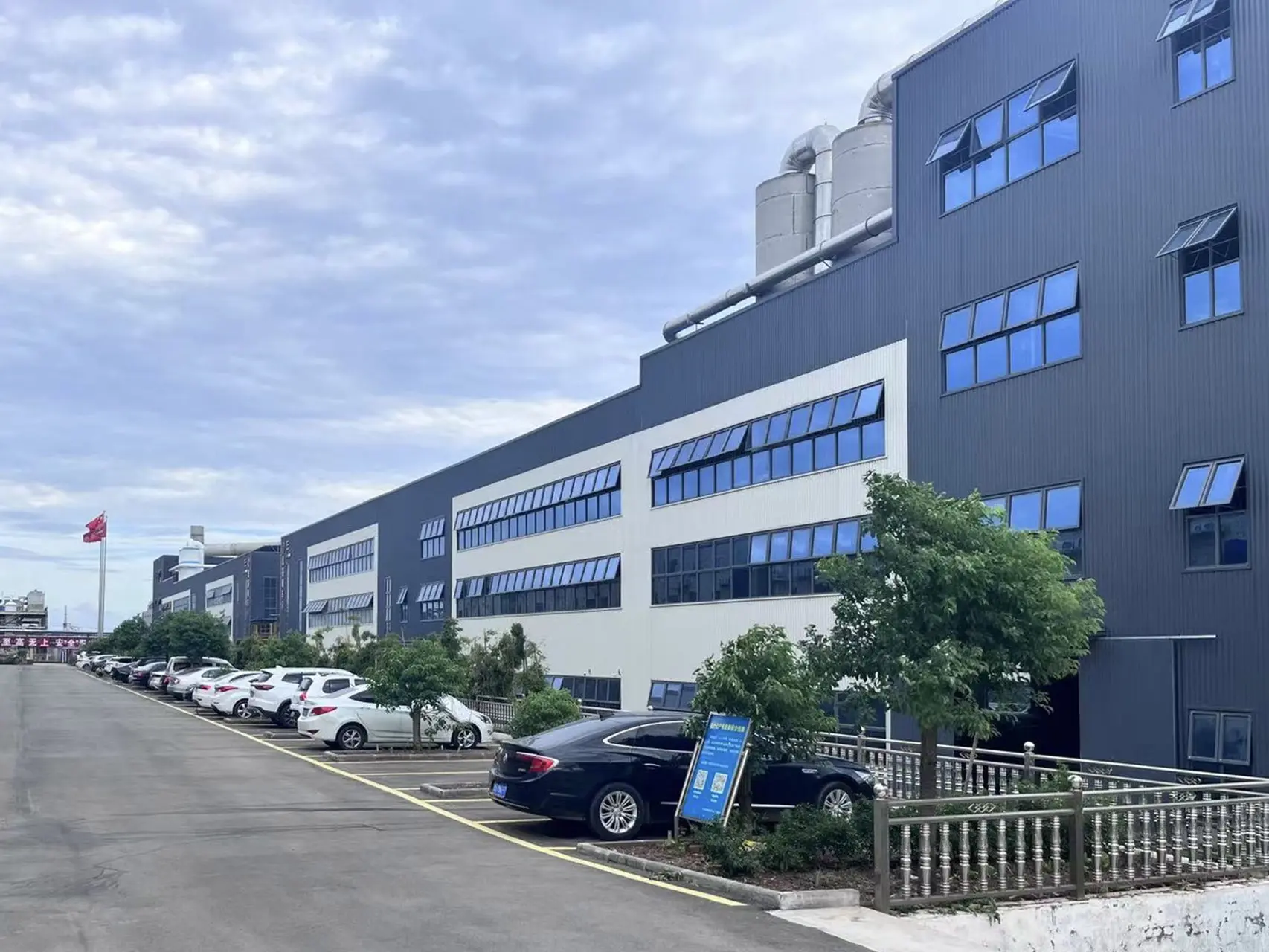
Implementing a reliable low-emission chemical system requires strict process control. Shandong Runtai New Materials Co., Ltd., established in March 2020, has built its manufacturing processes around these advanced engineering standards. Located in Zaozhuang City, Shandong Province, and spanning 270,000 square meters with a total investment of 2.06 billion yuan, the enterprise demonstrates how scale and modern technology can support sustainable product output.
At the center of this technological setup is the Distributed Control System (DCS). In polymer reactions, subtle shifts in temperature, pH, and pressure can alter the distribution of molecular weights and leave excess unreacted formaldehyde. The DCS tracks and adjusts these process parameters across the entire line, ensuring consistent polymerization and high reaction efficiency. This automated control maintains consistent quality across batches, reduces raw material loss, and keeps the concentration of volatile components to a minimum.
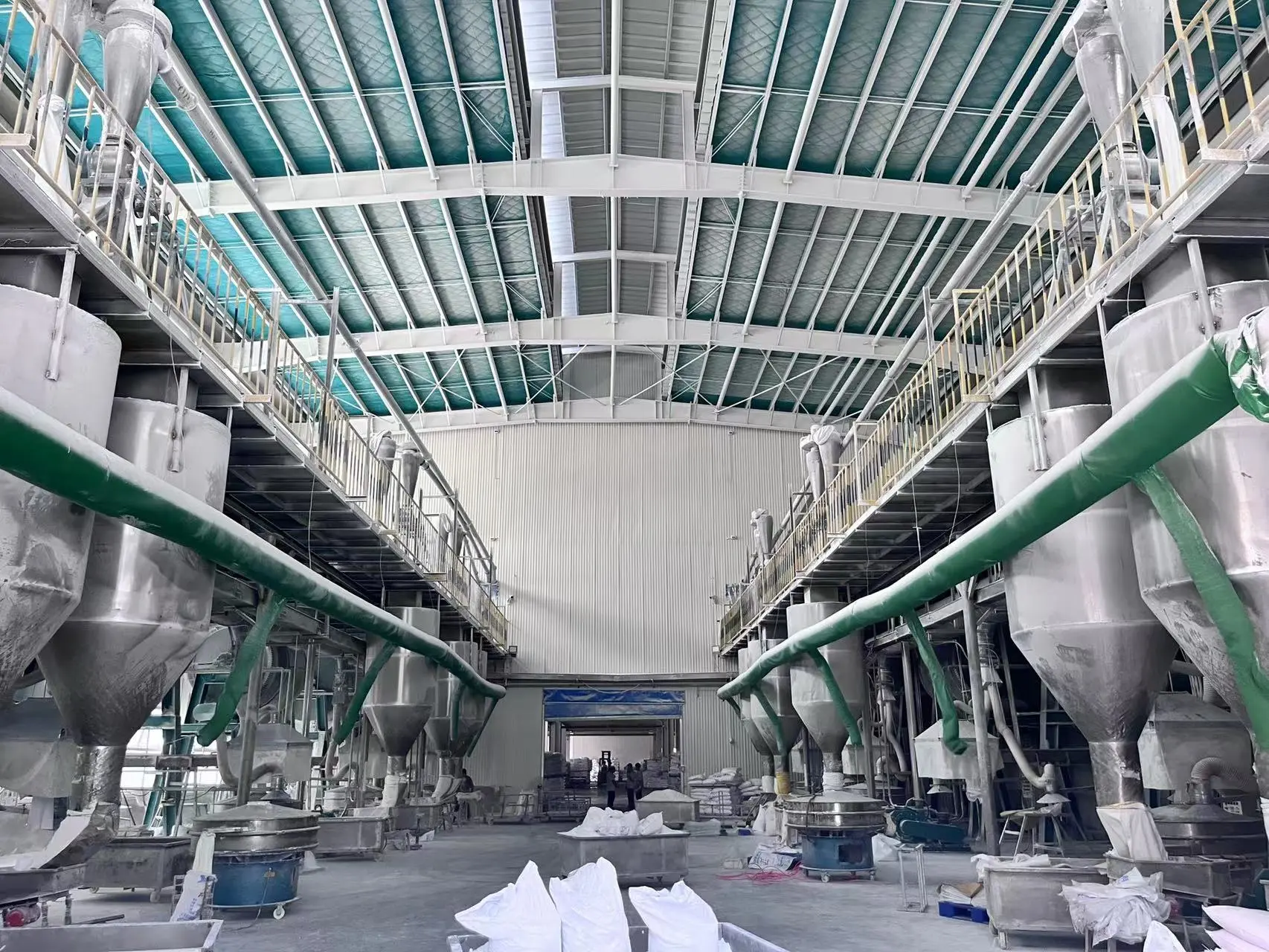
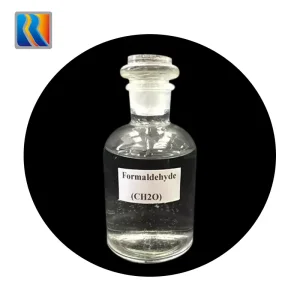
Our facility runs an integrated production process starting directly from base formaldehyde. This integration allows us to refine chemical reactions across successive stages. Instead of purchasing raw materials from external suppliers—which can introduce variation in moisture, pH, and purity—the entire process is handled in-house. This comprehensive line links formaldehydes, paraformaldehydes, urea-formaldehyde resins, melamine powders, and glazing compounds.
In-house formaldehyde production ensures stable feedstocks for downstream melamine-formaldehyde synthesis, limiting contaminants that lead to resin degradation.
Direct feed monitoring controls excess monomer concentration, helping to produce structural materials that satisfy CARB Phase II and European E0 standards.
Our formulation designs limit moisture-driven degradation, ensuring that cured resins maintain their structural integrity and exhibit minimal off-gassing under humid conditions.
Different markets present distinct regulatory expectations and environmental demands. A versatile supplier must adapt its formulations to meet these specific regional requirements:
North America (United States & Canada): Compliance with EPA TSCA Title VI and CARB Phase II is essential. Our technical teams modify adhesive systems for structural panels, engineered flooring, and cabinetry to meet these low-emission requirements. Additionally, our packaging film adhesives comply with FDA guidelines for indirect food contact.
Southeast Asia (Thailand, Vietnam, Malaysia): High average temperatures and humidity accelerate the hydrolysis of urea-formaldehyde bonds, which can increase formaldehyde emissions. To address this, we formulate melamine-urea-formaldehyde (MUF) resin options with higher melamine concentrations. This modification improves hydrolytic stability and ensures long-term performance in tropical climates.
East Africa & North Africa (Kenya, Egypt): Infrastructure growth in these regions has driven demand for durable materials like Urea Moulding Compounds (UMC) and Melamine Moulding Compounds (MMC) for electrical switches, sanitary fittings, and domestic tableware. We supply customized raw materials designed for compression molding machinery in these regions, optimizing flowability and curing times to match local manufacturing setups.
Shandong Runtai New Materials Co., Ltd. has developed into a major manufacturer in China's fine chemical sector. With branches across five domestic cities, we support both large-scale supply needs and customized customer orders.
Our annual production capacities include: 380,000 tons of formaldehyde, 60,000 tons of melamine, 20,000 tons of melamine glazing powder, 11,000 tons of specialty resins, and 300,000 tons of urea-formaldehyde resins. This output capacity has helped the company capture approximately an 80% share of the domestic market. We are also expanding our international footprint, exporting products to the United States, Thailand, Kenya, Egypt, and other markets.
In addition to standard catalog products, our service model emphasizes tailored formulation development. In partnership with the Changzhou Research Institute of Beijing University of Chemical Technology, our doctoral R&D team works to improve product formulations. This research covers polymer cross-linking density, water-based additive performance, and anti-foaming efficiency using mineral oil defoamers and ammonium salt dispersants. These research efforts help us consistently adapt our chemical products to changing international environmental and safety standards.
Our company is committed to sustainable chemical manufacturing. We focus on developing eco-friendly products that minimize environmental impacts while meeting all relevant laws and standards. Through scientific research and process engineering, we help downstream customers transition from high-emission resins to modern, low-emission formulations. By reducing raw material consumption and process waste, we demonstrate that industrial productivity and environmental care can work together.
Guided by our core values of "quality first, customer first," we approach business relationships with transparency and professional support. We welcome domestic and international partners to visit our facilities to discuss collaborative development and explore opportunities in advanced material technology.
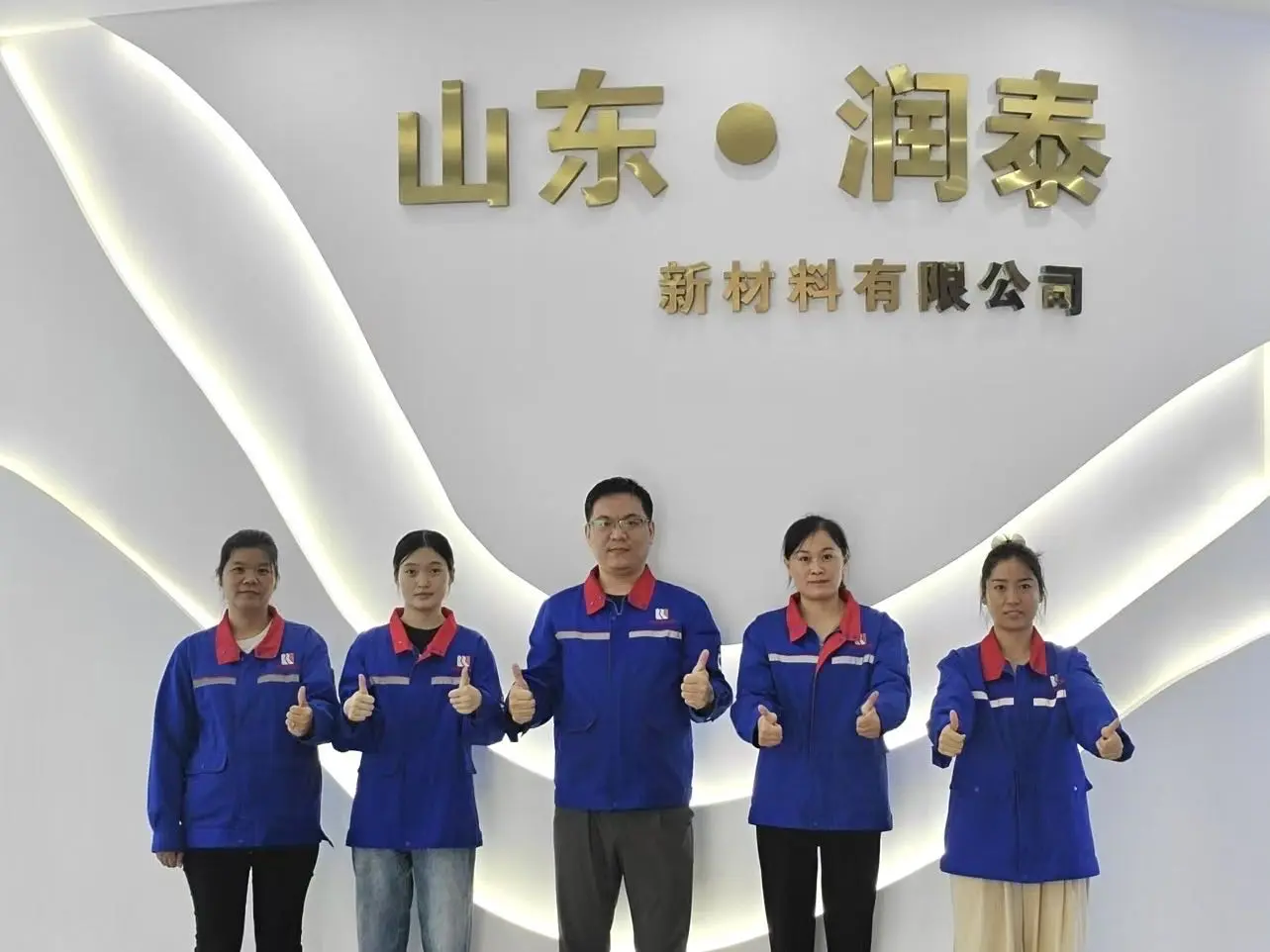
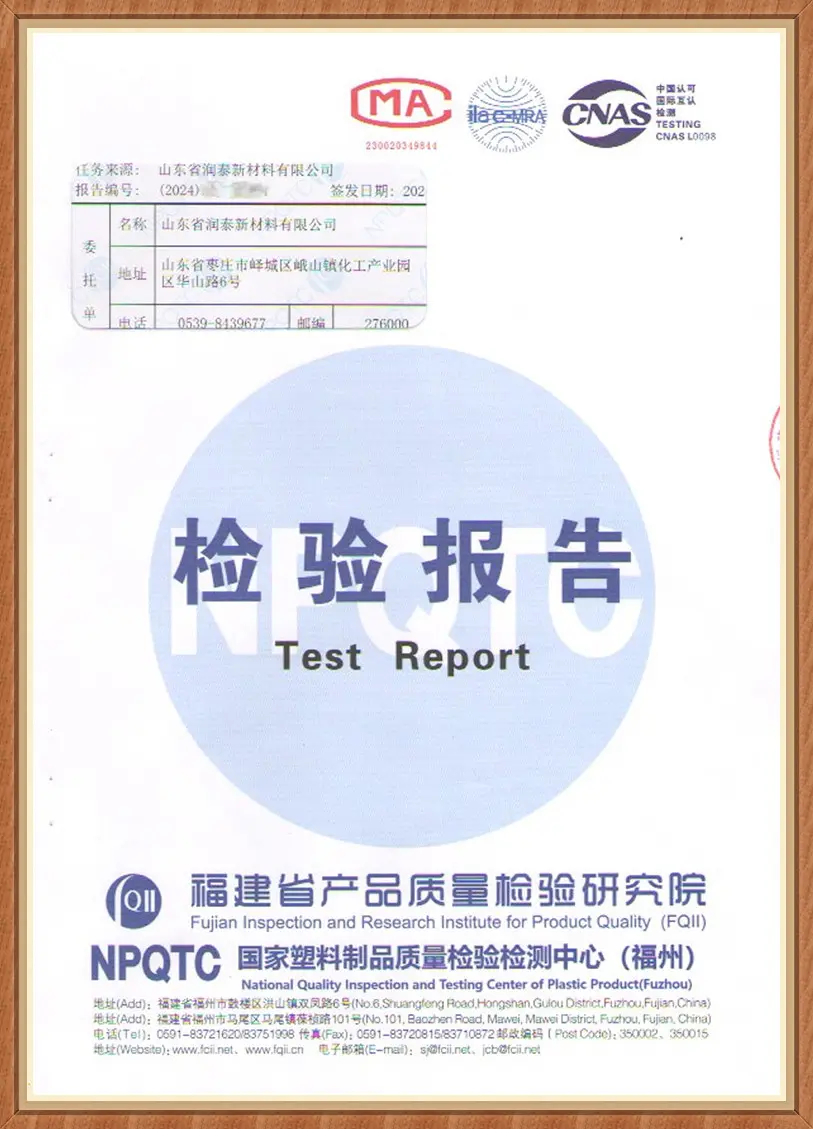
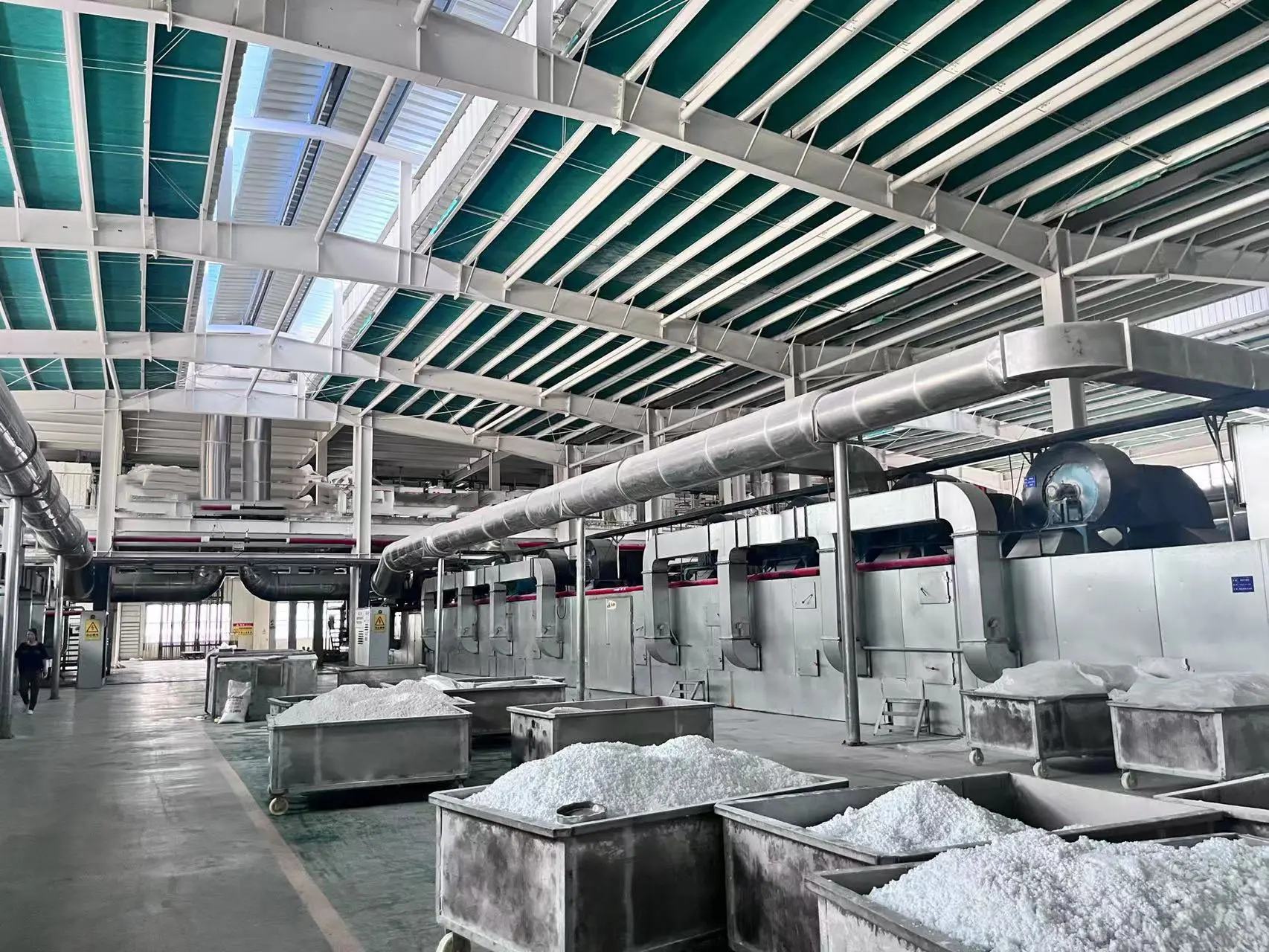
Runtai operates high-end manufacturing equipment and automated control lines to ensure consistent product purity and safety.
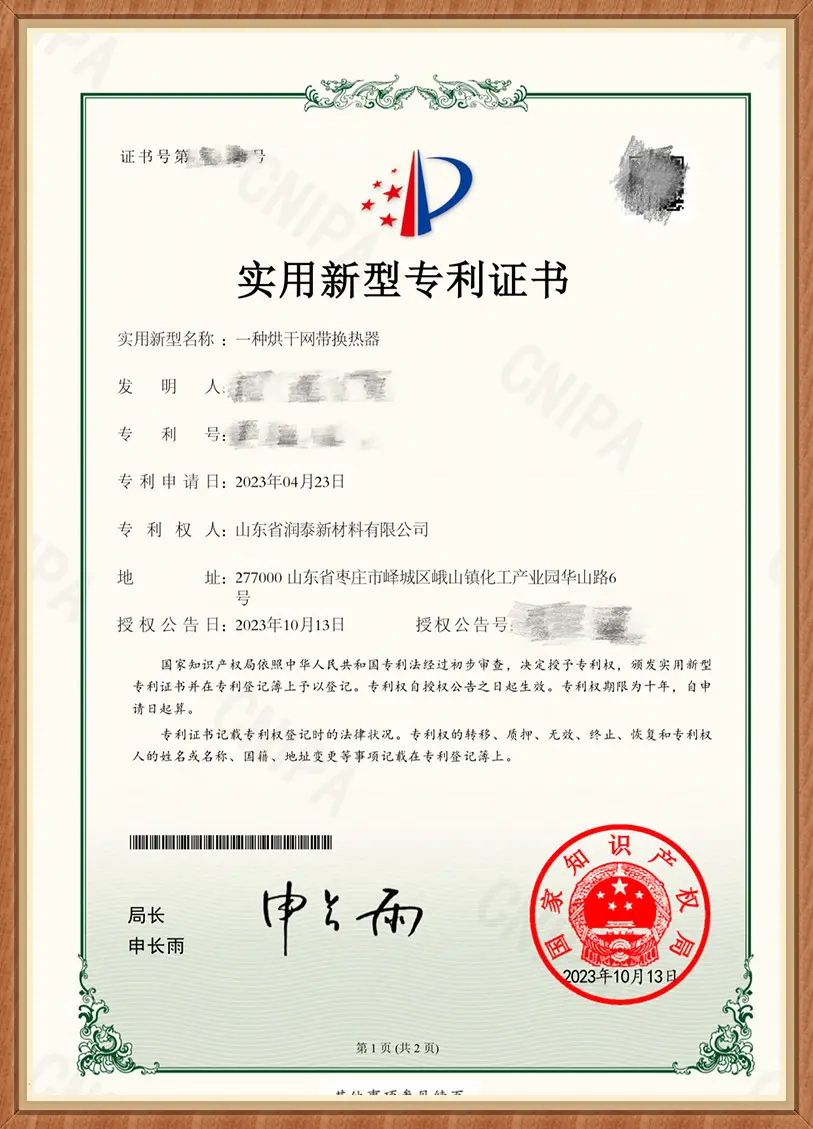
We work in collaboration with the Changzhou Research Institute of Beijing University of Chemical Technology. Our technical operations are led by an in-house doctoral research team, backed by multiple patents in low-emission resin synthesis, high-purity paraformaldehyde production, and stable water-based coatings dispersants.
This integration of research and production ensures our materials maintain consistent quality standards for safety, durability, and trace emission limits.


An overview of the chemical processes and control systems that enable low-emission polymer production.
By automating the addition of raw materials and controlling reaction temperatures, our process limits side-reactions that can produce free formaldehyde. This ensures consistent polymer quality from batch to batch.
We optimize molar ratios and include precise steps for adding formaldehyde scavengers. This reduces the concentration of free monomers while preserving the polymer's cross-linking structure.
Integrating melamine into our formulations helps stabilize ether linkages against hydrolysis. This prevents the slow release of gases from cured materials exposed to high heat and humidity.
Answers to common technical and regulatory queries regarding low-emission resins, compounds, and manufacturing standards.
Modern chemical plants use a few key strategies: First, they lower the formaldehyde-to-urea (F:U) molar ratio during synthesis, reducing the concentration of unreacted formaldehyde. Second, they introduce formaldehyde scavengers, such as melamine, urea, or specialty amines, at specific points in the heating cycle. Finally, they use automated control systems to maintain precise reaction temperatures and pH levels, ensuring high monomer conversion rates.
Urea Moulding Compound (UMC) is based on urea-formaldehyde resin and is commonly used for household electrical fittings, buttons, and low-cost consumer items due to its mechanical properties and value. Melamine Moulding Compound (MMC) is made from melamine-formaldehyde resin, which offers superior hardness, water resistance, scratch resistance, and thermal stability. This makes MMC suitable for food-grade tableware, high-end electrical components, and applications requiring lower chemical emissions.
We maintain quality consistency by handling the entire production process in-house, starting with the synthesis of base formaldehyde. This reduces variations in raw material purity. We also run automated Distributed Control Systems (DCS) to monitor reaction metrics, and our analytical laboratories test each batch using HPLC and gas chromatography to confirm compliance with international emission and purity standards before shipping.
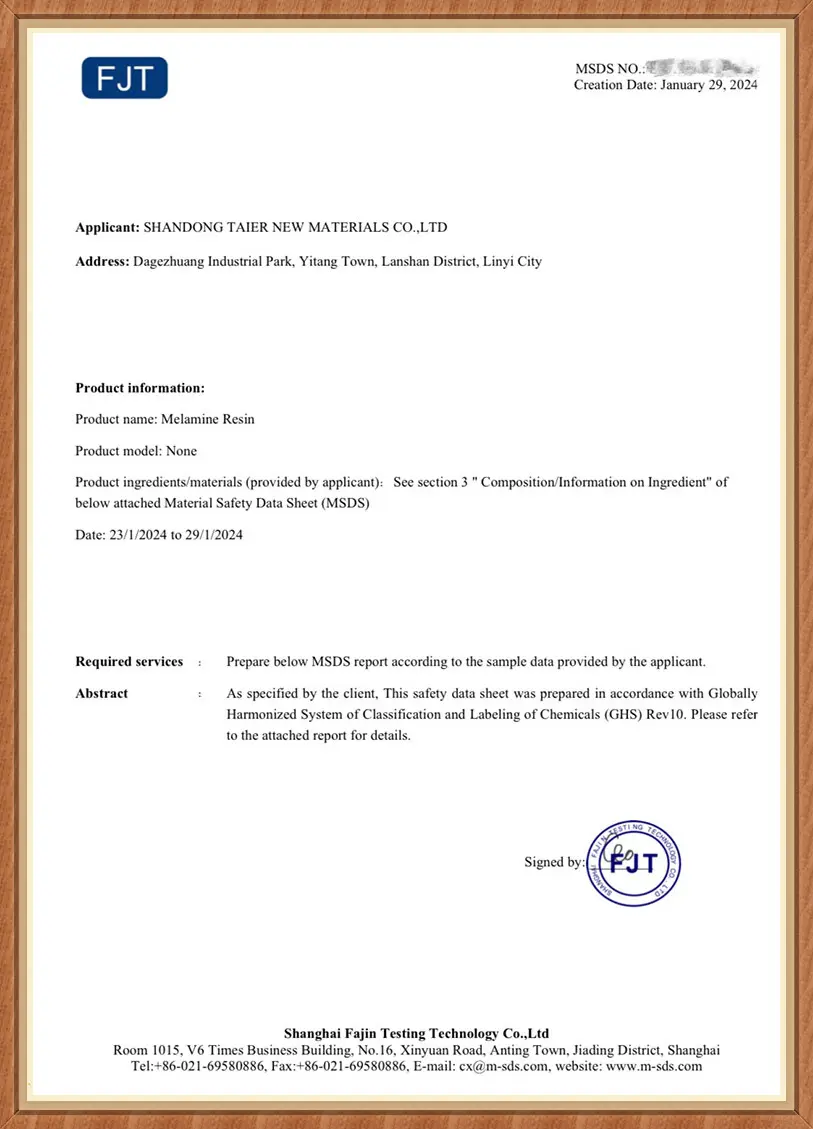
Our resin formulations and molding compounds are engineered to meet global environmental regulations, including EPA TSCA Title VI, CARB Phase II (California Air Resources Board), and European E1 and E0 standards for building materials and consumer products.
Water-based additives, such as ammonium salt dispersants, help stabilize solid particles within liquid resin formulations. They prevent coagulation and sediment formation without requiring organic solvents, which keeps the overall VOC content of the formulation low.
A view into our industrial production systems, raw material storage, and delivery networks.
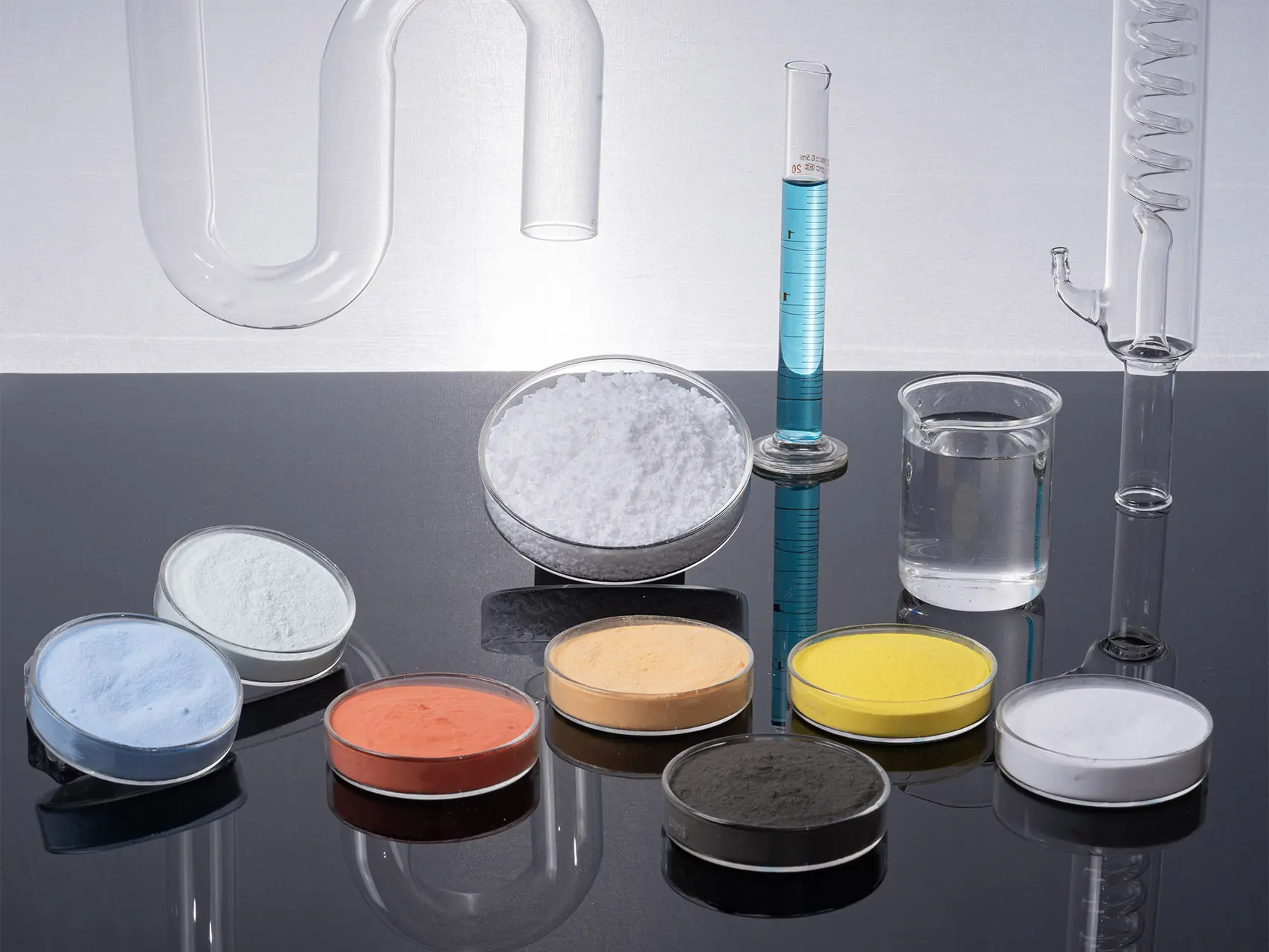
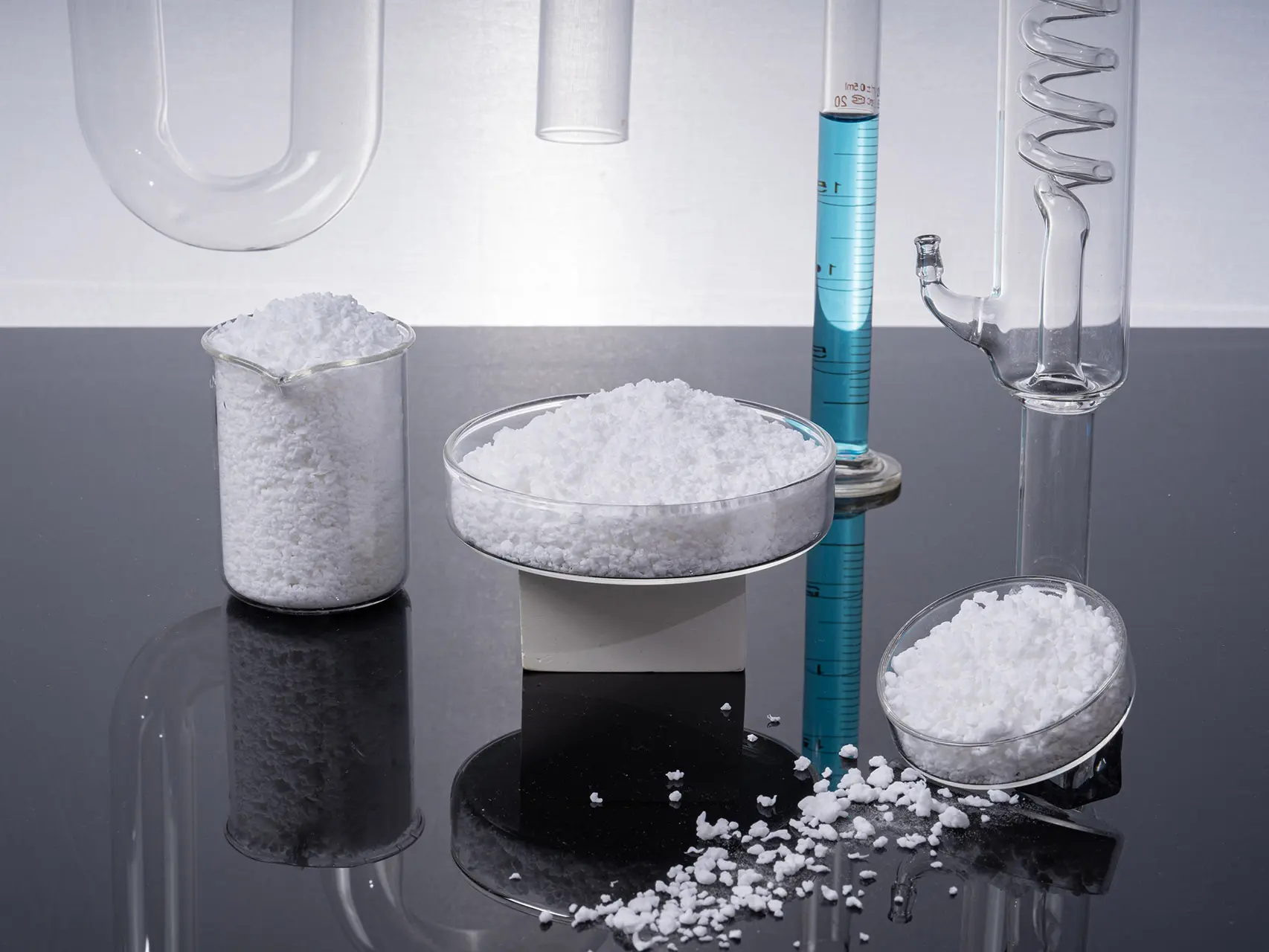
Thermosetting materials, cross-linkers, and foam control additives designed for high-performance and low-emission applications.
 Runtai