Select industrial-grade compounds engineered for structural durability and precision performance.
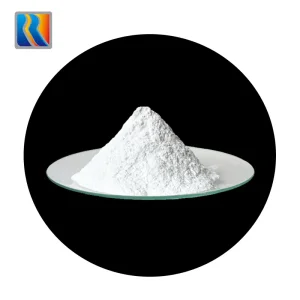
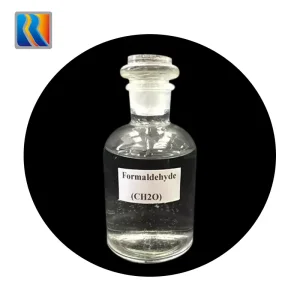
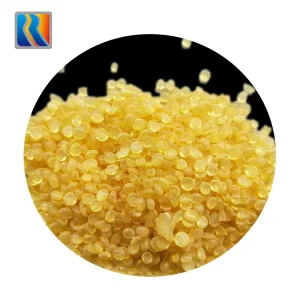
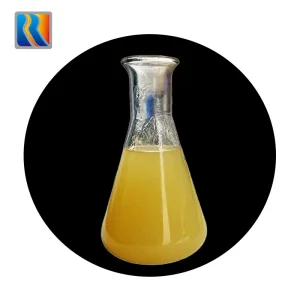
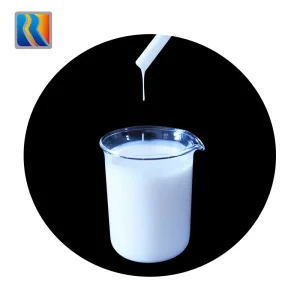
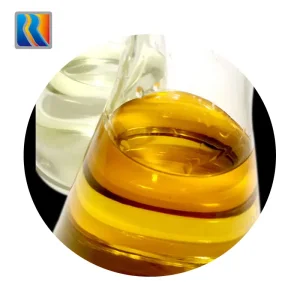
Formaldehyde (HCHO) is a highly reactive, volatile organic compound (VOC) that poses significant health risks when present in indoor environments. Characterized by its sharp, suffocating odor and status as a Class 1 carcinogen by the International Agency for Research on Cancer (IARC), formaldehyde is widely used in industrial applications, particularly in the manufacture of binders, wood adhesives, and synthetic resins. However, when these industrial precursors are integrated into consumer-facing furniture, wallcoverings, and building components, the subsequent slow emission of formaldehyde over months and years creates a persistent indoor hazard.
While standard activated carbon filters are highly effective at capturing larger, non-polar volatile molecules, they struggle to permanently trap small polar molecules like formaldehyde. Under fluctuating temperature or humidity conditions, physically adsorbed formaldehyde can easily desorb back into the environment. To overcome this limitation, premium air purifiers employ chemisorption and catalytic oxidation technologies.
During chemisorption, the filtration matrix is impregnated with active chemical agents, such as amine groups or urea derivatives, which react covalently with the passing formaldehyde molecules, binding them irreversibly to the filter media. Concurrently, photocatalytic oxidation (PCO) and non-thermal plasma (NTP) filters use catalytic agents (often manganese dioxide or titanium dioxide) to break down HCHO molecules into harmless carbon dioxide (CO₂) and water vapor (H₂O) at room temperature.
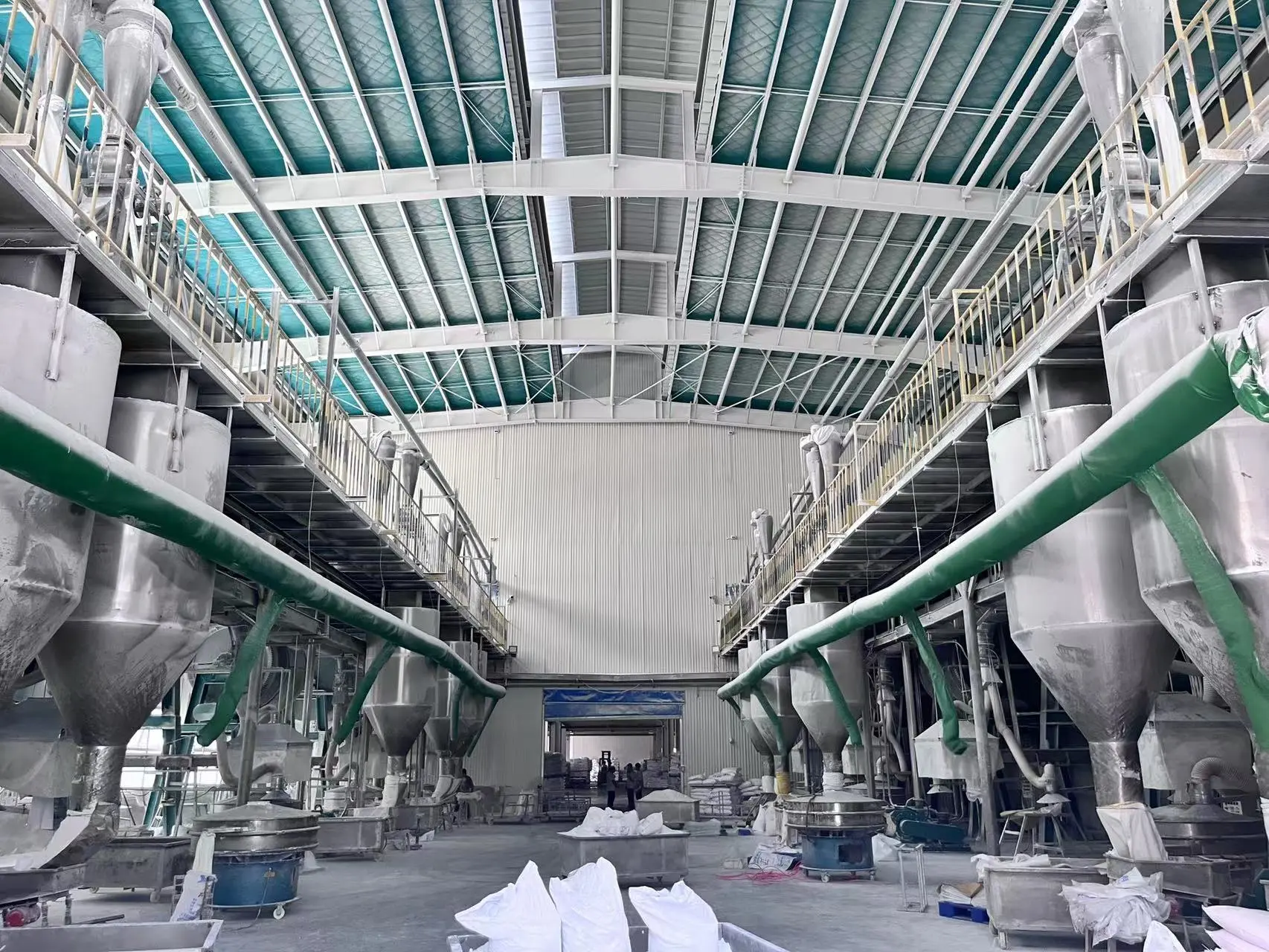
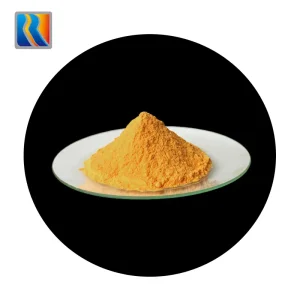
Founded in March 2020, Shandong Runtai New Materials Co., Ltd. is a comprehensive group firm that specializes in fine chemical products. Our primary products include formaldehyde, polyformaldehyde (Paraformaldehyde), urea formaldehyde resin, melamine powder, and melamine glazing powder. With its headquarters located in Zaozhuang City, Shandong Province, the corporation has established branches in five different cities throughout China, spanning a total area of 270,000 square meters with a robust capital investment of 2.06 billion yuan.
As a central node in the global polymer and resin supply chain, Runtai New Materials plays an essential role in both the production of high-grade formaldehyde resins and the engineering of advanced chemical materials that downstream manufacturers utilize to capture and neutralize VOCs in air purification technologies.
The global air purification market is transitioning from simple particulate capture (HEPA) to gas-phase molecular purification (VOC abatement). The rising stringency of indoor air quality (IAQ) regulations in North America, the European Union, and the Asia-Pacific region has forced manufacturers of consumer electronics and industrial HVAC systems to upgrade their formaldehyde removal systems.
Global standards, such as California’s CARB Phase 2, EPA TSCA Title VI, and the European E1/E0 emission classifications, require building materials to have ultra-low formaldehyde release rates. This has driven a corresponding requirement for high-efficiency air scrubbing equipment in both newly constructed spaces and chemical processing facilities.
Downstream air purifier manufacturers require porous support substrates with high amine loading capacity. Advanced urea-formaldehyde polymers and melamine-based compounds act as the chemical backbones for manufacturing active chemisorption filters that perform consistently across humidities.
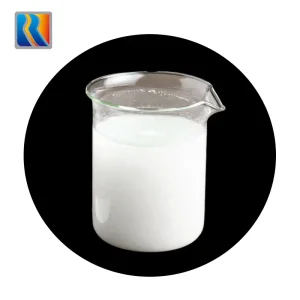
Global procurers look for chemical supply partners capable of ensuring stable delivery of high-purity precursors like formaldehyde, paraformaldehyde, and industrial defoamers. A disruption in these key precursors risks stalling downstream manufacturing pipelines for catalysts, resins, and filtration products.
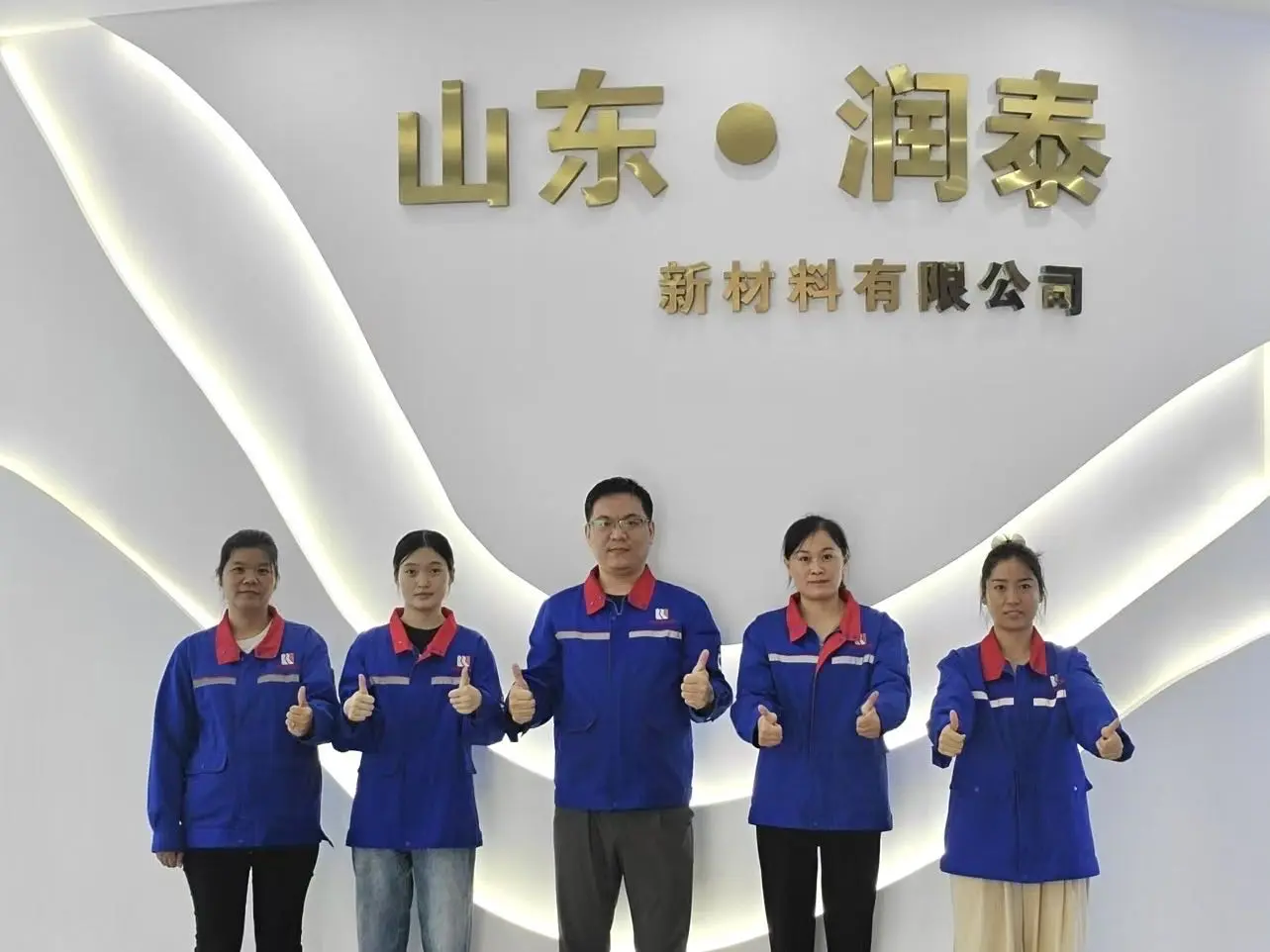
Shandong Runtai New Materials has established its leading position by implementing a modern Industry 4.0 manufacturing framework. To ensure process safety, consistent high-end output, and reduced raw material loss, we have implemented a high-performance Distributed Control System (DCS) across our entire chemical synthesis chain.
This automated configuration manages vital process parameters, ensuring high chemical consistency and reducing manual operating tolerances. By optimizing automated control, the factory lowers operational energy overheads while minimizing waste—aligning our large-scale output with international quality standards.
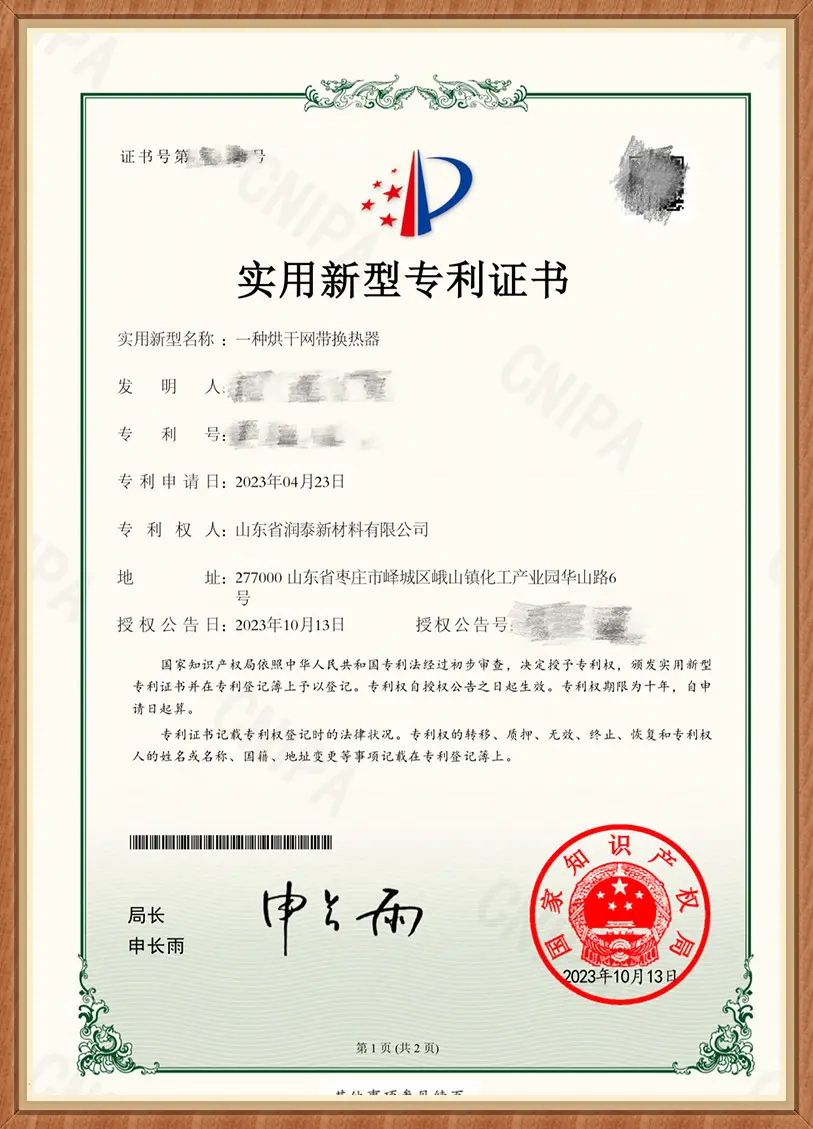
Through our long-term collaboration with the Changzhou Research Institute of Beijing University of Chemical Technology, we employ a doctoral R&D team focused on patent-backed resin technologies and chemical modifications.
By producing raw formaldehyde, urea formaldehyde, and melamine in-house, we control quality from feedstock to finished resin, sheltering downstream partners from raw material market price fluctuations.
Our logistics network exports products to the United States, Thailand, Kenya, Egypt, and other major economies, serving manufacturers of high-performance building supplies and air filtration devices.
The mitigation of formaldehyde requires localized, application-specific chemical strategies. Runtai's broad chemical line supports a wide variety of industrial and commercial setups.
Newly renovated residential buildings represent a major source of HCHO emissions. Manufacturers of household air purifiers integrate melamine and urea-derived functional compounds into high-surface-area catalytic matrices to actively chemisorb free formaldehyde molecules coming off newly installed flooring and furniture.
Large-scale office spaces often install modular, central air systems integrated with VOC filtration media. Using urea-formaldehyde and phenolic resin precursors as structured binders allows developers to construct durable, low-emission partition panels while using chemical scrubbing agents in HVAC returns to treat large volumetric airflows.
For industrial manufacturing spaces (such as wood composite board factories, chemical reaction complexes, and paint application lines), local emission control is mandatory. Runtai's defoamers, thickeners, and specialized resins provide plant engineers with chemical ingredients for scrubbing towers and air scrubbing hoods, capturing HCHO at the point of release.

At Shandong Runtai New Materials, sustainable development is integrated directly into our business model. As an environmentally conscious chemical producer, we prioritize clean, eco-friendly processes. Our production systems are built to minimize emissions, reuse industrial resources, and comply with all applicable green building and chemical regulations.
Our core mission—"Quality First, Customer First"—means we approach chemical supply with honesty and professionalism. We invite domestic and international partners to collaborate with Runtai New Materials to create high-performance chemical materials and a sustainable future.
Deep technical answers regarding raw chemical precursors, resin technologies, and environmental emission standards.
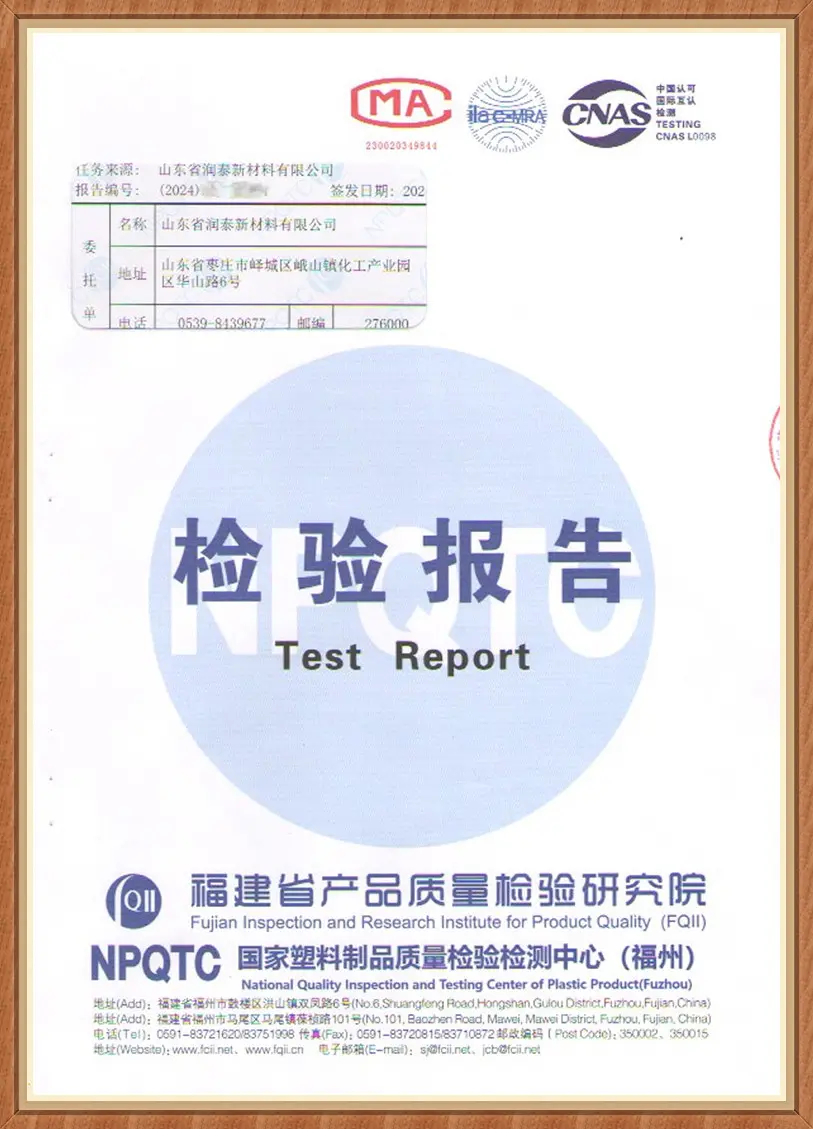
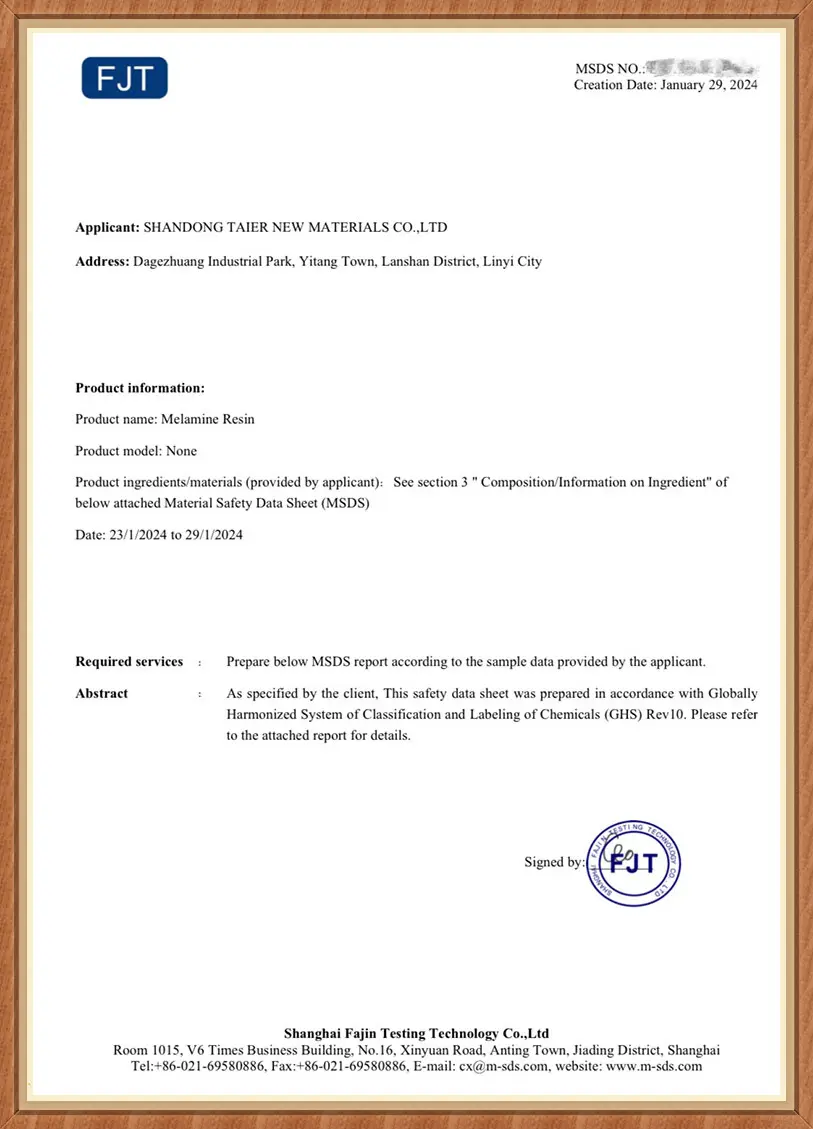
Our facilities operate under international safety, quality, and environmental protocols.
Specialized adhesives, thickeners, and composite precursors designed for manufacturing lines.
 Runtai