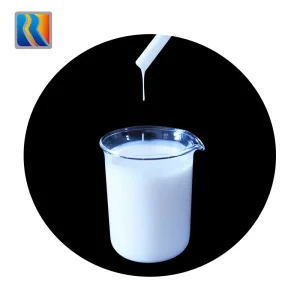
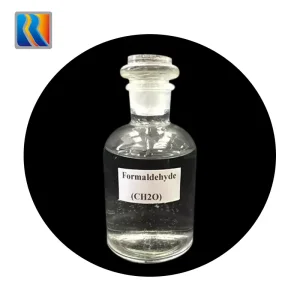
Urea-formaldehyde (UF) resin, a prominent class of amino resins, constitutes a highly cross-linked thermosetting polymer generated through the polycondensation reaction of urea and formaldehyde. Characterized by its high tensile strength, rapid cure rate, excellent scratch resistance, and low manufacturing cost, UF resin remains the foundational adhesive choice for engineered wood panels.
Understanding the synthesis pathway is critical for optimizing resin performance. The process is divided into two primary stages: methylolation (addition reaction under alkaline conditions) and condensation (cross-linking polymerization under acidic conditions). Managing the precise molar ratio of formaldehyde to urea (F:U ratio) is a critical technical threshold. Modern industrial practices require reduction of this ratio below 1.1 to control subsequent formaldehyde emissions without compromising mechanical bonding strength or hydrolysis resistance.
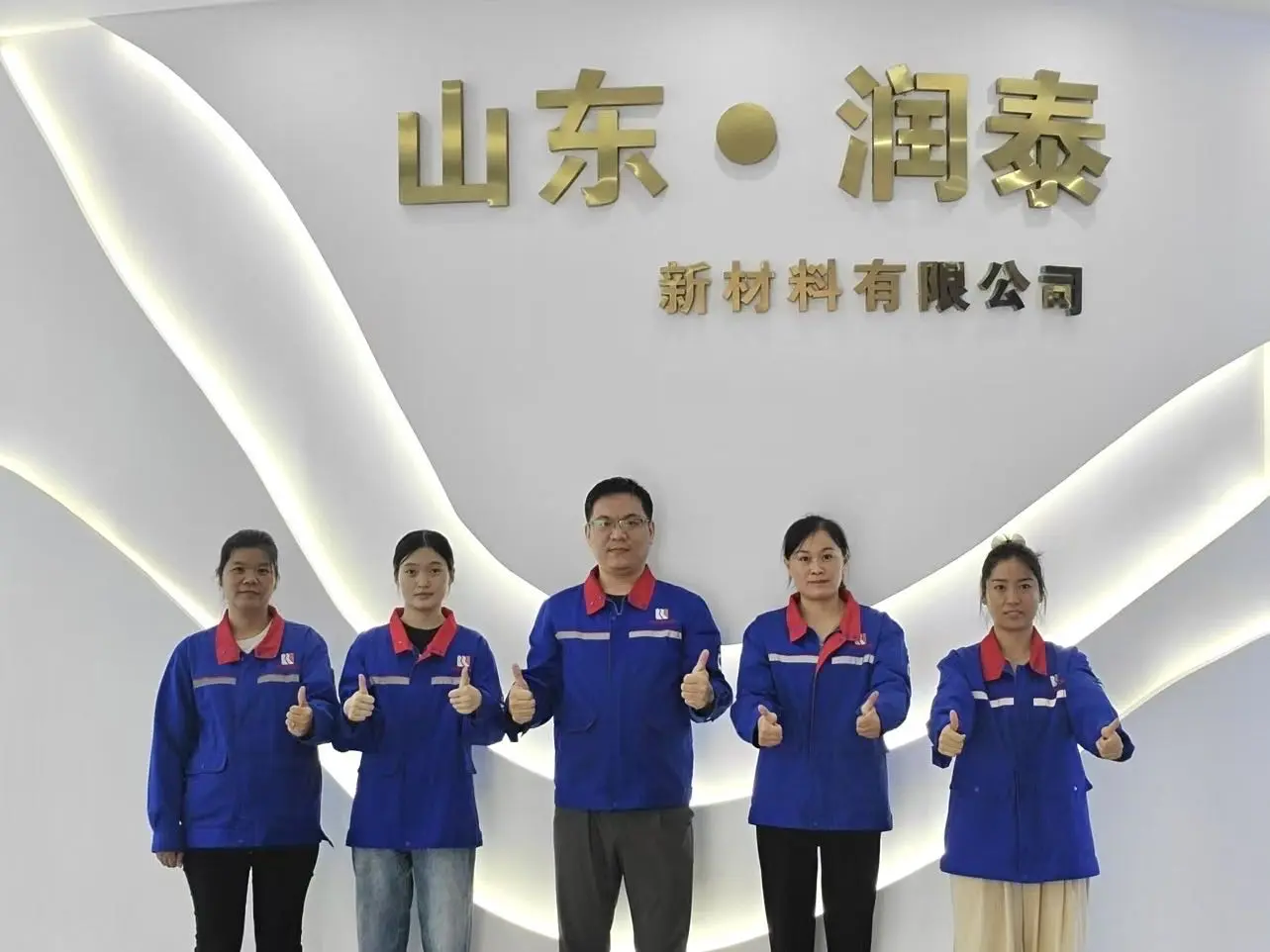
Founded in March 2020, Shandong Runtai New Materials Co., Ltd. is a comprehensive group firm that specializes in high-performance fine chemical products. Our primary products include formaldehyde, polyformaldehyde (Paraformaldehyde), urea formaldehyde resin, melamine powder, and melamine glazing powder.
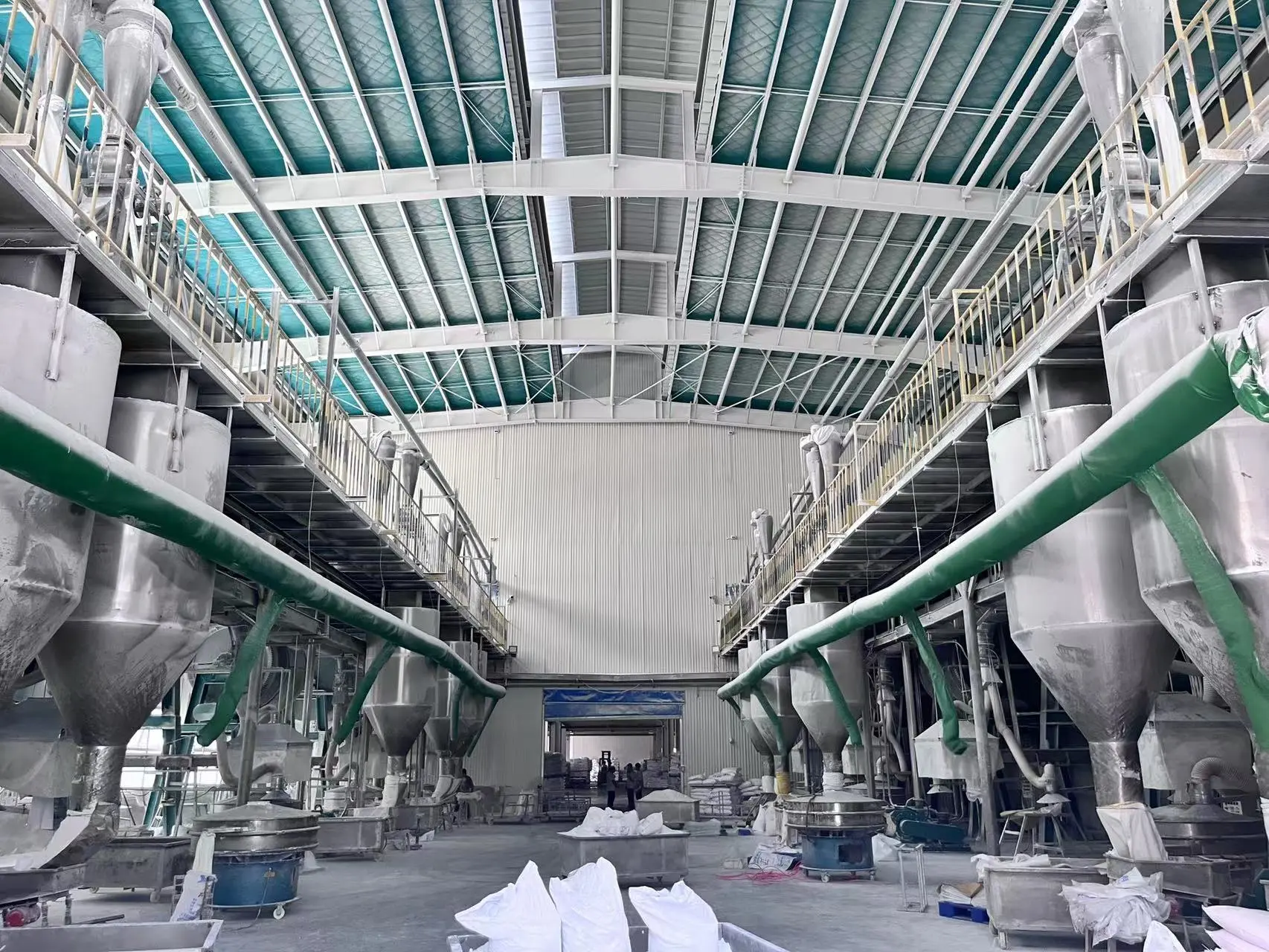
The corporation has established integrated manufacturing branches and logistics nodes in five different cities throughout the whole country, with its strategic headquarters located in Zaozhuang City, Shandong Province. Runtai New Materials covers an extensive industrial footprint of 270,000 square meters with a total investment of 2.06 billion yuan.
Through rigorous research and process development, we provide raw materials to international wood fabricators, molders, and chemical blending factories, ensuring consistent supply chain stability and high-purity chemical specifications.
Read more about our milestonesRuntai New Materials has grown to be one of China's top producers of melamine and formaldehyde due to our recent improvements in production lines growth. As of currently, our advanced industrial park achieves outstanding output capabilities:
This scale has allowed us to command an approximate 80% market share in targeted Chinese domestic supply circles. Concurrently, we are actively expanding our overseas footprint, exporting chemical materials to the United States, Thailand, Kenya, Egypt, and other countries where our products are widely praised by industrial buyers.

Because we produce 380,000 tons of formaldehyde on-site using direct pipe-transported methanol, we bypass regional intermediate costs and market volatility. This allows us to offer stable pricing even during cyclical methanol market spikes.
Shandong Province is the global heartland of coal-to-chemical synthesis, granting us direct access to high-purity urea and melamine monomers. Our raw material supply is never delayed by domestic transportation or logistical bottlenecks.
Proximity to key deepwater shipping ports like Qingdao Port allows us to easily deliver bulk chemical solutions globally, either as moisture-protected dried powders in containerized liners or inside ISO tanks for liquids.
Runtai New Materials prides itself on process engineering leadership. By choosing our chemical products, you acquire high-purity formulations manufactured under strict, automated control environments.
We apply the guiding principles of "automatic control, safe and reliable, stable operation, energy saving and consumption reduction, comprehensive utilization of resources" when choosing production technology solutions. We select the more advanced Distributed Control System (DCS) available currently. This allows us to control the process parameters across the entire production line, ensuring high levels of product quality and equipment safety while lowering raw material consumption.
To maximize the requirements of product quality, we employ the current cutting-edge, dependable, and established equipment both domestically and internationally when choosing production and testing devices. Simultaneously, we aim to increase the level of automation in the production process, decrease labor intensity, boost labor productivity, conserve energy, and lower testing and production costs.
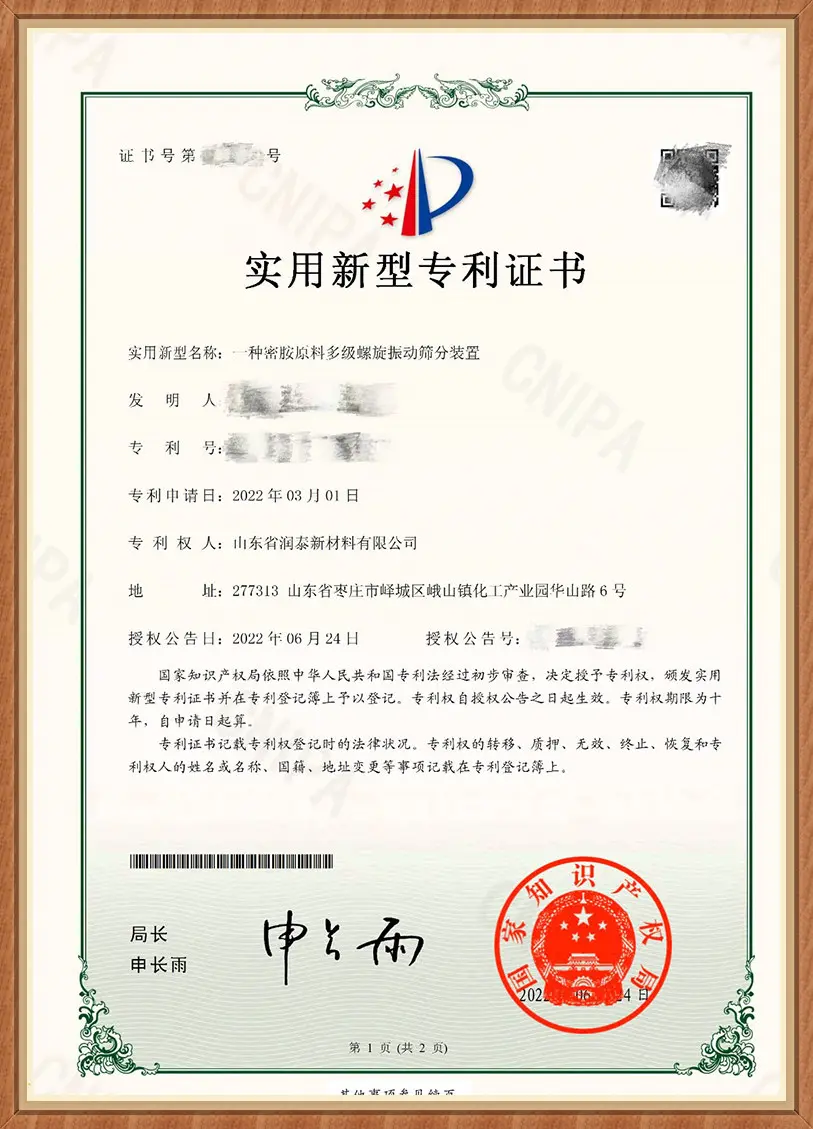
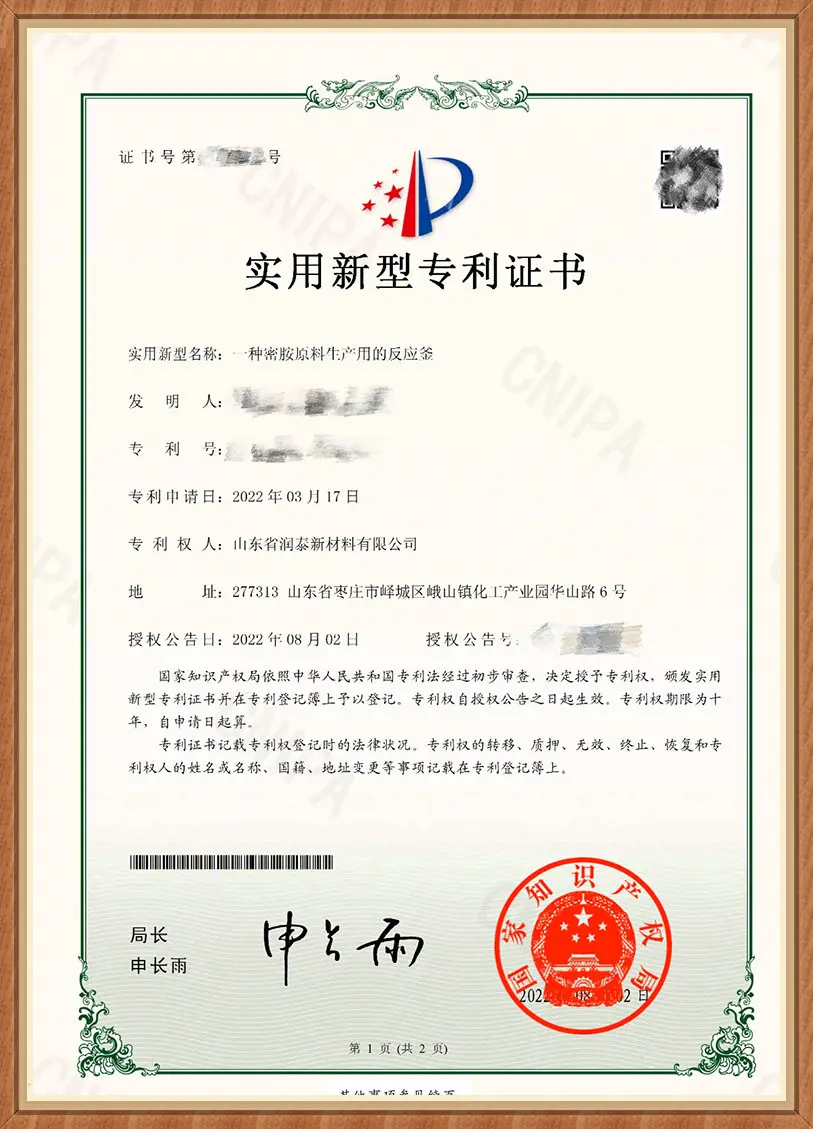
With the Changzhou Research Institute of Beijing University of Chemical Technology and other scientific research institutions, Runtai New Materials has long engaged in the integration of production, learning, and research. The company also has a cutting-edge doctoral research and development team in the industry and holds a number of proprietary patented chemical technologies.

Industrial chemical buyers searching for China Urea Formaldehyde factories and suppliers face three main challenges: raw material quality degradation during long-distance shipping, regulatory hurdles regarding free formaldehyde emissions, and process customization.
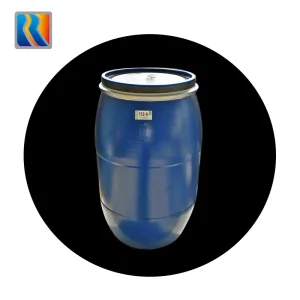
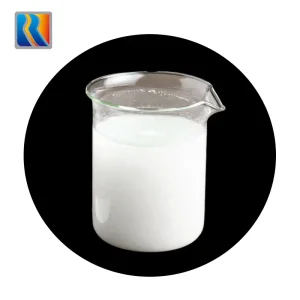
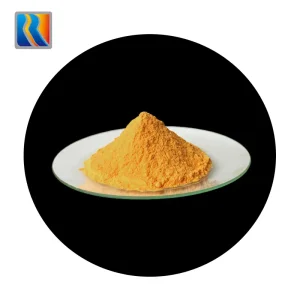
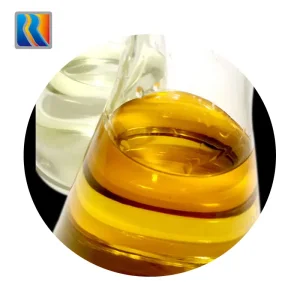
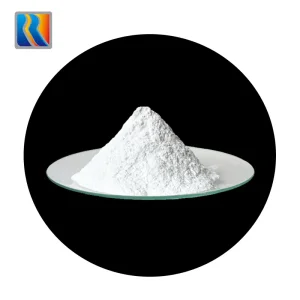
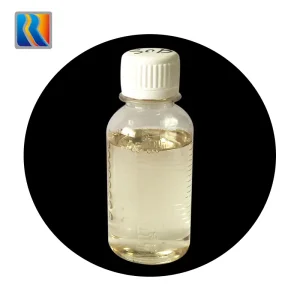
Runtai New Materials resolves these problems by providing two physical forms of UF resin:
UF resins serve as the primary binder for Medium Density Fiberboard (MDF), High Density Fiberboard (HDF), particleboard, and structural plywood. Our resins provide optimal viscosity and curing speed during thermal pressing cycles.
Using our high-purity UF resin bases, factories manufacture electrical switchplates, sockets, buttons, and daily kitchen utensils. The cross-linked polymer matrix yields excellent flame retardancy and dielectric insulation.
When combined with melamine glazing powders, our resins provide protective surface laminates for melamine tableware and wood veneers, improving resistance to scratching and chemical staining.
As a socially responsible chemical supplier, Runtai New Materials prioritizes sustainable development and environmental preservation. We are committed to developing and producing eco-friendly products that minimize their footprint on the environment while adhering to international regulations, standards, and laws.
To address the strict regulations of international markets, we utilize advanced chemical design:
The global urea formaldehyde market is evolving toward lower toxicity, bio-based raw materials, and hybrid resin formulas. Runtai's R&D focus prepares our clients for these upcoming market changes:
We are researching the integration of natural lignin and tannin compounds into the UF polymer chain, reducing fossil fuel dependence and overall carbon footprint.
Our research focuses on the built-in integration of formaldehyde scavengers, which trap free formaldehyde molecules within the wood panel matrix long after the curing cycle is complete.
By blending melamine with the UF formulation, we improve the moisture and water-boil resistance (Type V100/H1 class) of structural wood panels, expanding their use in outdoor environments.
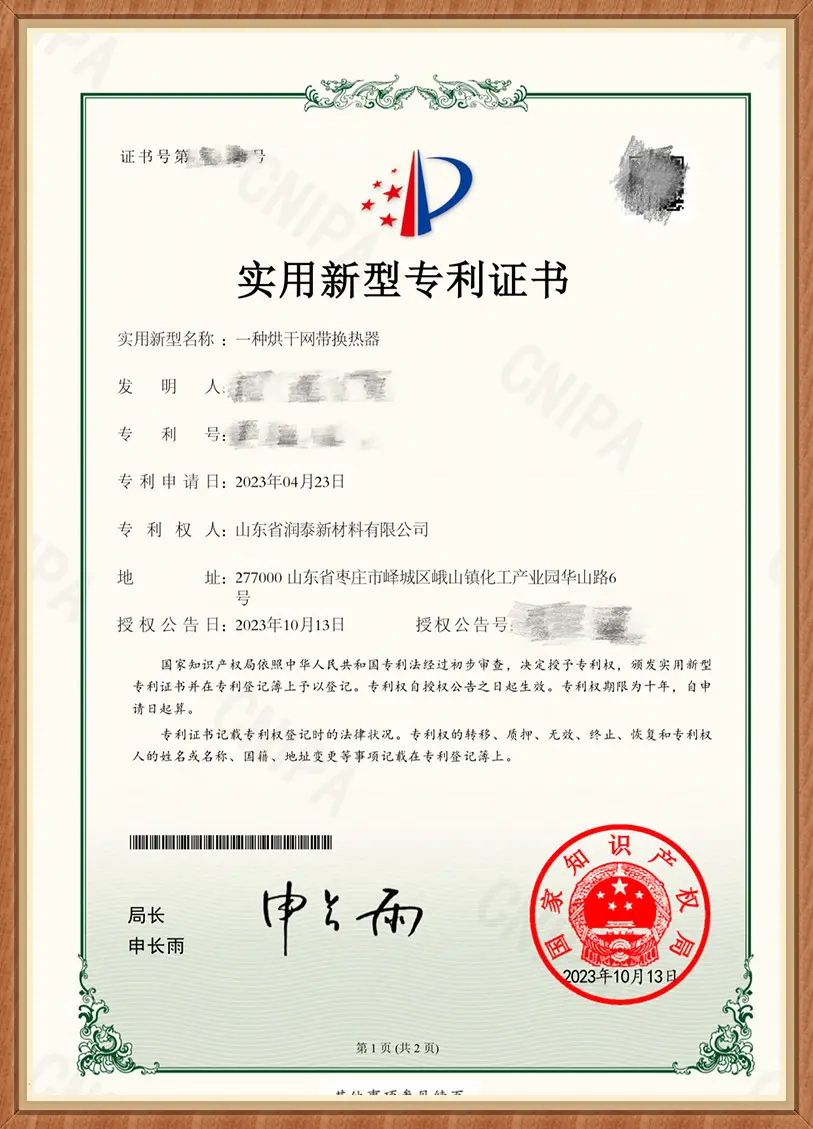
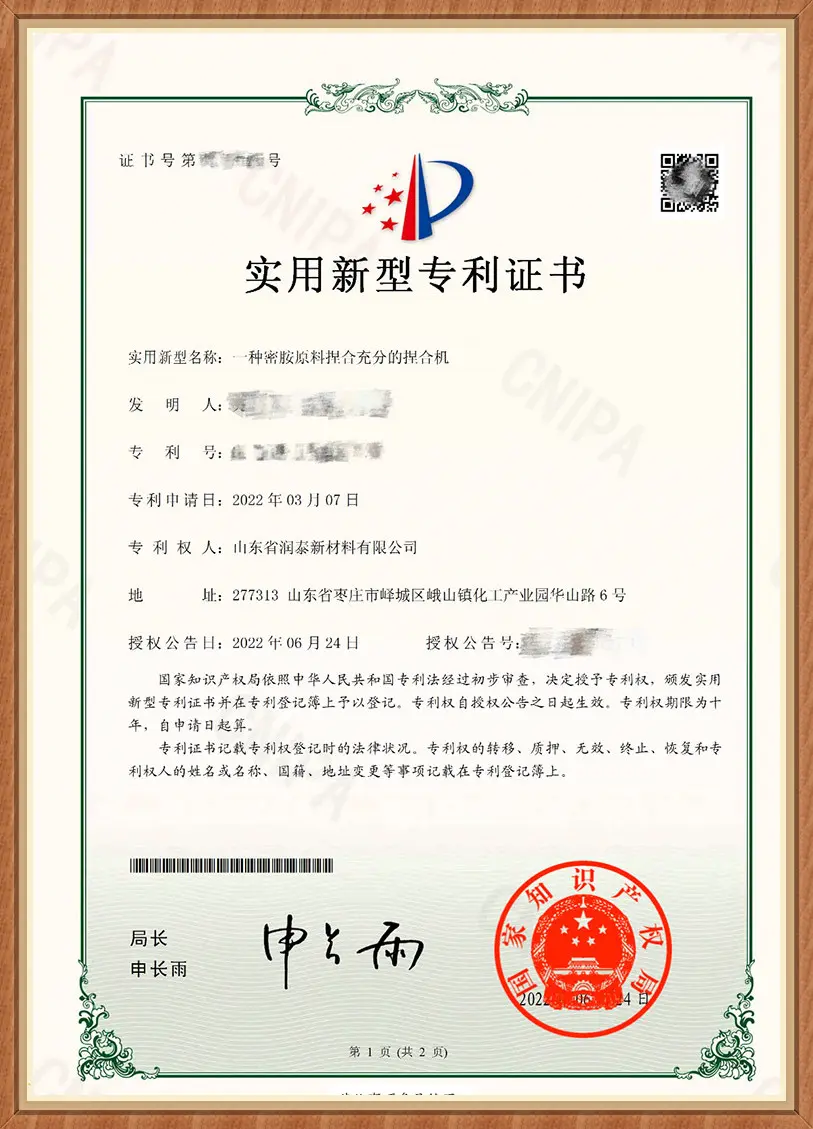
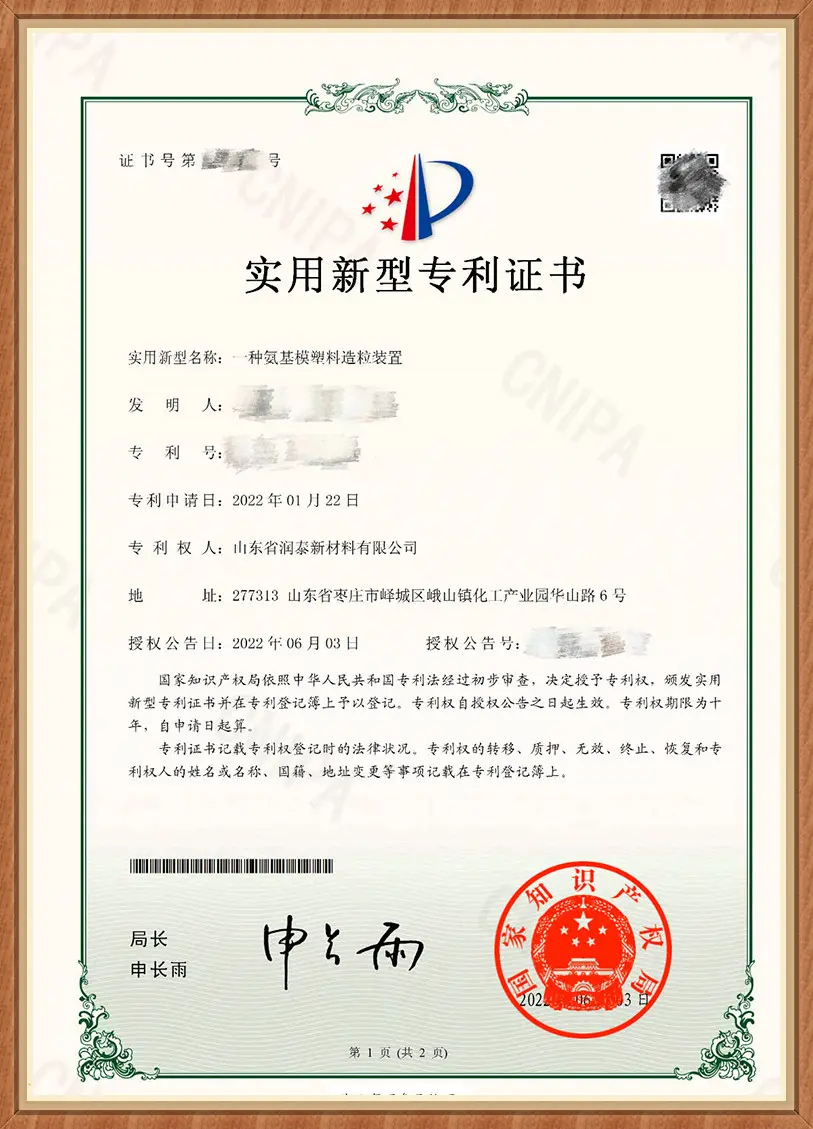
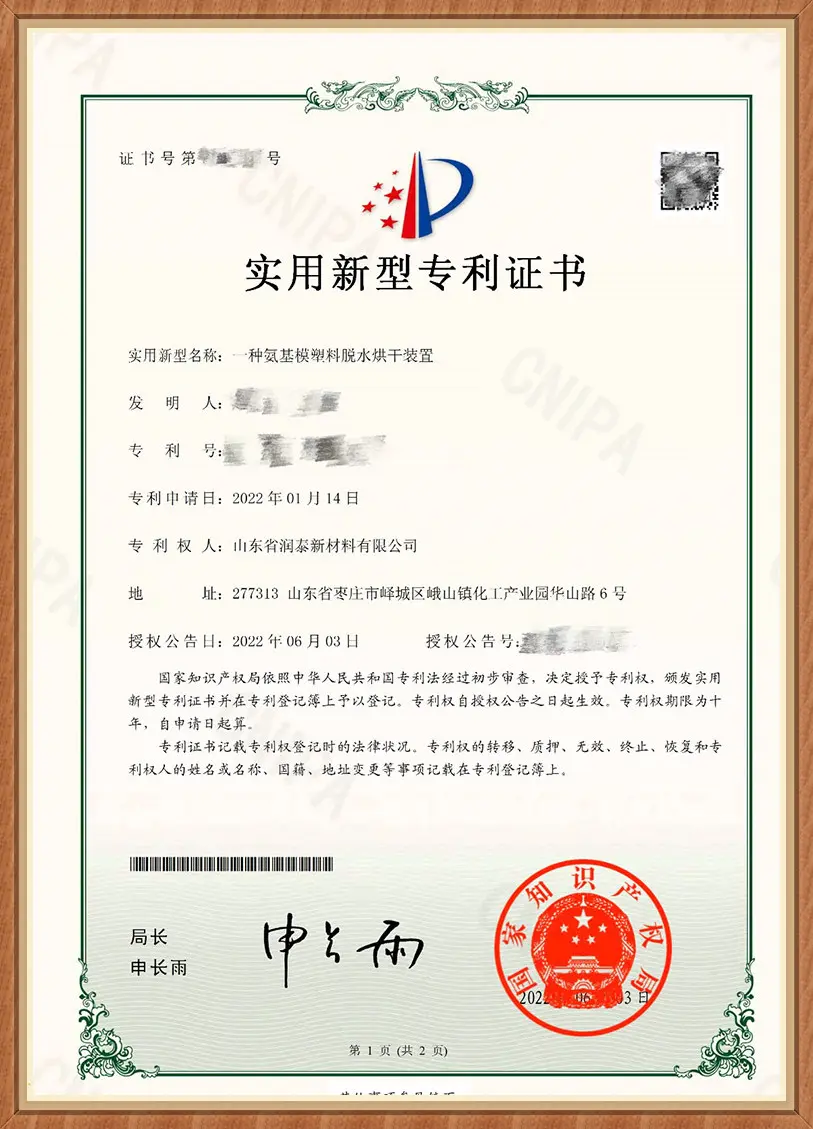
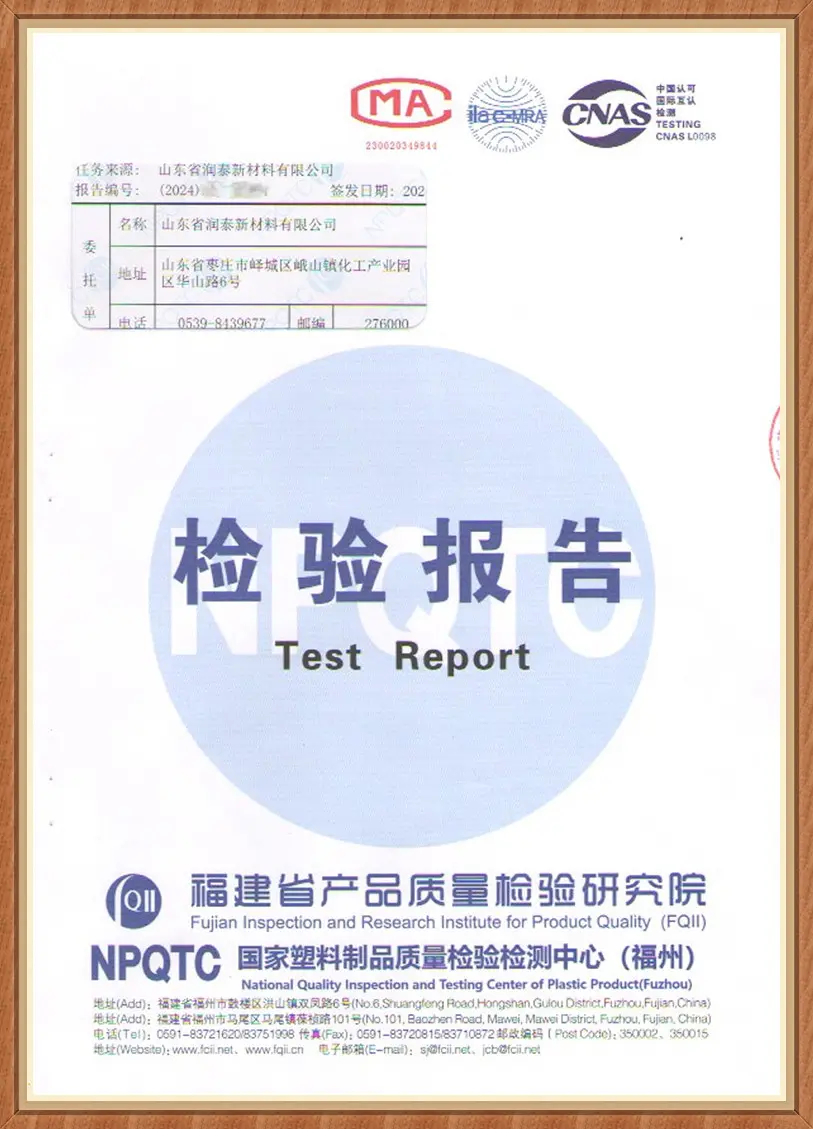
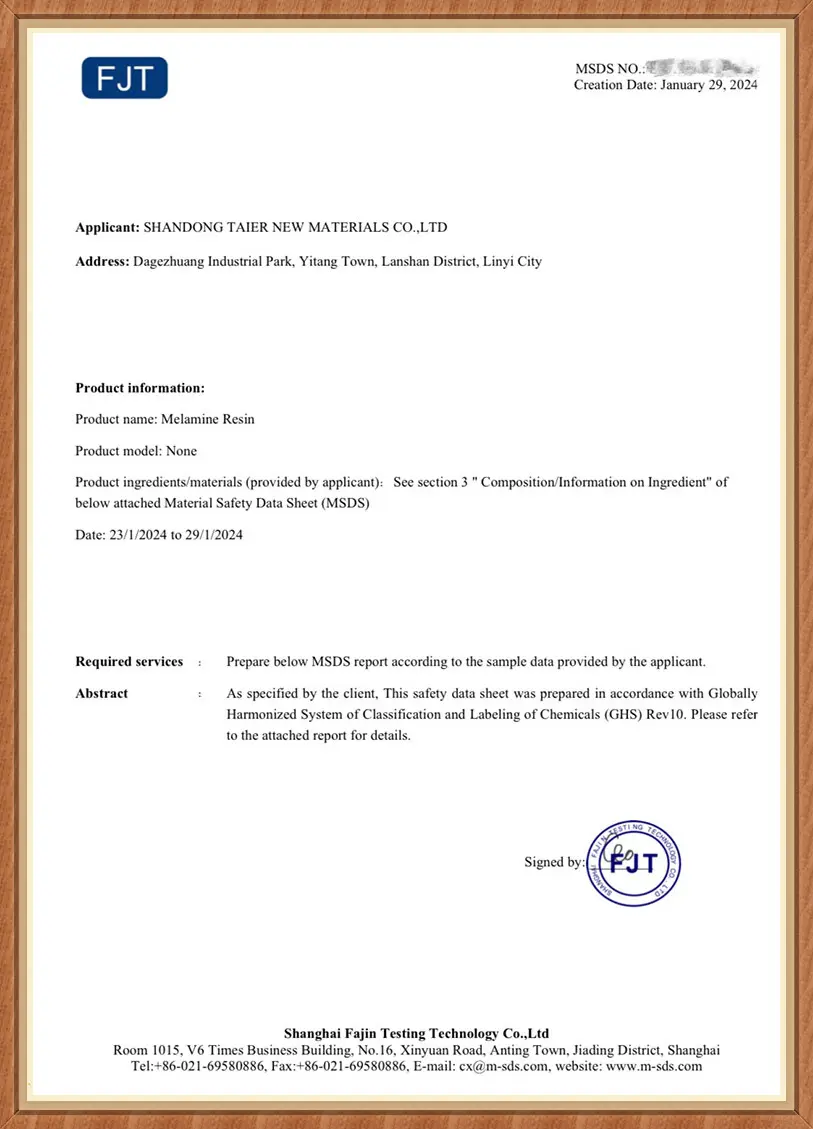
Our facility is certified under rigorous national and global quality standards, demonstrating our commitment to reliable manufacturing.
 Runtai