High-purity chemical resins, moulding compounds, and process additives manufactured under strict quality standards for global supply chains.
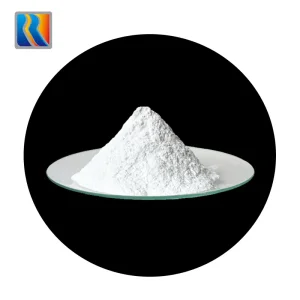
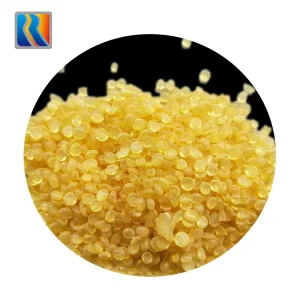
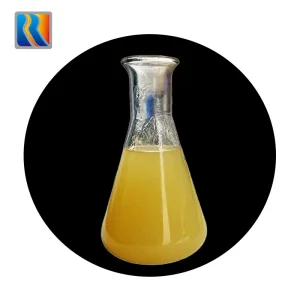
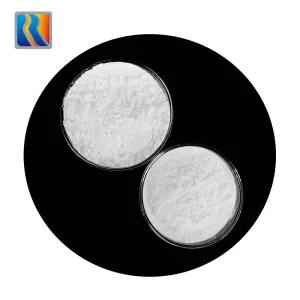
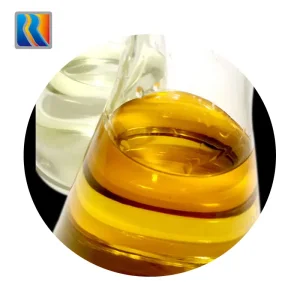
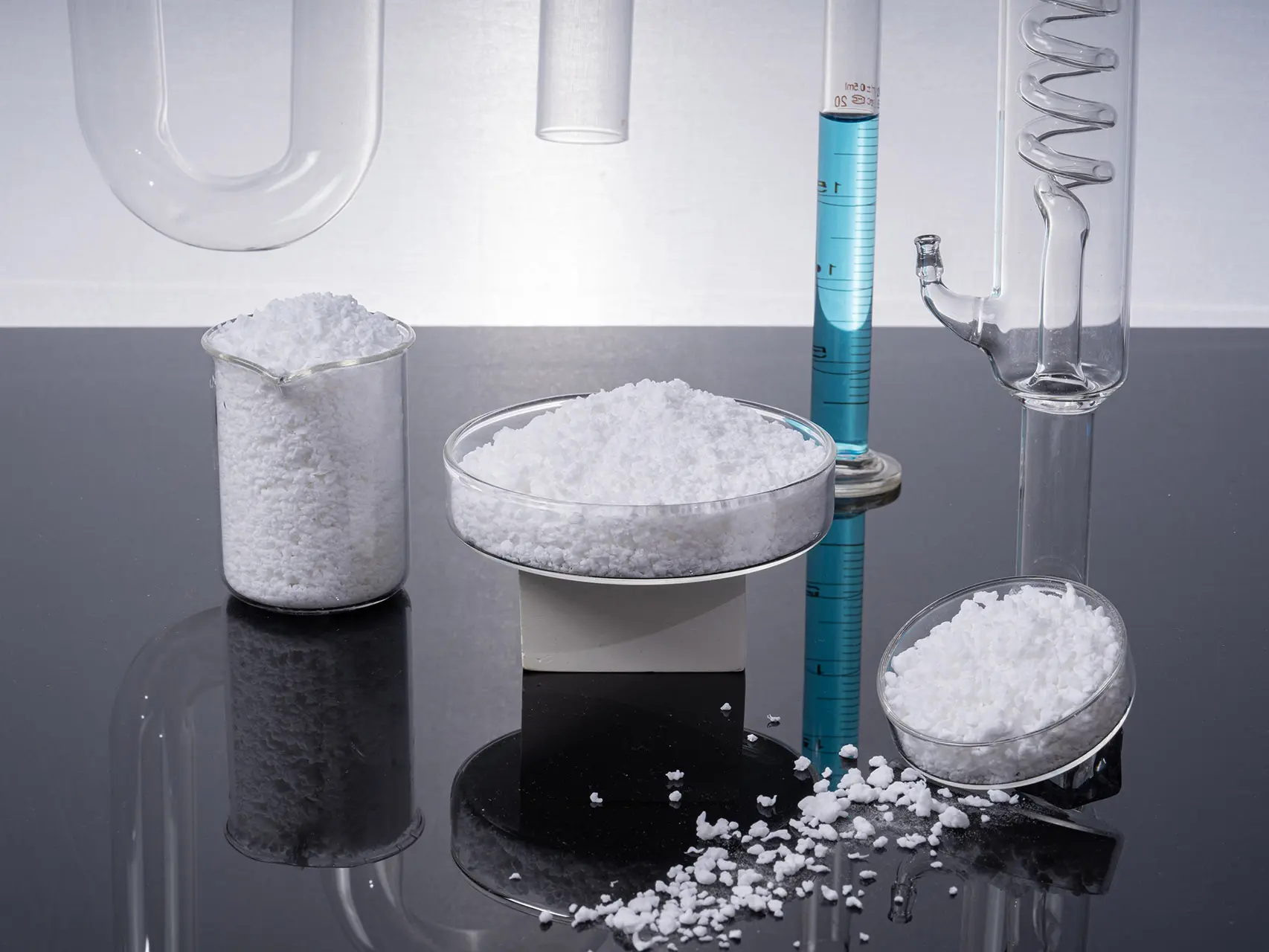
In the high-stakes sector of industrial tackifiers, Terpene Phenolic Resin (TPR) stands out as a crucial compound that bridges natural polymer source structures with high-end synthetic polymer chemistry. By reacting natural terpenes (typically derived from turpentine via citrus or pine sources) with synthetic phenols under rigorous acidic catalytic conditions, manufacturers synthesize a copolymer that features high compatibility with rubber matrices, outstanding heat stability, and exceptionally high adhesion properties. As a result, global demand from automotive tyre makers, hot-melt adhesive formulators, and specialty tape fabricators has placed China Terpene Phenolic resin factories in a critical position in the global chemical value chain.
For chemical procurement officers, choosing a supplier is no longer just about searching for the cheapest price per metric ton. Modern applications require a deep understanding of molecular weight distribution, softening point precision, and raw material sourcing stability. In this whitepaper, we dissect the technological landscape, procurement trends, and industrial applications that define contemporary Terpene Phenolic resin production in China, backed by the specialized manufacturing capabilities of Shandong Runtai New Materials Co., Ltd.
Terpene Phenolic resins are unique because of their hybrid aliphatic-aromatic structure. The terpene monomer provides a non-polar aliphatic character, whereas the phenolic moiety introduces polar aromatic segments. This dual-nature chemical structure yields several distinct performance benefits:
| Technical Property | Typical Range | Key Industrial Significance |
|---|---|---|
| Softening Point (Ring & Ball) | 95°C - 150°C | Determines high-temperature resistance of adhesives. |
| Color (Gardner Scale) | 2 - 7 | Essential for clear packaging films and medical tapes. |
| Acid Value (mg KOH/g) | < 65 | Influences reactivity and water resistance in adhesive formulations. |
| Hydroxyl Value (mg KOH/g) | 30 - 100 | Governs polar compatibility with acrylics and polyurethane prepolymers. |
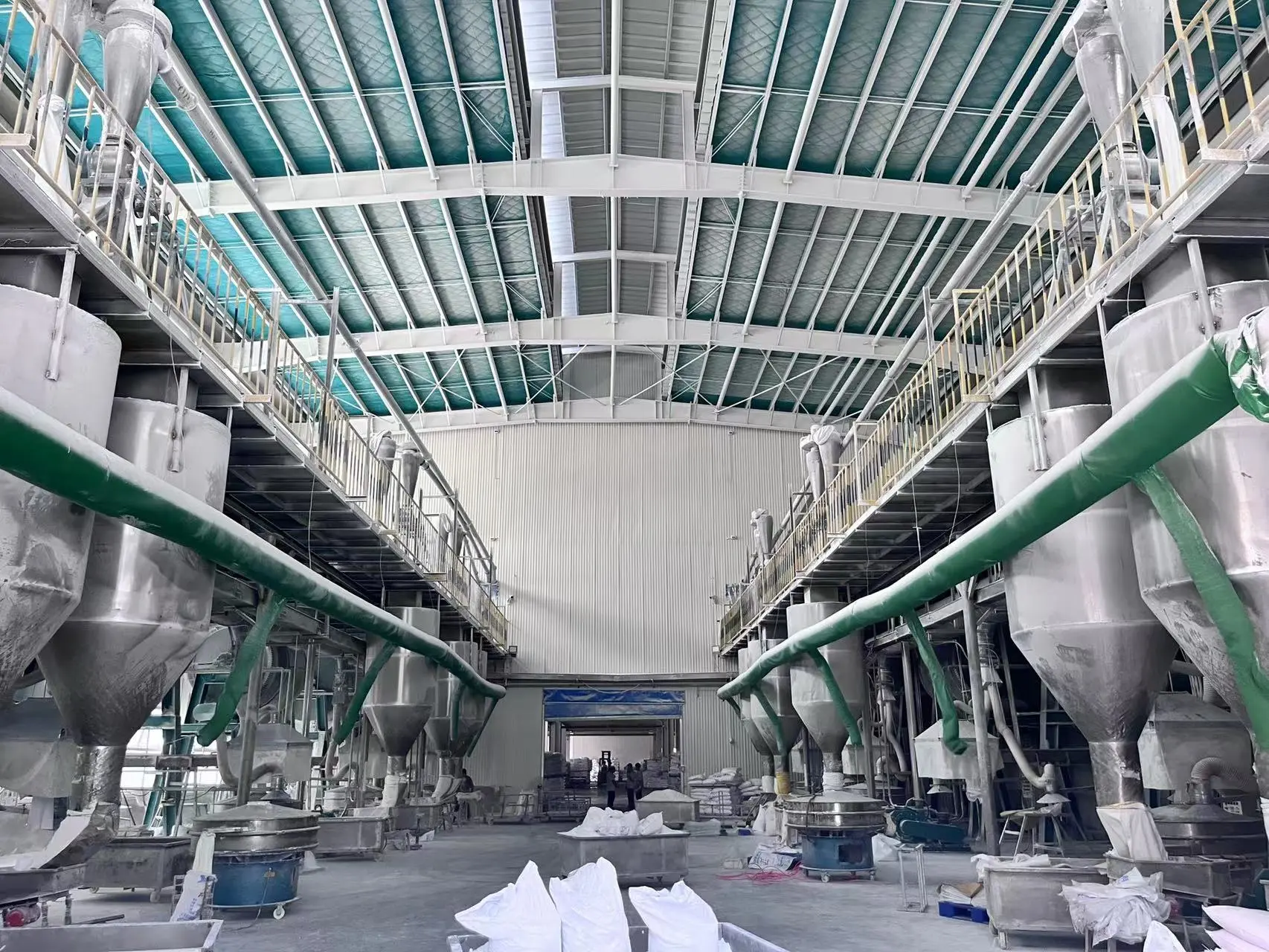
Globally, the procurement of specialty chemicals has faced structural shifts due to environmental regulations and supply chain bottlenecks. Global buyers, particularly in Europe and North America, look to leading Chinese factories like Shandong Runtai New Materials to secure stable supplies of complex resins. Advanced Chinese chemical manufacturers have moved away from labor-intensive setups to fully automated production sites characterized by DCS-controlled systems, minimizing batch-to-batch variation while scaling production to meet international demands.
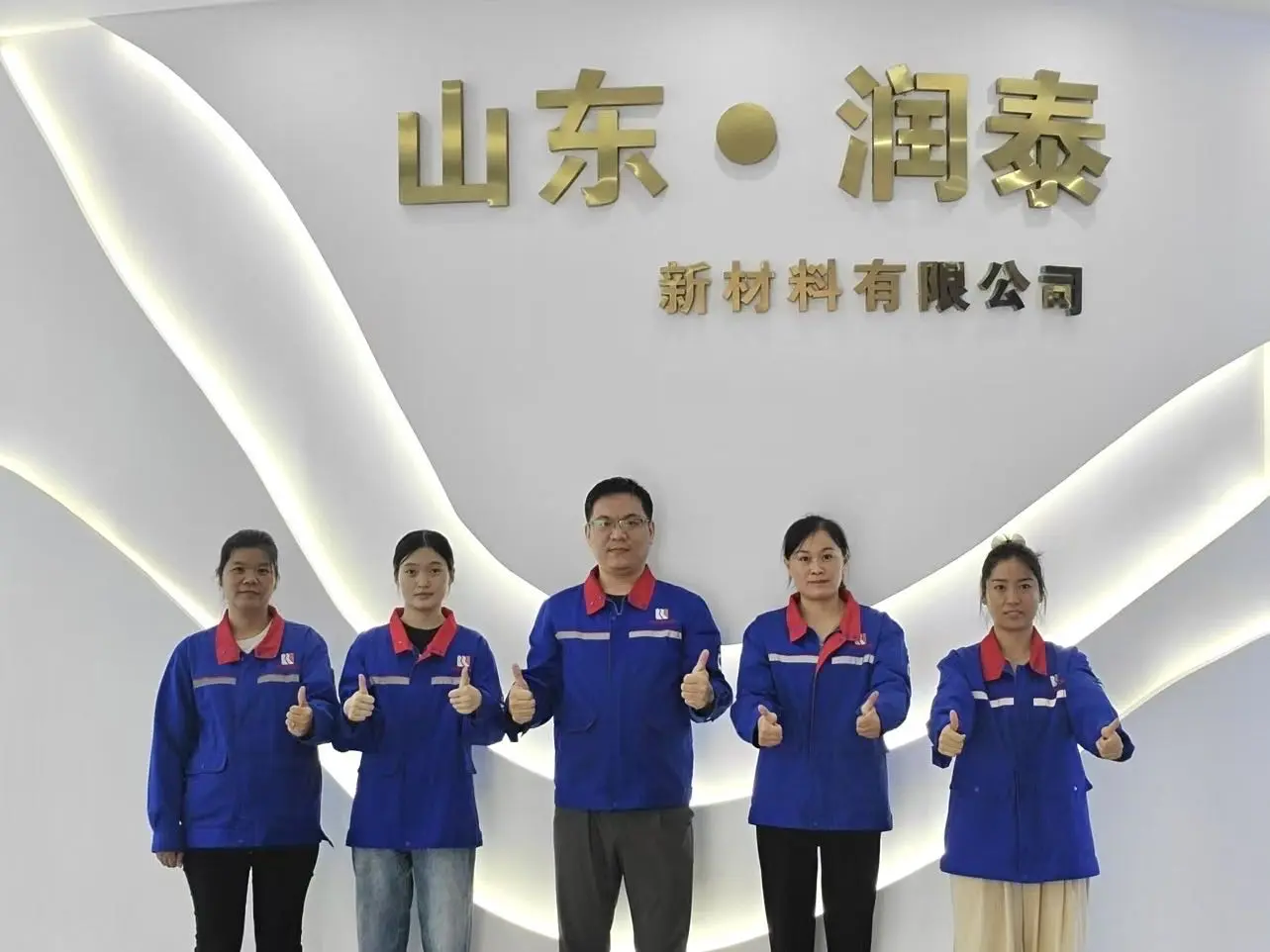
Founded in March 2020, Shandong Runtai New Materials Co., Ltd. is a comprehensive group firm that specializes in the research, development, and mass production of fine chemical products and high-performance resins. Our headquarters are located in Zaozhuang City, Shandong Province, and our operations span across five strategic branches throughout the country.
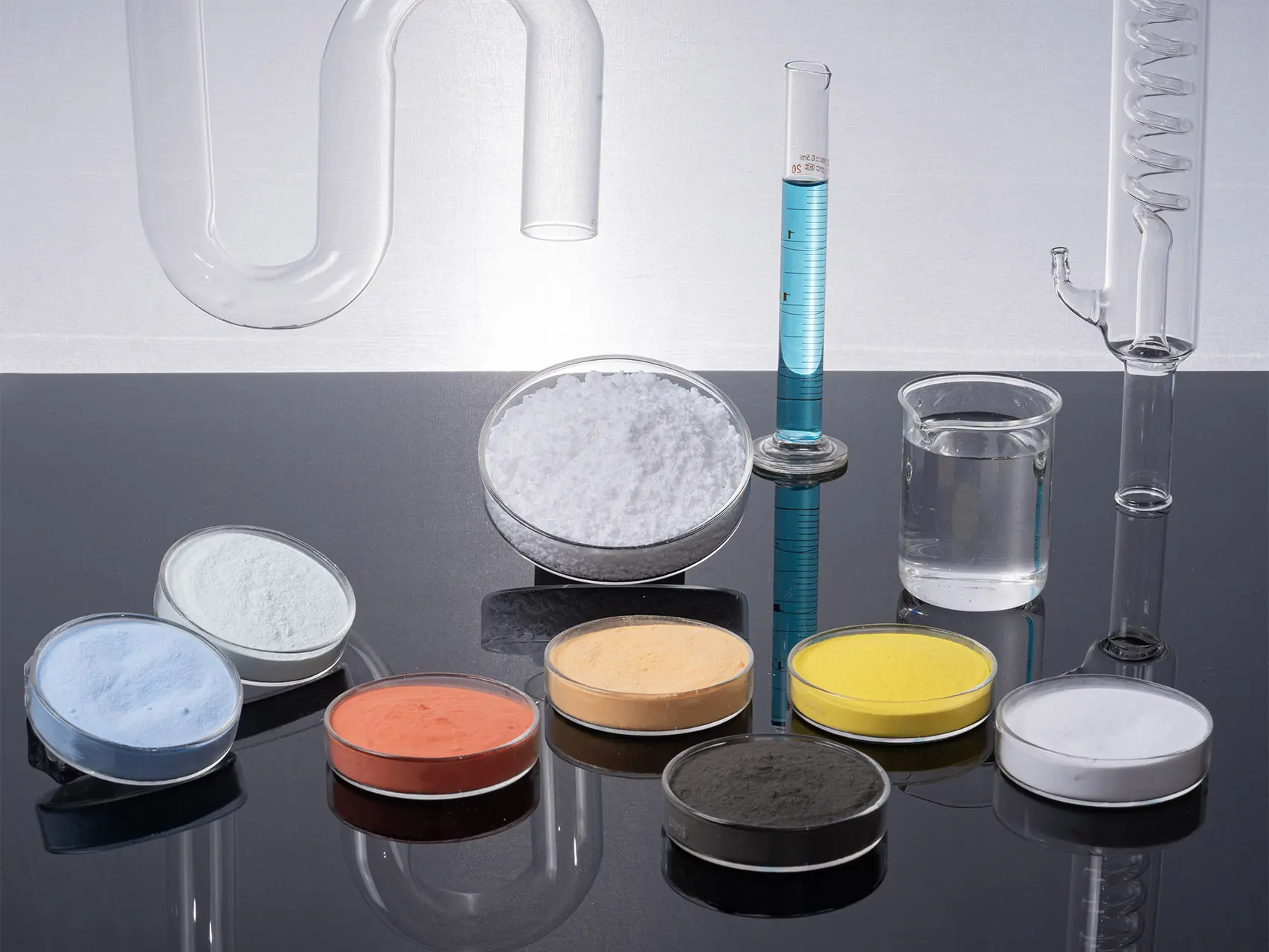
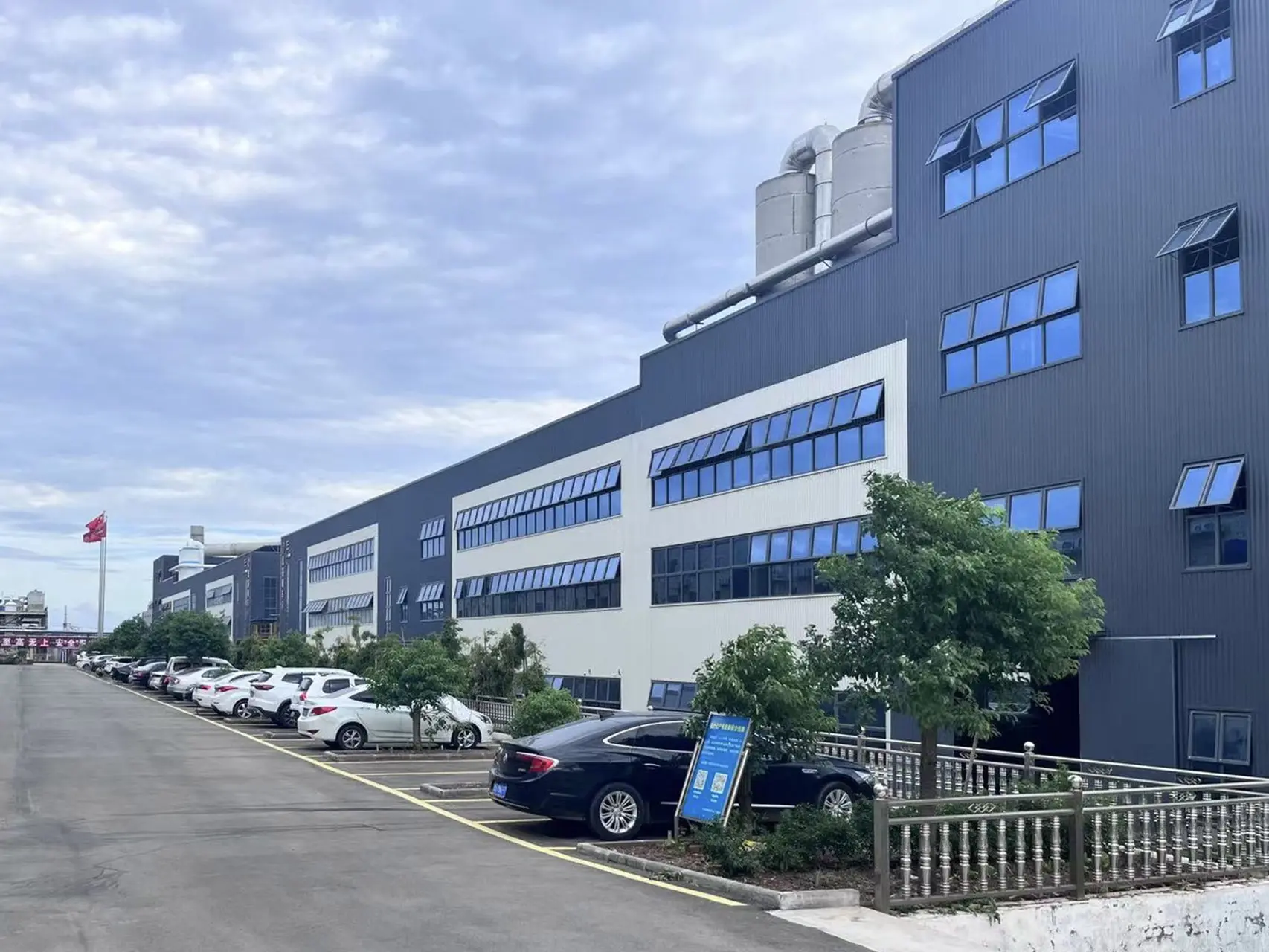
Covering an area of 270,000 square meters with a total investment of 2.06 billion yuan, Runtai has established itself as an industry leader. Our production capability covers formaldehyde, polyformaldehyde, urea-formaldehyde resins, melamine powder, melamine glazing powder, phenolic resins, and specialty adhesives, serving critical functions in global industrial supply chains.
Runtai's integrated chemical product portfolio addresses mission-critical needs across several industries:
Our terpene phenolic resins act as key tackifying resins, offering green tack and cured adhesion to steel cord and textile reinforcements, enhancing safety and performance.
Providing superior peel strength, shear resistance, and heat stability for hot-melt packaging tapes, medical plaster adhesives, and protective films.
Enhancing dry rates, gloss levels, and chemical resistance for marine coatings, anti-corrosive primers, and gravure printing inks.
Why global procurement offices establish long-term partnerships with Runtai New Materials.
Following the completion of our melamine and resin expansion projects, Runtai has established an 80% market share in key domestic segments, ensuring stable raw material cost positions.
By using Distributed Control Systems (DCS), we continuously track and adjust temperature, pressure, and catalyst feeding across the production line to guarantee batch consistency and high yield.
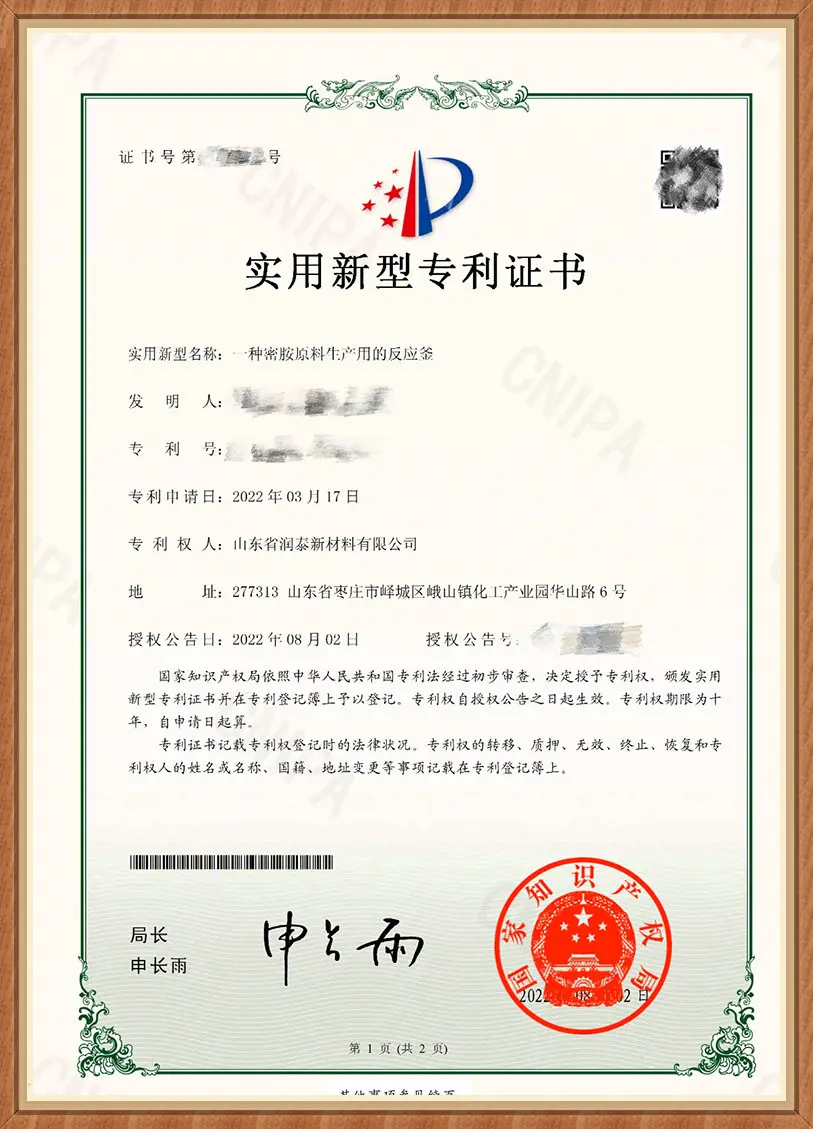
Working together with the Changzhou Research Institute of Beijing University of Chemical Technology, our team of doctoral researchers translates theoretical chemistry into patented commercial resins.
Environment & Sustainability Focus: Runtai prioritizes green production and environmental protection. We design eco-friendly polymers that minimize emissions and waste, adhering to environmental standards, including ISO 9001 and ISO 14001 certification frameworks.

Runtai's products meet strict global regulations, qualifying our chemical compounds for high-standard automotive and packaging applications.
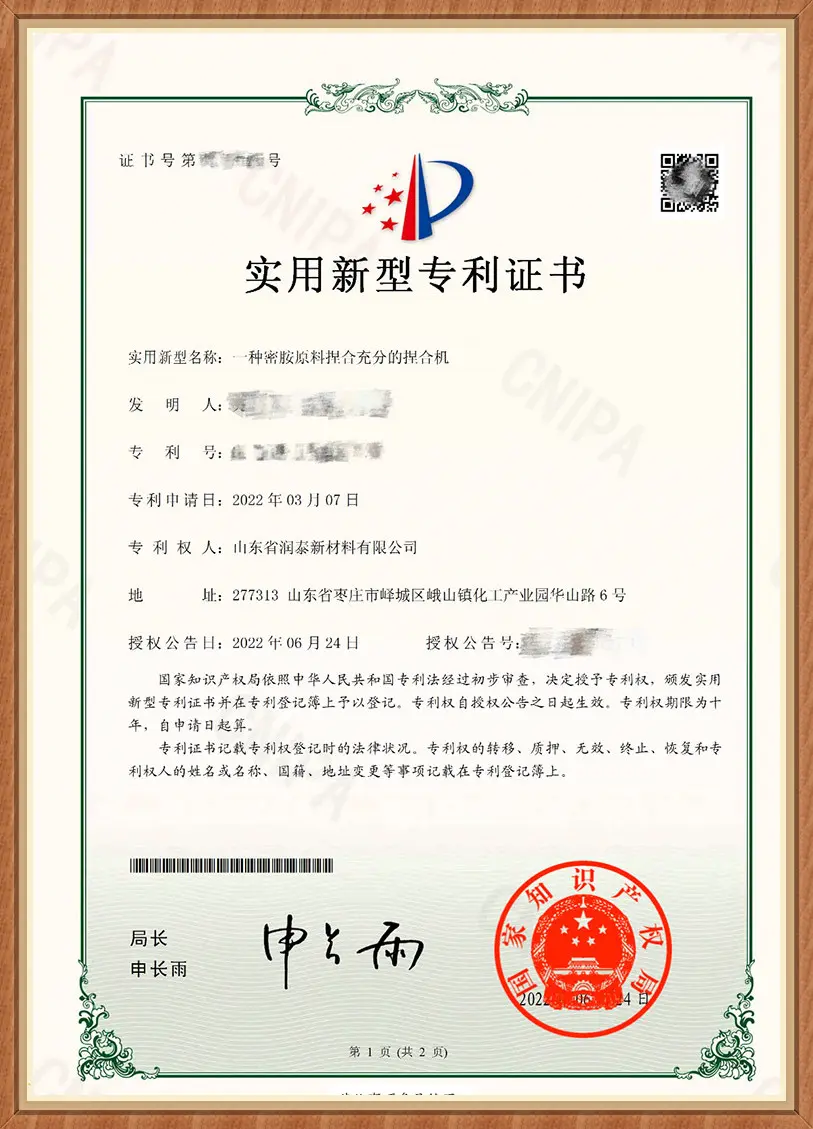
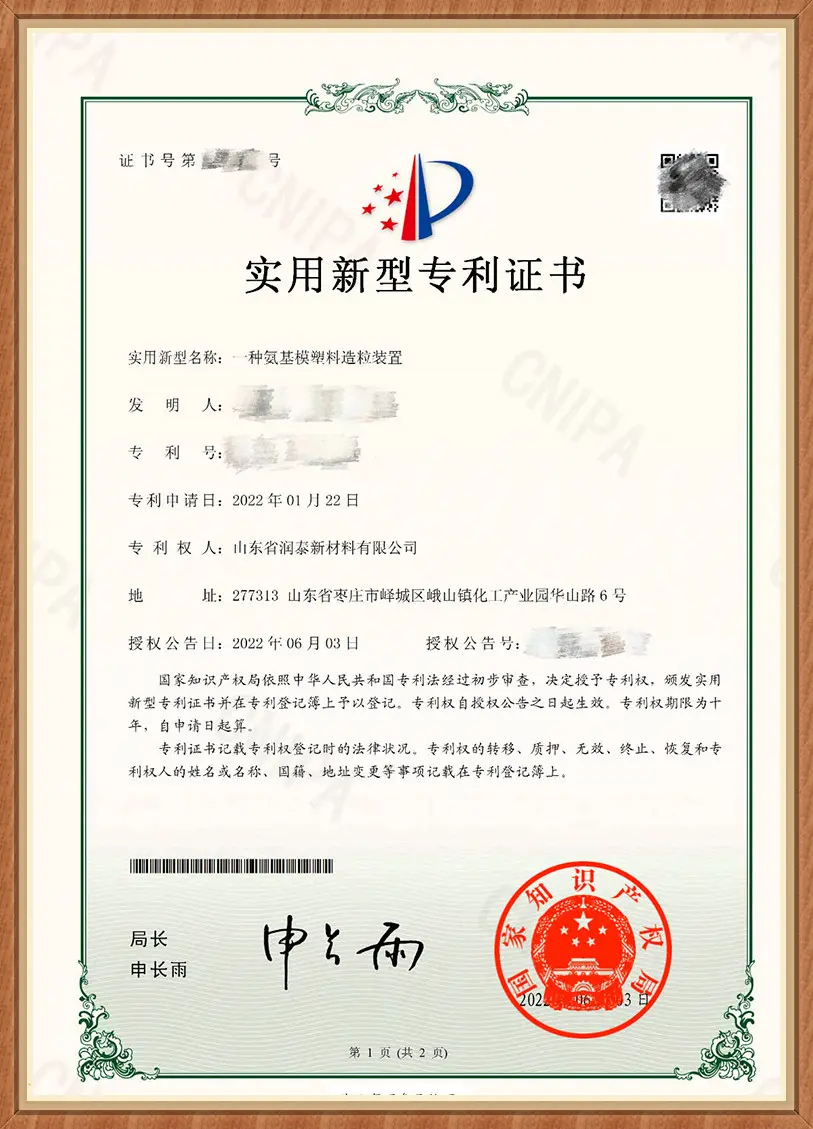
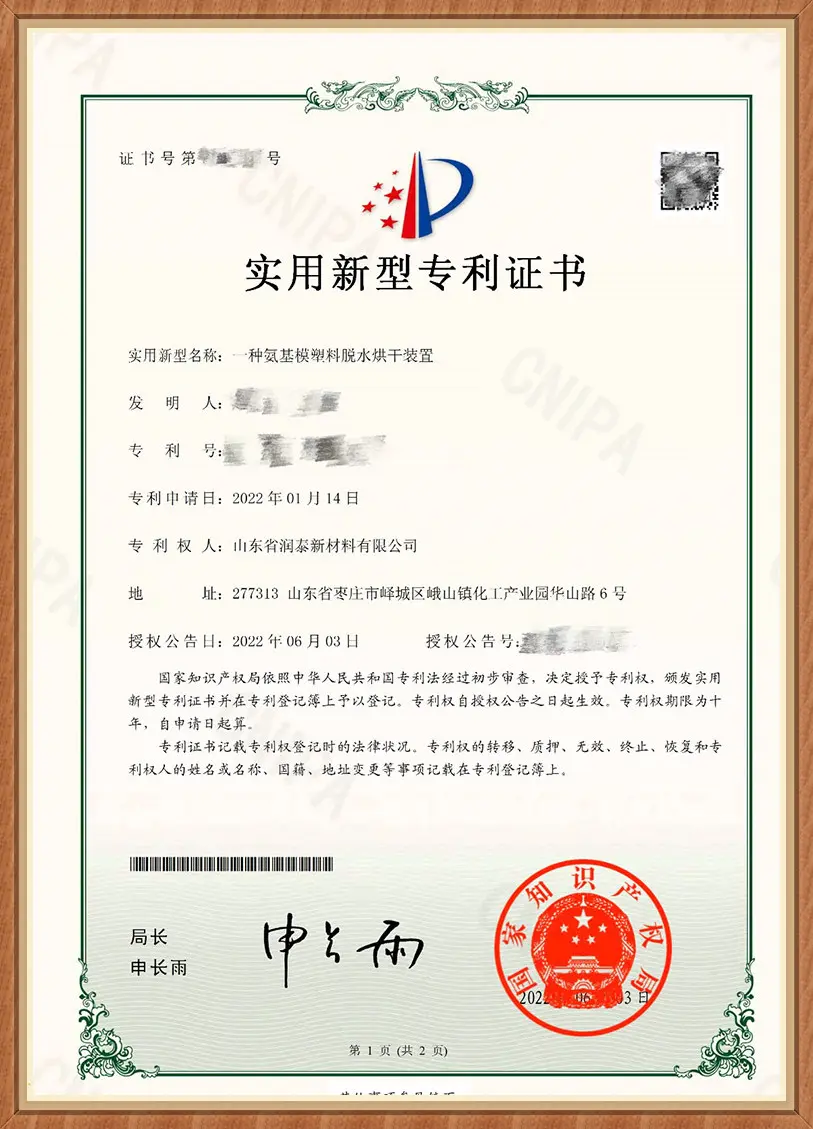
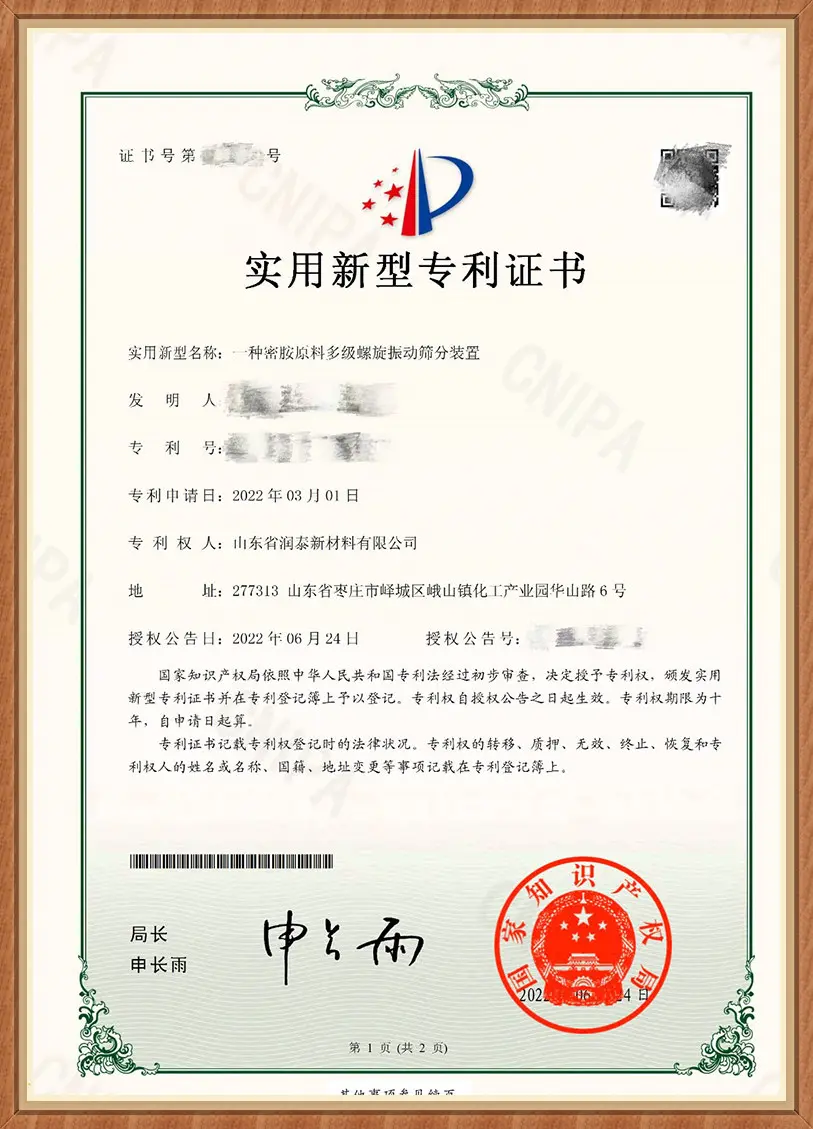
Looking ahead, the tackifier industry is shifting towards bio-based resins. Our technology roadmap focuses on expanding bio-renewable terpene content while keeping performance in line with traditional petro-based materials. Additionally, Runtai is investing in low-VOC formulations to meet strict indoor air quality (IAQ) and vehicle cabin environment specifications worldwide.
Technical clarifications and procurement details regarding Terpene Phenolic resins and related polymers.
Terpene Phenolic Resin is produced by reacting natural terpene (such as limonene or pinene) with phenol under catalyst conditions. The quality of raw materials, particularly the purity of the terpene extract and phenol, directly affects the softening point, molecular weight distribution, and color index of the final resin. Runtai maintains strict incoming material quality checks to ensure high-purity inputs for polymerization.
The hydroxyl (OH) value represents the polar nature of the resin. A higher hydroxyl value indicates a greater density of phenol units in the copolymer backbone, increasing the resin's polarity. Polar resins have superior compatibility with high-polarity materials like acrylics, EVA with high vinyl acetate content, and polyurethanes, while lower hydroxyl values match better with non-polar synthetic rubbers like SIS and SBS.
We use a Distributed Control System (DCS) to monitor and control reaction temperatures, pressure, feeding speed, and cycle times in real-time. This automation reduces human error, limits batch-to-batch variation, and ensures that our exported resins meet strict international quality standards.
Yes. Our resins are formulated and tested to comply with international regulations, including REACH for the European market and relevant FDA sections for indirect food contact (e.g., FDA 21 CFR 175.105 for adhesives). Please contact our technical team to request documentation for your target market.
Yes. Through our technical partnership with the Changzhou Research Institute of Beijing University of Chemical Technology, we can formulate customized resins. We can adjust polymerization parameters to customize softening points (from 95°C to 150°C), color ratings, and solvent compatibility to fit your specific manufacturing requirements.
Explore additional specialized chemical formulations, dispersants, and defoamers from our plants.
 Runtai