Explore our main product lines from advanced resins and molding compounds to high-concentration formalin solutions.
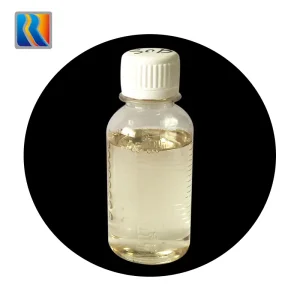
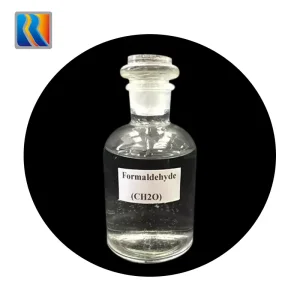
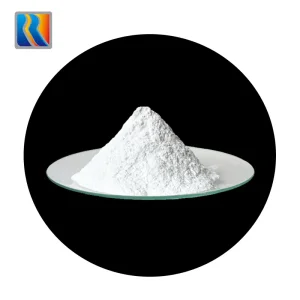
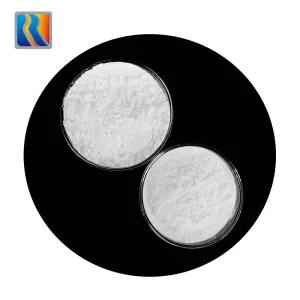
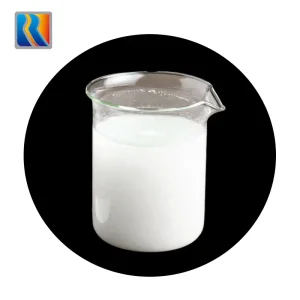
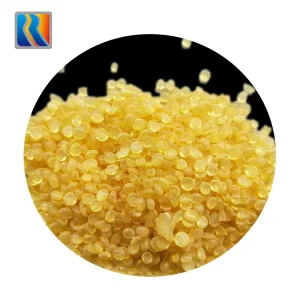
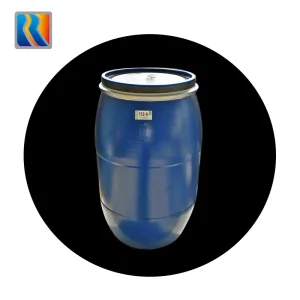
Formaldehyde ($CH_2O$, chemical registration CAS 50-00-0) represents one of the most critical structural building blocks in industrial organic chemistry. While simple in molecular architecture, the commercial synthesis and preservation of pure formaldehyde demand highly advanced catalyst controls and thermal moderation systems. The synthesis utilizes catalytic oxidation of methanol vapor in the presence of air.
Modern industrial facilities rely on two distinct synthetic methodologies: the Silver Catalyst Process (operating adiabatically at 600-650°C, involving concurrent dehydrogenation and oxidation of methanol) and the Metal Oxide (Formox) Process (employing iron-molybdenum-cobalt oxides under strict temperature controls of 300-400°C). The oxide process is capable of producing concentrations directly reaching up to 55% formalin without downstream distillation loops, limiting the presence of trace formic acid and heavy residues.
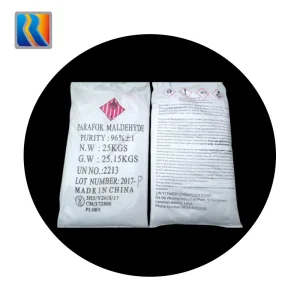
Pure monomeric formaldehyde is a highly reactive gas that undergoes rapid polymerization. Consequently, it is commercially distributed either as an aqueous solution (commonly referred to as Formalin, typically containing 37% to 55% formaldehyde by weight, with variable concentrations of methanol acting as an inhibitor) or polymerized into a solid state known as Paraformaldehyde.
For high-end synthesis applications, particularly in pharmaceutical chemistry and precision resin synthesis, minimizing impurities is non-negotiable. Standard industrial solutions specify:
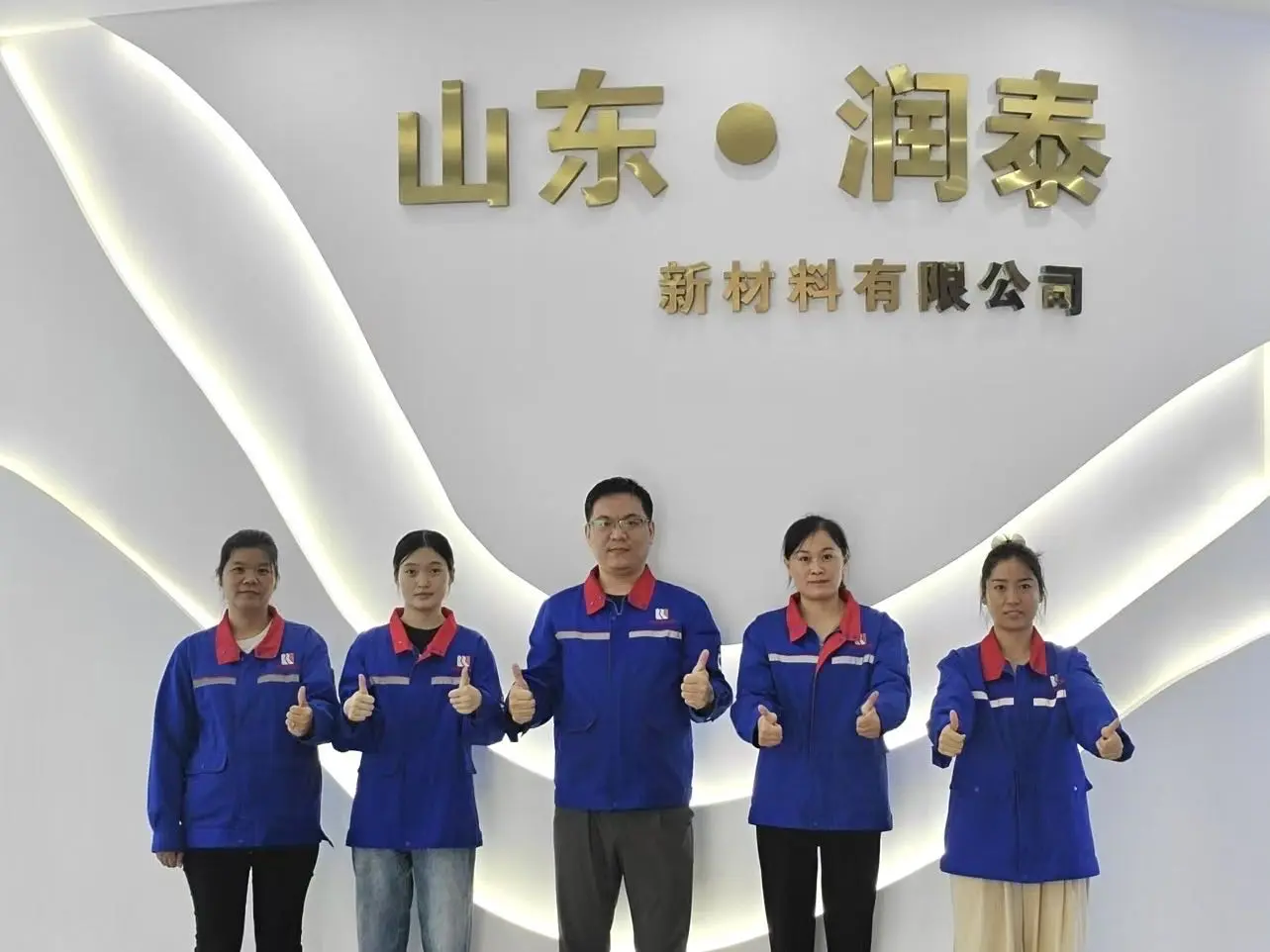
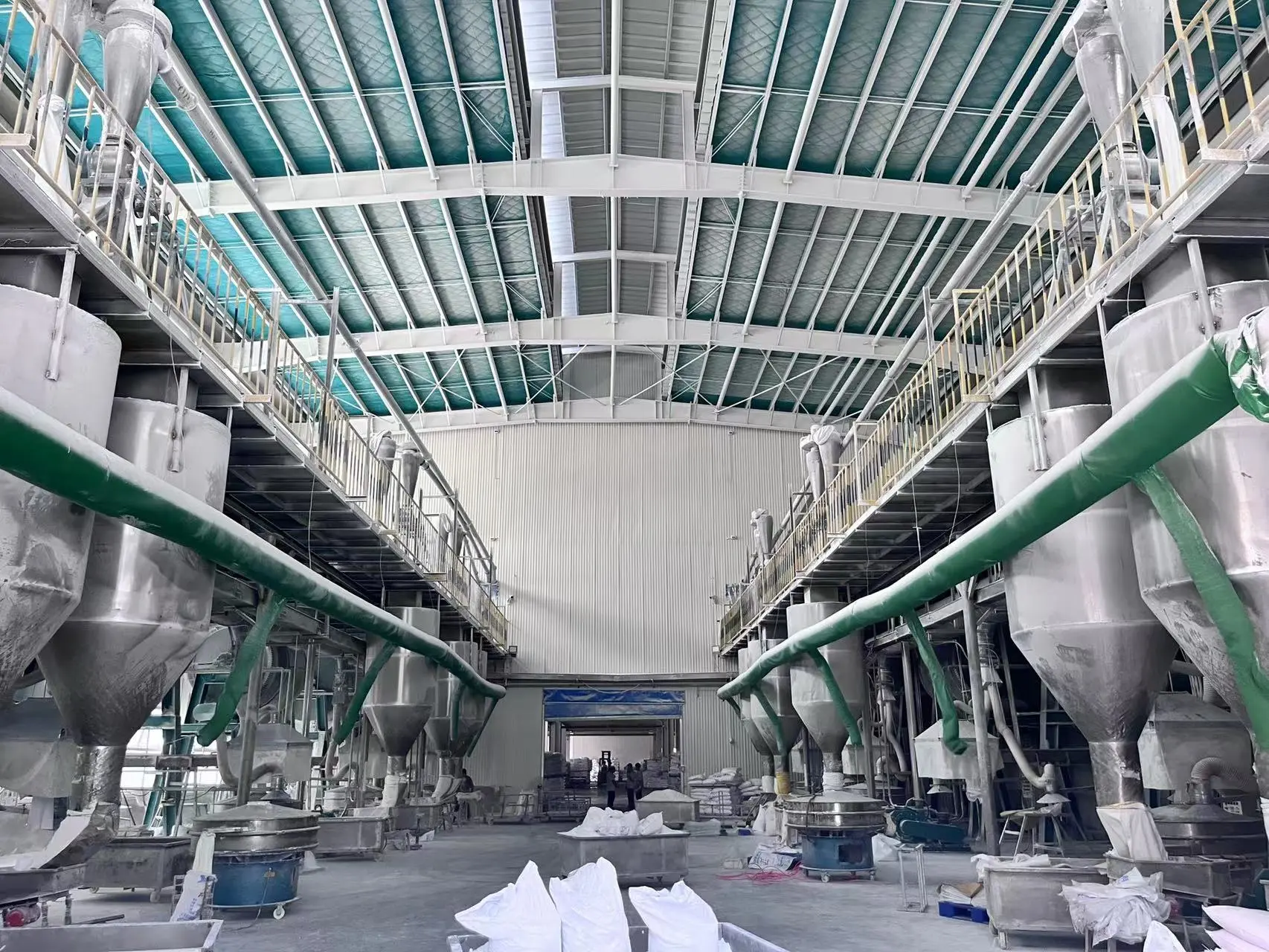
Founded in March 2020, Shandong Runtai New Materials Co., Ltd. stands as a premier comprehensive enterprise operating at the cutting-edge of fine chemical manufacturing. Situated in Zaozhuang City, Shandong Province, our state-of-the-art chemical compound occupies 270,000 square meters. The plant integrates raw material purification, primary synthesis, polymerization, and specialized application research laboratories under a total investment blueprint of 2.06 billion yuan.
By leveraging an extensive domestic network, Runtai has established operating divisions in five key regional hubs, ensuring streamlined logistics and supply chain redundancy. Our engineering controls and operations conform to strict international benchmarks, ensuring that our clients receive consistent material specs across all shipments.
We actively service domestic and international markets, exporting our high-grade materials to critical industrial corridors in the United States, Thailand, Kenya, Egypt, and beyond. Runtai combines chemical synthesis capacity with custom formulation capabilities to deliver specialized chemical solutions.
The global competitiveness of China's pure formaldehyde manufacturers is built upon complete chemical supply integration, advanced automation technology, and optimized plant design. At Shandong Runtai, we optimize operations through five core pillars:
Our plants implement modern Distributed Control Systems (DCS). DCS allows complete automation and real-time adjustment of reactor thermodynamics, oxygen-to-methanol vapor ratios, and distillation column pressures. By maintaining control tolerances within +/- 0.5°C, we minimize off-spec yields and energy waste.
We process formaldehyde into value-added derivatives within a single chemical complex. Converting primary formaldehyde directly into Urea Formaldehyde (UF) resins, Phenolic resins, Melamine Moulding Compounds (MMC), and Paraformaldehyde reduces transport costs and handling hazards.
Our research pipeline is supported by the Changzhou Research Institute of Beijing University of Chemical Technology. Our in-house doctoral engineering team drives catalyst longevity studies and micro-channel reaction designs, securing several proprietary patents.
Pure formaldehyde is a highly versatile raw material. It serves as a precursor to several key chemical compounds and products:

As chemical manufacturers, environmental safety is a core priority at Shandong Runtai. Formaldehyde is classified as a volatile organic compound (VOC), which requires strict emissions controls. Our plant operates modern thermal oxidizers that process VOC point-sources with 99.9% conversion efficiency, generating heat for reuse in our facilities.
We work to develop low-free-formaldehyde resin formulations. By modifying the molar ratio of urea to formaldehyde (U/F ratio) and using specific catchments and additives, we manufacture adhesives that conform to international safety regulations like E0, CARB Phase 2, and F**** emissions limits. These materials support the production of safer wood composites for global markets.
Procuring large quantities of formaldehyde requires addressing complex regulatory, safety, and logistical conditions. As a dangerous good (classified under Class 8 corrosive substances, UN 2209 for solution, or UN 1198 for flammable/corrosive mixtures), international shipping requires careful management of shipping containers, temperatures, and customs processes.
Formaldehyde solutions require temperature control during transport. If temperatures drop below 15°C, polymerization can occur, leading to paraformaldehyde precipitation. If temperatures exceed 45°C, formic acid formation increases. We use temperature-regulated ISO-tank containers to maintain product stability during transport.
Industrial operations must choose between standard concentration levels (typically 37% formalin) and concentrated alternatives (up to 55% formalin). Higher concentrations reduce transport volumes, but require dedicated heated storage facilities at the destination.
Global trade requires strict documentation. We provide complete REACH dossiers, GHS-compliant Safety Data Sheets (SDS), certificates of analysis (COA) for every batch, and compliance documents for environmental regulations in the destination country.
Expert answers to technical questions about the properties, storage, and processing of industrial formaldehyde.
Explore our complete product catalog, featuring crystalline solids, defoamers, and specialty additives.
 Runtai