Explore our premium selection of thermosetting materials, water-based additives, and high-strength moulding compounds engineered for industrial performance.
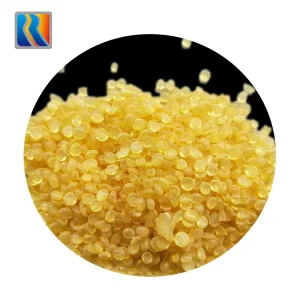
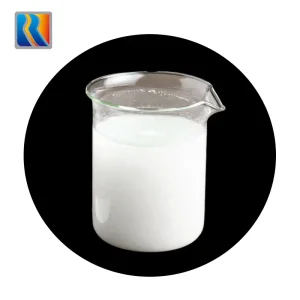
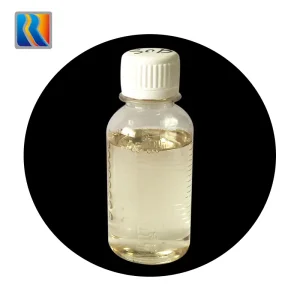
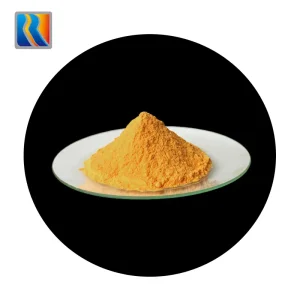
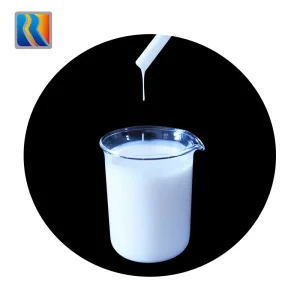
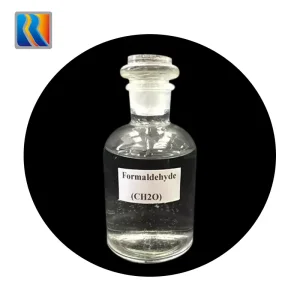
Phenolic resin adhesives, systematically categorized as synthetic phenol-formaldehyde polymer matrices, represent the pinnacle of thermosetting structural adhesives. Originating from the step-growth polymerization of phenol with formaldehyde, these materials form highly cross-linked networks of aromatic rings joined by methylene (-CH₂-) and ether (-CH₂-O-CH₂-) bridges.
The fundamental chemistry dictates two distinct classes: Novolacs and Resoles. Resoles are synthesized under alkaline catalysis with a formaldehyde-to-phenol ratio greater than one (typically 1.5 to 3.0), containing reactive methylol (-CH₂OH) groups that undergo thermally activated cross-linking without an external curing agent. Novolacs, synthesized with acid catalysts and a formaldehyde-to-phenol ratio less than one, require a curing agent like hexamethylenetetramine (HEXA) to achieve a thermoset state.
When used as adhesives, these resins yield unparalleled thermal resistance, flame retardancy, chemical inertness, and structural shear strengths. This makes them the primary materials for high-stress applications ranging from aerospace engine brackets and automotive friction pads to building-grade structural exterior boards.
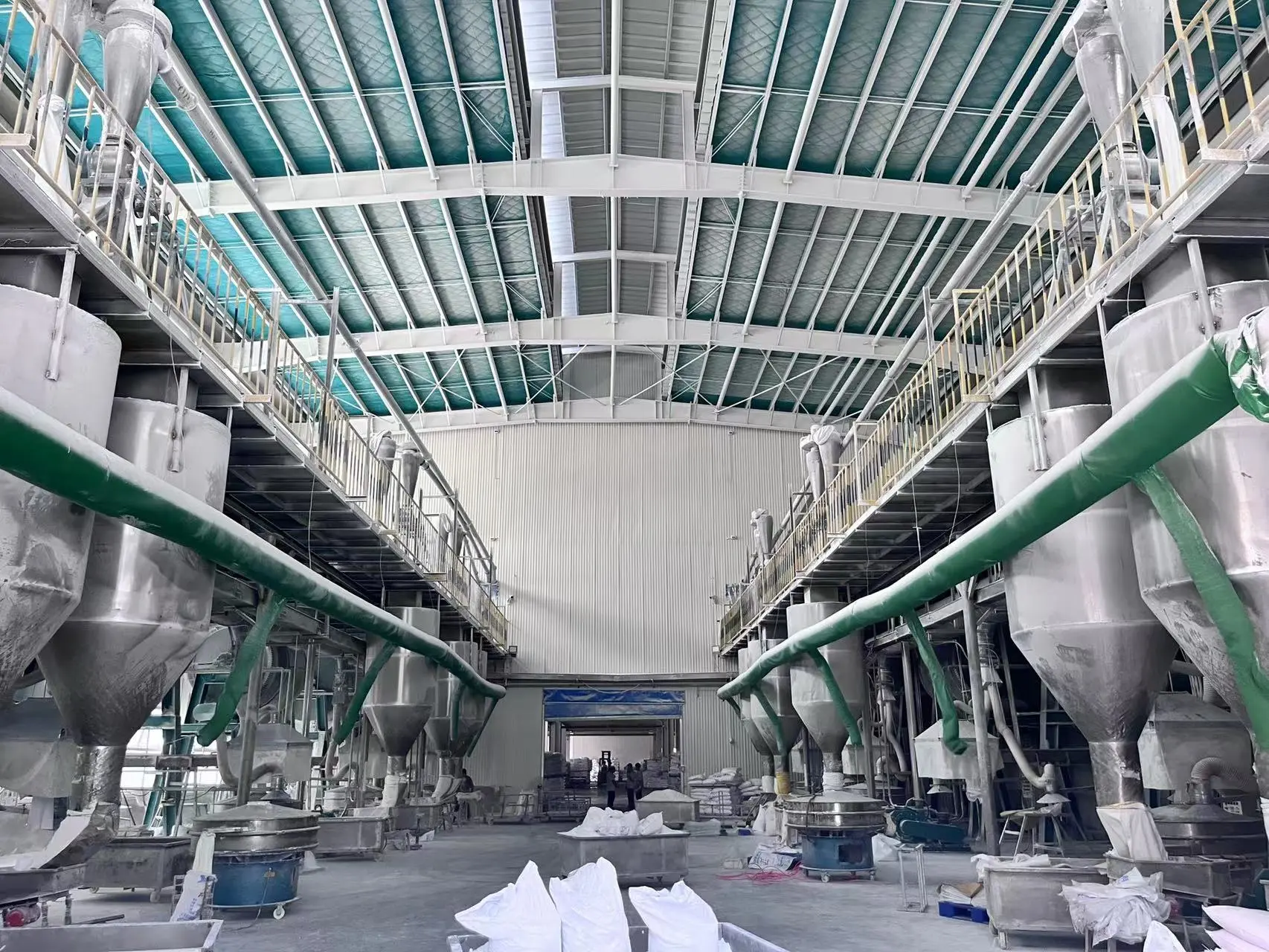
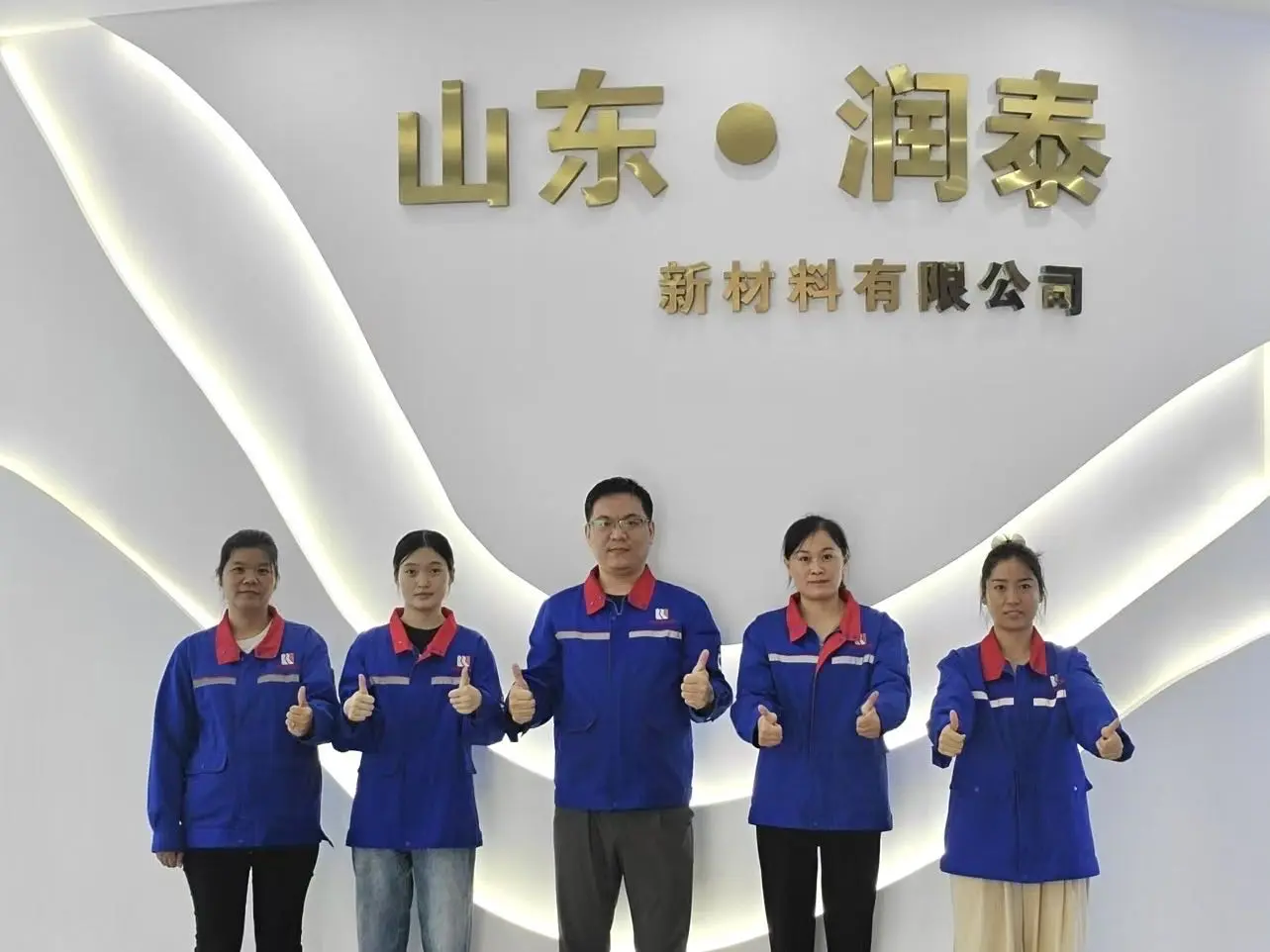
Founded in March 2020, Shandong Runtai New Materials Co., Ltd. is a comprehensive group firm that specializes in fine chemical products and advanced thermosetting polymers. Located in Zaozhuang City, Shandong Province, the corporation's production and administrative base spans an extensive area of 270,000 square meters, supported by a total capital investment of 2.06 billion yuan.
Runtai New Materials has integrated scientific research, raw material production, and custom synthesis. The enterprise maintains branches across 5 strategically selected cities in China, securing raw materials and providing localized technical support. By utilizing our long industrial chain starting with formaldehyde syntheses, we ensure that every batch of chemical intermediates conforms to strict performance parameters.
Through production line optimizations, we operate scale-driven facilities that secure high market share in regional and international sectors.
Our capacity expansion has enabled Runtai New Materials to command approximately 80% market share within the domestic Chinese fine chemicals segment. Globally, our products have successfully entered competitive markets, serving customers in the United States, Thailand, Kenya, Egypt, and other countries. We offer solutions for friction engineering, structural wood bonding, and tableware manufacturing.
Where extreme temperatures, mechanical loads, and harsh chemical environments exist, Runtai Phenolic Adhesives provide reliable stability.
Phenolic resins provide a matrix for carbon and glass fibers, offering low smoke toxicity, heat resistance, and fire safety ratings required for aerospace components.
Used as the primary binding matrix in brake pads, clutches, and transmission disks, resisting thermal degradation under mechanical pressure.
Provides moisture and boiling-water resistance for Oriented Strand Boards (OSB), marine plywood, and laminated veneer lumber (LVL) used in harsh environments.
At Runtai, we maintain a long, vertically integrated chemical value chain that begins with basic chemical feedstock and extends to refined engineering adhesives. By selecting advanced Distributed Control Systems (DCS), we manage key process criteria in real-time, reducing consumption and variations.
We work with institutions like the Changzhou Research Institute of Beijing University of Chemical Technology. Supported by doctoral research teams, we focus on polymer structures, thermal degradation kinetics, and eco-friendly curing agents.
Our testing and production lines feature domestic and international systems. Automation reduces labor intensity, limits human variance, improves safety margins, and keeps production costs competitive.


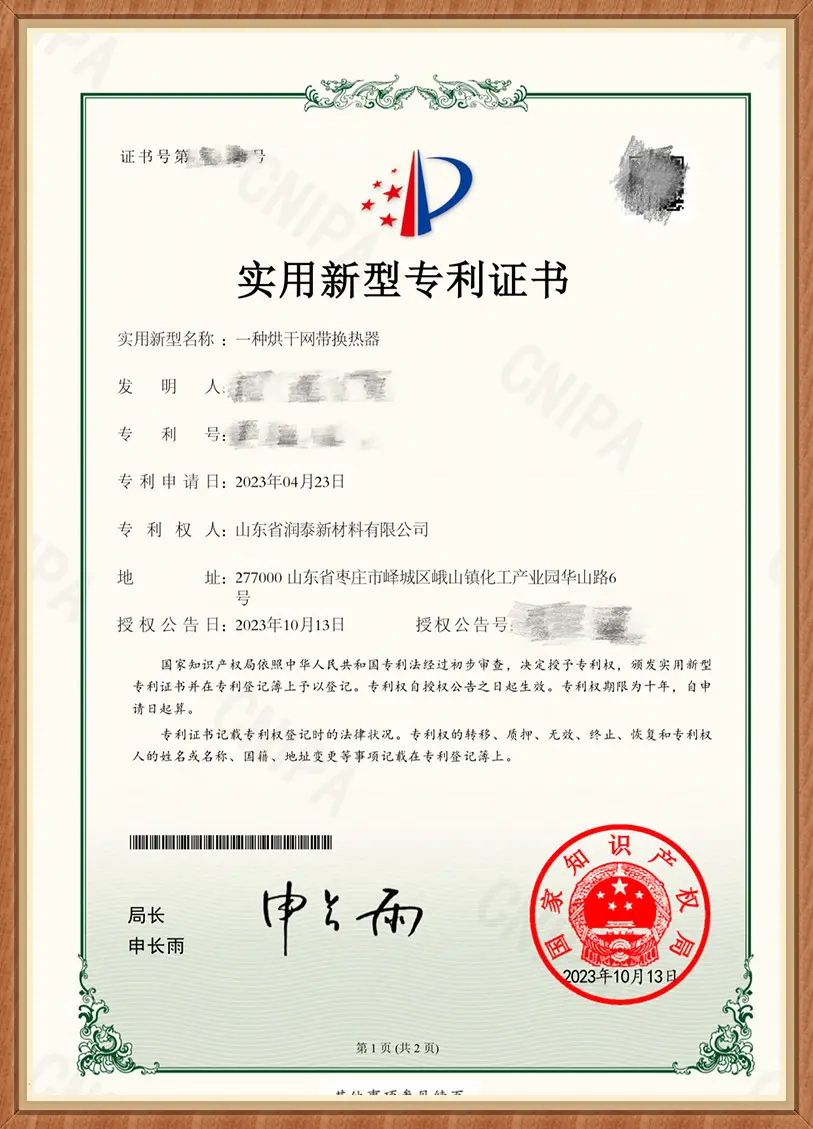
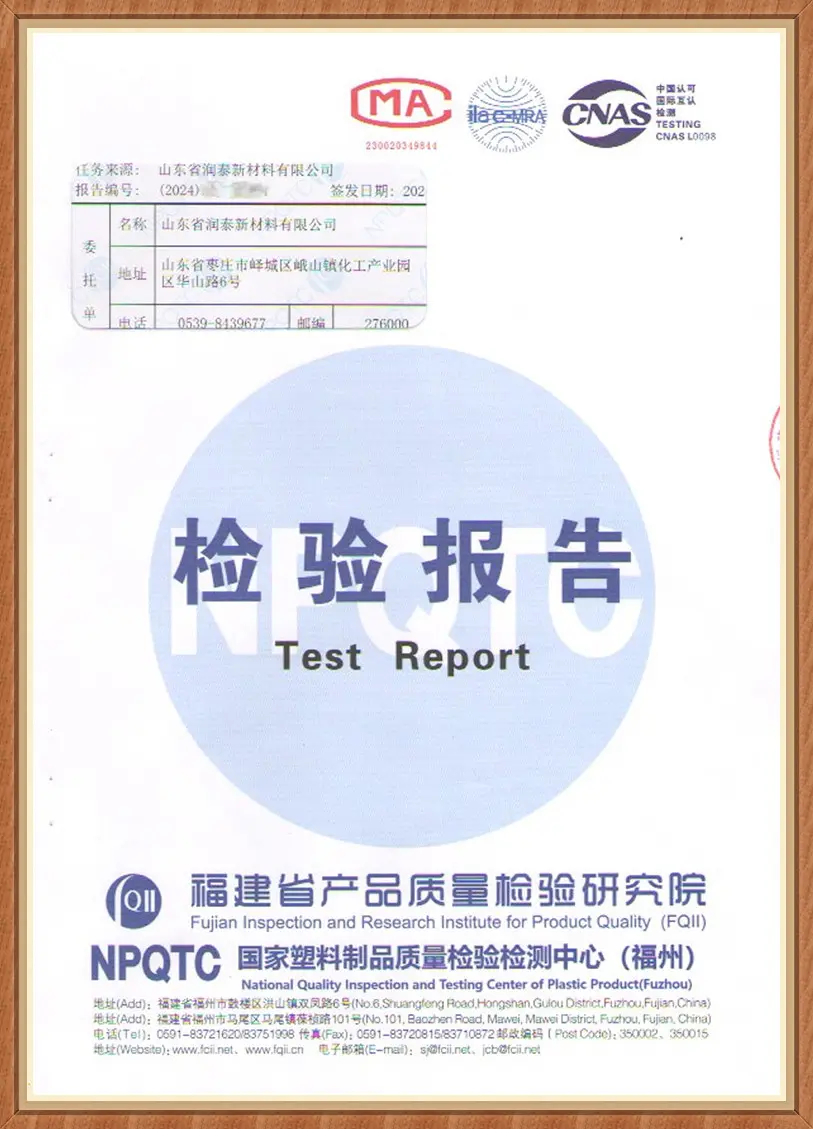
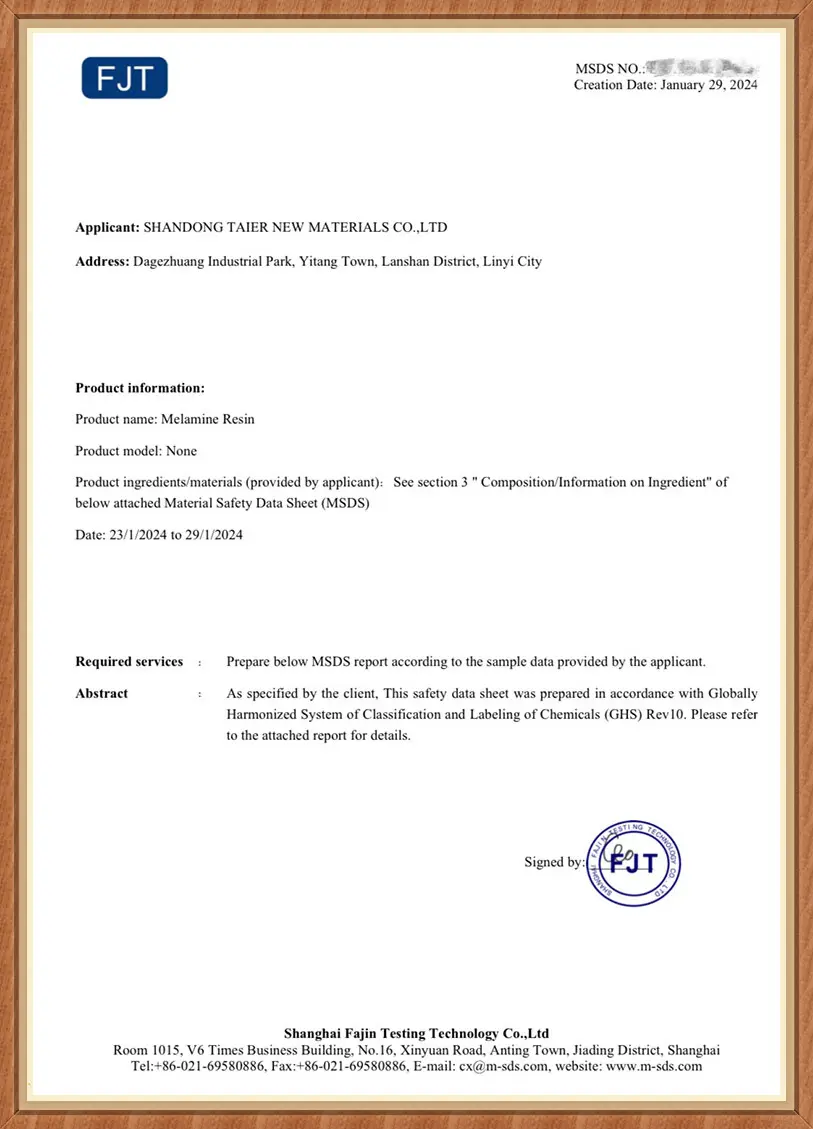
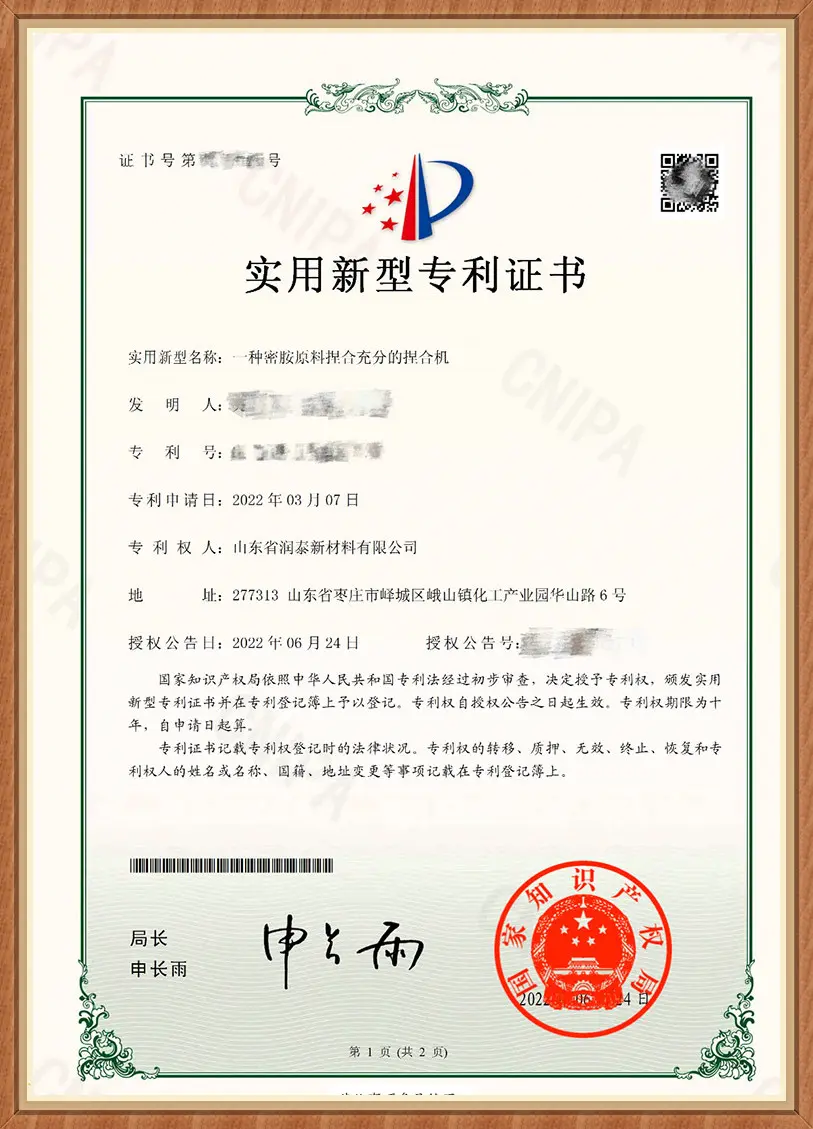
Shandong Runtai New Materials Co., Ltd. operates with a strong focus on environmental preservation. We design and manufacture low-emission, eco-friendly systems that comply with global laws, regulations, and quality standards.
We focus on reducing free formaldehyde levels in phenolic resins. Through formulation control, we ensure our products meet strict regulations such as CARB Phase 2 and EPA TSCA Title VI. This allows our industrial customers to export their finished panels and composite materials to North America and Europe without compliance issues.
Our facilities follow strict waste gas and water treatment protocols. We integrate circular utilization practices to minimize ecological impact while offering reliable chemical supply chains.
Runtai is investing in green chemistry and materials science to address upcoming industrial changes.
Integrating lignin, cardanol, and condensed tannins into resin formulations to replace fossil-based phenol, improving sustainability and reducing environmental footprint.
Developing catalysts and modified polymer networks that cure at lower temperatures, saving energy and accelerating processing speeds for manufacturers.
Incorporating nanoclays, graphene, and carbon nanotubes to improve fracture toughness, thermal stability, and electrical performance in composite materials.
Detailed answers regarding application methodologies, chemical storage, and performance characteristics.
Resole resins are single-component, alkaline-catalyzed materials with built-in methylol reactivity, making them suitable for wood panels and fiber insulation matrices. Novolacs are acid-catalyzed, require crosslinkers (typically HEXA), and are used in molding powders, abrasives, and friction materials.
Liquid resoles are thermally sensitive and undergo slow, ambient polymerization. They should be stored in climate-controlled environments between 5°C and 15°C to limit viscosity build and preserve reactivity. Solid novolac resins are more stable but must be protected from heat and moisture to prevent sintering.
Standard curing occurs between 130°C and 180°C. Curing speed and final crosslinking density can be adjusted using latent acid catalysts, accelerator complexes, and customized temperature cycles.
We optimize the formaldehyde-to-phenol ratios during synthesis, use multi-stage condensation processes, and add reactive scavengers. This ensures the final products comply with international limits like CARB-2.
Yes, water-soluble resoles use the hydrophilicity of phenolic hydroxyl and methylol groups. These water-based systems are used in glass fiber insulation, wood binders, and paper impregnations, reducing organic solvent emissions.
Our quality control team uses gel permeation chromatography (GPC) to assess molecular weight distribution, Fourier-transform infrared spectroscopy (FTIR) to verify functional groups, and differential scanning calorimetry (DSC) to check curing profiles.
Our primary products include formaldehyde, polyformaldehyde, urea formaldehyde resin, melamine powder, and glazing powders.
 Runtai