Explore our premium product portfolio designed for global wood composites, precision moldings, and specialized chemical additives
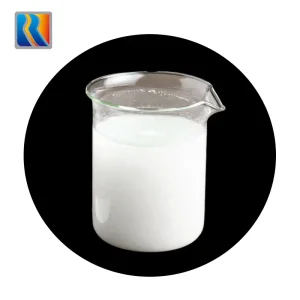
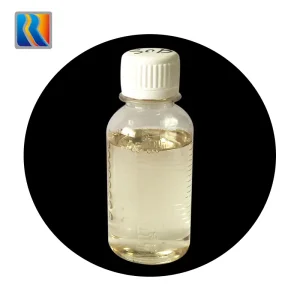
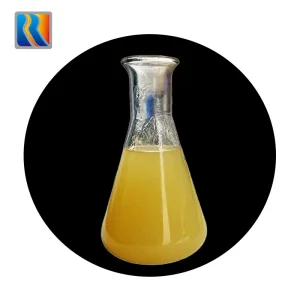
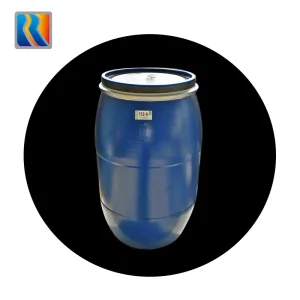
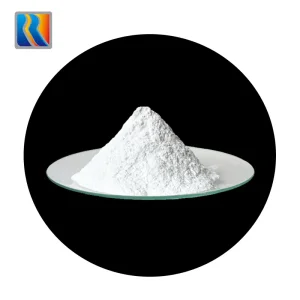
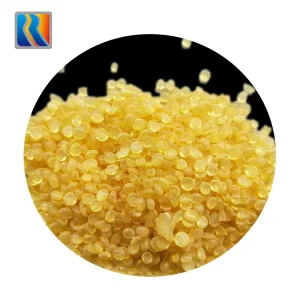
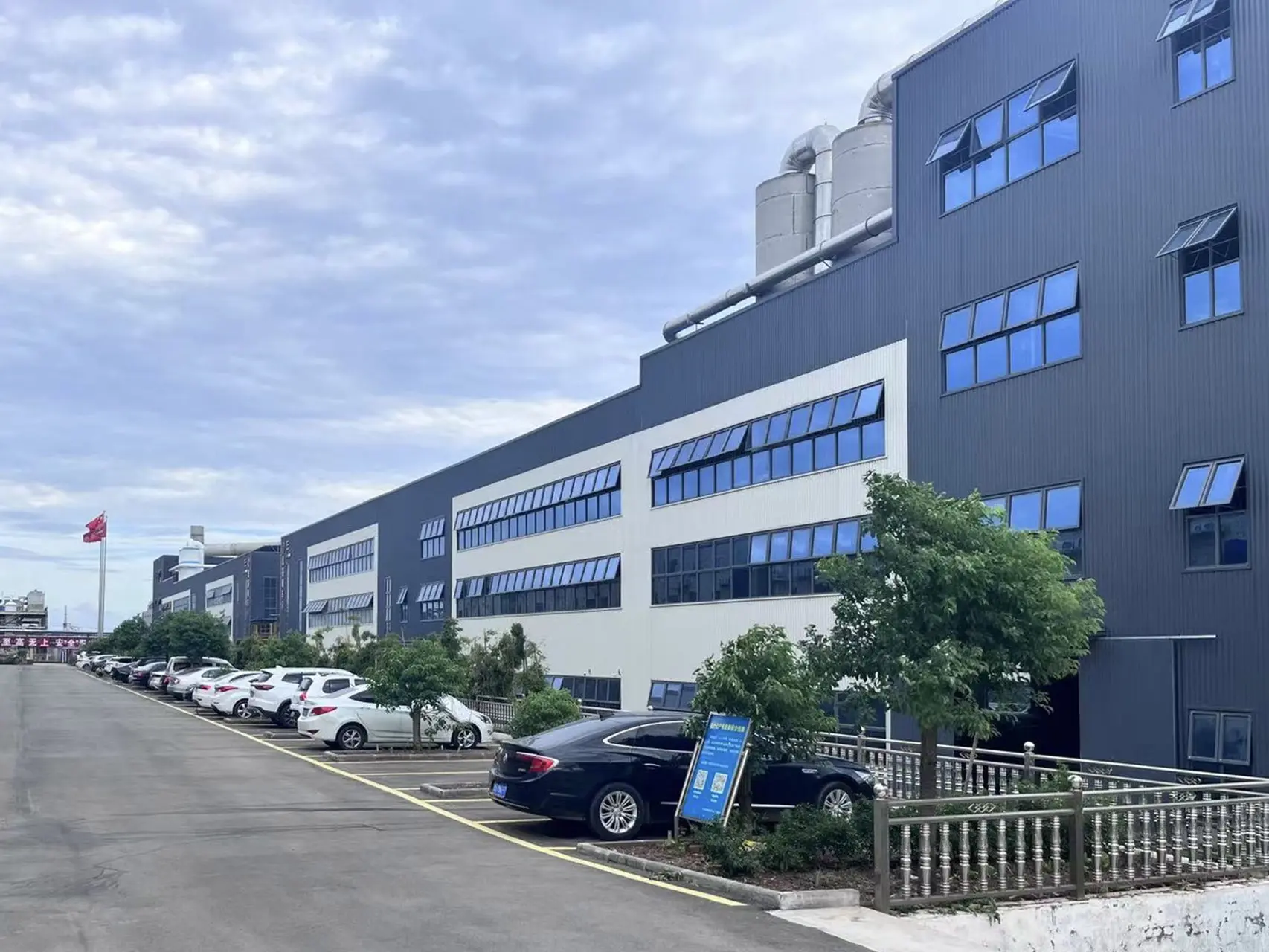
Founded in March 2020, Shandong Runtai New Materials Co., Ltd. is a comprehensive group firm that specializes in fine chemical products. Our primary products include formaldehyde, polyformaldehyde, urea formaldehyde resin, melamine powder and melamine glazing powder. The corporation has branches in five different cities throughout the whole country, with its headquarters located in Zaozhuang City, Shandong Province. Runtai New Materials covers an area of 270,000 square meters with a total investment of 2.06 billion yuan.
By integrating high-end raw material syntheses and specialized polymer technologies, we have constructed a closed-loop chemical industry value chain. This allows us to serve critical industrial segments like commercial real estate, wood fabrication, automotive manufacturing, and consumer plastics globally with unparalleled quality control and logistics assurance.
A comprehensive analysis of high-purity formaldehyde polymers (PFA) and their derivatives in modern thermosetting chemistry
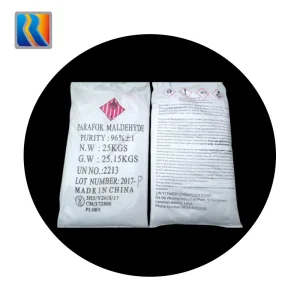
In chemical engineering, Paraformaldehyde (commonly referred to as PFA or polyformaldehyde) represents the shortest-chain solid polymer of formaldehyde, with a typical degree of polymerization ranging from 8 to 100 units. It exists as a white crystalline solid with the chemical formula HO(CH2O)nH. Unlike aqueous formaldehyde solutions (formalin), which contain up to 63% water and require chemical stabilizers like methanol to prevent precipitation, Paraformaldehyde offers a highly concentrated, anhydrous alternative. This chemical profile is crucial for industrial synthesis where minimal water content and precise reactant ratios are mandatory.
For chemical manufacturers and global synthesis factories, opting for solid Paraformaldehyde over liquid formalin dramatically reduces water-handling costs, simplifies storage logistics, and significantly mitigates the formation of hazardous wastewater. The depolymerization of Paraformaldehyde, initiated by heat or basic/acidic catalysts, yields high-purity monomeric formaldehyde gas. This gas acts as a highly reactive building block in the synthesis of thermosetting polymers, pharmaceutical intermediates, agricultural chemicals, and specialty resins.
Global procurement teams must pay close attention to the raw material quality parameters of Paraformaldehyde. Characteristics such as active formaldehyde content (typically specified at 92% or 96%), acid concentration (calculated as formic acid), and ash content play a pivotal role in final product yield. Low-quality PFA with high formic acid content can lead to premature corrosion in reactor vessels and unwanted side-reactions. At Shandong Runtai, we employ advanced vacuum crystallization and continuous drying processes to guarantee high chemical consistency, uniform particle size distribution, and rapid dissolution times during depolymerization.
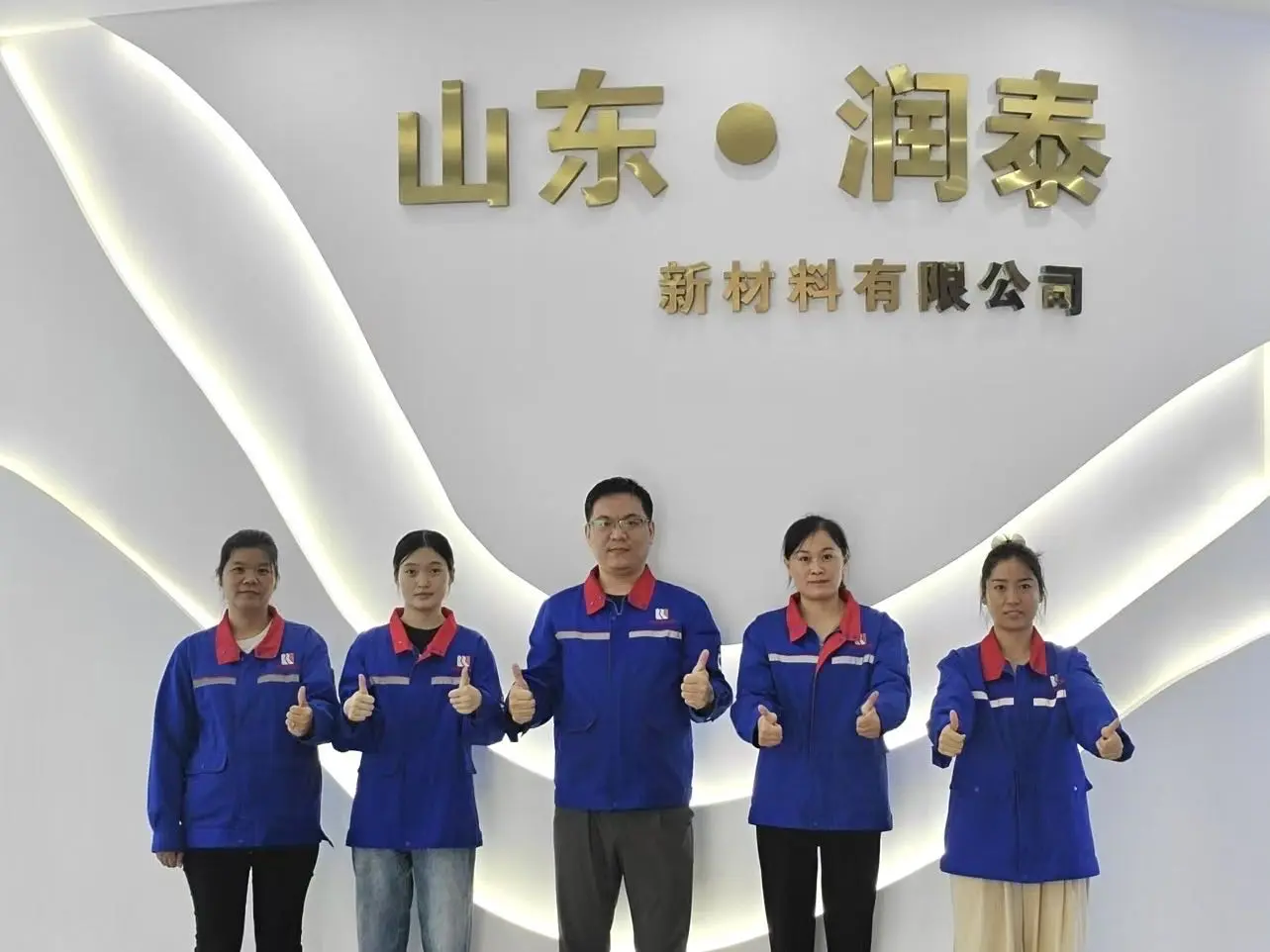
Runtai New Materials has grown to be one of China's top producers of melamine and formaldehyde due to our recent improvements in production lines growth. As of currently, the company produces 380,000 tons of formaldehyde annually, 60,000 tons of melamine annually, 20,000 tons of melamine glazing powder annually, 11,000 tons of resin annually, 300,000 tons of urea formaldehyde resin annually, and so forth. We have reached about 80% market share in China. At the same time, we are actively developing overseas business, our products have been exported to the United States, Thailand, Kenya, Egypt and other countries and have been widely praised by overseas customers.
Runtai New Materials is a professional chemical supplier dedicated to satisfying customer requirements with superior chemical products and solutions. Our professional staff and cutting-edge production machinery are committed to the production of chemical goods that satisfy global standards. In order to satisfy the needs of various industries, we simultaneously offer standardized products as well as tailored solutions based on the unique requirements of our customers.
Addressing chemical volatility, regulatory shifts, global freight requirements, and compliance standards for cross-border chemical procurement
Procuring fine chemical raw materials globally presents a set of intricate challenges. From stringent environmental standards (such as the European REACH framework or US EPA regulations) to complex shipping guidelines for hazardous goods (since paraformaldehyde is classified under UN Class 4.1 flammable solids), industrial chemical buyers must navigate a minefield of regulatory risks. Supply chain bottlenecks, fluctuating methanol prices, and varying local environmental guidelines make selecting the right manufacturing partner a vital strategic decision.
A key focus area in the procurement of Urea Formaldehyde (UF) and Phenol-Formaldehyde resins is emission controls. Regulators worldwide have drastically lowered the allowable limits for free formaldehyde emissions in building materials. Modern specifications like CARB Phase II, US EPA TSCA Title VI, and European E1/E0 standards require manufacturers to reformulate adhesives. Runtai has addressed this head-on by developing low-emission and scavenger-enhanced resin systems that meet international green building requirements without sacrificing tensile strength or curing times.
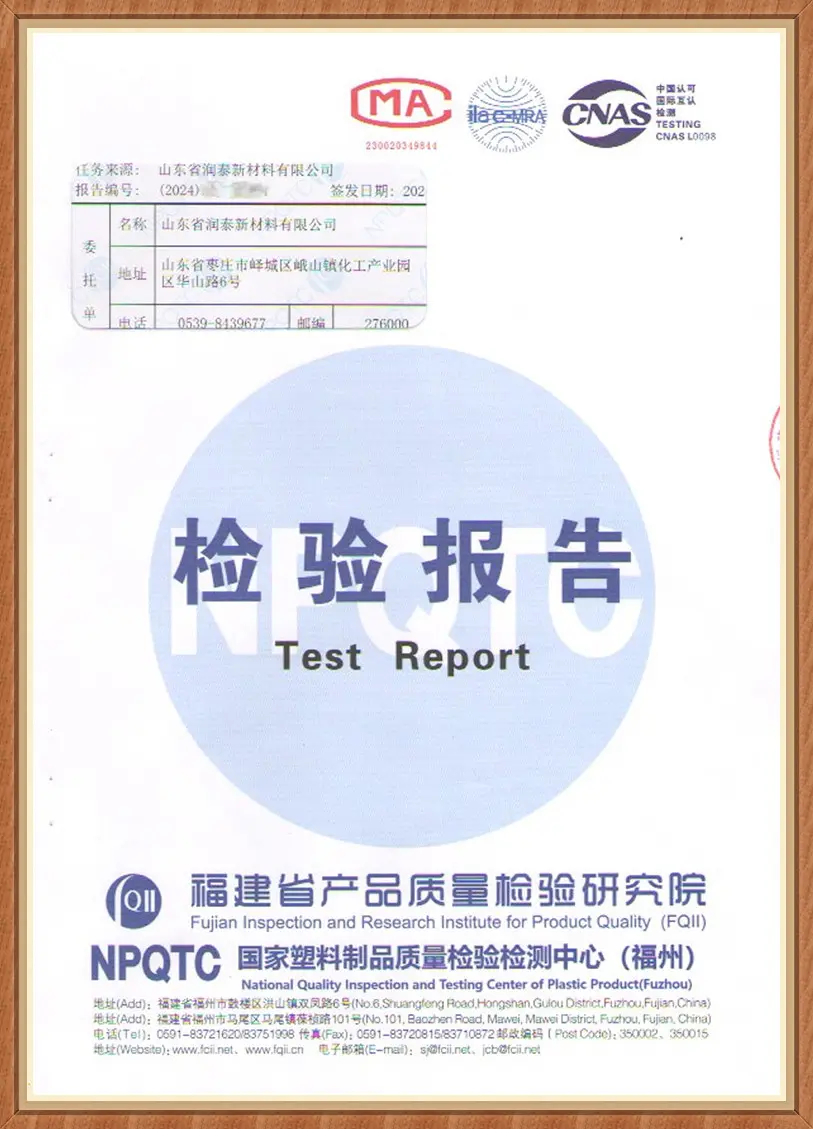
Ensuring compliance with REACH, TSCA Title VI, and FDA food-contact standards. We provide transparent chemical assay records and independent laboratory test analyses with every shipment.
We possess complete certifications for international maritime hazardous cargo transport (UN 2213 Class 4.1). Secure, humidity-controlled, and temperature-stable shipping guarantees product integrity.
From adjusting chemical reactivity indices to tweaking polymerization speeds and custom coloring melamine compounds, our R&D teams match your exact manufacturing equipment parameters.
Our business model is anchored on cutting-edge production technologies and a strong commitment to environmental sustainability. By optimizing heat-recovery loops and integrating steam-generation units within our catalytic oxidation lines, we minimize carbon emissions. Below are our five core pillars of competitive excellence:

After the completion of the melamine project, Runtai New material Co., LTD has become a comprehensive enterprise in the forefront of China's research, production, sales and application of new chemical materials with formaldehyde as raw materials. Melamine materials are projected to have a leading market share nationwide.
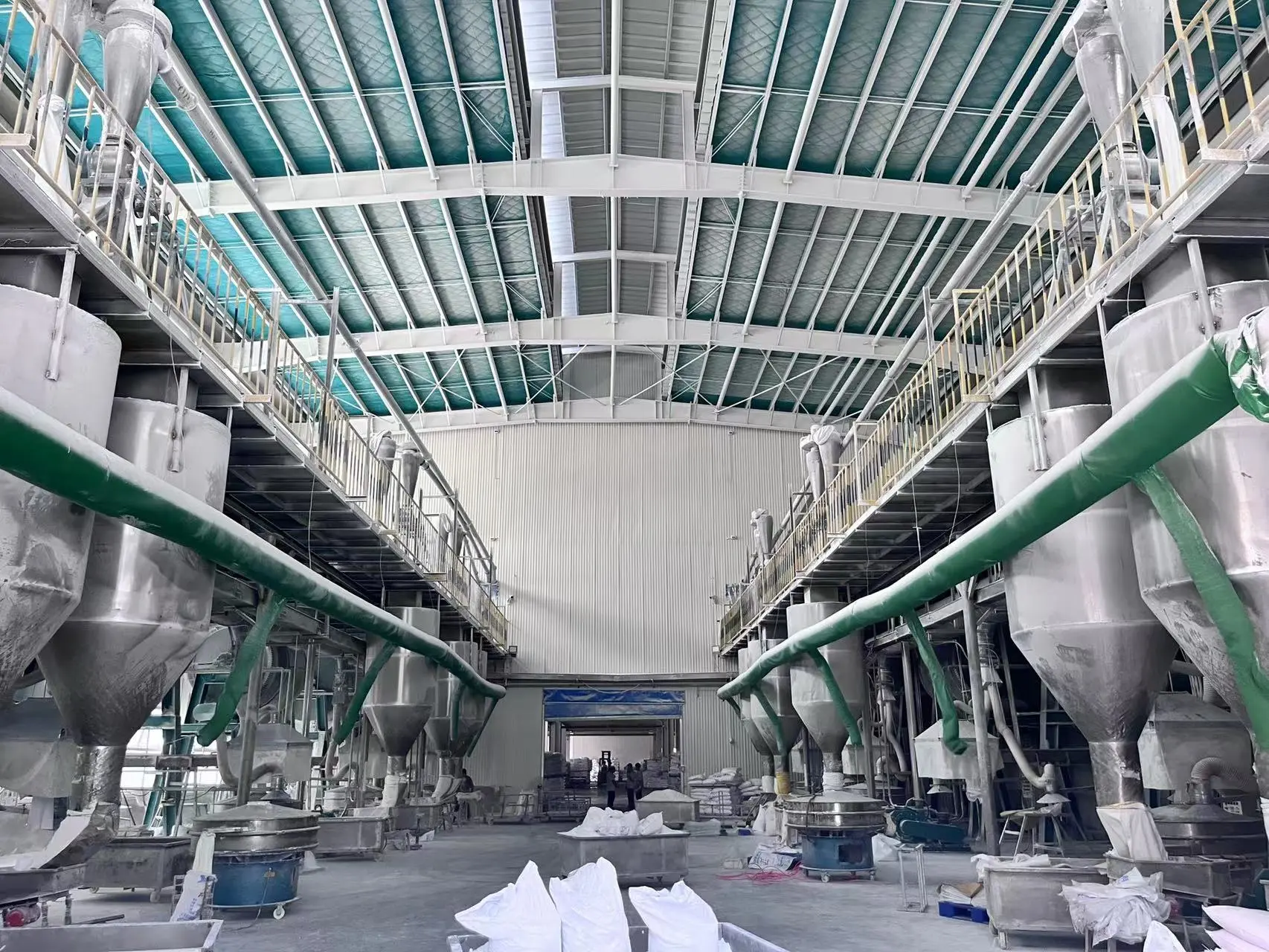
Apply the guiding principles of "automatic control, safe and reliable, stable operation, energy saving and consumption reduction, comprehensive utilization of resources" when choosing production technology solutions. Select the more advanced distributed control system (DCS) available currently, which allows us to control the process parameters across the entire production line, ensuring high levels of product quality and equipment safety while lowering raw material consumption.
To maximize the requirements of product quality, we employ the current cutting-edge, dependable, and established equipment both domestically and internationally when choosing production and testing devices. Simultaneously, we aim to increase the level of automation in the production process, decrease labor intensity, boost labor productivity, conserve energy, and lower testing and production costs.
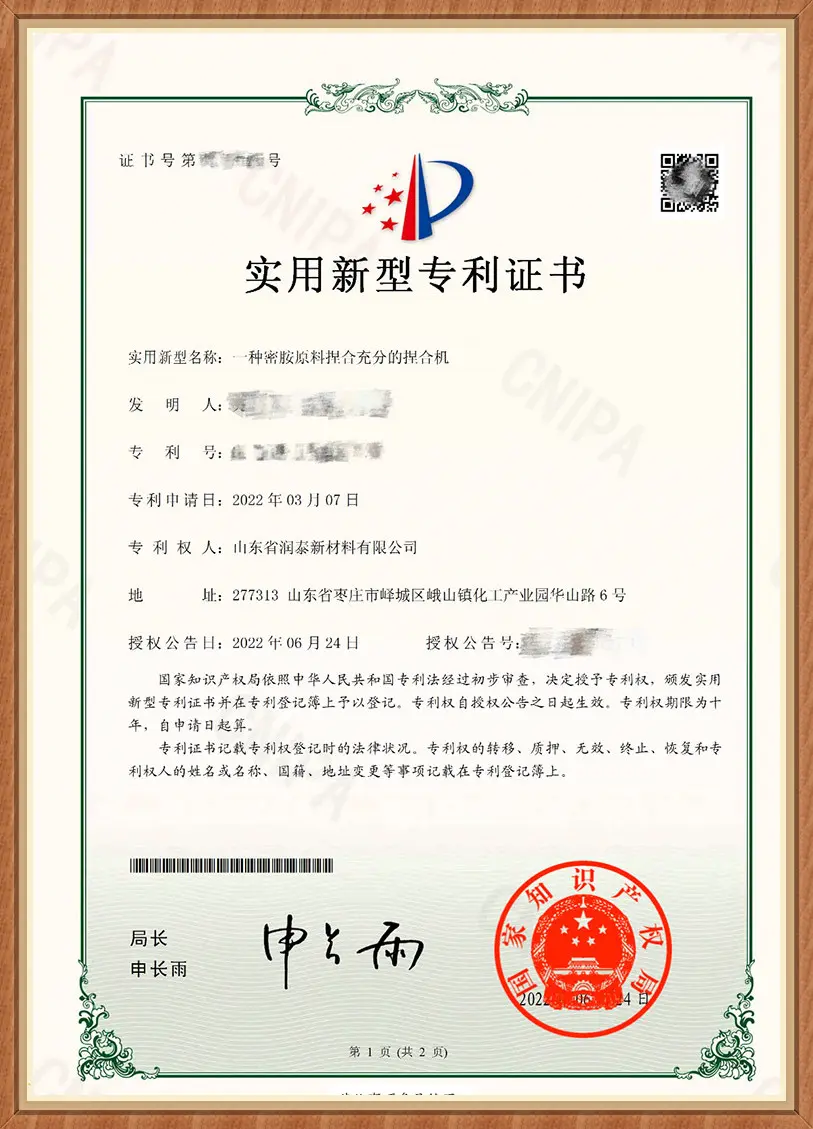
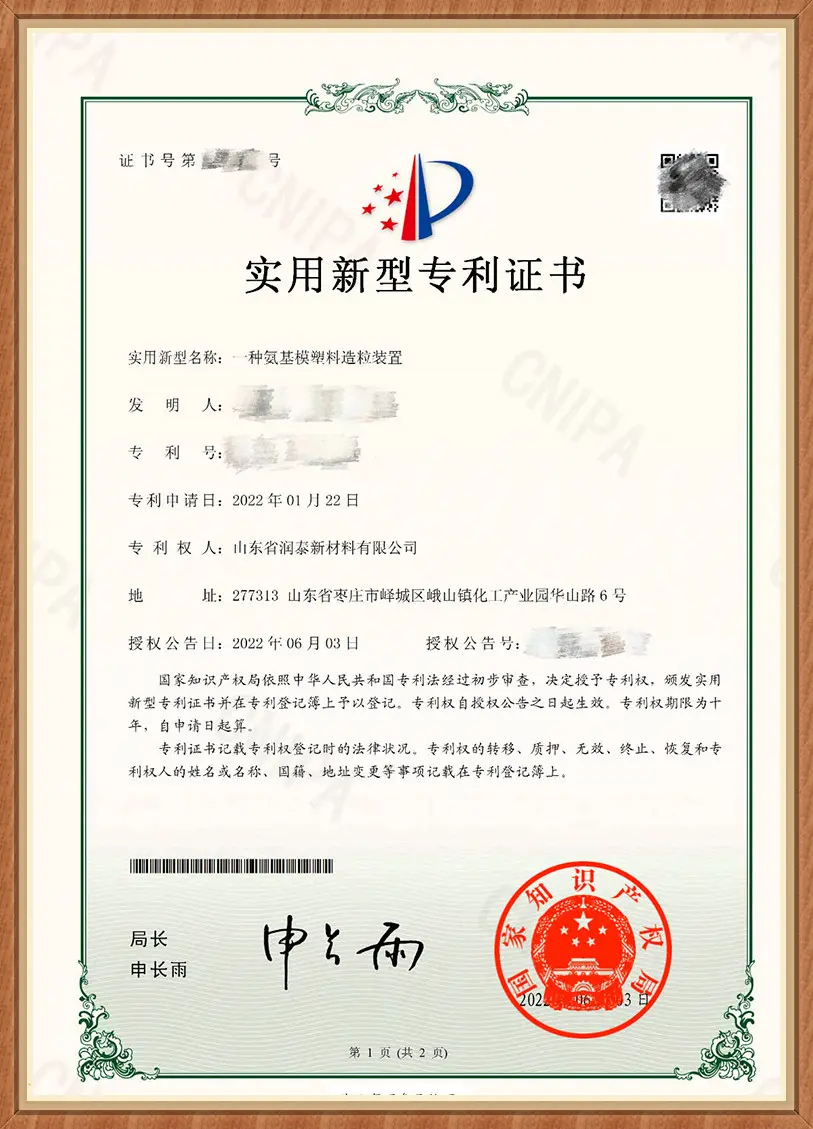
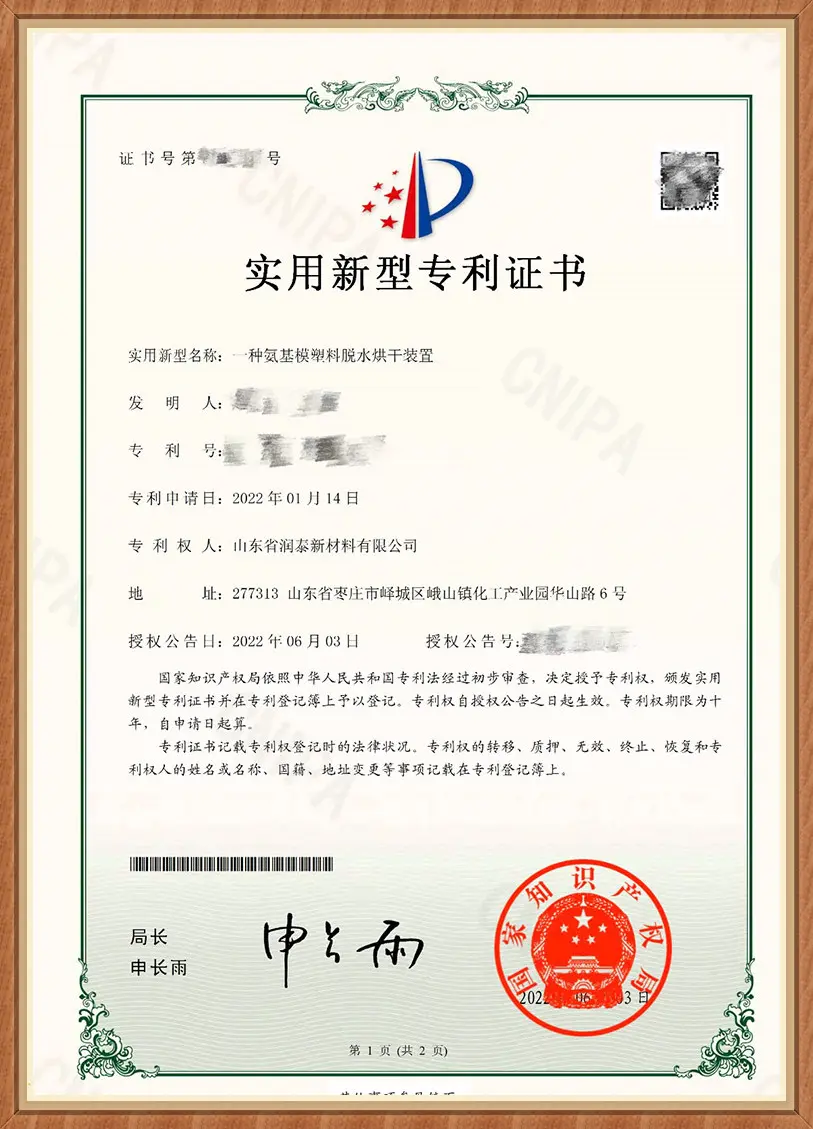
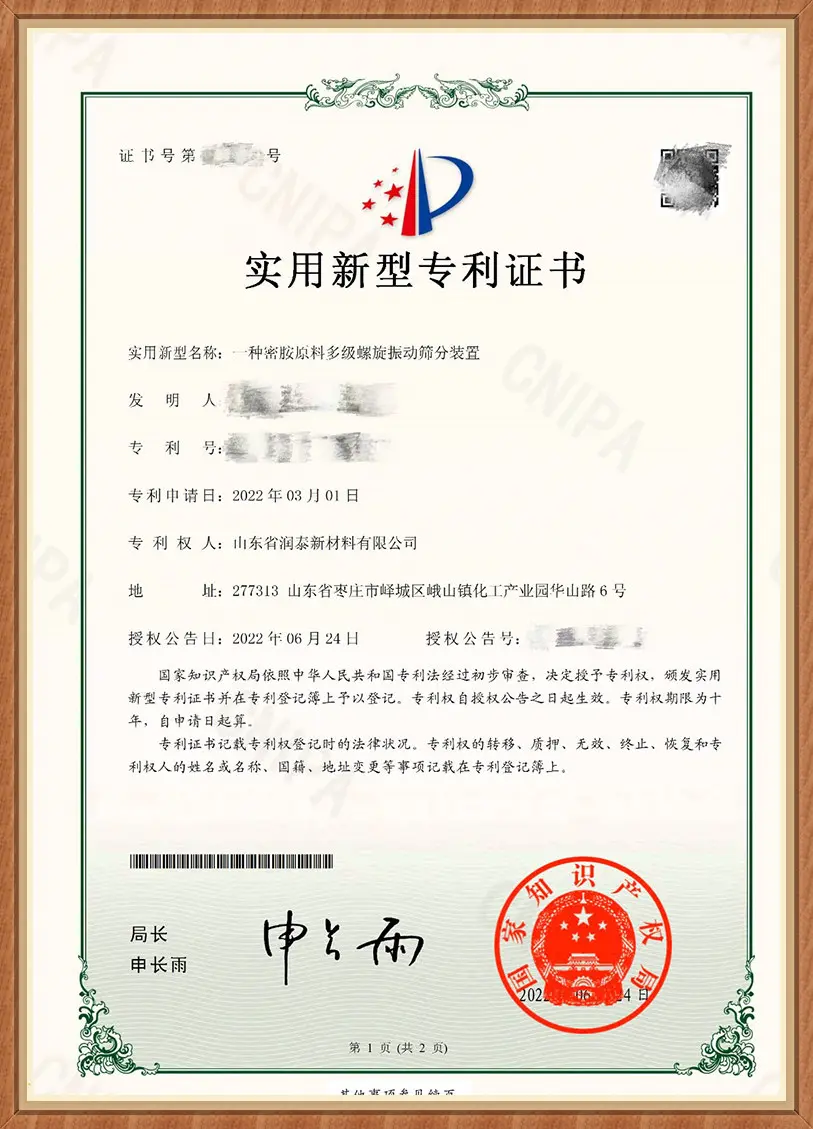
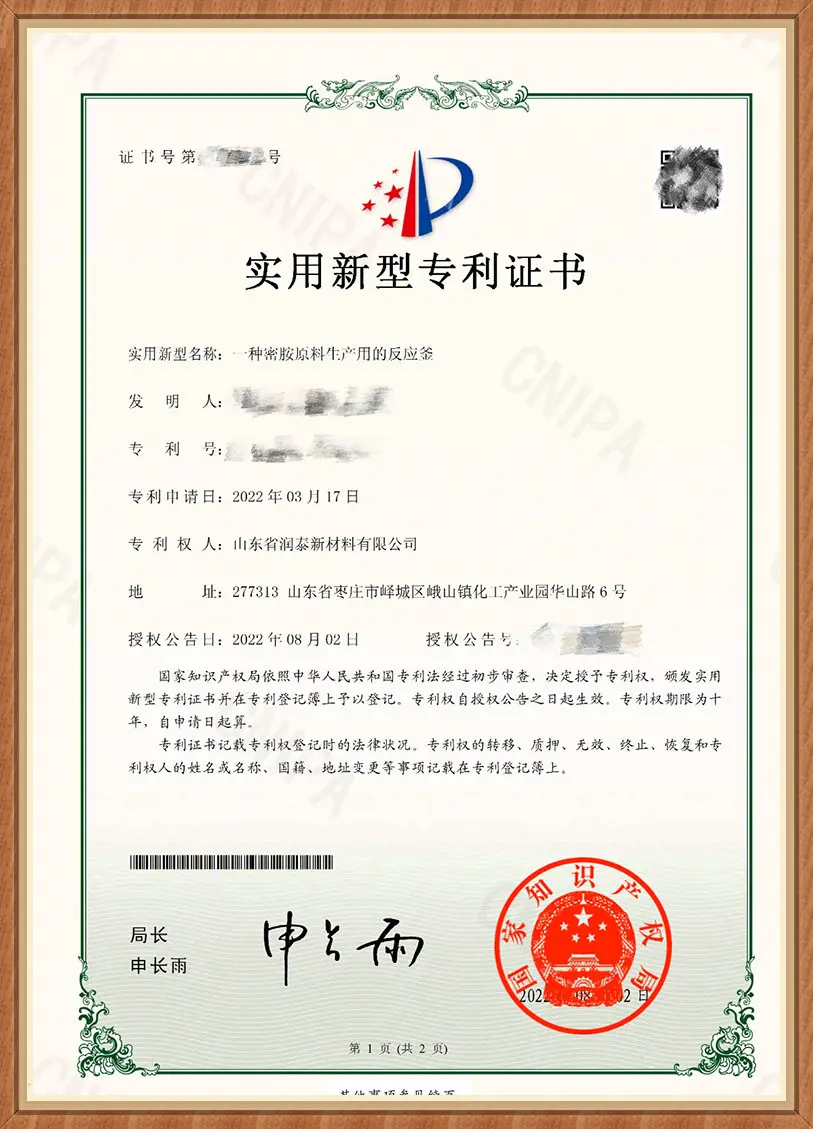
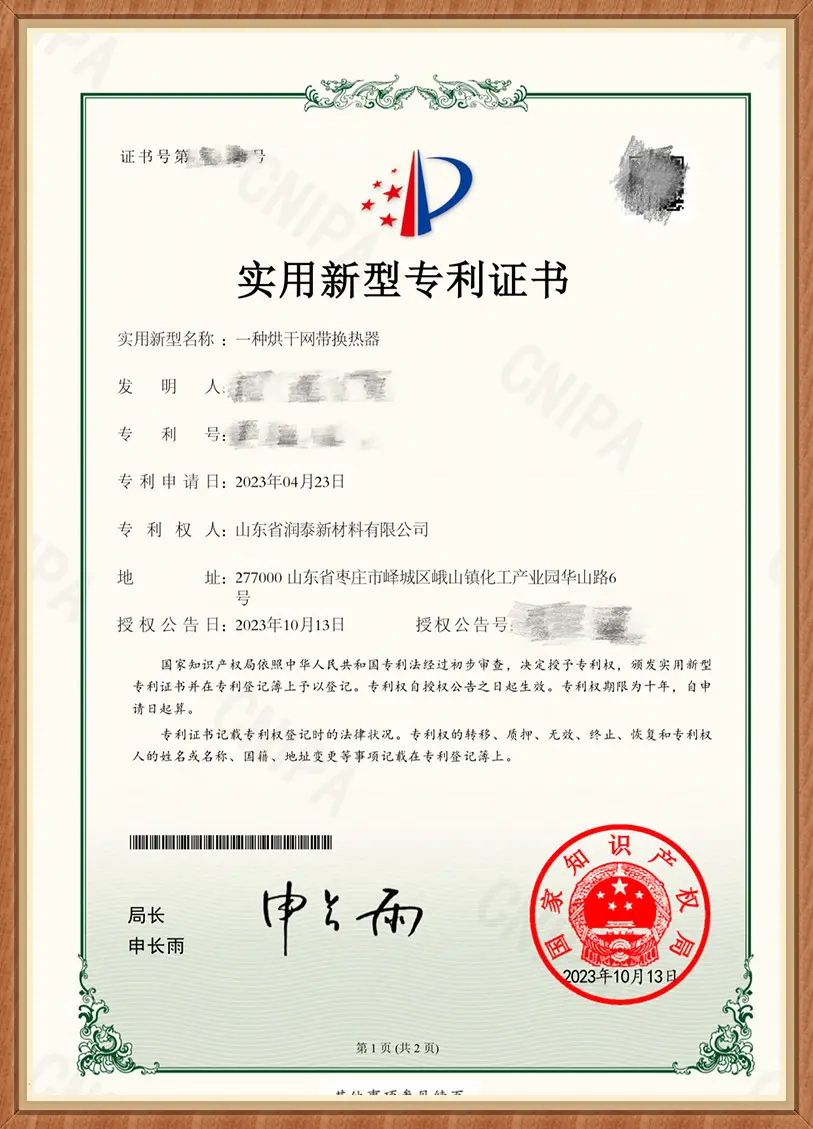
With the Changzhou Research Institute of Beijing University of Chemical Technology and other scientific research institutions, Runtai New material Co., LTD has long engaged in the integration of production, learning, and research. The company also has a cutting-edge doctoral research and development team in the industry and a number of patented technologies.
The new chemical materials industry with formaldehyde as raw materials has great potential for extension, and there are many types of derivative products, which can be widely used in adhesives, coatings, resin plastics, dyes, medical basic raw materials, and electronic, electrical, machinery, daily utensils materials replacement and upgrading fields. This integrated vertical model ensures that we maintain control over raw material costs, insulating our global clients from drastic market fluctuations.
Meanwhile, Runtai New Materials, as an ethical company, we prioritizes sustainable development and environmental preservation. Our commitment lies in developing and producing eco-friendly products that minimize their negative effects on the environment while adhering to pertinent laws, regulations, and standards.
The "quality first, customer first" attitude has always guided our business, and we embrace customer service with honesty and professionalism. Friends from both domestic and foreign locations are warmly invited to visit Runtai New Materials. We look forward to collaborating with you to build a better future together!

A strategic outlook on manufacturing optimizations, green chemical shifts, and raw material safety transitions
The global chemical manufacturing sector is on the brink of a green revolution. Regulatory bodies are pushing for reduced carbon footprints, cleaner chemical pathways, and safer workplace conditions. As a leading manufacturer in China, Shandong Runtai has structured a strategic technical roadmap focusing on two core milestones:
1. Methanol-to-Formaldehyde Catalytic Optimizations: Currently, the industrial synthesis of formaldehyde relies on the catalytic oxidation of methanol. We are actively upgrading our production lines from traditional silver-catalyst systems to metal-oxide-catalyst systems. The latter process yields a higher conversion rate, lowers the raw material consumption per ton, and produces zero emissions of heavy metals. This ensures a cleaner raw material output and significantly lowers the operational carbon footprint.
2. Bio-Based Alternatives and Scavenger Technologies: To meet the growing demand for sustainable building materials, our R&D laboratory is formulating bio-based urea-formaldehyde resins. By replacing a portion of synthetic urea with natural bio-polymers, we are reducing reliance on fossil resources. Additionally, our new-generation formaldehyde scavengers are chemically bound within the adhesive matrix. This ensures they remain effective over the entire lifespan of the manufactured wood, preventing release under humid or hot conditions.
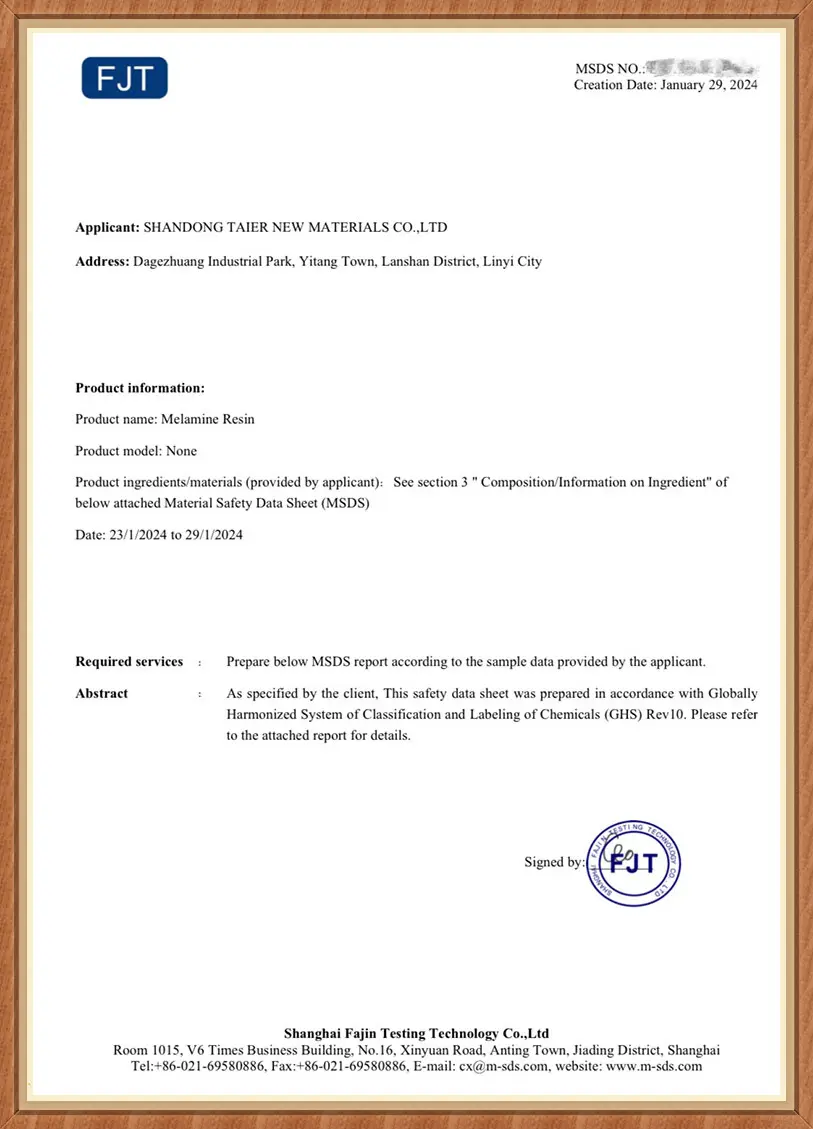
Critical engineering and logistics questions answered by our chief laboratory chemists and international trade team
Paraformaldehyde is a solid homopolymer of formaldehyde with active content typically between 92% and 96%, whereas formalin is a liquid solution containing 37% to 50% formaldehyde, mixed with water and methanol stabilizers. PFA eliminates water from reactions, reducing downstream byproduct treatment and limiting reactor volume consumption. During production, PFA must undergo controlled depolymerization (via temperature or pH adjustments) to yield gaseous formaldehyde.
Our Urea Formaldehyde and Phenolic resins are manufactured with advanced formulation chemistry that targets low-free-formaldehyde monomers. By strictly regulating the molar ratios of formaldehyde to urea and incorporating modern scavenger compounds, our products help engineered wood factories easily meet CARB Phase II, US EPA TSCA Title VI, and European E0/E1 emission limits.
Paraformaldehyde is classified as a hazardous chemical under UN 2213, Class 4.1 (Flammable Solid). It is susceptible to self-heating and dust explosion risks in dry atmospheres. Our logistics division uses UN-approved moisture-barrier packaging and ships in temperature-controlled maritime containers. We advise customers to store the materials in cool, well-ventilated dry warehouses, far from strong oxidizers, acids, or open flames.
Yes. We offer both compression and injection grades of Melamine Moulding Compound (MMC) and Melamine Glazing Powder. Flowability, curing rate, and preheating times can be modified to match your specific molding machine parameters and pressure cycles. We also provide professional color matching according to PANTONE or RAL paint standards.
Our liquid Urea Formaldehyde Resins typically maintain optimum performance for 3 to 6 months depending on local storage conditions. For customers requiring longer storage times or located in warm tropical climates, we recommend our powder-form Urea Formaldehyde resins. Powdered resins offer a shelf life exceeding 12 months when stored in original sealed packaging below 25°C.
Premium auxiliary polymers, swelling thickeners, packaging film adhesives, and specialized dispersants
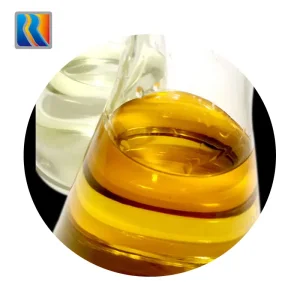
At Shandong Runtai New Materials Co., Ltd., we combine scientific innovation with large-scale production. Through our deep partnership with the Changzhou Research Institute of Beijing University of Chemical Technology, our doctoral research team continuously improves chemical performance, cuts energy consumption, and reduces raw material waste. This focus on technological optimization ensures that our manufacturing processes are stable, clean, and efficient.
By managing the entire value chain—from basic formaldehyde synthesis to advanced thermosetting resins and compound materials—we offer our global clients excellent pricing stability, reliable supply chains, and customized engineering services. We invite chemical buyers, material science engineers, and industrial distributors from around the world to partner with us for high-quality chemical solutions.
 Runtai