Explore our foundational and specialized fine chemical products manufactured under rigorous international quality and stability standards.
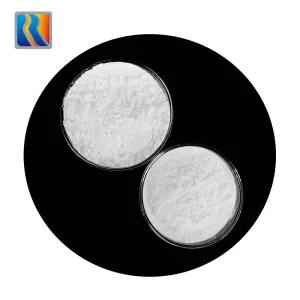
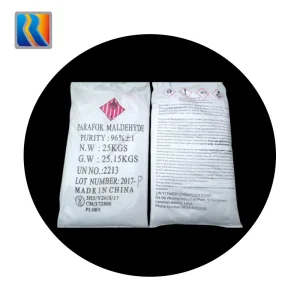
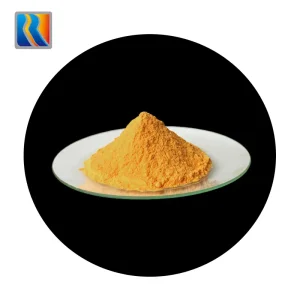
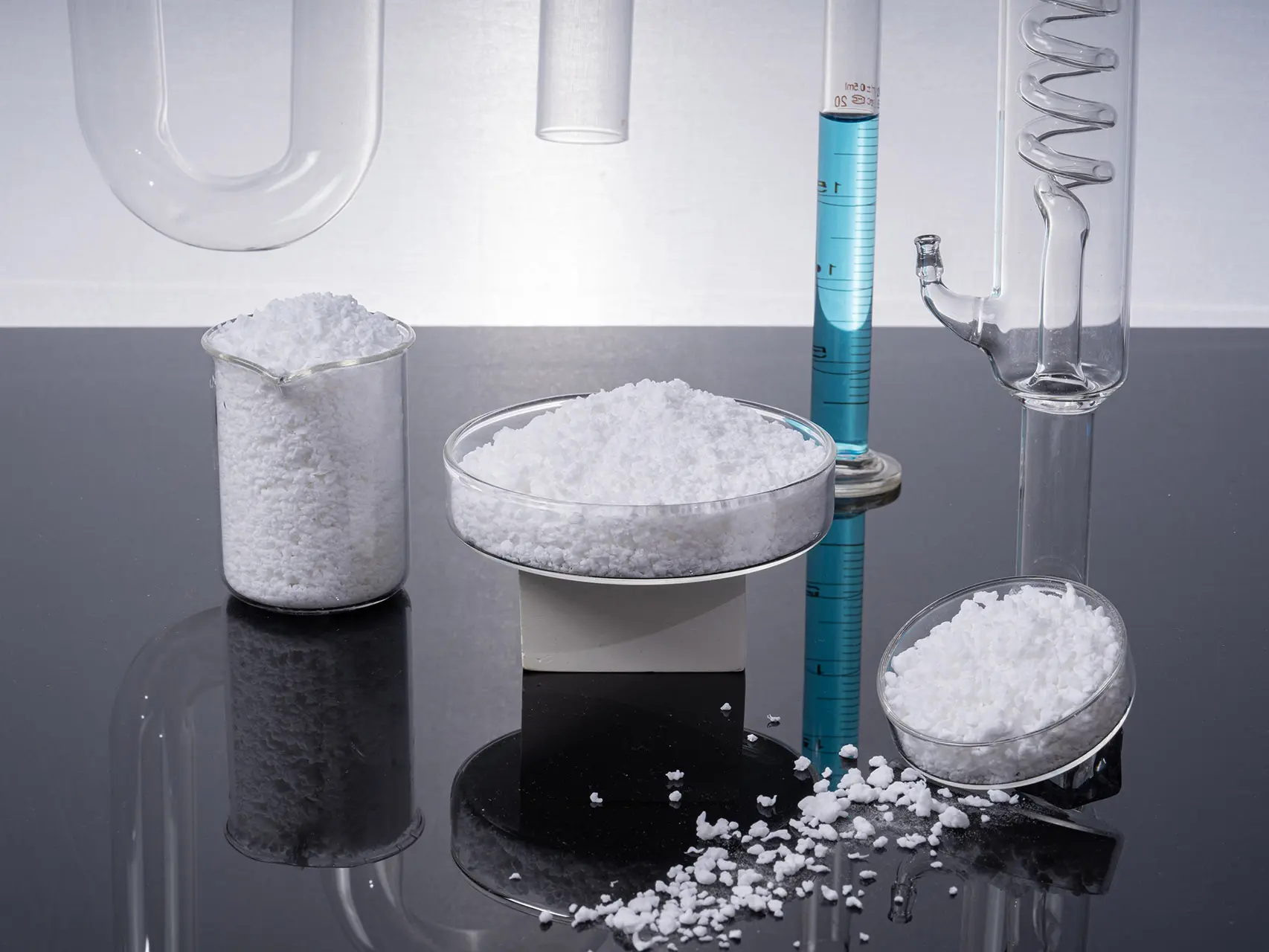
Paraformaldehyde (PFA), molecular formula HO(CH₂O)nH (where n is the degree of polymerization ranging from 8 to 100), represents the solid polymerized state of formaldehyde. As a highly active, high-purity solid carrier of formaldehyde gas, PFA is prized for its efficiency in condensation chemical reactions where water presence must be minimized. However, its stability profile is deeply thermodynamic, meaning that temperature and relative humidity directly govern its state.
Under elevated storage temperatures, the polymer chain undergoes depolymerization (unzipping reaction). This degradation releases volatile, gaseous formaldehyde. As temperatures rise past certain threshold values, the vapor pressure of formaldehyde gas within sealed systems rises exponentially, presenting severe container pressure, toxic hazards, and structural degradation of the raw material.
Maintaining a rigorous microclimate is crucial. Overexposure to moisture further accelerates depolymerization and subsequent recrystallization, leading to the formation of physical caking. Caked or agglomerated PFA displays reduced dissolution kinetics and diminished chemical reactivity, making storage temperature control the single most critical variable in quality preservation.
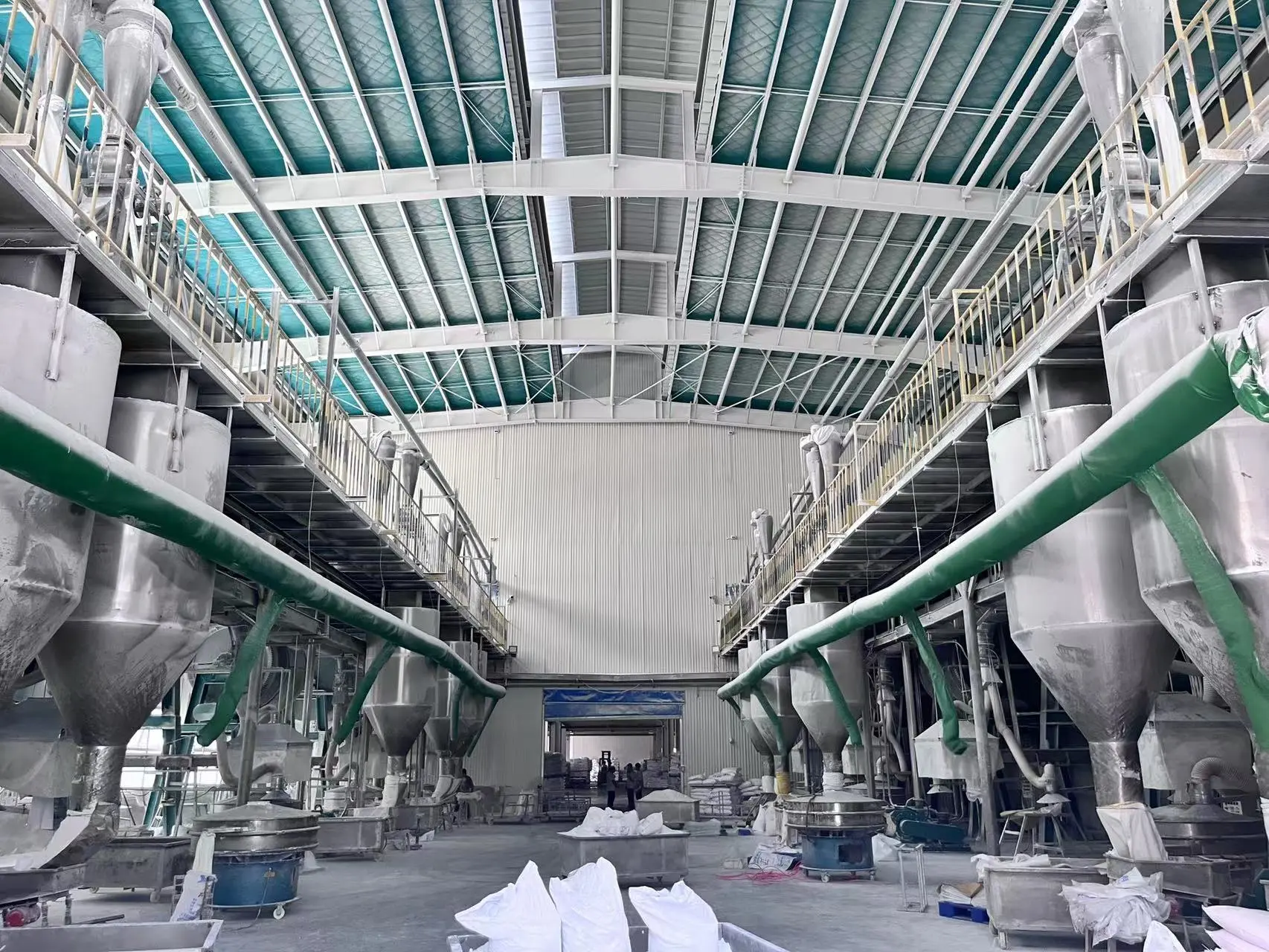
A data-backed matrix detailing how storage temperatures impact physical stability, shelf life, and process efficacy.
| Temperature Range | Stability Level | Formaldehyde Vapor Pressure | Recommended Action / Mitigations |
|---|---|---|---|
| Below 15°C (59°F) | Exceptional | Negligible (< 0.05 kPa) | Ideal for long-term reserves. Maintain dry air flow to prevent moisture condensation. |
| 15°C to 25°C (59°F to 77°F) | Standard Industrial Optimal | Very Low (< 0.2 kPa) | Standard warehouse temperature profile. Recommended for active stock processing. |
| 25°C to 35°C (77°F to 95°F) | Marginal / Monitored | Moderate (0.2 to 0.8 kPa) | Short-term storage only. Ventilation cycles must be increased to dilute gas accumulation. |
| Above 35°C (> 95°F) | Critical Hazard | High (> 1.5 kPa) | Avoid. Severe depolymerization occurs. Leads to caking, bag bloating, and high emission levels. |
Temperatures exceeding 30°C initiate localized depolymerization, shifting the polymer equilibria and releasing high concentrations of toxic formaldehyde gas into localized atmospheres.
Fluctuating temperatures create cyclic micro-vaporization and condensation of formaldehyde within bag structures. The resulting crystals bridge polymer particles, leading to solid caking.
Warm, dry storage areas with compromised relative humidity elevate electrostatic potential in PFA powders. Standard storage must feature anti-static ground lines and strict spark mitigation.
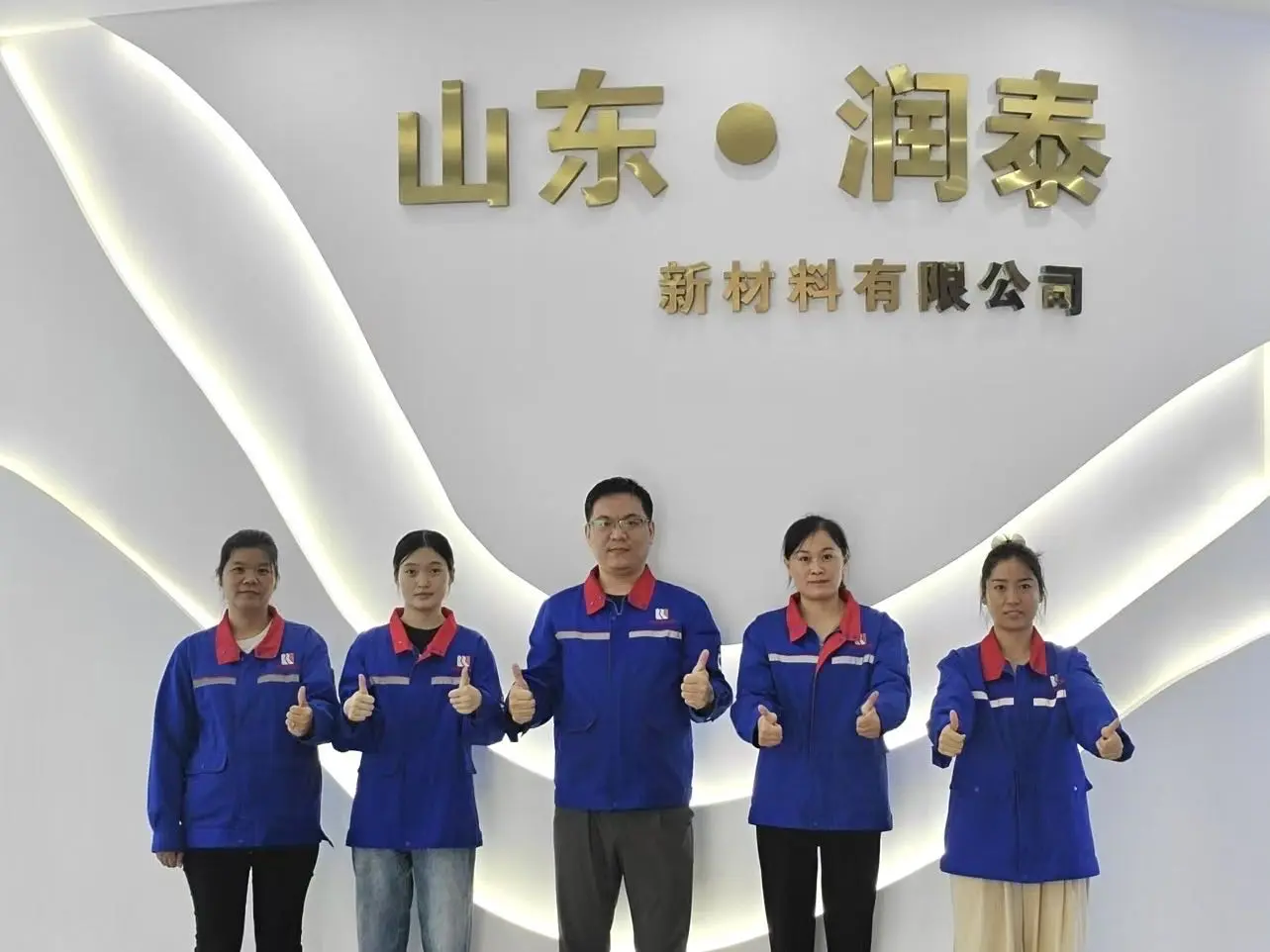
Managing PFA safety starts at the drawing board of facility storage complexes. Standard compliance requires ATEX-rated explosion-proof infrastructure. Facilities must feature separate fire compartments, equipped with continuous temperature monitoring sensor arrays that feed directly into the central plant DCS (Distributed Control System).
Proper air ventilation design is mandatory. Storage rooms must maintain negative pressure with dedicated exhaust lines drawing air from low points (due to the relative density of vaporized formaldehyde) and running it through wet scrubbing systems or catalytic converters to neutralize vapor load.
Logistical challenges are especially pronounced during transoceanic shipping. Freight container interiors under high solar radiation can easily reach 50°C to 60°C when crossing equatorial shipping routes. Runtai mitigates this risk by deploying thermally insulated container linings, desiccants, and optimized shipping schedules, preserving the raw material structure and preventing premature aging during transport.
How the storage quality of Paraformaldehyde directly determines the performance and cost efficiency of final industrial derivatives.
High-quality, uncaked PFA with low water content is critical in manufacturing Urea-Formaldehyde (UF) and Melamine-Formaldehyde (MF) resins. Standard storage ensures correct reaction stoichiometry, maximizing cross-linking density and reducing toxic emissions in particle board production.
In glyphosate and other herbicide production, storing PFA at the optimal temperature avoids premature decomposition, guaranteeing stable chemical raw material addition ratios and preventing catalyst poisoning in organic synthesis plants.
In producing Melamine Moulding Compounds (MMC), temperature-controlled raw material PFA preserves the flowability and curing time parameters, yielding smooth, blemish-free finishes on final molded tableware and industrial plastics.
A Global Pioneer in High-Performance Fine Chemical Manufacturing
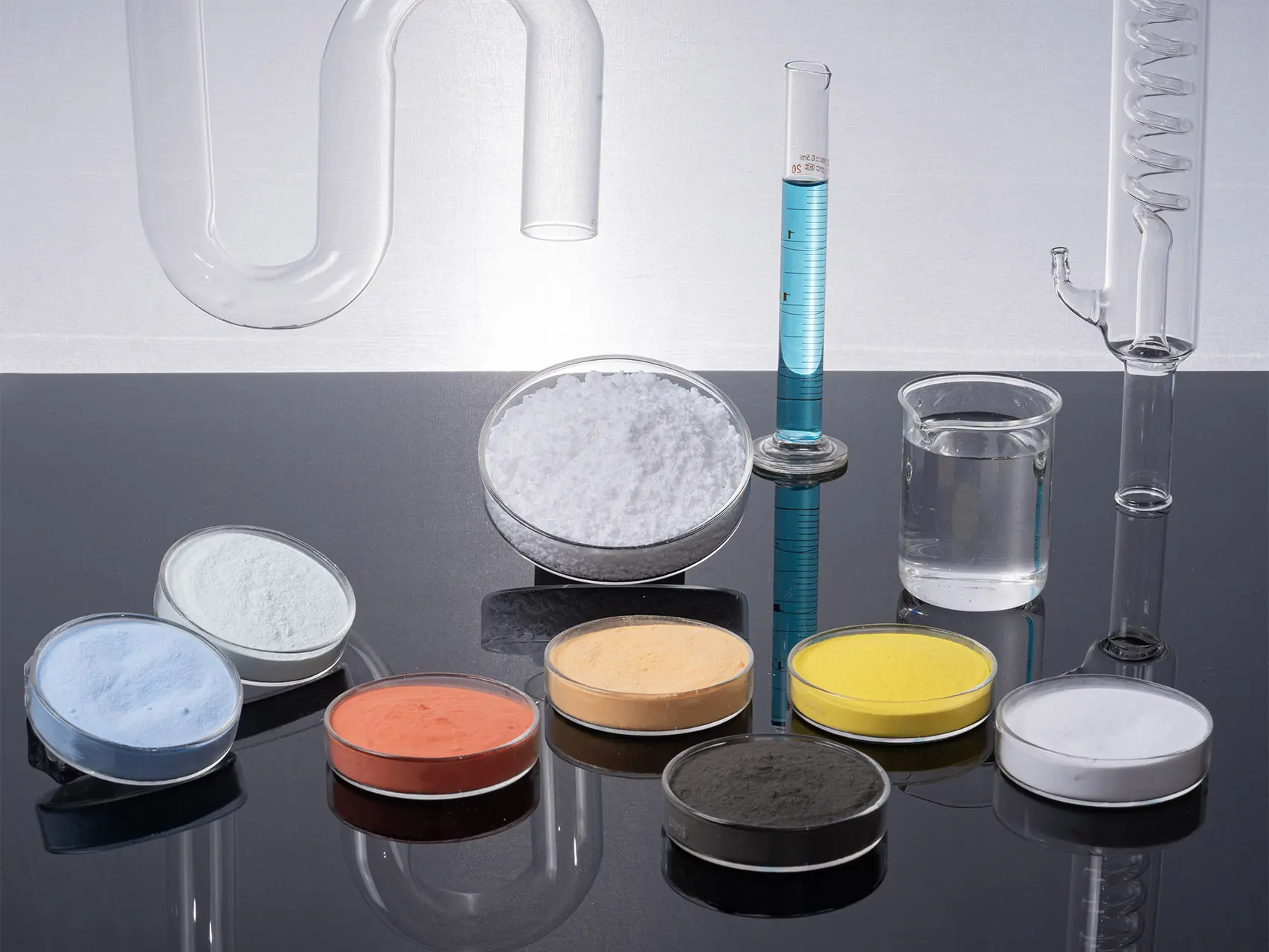
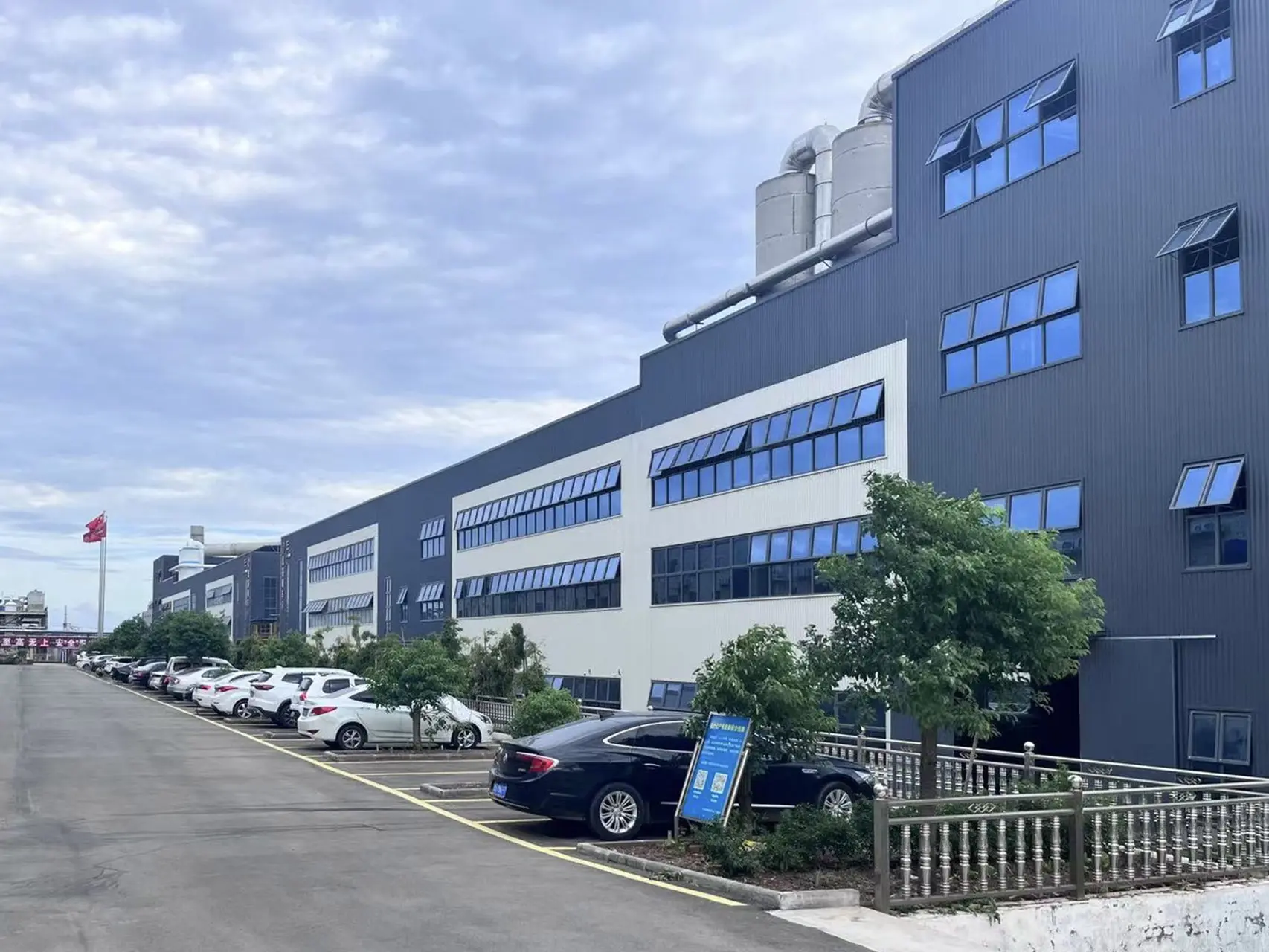
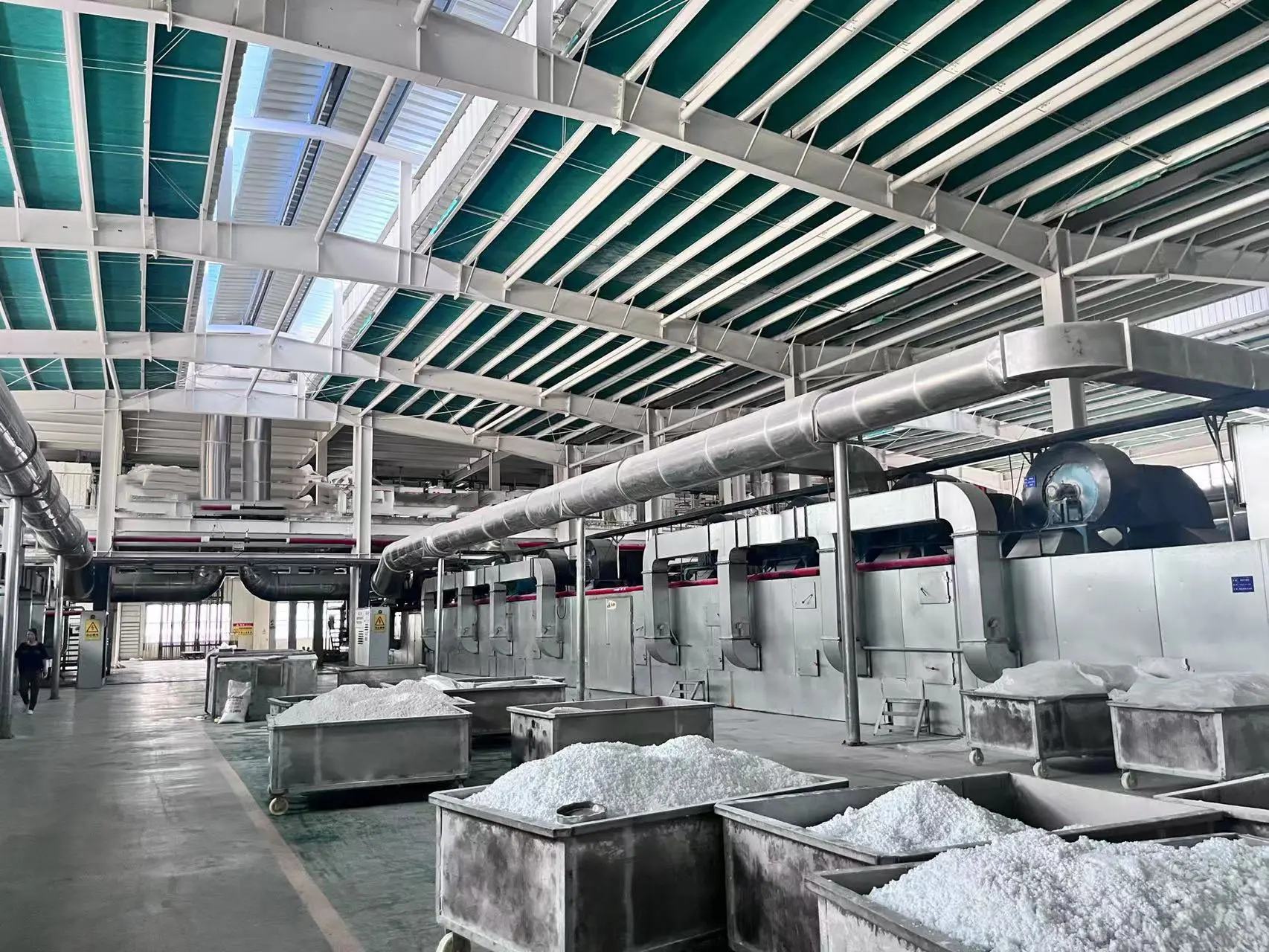
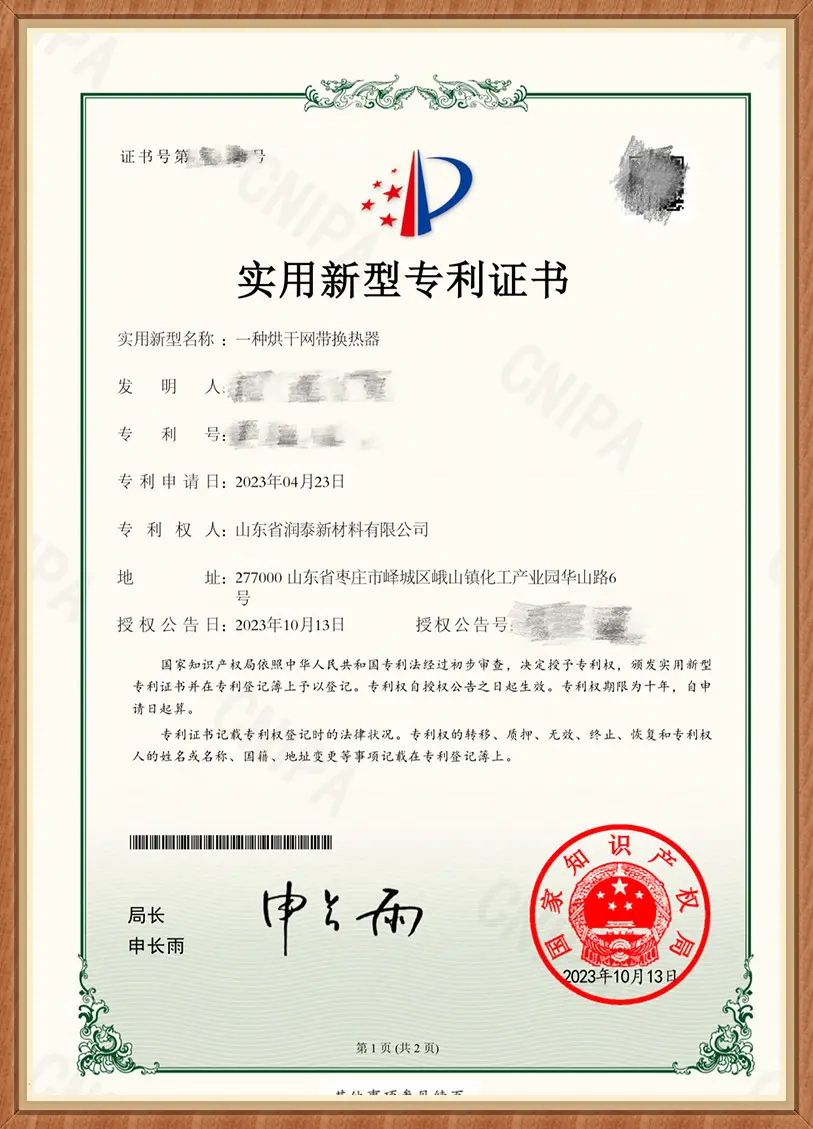
Founded in March 2020, Shandong Runtai New Materials Co., Ltd. is a comprehensive group firm that specializes in fine chemical products. Our primary products include formaldehyde, polyformaldehyde, urea formaldehyde resin, melamine powder and melamine glazing powder. The corporation has branches in five different cities throughout the whole country, with its headquarters located in Zaozhuang City, Shandong Province. Runtai New Materials covers an area of 270,000 square meters with a total investment of 2.06 billion yuan.
Our commitment lies in developing and producing eco-friendly products that minimize their negative effects on the environment while adhering to pertinent laws, regulations, and standards. The "quality first, customer first" attitude has always guided our business, and we embrace customer service with honesty and professionalism. Friends from both domestic and foreign locations are warmly invited to visit Runtai New Materials.


Operating in alignment with regional and international chemical safety framework organizations.
Paraformaldehyde is classified as a hazardous chemical under GHS: Flammable Solid (Category 2), Acute Toxicity (Category 4), Skin Irritation (Category 2), Skin Sensitization (Category 1). Proper labeling is vital.
Occupational limits dictate exposure limits (PEL) of 0.75 ppm as an 8-hour time-weighted average (TWA). Real-time formaldehyde gas monitor installation is recommended across handling zones.
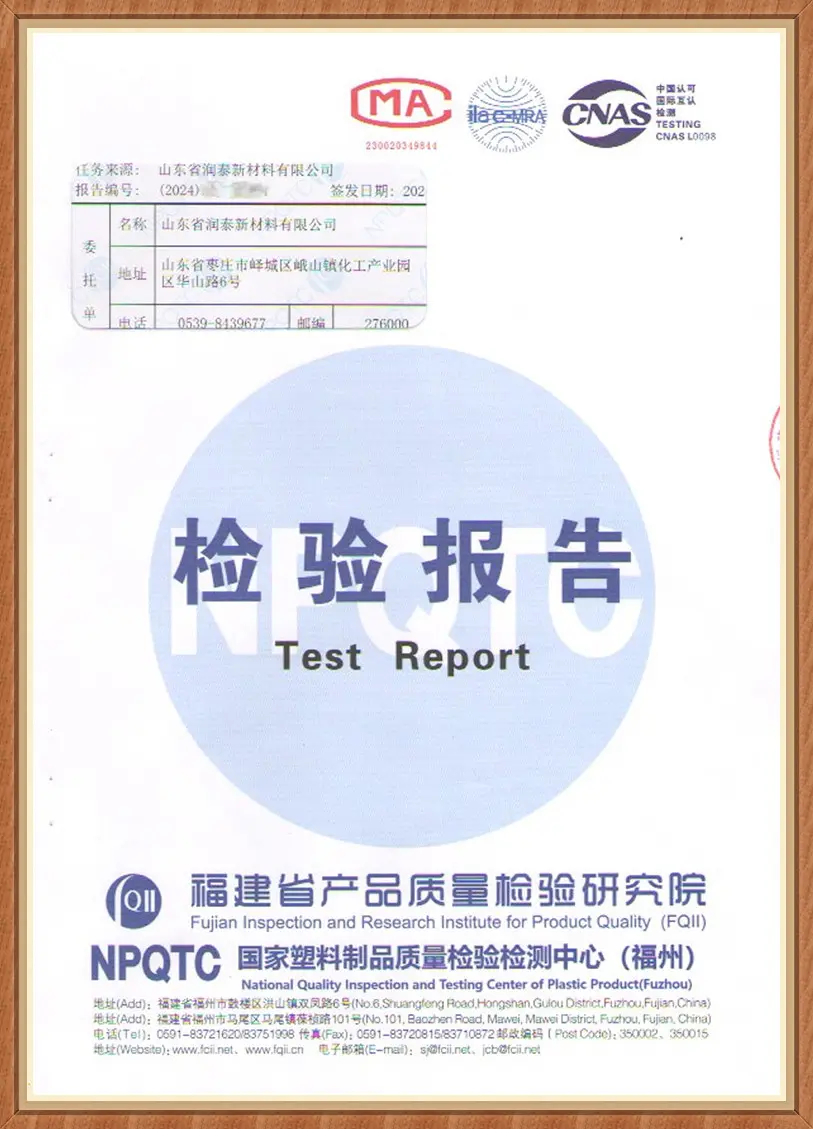
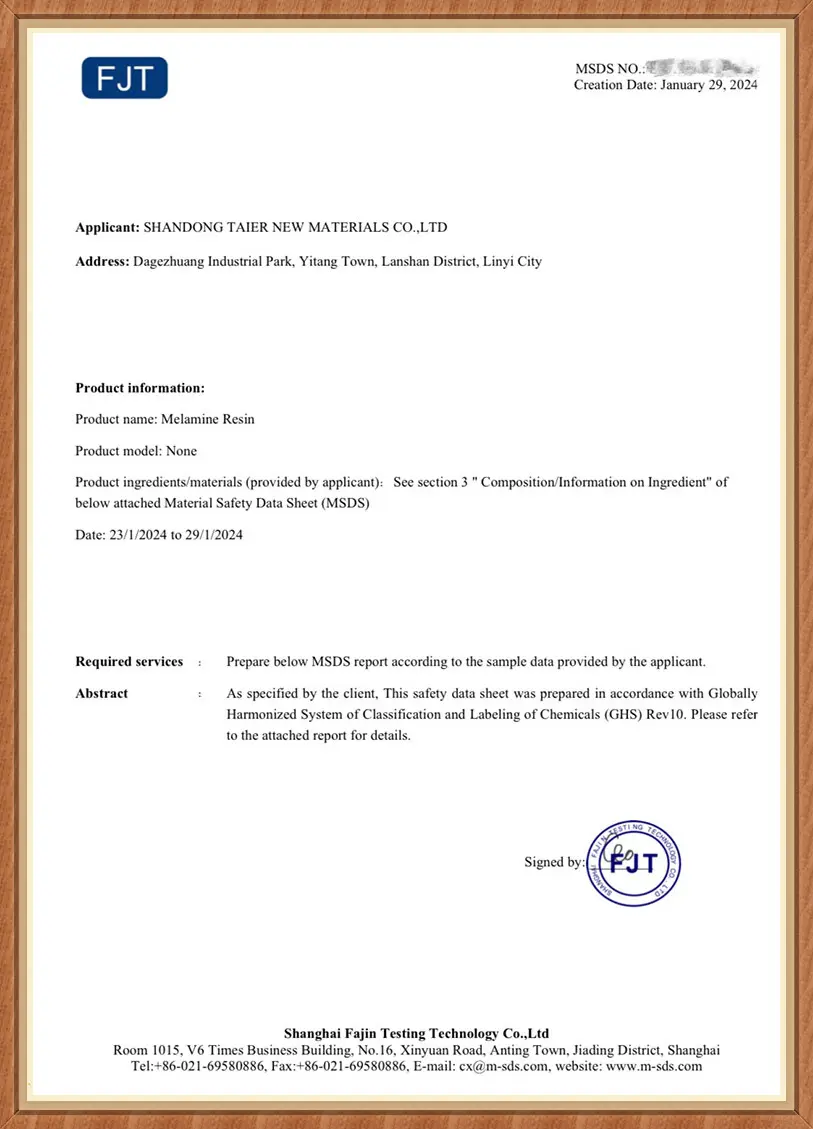
Our raw materials comply with the European REACH standards, guaranteeing compliance and safety in raw materials for export into EU member states.
Developing cleaner, safer solid formaldehyde carrier systems for the global chemical market.
Investigating organic polymer stabilizers that lock the formaldehyde ring configuration, preventing thermal depolymerization during storage while maintaining rapid release at process temperatures.
Integrating color-reactive dye sensors directly onto bag inner surfaces. These change color if formaldehyde concentrations rise, indicating unsafe temperature levels inside bulk shipping containers.
Partnering with academia to engineer next-generation solid alternatives that reduce VOC generation during synthetic processing of wood coatings and dinnerware glazing coatings.
Essential expert knowledge concerning Paraformaldehyde handling, storage, and performance maintenance.
Choose from our verified chemical product line for coatings, resins, compounds, and additives.
 Runtai