High-purity formaldehyde, premium resins, and functional industrial thickeners engineered for international distribution channels.
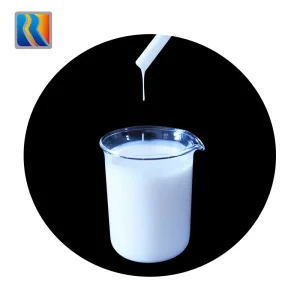
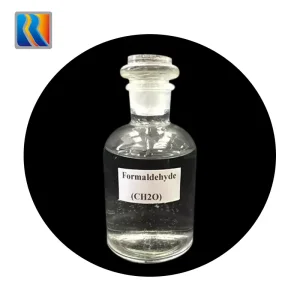
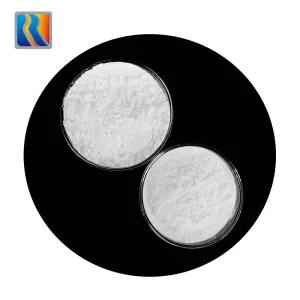
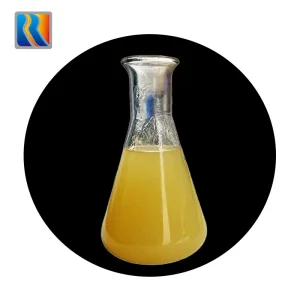
Paraformaldehyde (PFA), categorized as a solid polyoxymethylene glycol, serves as a high-density, highly concentrated form of formaldehyde. In comparison to aqueous formaldehyde solutions (formalin), which suffer from transport restrictions due to high water-weight costs and strict environmental safety controls, solid paraformaldehyde provides massive logistical and synthesis process efficiencies. Globally, the chemical process industries (CPI) are shifting towards solid-state aldehyde raw materials to optimize reactor throughput, reduce wastewater load, and limit volatile organic compound (VOC) emissions.
Within this global landscape, China has consolidated its position as a leading manufacturing hub. The availability of low-cost coal gasification routes for methanol synthesis, paired with integrated vertical chemical parks, allows Chinese manufacturers to offer superior economy of scale. Runtai New Materials has emerged as a key industrial force, leveraging deep process optimization to produce paraformaldehyde and downstream amino resins that satisfy the rigid tolerances of international manufacturers.
Traditional formalin solutions contain up to 63% water, requiring intensive vacuum distillation during subsequent polymerization processes. By utilizing Paraformaldehyde (purity range 92%-96%), manufacturers drop the water addition by over 80%. This effectively maximizes reactor vessel utilization, reduces energy expenditure for water evaporation, and yields cleaner, more uniform polymer matrix chains.
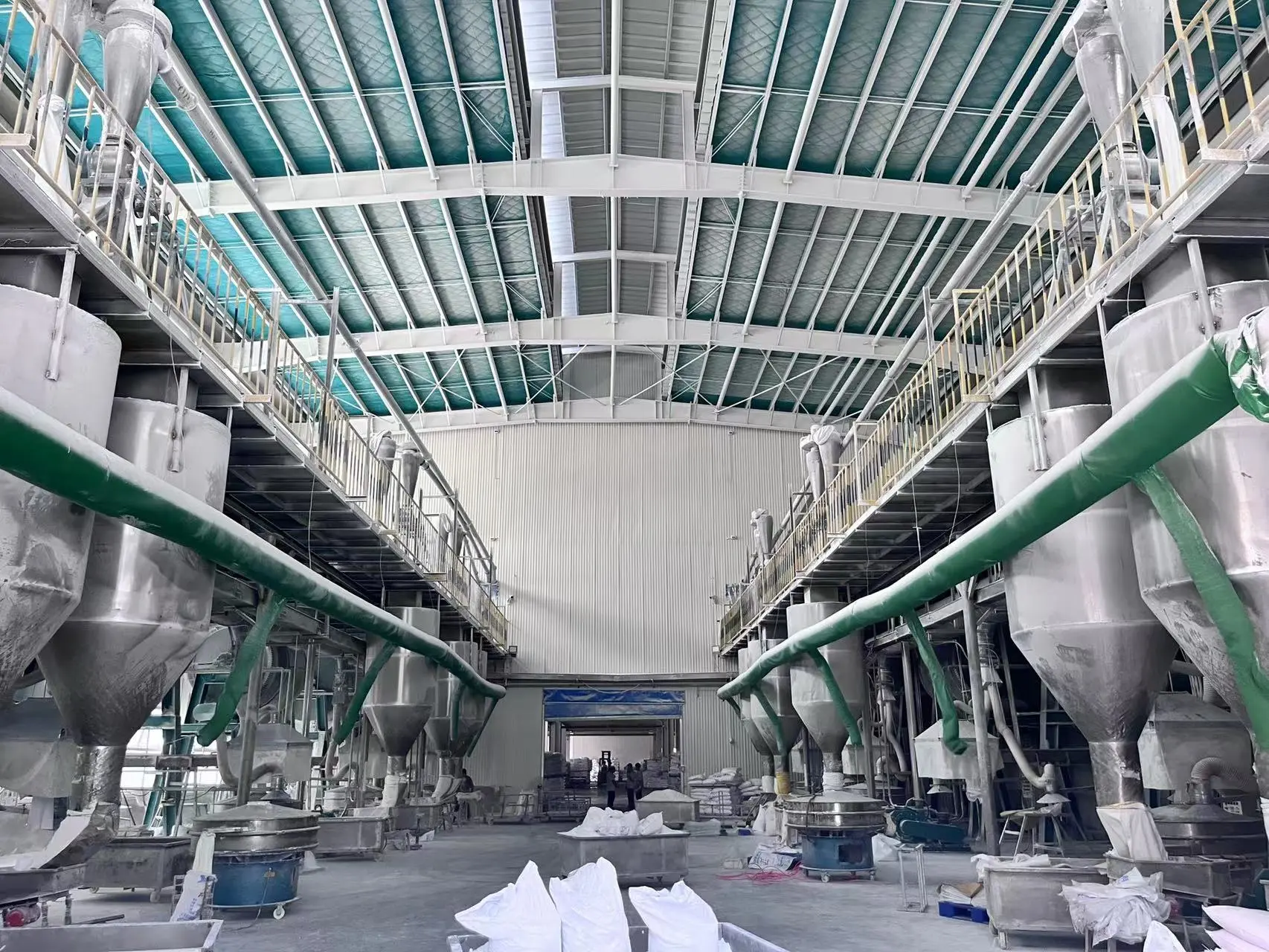
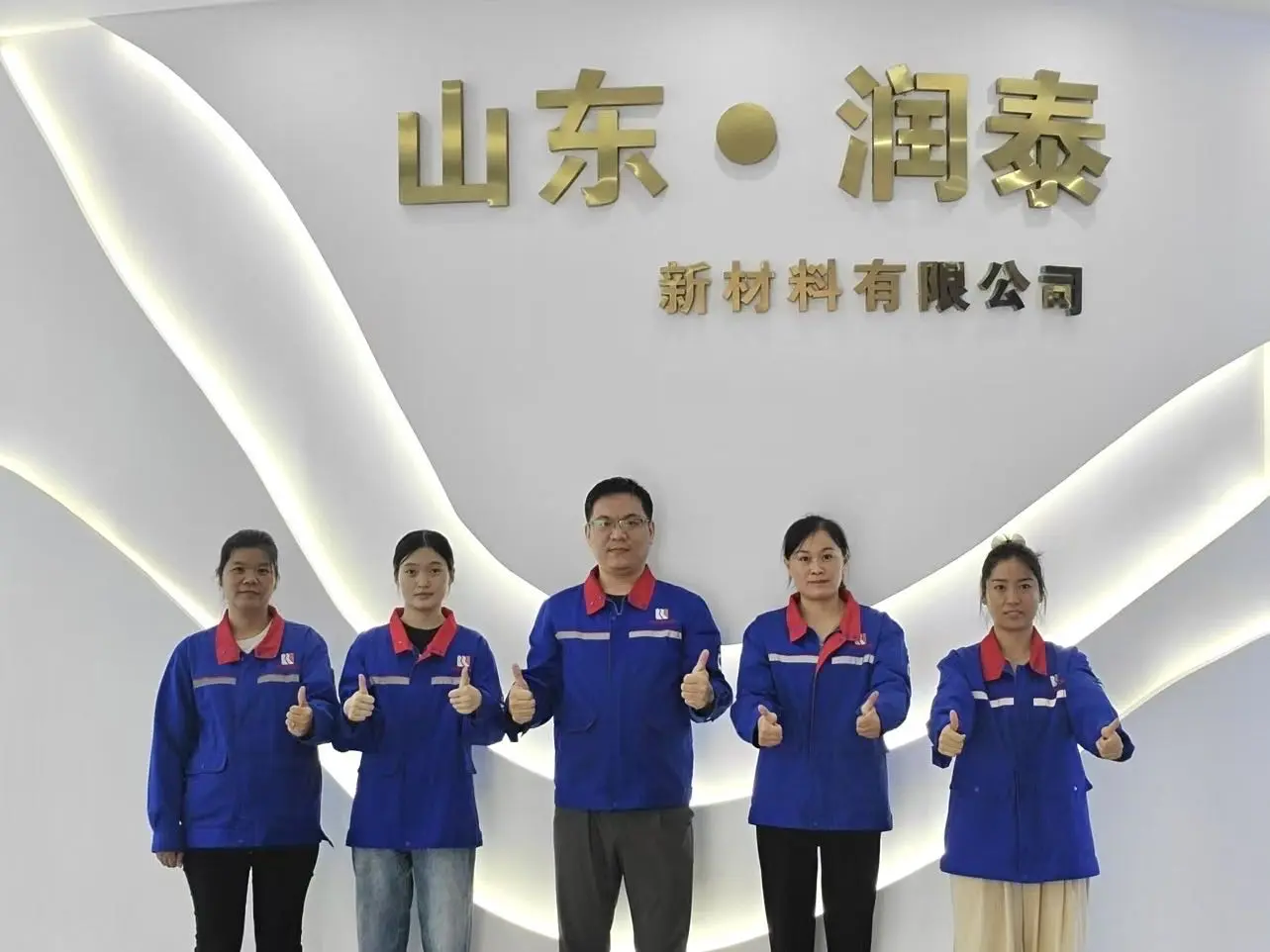
Founded in March 2020, Shandong Runtai New Materials Co., Ltd. has quickly scaled to become a comprehensive chemical group specializing in fine chemicals, thermosetting resins, and specialty additives. Operating from its corporate headquarters in Zaozhuang City, Shandong Province, the company has expanded its supply footprint with branch networks across five domestic cities to guarantee stable domestic supply and prompt logistics dispatch.
The company operates a state-of-the-art production complex covering 270,000 square meters, supported by a total capital investment of 2.06 billion yuan. This massive investment ensures that all operations utilize advanced processes designed to limit energy consumption and minimize environmental impact.
Our production line runs on a state-of-the-art Distributed Control System (DCS), integrating temperature, pressure, feed ratios, and catalyst additions into a closed-loop monitoring matrix. This reduces human error, guarantees batch consistency, and maintains optimal polymerization conditions for Paraformaldehyde.
Catalytic conversion of gaseous methanol to formaldehdye using silver or iron-molybdenum oxide catalysts under tight thermal control.
Controlled concentration of raw formalin solution to remove water, initiating short-chain condensation polymerization of methylene glycol.
Fluidized-bed drying or spray granulation processes yielding solid paraformaldehyde flakes or prills with low residual moisture.
Quality assurance screening via HPLC and Karl Fischer titrations to ensure final active concentration remains above 92%-96%.
Paraformaldehyde is widely utilized in industrial organic syntheses. Standardized specifications dictate high purity and regulated dissolution properties. As global environmental protocols become stricter, multinational chemical procurement officers require suppliers to provide comprehensive analytical documentation, REACH declarations, and optimized packaging configurations.
In the manufacture of Urea-Formaldehyde (UF), Melamine-Formaldehyde (MF), and Phenolic (PF) resins, Paraformaldehyde is highly valued for its low water content. This allows the synthesis of high-solid resins used in durable exterior plywood, particle boards, and industrial laminates without the need for extensive, costly water removal processes.
Paraformaldehyde is key in synthesizing herbicides such as Glyphosate, Acetochlor, and Butachlor. The process requires a dry aldehyde source to form advanced intermediates, minimizing waste byproduct streams and protecting catalyst activity.
From architectural paints to automotive finishes, PFA is used to prepare crosslinking agents and resin hardeners. It also serves as a raw material for producing pharmaceutical compounds, sanitizers, and specialty dyestuffs.
| Parameter | Aqueous Formaldehyde (Formalin) | Paraformaldehyde (PFA) |
|---|---|---|
| Active Aldehyde Content | 37% - 50% | 92% - 96% |
| Physical Form | Liquid solution | Granular / Powder / Flake |
| Water Content | 50% - 63% | < 4% - 8% |
| Transportation Hazard | Class 8 (Corrosive Liquid) | Class 4.1 (Flammable Solid) |
| Storage Stability | Requires heating to prevent precipitation | Stable under dry, cool conditions |
Why global chemical procurement managers select Runtai New Materials as their primary supply partner.
Following the completion of our melamine project, Runtai has become a leading Chinese enterprise in research, production, sales, and application of new chemical materials with formaldehyde as raw materials. Melamine materials are projected to maintain a leading market share nationwide.
Our production processes follow the guidelines of automatic control, safe operation, stable throughput, and comprehensive resource utilization. Advanced DCS integration controls parameters across the line, maintaining quality and lowering raw material consumption.
To meet product quality demands, we select modern, reliable production and testing devices from leading domestic and international suppliers. We continuously work to increase automation, reduce labor intensity, boost productivity, and lower testing and production costs.
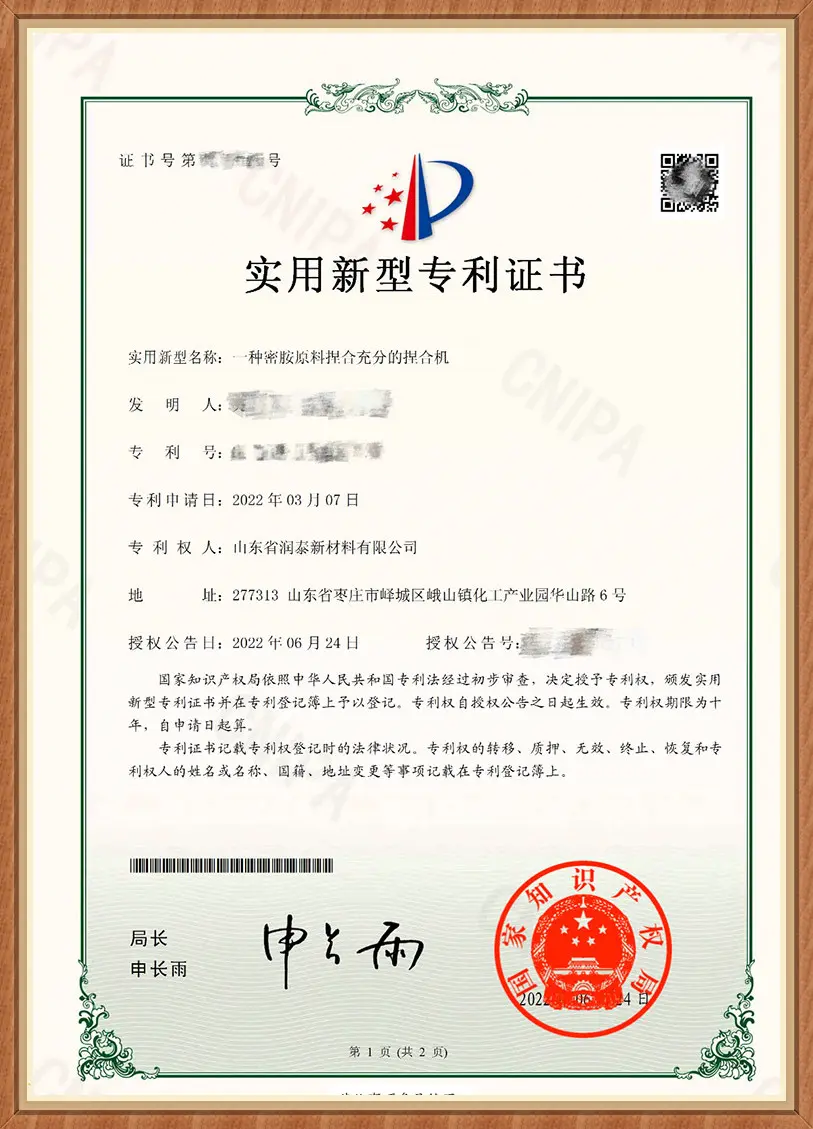
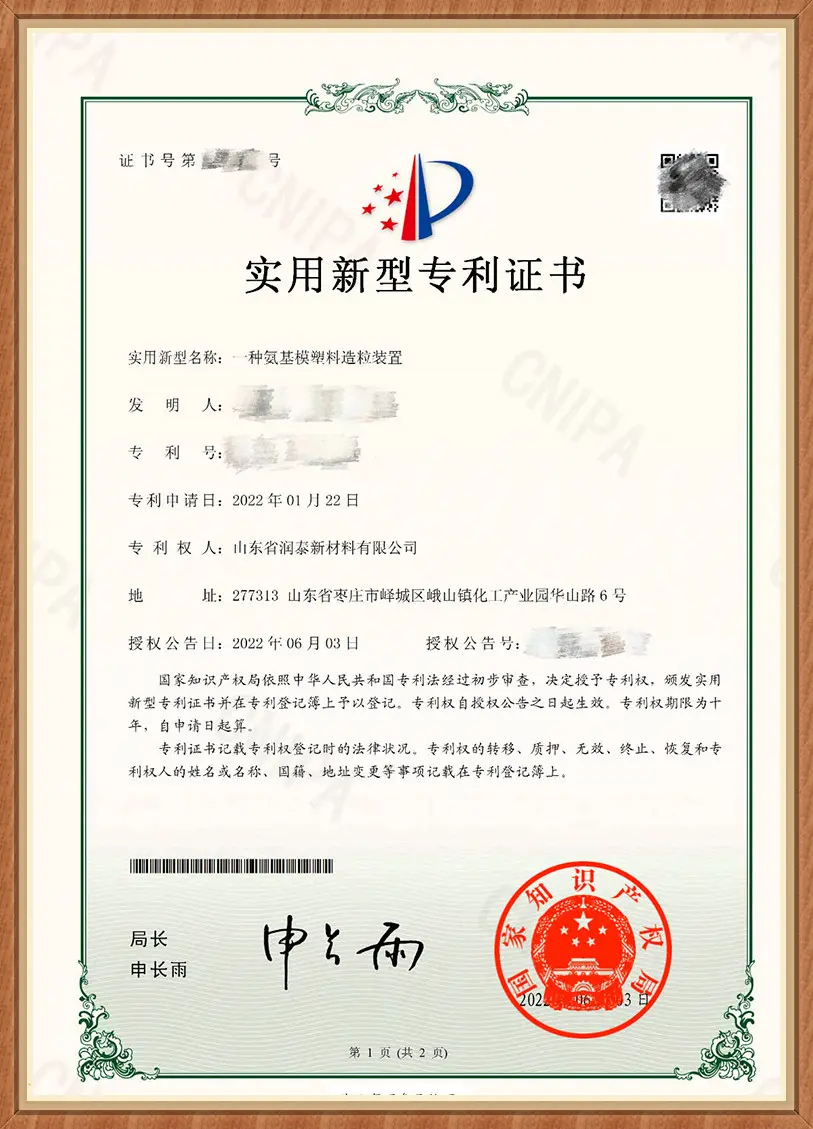
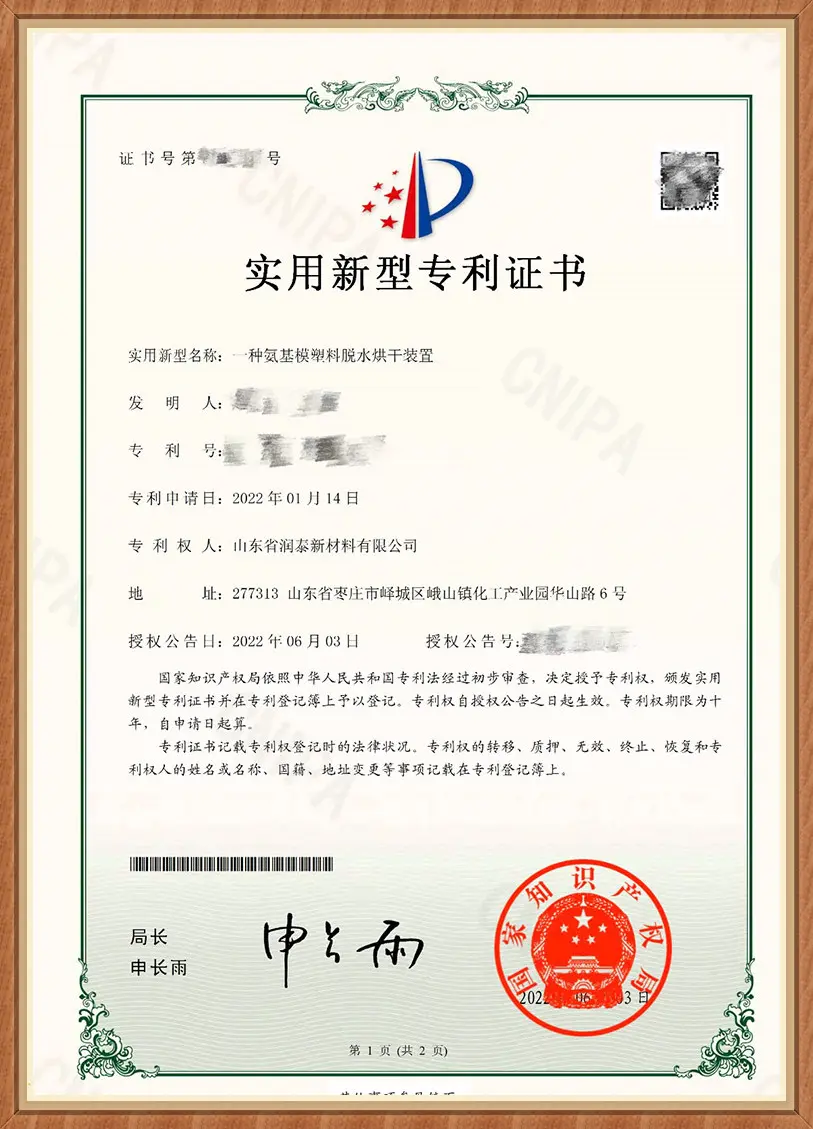
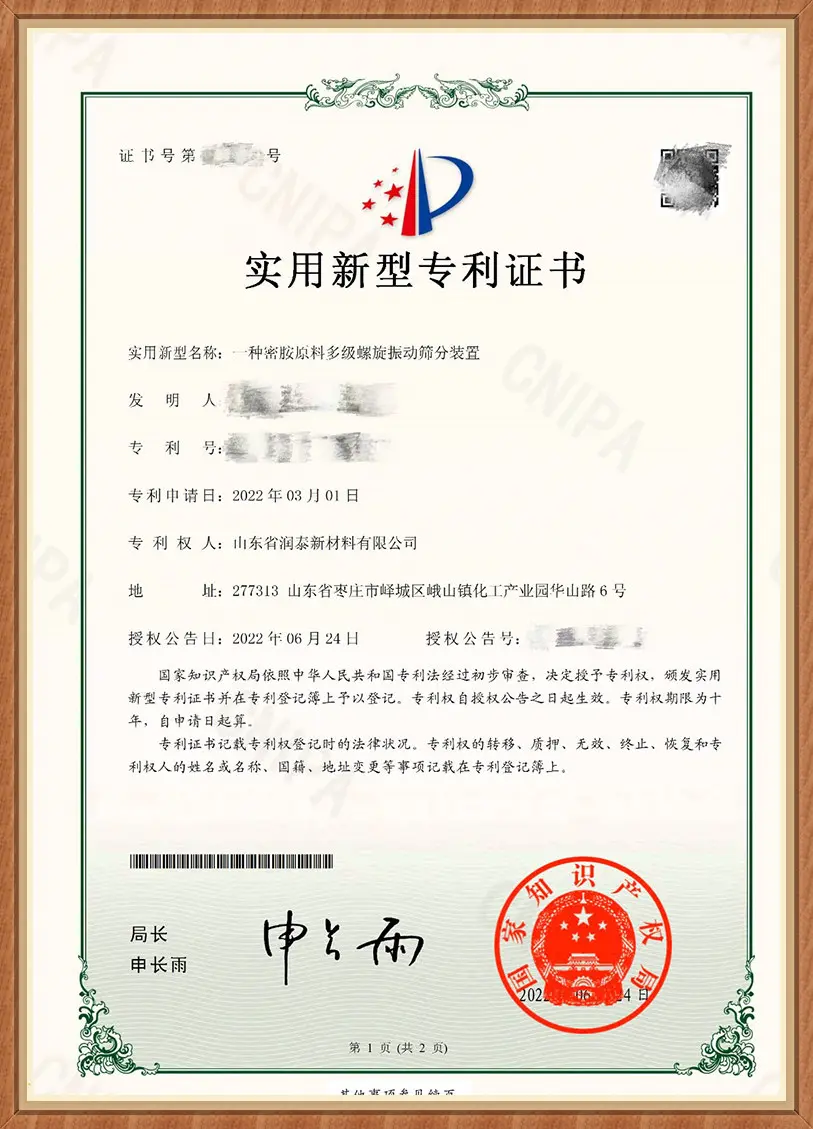
Runtai collaborates with the Changzhou Research Institute of Beijing University of Chemical Technology and other scientific institutions on integrated research, production, and sales. The company has a specialized doctoral R&D team and several patented technologies.
Our formaldehyde-based chemical materials offer high potential for downstream extension. Derivative products are widely used in adhesives, coatings, resin plastics, dyes, basic pharmaceuticals, electronics, electrical machinery, and upgrading consumer materials.
Runtai New Materials operates as a socially responsible manufacturer. We prioritize sustainable development and environmental preservation across all operations. Our commitment lies in developing and producing eco-friendly chemical products that minimize their negative effects on the environment while adhering to relevant local and international laws, regulations, and industry standards.
Following our "quality first, customer first" philosophy, we provide professional support for global export operations. This includes customized product packaging, Class 4.1 hazardous shipping documentation, and REACH registration for European buyers, ensuring seamless logistics and compliance.
Every shipment is accompanied by a Certificate of Analysis (COA) generated by our specialized testing laboratory. Runtai maintains ISO 9001 and ISO 14001 certifications, ensuring all production batches undergo rigorous screening for volatile impurities, active concentration, and dissolution properties.

Independent third-party audits and intellectual properties confirming our industry-leading quality standards.
Answers to technical and logistics questions from professional chemical buyers.
We supply paraformaldehyde with active concentrations of 92% to 96%. The remaining content consists of bound water and trace stabilizer components, which helps minimize process adjustments during resin and agrochemical synthesis.
Paraformaldehyde is a solid-state concentrated aldehyde (92%+ active content). Using PFA reduces water addition by up to 80% compared to liquid formalin. This increases batch yield per reactor, cuts energy use, and limits industrial wastewater output.
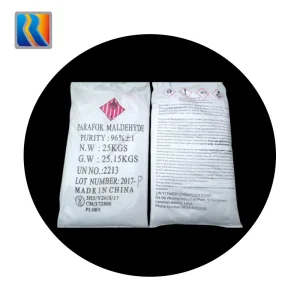
Paraformaldehyde is classified as a Class 4.1 Flammable Solid (UN 2213). It must be stored in dry, cool, well-ventilated warehouses away from open flames, heat sources, and oxidizers. Workers should use personal protective equipment (PPE), including dust masks and chemical safety glasses.
We offer standard 25kg PP/PE woven bags, moisture-proof paper bags, or 500kg/1000kg bulk bags. Our location close to Qingdao Port allows us to coordinate containerized shipments with full hazardous cargo documentation (MSDS, UN packaging certificate).
Yes. We adjust the average degree of polymerization (ranging from 8 to 100 units) to meet specific dissolution requirements. Buyers can contact our R&D team to customize the depolymerization rate to match their process temperatures.
Our plant operates integrated gas-recovery incinerators and closed-loop process wastewater recycling systems. By using energy-efficient DCS technology, we comply with national and international environmental standards, minimizing the environmental footprint of our operations.
Downstream specialty compounds, additives, and high-performance resins.
 Runtai