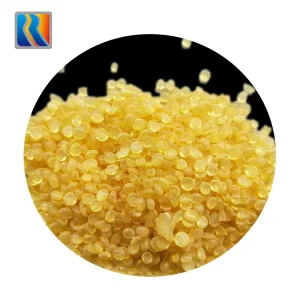
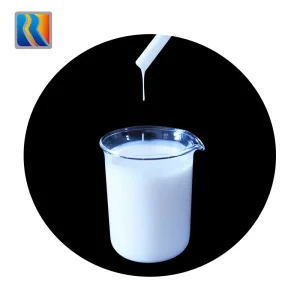
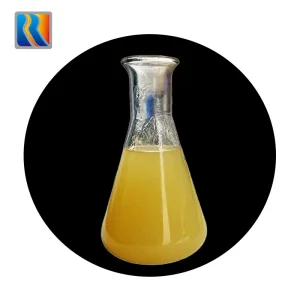
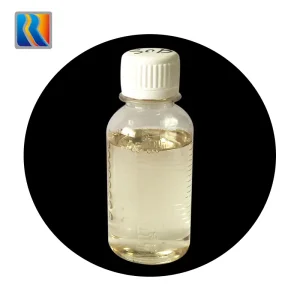
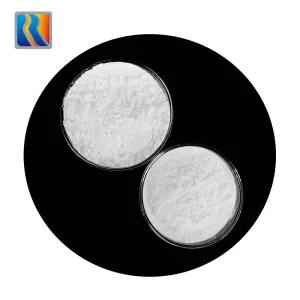
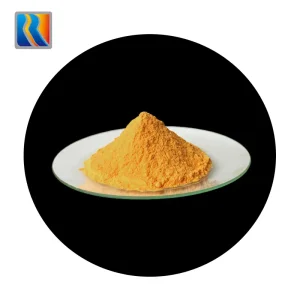
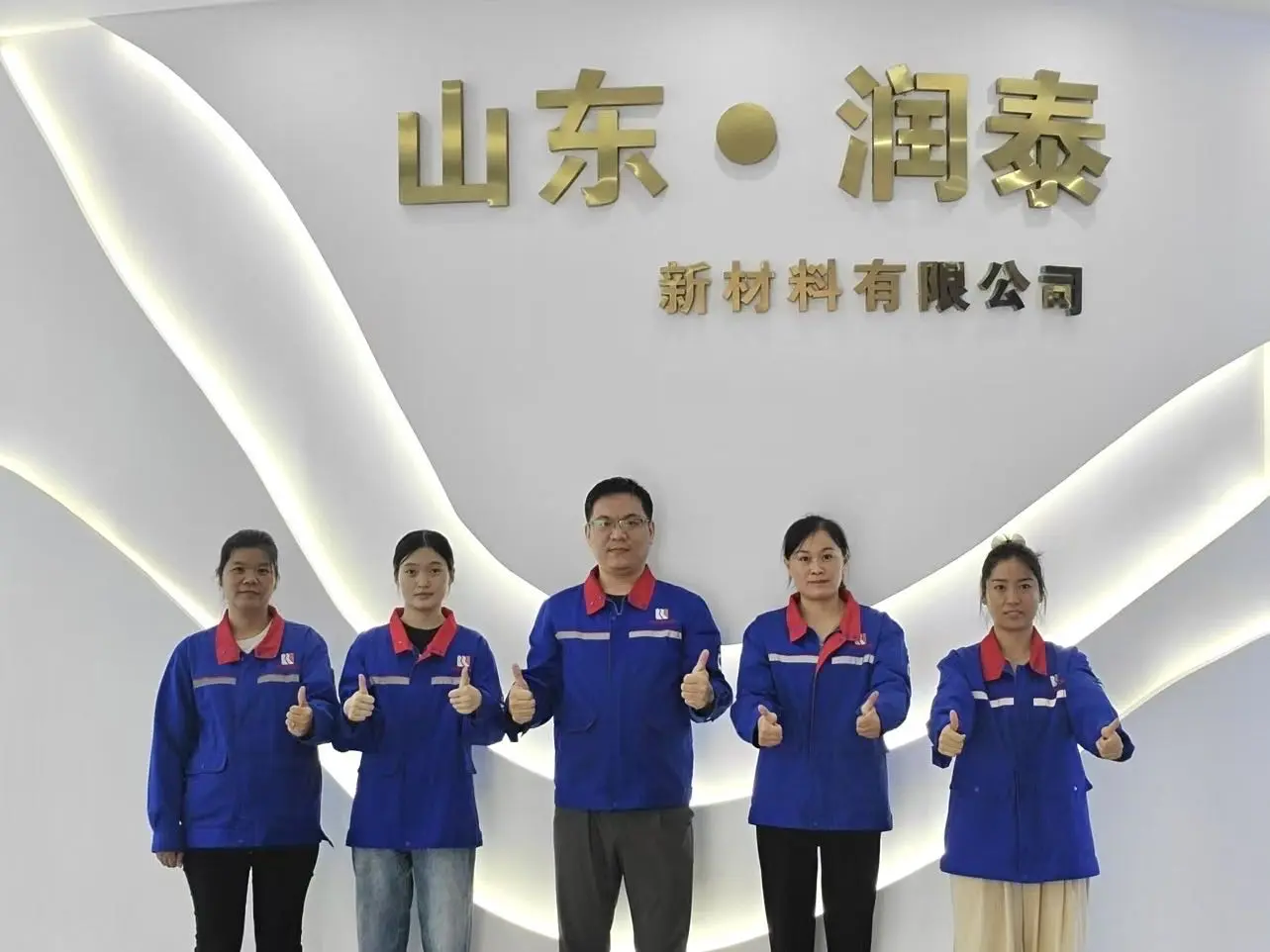
Founded in March 2020, Shandong Runtai New Materials Co., Ltd. is a comprehensive, state-of-the-art chemical group specializing in fine organic intermediates and synthetic resins. Strategically headquartered in Zaozhuang City, Shandong Province, the corporation operates dynamic branches in five key industrial cities nationwide. Spanning an expansive area of 270,000 square meters with an aggregate capital investment of 2.06 billion yuan, we have consolidated our position as a leader in China's fine chemical sector.
Our primary manufacturing operations focus on the upstream-to-downstream integration of Formaldehyde, high-purity Paraformaldehyde, Urea Formaldehyde resin, Melamine, and Melamine glazing powder. By coordinating raw material logistics and employing advanced synthesis processes, we serve critical industrial sectors globally including automotive polymers, woodworking adhesives, construction materials, and agriculture.
An authoritative analysis of chemical properties, global supply chain dynamics, and chemical efficiency optimizations in modern manufacturing environments.
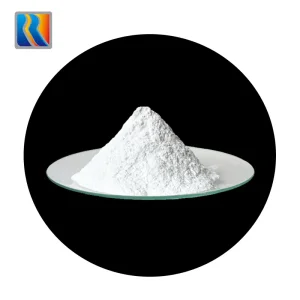
Paraformaldehyde (PFA) represents the shortest-chain solid polyoxymethylene polymer, typically formulated as HO(CH2O)nH, where the degree of polymerization (indicated by 'n') ranges from 8 to 100. Synthesized through the catalytic dehydration of aqueous formaldehyde solutions, PFA is classified under CAS Number 30525-89-4. Characterized by its dry, white crystalline solid form, it functions as a highly efficient formaldehyde precursor, releasing gaseous monomeric formaldehyde upon heating or depolymerization under basic or acidic aqueous conditions.
Unlike liquid formalin solutions, which typically require methanol stabilization and carry significant weight and water-disposal shipping overheads, solid Paraformaldehyde minimizes transport bulk. PFA delivers higher reactive concentration, minimal water introduction during polymerization reactions, and substantially lower VOC storage footprints, establishing it as the preferred choice for sophisticated chemical synthesis.
| Chemical Property / Parameter | Technical Value / Specifications | Industrial Significance |
|---|---|---|
| CAS Registry Number | 30525-89-4 | International Standard Identifier for Regulatory Compliance |
| Molecular Formula | HO(CH2O)nH (n = 8 - 100) | Controls depolymerization speed and melting characteristics |
| Formaldehyde Content (Assay) | 91.0% ± 1.0% or 96.0% ± 1.0% | Determines active stoichiometry in synthetic reactions |
| Free Water Content | ≤ 1.5% | Prevents premature agglomeration and controls reactant purity |
| Acid Value (as HCOOH) | ≤ 0.03% | Controls pH drifts in downstream resin polymerization |
The international demand for Paraformaldehyde (CAS No. 30525-89-4) is driven primarily by the agricultural chemical manufacturing sector, thermosetting resin producers, and the pharmaceutical industry. Global consumption centers on the production of glyphosate (a dominant non-selective herbicide), acetochlor, and butachlor. In organic resins, PFA is indispensable for modifying Phenol-Formaldehyde (Phenolic), Melamine-Formaldehyde, and Urea-Formaldehyde polymers when excess water must be kept to a minimum.
Western and East Asian markets maintain stringent quality thresholds. Global procurement requires compliance with European REACH mandates, US TSCA regulations, and high consistency in dissolution rates (measured in water or alcohol). As transportation costs fluctuate, selecting factories with immediate deep-water port access and integrated methanol supply loops is crucial for global supply chain resilience.
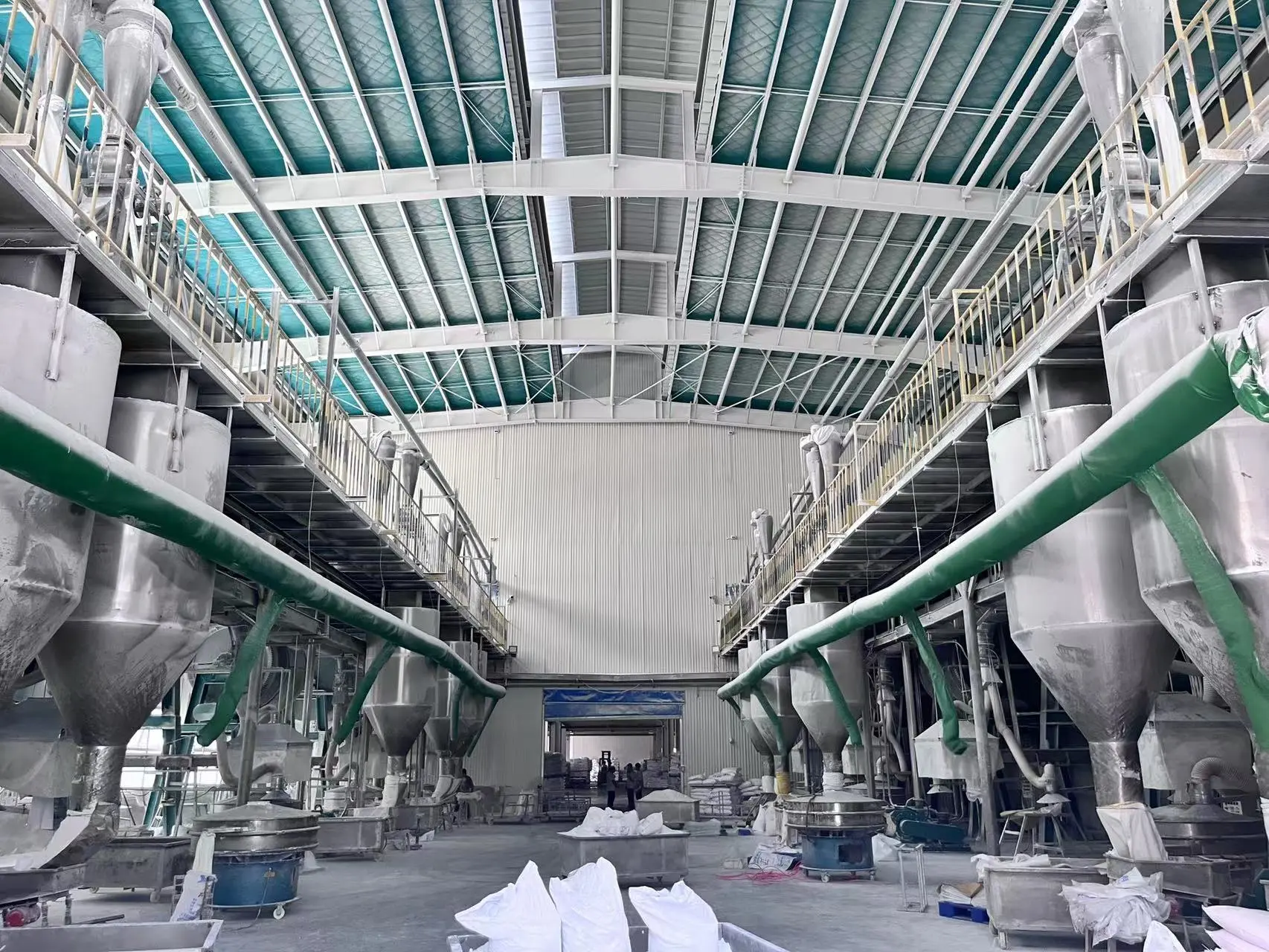
China's chemical manufacturing sector has evolved from a volume exporter into a highly automated, quality-driven hub. Factory facilities like Shandong Runtai New Materials integrate advanced DCS (Distributed Control Systems) to monitor temperature profiles, oxidation catalysts, and crystallization steps in real time. This degree of automation eliminates batch-to-batch variation, ensuring a uniform distribution of polymer chain lengths, which in turn guarantees consistent depolymerization rates for end-users.
Moreover, our vertical integration provides a distinct competitive edge. By feeding raw materials directly through closed pipelines from our massive 380,000-ton formaldehyde unit, we eliminate shipping risks and costs associated with intermediate chemical storage. This structural integration allows us to cushion global clients against raw material cost volatility while guaranteeing a continuous, reliable supply of downstream products.
Runtai New Materials operates at the intersection of process safety, automation, and tailored chemical synthesis. Our advanced Distributed Control System (DCS) continuously monitors temperature, pressure, and flow rates across our entire production line, keeping our operations safe and highly efficient. By reducing human error and stabilizing operating parameters, we achieve high-purity yields while keeping resource consumption low.
Our service architecture is divided into two primary offerings: standard mass production and custom molecular tailoring. Understanding that different industrial applications demand specific reaction kinetics, we adjust particle size distribution, molecular weight profiles, and acid levels to match the exact process configurations of our international buyers. Our dedicated logistics team works with global ocean shipping lines to ensure all class 4.1 flammable solid shipments comply with complex IMDG codes.
Our DCS system provides real-time control of key process parameters. This high level of automation ensures product safety, stable operations, and exceptional quality consistency across production runs.
Our quality control lab features high-end analytical instruments to verify purity, moisture content, and particle size distribution, meeting international standards before shipment.
In partnership with the Changzhou Research Institute of Beijing University of Chemical Technology, our PhD-led R&D team develops proprietary technologies and custom formulations.
At Shandong Runtai New Materials Co., Ltd., we believe industrial manufacturing must go hand in hand with environmental responsibility. Our plant is designed around a circular economy model, capturing and recycling process tail gas to generate steam for our polymerization and drying units. By implementing closed-loop water systems and thermal oxidizers for emissions, we keep our environmental footprint to a minimum.
We are committed to the safety of our workforce and the communities where we operate. Runtai complies with all national environmental laws and international ISO standards, including ISO 9001 (Quality Management) and ISO 14001 (Environmental Management). We actively collaborate with downstream resin manufacturers to develop low-free-formaldehyde formulations, supporting healthier indoor air quality in the consumer wood products market.

How Paraformaldehyde serves as a key building block across diverse manufacturing and organic synthesis processes.
Used in the production of high-performance Phenolic, Melamine, and Urea resins. Because it introduces minimal water, it allows for high-solids adhesive formulations, which helps reduce pressing times and prevents warping in plywood and MDF manufacture.
Serves as a crucial source of formal group intermediates for synthesize active ingredients in herbicides like glyphosate and acetochlor, supporting global crop yield optimization.
Functions as a key reactant in Mannich reactions, organic intermediates, and the synthesis of specialized resin coatings, clear-coats, and high-durability cross-linkers.
We hold multiple domestic patents and maintain rigorous international certifications to ensure our chemical products meet standard criteria across global jurisdictions.
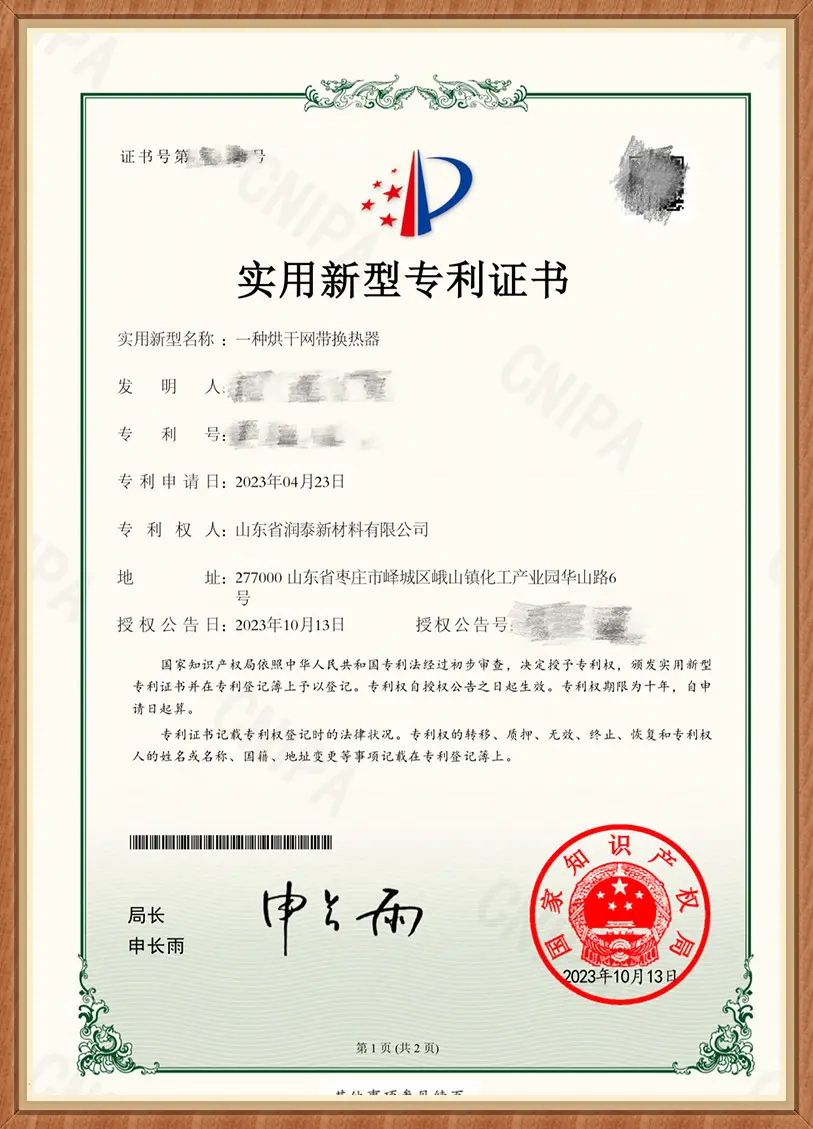
Our production lines operate under strict quality management frameworks. We test raw materials, monitor reaction steps, and run pre-shipment inspections on every batch of Paraformaldehyde (CAS No. 30525-89-4).
Our joint research with universities has led to key innovations in low-dust granular crystallization. These improvements help minimize occupational exposure to dust during unloading, supporting safer manufacturing environments for our customers.
 Runtai