Direct from our state-of-the-art manufacturing plants to satisfy international structural and testing parameters.
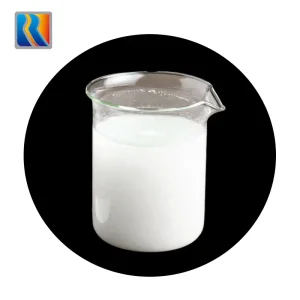
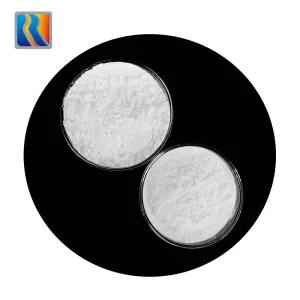

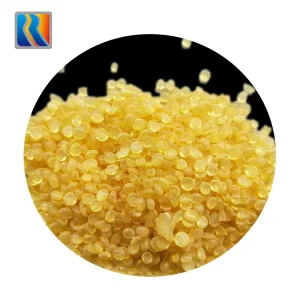
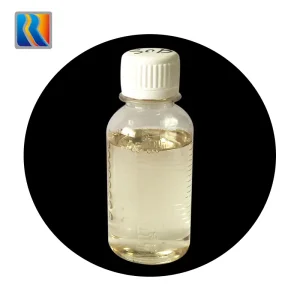
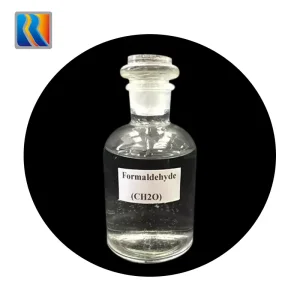
Bridging Raw Material Synthesis and Indoor Air Testing Compliance
Formaldehyde remains a cornerstone molecule in the synthesis of structural polymers, adhesives, and decorative thermosetting resins. While industries such as engineered wood, construction, and durable tableware rely heavily on the mechanical superiority and cost-efficiency of Urea-Formaldehyde (UF) resins, global target markets face stricter limits regarding indoor outgassing. The transition from industrial raw production to domestic health metrics has elevated the importance of "Home Formaldehyde Testing" protocols worldwide.
For B2B buyers, distributors, and downstream factories, compliance with regulatory metrics—such as the US EPA TSCA Title VI, CARB Phase 2, and European E1/E0 standards—is non-negotiable. As a premier manufacturer of bulk formaldehyde and derivate resins in China, Shandong Runtai New Materials Co., Ltd. addresses this technical intersection: engineered chemical formulations engineered from synthesis to release lower volatile organic compounds (VOCs), ensuring compliance under strict home testing devices.
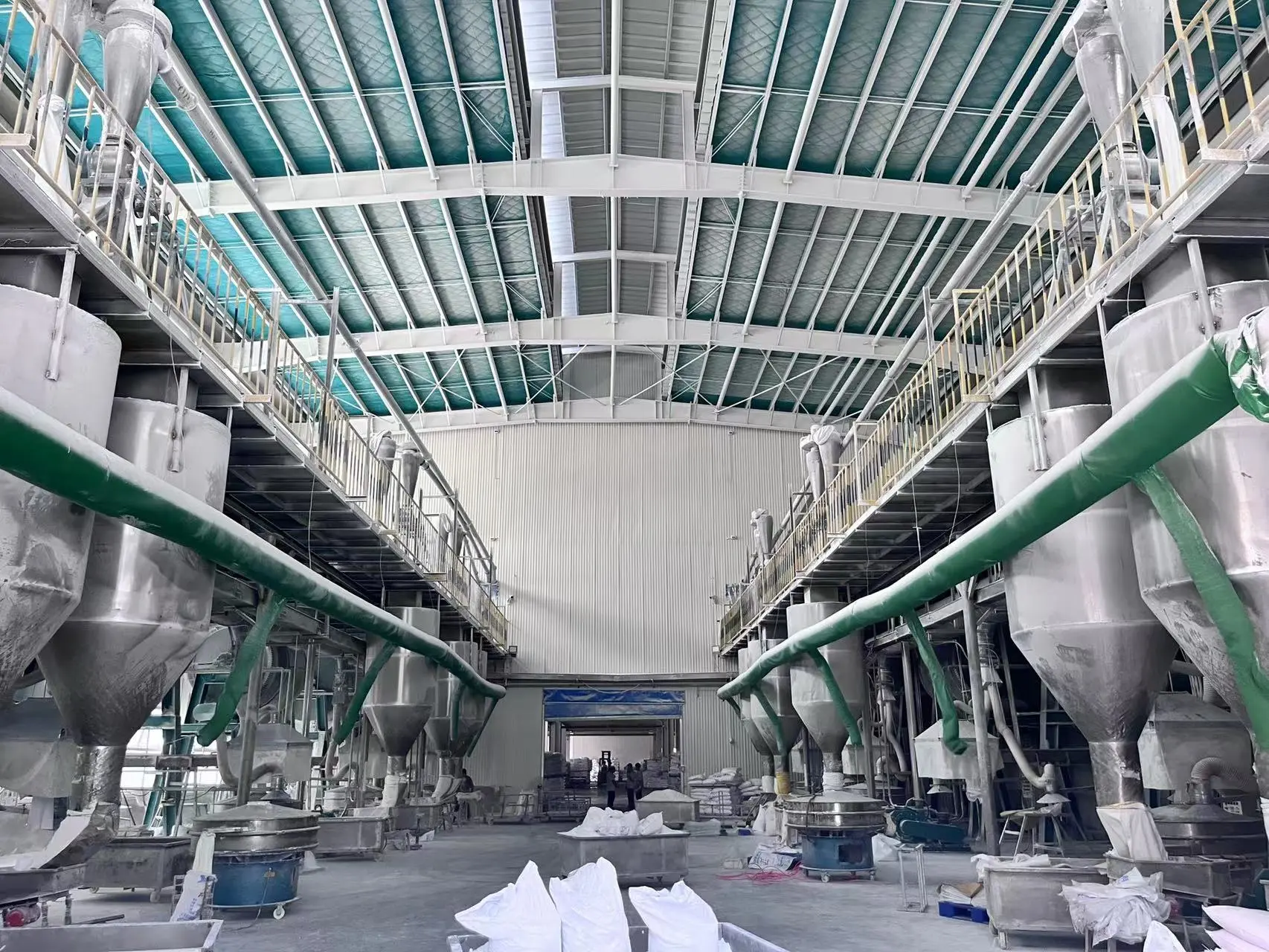
A systematic technical evaluation comparing domestic sensors with rigorous laboratory chamber standards.
Most commercial digital home monitors utilize electrochemical sensors. Formaldehyde gas undergoes a catalytic oxidation reaction at the sensing electrode, generating an electric current proportional to the concentration. While offering real-time tracking, these units require periodic calibration to avoid cross-sensitivity with other common household VOCs (like ethanol or terpenes).
Colorimetric test kits represent a cost-efficient DIY home method. A solid absorbent or liquid reagent is exposed to the air for a set period (typically 30-40 minutes). The formaldehyde reacts with the reagent, prompting a color shift compared to an reference gradient chart. Though simple, these tests have a higher detection threshold (usually ≥ 0.05 mg/m³).
Under ASTM D6007 and EN 717-1, industrial laboratories place finished goods (like particleboard, engineered flooring, or furniture) into temperature and humidity-controlled steel chambers. The air change rate is carefully adjusted, and chemical samples are measured via high-precision gas chromatography. This acts as the final standard for commercial import certification.
Annual Formaldehyde Output
Urea Formaldehyde Resin Capacity
Domestic Market Share Segment
Total Investment (Yuan)
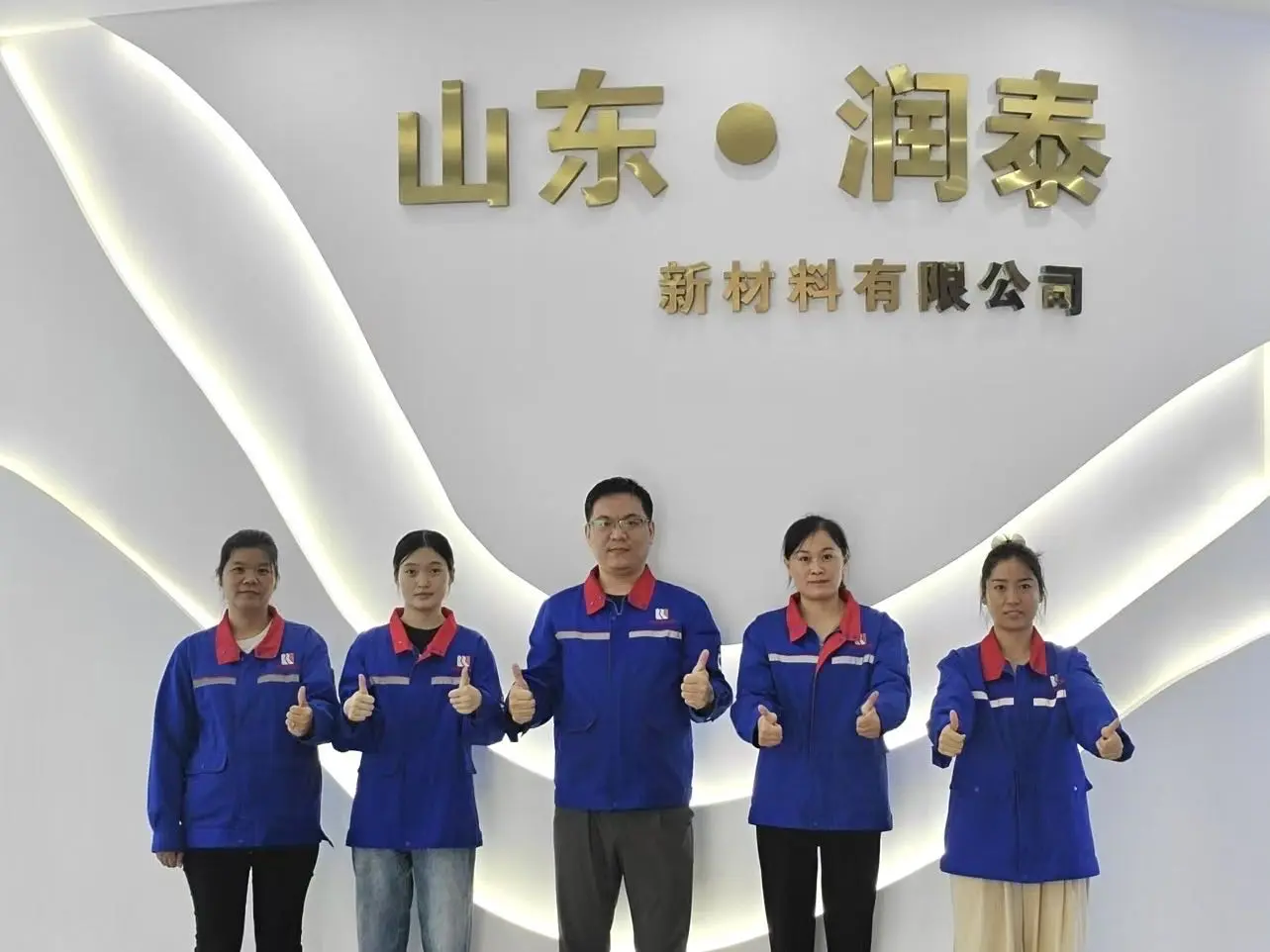
How Runtai Reduces Free Formaldehyde at the Chemical Synthesis Stage
The root solution to low emissions in home testing does not lie in filters or air purification, but in the synthesis of structural resins. Under the direction of our doctoral R&D team in partnership with the Changzhou Research Institute of Beijing University of Chemical Technology, Shandong Runtai has revolutionized adhesive manufacturing through:
Tracking the trajectory toward zero-emission polymer chemistry.
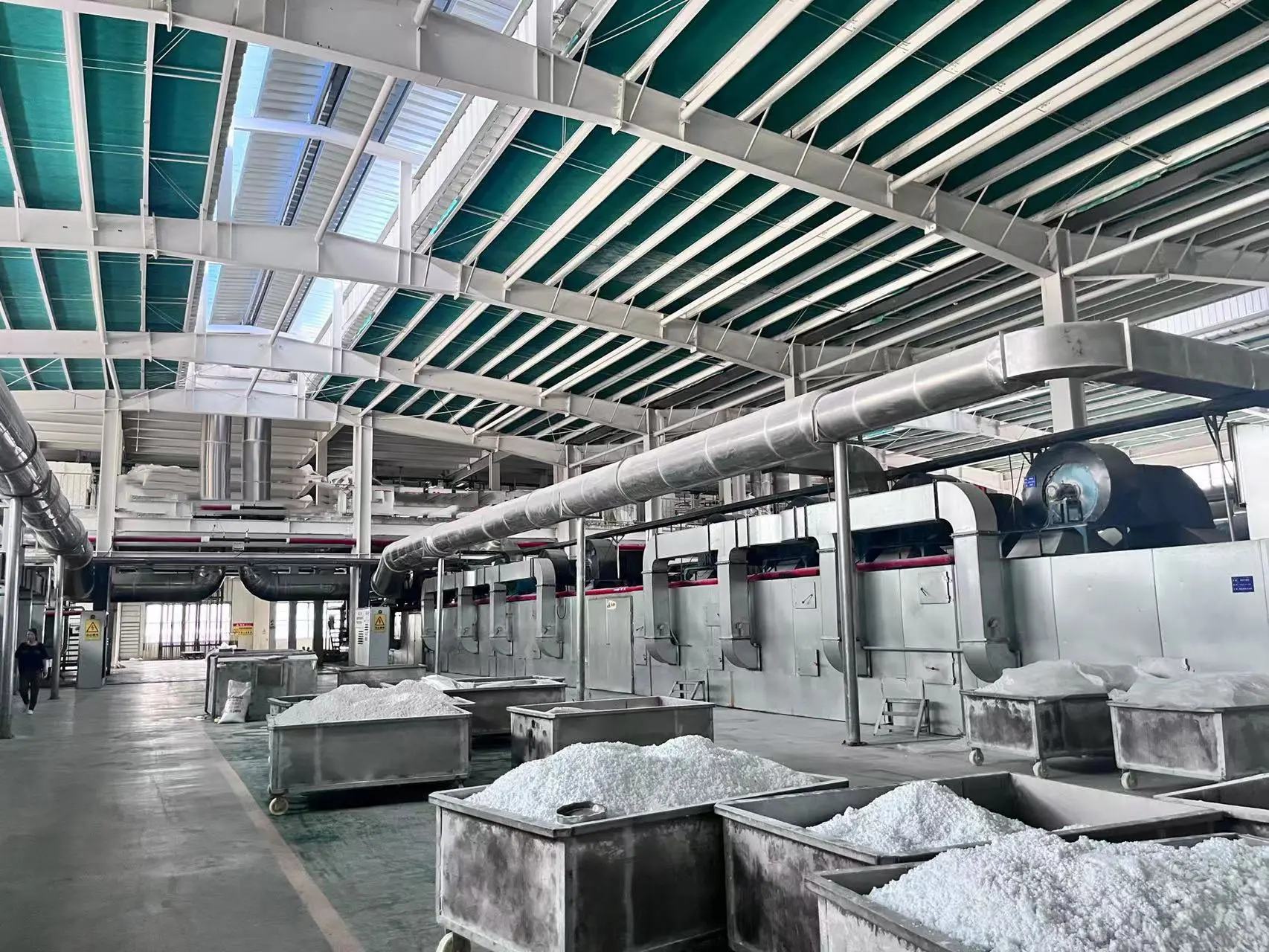
Shandong Runtai deployed the Distributed Control System (DCS) to manage polymerization parameters across our lines. Minimizing deviations in chemical temperatures and reaction durations reduces production impurities and yields consistent batch quality.
We developed a line of urea-formaldehyde and phenolic adhesives compliant with international low-emission metrics (CARB P2, EPA TSCA). These formulations allow downstream wood-composite and laminate manufacturers to clear domestic home air testing audits without requiring costly post-production treatments.
Our ongoing projects involve synthesizing lignosulfonate and starch-modified resins that reduce synthetic chemical content. Additionally, we are testing catalytic, UV-active formaldehyde scavenging agents integrated directly within melamine tableware finishes to neutralize ambient air pollutants.
Exporting Safety and Quality Worldwide
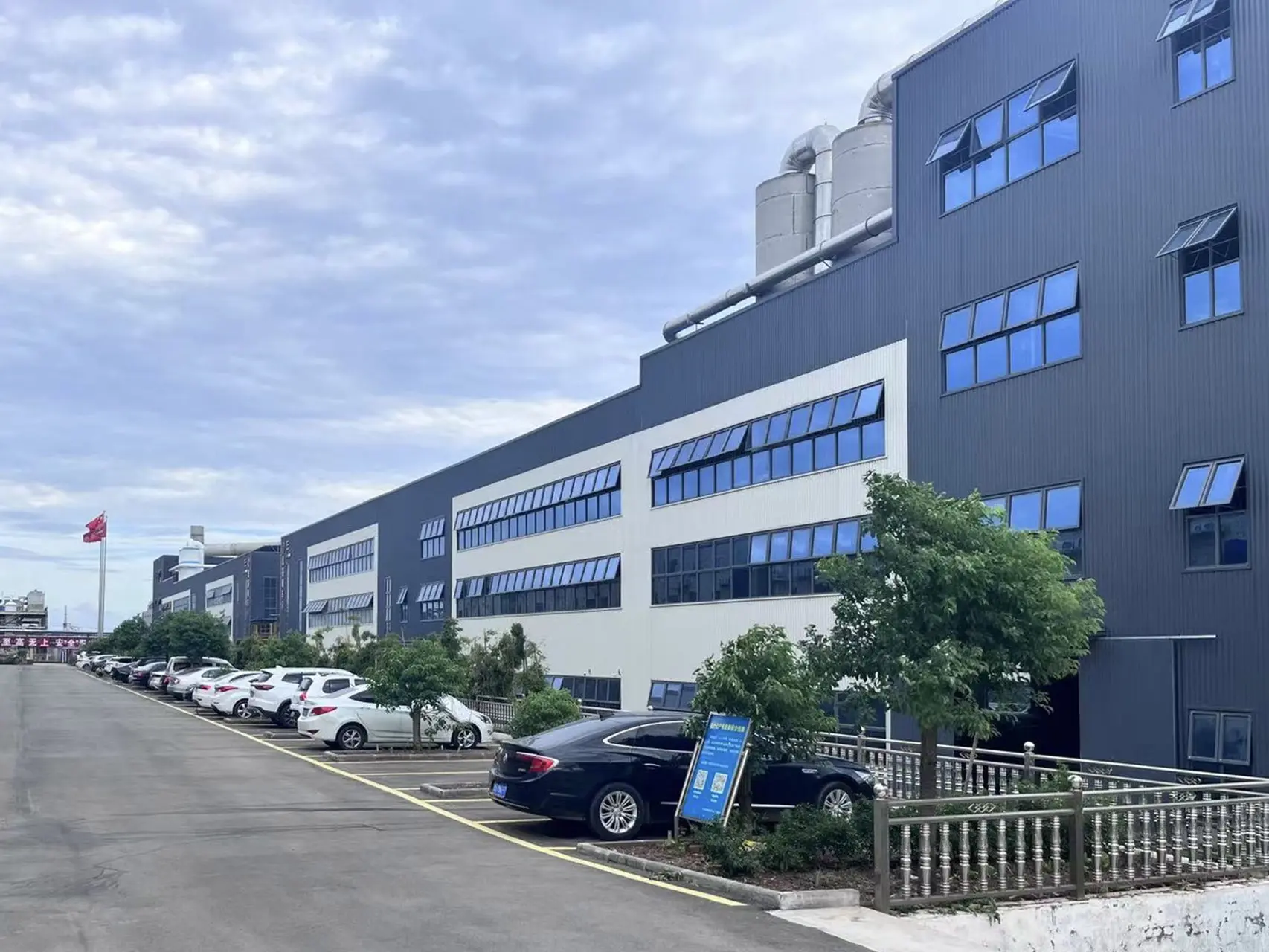
Shandong Runtai New Materials Co., Ltd. operates with a total footprint of 270,000 square meters in Zaozhuang City, Shandong. Supported by an investment of 2.06 billion yuan, our facility serves both the domestic Chinese market and international clients in North America, Thailand, Kenya, Egypt, and beyond.
Our commitment is built on structural environmental responsibility. We comply with all national and global ecological mandates, ensuring that our operations minimize emissions. Our core principle is "quality first, customer first," and we offer tailormade structural polymers and adhesives designed for the specific regulatory environments of our target export destinations.

Answering crucial technical questions from industrial buyers and regulatory compliance managers.
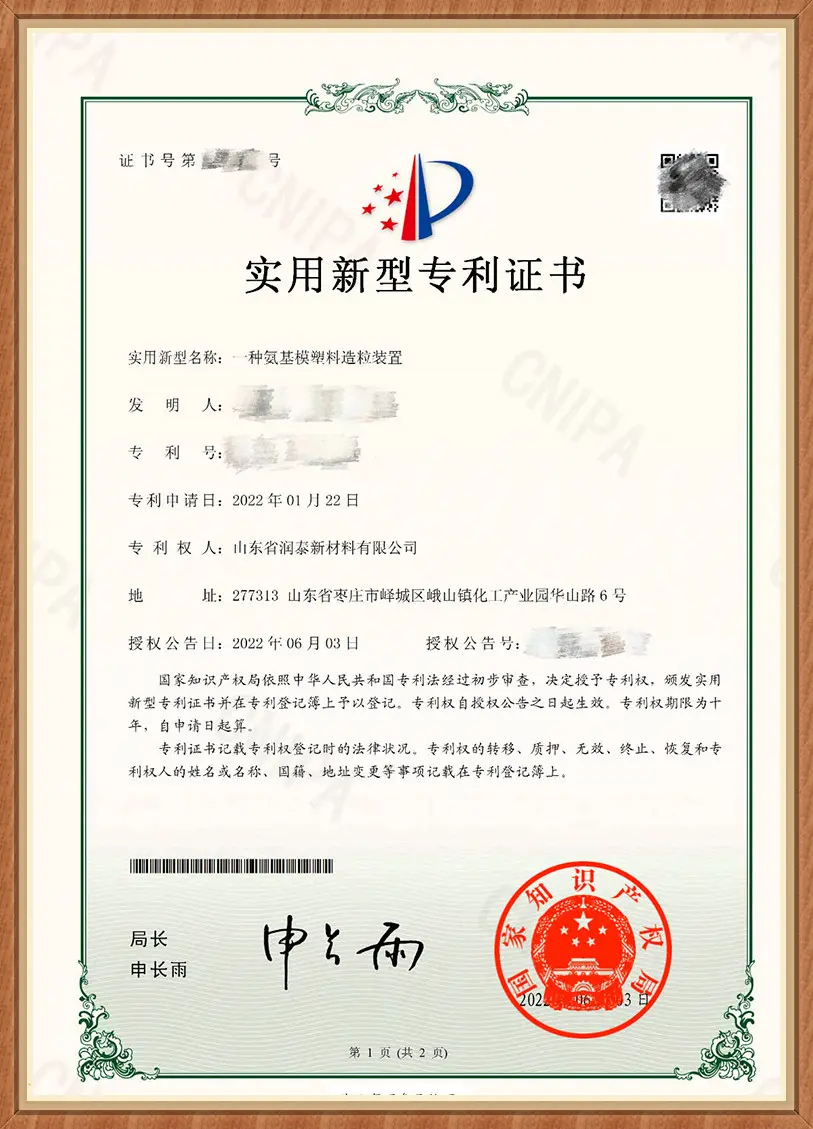
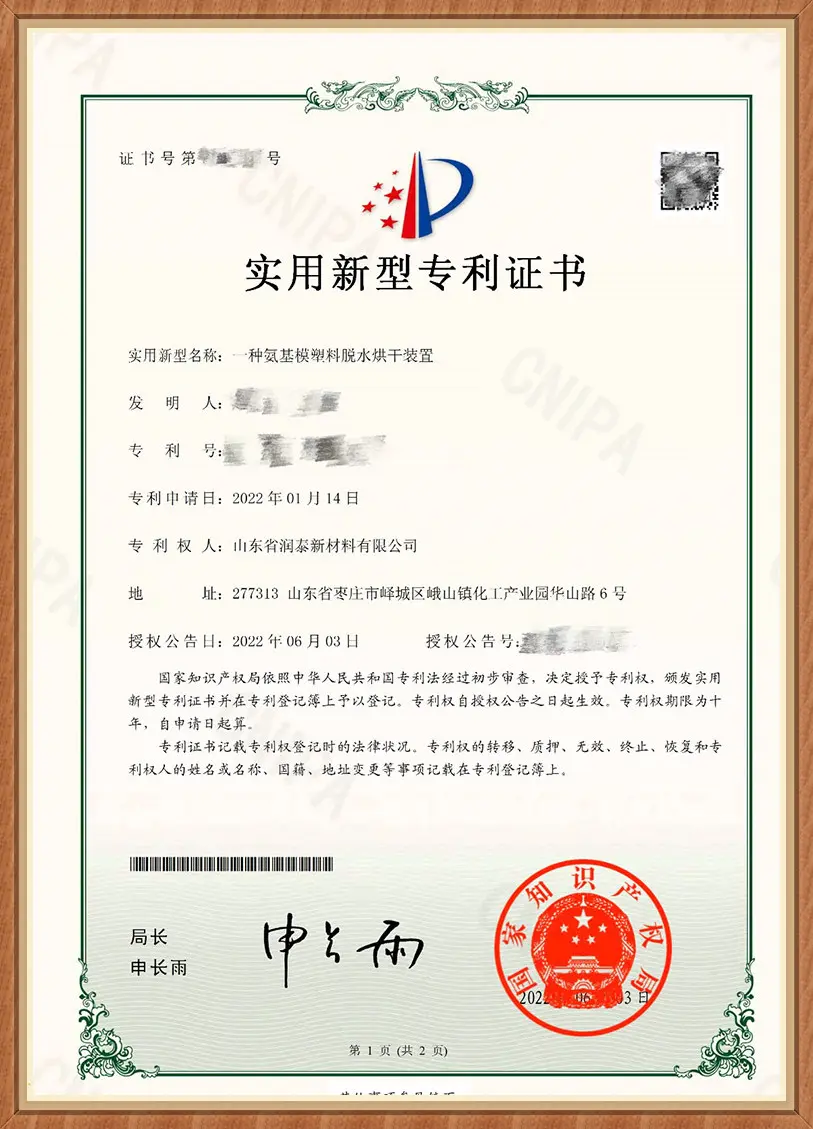
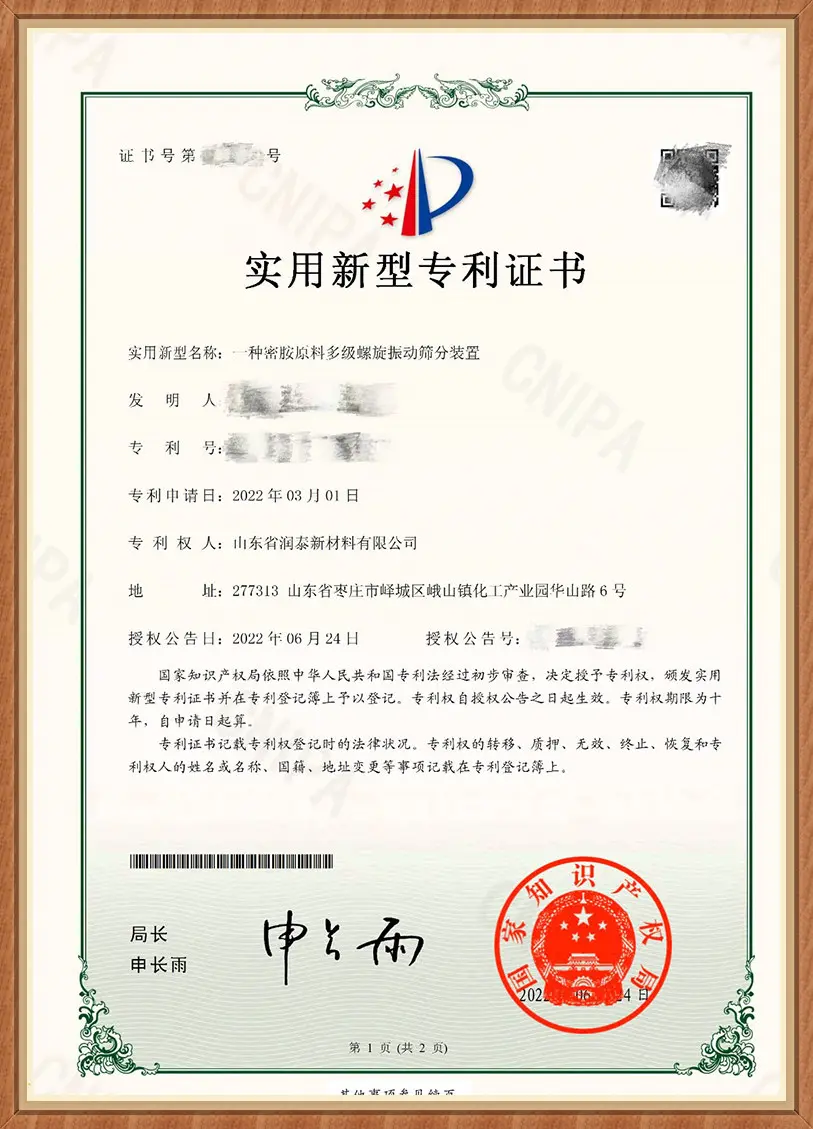
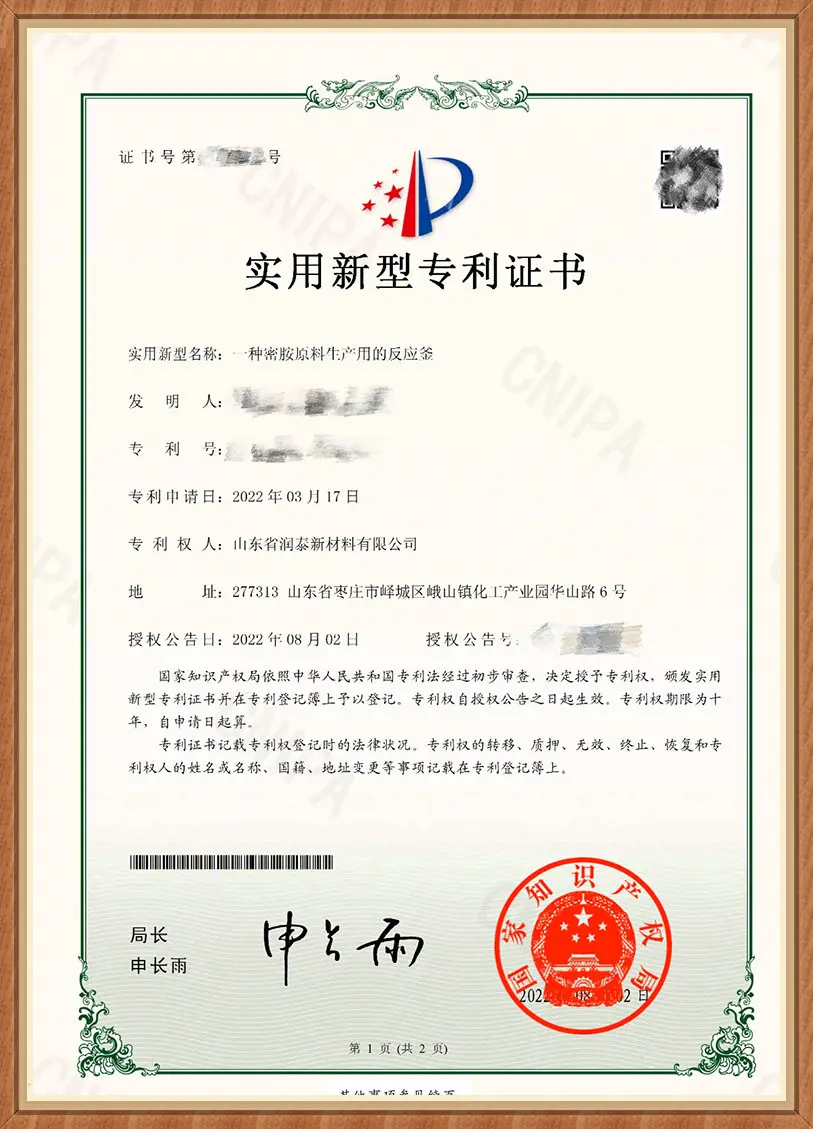
Demonstrating compliance with global quality and environmental standards.
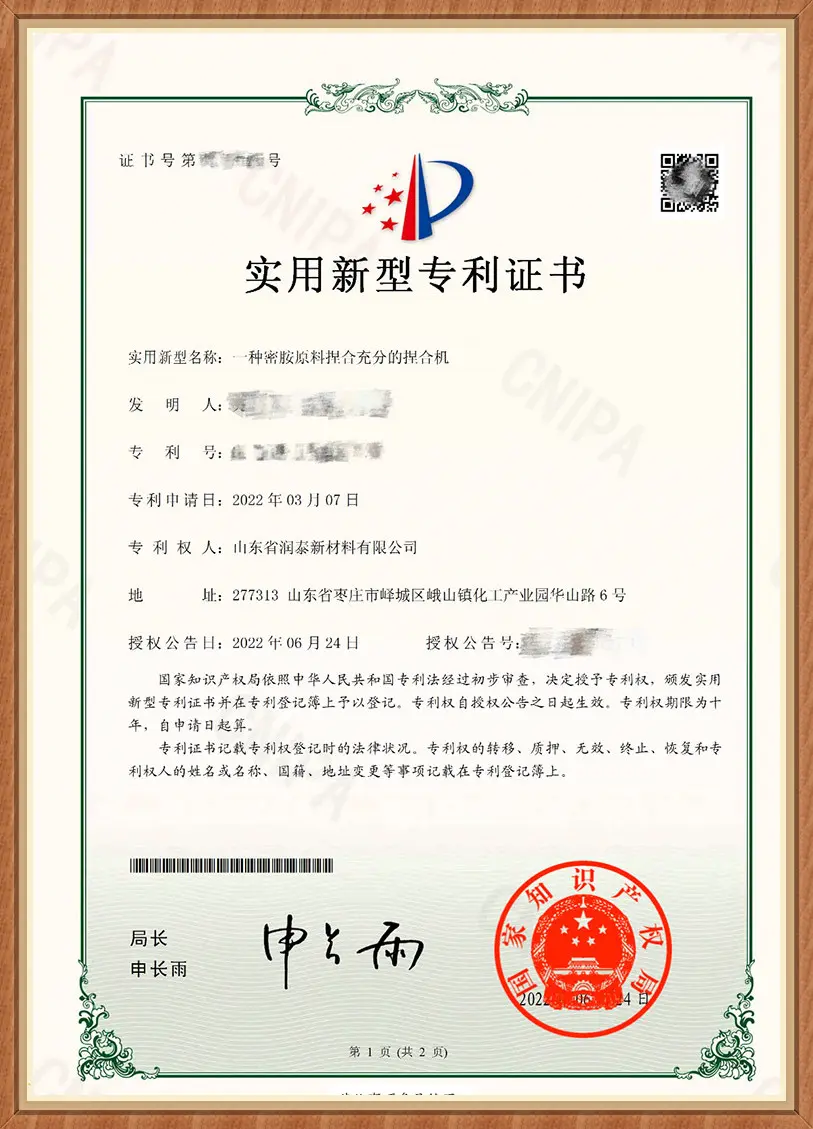
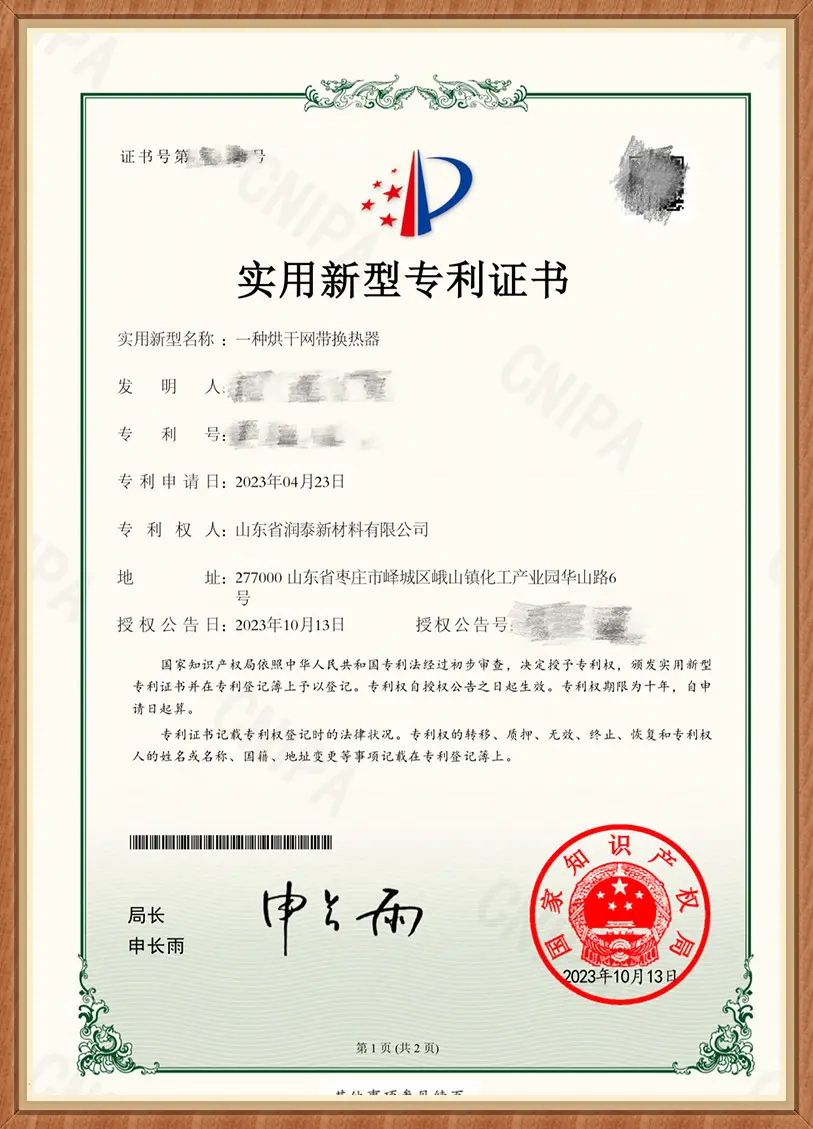
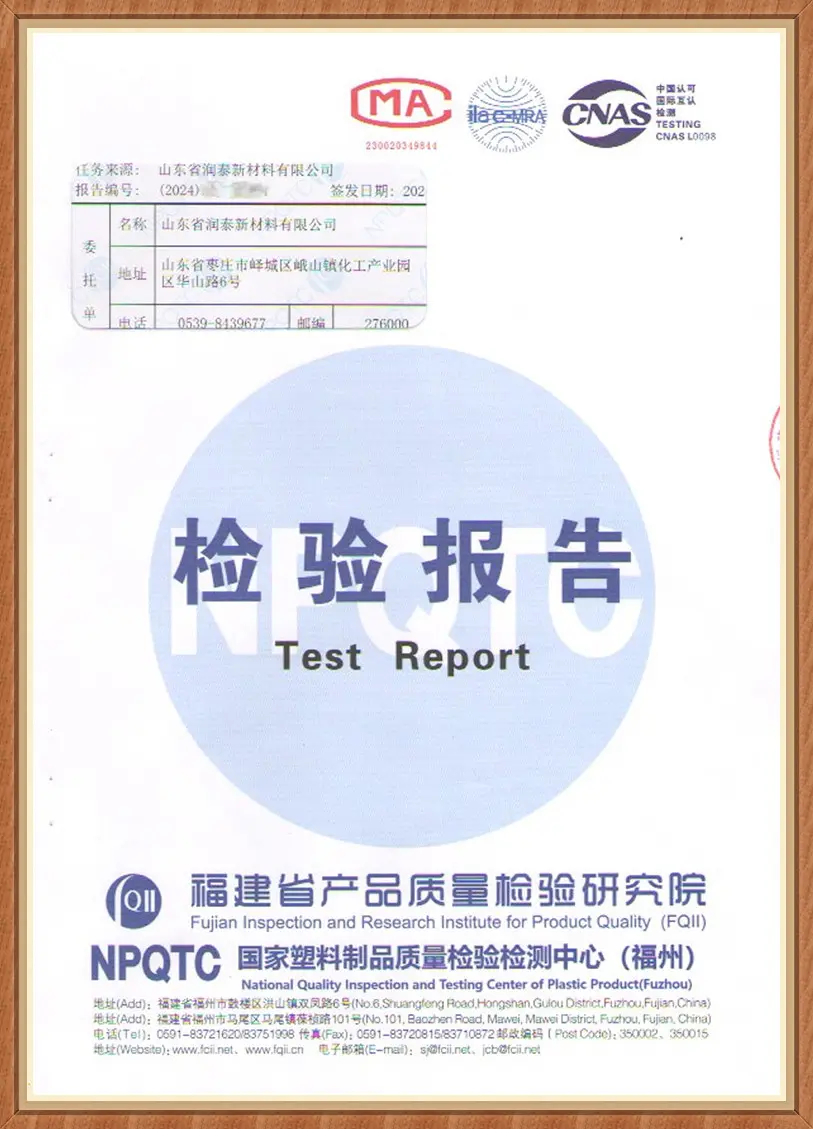
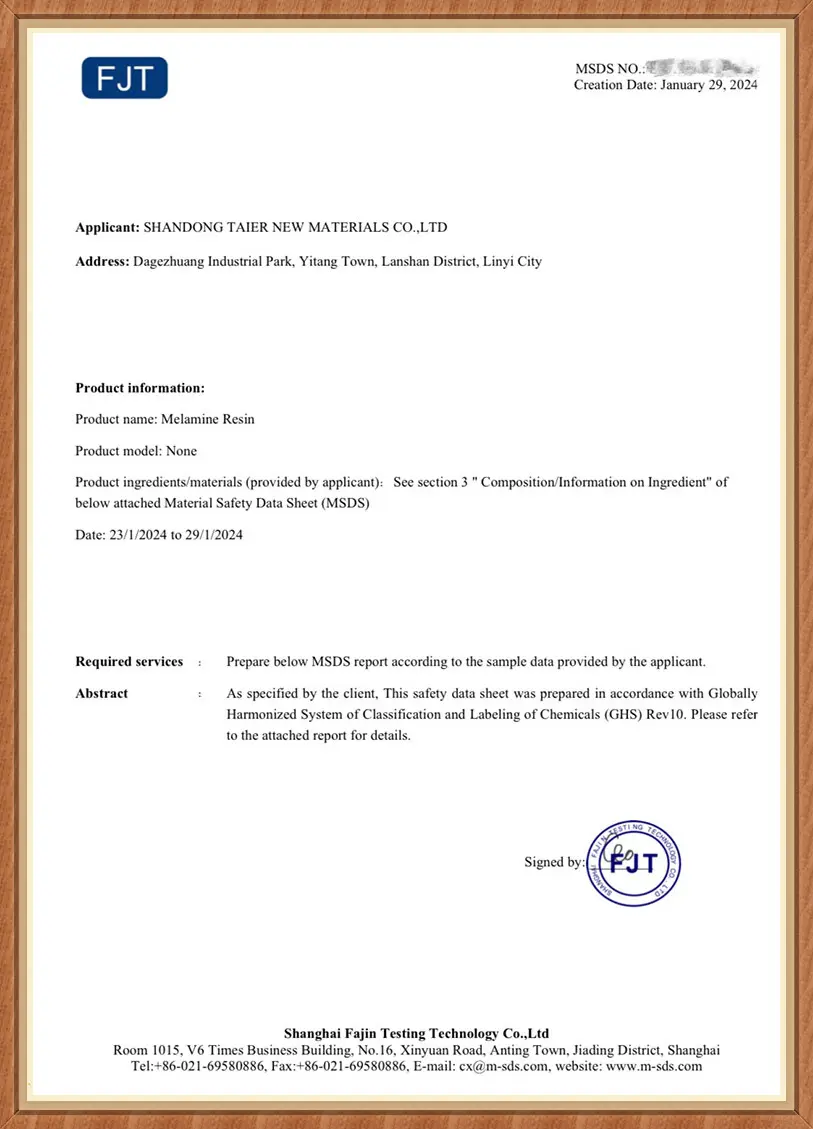
Precision materials formulated to stabilize viscosities, optimize foam levels, and improve polymer coatings.
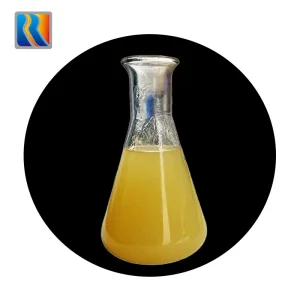
Original chemical portfolio, parameters, and product mappings of Runtai New Materials.
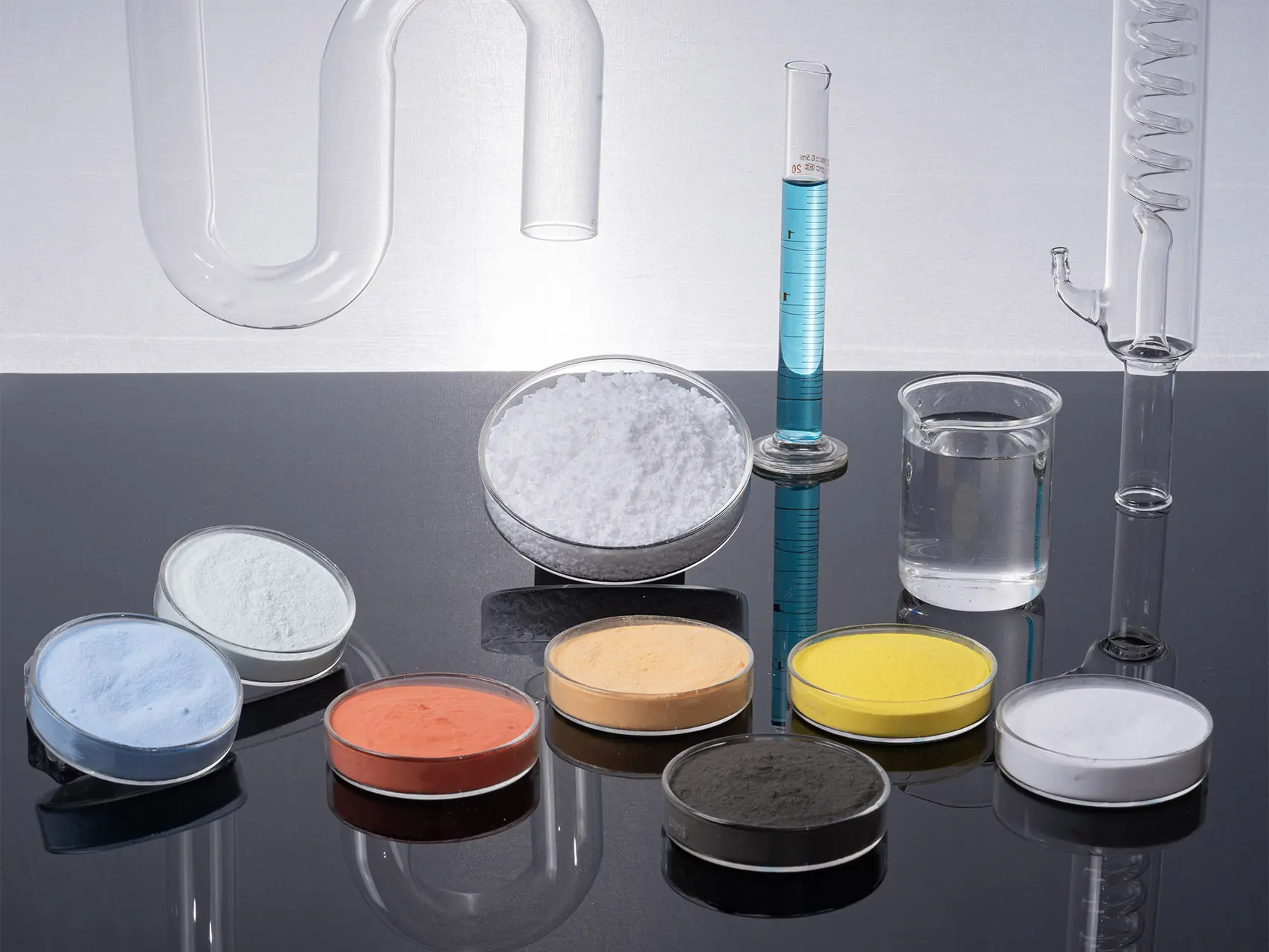
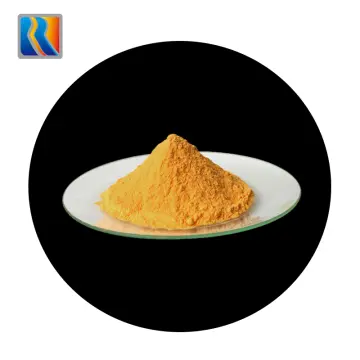 Urea Moulding Compound(UMC)
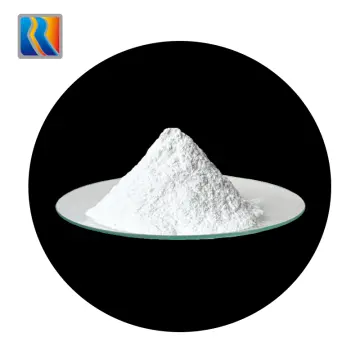 Melamine Moulding Compound(MMC)
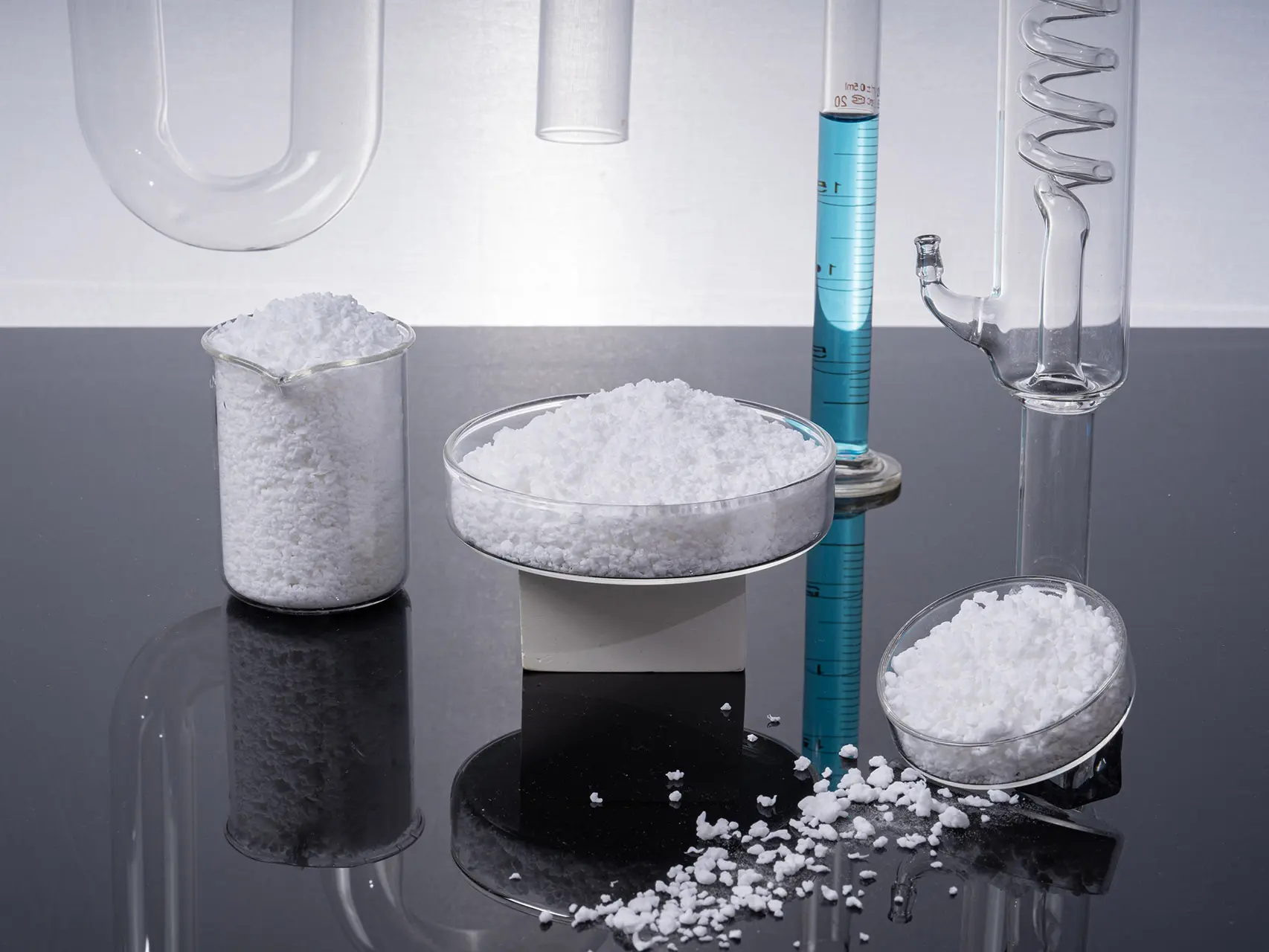
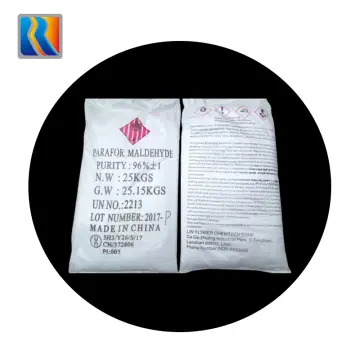 Paraformaldehyde
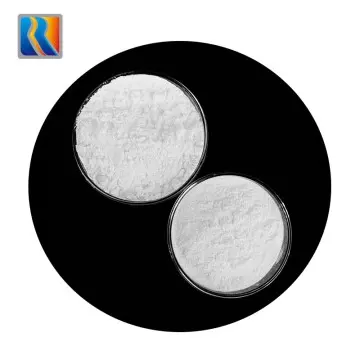 Melamine glazing powder
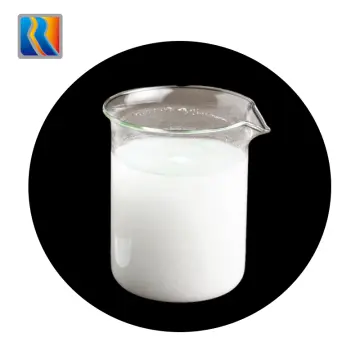 Urea Formaldehyde Resin
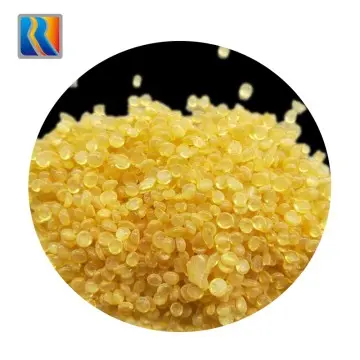 Phenolic Resin
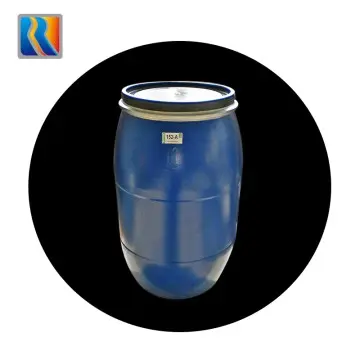 Packaging Film Adhesives
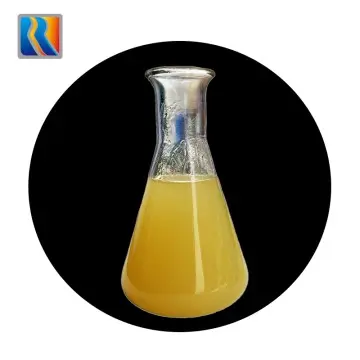 Mineral Oil Defoamers
 Ammonium Dispersants
 Water-Based Additives
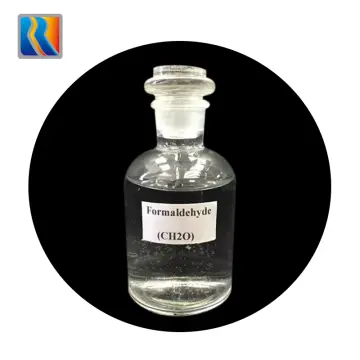 Formaldehyde
 Acrylic Thickeners
Founded in March 2020, Shandong Runtai New Materials Co., Ltd. is a comprehensive fine chemical group representing a total investment of 2.06 billion yuan. Our headquarters in Zaozhuang City, Shandong Province spans 270,000 square meters.
Our annual production outputs are audited as:
| Product Line | Annual Capacity |
|---|---|
| Formaldehyde | 380,000 Tons |
| Urea Formaldehyde Resin | 300,000 Tons |
| Melamine Powder | 60,000 Tons |
| Melamine Glazing Powder | 20,000 Tons |
| Resin Compounds | 11,000 Tons |
 Runtai