Direct access to our certified, high-purity chemical components engineered for demanding industrial operations globally.
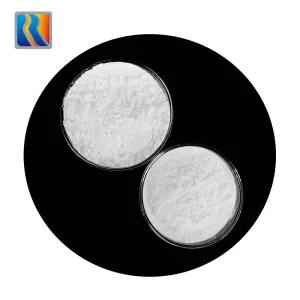
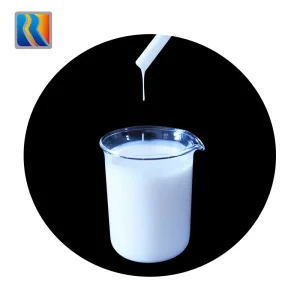
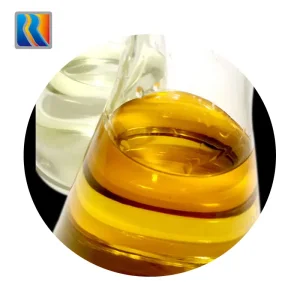
An executive whitepaper on manufacturing methodologies, environmental demands, and standard structural evolution.
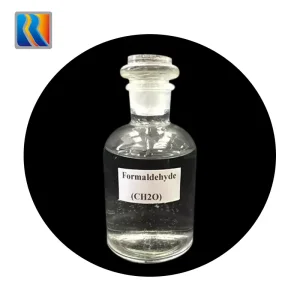
Formalin (aqueous solution of formaldehyde, usually stabilized with 37% to 40% concentration) is a critical raw material for global infrastructure. Modern sourcing requirements go beyond simple volume availability. Industrial buyers now demand low-methanol or high-methanol formulations tailored specifically for downstream polymerization stability. This shifting landscape requires partners who can deliver precise thermal control and consistent purity.
Tightening global regulations, such as EU REACH compliance and US EPA TSCA Title VI standards for low-emission composite wood products, have reshaped formaldehyde processing. Sourcing formaldehyde now requires deep compliance expertise. Leading manufacturers utilize high-conversion metal oxide processes and silver-catalyst technologies to yield highly stable formalin with minimized free acid content.
At the core of formalin supply chain management is temperature control. In cold climates, aqueous formaldehyde (formalin) is prone to polymerize, forming insoluble paraformaldehyde. To prevent this without compromising downstream resins, manufacturers balance methanol stabilizer concentration (ranging from 0.5% to 15%) against the logistics transit path. This scientific balance is key to ensuring consistent quality upon delivery.
An industry-leading enterprise focused on fine chemical manufacturing and modern material science.
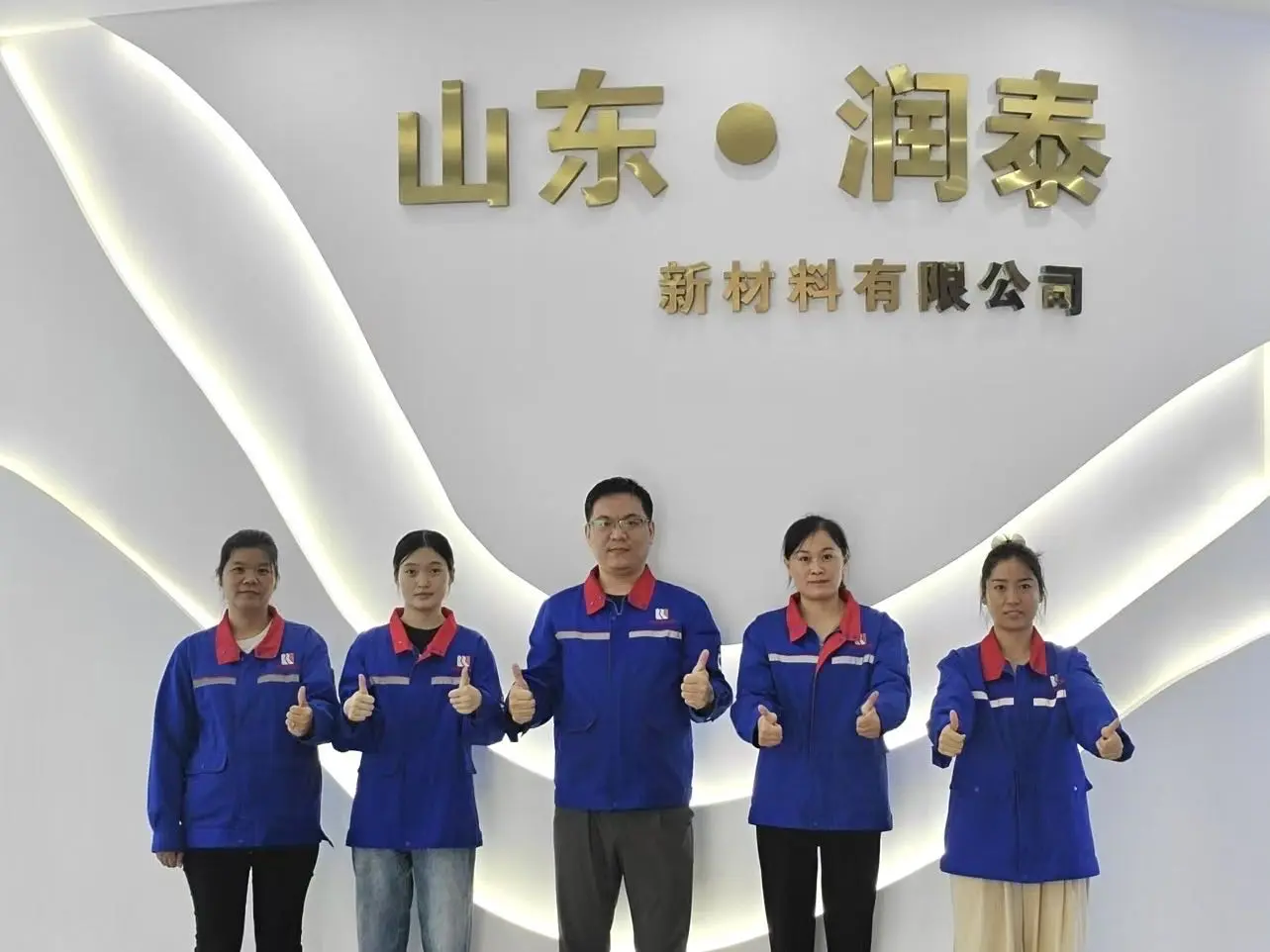
Founded in March 2020, Shandong Runtai New Materials Co., Ltd. is a comprehensive group firm that specializes in high-performance fine chemical products. The corporation has established strategic regional branches in five different cities throughout China, with its operational headquarters located in the high-tech chemical corridor of Zaozhuang City, Shandong Province.
Our expansive industrial complex covers an area of over 270,000 square meters with a total investment of 2.06 billion yuan. This massive investment supports state-of-the-art laboratory testing facilities, high-pressure reaction vessels, and massive storage terminals. This infrastructure guarantees stable chemical product output even during fluctuating global market conditions.
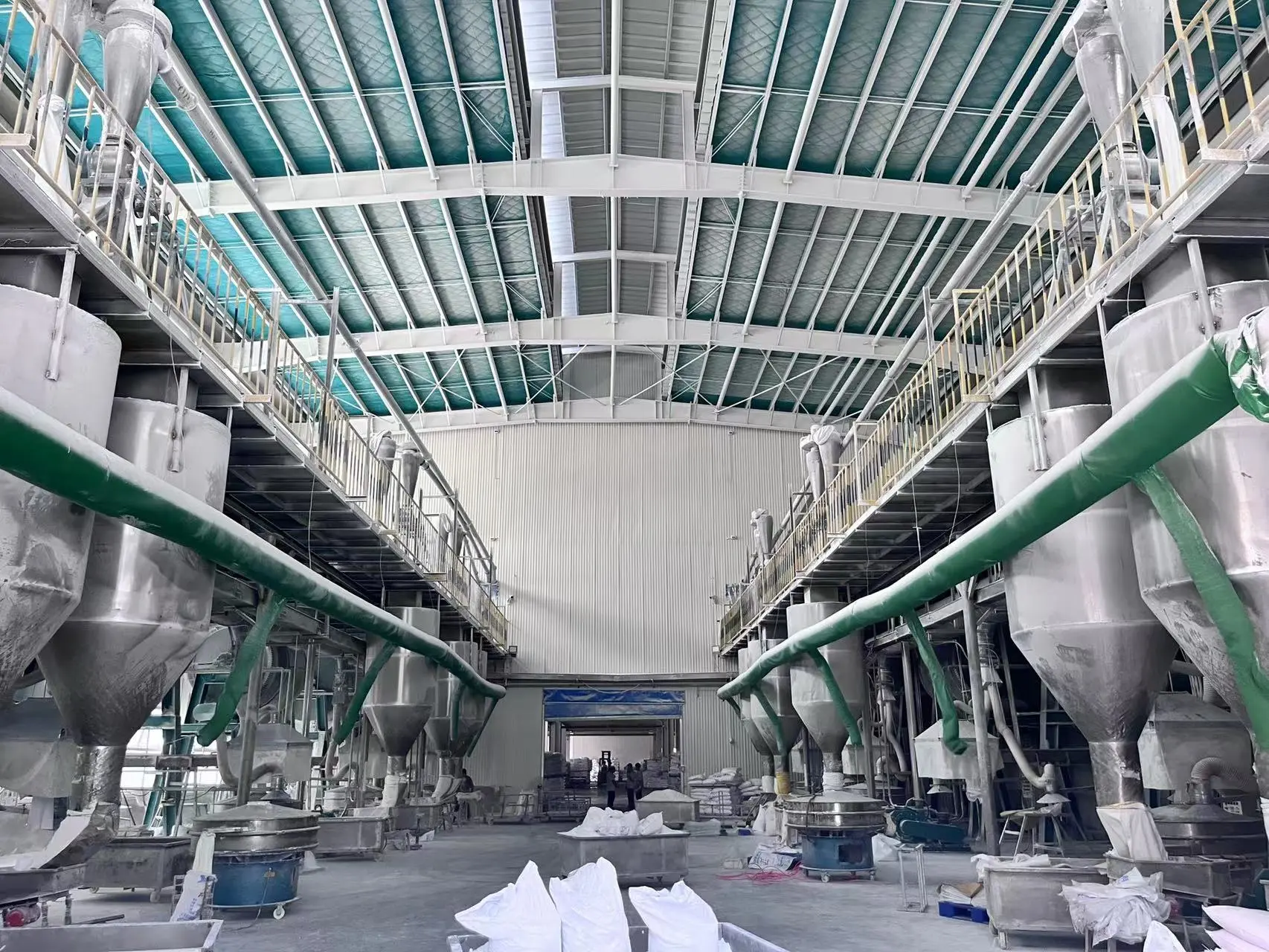
Runtai New Materials has grown to be one of China's top producers of melamine and formaldehyde due to our recent improvements in production lines growth. Our highly integrated production facility allows us to process upstream basic components directly into downstream finished resins, reducing manufacturing costs and improving quality control.
We provide both standardized products and customized formulations based on customer specifications. We adjust active concentrations, control methanol stabilizers, and modify pH levels to deliver tailored chemical solutions. Our products are exported to the United States, Thailand, Kenya, Egypt, and other countries, earning broad praise from overseas customers.
How we combine advanced automated technology and production design to guarantee safety, quality, and supply continuity.
Our plants operate on a highly advanced Distributed Control System (DCS). This system monitors real-time pressure, chemical temperature, and feedstock ratios. Automated safety shutdowns, precise thermal management, and steady reaction runs minimize raw material consumption while ensuring consistent, high-purity output.
We work in collaboration with scientific institutions like the Changzhou Research Institute of Beijing University of Chemical Technology. Runtai New Materials maintains a dedicated doctoral R&D team focused on reducing free formaldehyde emissions and improving the performance of our resins and additives.
By starting with formaldehyde as our core raw material, we maintain control over our production chain. Our formaldehyde feeds directly into our melamine molding compound, urea formaldehyde resin, and melamine glazing powder lines. This vertical integration reduces logistics costs and protects our operations from market supply shocks.
Our safety framework prioritizes automated control, stable operations, energy savings, and efficient resource use. By automating key processes, we reduce labor intensity, increase productivity, and lower testing and production costs. This focus on efficiency allows us to deliver high-quality products at competitive prices.
To meet high quality standards, we utilize cutting-edge production and testing systems from domestic and international suppliers. Modern chromatographs, digital particle analyzers, and high-precision flow control systems monitor every batch, ensuring complete traceability and compliance with global standards.
From infrastructure development to consumer goods manufacturing, our products serve as key building blocks for multiple industries.
Formalin is a key reactant in synthesizing Urea-Formaldehyde (UF), Melamine-Urea-Formaldehyde (MUF), and Phenolic Resins. These binders are essential for manufacturing high-durability plywood, medium-density fiberboards (MDF), and oriented strand boards (OSB) used in construction.
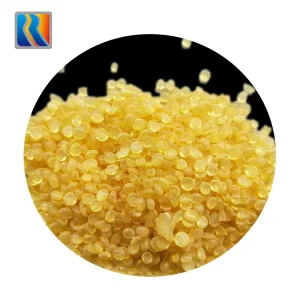
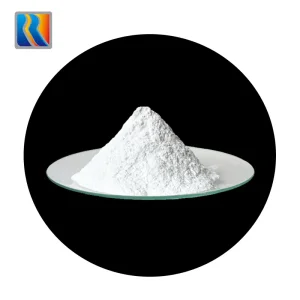
Our melamine molding compounds (MMC) and glazing powders are processed under high pressure to create durable, heat-resistant, and scratch-resistant dinnerware. These materials are also used in industrial surface coatings to improve gloss and chemical resistance.
Formaldehyde acts as a key building block in synthesis processes. It is used to manufacture EDTA, NTA, and agricultural micronutrients. In livestock farming, it serves as a critical disinfectant and preservative, keeping facilities safe and sanitary.

Detailed answers to key technical questions from procurement agents, process chemists, and supply managers.
The standard concentrations are 37% and 40% active formaldehyde dissolved in water. 37% Formalin is the global standard for industrial synthesis, offering balanced storage life and reaction control. The 40% concentration is preferred in large-scale polymerization systems because it reduces water load. At higher concentrations, the solution requires careful temperature control (typically above 25°C) or the addition of stabilizer alcohols (like methanol) to prevent paraformaldehyde precipitation.
Formic acid forms naturally through the oxidation of formaldehyde. High acid levels can corrode equipment and interfere with reaction catalysis. At Runtai New Materials, our automated DCS system manages oxygen feed ratios in the oxidation reactors. Combined with post-catalytic purification, this maintains formic acid levels below 0.02% (200 ppm) in every batch.
We customize stabilizer levels based on the transport route and season. For short-distance shipping or warm-weather routes, we supply low-methanol formalin (0.5% to 2% methanol) to maximize active concentration. For international shipping or cold-weather transit, we stabilize the formalin with 5% to 15% methanol to prevent crystallization during transport.
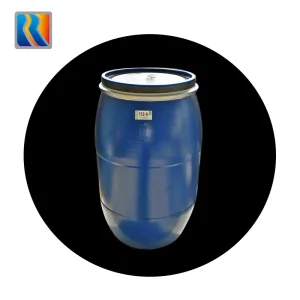
Formaldehyde solutions are classified under UN 2209 Class 8 (Corrosive Materials). We package and ship our products in ISO tanks or heavy-walled, high-density polyethylene (HDPE) drums. All containers are tested to meet UN transport specifications, ensuring safe delivery through our global logistics network.
Our plants feature integrated waste-heat recovery systems that convert exothermic reaction energy into process steam. This reduces our fossil fuel usage. We also recycle process water and scrub tail gas to minimize emissions, helping our customers meet their environmental and sustainability goals.
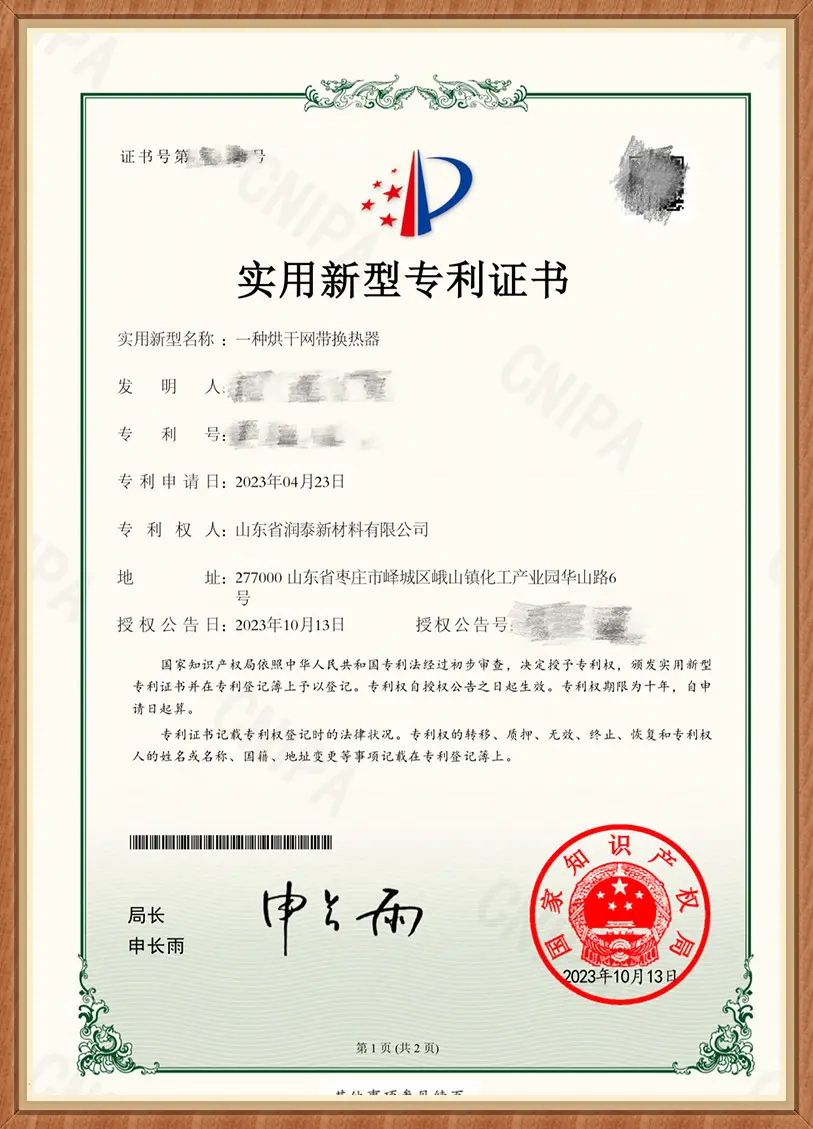
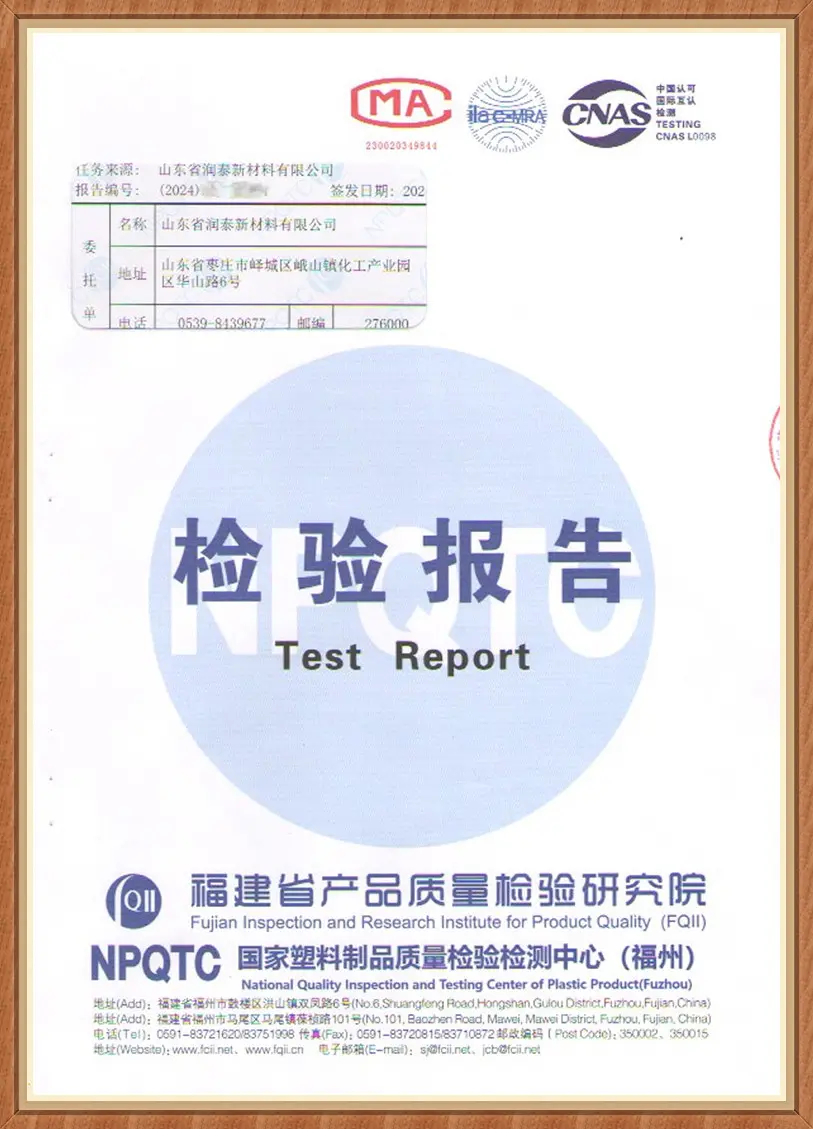
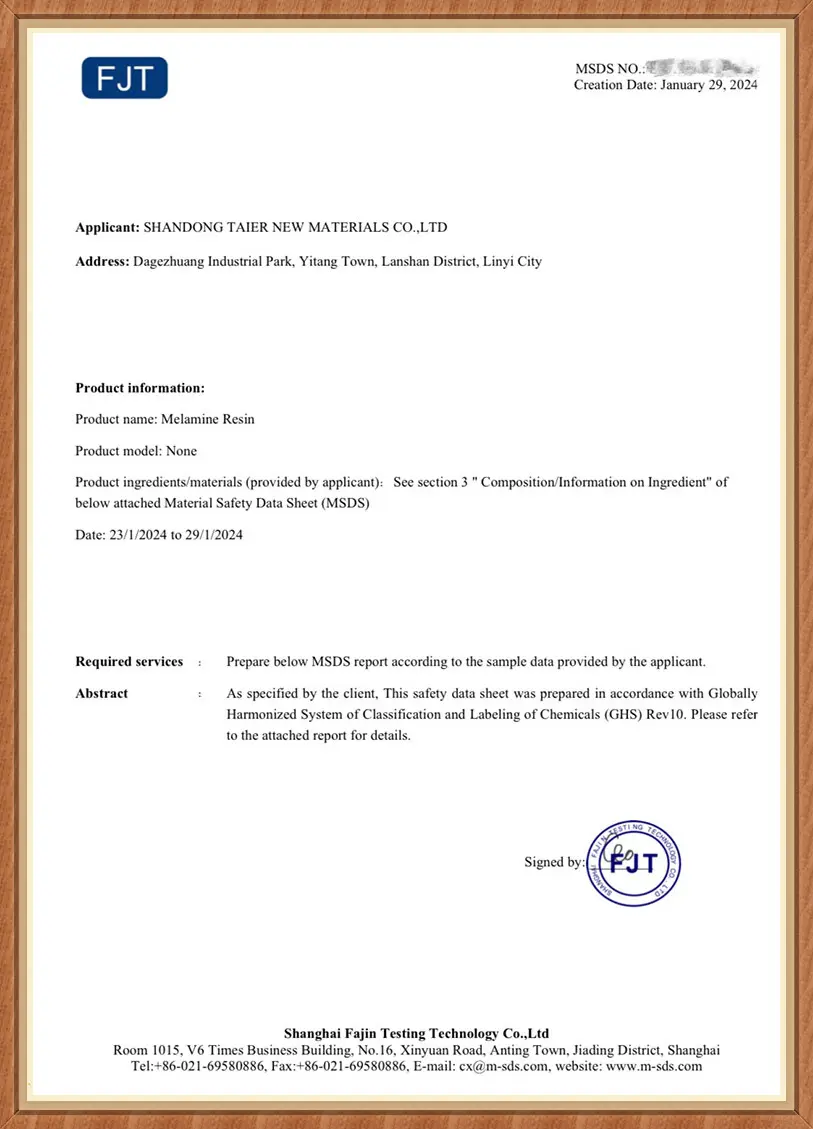
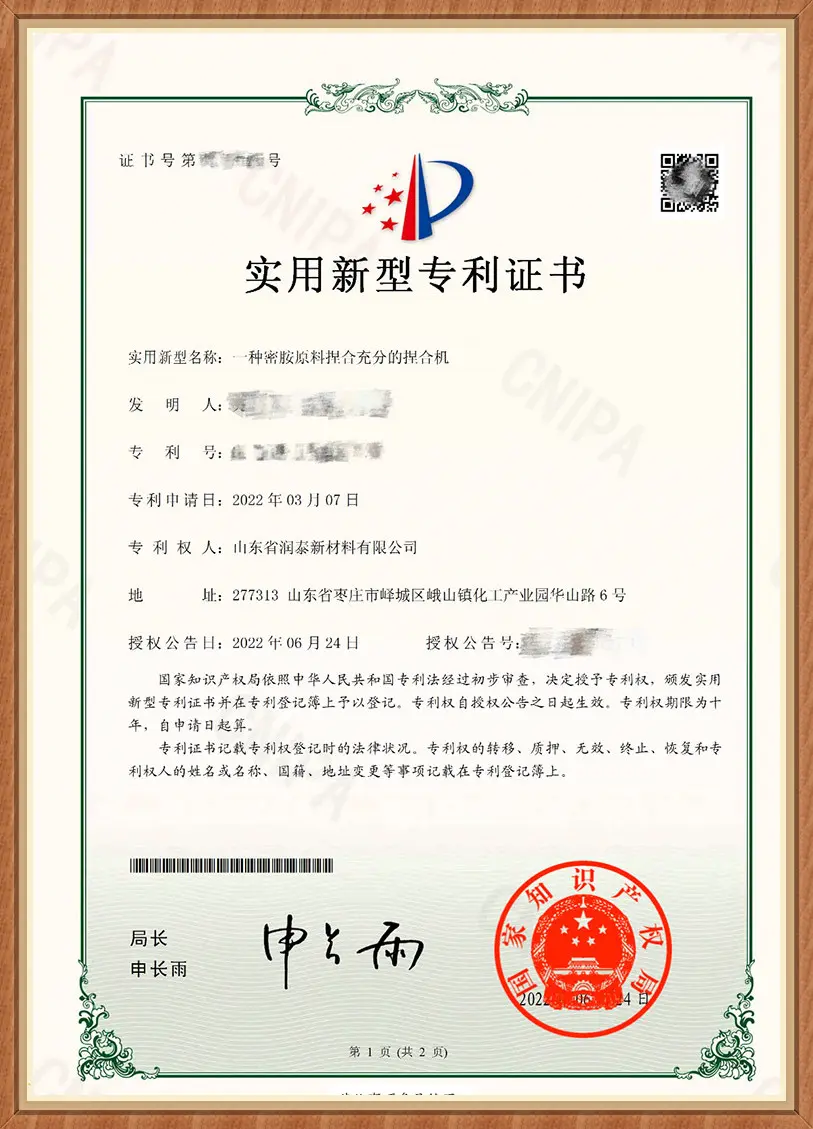
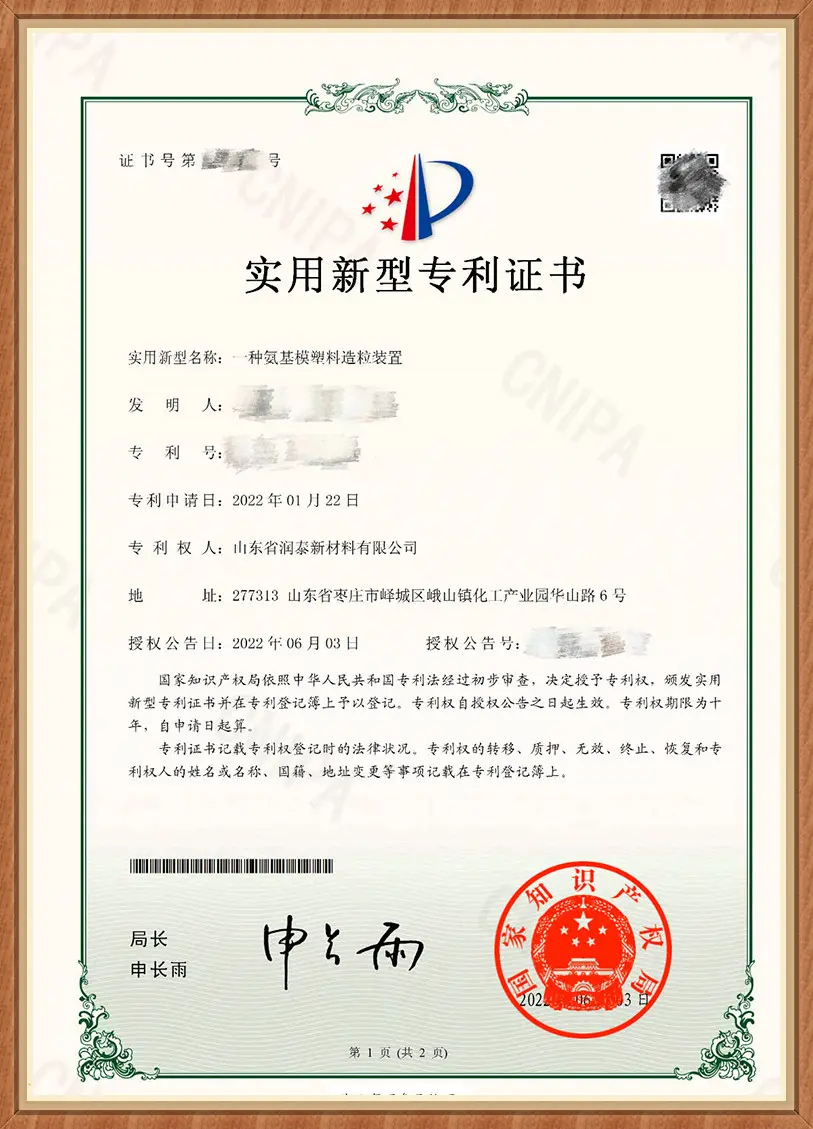
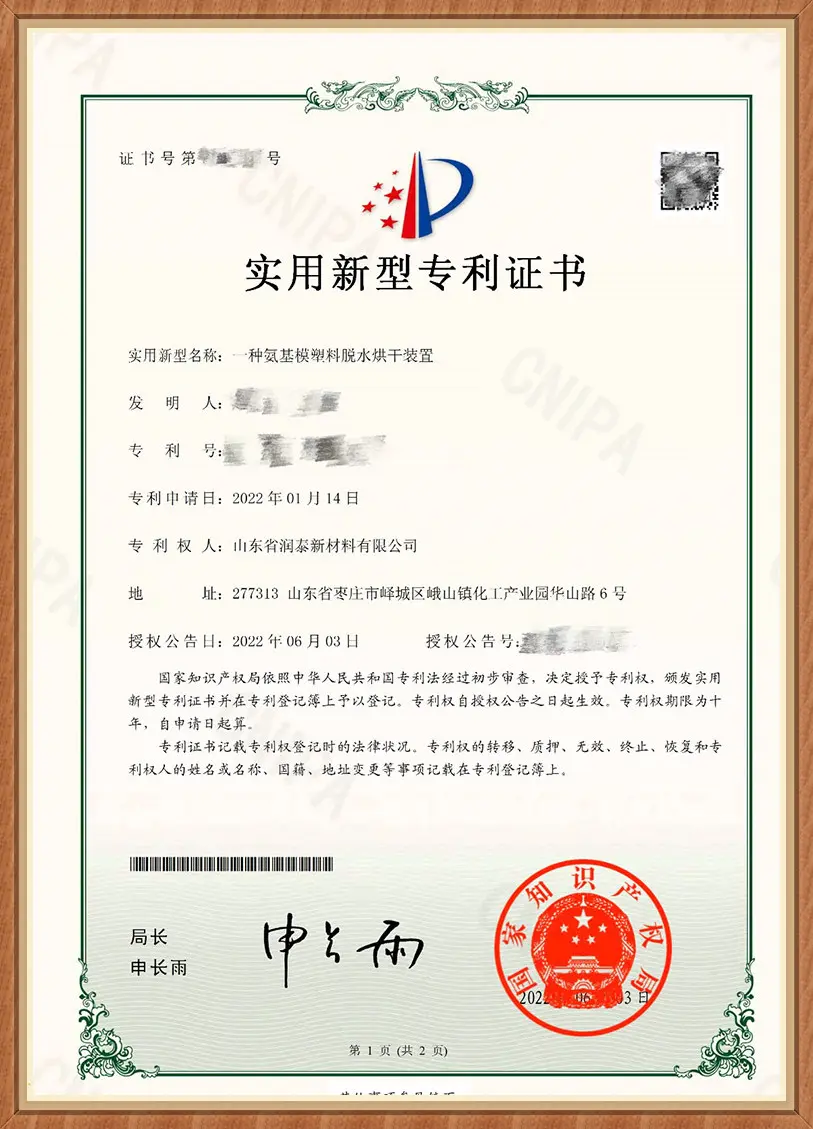
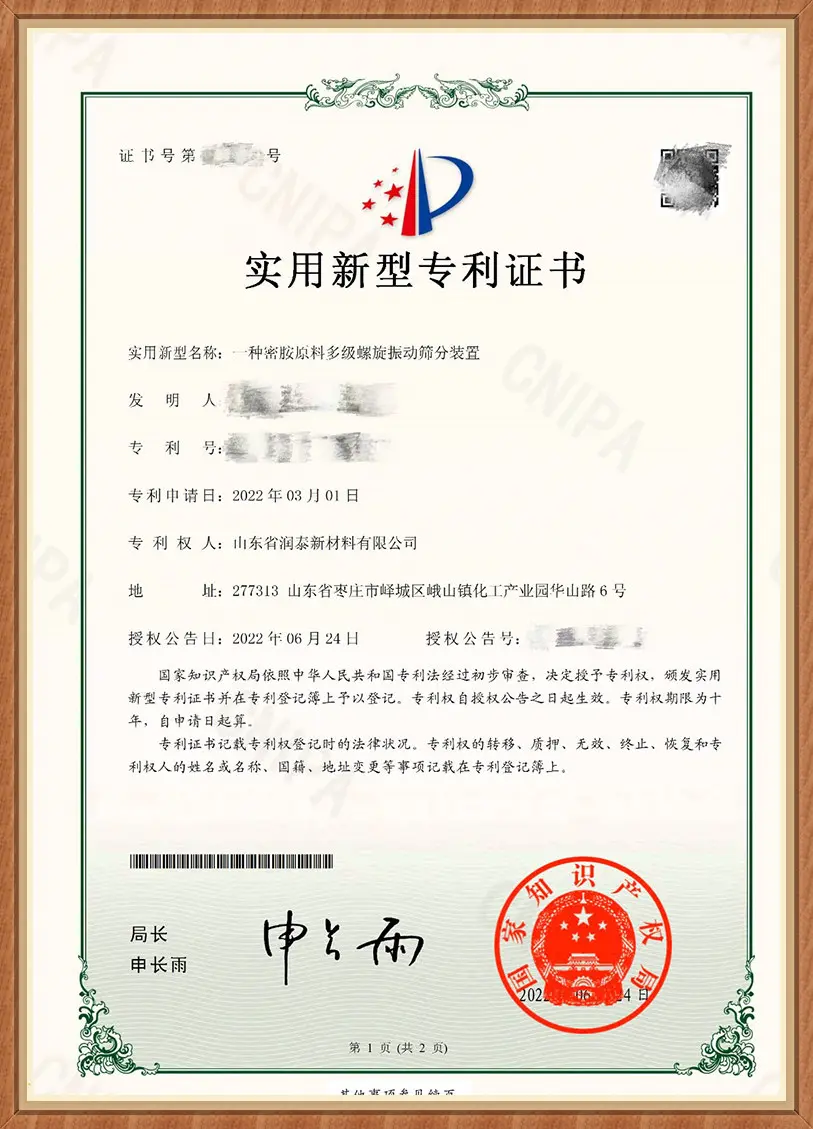
Our operations are certified to international standards for quality, safety, and consistent performance.
Explore our integrated chemical range, including high-stability dispersants, resins, and defoamers.
 Runtai