Explore our state-of-the-art polymer resins, raw intermediates, and specialty additives engineered for performance stability
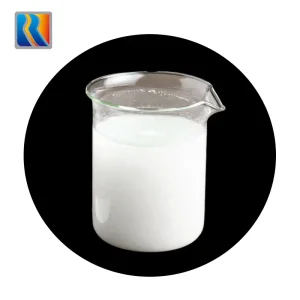
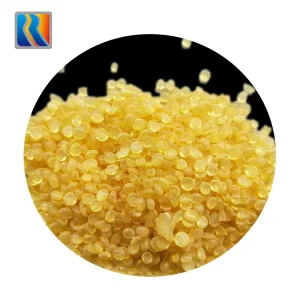
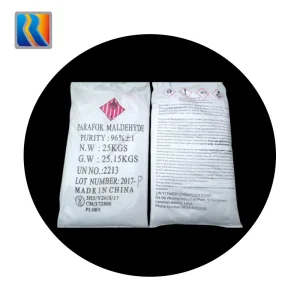
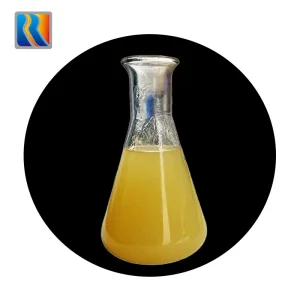
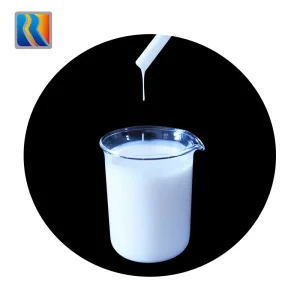
Formaldehyde (CAS No. 50-00-0) at a 37% aqueous concentration (commonly known as 37% Formalin) represents the industrial benchmark for chemical synthesis, preservative preparations, and resin manufacturing. Thermodynamically, a 37% weight-by-weight aqueous concentration maintains a delicate equilibrium between dissolved monomeric formaldehyde (mostly present as methylene glycol) and short-chain paraformaldehyde oligomers.
Without proper thermal control or molecular stabilization, aqueous formaldehyde solutions are highly susceptible to polymerization, resulting in precipitation as a solid white precipitate (paraformaldehyde). To mitigate this process, factories customize solutions using specific quantities of methanol as a thermodynamic stabilizer. The methanol content ranges from:
As a leading industry hub, China's modern manufacturing facilities leverage cutting-edge catalyst chemistry—primarily the silver catalyst process and the metal oxide catalyst (Formox) process—to deliver precise concentration tolerances and extremely low impurity thresholds (such as minimizing formic acid content below 0.03%).
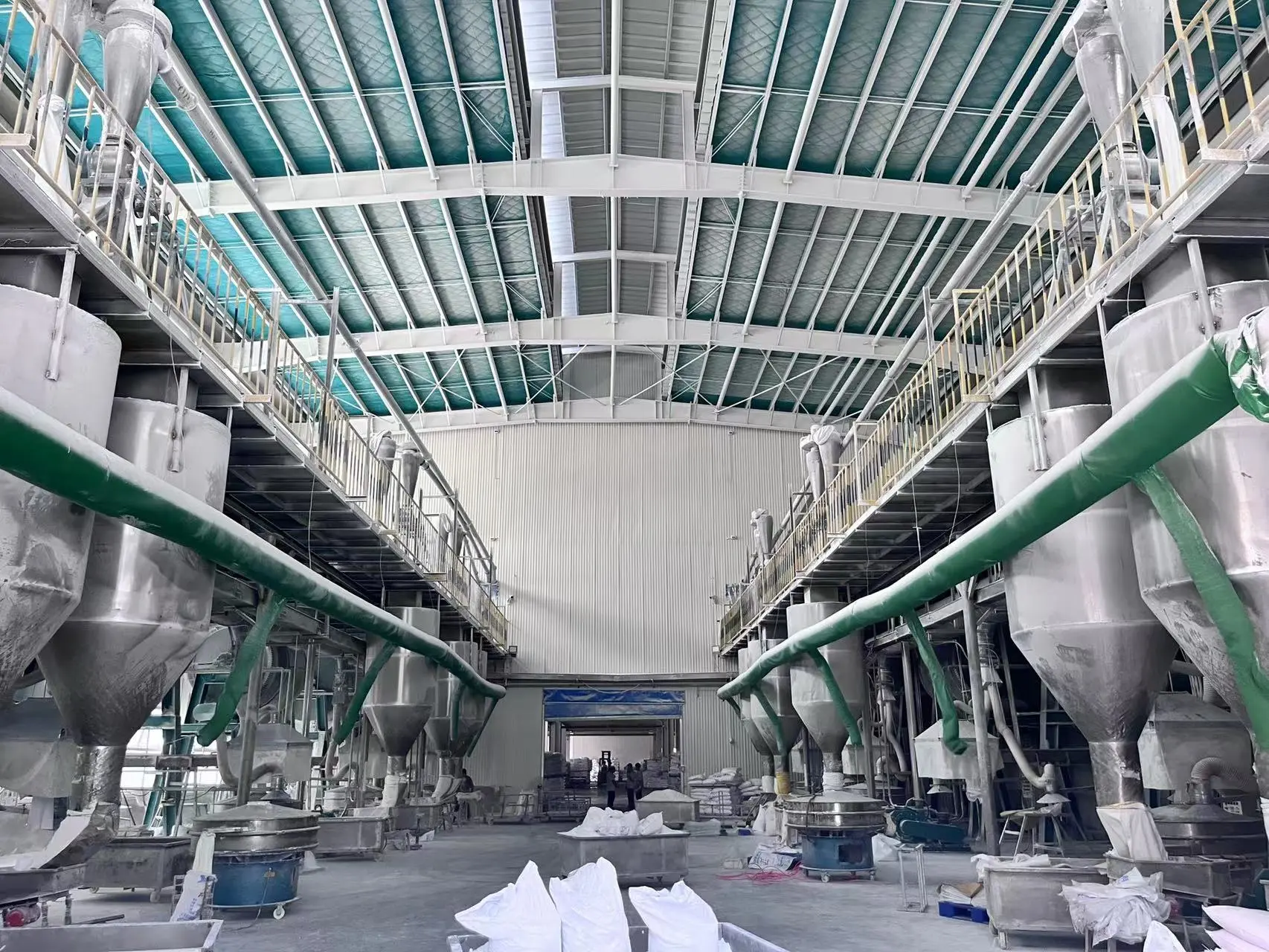
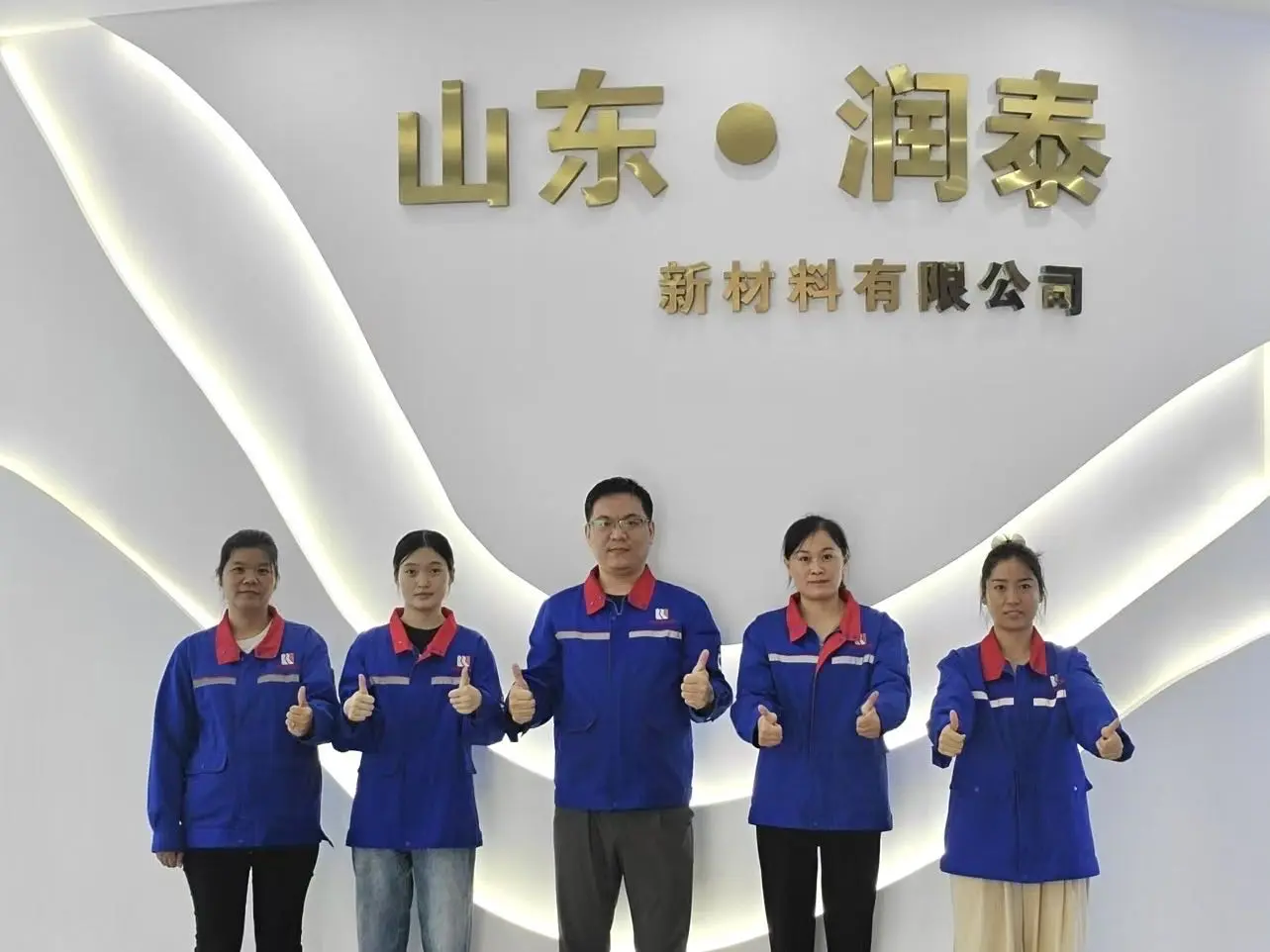
Founded in March 2020, Shandong Runtai New Materials Co., Ltd. is a comprehensive group firm that specializes in fine chemical products. Our primary products include formaldehyde, polyformaldehyde, urea formaldehyde resin, melamine powder and melamine glazing powder. The corporation has branches in five different cities throughout the whole country, with its headquarters located in Zaozhuang City, Shandong Province. Runtai New Materials covers an area of 270,000 square meters with a total investment of 2.06 billion yuan.
Our infrastructure operates under stringent international standardizations, unifying full industrial chain management with real-time digital automation. By locating our primary operations in Zaozhuang City, we exploit geographic logistics advantages, ensuring rapid access to international shipping ports and nationwide distribution networks.
At the center of Runtai's operational excellence is the integration of advanced process design philosophies: "automatic control, safe and reliable, stable operation, energy saving and consumption reduction, comprehensive utilization of resources". By selecting the more advanced Distributed Control System (DCS) available currently, we monitor and control process parameters across the entire production line, ensuring high levels of product quality and equipment safety while lowering raw material consumption.
Using premium silver wire mesh catalysts under high-temperature oxidative dehydrogenation of methanol, achieving conversion efficiencies above 98% with minimal methanol residue.
Collaborating closely with the Changzhou Research Institute of Beijing University of Chemical Technology. The company also has a cutting-edge doctoral research and development team in the industry and a number of patented technologies.
From gas chromatography validation of incoming methanol to constant titration testing of free acidity in finished 37% Formaldehyde, quality assurance is deeply integrated into every batch.
Industrial procurement departments demand high transparency regarding trace impurities. Below is the reference benchmark analysis for our 37% Formaldehyde production batching:
| Chemical Parameter | Standard Specification Value | Testing Methodology |
|---|---|---|
| Formaldehyde Concentration | 37.0% ± 0.5% wt/wt | Sodium Sulfite Titration Method |
| Methanol Stabilizer Content | 0.5% - 15.0% (Customized per storage temperature) | Gas Chromatography (GC) |
| Formic Acid (Acidity) | ≤ 0.03% (Max) | Acid-Base Indicator Titration |
| Iron (Fe) Content | ≤ 1.0 ppm | Spectrophotometry Analysis |
| Appearance & APHA Color | Clear, colorless, free of visible particulates (≤ 10 APHA) | Visual Comparator Methods |
Logistics & Cold Chain Control: During overseas delivery to regions like the USA, Thailand, Kenya, and Egypt, maintaining storage temperatures between 15°C and 25°C is vital for low-methanol grades. Drops below 15°C cause rapid crystallization. Consequently, we customize insulated shipping containers with heating pads or specify an elevated methanol concentration (e.g., 7% to 12%) depending on destination transit runtimes.
Meanwhile, Runtai New Materials, as an ethical company, prioritizes sustainable development and environmental preservation. Our commitment lies in developing and producing eco-friendly products that minimize their negative effects on the environment while adhering to pertinent laws, regulations, and standards.
The "quality first, customer first" attitude has always guided our business, and we embrace customer service with honesty and professionalism. Friends from both domestic and foreign locations are warmly invited to visit Runtai New Materials. We look forward to collaborating with you to build a better future together!
Our manufacturing complex uses closed-loop wastewater recycling, catalyst-recovery optimization, and waste gas thermal energy capture systems, minimizing volatile emissions while yielding steam energy for plant operations.

Formaldehyde acts as a primary platform chemical. Its high reactivity makes it irreplaceable in polymer chemistry. Runtai has built a long industrial chain allowing us to produce high-value derivatives directly from our raw formaldehyde feedstock:
Mainly utilized in wood adhesives, particleboards, plywood, and MDF fabrication. Engineered to minimize formaldehyde emissions in line with European E0/E1 and CARB Phase 2 regulations.
Synthesized via reaction of melamine with formaldehyde. These thermo-setting resins deliver high-gloss surfaces, heat-resistance, and electrical insulating properties for tableware and housing appliances.
Phenol-Formaldehyde polymers are highly recognized for structural materials, friction linings, grinding wheels, and structural adhesives due to their superior thermal degradation resistance.
Runtai's production systems comply strictly with global trade, quality, and environmental regulations
To maximize the requirements of product quality, we employ the current cutting-edge, dependable, and established equipment both domestically and internationally when choosing production and testing devices. Our certifications include:
Our long industrial chain is backed by multiple patents in resin polymerization, catalyst temperature regulation, and water-based additive performance. Through production-learning-research alliances with key scientific bodies, we ensure our global product deliveries remain highly competitive in cost and quality.
Professional answers for raw material sourcing managers and chemical engineers
The standard shelf life ranges from 3 to 6 months depending on the methanol concentration and storage temperature. Uninhibited/Low-methanol solutions (1-2% methanol) must be stored at temperatures between 15°C and 25°C to avoid precipitation. For longer maritime shipping routes or cold-climate warehouse storage, we recommend specifying 7% to 15% methanol stabilization to prevent paraformaldehyde precipitation.
Formic acid forms via the oxidation of formaldehyde. We control this in our DCS-regulated distillation and adsorption towers. Runtai limits the presence of dissolved oxygen during storage, maintains low temperature profiles post-condensation, and uses ion-exchange systems to guarantee formic acid levels stay strictly below 0.03% (300 ppm).
Our plants integrate both lines, but we mostly utilize the silver catalyst process because of its high efficiency for producing 37% formalin, while also permitting online adjustments of tail gas recycling to generate energy. This fits our plant energy reduction strategy.
Yes, all export shipments comply with chemical safety protocols, and we provide REACH registrations, GHS-compliant Safety Data Sheets (SDS), and custom clearance documentation to ensure smooth import and transport processes.
Browse more factory-direct chemical products for coatings, adhesives, and moldings
 Runtai