Explore our core industrial selections, manufactured to precise quality control standards for global distribution.
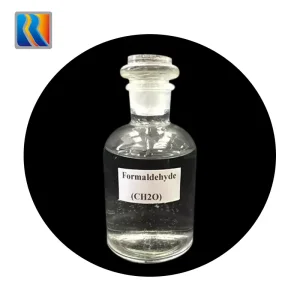
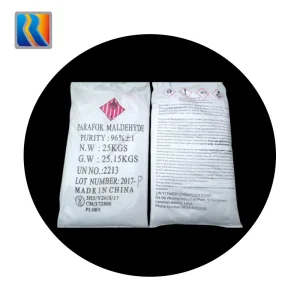
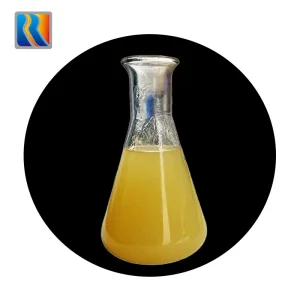
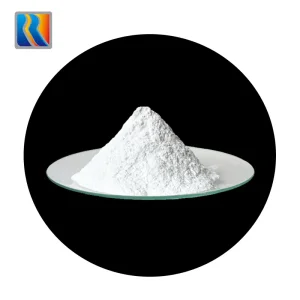
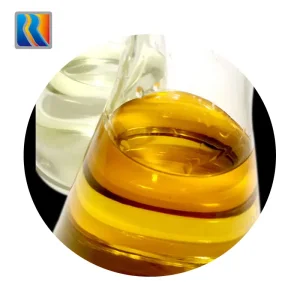
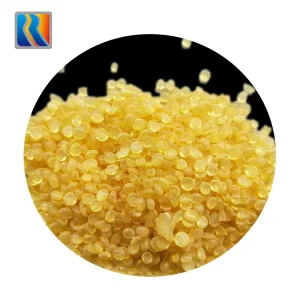
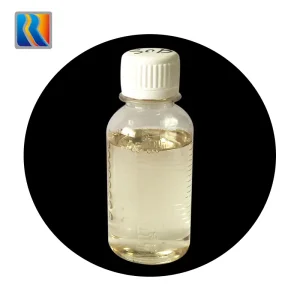
In high-end polymer synthesis, surfactant chemistry governs the thermodynamic stability and ultimate performance of the formulation. 322 Emulsifier (often structurally aligned with premium grade modified lecithin and specialty surface-active agents) stands as a cornerstone in industrial dispersion, emulsion polymerization, and viscosity mitigation. Acting at the liquid-liquid interface, this amphiphilic compound significantly reduces interfacial tension, allowing immiscible phases to form uniform, kinetic-stable emulsions.
For B2B procurement managers and manufacturing engineers, understanding the Hydrophilic-Lipophilic Balance (HLB) of 322 Emulsifiers is crucial. By engineering the micelle-forming characteristics, manufacturers can fine-tune the polymerization rates of thermosetting systems, including urea formaldehyde resins and phenolic resins. The implementation of high-purity 322 agents ensures structural homogeneity in moulding powders and packaging adhesives, preventing premature phase separation during processing.
Decoding the evolving landscape of specialty surfactants, sustainability protocols, and supply chain adjustments.
Modern industrial operations are shifting towards high-efficiency, environmentally compliant raw materials. Globally, the demand for high-grade 322 Emulsifier compounds is surging across sectors such as plastics manufacturing, construction coatings, paper processing, and agrochemicals. In the western markets, strict compliance frameworks (such as EU REACH and US EPA guidance) demand that emulsifiers offer excellent biodegradability and minimal VOC emission footprints without compromising surface activity.
As sourcing portfolios become increasingly complex, procurement teams prioritize vendors who integrate deep vertical chains. By sourcing directly from integrated chemical clusters in China, international buyers secure predictable pricing structures and resilient product supplies. Modern manufacturers, such as Shandong Runtai New Materials Co., Ltd., have addressed these challenges by executing vertical integrations—transitioning from basic chemical building blocks like Formaldehyde to high-value specialty polymers and compounding ingredients.
Our scale of operation ensures absolute reliability and undisrupted volume supply chains.
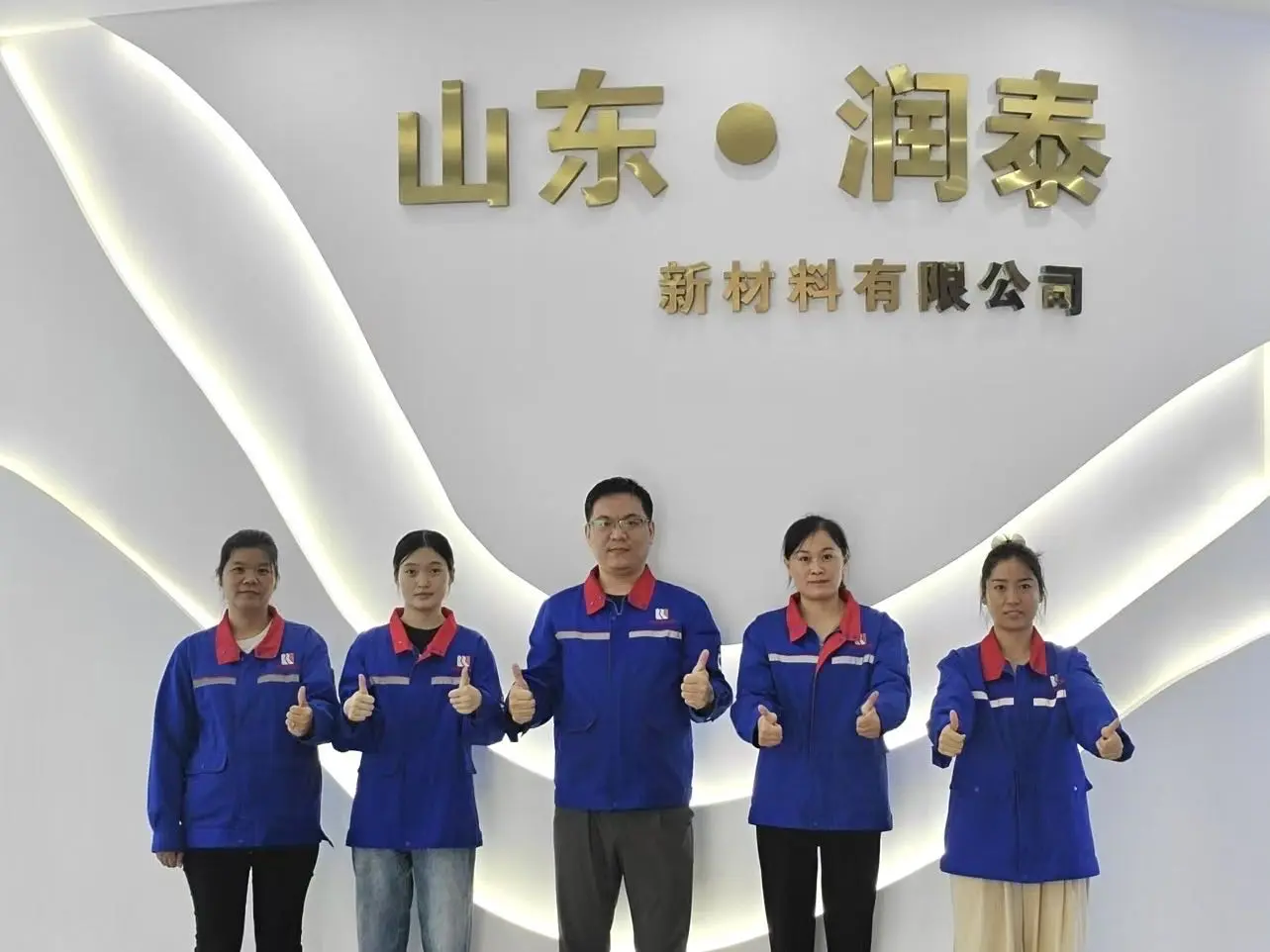
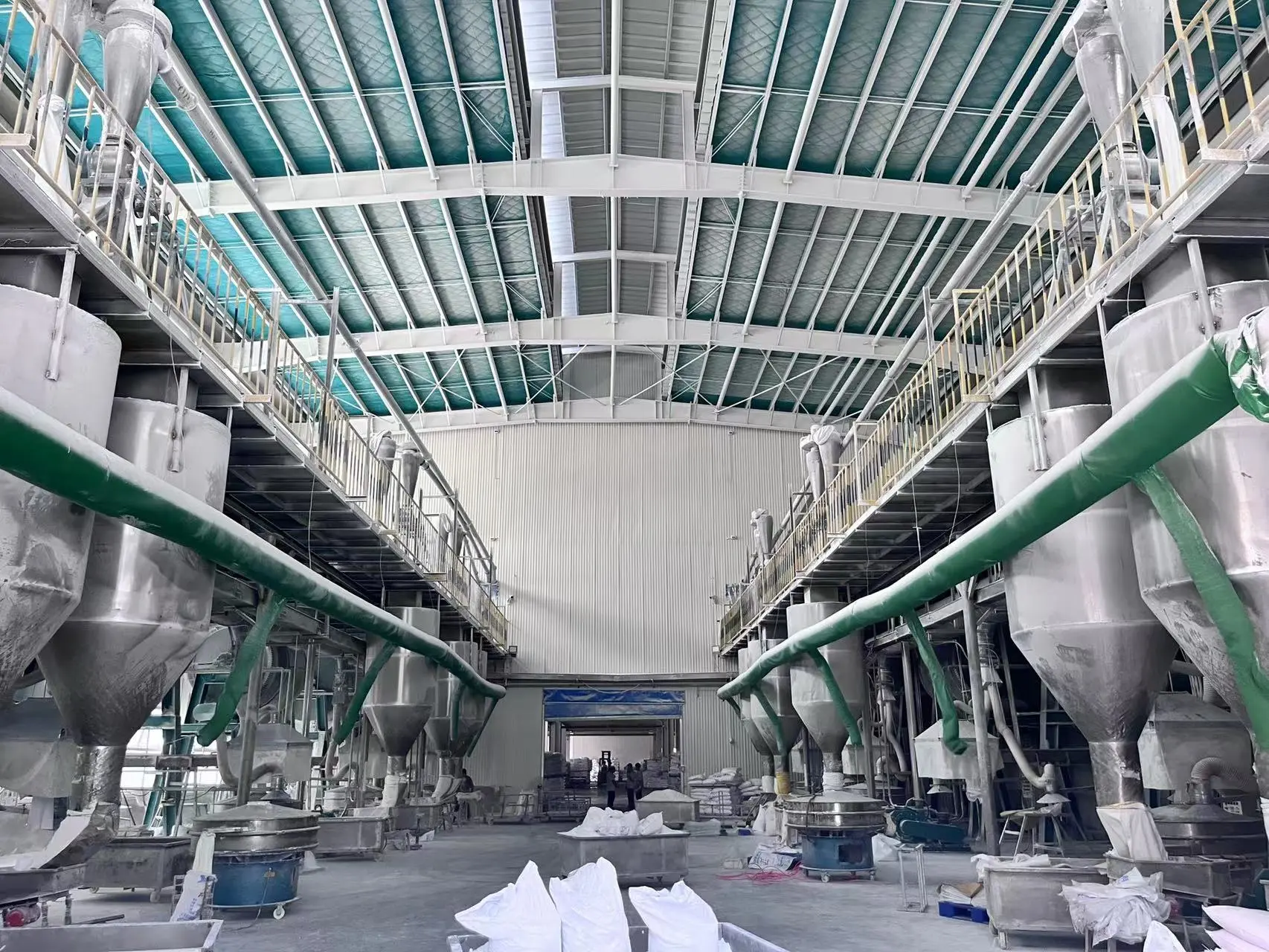
At our headquarters in Zaozhuang City, Shandong Province, we operate a state-of-the-art facility spanning 270,000 square meters. With a total capital investment of 2.06 billion yuan, our infrastructure represents the vanguard of China's Factory 4.0 industrial philosophy. Rather than relying on legacy batch-processing methods, our lines deploy modern Distributed Control Systems (DCS).
DCS platforms empower our engineering team to control synthesis parameters in real-time. By tracking temperatures, reactant feed rates, and catalytic cycles, we ensure batch-to-batch consistency for all our surfactants, resins, and moulding powders. This automation reduces energy consumption, eliminates safety hazards, and maximizes raw material yield. Our collaborative efforts with the Changzhou Research Institute of Beijing University of Chemical Technology ensure that we maintain a highly specialized, doctoral-led product design program.
Why Fortune 500 companies and regional industrial leaders select Runtai as their trusted chemical supplier.
Full DCS automated integration ensures stable, high-purity chemical parameters and safety protocols across all manufacturing phases.
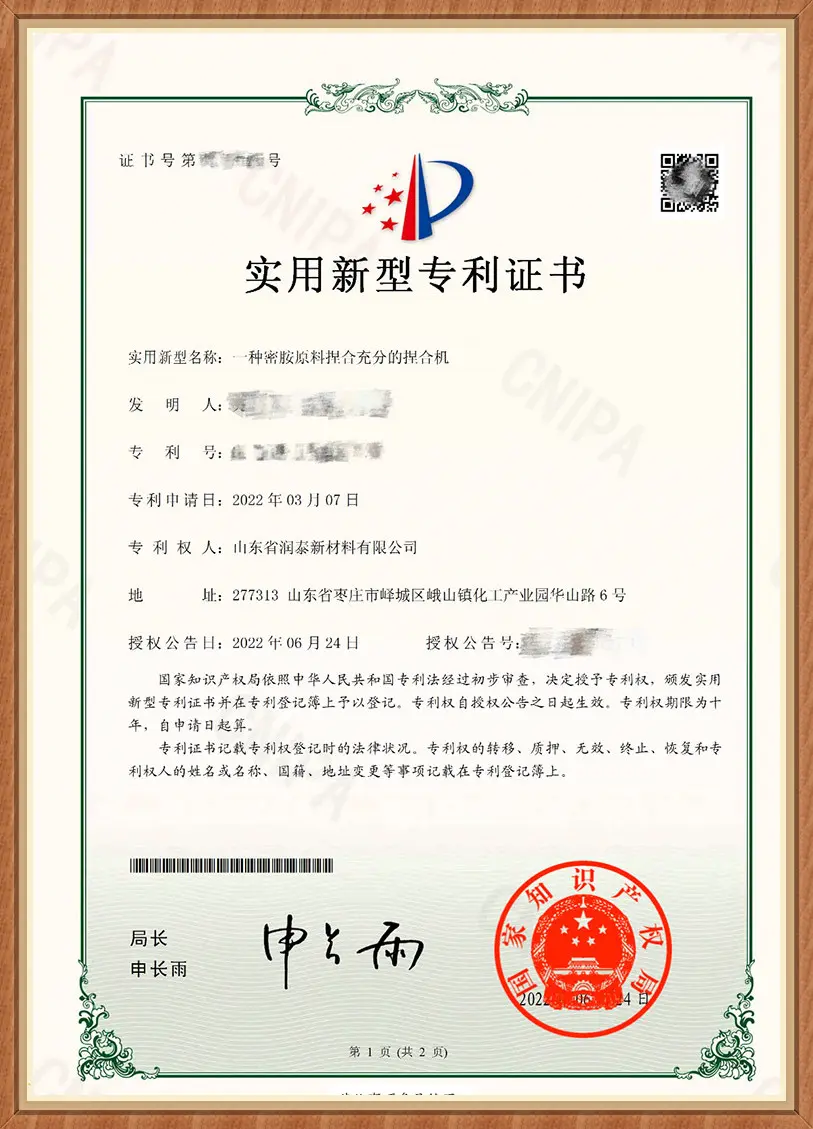
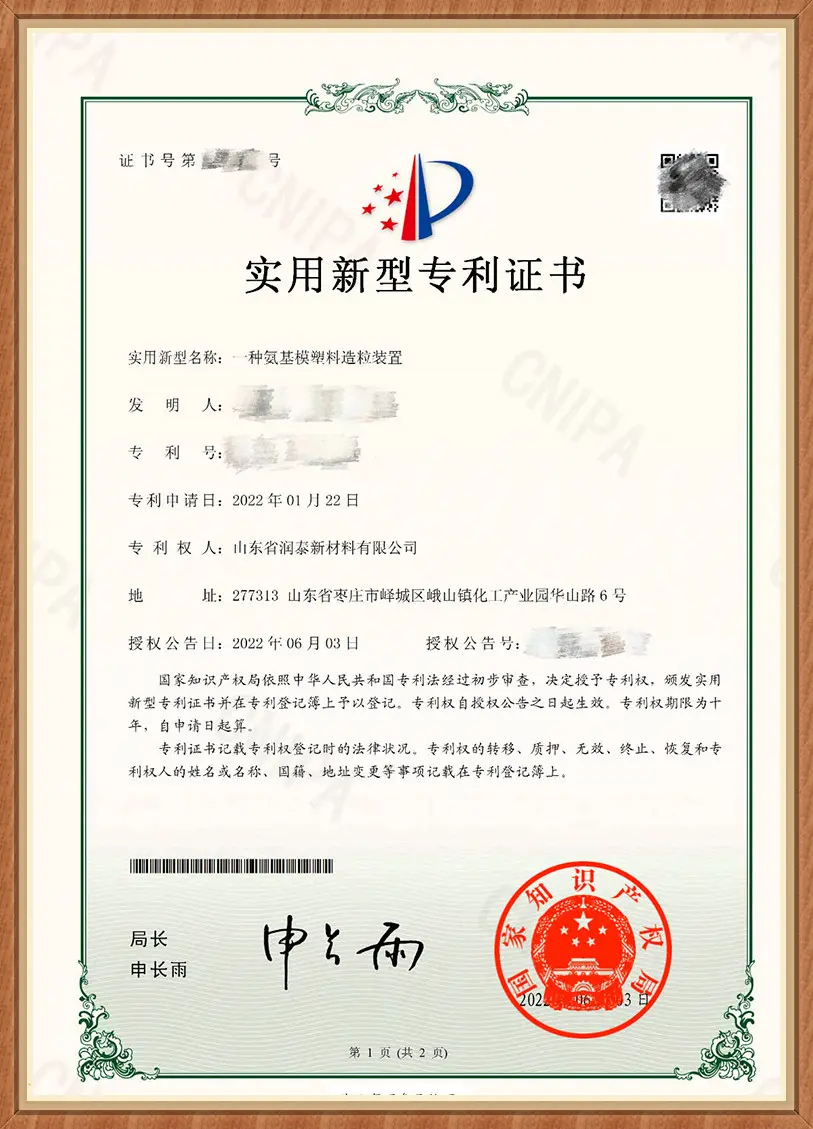
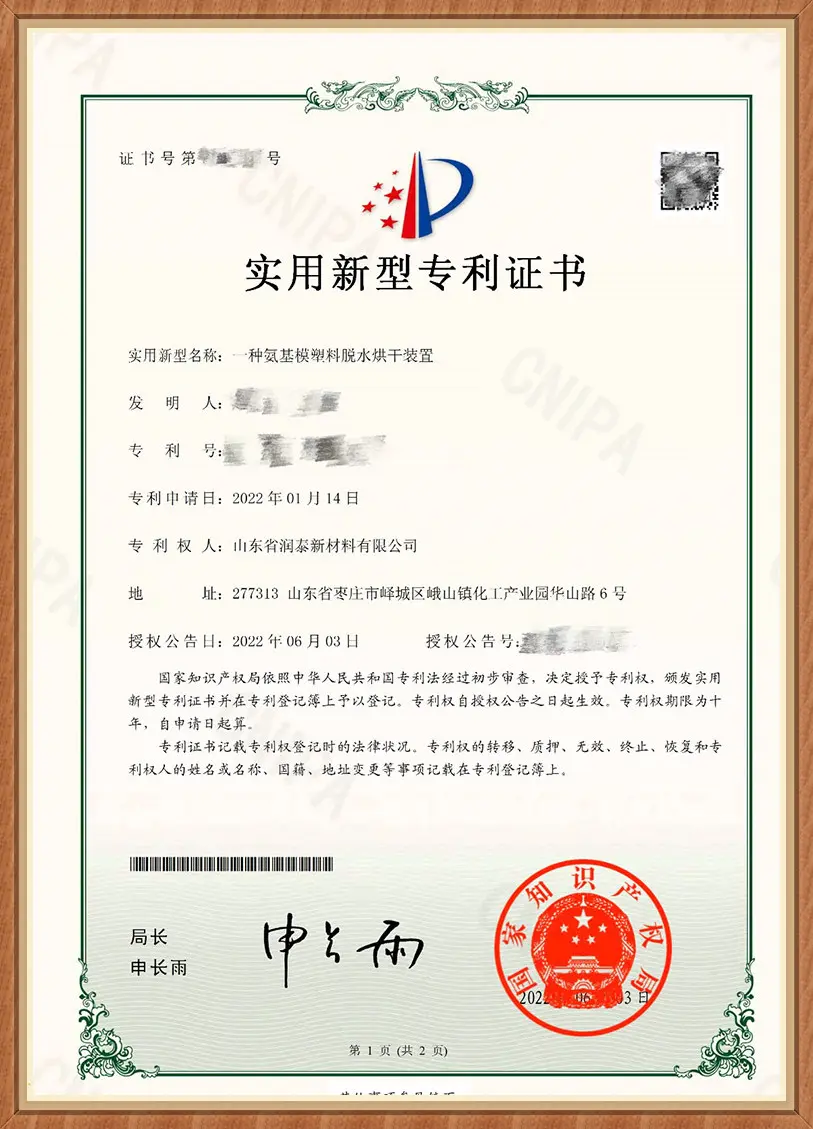
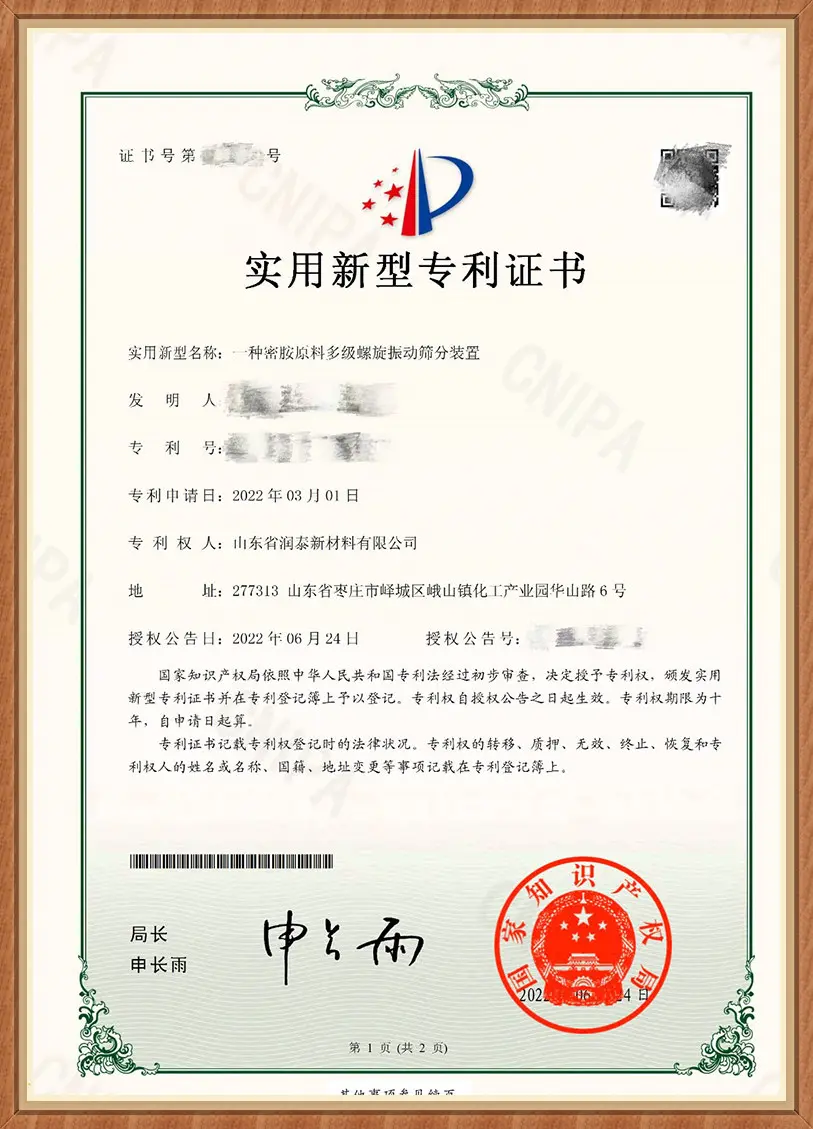
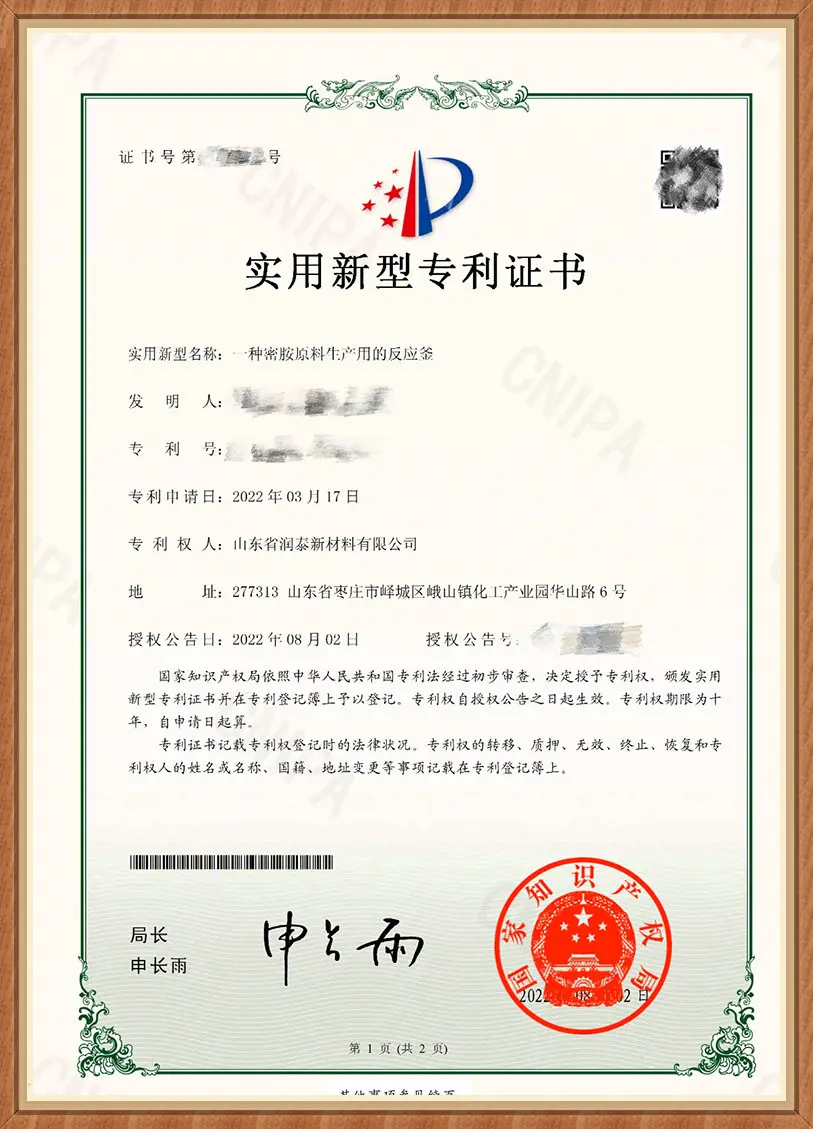
Collaborating with leading chemical institutes, we hold numerous patents and customize formulations (like 322 Emulsifier properties) for target applications.
From base feedstock Formaldehyde to downstream Melamine and specialized Water-Based Additives, we shield our clients from raw material shocks.
Aligning mass production with zero-emission goals and bio-compatible chemical synthesis.
As a responsible manufacturing entity founded in 2020, Runtai New Materials has made sustainability the core axis of our growth plan. We prioritize waste heat recovery, closed-loop water cycles, and catalyst systems that minimize the formation of secondary chemical pollutants. Our goal is to supply the global market with eco-friendly chemical choices that assist our clients in achieving their green development targets.
The applications for our specialized product line are extensive. Our Melamine Moulding Compound (MMC) and melamine glazing powder find widespread use in creating durable tableware, low-voltage electrical components, and industrial laminates. In parallel, our high-purity Paraformaldehyde and Phenolic Resins serve as key structural materials in the woodworking, coating, automotive, and packaging industries. With the integration of specialty agents like the 322 Emulsifier, our water-based systems offer optimized shelf lives and shear stability during transportation and spraying.
Expert answers to critical procurement and formulation questions about 322 Emulsifiers and thermosetting polymers.
Our commitment to compliance, innovation, and global export standards.
Complete your sourcing matrix with our highly specialized processing aids and structural resins.
 Runtai