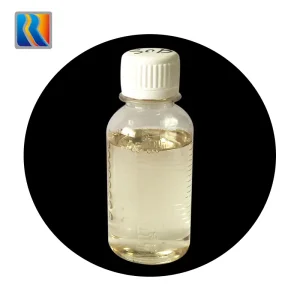
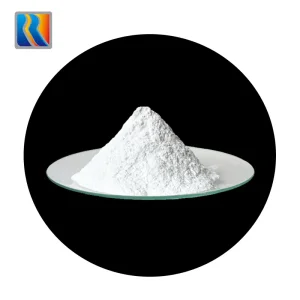
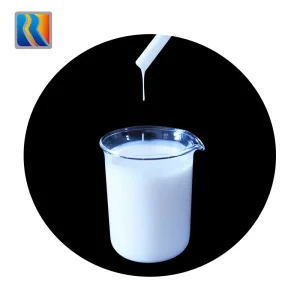
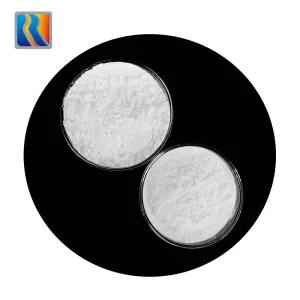
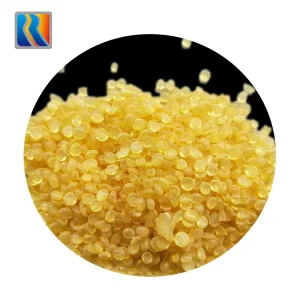
Explore our core synthetic polymers and formulations engineered to minimize processing costs while satisfying strict global performance and emission standards.
Founded in March 2020, Shandong Runtai New Materials Co., Ltd. is a modern, comprehensive chemical group prioritizing high-efficiency synthesis and raw material integration. We specialize in producing fine chemical components, including formaldehyde, paraformaldehyde, urea formaldehyde resin, melamine, and melamine glazing powder. Headquartered in Zaozhuang City, Shandong Province, our state-of-the-art facilities span over 270,000 square meters, supported by an aggregate capital investment of 2.06 billion yuan.
By integrating regional petrochemical feeds and advanced synthesis loops, we have built a structurally cost-effective chain that provides global industrial users with premium-grade urea formaldehyde resin and derivatives at scale. Our five national manufacturing and logisitics branches guarantee continuous distribution and commercial redundancy.
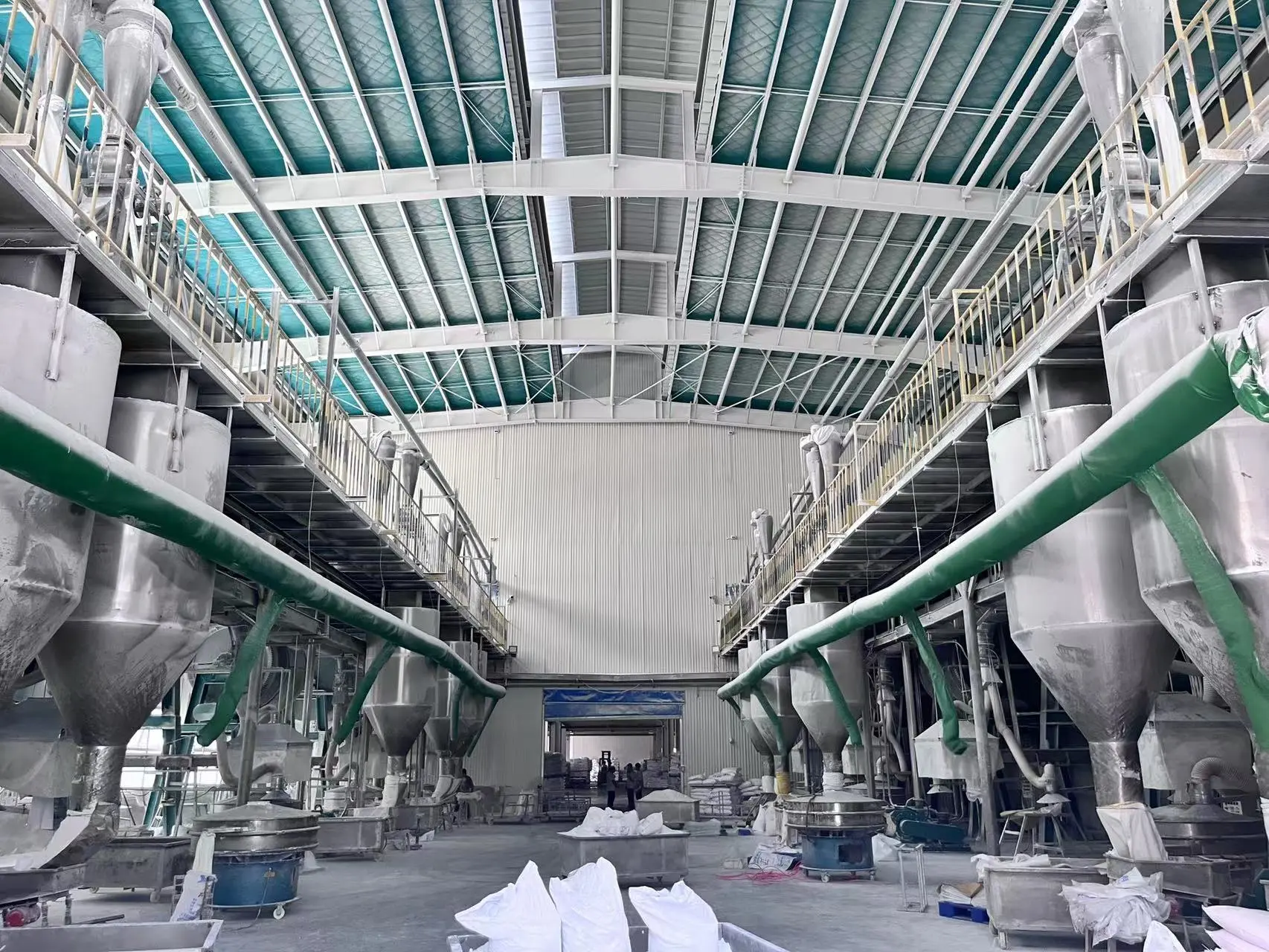
A granular look at the chemical engineering parameters, process integrations, and manufacturing systems that define commercial pricing and performance profiles.
Urea Formaldehyde (UF) resins are polymeric condensation products of formaldehyde and urea. Structurally, their synthesis progresses through two key thermodynamic reactions: methylolation (addition reaction) and condensation (polymerization reaction). The molar ratio of Formaldehyde to Urea (F:U) is the primary determinant of both physical performance (such as internal bond strength and moisture resistance) and cost.
By utilizing in-house production loops for formaldehyde (380,000 tons/year) and melamine (60,000 tons/year), Runtai New Materials offsets the volatile market pricing of raw methanol and urea. This integration bypasses external logistics costs and wholesale markups, ensuring stable, affordable pricing directly to industrial wood processors and molding factories.
Manual reactor control in resin synthesis creates batch-to-batch inconsistency, leading to excess viscosity variation, short shelf-life, and high scrap rates, which drive up unit costs. Runtai implements state-of-the-art Distributed Control Systems (DCS) to manage parameters dynamically:
| Resin Type | Typical Solid Content | F:U Molar Range | Viscosity (25°C) | Key Application |
|---|---|---|---|---|
| Liquid E1 UF Resin | 65% ± 1% | 1.15 - 1.25 | 150 - 250 mPa·s | Plywood & Particleboard Core |
| Low-Emission E0 UF | 62% ± 1% | 1.05 - 1.12 | 200 - 300 mPa·s | Indoor Furnishing MDF |
| Melamine-Modified (MUF) | 63% ± 1% | N/A (Modified) | 250 - 400 mPa·s | Moisture-Resistant Panels |
| Powder UF Resin | 95% ± 1% | 1.10 - 1.20 | Reconstituted | Export / Extended Storage Glue |
Purchasing from a Chinese chemical cluster like Zaozhuang City in Shandong Province yields significant macroeconomic and operational cost savings. Main advantages include:
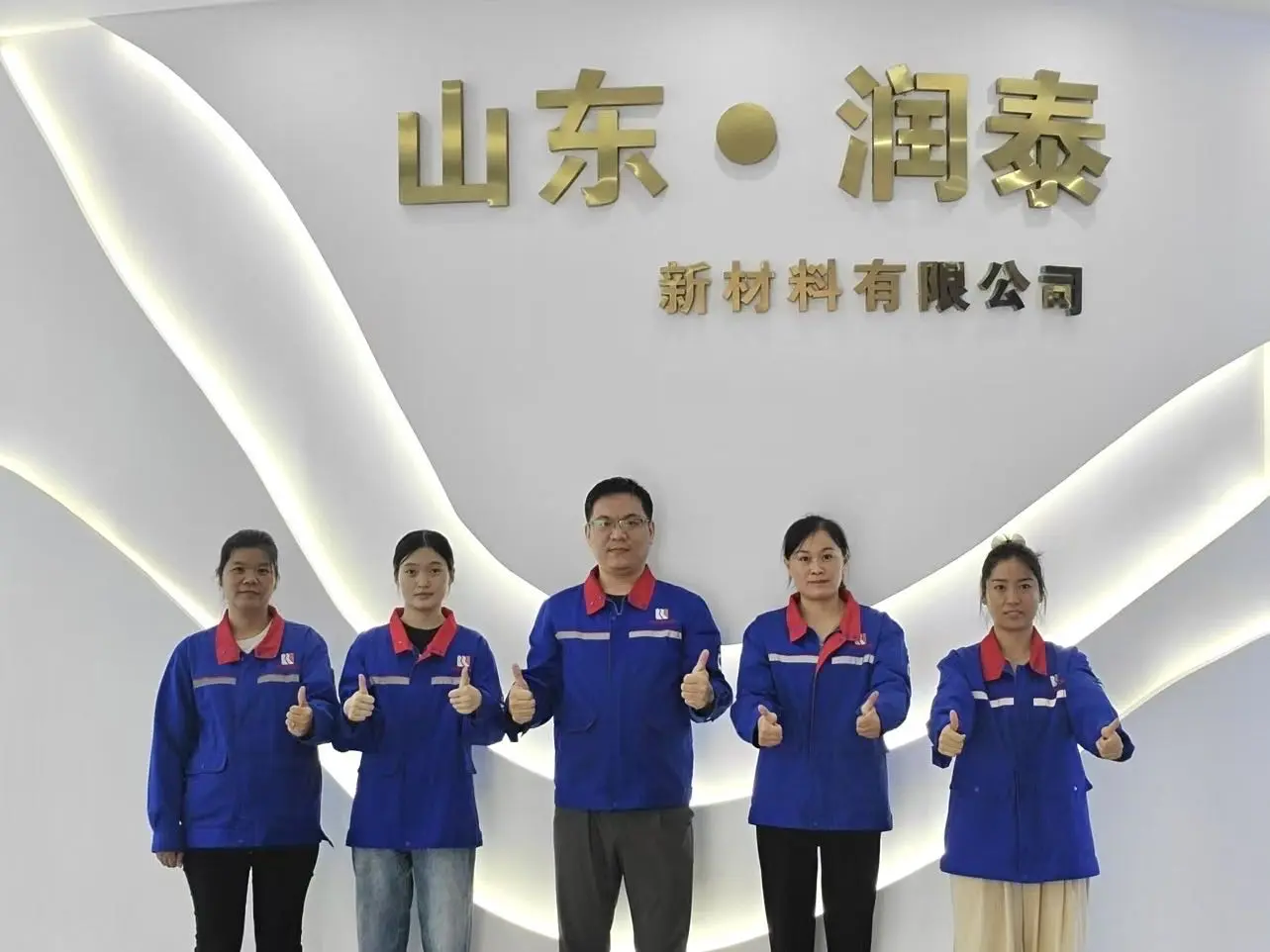
Runtai New Materials works closely with the Changzhou Research Institute of Beijing University of Chemical Technology. This collaborative production, learning, and research structure links scientific discovery with industrial production.
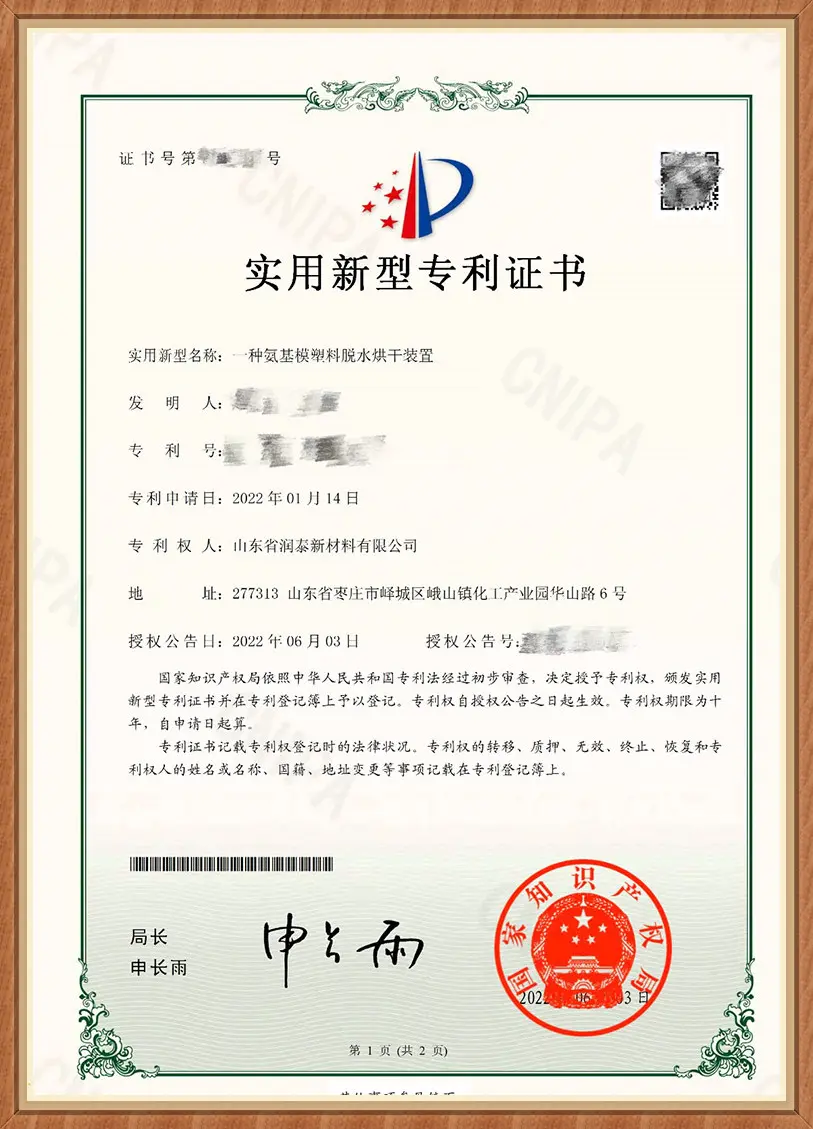
Our internal R&D team includes PhDs, polymer chemists, and chemical engineers focused on low-emission polymer structures, formaldehyde scavenging agents, and modified melamine glazing formulations. This focus has yielded patented process control steps that cut energy consumption by 15% and increase resin shelf-life by 25% under standard conditions.
Sustainability Commitments: In line with global green chemistry initiatives, our formulations reduce environmental impact, helping industrial buyers satisfy local environmental audits and carbon credit targets.
A summary of the core competitive advantages that optimize total cost of ownership for our global procurement partners.
We process raw chemicals directly into refined resins and molding compounds. This integration insulates customers from raw material market fluctuations and reduces procurement costs.
Using digital control loops keeps polymer distribution tight, eliminates batch-to-batch variation, and ensures consistent quality.
Our partnership with Beijing University of Chemical Technology produces custom formulations (MUF, low-formaldehyde, quick-cure) tailored to user parameters.
Modern chemical synthesis must balance productivity with environmental safety. Runtai operates state-of-the-art biological wastewater treatment plants and advanced thermal oxidizers to capture and neutralize volatile emissions during synthesis.
By complying with national environmental guidelines and securing certified safety licenses, we offer global partners a reliable supply chain free from regulatory interruptions. Working with us means sourcing products that satisfy international environmental audits.

Explore our specialized range of downstream compounds, glazing powders, and performance enhancers designed for heavy industrial use.
Our manufacturing protocols are certified by international testing agencies, ensuring safety and compliance across global markets.
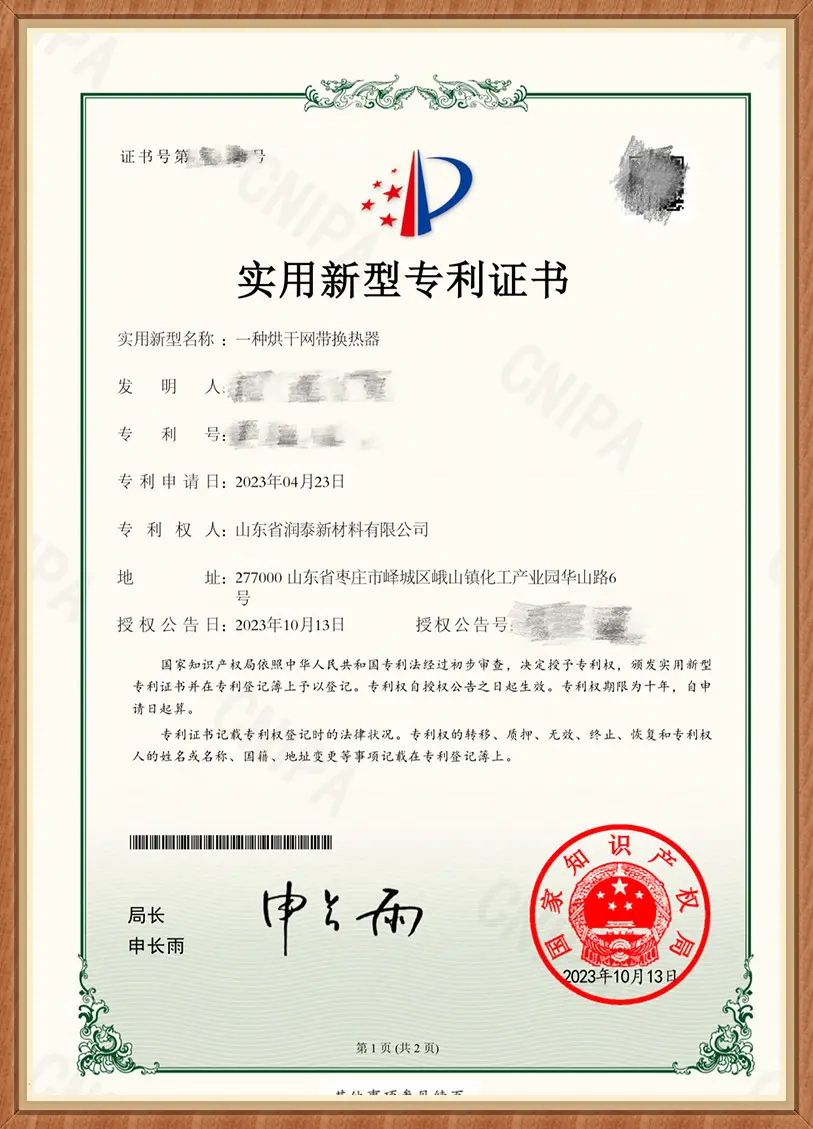
ISO 9001 Quality System
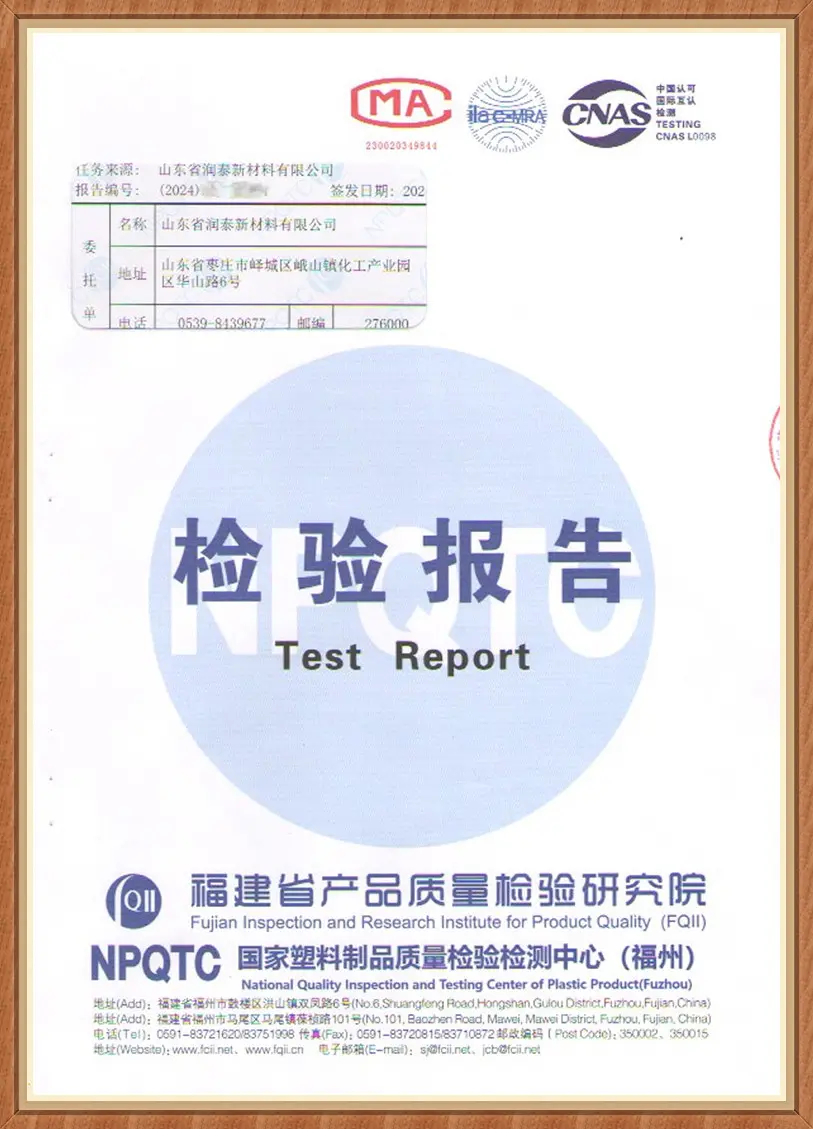
ISO 14001 Environment
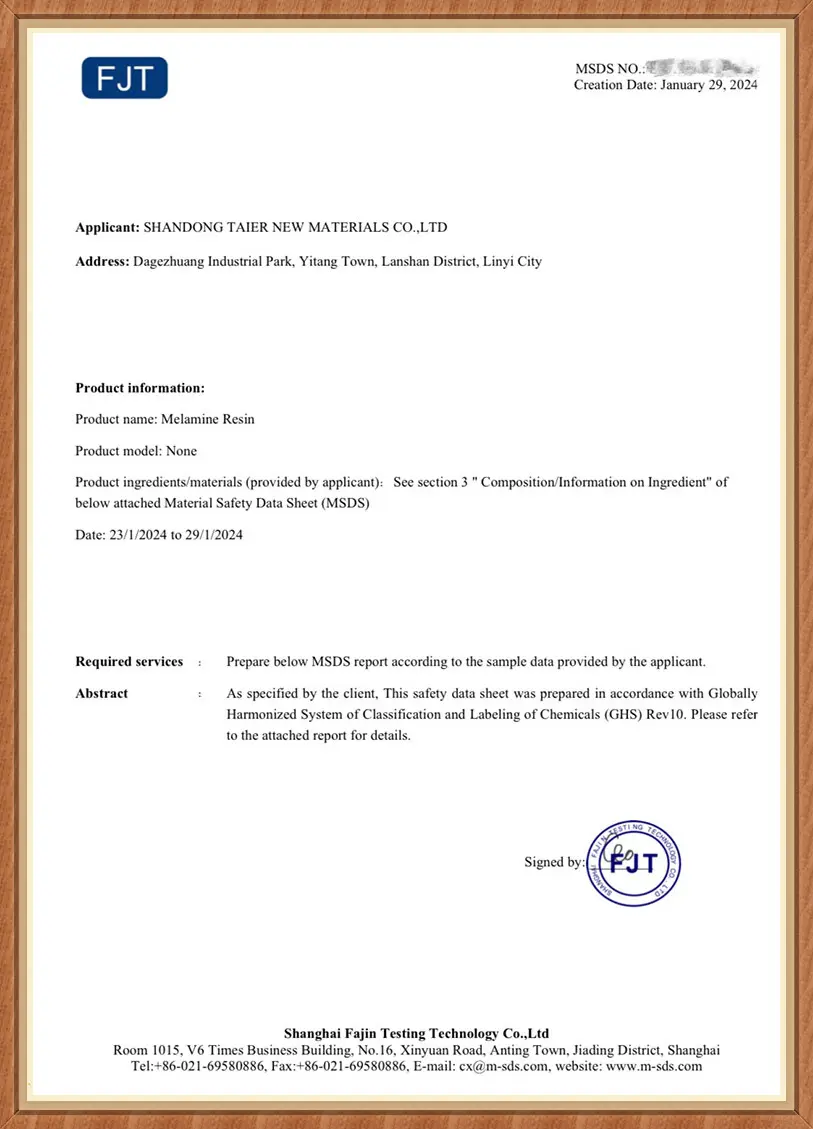
OHSAS 18001 Occupational Safety
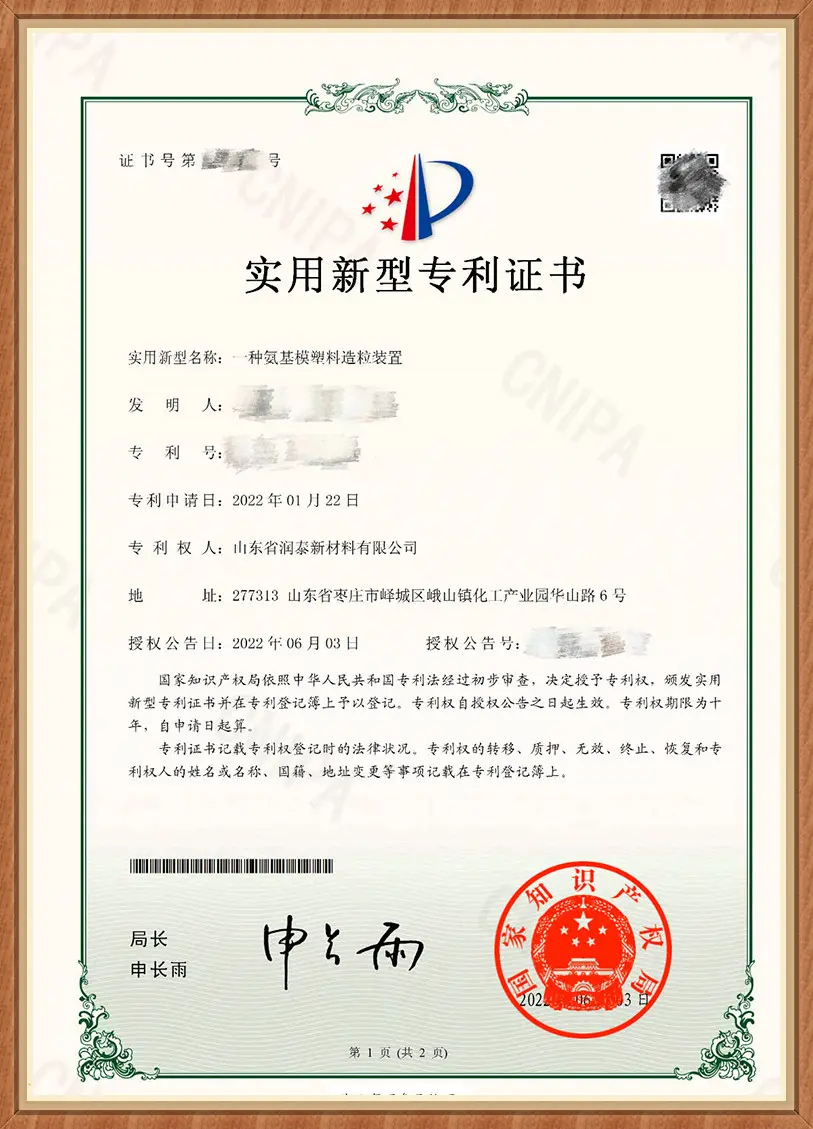
REACH Compliance
CARB Phase 2 Standard
Direct answers from our engineering and chemical logistics teams about pricing, applications, and performance variables.
The core drivers are the raw material costs of urea (linked to natural gas/coal indexes) and methanol (the base molecule for formaldehyde synthesis). Energy consumption during the condensation reaction phase and stabilizing additives also impact the final cost. Runtai mitigates these variables through vertical integration—producing our own formaldehyde to stabilize supply and pricing.
A lower Formaldehyde-to-Urea (F:U) ratio (e.g., 1.05) reduces free formaldehyde emissions, helping products satisfy E0 and CARB Phase 2 standards. However, it requires advanced condensation controls and stabilizing agents to preserve adhesive strength, which slightly increases formulation costs compared to high-emission industrial resins.
Liquid UF resin (typically 65% solid content) is more cost-effective but has a limited shelf life of 2 to 3 weeks, making it ideal for localized or regional delivery. Powder UF resin has a shelf life of up to a year and is cheaper to ship long distances, though it requires reconstitution equipment at the destination.
Our headquarters is located within a highly integrated chemical cluster in Shandong. This offers raw material access, shared environmental infrastructure, and close proximity to Qingdao Port, significantly lowering logistics and production overheads.
Yes. Our R&D team can formulate Melamine-Urea-Formaldehyde (MUF) resin blends. Adding melamine improves hydrolytic stability and moisture resistance for exterior-grade plywood or high-humidity applications.
 Runtai