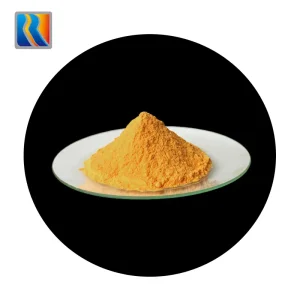
Explore our foundational range of high-performance monomers, specialized resins, and advanced industrial chemicals engineered for cross-sector applications.
Evaluating the paradigm shift from premium lab catalog brands to direct chemical synthesis plants.
For decades, procurement departments in pharmaceutical synthesis, polymer engineering, and biological research have reflexively turned to catalog giants like Sigma-Aldrich for Paraformaldehyde (PFA). While micro-scale assays and precision standard validation justify premium-brand lab reagents, large-scale pilots and commercial manufacturing processes fail under these cost structures. The key search intent behind "Cheap Sigma Aldrich Paraformaldehyde s Factory & Factories" represents a growing market mandate: finding high-purity, low-depolymerization-residue PFA manufactured at an industrial scale, matching catalog purity benchmarks while operating at factory-direct pricing.
Paraformaldehyde (CAS No. 30525-89-4) is the solid condensation product of methylene glycol, characterized by a polymerization degree ($n$) typically ranging from 8 to 100 units. To replace catalog standards in syntheses requiring dry, anhydrous formaldehyde gas, chemical engineers must monitor specific technical metrics: polymer chain length, solubility rate in alkaline or acidic solutions, and ash residue. Directly purchasing from vertically integrated factories allows custom tailoring of these properties while removing third-party brand markups.
| Specification Parameter | Sigma-Aldrich Analytical Reagent Grade (Reference) | Runtai Factory-Direct Industrial High-Purity Grade | Procurement Advantage |
|---|---|---|---|
| Assay (as CH2O) | 95.0% - 98.0% | 96.0% - 98.5% | Equivalent active formaldehyde content for stoichiometric calculations. |
| Physical Form | Prills, Powder, or Granular | Controlled-mesh free-flowing micro-prills | Reduced dusting, optimized dissolution rate, safer handling. |
| Residue on Evaporation | ≤ 0.05% | ≤ 0.08% | Highly suitable for resin condensation without inorganic salt interference. |
| Heavy Metals (as Pb) | ≤ 0.001% | ≤ 0.002% | Meets strict intermediate requirements for agrochemicals and polymers. |
| Cost Factor (Bulk Scale) | 100% (Premium Base) | 15% - 25% of Reagent Cost | Significant capital expenditure reduction at industrial scale. |
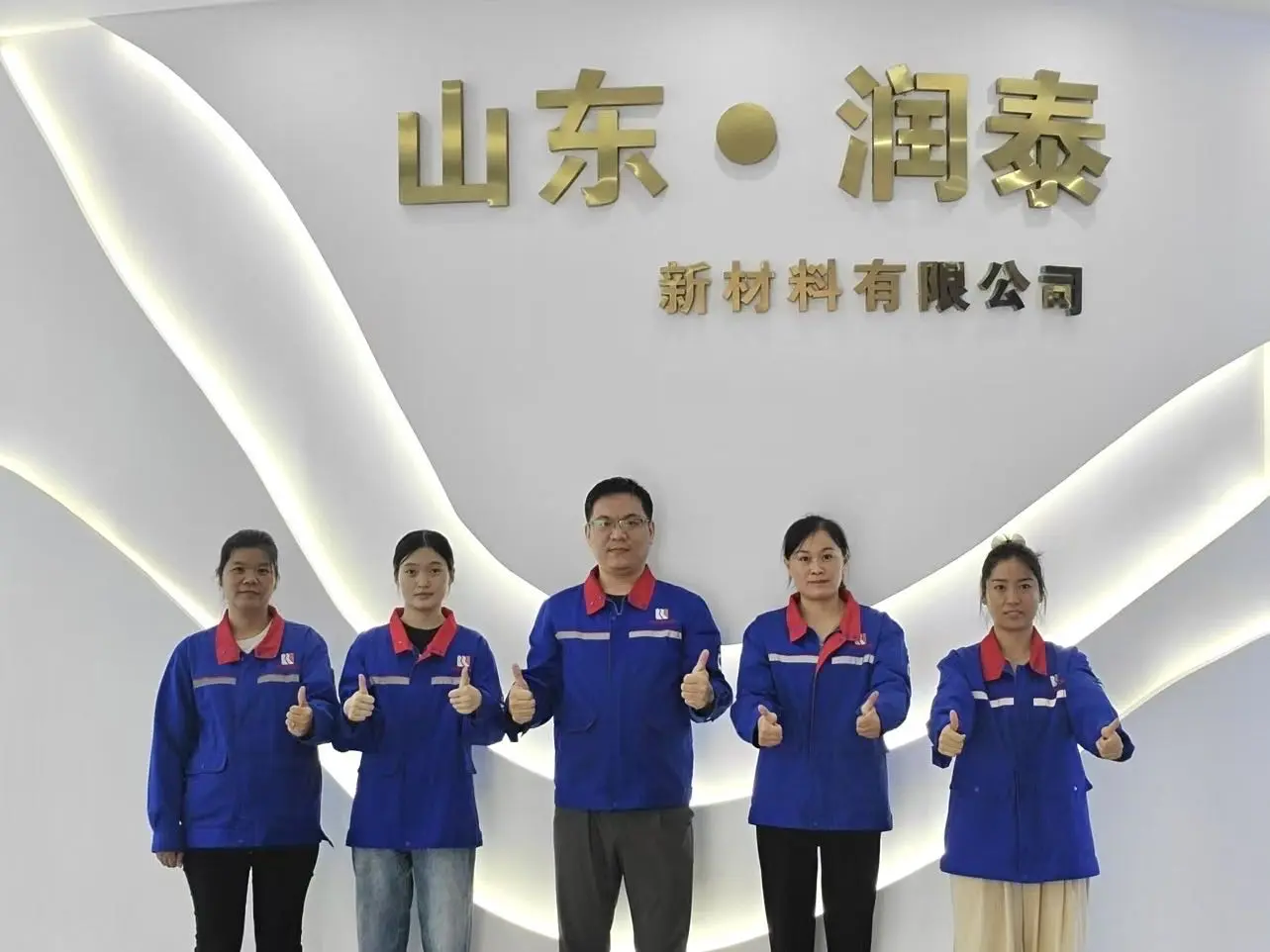
Founded in March 2020, Shandong Runtai New Materials Co., Ltd. is a comprehensive group firm that specializes in fine chemical products. Our primary products include formaldehyde, polyformaldehyde (paraformaldehyde), urea formaldehyde resin, melamine powder, and melamine glazing powder.
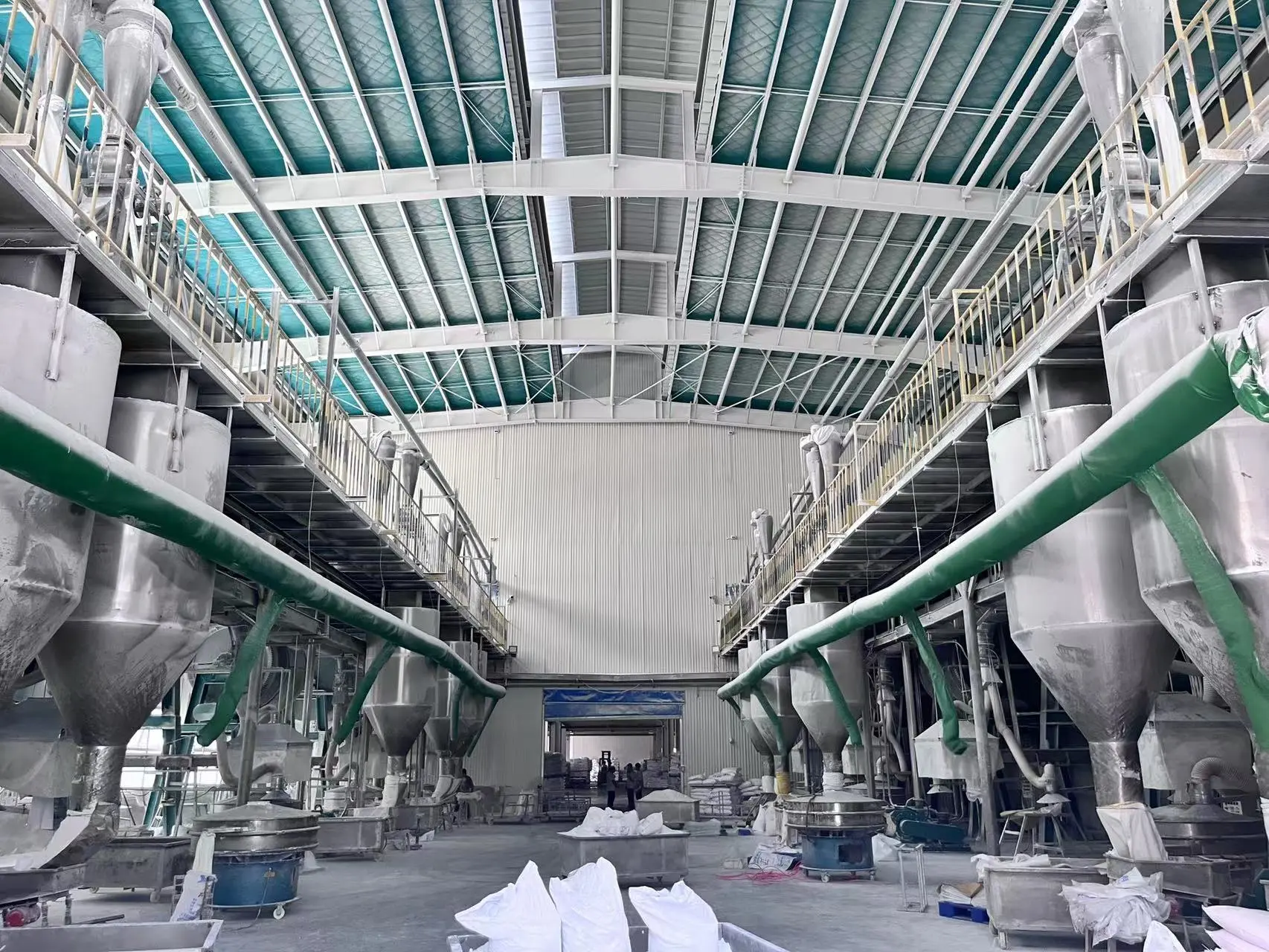
The corporation has branches in five different cities throughout the whole country, with its headquarters located in Zaozhuang City, Shandong Province. Runtai New Materials covers an area of 270,000 square meters with a total investment of 2.06 billion yuan, providing the infrastructure required to guarantee supply chain stability.
Annual Formaldehyde Capacity
Melamine Output Annually
Domestic Market Share
Total Capitalization (Yuan)
Analyzing localized demands, technical pathways, and regional regulatory compliance frameworks.
Organic Synthesis: In localized chemical production, dry formaldehyde gas generated from heating high-purity PFA is critical. It avoids introducing water into reactions such as Chloromethylation or the Mannich Reaction, optimizing yield profiles.
Pathology and Histology Fixatives: Paraformaldehyde is depolymerized to make fresh 4% buffered formaldehyde solution. This is essential for structural preservation in anatomical laboratories across North America and Europe.
Our production relies on advanced chemical engineering pathways. Low-temperature concentration and continuous vacuum dehydration systems control the average molecular weight (or value of $n$).
Applying the guiding principles of automatic control, safe and reliable, stable operation, energy saving and consumption reduction, we leverage the advanced Distributed Control System (DCS) to govern temperature margins within ±0.5°C, ensuring uniform depolymerization rates.
Paraformaldehyde is classified as a hazardous substance (UN 2213, Class 4.1 Flammable Solid). Safe delivery requires compliance with international standards.
We provide full compliance documentation, including EU REACH registrations, US EPA toxic substance reports, GHS-compliant Safety Data Sheets (SDS), and custom packaging designed to prevent moisture absorption and self-polymerization during transport.
The global paraformaldehyde manufacturing sector is moving toward strict control of VOCs (volatile organic compounds) and energy efficiency. Runtai’s technology roadmap focuses on developing fast-dissolving, low-water paraformaldehyde. This variant depolymerizes rapidly at lower temperatures, reducing heat consumption in downstream polymer manufacturing. Collaborating with the Changzhou Research Institute of Beijing University of Chemical Technology, our doctoral research team is optimizing catalyst profiles to produce paraformaldehyde with low acid content, preventing side-reactions in sensitive pharmaceutical syntheses.
China's fine chemical sector benefits from deep industrial integration. Our manufacturing facility in Zaozhuang City, Shandong Province, is situated near reliable feedstocks of methanol (the direct precursor to formaldehyde). This integration reduces shipping risks and raw material volatility. Our continuous production lines run continuously, allowing us to maintain a stable supply even during global logistics disruptions. Additionally, our high automation limits labor cost exposure, passing direct savings to international clients.
High Domestic & Export Market Share: Following the completion of our melamine project, Runtai has become a leading Chinese enterprise in research, production, sales, and application of new chemical materials using formaldehyde as a raw material.
Advanced Production Technology: Our Distributed Control System (DCS) monitors process parameters across the production line. This control ensures product purity and consistency while lowering energy consumption.
High-End Production & Testing Equipment: We use advanced testing devices to ensure our chemical output meets international quality specifications. Our analytical labs are equipped with Gas Chromatography (GC) and Karl Fischer titration systems for rigorous quality control.
Strong Independent Innovation: We maintain long-term partnerships with leading research institutions to support product optimization. The company holds multiple patented chemical processing technologies developed by our in-house doctoral team.

Expert answers addressing the chemical properties, sourcing logistics, and application optimization of high-purity Paraformaldehyde.
Runtai's factory-direct paraformaldehyde maintains a high assay (96%-98.5% active formaldehyde) and low moisture levels. For commercial chemical synthesis, it is an efficient alternative to analytical reagents. It releases dry formaldehyde gas reliably without introducing unnecessary water, which can interfere with anhydrous reactions.
To prepare a 4% formaldehyde solution from solid paraformaldehyde, heat the PFA in phosphate-buffered saline (PBS) to approximately 60°C. Add a basic catalyst (such as drops of 1N NaOH) to raise the pH and accelerate depolymerization. Once dissolved, filter the solution and adjust the pH to 7.2–7.4.
As a Class 4.1 Flammable Solid, paraformaldehyde is packaged in UN-approved moisture-barrier woven bags or composite containers. Our logistics processes adhere to IMDG and IATA regulations, ensuring shipment safety, climate-controlled storage, and complete hazard documentation.
The polymerization degree ($n$) determines the chain length. A lower polymerization index dissolves faster at lower temperatures, which is preferred for delicate chemical syntheses. We monitor and manage this parameter during vacuum dehydration to ensure batch consistency.
Shandong Runtai New Materials operates under ISO 9001, ISO 14001, and ISO 45001 standards. Our materials comply with REACH regulations for distribution in European markets, supported by full documentation from our Zaozhuang facilities.
A secondary selection of our products, ensuring reliable chemical performance for international manufacturing requirements.
 Runtai