Explore our foundational polymer compounds, resins, and specialized industrial solutions designed for heavy-duty compression and structural manufacturing.
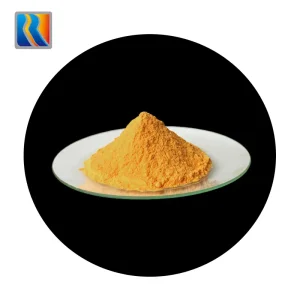
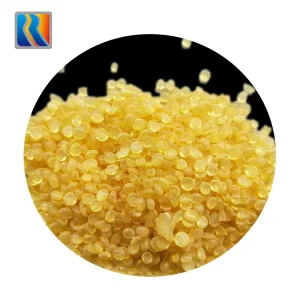
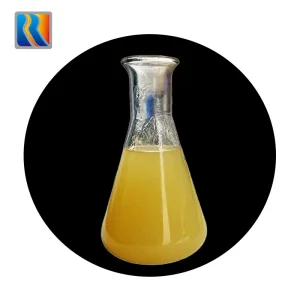
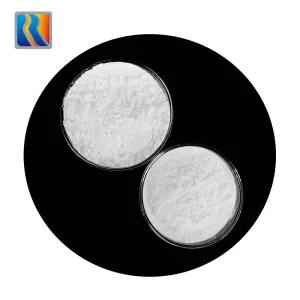
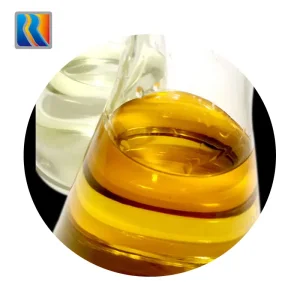
An in-depth chemical and economic evaluation of cold-curing structural wood adhesives for global industrial applications.
Phenol Resorcinol Formaldehyde (PRF) adhesives represent the pinnacle of structural wood bonding technology. Synthesized through the co-condensation of phenol, resorcinol, and formaldehyde, these thermosetting polymers are engineered for projects requiring absolute durability under harsh exposure. Resorcinol is uniquely characterized by its high reactivity, enabling room-temperature (cold-setting) cross-linking. Phenol is chemically integrated to optimize raw material costs without sacrificing structural integrity, resulting in a cost-effective, high-performance adhesive.
The curing mechanism involves a polycondensation reaction that forms three-dimensional, highly cross-linked methylene ether and methylene bridges. These bonds are completely insoluble in water, impervious to microbiological attacks, and structurally stable across a wide temperature range (-50°C to 120°C). Unlike standard urea-formaldehyde resins, PRF resins are certified for load-bearing timber construction where human safety and lifetime reliability are critical.
Our factory-formulated PRF resins comply with the most stringent global standards, including EN 301 (Adhesives for load-bearing timber structures) and ASTM D2559 (Standard Specification for Adhesives for Bonded Structural Wood Products for Use Under Exterior Exposure Conditions). Below is the typical technical profile for our standard batches:
| Property Parameter | Standard Range | Testing Protocol |
|---|---|---|
| Solid Content (%) | 55% ± 2% | ISO 3251 |
| Viscosity at 25°C (mPa·s) | 250 - 600 | ISO 3219 |
| pH Value | 7.2 - 8.5 | ISO 976 |
| Free Formaldehyde (%) | < 0.1% | EN 1243 |
| Wood Failure Percentage (%) | ≥ 90% (Softwoods & Hardwoods) | ASTM D5266 |
| Delamination Resistance | < 5% total delamination depth | EN 302-2 (A7 Cycle) |
Modern engineering projects require adhesives that can withstand decades of environmental stress. PRF formulations are the industry standard for several key sectors:
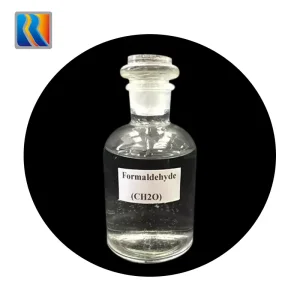
Founded in March 2020, Shandong Runtai New Materials Co., Ltd. is a comprehensive group firm that specializes in fine chemical products. Our primary products include formaldehyde, polyformaldehyde, urea formaldehyde resin, melamine powder and melamine glazing powder. The corporation has branches in five different cities throughout the whole country, with its headquarters located in Zaozhuang City, Shandong Province. Runtai New Materials covers an area of 270,000 square meters with a total investment of 2.06 billion yuan.
Runtai New Materials has grown to be one of China's top producers of melamine and formaldehyde due to our recent improvements in production lines growth. As of currently, the company produces 380,000 tons of formaldehyde annually, 60,000 tons of melamine annually, 20,000 tons of melamine glazing powder annually, 11,000 tons of resin annually, and 300,000 tons of urea formaldehyde resin annually. We have reached about 80% market share in China. At the same time, we are actively developing overseas business; our products have been exported to the United States, Thailand, Kenya, Egypt and other countries and have been widely praised by overseas customers.
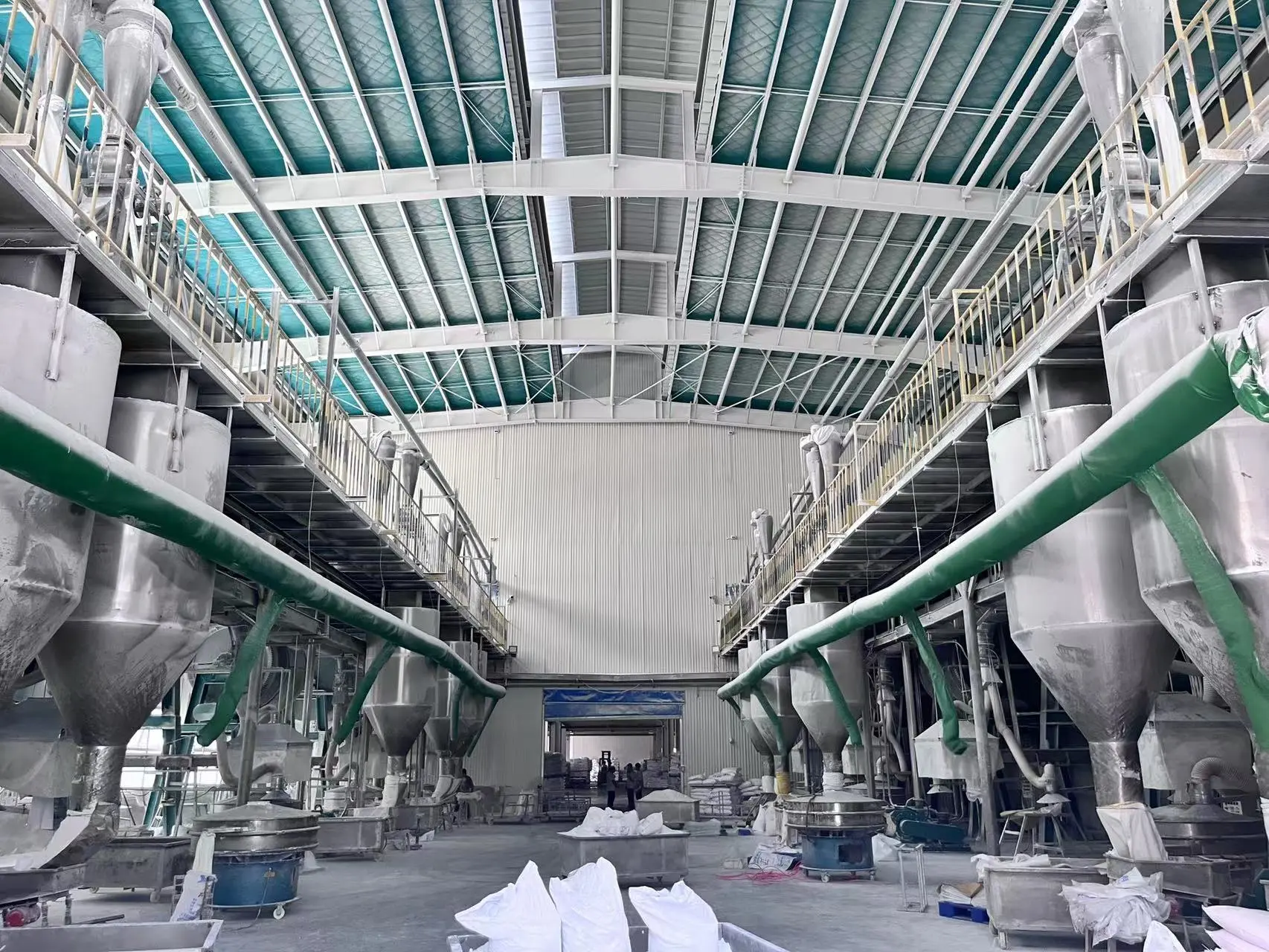
Runtai New Materials is a professional chemical supplier dedicated to satisfying customer requirements with superior chemical products and solutions. Our professional staff and cutting-edge production machinery are committed to the production of chemical goods that satisfy global standards. In order to satisfy the needs of various industries, we simultaneously offer standardized products as well as tailored solutions based on the unique requirements of our customers.
Meanwhile, Runtai New Materials, as an ethical company, prioritizes sustainable development and environmental preservation. Our commitment lies in developing and producing eco-friendly products that minimize their negative effects on the environment while adhering to pertinent laws, regulations, and standards. The "quality first, customer first" attitude has always guided our business, and we embrace customer service with honesty and professionalism.

Harnessing advanced distributed control systems and academic partnerships to supply top-tier polymers worldwide.
After the completion of the melamine project, Runtai New material Co., LTD has become a comprehensive enterprise in the forefront of China's research, production, sales and application of new chemical materials with formaldehyde as raw materials. Melamine materials are projected to have a leading market share nationwide.
Apply the guiding principles of "automatic control, safe and reliable, stable operation, energy saving and consumption reduction, comprehensive utilization of resources" when choosing production technology solutions. Select the more advanced distributed control system (DCS) available currently, which allows us to control the process parameters across the entire production line, ensuring high levels of product quality and equipment safety while lowering raw material consumption.
To maximize the requirements of product quality, we employ the current cutting-edge, dependable, and established equipment both domestically and internationally when choosing production and testing devices. Simultaneously, we aim to increase the level of automation in the production process, decrease labor intensity, boost labor productivity, conserve energy, and lower testing and production costs.
With the Changzhou Research Institute of Beijing University of Chemical Technology and other scientific research institutions, Runtai New material Co., LTD has long engaged in the integration of production, learning, and research. The company also has a cutting-edge doctoral research and development team in the industry and a number of patented technologies.
The new chemical materials industry with formaldehyde as raw materials has great potential for extension, and there are many types of derivative products, which can be widely used in adhesives, coatings, resin plastics, dyes, medical basic raw materials, and electronic, electrical, machinery, daily utensils materials replacement and upgrading fields.
Developing next-generation eco-friendly PRF systems, reducing emission footprint while maximizing structural stability.
As environmental regulations tighten globally, the transition from petrochemical phenol to bio-based alternatives is a key priority. Our technical roadmap focuses on integrating industrial lignin and tannins into the PRF polymer matrix. Lignin, a byproduct of the pulping industry, shares structural similarities with phenol and can substitute up to 30% of fossil-derived phenol without compromising shear strength or weather resistance. This reduces the carbon footprint of structural timber constructions.
To meet strict indoor air quality regulations such as California Air Resources Board (CARB) Phase 2 and US EPA TSCA Title VI, our R&D team is developing new catalysts that lower free formaldehyde in cured adhesive lines to near-zero levels. By managing raw materials and polymerization parameters, we ensure the cured product complies with ULEF (Ultra-Low Emitting Formaldehyde) standards, keeping your projects safe for residential use.
Fluctuating chemical feedstock prices present a challenge for industrial buyers. Runtai’s vertical integration—producing our own raw formaldehyde and urea-formaldehyde resins—stabilizes costs. We offer competitive pricing, steady supply, and customizable formulations to meet specific application requirements.
Get answers to common technical, commercial, and logistical questions about Phenol Resorcinol Formaldehyde systems.
Phenol Formaldehyde (PF) resins typically require high temperatures (usually above 100°C) to cure, making them suitable for plywood and hot-pressed boards. Phenol Resorcinol Formaldehyde (PRF) adhesives cure at room temperature (around 20°C) thanks to the high reactivity of resorcinol. This makes PRF ideal for heavy structural gluing like Glulam and CLT, where hot-pressing is impractical.
Runtai manufactures its own raw formaldehyde (380,000 tons annually) and urea formaldehyde resin (300,000 tons annually). Controlling our raw material supply chain helps us stabilize pricing, ensure quality control, and maintain a consistent supply for domestic and international clients, even during feedstock shortages.
Yes. Our adhesives are formulated to meet international standards, including European EN 301/302 regulations and US EPA TSCA Title VI / CARB Phase 2. We provide complete analysis reports (COA) and material safety data sheets (MSDS) for every batch shipped.
Pot life depends on ambient temperature and the hardener mix ratio. At 20°C, typical pot life ranges from 30 to 90 minutes. Initial structural handling strength is achieved in 4 to 8 hours under clamp pressure, and the bond reaches full cure within 24 to 72 hours.
Yes. We offer customizable formulations. For tropical climates, we extend the active pot life to prevent premature gelling. For colder regions, we accelerate curing speeds to keep your production lines running smoothly.
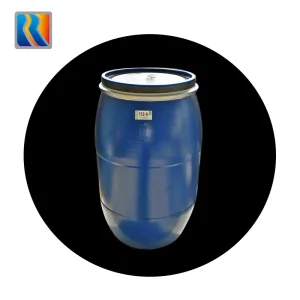
We offer multiple packaging sizes, including 25kg bags, 200L drums, and 1000L IBC totes, as well as bulk tank trucks for regional delivery. Our packaging is designed to keep moisture out and extend shelf life during long-distance shipping.
We use an automated Distributed Control System (DCS) to monitor critical manufacturing variables in real-time, including temperature, pH, pressure, and ingredient feeding rates. This system reduces human error and ensures consistent quality for every production run.
Explore our industrial chemicals, curing agents, water-based additives, and high-purity raw materials.
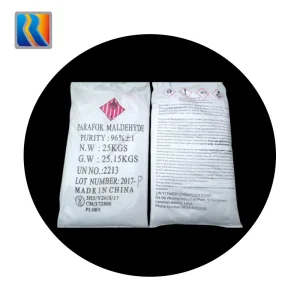
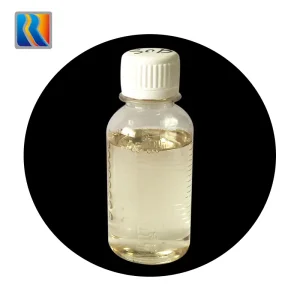
 Runtai