Explore our foundational range of polymer materials, curing agents, and performance additives manufactured to international quality standards.
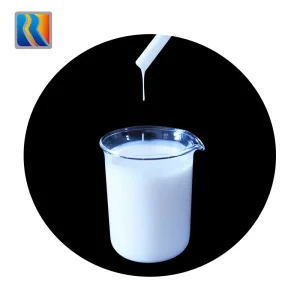
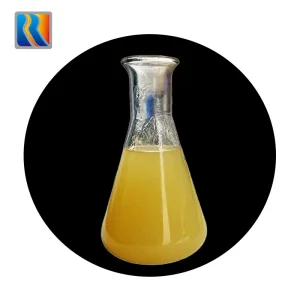
Analysis of market forces, raw material integration, and high-performance requirements for industrial sourcing.
Phenol Novolac Epoxy (PNE) resins represent a critical class of thermosetting polymers engineered to bridge the performance gap where conventional Bisphenol-A (BPA) based epoxies fail. Characterized by their multi-functional chemical structure, PNE resins feature a dense aromatic backbone with multiple glycidyl ether groups per molecule. This unique molecular architecture yields a highly cross-linked network upon curing, rendering the cured resin exceptionally resistant to thermal degradation, chemical solvents, and physical stress.
For modern B2B procurement managers, sourcing "cheap" Phenol Novolac Epoxy does not imply compromising on molecular integrity or purity. Rather, cost-effective acquisition relies on direct partnership with upstream integrated manufacturers. By securing raw materials such as formaldehyde and phenol at scale, integrated chemical groups like Shandong Runtai New Materials Co., Ltd. can deliver cost efficiencies directly to international industrial buyers.
Major Industrial Drivers: The exponential expansion of the electronics manufacturing sector (especially Copper Clad Laminates - CCL), automotive protective coatings, aerospace composites, and structural industrial adhesives are driving the demand for high-glass transition temperature (Tg) novolac systems globally.
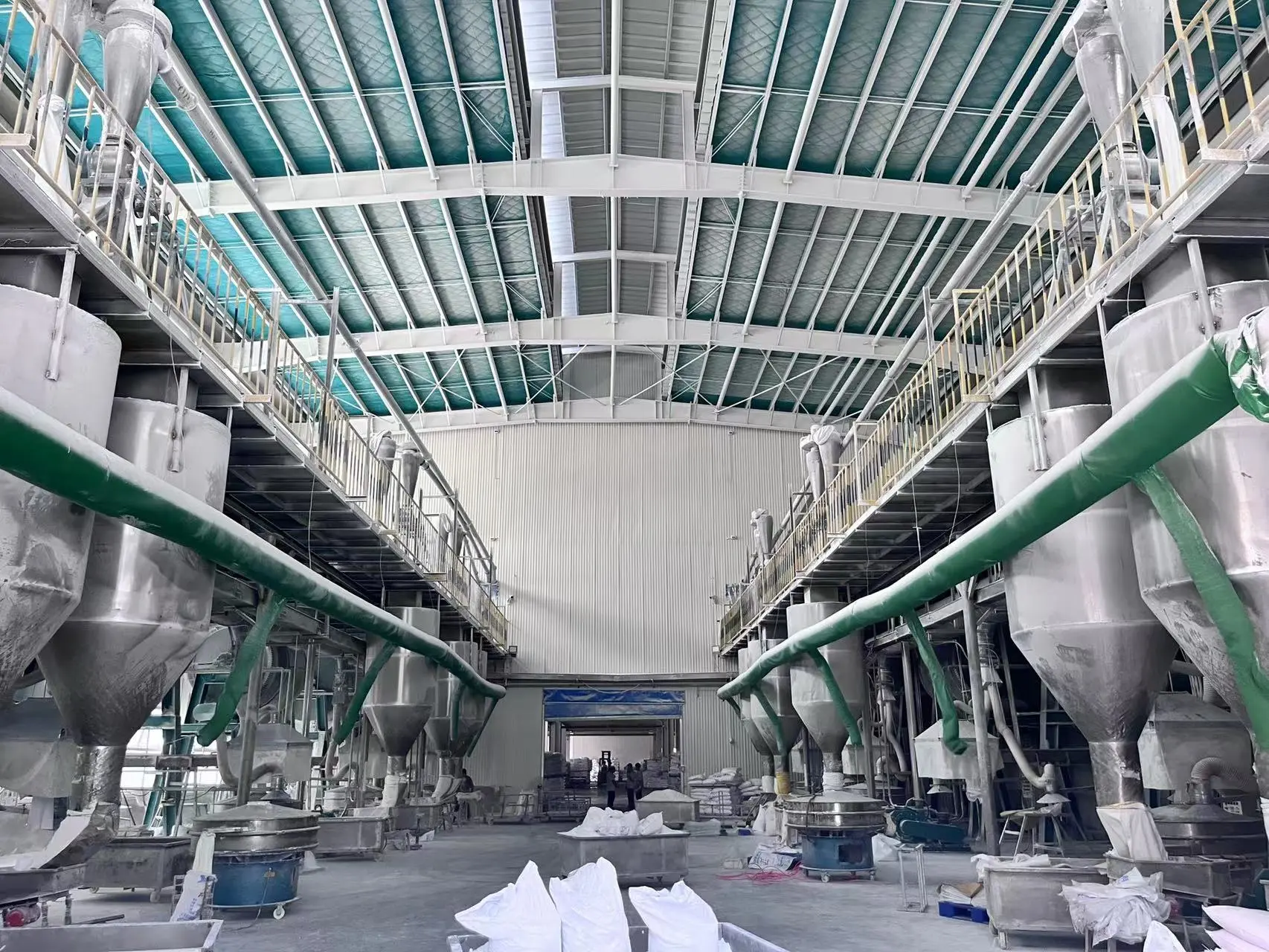
Shandong Runtai New Materials Co., Ltd. – An Integrated Chemical Giant Built for the Global Market.
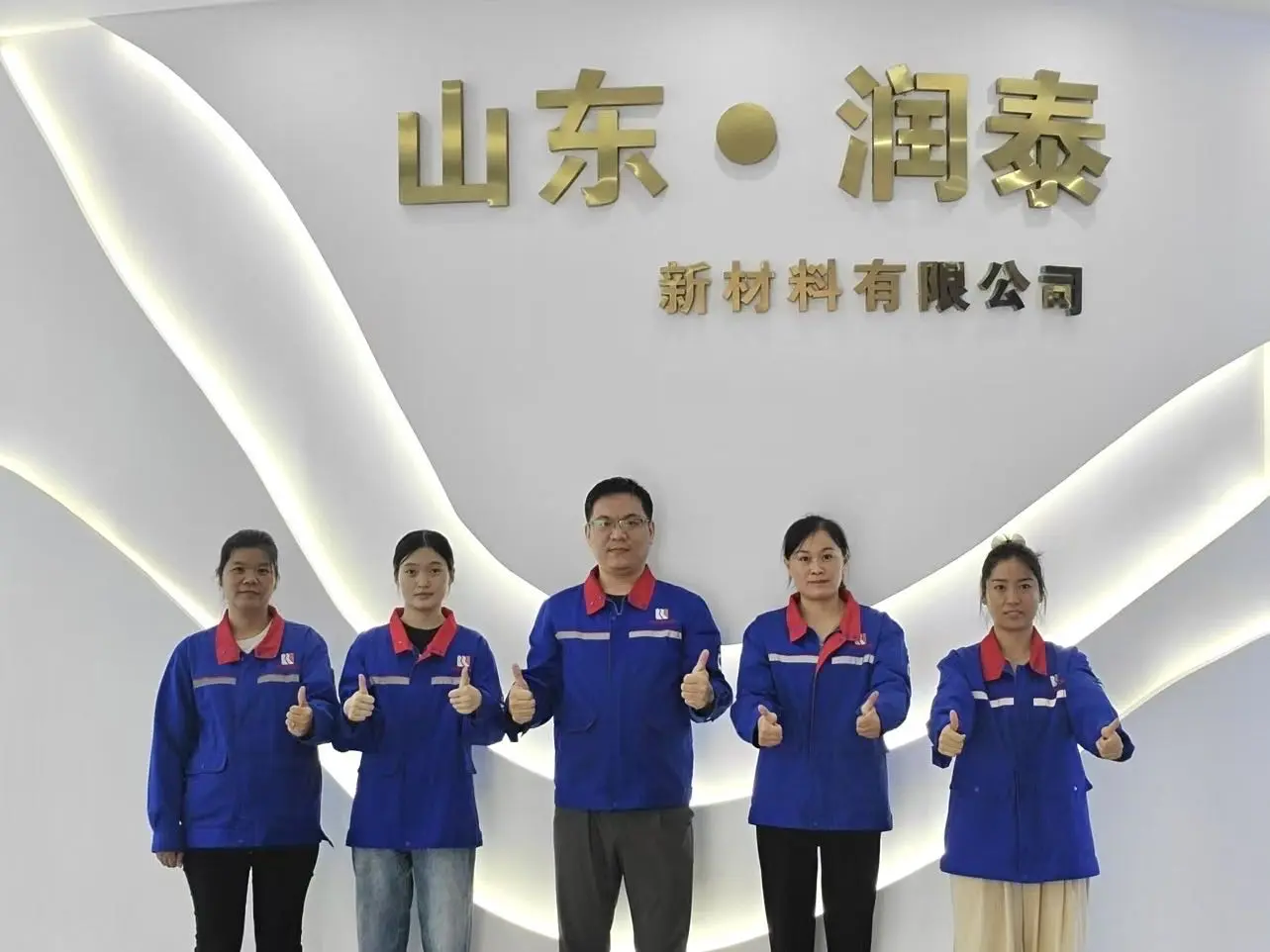
Founded in March 2020, Shandong Runtai New Materials Co., Ltd. is a comprehensive group firm that specializes in fine chemical products and high-grade polymer materials. The corporation operates strategic branches in five different cities throughout China, with its consolidated headquarters located in Zaozhuang City, Shandong Province. Spanning a vast production footprint of 270,000 square meters, our facility represents a total capital commitment of 2.06 billion yuan.
Our production capacity has scaled to position Runtai New Materials as one of China's top producers of melamine, formaldehyde, and downstream thermosetting polymers. As of currently, our annual output includes:
Through advanced automation, robust supply chain integrations, and direct port logistics, we serve key global markets including the United States, Thailand, Kenya, Egypt, and beyond.
How Phenol Novolac Epoxy and Related Thermosetting Resins Optimize Modern Engineering Systems.
Phenol Novolac Epoxy resins provide the ultra-low dielectric constant and superior thermal stability required for semiconductor encapsulation, chip underfills, and multilayer Printed Circuit Boards (PCBs). The high cross-linking density prevents structural deformation at reflow soldering temperatures exceeding 260°C.
PNE systems are heavily utilized in lining chemical storage tanks, offshore drilling pipes, and marine vessels. Their chemical resistance allows them to withstand continuous exposure to strong organic acids, chlorinated solvents, and high-salinity marine environments without delaminating or degrading.
For automotive structural components and wind turbine blade construction, resin systems formulated with phenolic, melamine, and novolac inputs offer structural weight reduction. They optimize tensile strength and fatigue life under cyclical aerodynamic or mechanical loads.
Continuous Integration of Industry-Academia Cooperation to Drive Performance and Automation.
At Runtai New Materials, we select production technology guided by the principles of: "automatic control, safe and reliable, stable operation, energy saving and consumption reduction, and comprehensive utilization of resources." Our facilities deploy advanced Distributed Control Systems (DCS), allowing our engineers to monitor and fine-tune process parameters across the entire production line in real time. This ensures high batch-to-batch consistency, lowers raw material consumption, and eliminates human error.
Through our long-term R&D collaboration with the Changzhou Research Institute of Beijing University of Chemical Technology, we maintain a dedicated doctoral research and development team. This synergy has resulted in multiple proprietary patent technologies that improve the thermal resistance and decrease the free formaldehyde content of our resin derivatives, meeting stringent modern environmental regulations.

Refining phenol-formaldehyde ratio parameters to produce novolac intermediates with narrow molecular weight distribution, yielding highly predictable curing properties.
Reducing VOC emissions and organic effluents during condensation polymerization via modern closed-loop water treatment and recovery cycles.
Developing hybrid Epoxy-Melamine and Epoxy-Phenolic resins tailored for high-speed automated application lines used in advanced electronics packaging.
Partnering with a Manufacturer Committed to Sustainable Chemistry and Environmental Preservation.

As an ethical and forward-looking chemical corporation, Shandong Runtai New Materials Co., Ltd. prioritizes sustainable development and comprehensive environmental preservation. Our operational philosophy dictates that we minimize negative environmental footprints. We adhere strictly to national and international environmental laws, certifications, and compliance standards.
Our commitment encompasses:
Guided by our core values of "quality first, customer first," we welcome global procurement partners to visit our advanced manufacturing campus in Shandong to establish long-term, mutually beneficial commercial relationships.
Technical insights and answers to frequent inquiries compiled by our technical service department.
Phenol Novolac Epoxy (PNE) resins typically feature an Epoxy Equivalent Weight (EEW) ranging from 170 to 190 g/eq. The exact EEW is determined by the degree of polymerization of the underlying novolac backbone. A lower EEW yields higher cross-linking density, translating to superior chemical resistance and elevated glass transition temperatures (Tg) upon curing.
Standard BPA epoxy has a functionality of exactly two, forming linear chains during polymerization. In contrast, Phenol Novolac Epoxies have a functionality of 3.6 or greater. The extra reactive epoxy groups create a highly interconnected three-dimensional network. This cross-linking structure dramatically enhances heat deflection temperatures, chemical barriers, and mechanical hardness.
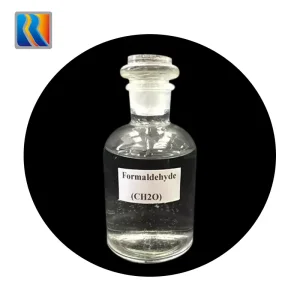
Runtai operates on a fully integrated chemical value chain. By manufacturing core feedstocks like formaldehyde (380,000 tons/year) internally, we eliminate third-party raw material markup. Furthermore, our massive production capacity (including 300,000 tons of urea formaldehyde resin and 60,000 tons of melamine) yields significant economies of scale, allowing us to offer highly competitive pricing to overseas clients.
PNE resins can be cured with various hardeners depending on the final application. For electrical laminates and coatings, aromatic amines (such as DDM or DDS) or phenolic novolac hardeners are chosen to maximize thermal endurance. For ambient temperature cure, cycloaliphatic amines or polyamides can be utilized, though thermal post-cure is highly recommended to achieve the maximum glass transition temperature.
Browse our integrated chemical derivatives, adhesives, and defoamers designed for high-performance industrial processes.
 Runtai