Reliable factory direct production lines serving the global polymer, adhesive, and molding compound industries.
Understanding cost structures, purity parameters, and analytical equivalency to high-cost lab standards
For research institutes, analytical labs, and high-performance polymer manufacturers, the term "Sigma-grade" signifies a benchmark of chemical reliability. Historically, sourcing reagents meant relying on expensive global scientific distributors. However, modern synthesis platforms—particularly in agrochemical formulation, performance coatings, and pharmaceutical synthesis—require thousands of metric tons of high-concentration Paraformaldehyde (PFA) that mirrors these analytical specifications but at bulk industrial pricing.
Paraformaldehyde (CAS No. 30525-89-4) is the solid polymerized form of formaldehyde, defined as polyoxymethylene glycols. Industrial purchasers demand a solid format to bypass the transport risks, volume inefficiencies, and water-related side reactions characteristic of liquid aqueous formaldehyde (formalin).
By sourcing directly from advanced Chinese chemical conglomerates like Shandong Runtai New Materials Co., Ltd., buyers secure the target purity profile of 96% to 98% active polymer density with negligible heavy metals and acid impurities. This offers a cost-effective, premium alternative to traditional lab-scale suppliers.
| Assay (as HCHO) | 95.5% - 98.5% Min |
| Acidity (as Formic Acid) | ≤ 0.03% |
| Ash Content | ≤ 0.01% |
| Moisture (Karl Fischer) | ≤ 4.0% Max |
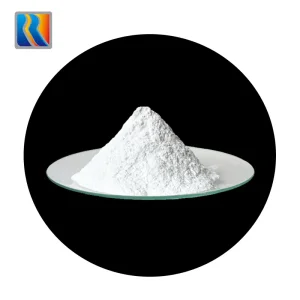
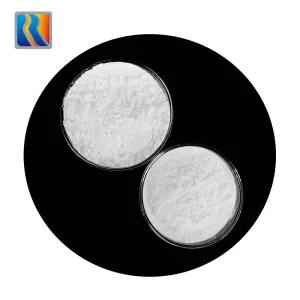
| Physical Appearance | Pristine white prills/powder |
The global paraformaldehyde market is experiencing structural changes driven by environmental compliance, energy conservation, and logistics costs. Traditionally, liquid formaldehyde has dominated industrial parks. However, safety regulations regarding hazardous materials transport have made the shipping of unstable liquid solutions containing up to 60% water financially and logistically prohibitive.
As a result, high-density solid paraformaldehyde has emerged as the preferred alternative. This shift is particularly evident in the synthesis of resinous binders, organic reagents, and pharmaceutical active ingredients.
Industrial centers in North America, Western Europe, and Latin America are increasingly shifting their supply chains toward Chinese manufacturers. This movement is supported by China's raw material access and advanced production equipment, which enable the production of high-activity polymer chains at competitive price points.
Procuring industrial-grade paraformaldehyde at competitive prices requires evaluating more than just the FOB price. Global sourcing managers focus on several key metrics:
Founded in March 2020, Shandong Runtai New Materials Co., Ltd. has established an integrated production model in Zaozhuang City, Shandong Province. Covering an area of 270,000 square meters, the facility utilizes the Distributed Control System (DCS) to manage every critical process parameter across the entire manufacturing line.
This level of automation ensures product quality and equipment safety while lowering raw material consumption. Our strategic partnerships with key institutions, such as the Changzhou Research Institute of Beijing University of Chemical Technology, support a robust pipeline of research, sales, and applications of formaldehyde-derived chemical materials.
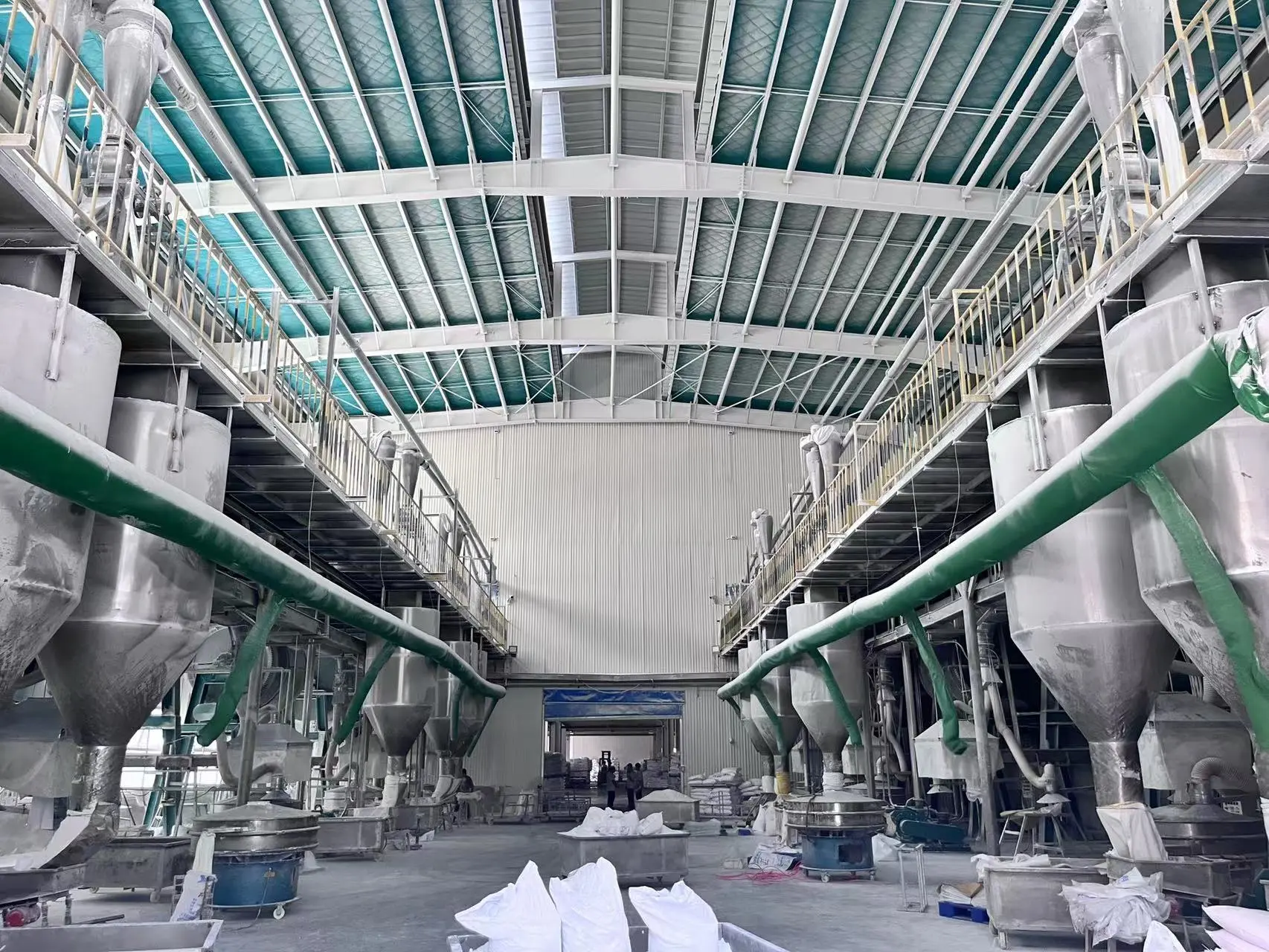
By integrating production lines from basic methanol feedstock conversion to final solid paraformaldehyde prilling, Runtai maintains control over the entire supply chain. Our facilities employ advanced DCS automation to minimize human error, reduce energy consumption, and manage emission profiles in line with global environmental standards.
This structure enables us to absorb market volatility and offer steady, competitive pricing to overseas markets, including the United States, Thailand, Kenya, Egypt, and beyond.
Due to its low water content and high concentration of reactive formaldehyde units, high-purity paraformaldehyde is utilized across several key industrial sectors:
Key reagent in the production of herbicides such as Glyphosate, Acetochlor, and Butachlor. Minimizing water in these processes reduces side reactions and simplifies downstream separation.
Essential for manufacturing high-solids Phenolic Resins, Melamine-Formaldehyde Molding Compounds, and Urea-Formaldehyde adhesives used in high-durability engineered wood panels.
Used as a carbon source and formylating agent in organic synthesis for APIs, diagnostic reagents, and specialized disinfectants demanding low residual ash and metal levels.
Runtai New Materials operates as a comprehensive chemical group. Our product portfolio links formaldehyde manufacturing directly with downstream polymer processes:
Shandong Runtai New Materials Co., Ltd. prioritizes sustainable development and environmental stewardship. We focus on developing eco-friendly products that comply with regional environmental codes and international standards, such as REACH and RoHS.
Our core operating philosophy, "quality first, customer first," guides our approach to partnership and technical support for client operations. We welcome inquiries and site visits from domestic and international partners.

Direct supply contracts, customized packaging, and optimized shipping solutions for international buyers.
Common questions regarding industrial grades, transport logistics, and technical specifications.
Sigma-analytical grade is typically packaged in small quantities (grams to kilograms) for laboratory analysis, demanding high purity certs but carrying a significant markup. Technical-grade paraformaldehyde from Runtai maintains high purity levels (96%-98%) in bulk metric tonnage. This provides a cost-effective solution for industrial-scale applications by bypassing laboratory packaging markups.
Our cost position is supported by our integrated manufacturing base in Zaozhuang City, Shandong Province. With a total investment of 2.06 billion yuan and direct access to essential feedstocks, we maintain an annual formaldehyde production capacity of 380,000 tons. This high degree of integration protects our operations from price fluctuations in raw materials and supports stable pricing.
Paraformaldehyde is classified as a Class 4.1 Flammable Solid (UN 2213). Runtai utilizes moisture-proof woven bags with internal plastic liners (typically 25kg, 500kg, or 1000kg bags) that comply with IMDG safety requirements. These packaging solutions prevent ambient humidity absorption, which can cause clumping and degradation during ocean transport.
Our modern DCS (Distributed Control System) regulates crucial process parameters—such as polymerization temperature, vacuum extraction stages, and drying speed. This precise monitoring limits the formation of formic acid (kept below 0.03%) and controls the polymer chain length, ensuring consistent solubility and depolymerization rates.
In industrial resins and adhesives synthesis, paraformaldehyde depolymerizes to yield active monomeric formaldehyde. This reaction is catalyzed by heating the system (typically to 80°C - 100°C) under slightly acidic or alkaline pH levels. Controlling the moisture content and residual acid within the raw materials helps prevent secondary runaway reactions during depolymerization.
Our production plants operate in accordance with ISO 9001, ISO 14001, and ISO 45001 standards. We provide certificates of analysis (COA) for every shipped batch. Our materials also undergo testing to ensure compliance with RoHS and REACH regulations for EU and global destinations.
 Runtai