Explore our flagship high-performance polymers, resins, and organic additives engineered for global distribution.
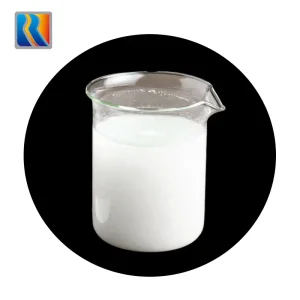
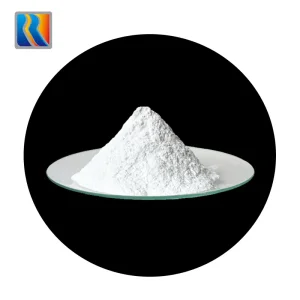
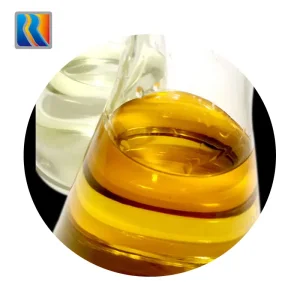
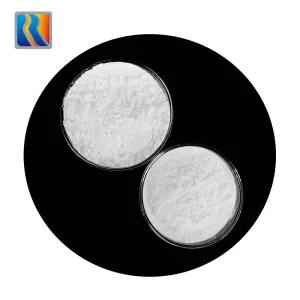
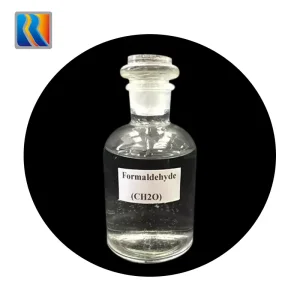
Paraformaldehyde (CAS No. 30525-89-4) is the smallest solid form of polyoxymethylene, typically defined as a polyoxymethylene glycol mixture with a degree of polymerization (DP) ranging between 8 and 100 units. The Molecular Weight (Mol Wt) of paraformaldehyde directly determines its dissolution kinetics, depolymerization rate, and reactivity across synthesis applications. In industrial scale operations, controlling the molecular weight index is vital for achieving reproducible yields in downstream resin synthesis, agrochemicals, and pharmaceutical processes.
When searching for a cheap paraformaldehyde mol wt manufacturer & factory, procurement teams must balance unit costs with rigorous scientific parameters. Runtai New Materials optimizes the molecular weight properties through state-of-the-art continuous crystallization processes, ensuring that the polyoxymethylene chain distribution matches specific target indexes. Low molecular weight configurations (DP < 30) exhibit higher solubility in water and alcohols at lower temperatures, whereas higher molecular weight configurations offer superior thermal stability, acting as excellent slow-release formaldehyde donors in specialized plastic and elastomer formulations.
| Grade Classification | Polymerization Index (DP) | Average Mol Wt (g/mol) | Active Formaldehyde Content | Primary Industrial Suitability |
|---|---|---|---|---|
| Low Mol Wt Grade (High Solubility) | 8 – 20 | 240 – 600 | 95% – 97% | Organic synthesis, pharmaceutical intermediates, rapid resin manufacturing |
| Standard Industrial Grade | 20 – 60 | 600 – 1800 | 96% ± 1% | Agrochemical formulation (glyphosate, acetochlor), thermosetting plastics |
| High Mol Wt / Slow-Release Grade | 60 – 100+ | 1800 – 3000+ | 97% – 99% | Coatings, specialized polymers, diagnostic disinfectants, controlled depolymerization |
Analyzing the strategic shift from liquid formalin to solid paraformaldehyde in B2B chemical import-export structures.
Sourcing standard liquid formaldehyde (formalin) involves shipping up to 63% water content, drastically raising freight costs and introducing severe storage hazards like paraformaldehyde precipitation in cold weather. By sourcing solid paraformaldehyde with controlled molecular weight from Shandong Runtai, global firms eliminate water shipping costs, reduce storage footprints by 70%, and lower environmental risk factors.
Standard liquid formalin introduces excessive water into reactions, requiring expensive distillation stages in the production of resins and specialized agrochemicals. Utilizing customized molecular weight paraformaldehyde avoids introducing excess water. This accelerates reaction times, decreases energy consumption during dehydration, and minimizes aqueous waste stream treatment costs.
In herbicide production (e.g., Acetochlor and Glyphosate), the molecular weight distribution of the solid formaldehyde donor influences the addition reaction velocity. By choosing Runtai's optimized molecular weight distributions, manufacturers report up to 4% higher active ingredient yields and a significant reduction in unwanted side-reactions and byproducts.
Founded in March 2020, Shandong Runtai New Materials Co., Ltd. has rapidly emerged as a comprehensive group firm specializing in high-end fine chemical products. Operating from our integrated industrial complex in Zaozhuang City, Shandong Province, we cover an area of 270,000 square meters with a total infrastructure investment of 2.06 billion yuan.
Through systematic capacity scaling and vertical raw material integration, we have achieved a dominant position, commanding an estimated 80% market share in mainland China. Simultaneously, we are actively expanding our global footprint, exporting premium chemical agents to the United States, Thailand, Kenya, Egypt, and other countries under stringent international compliance standards.
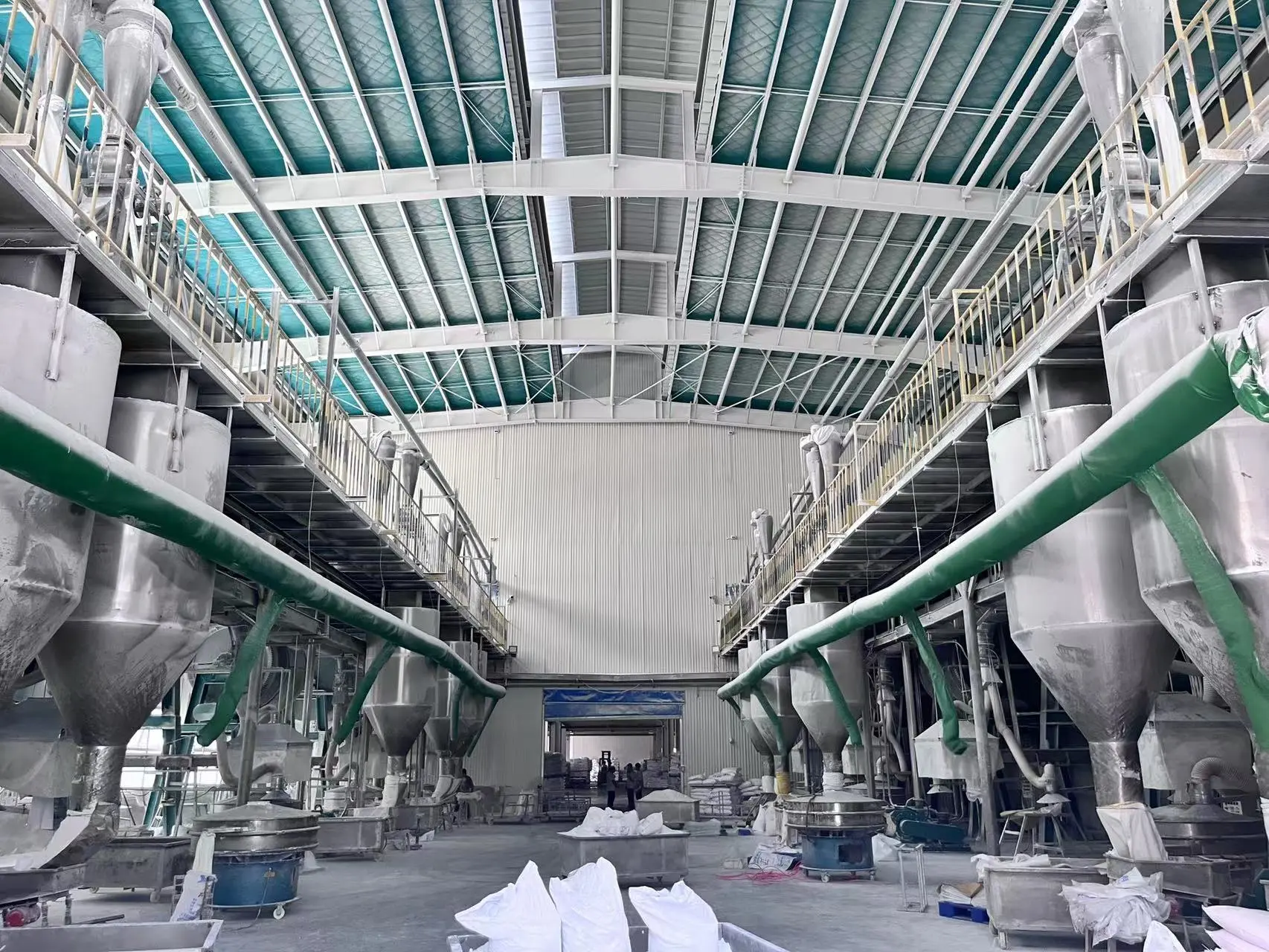
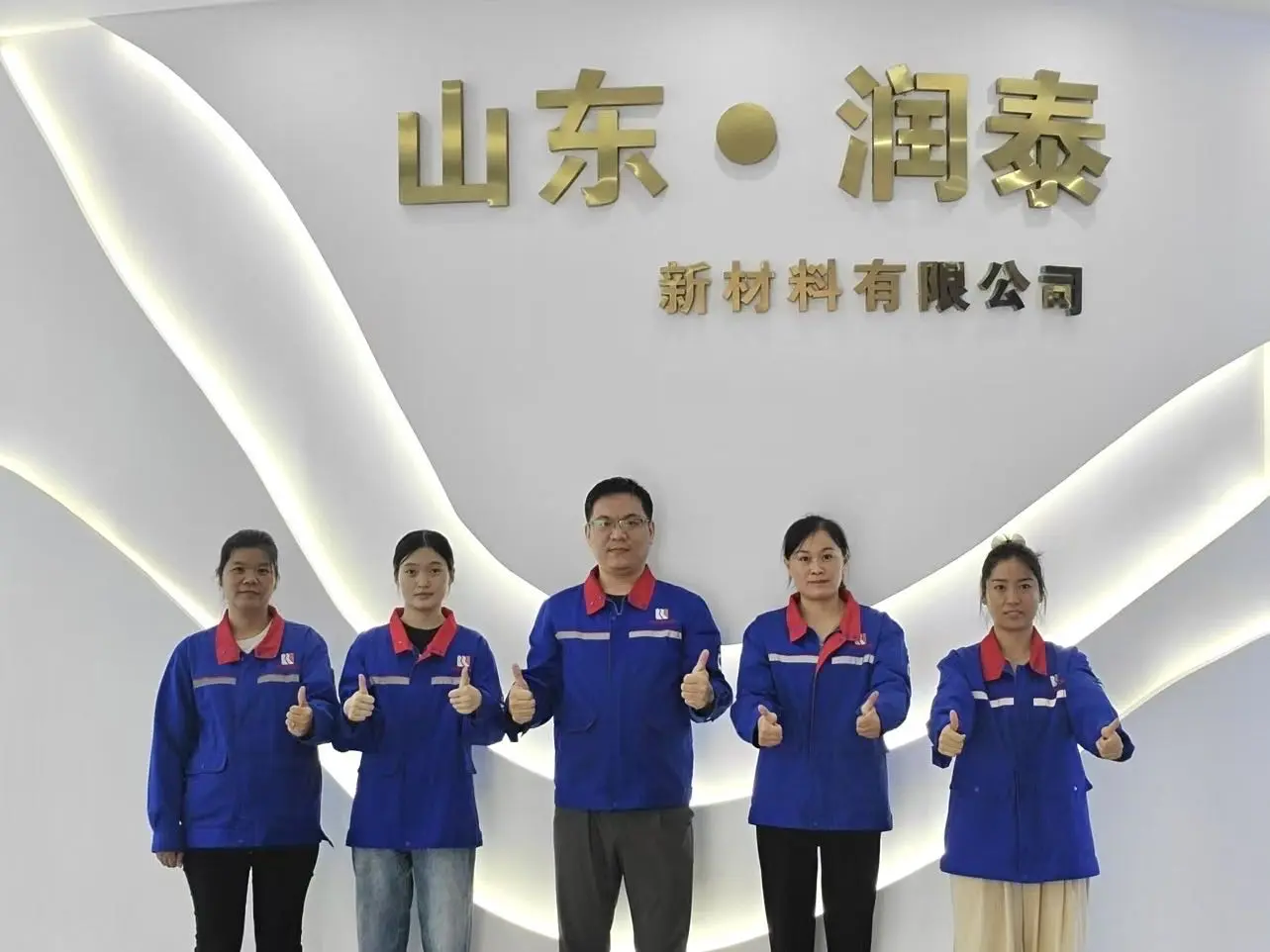
At the core of Shandong Runtai's competitive edge is our adherence to automated, high-precision control technologies. By deploying state-of-the-art Distributed Control Systems (DCS), our manufacturing lines track chemical process parameters in real-time. This ensures that the polymerization index and subsequent molecular weight distribution of our Paraformaldehyde remain exceptionally stable batch-to-batch.
Our "quality first, customer first" philosophy drives us to offer bespoke formulation adjustments alongside standardized commodities. From adjustability in depolymerization speeds to packaging options engineered for long-distance sea transport, we serve as a comprehensive chemical solutions provider.
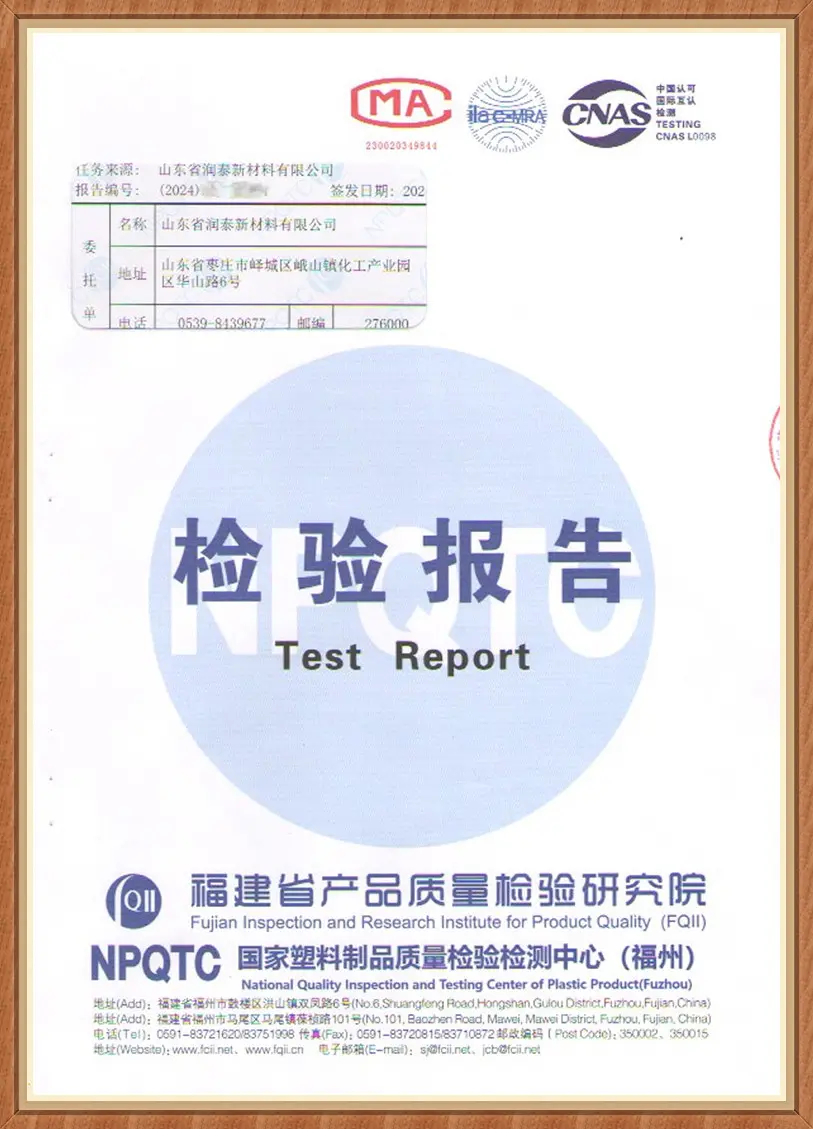
Furthermore, we maintain absolute transparency in our operations, using cutting-edge testing and analytical instruments (including Gel Permeation Chromatography and High-Performance Liquid Chromatography) to certify the purity, ash content, and molecular weights of all outgoing chemical shipments.
As a socially responsible enterprise, Runtai New Materials prioritizes sustainable development and environmental preservation. Our future technology roadmap includes transitioning to next-generation metal oxide catalysts that minimize greenhouse gas emissions during methanol conversion. By engineering eco-friendly products, we ensure full compliance with evolving global regulations, including EU REACH and EPA mandates.
Our ongoing collaboration with academic research laboratories focuses on structural modifications of resins to reduce free-formaldehyde emissions in consumer wood composites, reinforcing our commitment to sustainable chemistry.

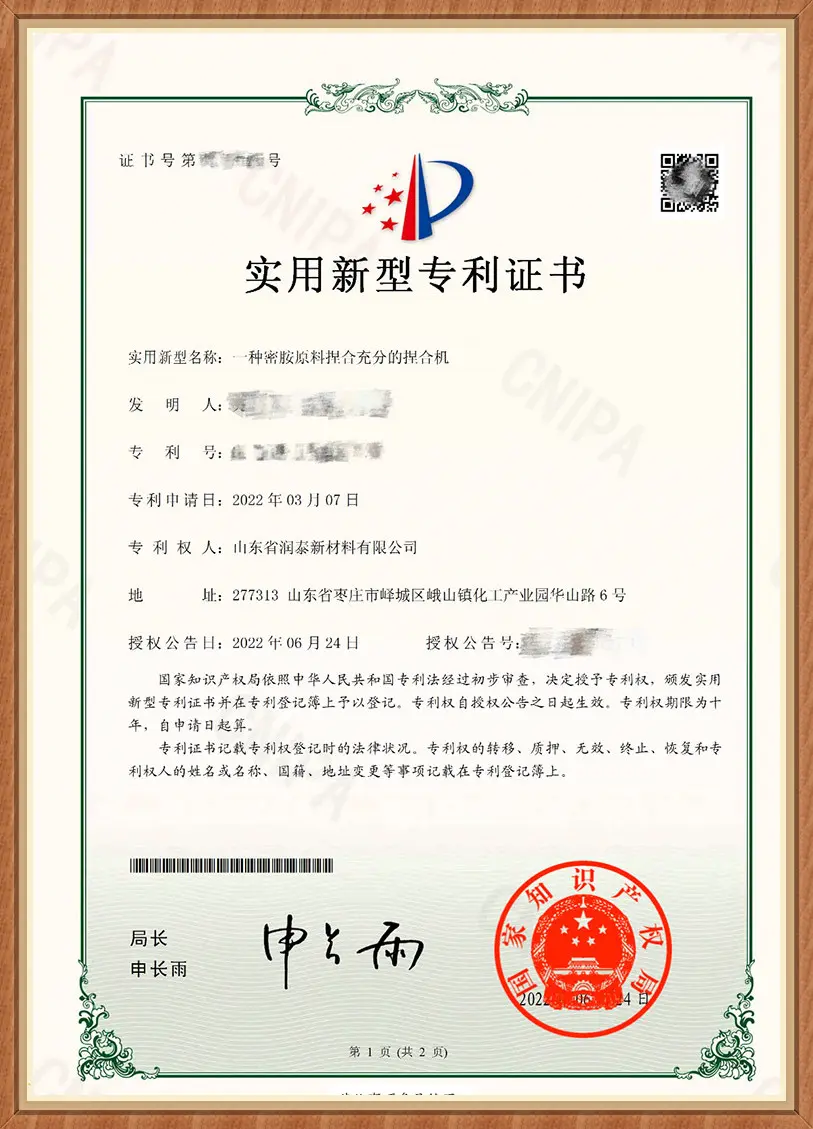
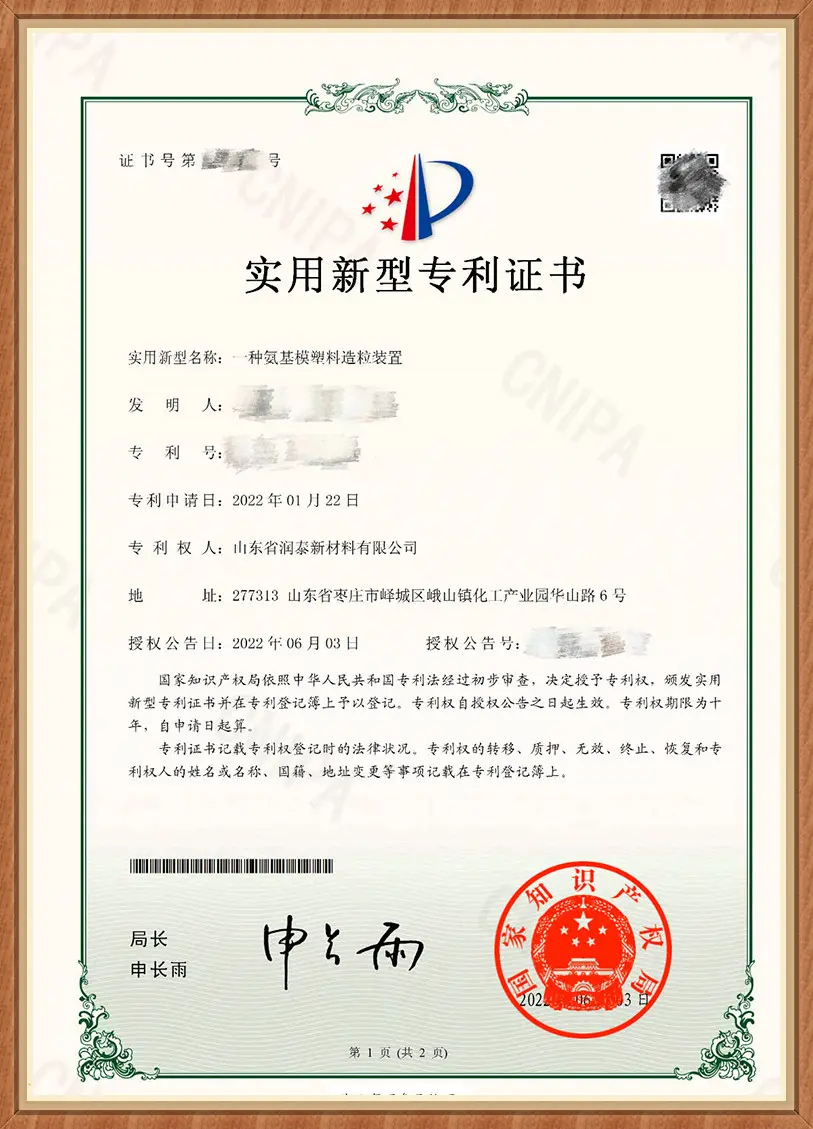
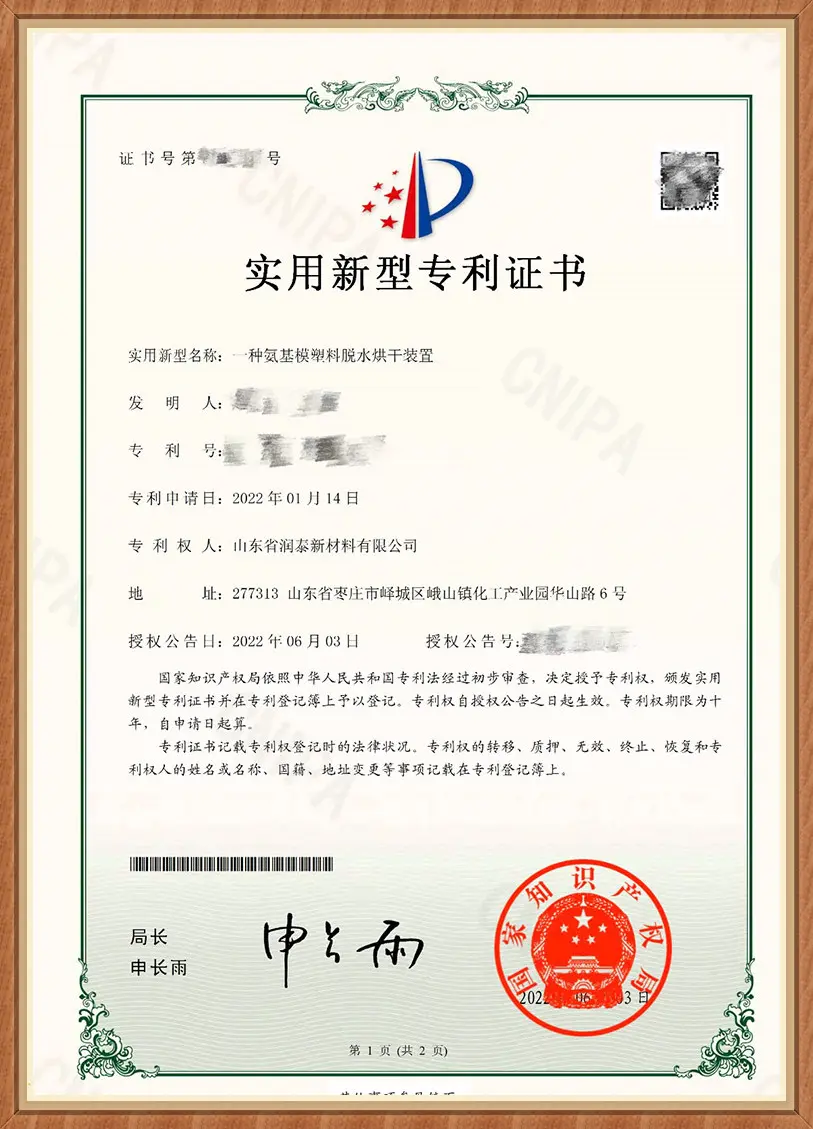
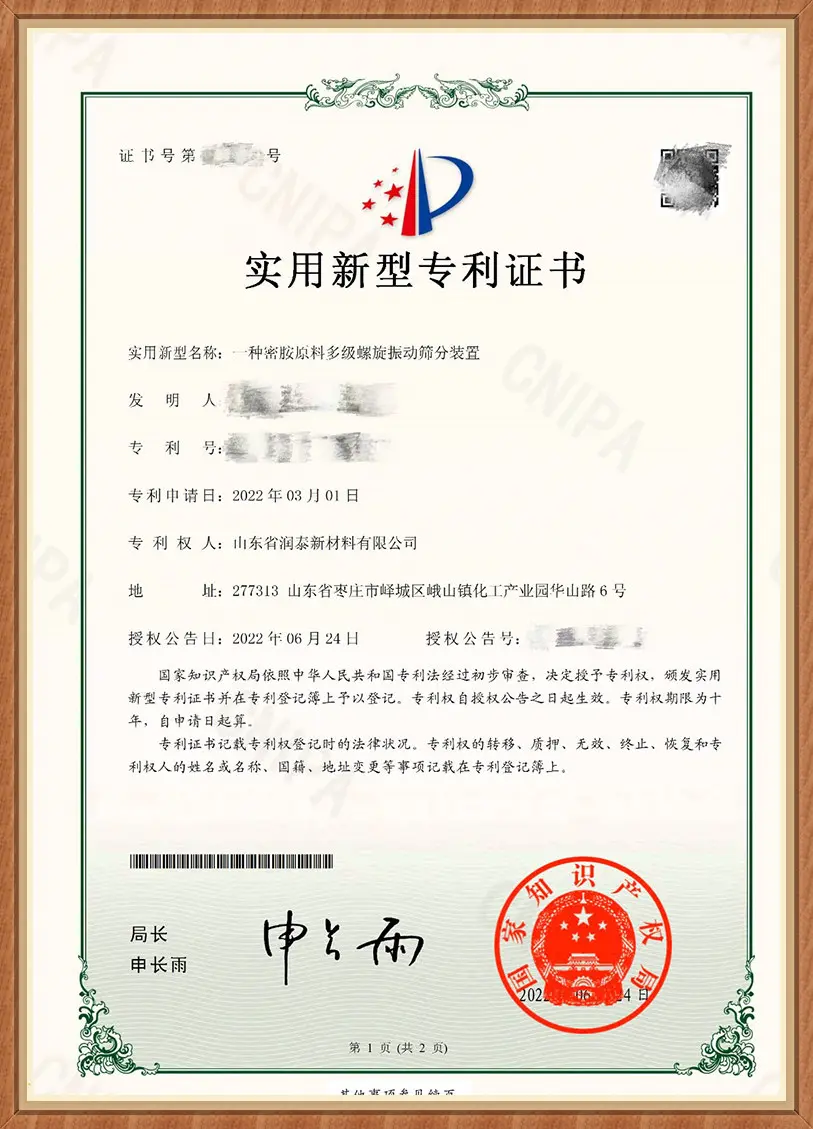
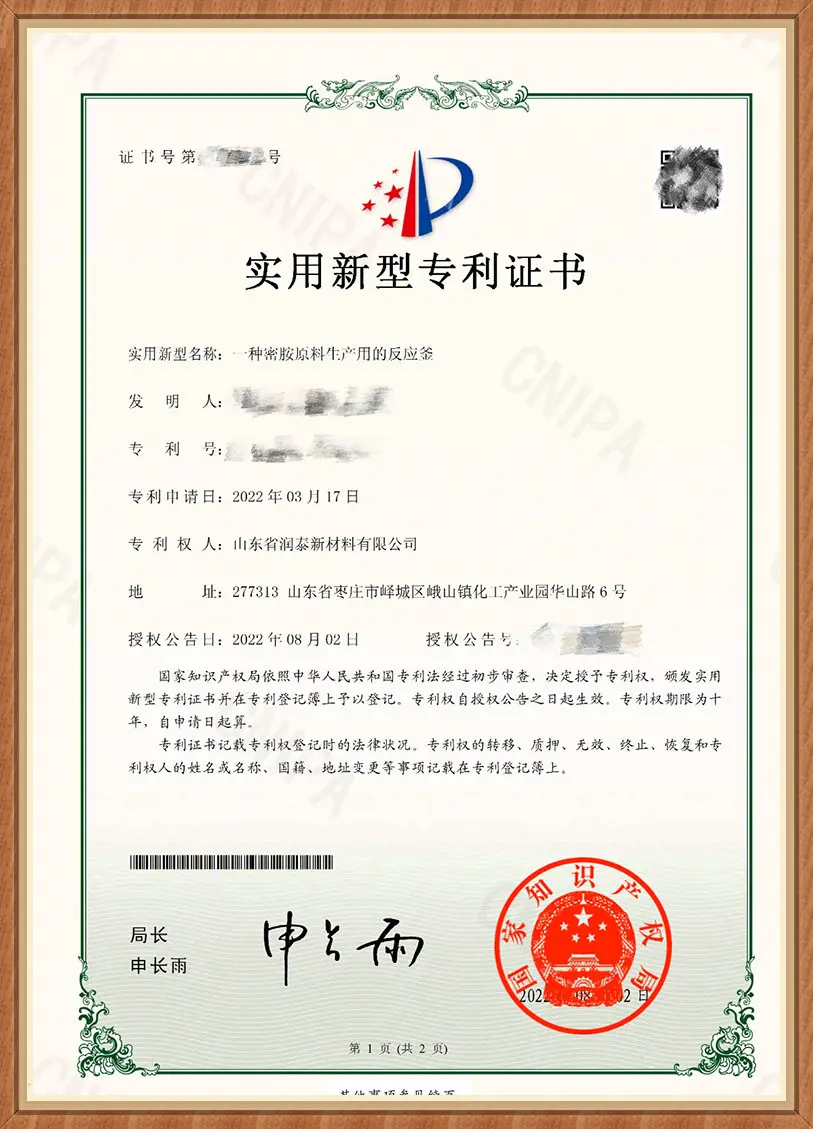
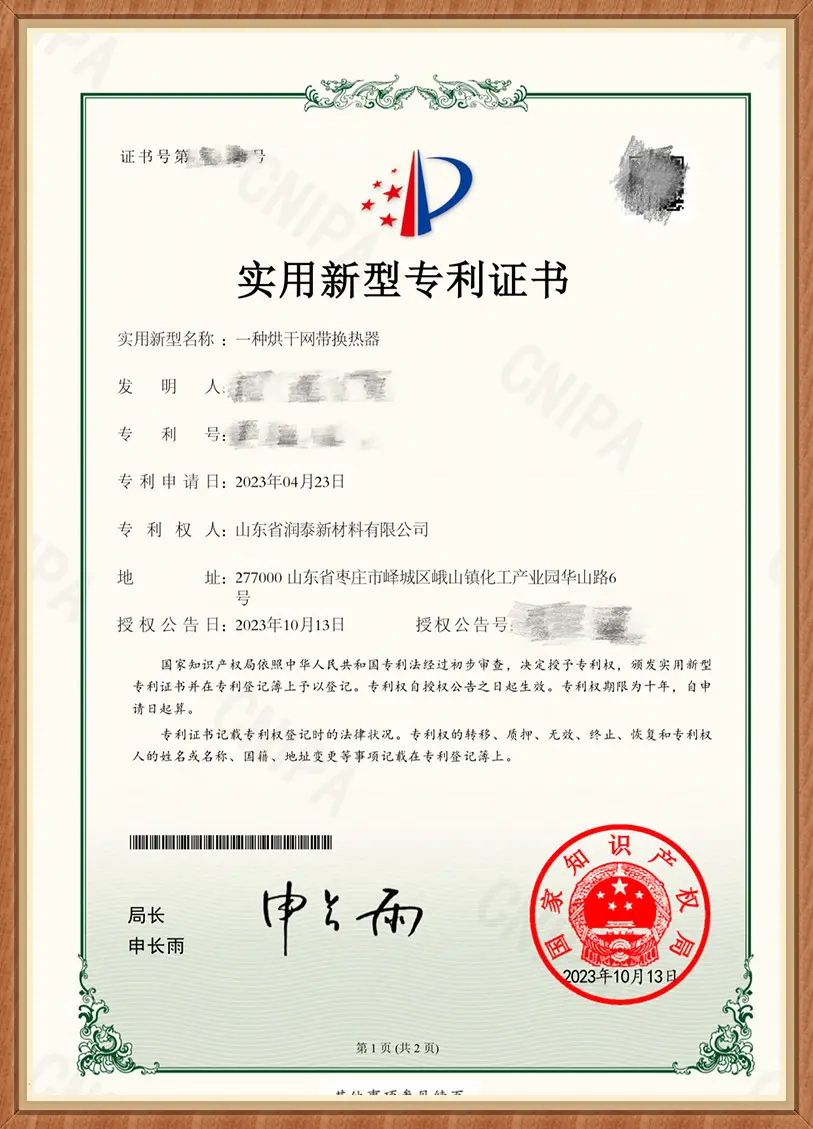
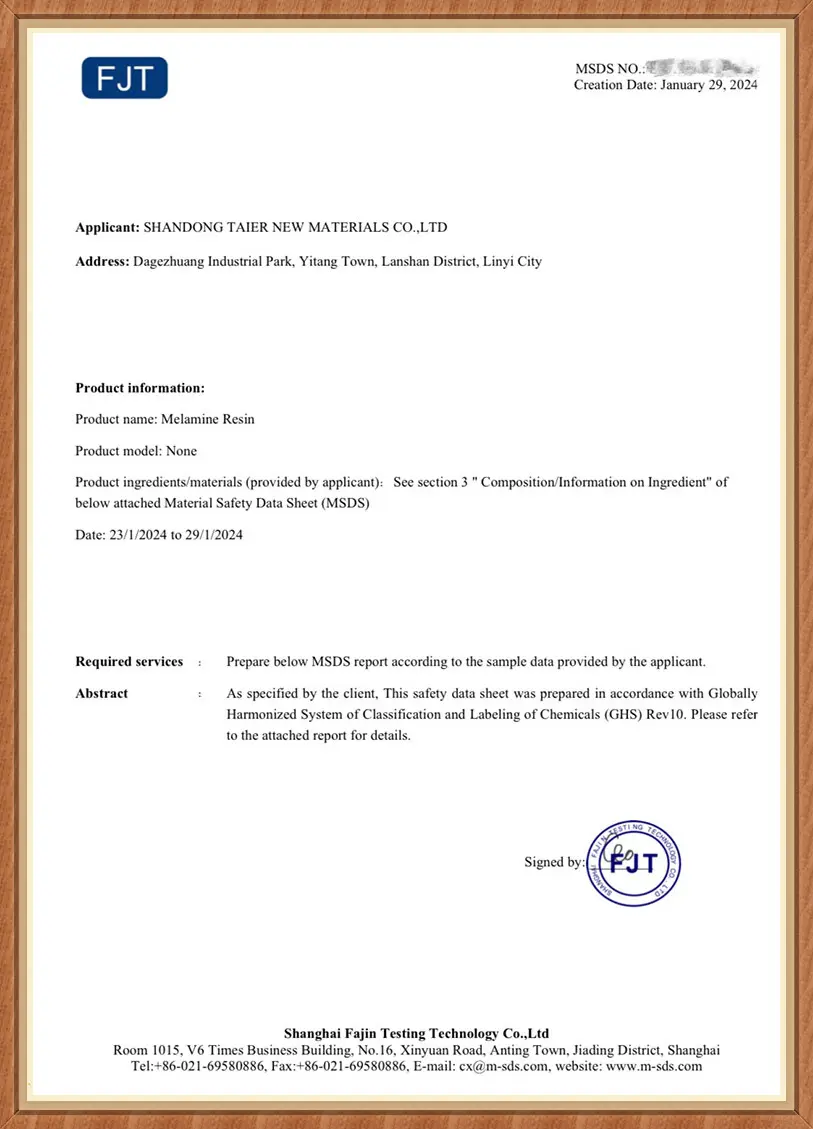
Demonstrating strict quality standards to ensure reliable global supply chain compatibility.
Direct answers from our senior R&D chemists to common procurement and processing questions.
The molecular weight controls the depolymerization rate. If the molecular weight is too high, the compound depolymerizes slowly, leaving unreacted solids that can clog filters. If it is too low, the compound depolymerizes too rapidly, leading to high free-formaldehyde emissions that can impact workplace safety and compromise reaction yields.
Our competitive pricing is driven by our massive production scale (380,000 tons of formaldehyde annually) and our location in a primary chemical manufacturing zone in Zaozhuang. This layout minimizes regional raw material transportation costs. Additionally, our automated DCS technology helps reduce production energy consumption and waste generation.
We supply paraformaldehyde in heavy-duty moisture-proof 25kg PP/PE woven bags and 500kg or 1000kg bulk bags. These options prevent atmospheric moisture absorption and reduce the risk of premature depolymerization during ocean shipping. All export shipments comply with UN Class 4.1 hazardous packaging regulations.
Yes, our low and standard molecular weight grades are designed to yield high concentration reactions. This helps resin producers control the formaldehyde-to-urea ratio, making it easier to meet strict emissions standards like CARB Phase II and F-four-star (F★★★★).
Complete your chemical integration by browsing our water-based additives, thickening agents, and specialized coatings.
 Runtai