Explore our primary selection of high-performance chemical formulations engineered for international distribution and industrial manufacturing.
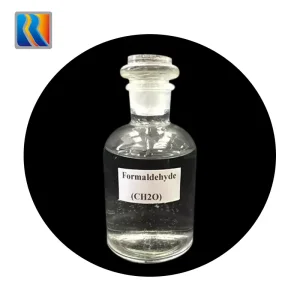
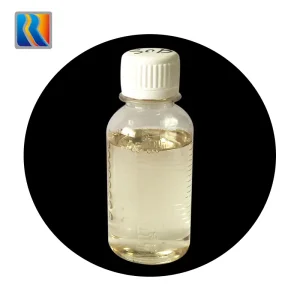
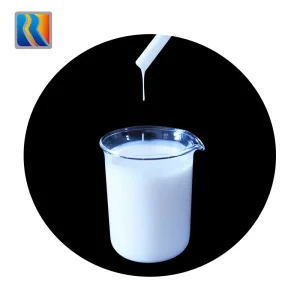
Paraformaldehyde, identified globally under CAS No. 30525-89-4, is a solid, white crystalline polymer composed of polymerized formaldehyde units ($HO(CH_2O)_nH$, where $n$ represents a degree of polymerization ranging from 8 to 100). Synthesizing high-grade, stable, and reactive solid formaldehyde requires precise chemical control systems. In its solid flake or powder form, paraformaldehyde acts as an efficient, concentrated equivalent to aqueous formaldehyde solution (formalin), eliminating excess water transport costs and reaction volume constraints.
As a premier manufacturing force, Shandong Runtai New Materials Co., Ltd. produces high-quality paraformaldehyde that serves as an essential precursor across major chemical domains. By utilizing state-of-the-art condensation pathways, we ensure optimized depolymerization properties, meaning our solid-state product yields reactive monomeric gaseous formaldehyde at precise target temperatures, streamlining downstream manufacturing rates.
| Property / Specification Parameter | High Purity Grade (96.0% ± 0.5%) | Standard Purity Grade (92.0% ± 1.0%) | Testing Methodology Reference |
|---|---|---|---|
| Appearance | White Prills / Flakes | White Flakes / Powder | Visual Inspection |
| CAS Number | 30525-89-4 | 30525-89-4 | Chemical Registry Index |
| Active Formaldehyde Content | ≥ 95.5% | ≥ 91.5% | Sodium Sulfite Titration |
| Max Free Water | ≤ 1.5% | ≤ 4.5% | Karl Fischer Volumetric |
| Acid Value (as HCOOH) | ≤ 0.03% | ≤ 0.05% | Acid-Base Indicator Titration |
| Ash Content (Insoluble residue) | ≤ 0.01% | ≤ 0.02% | Gravimetric Ashing |
Founded in March 2020, Shandong Runtai New Materials Co., Ltd. is a comprehensive, vertically integrated group firm that specializes in high-end fine chemical products. Our primary industrial products include formaldehyde, polyformaldehyde (paraformaldehyde), urea formaldehyde resin, melamine powder, and melamine glazing powder. Located in Zaozhuang City, Shandong Province, our headquarters occupies a footprint of 270,000 square meters, supported by a total capital investment of 2.06 billion yuan.
With branch operations established in five strategic domestic logistics hubs, we maintain direct control over chemical processing pipelines. This allows us to supply cost-effective (cheap) chemicals without sacrificing premium purity markers or regulatory compliance protocols.
How vertical integration, raw material localization, and economies of scale drive downstream procurement viability.
The global paraformaldehyde market is driven by demand for solid aldehyde carriers. Formaldehyde solutions containing 63% water are hazardous and costly to ship internationally. Solid Paraformaldehyde offers a highly stable alternative, drastically lowering logistical and transport costs per unit of active raw material.
B2B buyers seek reliable production capacities. Fluctuations in methanol prices directly impact chemical suppliers. Because Runtai operates large-scale production facilities in close proximity to major raw material refineries in Shandong, we mitigate volatility and offer stable, factory-direct pricing structures.
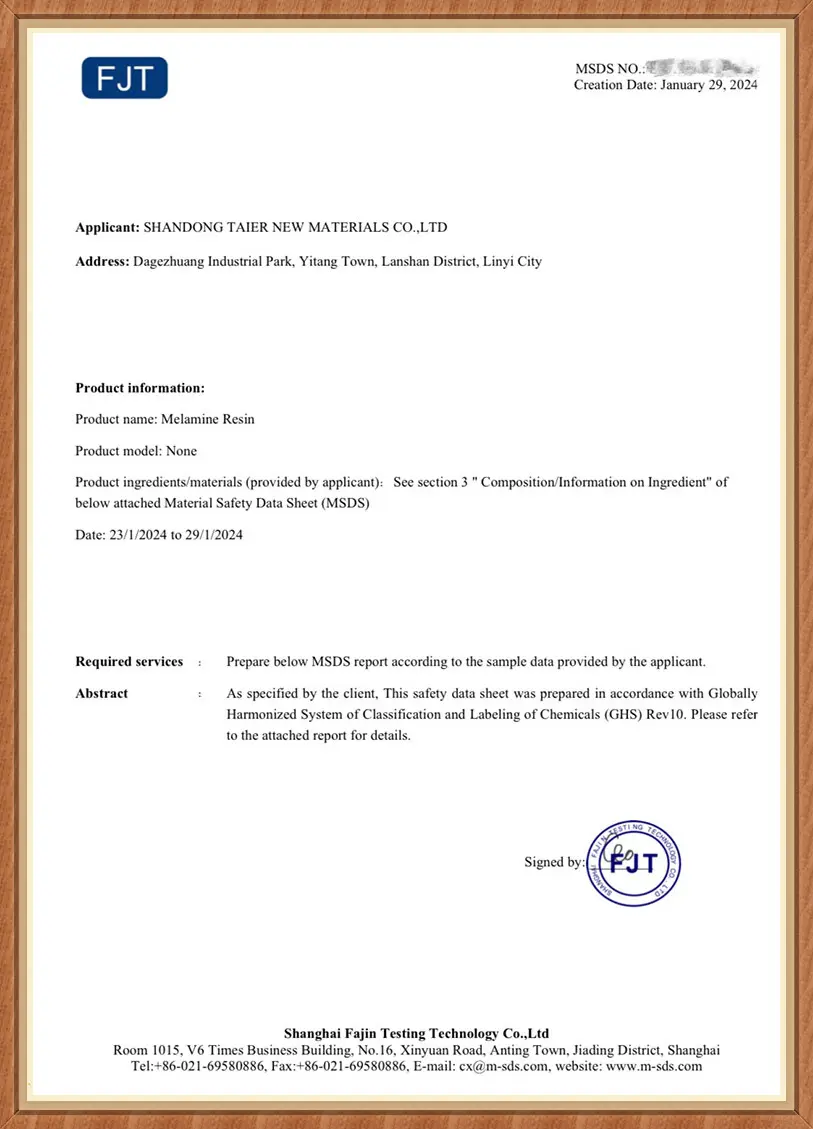
We supply key industrial markets, including the US, Thailand, Kenya, Egypt, and beyond. Runtai ensures that export shipments comply with strict international regulatory standards, such as REACH, EPA regulations, and ISO-9001 certifications, guaranteeing smooth customs clearance and product consistency.
The conversion of methanol feedstock to solid-state paraformaldehyde (CAS No. 30525-89-4) requires a precise concentration and polymerization process to avoid high polymer degradation. Runtai utilizes modern manufacturing methods that balance production efficiency with chemical consistency:
Methanol vapor is oxidized over iron-molybdenum oxide catalysts to yield high-yield gaseous formaldehyde, ensuring a highly pure input feed.
Low-temperature vacuum evaporators concentrate the aqueous formaldehyde from 37% to over 80%. This prevents thermal decomposition and limits formic acid formation.
A customized catalyst system initiates the condensation reaction under precise pH conditions. The resulting polymer is then cooled and flaked on rotary drum cooling systems.
How different industries utilize high-purity paraformaldehyde for synthesis, processing, and formulation optimization.
Paraformaldehyde is an essential synthesis reactant in the production of herbicides such as Glyphosate, Butachlor, and Acetochlor. Its low water content increases yield efficiency in condensation reactions.
Used to formulate high-performance Phenolic Resins, Melamine Resins, and Urea-Formaldehyde adhesives. Solid PFA minimizes wastewater generation, lowering chemical waste treatment overheads.
Acts as a crosslinking agent for stoving enamels, acid-curing wood finishes, and industrial coatings. This provides excellent weatherability, film hardness, and scratch resistance.
Used as a sterilizing agent in bio-clean rooms and as an active pharmaceutical ingredient (API) intermediate for synthesis. Runtai's low-ash paraformaldehyde meets chemical purity requirements.
Runtai New Materials has grown into one of China's top producers of melamine and formaldehyde derivatives, thanks to our ongoing plant upgrades. As of this year, we produce 380,000 tons of formaldehyde, 60,000 tons of melamine, 20,000 tons of melamine glazing powder, 11,000 tons of resin, and 300,000 tons of urea formaldehyde resin annually.
Our infrastructure controls an estimated 80% of the domestic market share in China. At the same time, we have expanded our international business. Our products are exported to the US, Thailand, Kenya, Egypt, and other countries, earning high praise from procurement managers for their stability and long shelf-life.
We offer standardized logistics packaging (including 25kg double-layer moisture-proof woven bags and 500kg/1000kg bulk containers) as well as customized packaging solutions based on customer specifications, preventing polymerization degradation during long sea voyages.

Our corporate foundation relies on technological innovation, scale integration, and collaborative partnerships.
With the completion of our melamine project, Runtai New Materials has become a leading chemical developer in China. Our formaldehyde-based derivatives maintain high production volumes and capture a large market share nationwide, which keeps our product pricing highly competitive.
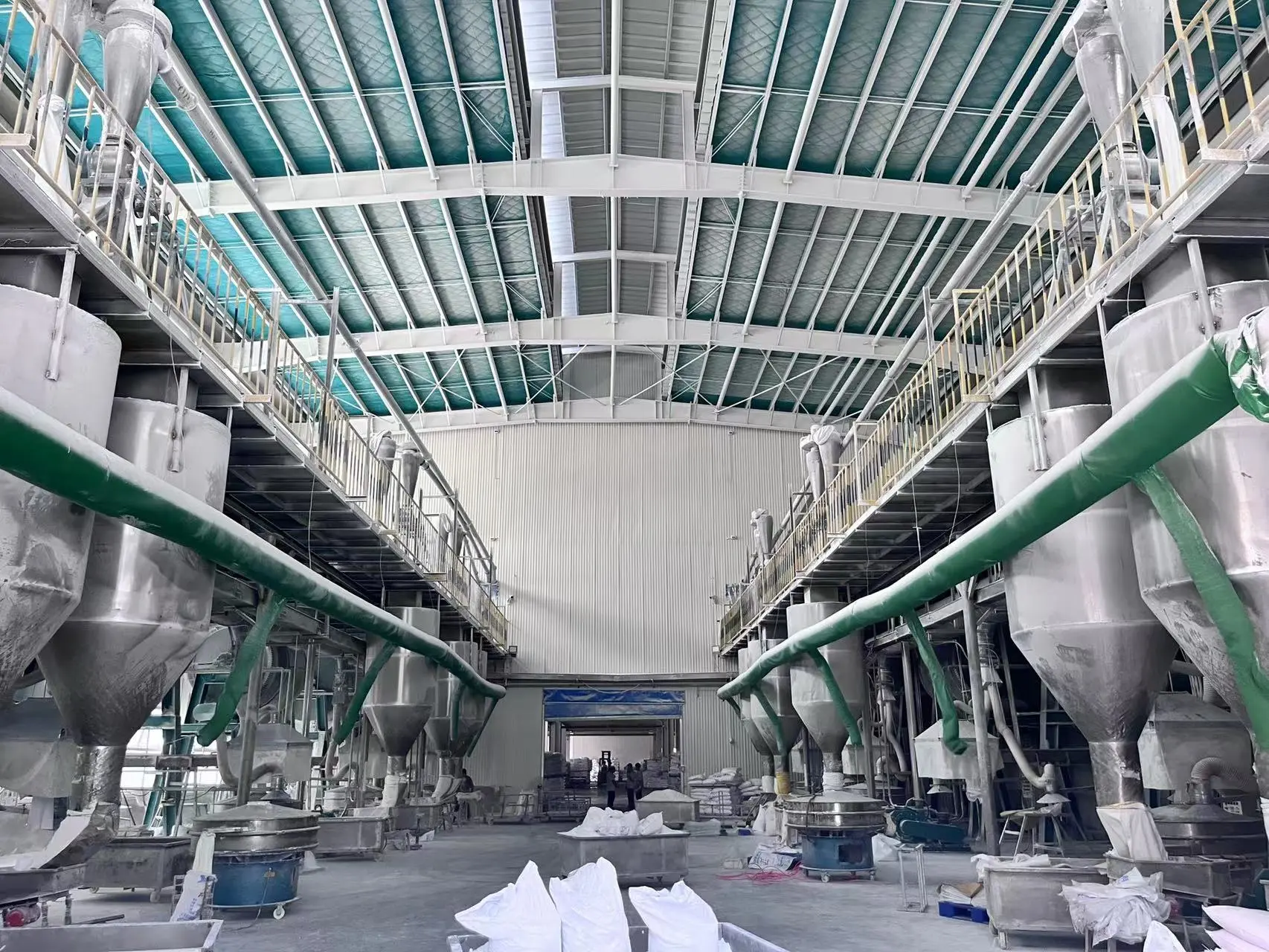
We operate using the guiding principles of "automated control, safety, stable operations, and low energy consumption." Our plants use advanced Distributed Control Systems (DCS). This allows us to monitor process parameters across the production line, ensuring uniform quality and reducing raw material waste.
To meet strict international quality standards, we use advanced production and testing equipment. Our high level of automation reduces manual labor intensity, increases manufacturing productivity, and cuts operational costs for our clients.
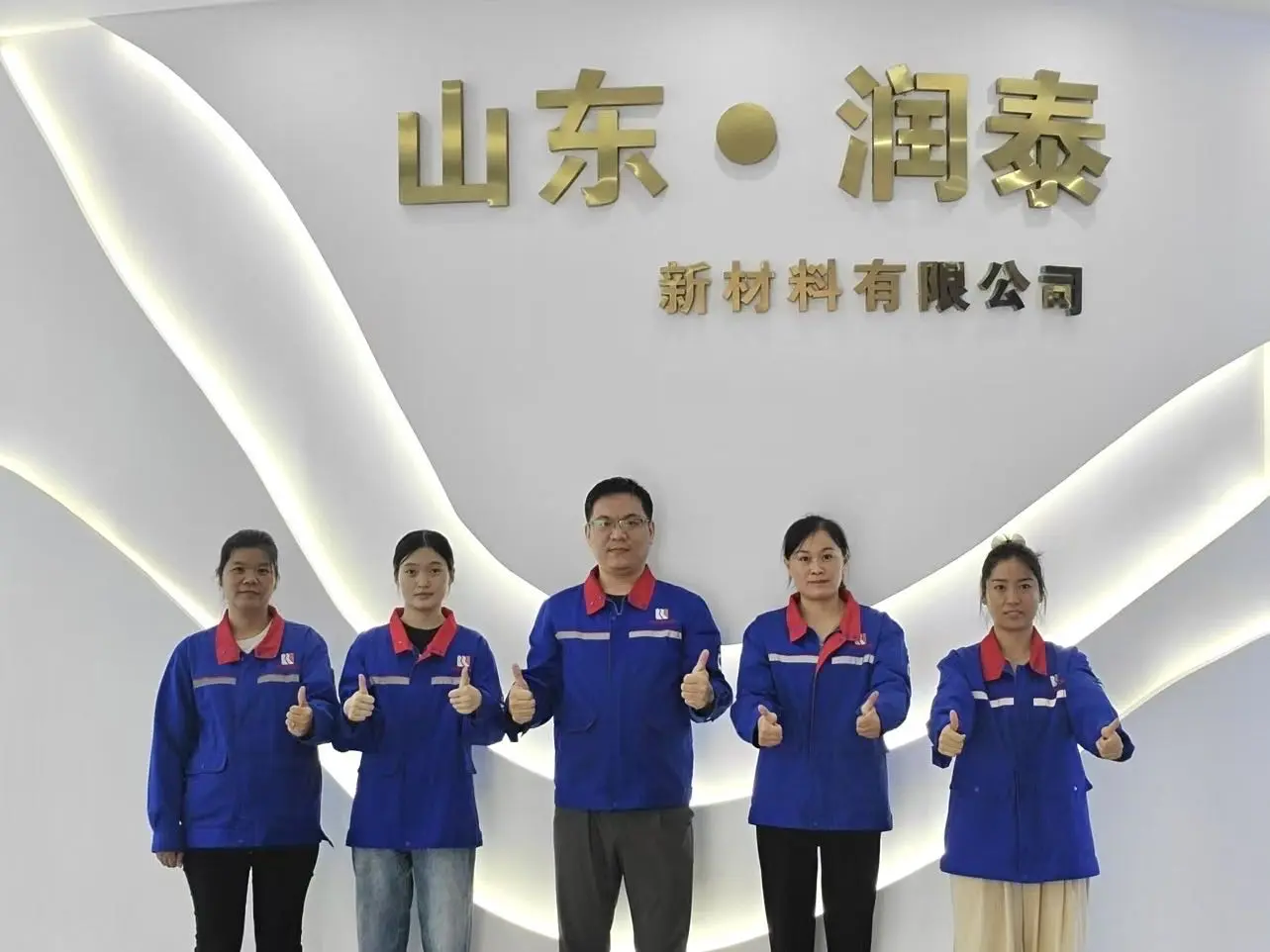
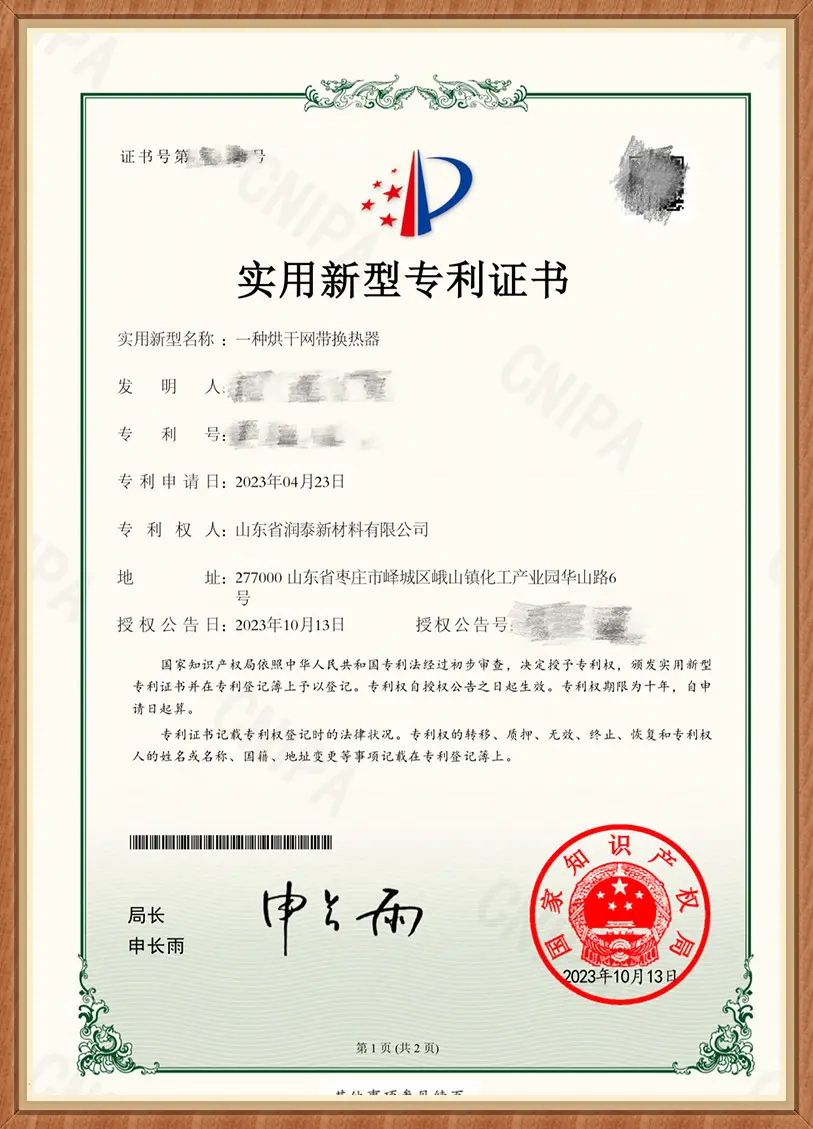
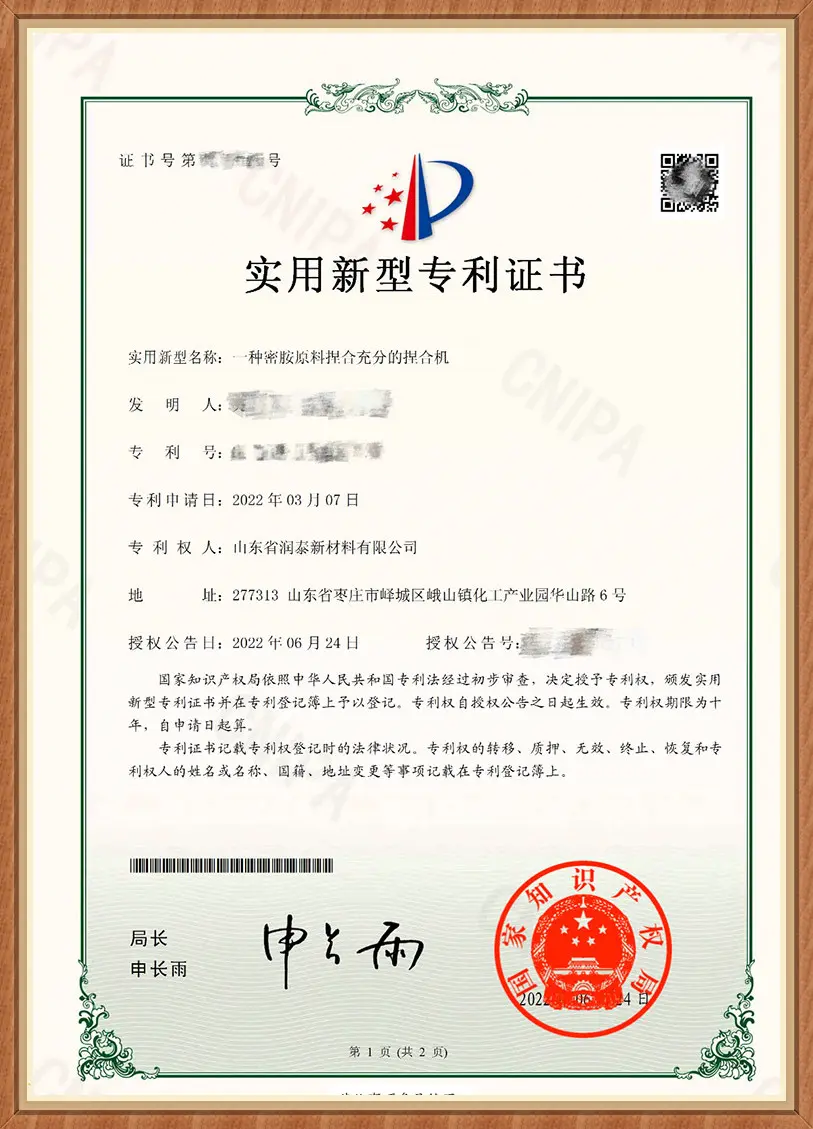
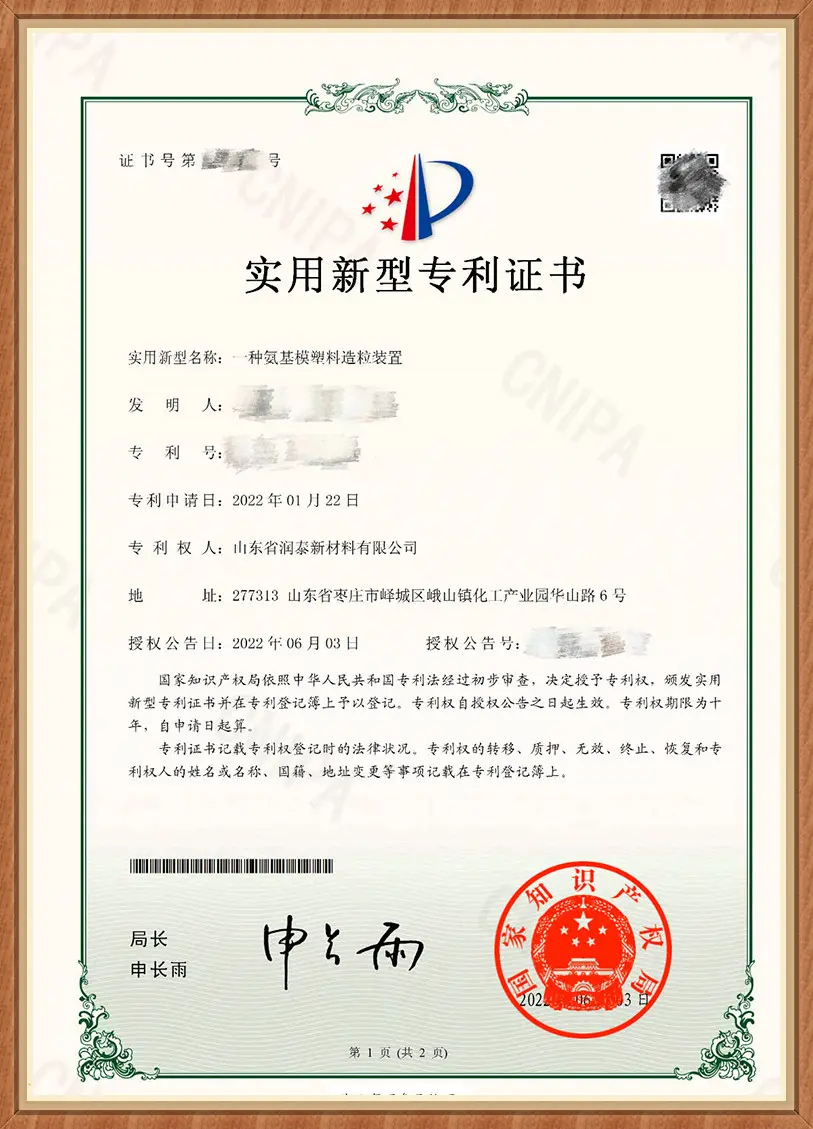
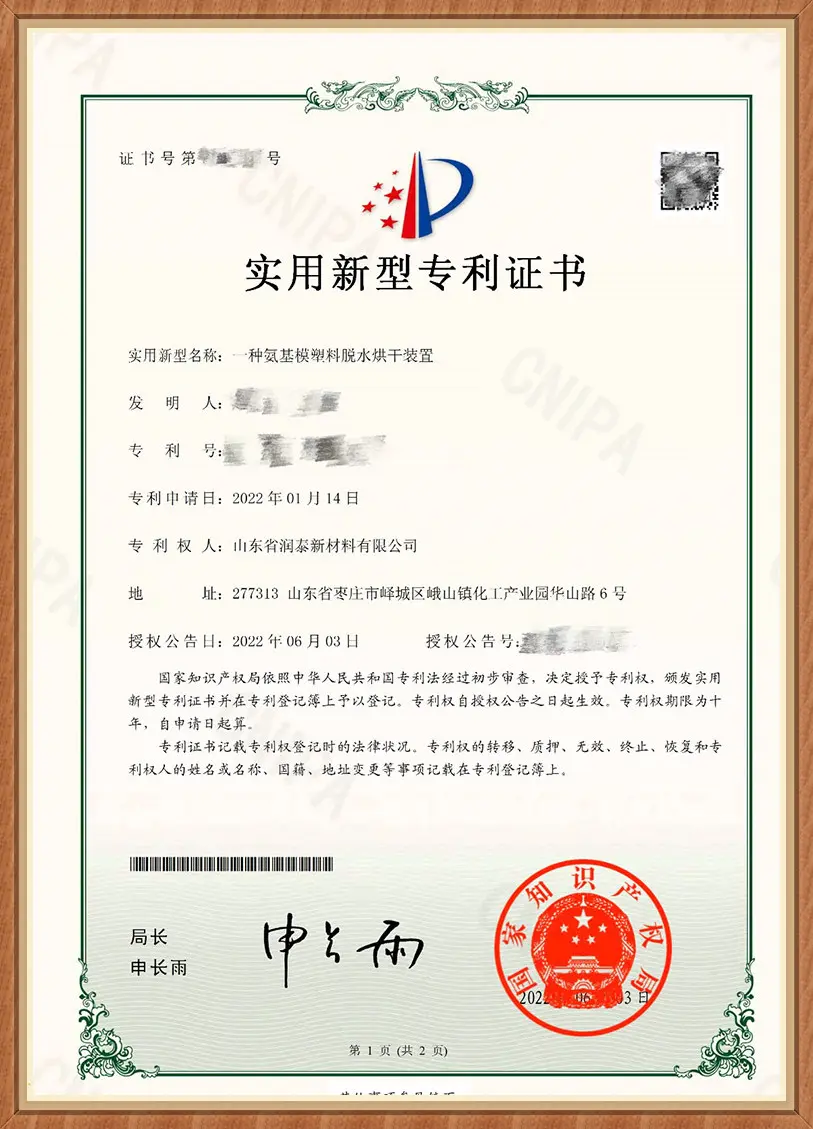
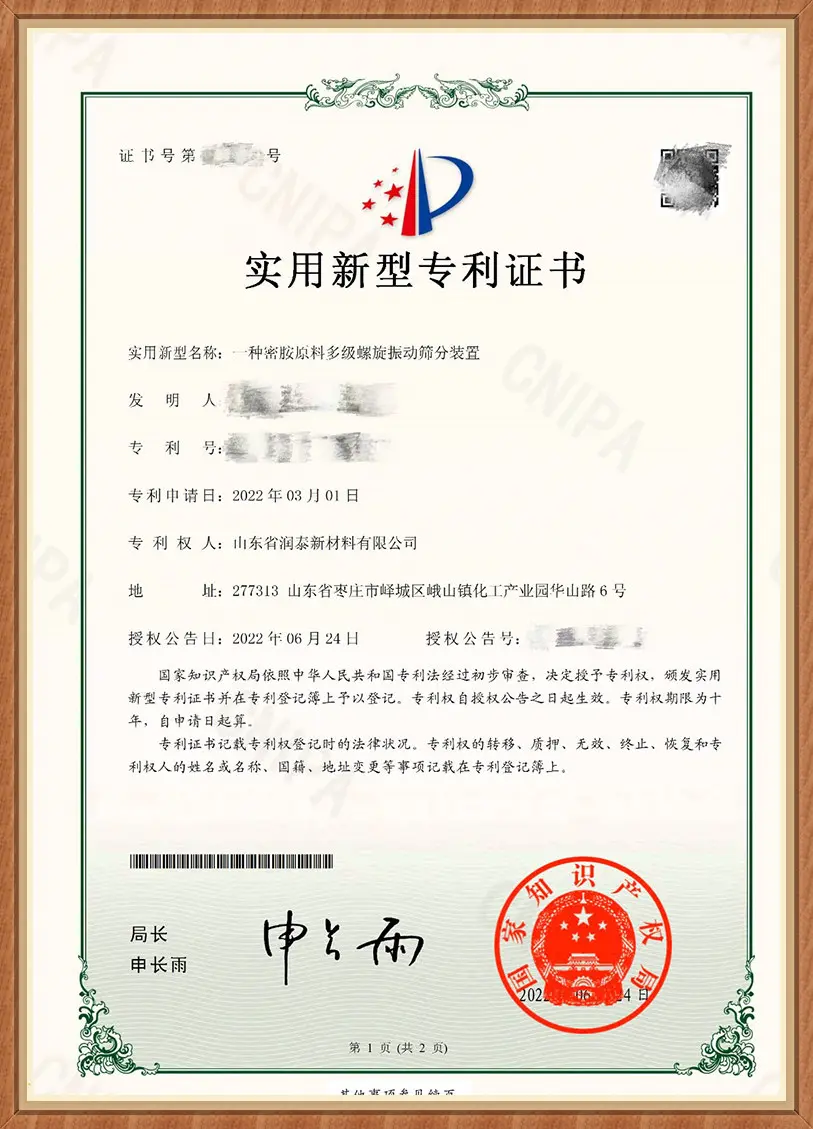
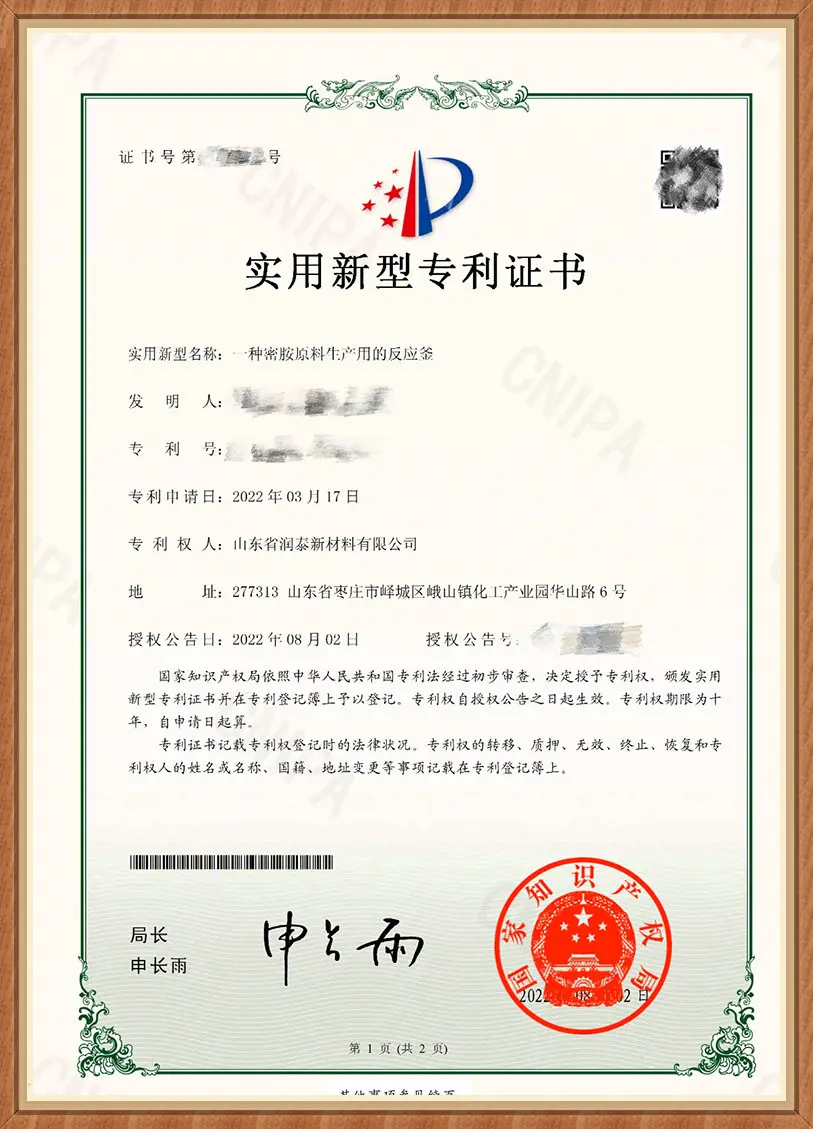
We collaborate with the Changzhou Research Institute of Beijing University of Chemical Technology. Runtai maintains an in-house doctoral R&D team and holds several patented chemical processing technologies that continuously improve our product quality.
Our formaldehyde-based chemical chain has great expansion potential. Our derivatives are widely used in adhesives, coatings, resins, dyes, pharmaceutical raw materials, and electronics, allowing us to serve diverse industrial sectors.

As an ethical chemical manufacturer, Runtai New Materials prioritizes sustainable development and environmental stewardship. We are committed to developing and producing eco-friendly chemical products that minimize environmental impact. Our operations comply with local and international environmental laws, safety codes, and standards.
Our business is guided by the philosophy of "quality first, customer first." We approach customer service with transparency and professionalism. We welcome both domestic and international partners to visit our manufacturing facilities in Shandong as we work together toward a sustainable future.
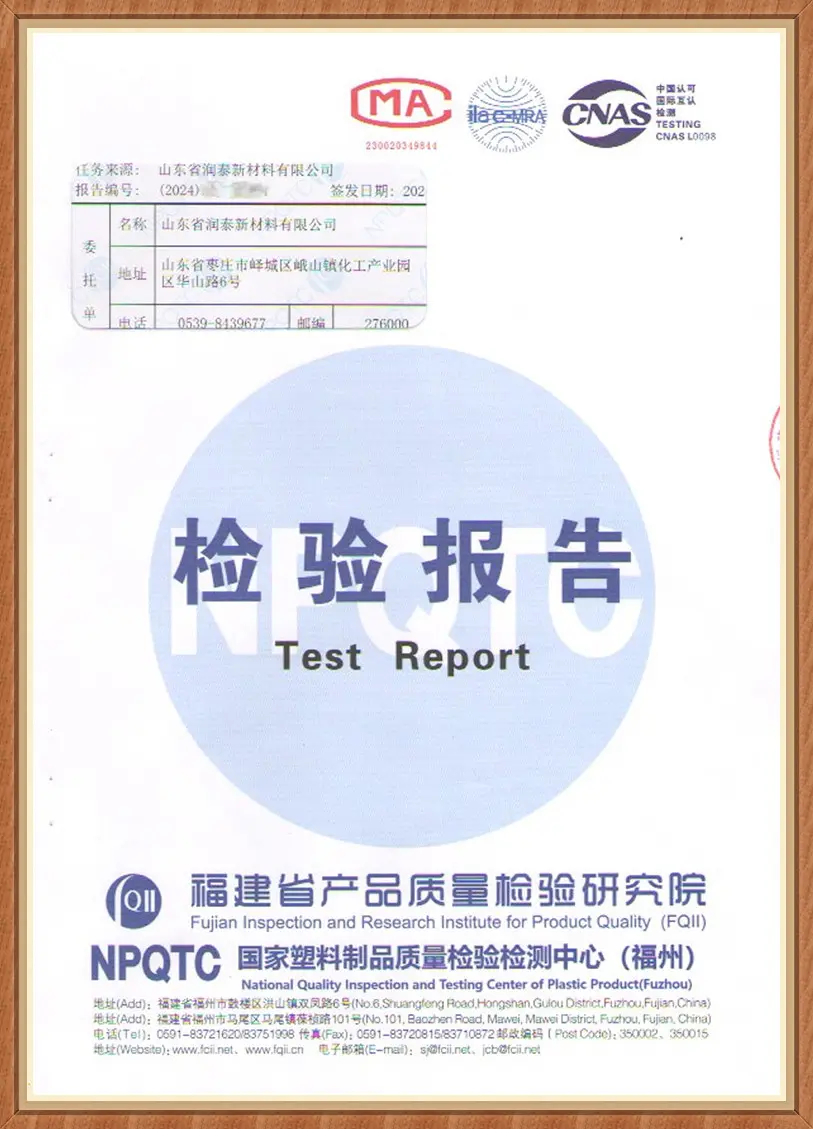
Tested, audited, and approved by leading international testing agencies and IP registries.
Expert technical answers regarding chemical specifications, storage guidelines, and procurement options.
Paraformaldehyde acts as a concentrated, solid source of formaldehyde. It is widely used in chemical syntheses that require reactively available formaldehyde gas but cannot tolerate the excess water present in liquid formalin. Key applications include the manufacture of synthetic resins (such as melamine, phenolic, and urea-formaldehyde resins), agrochemicals (like Glyphosate), and industrial coatings.
Liquid formalin contains up to 63% water, which significantly increases shipping costs per unit of active aldehyde. Additionally, liquid formaldehyde is classified as a hazardous substance prone to polymerization and formic acid buildup during transit. Solid paraformaldehyde (purity ≥ 92% or 96%) is highly stable, cheaper to ship per metric ton of active material, and has a much longer shelf life.
Our cost-efficiency stems from complete vertical integration. We refine raw materials locally, operate our own high-capacity formaldehyde synthesis units, and manage a consolidated logistics network. Utilizing advanced DCS automated systems helps us minimize raw material loss and optimize energy use, allowing us to offer factory-direct pricing to our global customers.
Standard shipments are packaged in 25kg double-layer woven bags with internal polyethylene liners to prevent moisture intake. For large-scale industrial orders, we provide 500kg and 1000kg bulk bags. All packaging undergoes drop-testing and moisture exposure resistance testing to ensure stability during transport.
When stored in dry, cool, well-ventilated warehouses away from open flames, heat sources, and strong oxidizers, our paraformaldehyde has a shelf life of up to 12 months. It is important to keep storage temperatures below 35°C to prevent premature depolymerization.
Select from our list of high-grade resins, dispersants, and specialized additives produced to meet strict international standards.
 Runtai