Direct access to our advanced monomer synthesis and downstream specialized chemical agents.
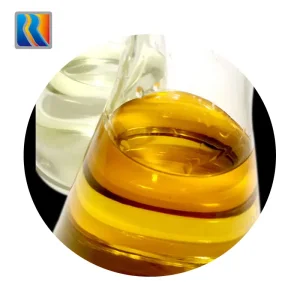
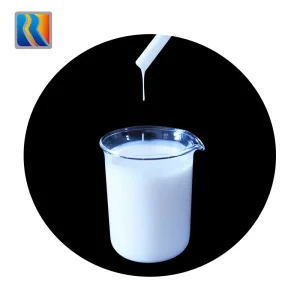
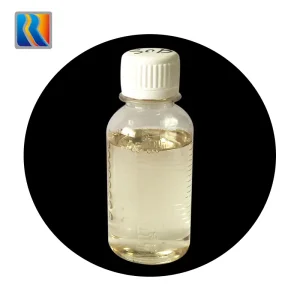
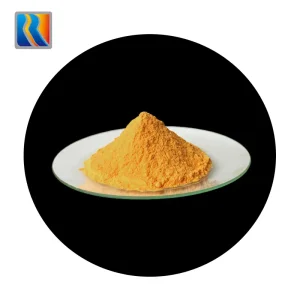
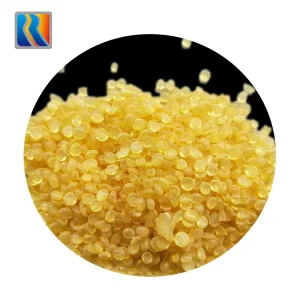
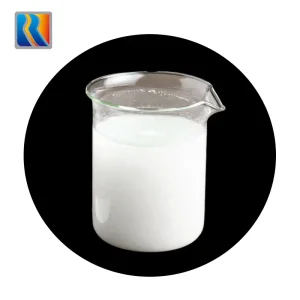
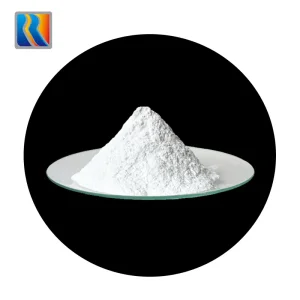
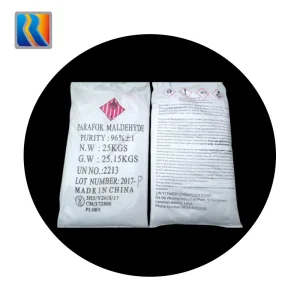
Formaldehyde (HCHO) acts as a foundational block of modern organic chemical synthesis. Its unparalleled reactivity makes it the ultimate cross-linking agent for manufacturing highly resilient polymeric systems, including urea-formaldehyde (UF) resins, melamine-formaldehyde (MF) resins, and phenol-formaldehyde (PF) resins. Sourcing managers and chemical engineers navigating the industrial landscape face a dual pressure: securing high-quality, high-concentration HCHO systems while optimizing raw material and logistics costs.
When searching for cheap Hcho suppliers, procurement departments must understand that true cost-efficiency does not come from compromises on quality. Instead, it is born from integration, thermodynamic efficiencies, and raw feedstock accessibility. Standard shipping of aqueous formaldehyde solutions (typically 37% to 50% concentration) over long distances is highly cost-inefficient due to the weight of water and the risk of polymerization without stabilizing alcohols. Consequently, the industrial trend has shifted to sourcing solid-state forms like Paraformaldehyde (powdered or prilled) or securing highly optimized domestic pathways where primary synthesis and downstream resin fabrication occur in integrated clusters.
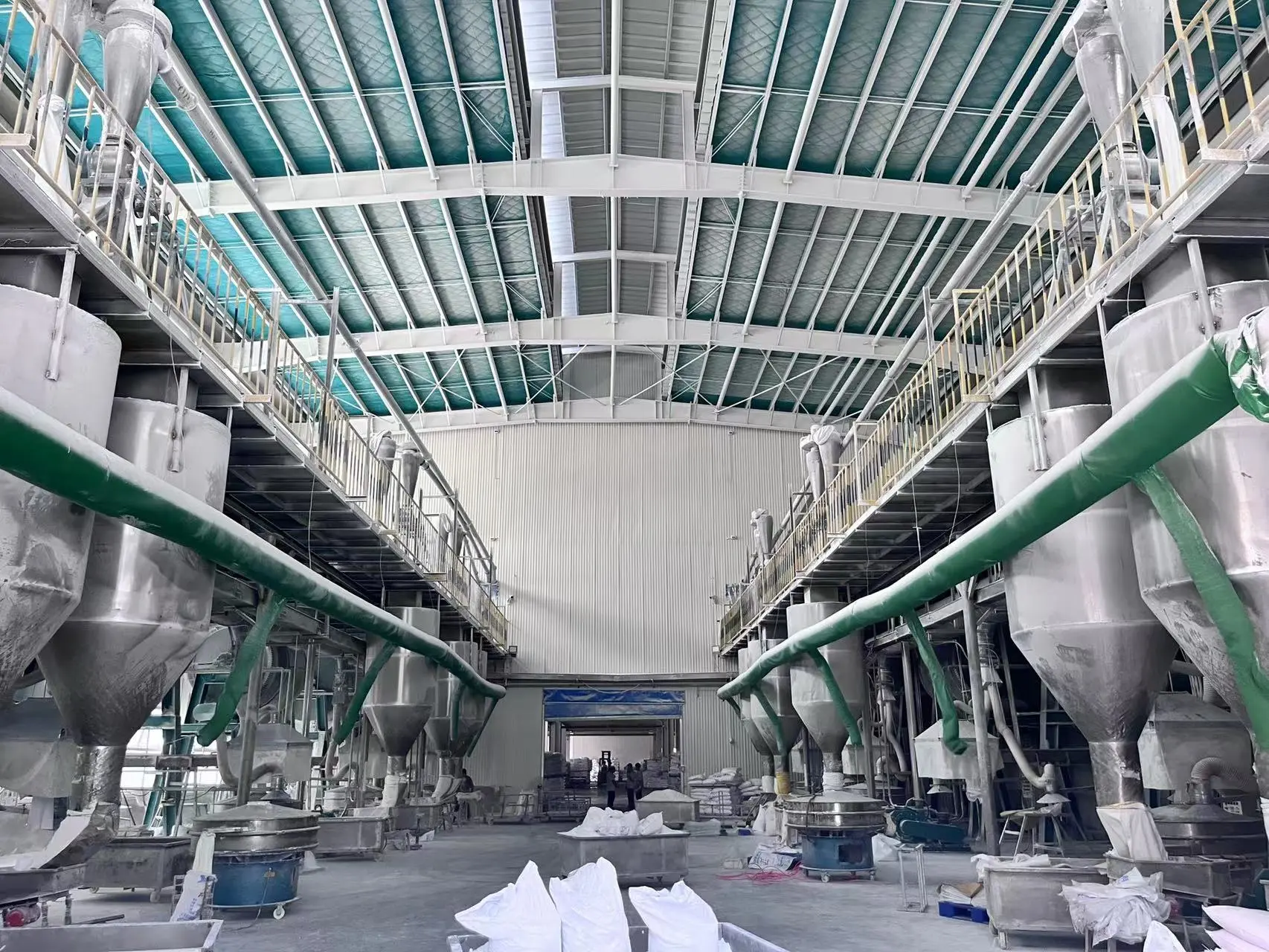
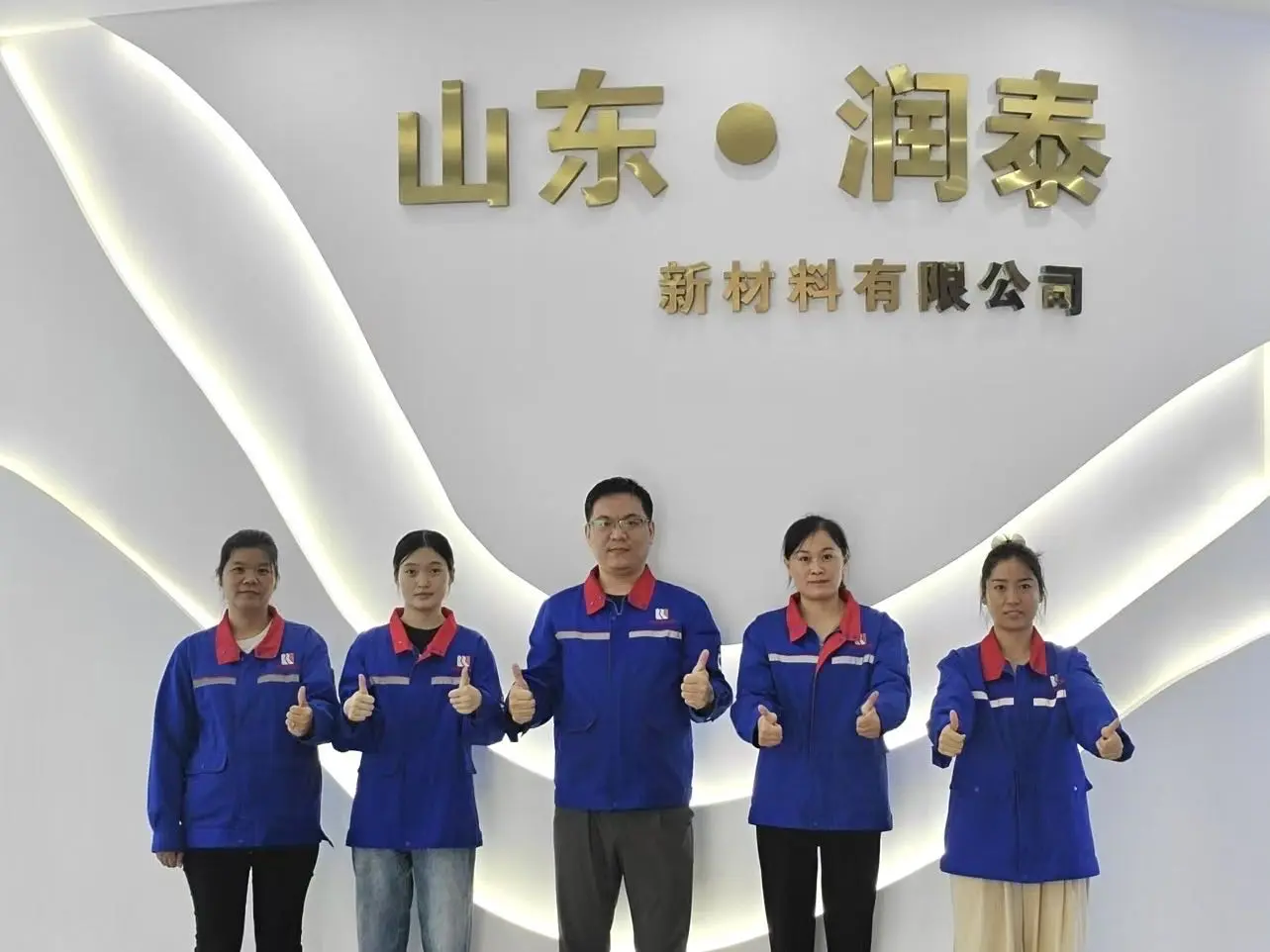
Founded in March 2020, Shandong Runtai New Materials Co., Ltd. is a comprehensive group firm that specializes in fine chemical products. Our primary products include formaldehyde, polyformaldehyde (Paraformaldehyde), urea formaldehyde resin, melamine powder, and melamine glazing powder. The corporation has branches in five different cities throughout the whole country, with its headquarters located in Zaozhuang City, Shandong Province. Runtai New Materials covers an area of 270,000 square meters with a total investment of 2.06 billion yuan.
Our capacity layout has been engineered to secure scale advantages. Currently, we produce 380,000 tons of formaldehyde annually, 60,000 tons of melamine, 20,000 tons of melamine glazing powder, 11,000 tons of specialized resins, and 300,000 tons of urea formaldehyde resin. By combining these core product lines within a single interconnected complex, we control raw material input directly, minimizing energy loss and intermediate packaging costs.
Annual HCHO Capacity
UF Resin Annual Output
Domestic Market Share
Total Capital Investment (RMB)
Unlocking the operational, economic, and geographic paradigms behind Chinese manufacturing efficiency.
Chinese industrial chemical hubs are positioned near primary methanol reformers. Direct pipeline integration eliminates the high transport charges of bulk volatile organic compounds, yielding a highly cost-efficient structure for HCHO synthesis.
Shandong Runtai employs advanced Distributed Control Systems (DCS) to monitor reaction kinetics, temperatures, and mass balances in real-time. This reduces raw material loss by up to 4.2% compared to manual processes.
Collaborating with the Changzhou Research Institute of Beijing University of Chemical Technology, we ensure access to patented catalysts. These increase methanol-to-formaldehyde conversion rates, keeping raw material costs low.
Formaldehyde is rarely used in its monomer form by end-users. Instead, it is synthesized into intermediate resins or polymers that carry exceptional mechanical and thermal properties. Understanding these transformations is key to choosing the right chemical grades:
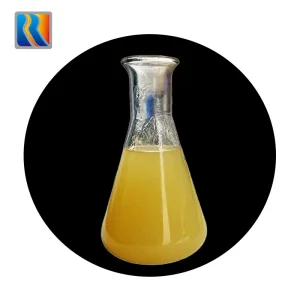
UF resins are highly cross-linked thermosetting polymers synthesized through the reaction of urea with formaldehyde in alkaline and then acidic media. UF resins are the primary choice for the wood composite industry due to their rapid cure rate, excellent binding strength, and low raw material cost. They are widely used in particleboards, medium-density fiberboards (MDF), and plywood adhesive systems.
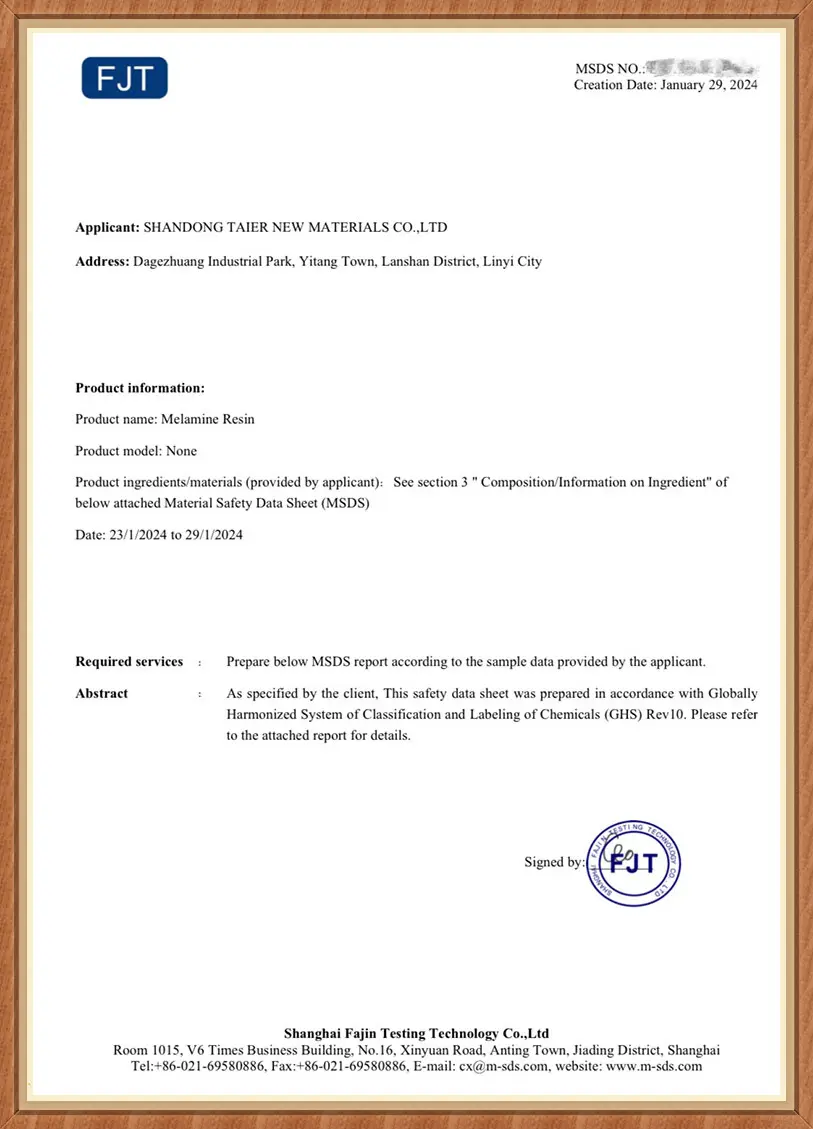
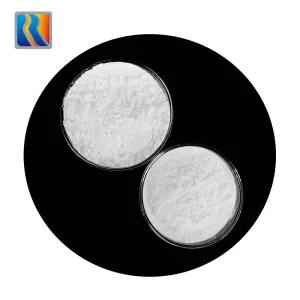
When high moisture resistance, surface hardness, and flame retardancy are required, melamine replaces urea in the reaction loop. MF resins are molded to produce compression-molded tableware (Melamine Moulding Compound - MMC). Additionally, Melamine Glazing Powder is applied as an outer protective coating to give tableware a durable, porcelain-like finish.
Paraformaldehyde is the polymerization product of formaldehyde with a degree of polymerization typically between 8 and 100. It is a solid, white crystalline substance. Sourcing PFA is highly recommended for foreign markets because it reduces transport volume, avoids water cargo charges, and can be depolymerized back into active HCHO gas or liquid on-site, serving as an ideal raw material for paint, coatings, and pharmaceutical syntheses.

"As an ethical company, Runtai prioritizes sustainable development and environmental preservation. Our commitment lies in developing and producing eco-friendly chemical products that minimize their negative effects on the environment while adhering to international regulations."
Reviewing our advanced quality certifications, testing setups, and engineering patents.
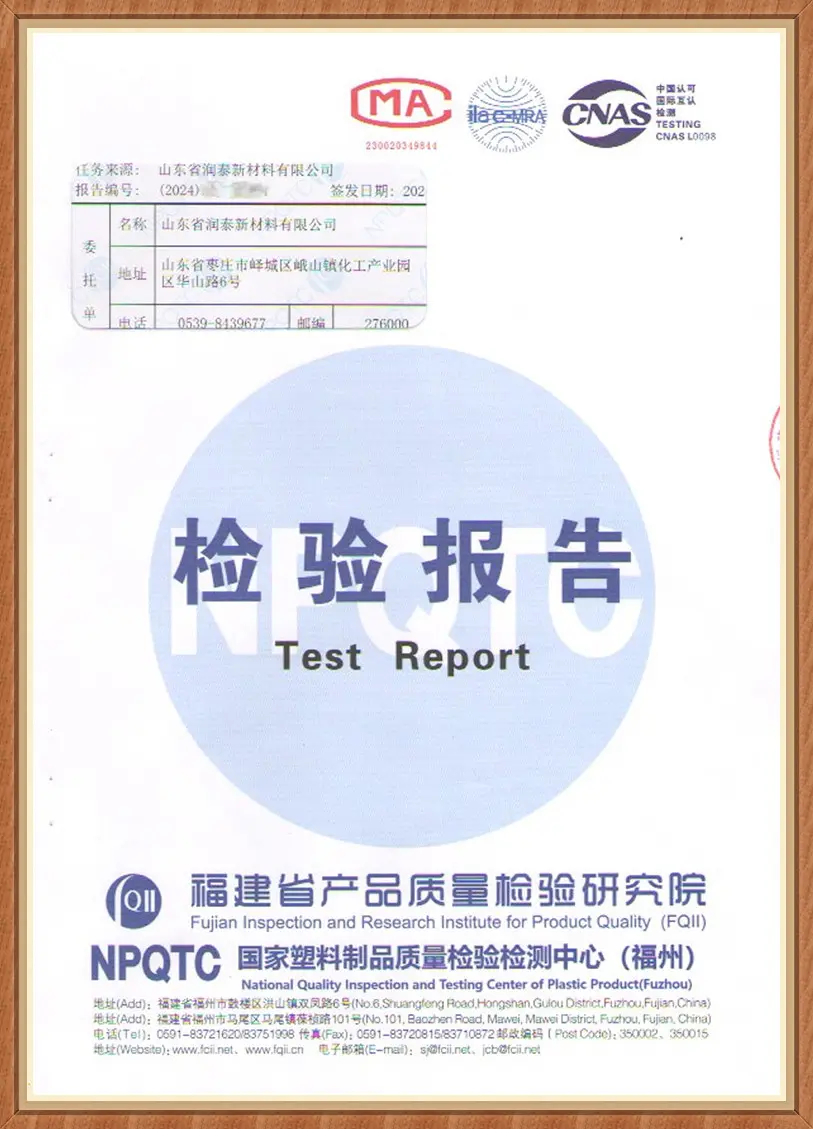
Under our strict quality guidelines, all raw materials and chemical derivatives undergo rigorous analysis before dispatch. Using Gas Chromatography-Mass Spectrometry (GC-MS), high-precision titrators, and viscosity control metrics, we ensure that every batch of Paraformaldehyde, Melamine, and Urea-Formaldehyde Resin meets international specifications.
We work to minimize free formaldehyde release in accordance with major global requirements. For wood adhesive panels, our newly designed low-emission formulations meet the strict E0, E1, CARB Phase 2, and Japanese F★★★★ environmental criteria. This helps international buyers pass local custom clearances and environmental audits without friction.
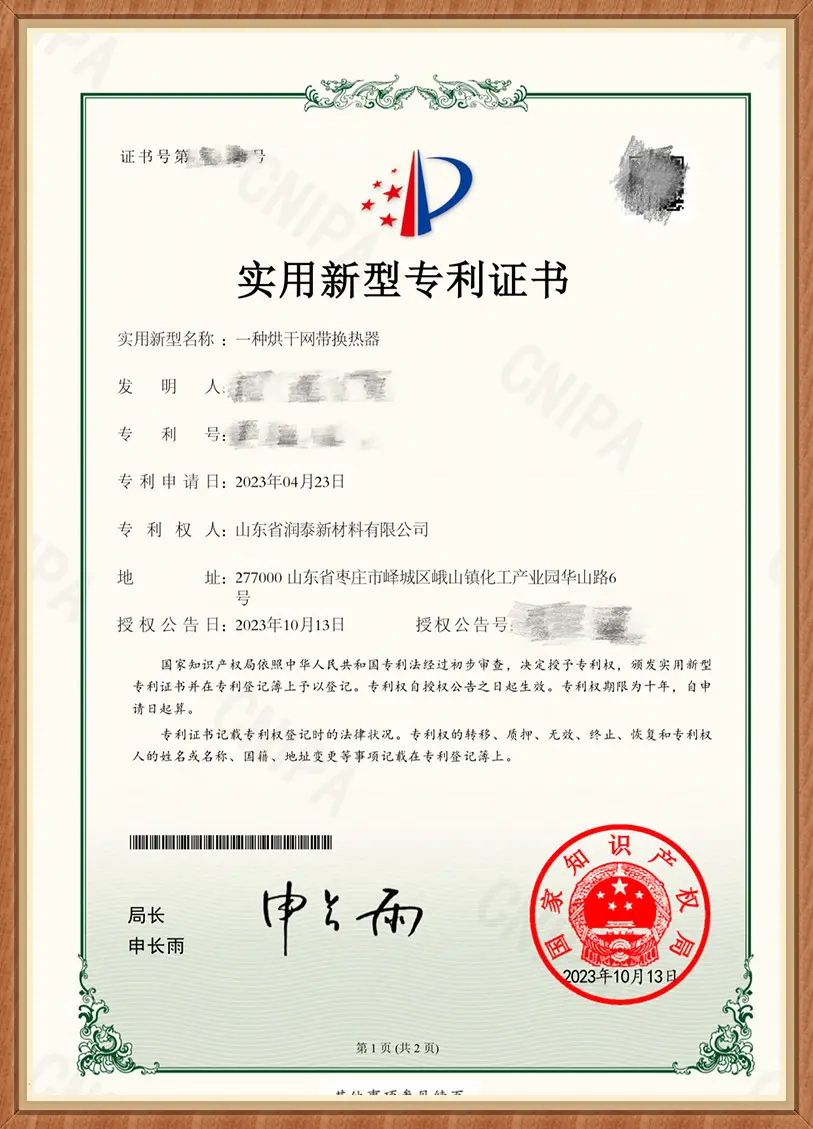
Our doctoral research team, in partnership with Beijing University of Chemical Technology, holds multiple national patents on catalyst optimization and energy recovery loops. This scientific edge is why our materials are project-proven and widely used in the Americas, Europe, Southeast Asia, and North Africa.

Explore additional high-performance solutions for adhesives, moldings, and chemical processing.
Clear, direct answers regarding specifications, international shipping compliance, and chemical properties.
Aqueous HCHO (commonly sold as 37%-50% formalin) contains water and requires small amounts of methanol as a stabilizer to prevent precipitation. Solid Paraformaldehyde (PFA), which typically has a concentration of 92% to 96%, is much cheaper to ship internationally because it eliminates water weight. PFA can easily be depolymerized back into monomeric HCHO at the customer's facility through heating or chemical adjusters.
Our cost advantages stem from our vertical integration. With a total investment of 2.06 billion yuan and a 270,000 sqm production site in Zaozhuang City, we produce our own raw formaldehyde (380,000 tons/year). This feeds directly into our downstream melamine (60,000 tons/year) and urea-formaldehyde resin (300,000 tons/year) plants. This pipeline setup minimizes local transport costs, energy loss, and intermediate packaging.
Yes, we design our formulations to meet international environmental regulations. We offer customized cross-linked resins that satisfy E0, E1, US CARB Phase 2, and Japanese F★★★★ standards. These formulations release minimal free formaldehyde during curing, helping you comply with local green building and health certifications.
UMC is a thermosetting compound that reacts to temperature. It should be stored in dry, cool (below 25°C), and well-ventilated warehouses, away from direct sunlight and moisture. When kept in its original sealed bags under these conditions, the shelf life is typically 6 to 9 months. Maintaining the correct storage temperature prevents premature pre-polymerization.
Yes. Our R&D team can match colors to meet specific requirements (such as Pantone or RAL codes). You can send us physical color targets or color index cards, and our lab will formulate matching MMC or Melamine Glazing Powder. We verify color consistency under different lighting conditions before full production.
Solid Paraformaldehyde is classified as a flammable solid (Class 4.1, UN 2213, PG III). Shipping it requires standard UN-approved moisture-proof woven bags (such as 25kg bags or jumbo bags) and compliant hazardous goods export licensing. Our experienced logistics department handles all necessary documentation, container securing, and customs declarations to ensure safe delivery.
Our Distributed Control System (DCS) continuously monitors temperature, pressure, feed rates, and catalysts throughout the reaction process. By reducing human error and stabilizing reaction parameters, the DCS keeps our product quality consistent across batches, reduces raw material loss, and keeps production highly energy-efficient.
We regularly export to the United States, Thailand, Kenya, Egypt, and other countries across the Middle East, Southeast Asia, and the Americas. The average lead time for standard products is 10 to 15 days from order confirmation to port delivery. For custom colors or specialized chemical formulations, lead times typically range from 20 to 25 days depending on laboratory validation.
 Runtai