Explore our foundational chemical compounds, resins, and defoamers engineered to meet stringent global application standards.
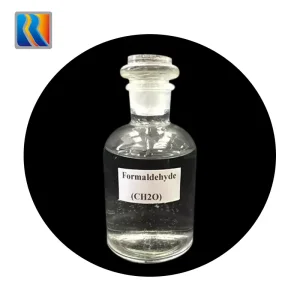
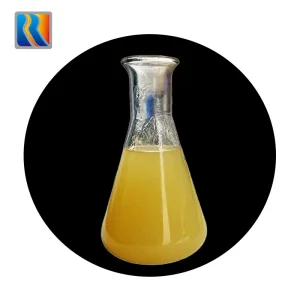
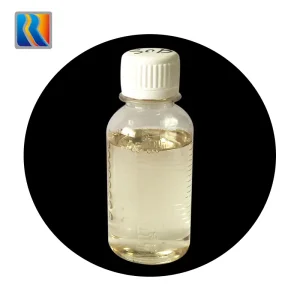
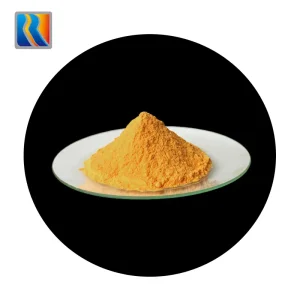
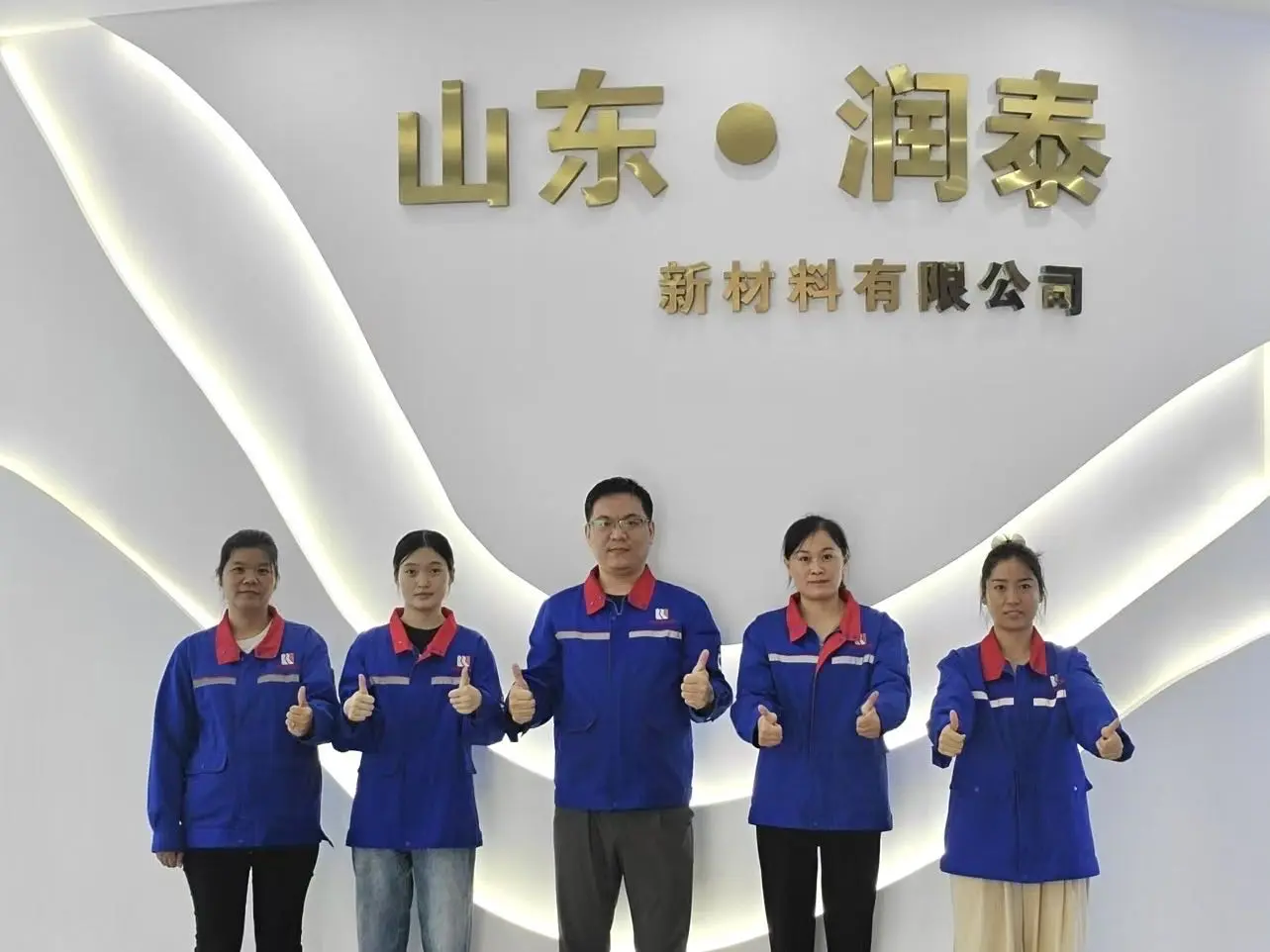
Founded in March 2020, Shandong Runtai New Materials Co., Ltd. has rapidly emerged as a preeminent, fully integrated chemical conglomerate in China. We specialize in the research, development, and high-volume manufacture of fine chemical products and engineering materials with formaldehyde (HCHO) acting as our baseline chemical building block.
Headquartered in Zaozhuang City, Shandong Province, our industrial footprint spans across 270,000 square meters. Backed by a strategic total capital investment of 2.06 billion yuan, we manage operations through five regional branches across the country, ensuring robust regional supply resilience. Our comprehensive portfolio centers on industrial-grade formaldehyde, paraformaldehyde, urea-formaldehyde (UF) resin, melamine powder, and melamine glazing powder.
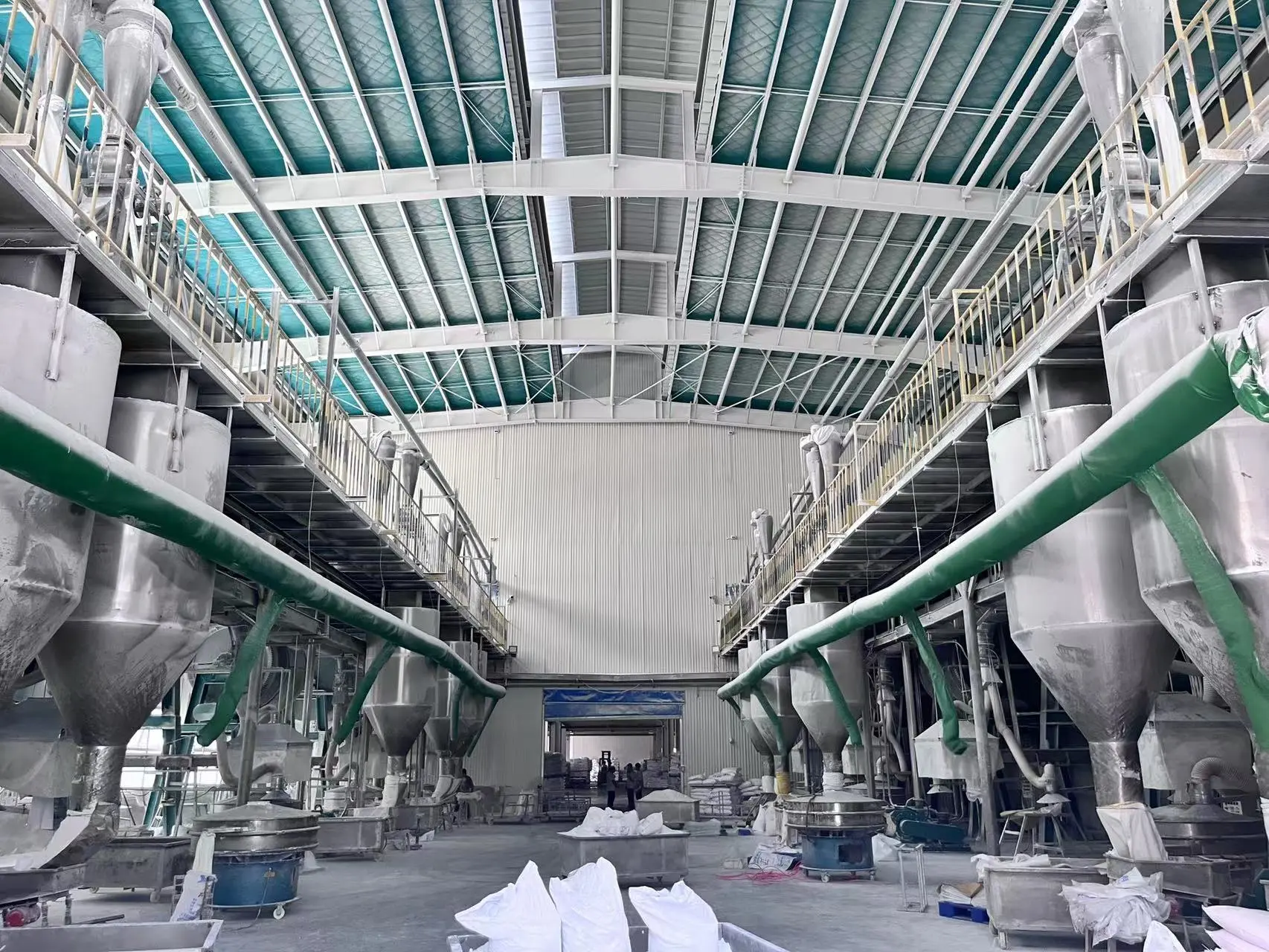
By integrating modern production lines with vertical feedstocks, Runtai New Materials has consolidated its leadership in the chemical synthesis space. In addition to our flagship formaldehyde and UF resin outputs, we produce 20,000 tons of melamine glazing powder and 11,000 tons of specialized industrial resins annually.
We maintain an unmatched 80% market share within the domestic Chinese distribution networks while expanding our global footprint. Our products are exported to demanding regulatory environments, including the United States, Southeast Asia (Thailand), East Africa (Kenya), and North Africa (Egypt), where custom compliance to formaldehyde emission limits (such as CARB Phase 2 and EPA TSCA Title VI) is paramount. We cater to global industrial buyers by delivering standardized bulk compounds alongside tailormade chemical solutions engineered for custom viscosity, solid content, and curing velocities.
Analysing the critical role of HCHO (Formaldehyde) and its high-performance chemical derivatives across major global manufacturing sectors.
Formaldehyde is the cornerstone of the global engineered wood industry. By reacting HCHO with urea, melamine, or phenol, factories produce Urea-Formaldehyde (UF), Melamine-Formaldehyde (MF), and Phenolic Resins. These polymers serve as the primary binders for plywood, particleboard, and medium-density fiberboard (MDF) due to their exceptional thermal stability, cost efficiency, and fast-curing characteristics.
Our Urea Moulding Compounds (UMC) and Melamine Moulding Compounds (MMC) are widely utilized in compression moulding processes. These thermosetting plastics are essential for manufacturing durable electric switchboards, circuit breakers, dinnerware, and automotive components. They exhibit outstanding heat resistance, surface hardness, electrical insulation, and chemical resistance.
From acrylic acid-based swelling thickeners to ammonium salt dispersants and mineral oil defoamers, our water-based chemical additives are critical in modern paints, paper coatings, and textile processing. These agents optimize formula rheology, prevent pigment flocculation, and suppress foam under intense industrial mixing, enhancing the application quality of final consumer products.

At Runtai New Materials, our operational philosophy is anchored on professional compliance, scientific rigor, and environmental stewardship.
We maintain strict compliance with ISO 9001, ISO 14001, and OHSAS 18001 standards. As a socially responsible chemical enterprise, we invest heavily in VOCs abatement systems, industrial water recycling loops, and waste heat recovery systems. Through our joint research program with the Changzhou Research Institute of Beijing University of Chemical Technology, we run a dedicated R&D center staffed by PhD scientists. This team specializes in low-free-formaldehyde formulations, high-concentration paraformaldehyde technology, and bio-based resin raw material substitutions, bridging the gap between economic chemical cost ("cheap") and environmental sustainability.
Understanding the key structural shifts impacting global formaldehyde procurement, supply chain safety, and regulatory compliance.
Regulatory pressure from the EU (REACH) and North America (EPA) has shifted procurement demand toward ultra-low emission UF resins. Current wood composites must comply with strict standards like F-four star (F★★★★) or CARB Phase 2, which restrict free-formaldehyde emission levels. Suppliers are developing resins with low formaldehyde-to-urea (F/U) molar ratios and adding formaldehyde scavengers to meet these targets without compromising adhesive strength.
Transporting liquid formaldehyde (typically a 37%-50% aqueous solution) over long distances is challenging due to polymerization risk (forming paraformaldehyde precipitate) and high shipping costs. Consequently, international buyers are increasingly procuring high-grade paraformaldehyde (92%–96% solid powder/prills). Solid paraformaldehyde can be dissolved on-site, reducing freight weight, eliminating transport stabilizers (methanol), and minimizing hazardous liquid containment risks.
The consumer electronics and high-speed rail sectors demand halogen-free, flame-retardant polymers with high tracking resistance (CTI). Melamine-based moulding compounds (MMC) are replacing traditional phenolics and engineering plastics due to their superior flame retardancy (UL94 V-0), scratch resistance, and food-contact safety profiles, which are crucial for household dinnerware.
How Shandong Runtai New Materials delivers cost-competitiveness without compromising on product consistency and industrial safety.
Our factory model leverages "China Factory 4.0" automation principles. The production line is governed by an advanced Distributed Control System (DCS), allowing our engineers to monitor and adjust process parameters in real time. This precise control stabilizes chemical yields, reduces raw methanol consumption, and ensures low-emission operations.
By integrating the supply chain, we produce formaldehyde directly as a feedstock for our downstream urea-formaldehyde and melamine resin lines. This vertical integration minimizes transport hazards and processing margins, allowing us to offer highly competitive pricing. Located in Shandong's chemical zone, we have direct access to domestic coal gasification networks and nearby deep-water ports, ensuring reliable shipping to global destinations.

Why industrial partners choose Runtai New Materials as their long-term supply chain partner for formaldehyde derivatives.
Following the scale-up of our melamine and resin production facilities, Runtai New Materials has established a leading market share nationwide. We serve as a comprehensive hub for formaldehyde-based new materials and downstream derivatives across China.
Our manufacturing processes follow five key operational principles: automatic control, safe and reliable operation, stable output, energy conservation, and comprehensive resource utilization. Our DCS systems manage precise reaction temperatures, preventing localized overheating and thermal runaway.
We use high-end, reliable production and analytical testing machinery sourced from leading domestic and international manufacturers. This instrumentation ensures batch-to-batch consistency and reduces testing and labor overheads.
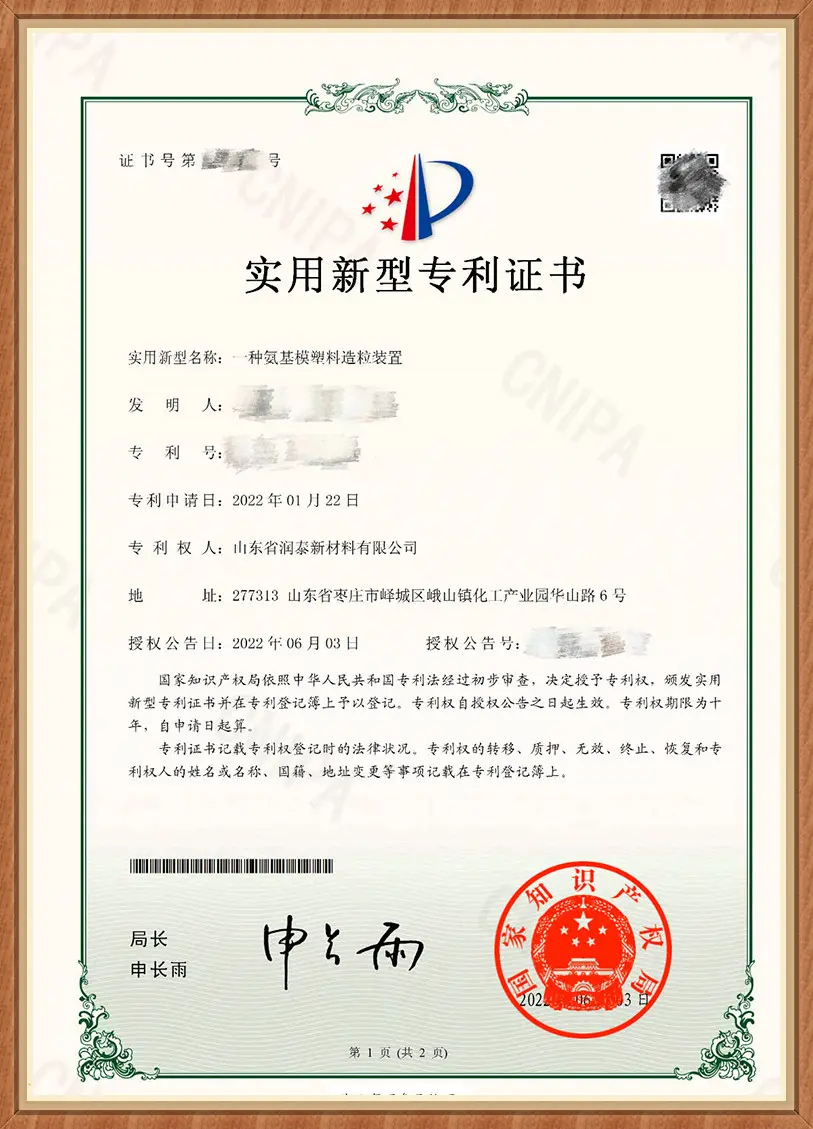
We collaborate closely with research institutions like the Changzhou Research Institute of Beijing University of Chemical Technology. Supported by a doctoral R&D team and patented chemical processes, we continuously optimize resin polymerization and additive performance.
Our formaldehyde-based chemical platform supports a wide range of derivative products. These materials are used in high-value applications including wood adhesives, industrial coatings, thermoset molding plastics, paper-making auxiliaries, and agricultural chemical dispersants.
Our facilities operate under ISO 9001 and ISO 14001 certifications. Each batch of formaldehyde and moulding compound undergoes strict testing, including gas chromatography, viscosity profiling, and moisture analysis, before shipment.
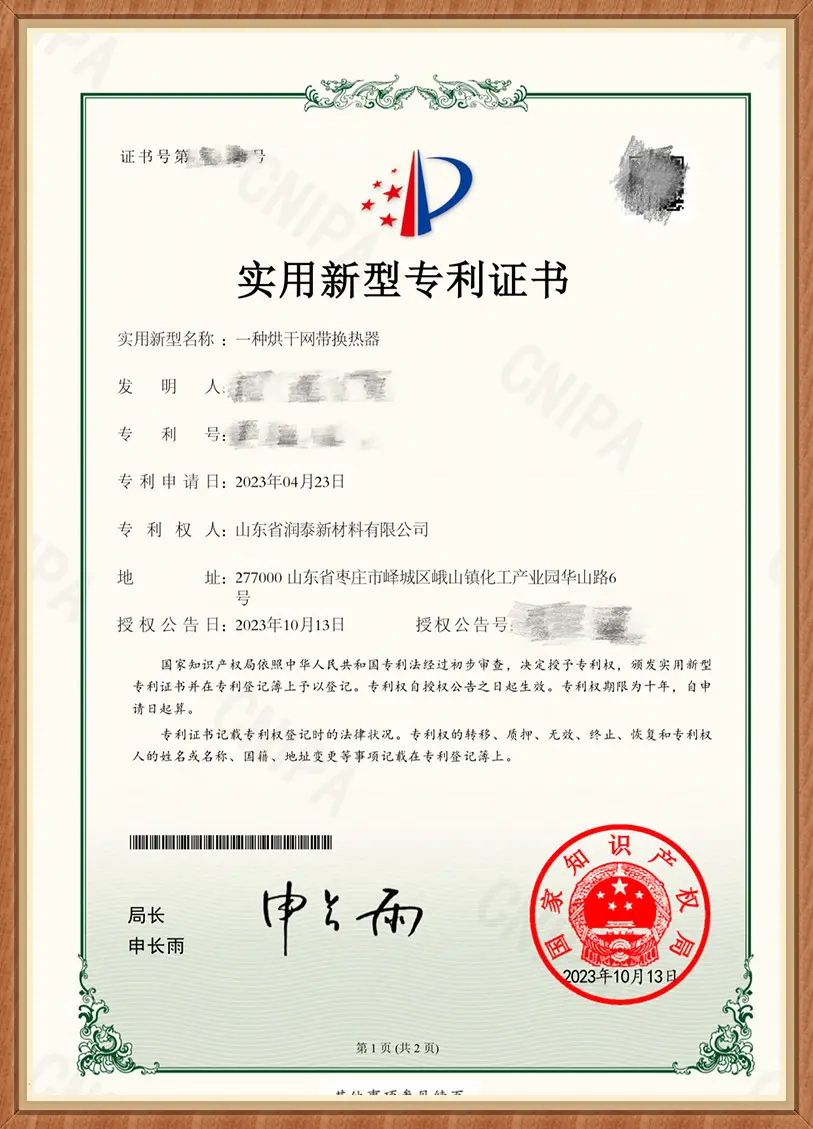
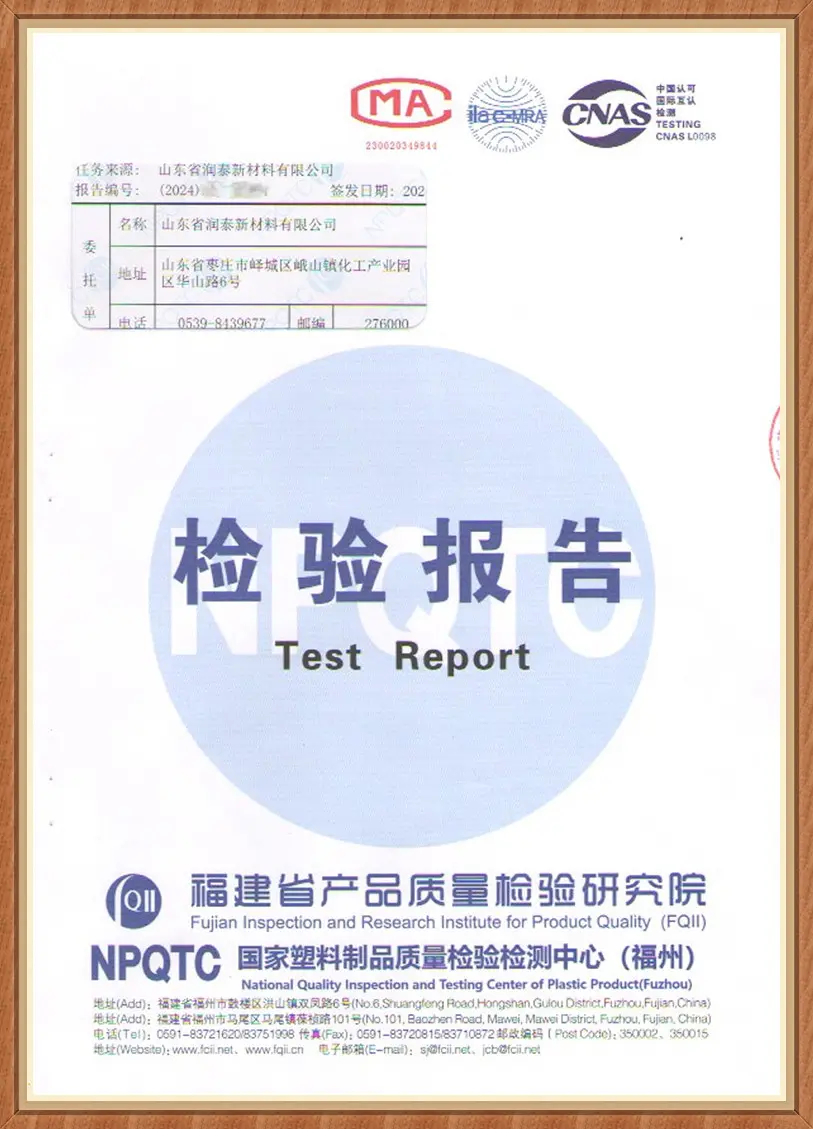
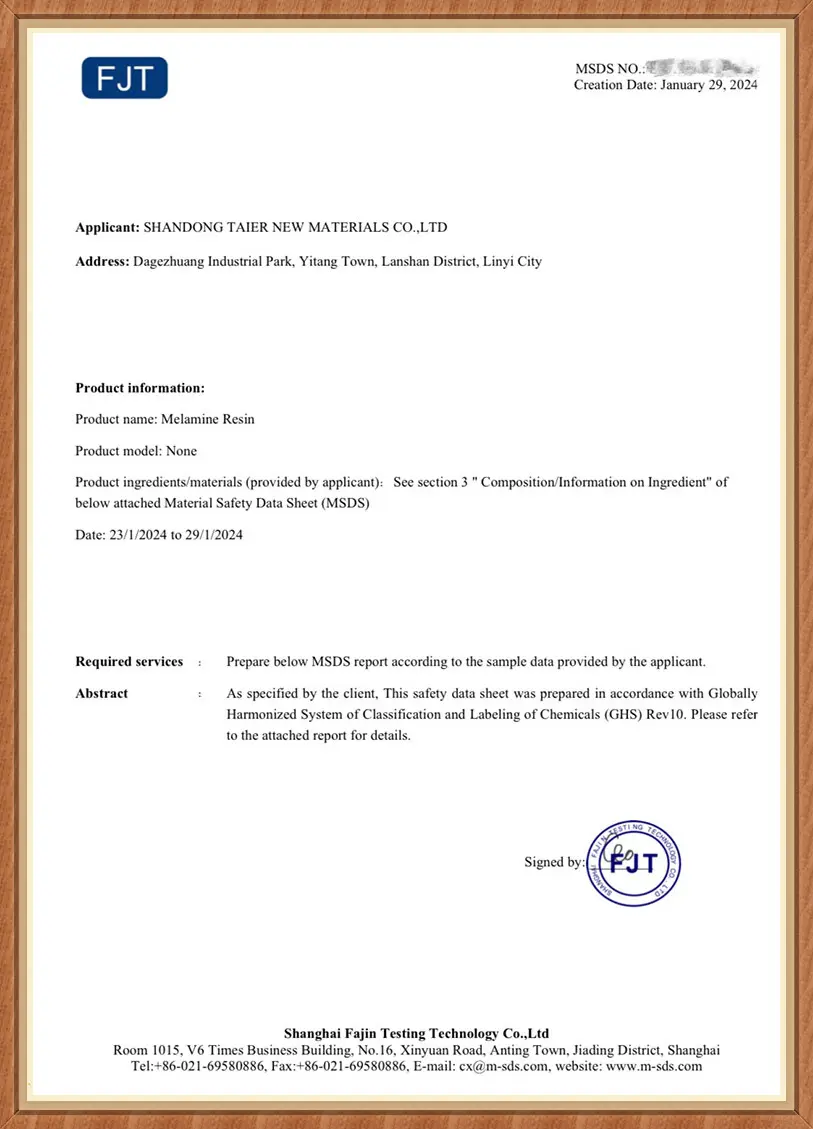
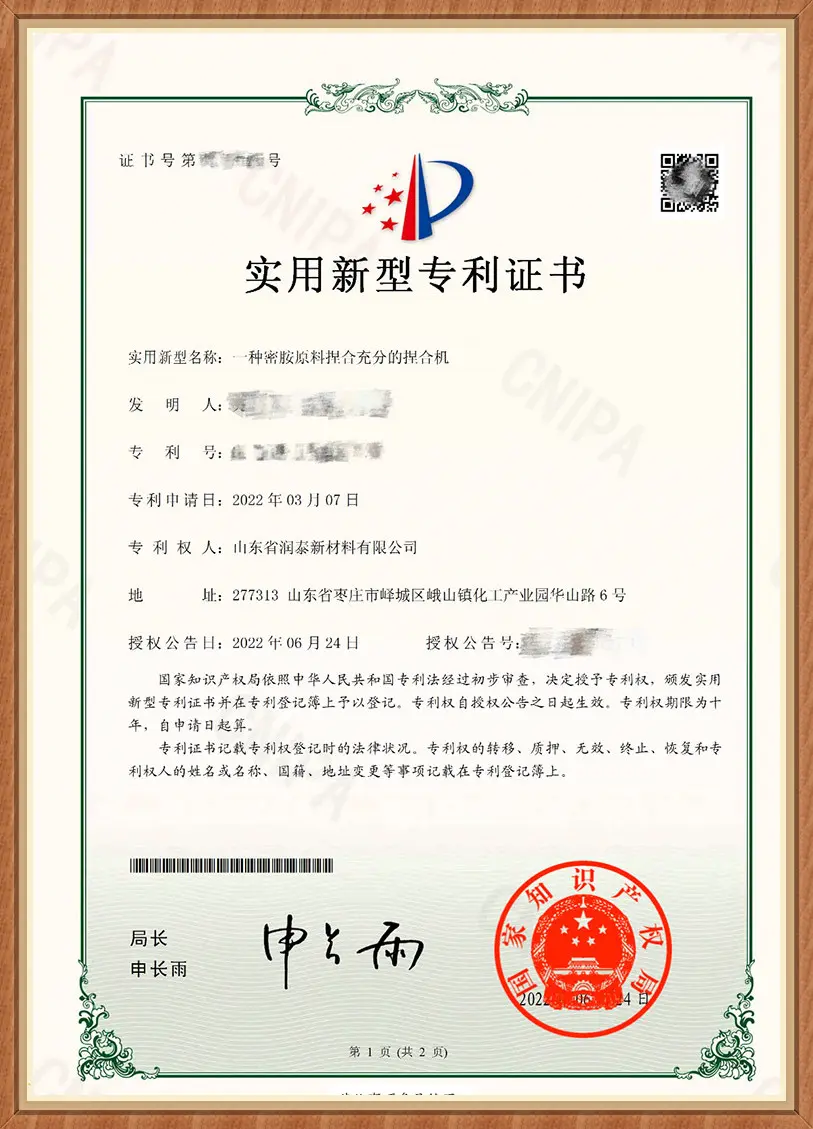
Our commitment to quality, environment, and industrial safety is verified by international inspection bodies.
How our chemical products are applied in regional industries, meeting specific technical requirements across markets.
In high-humidity regions like Vietnam, Indonesia, and Thailand, wood adhesive systems require excellent water resistance. Runtai provides customized Melamine-Urea-Formaldehyde (MUF) resins with enhanced cross-linking density. These adhesives protect engineered wood against delamination caused by tropical humidity.
Western OEMs require moulding compounds that meet UL 94 V-0 flame retardancy and high dielectric strength standards. Our melamine moulding powders are formulated with premium cellulose filler, providing the impact strength and arc-resistance needed for heavy-duty circuit breakers and wall switches.
Faced with high ambient temperatures, local paint manufacturers use our acrylic acid-based swelling thickeners and mineral oil defoamers. These additives preserve paint viscosity during storage and ensure bubble-free application on concrete surfaces.
Professional insights into the chemical properties, storage, and logistics of formaldehyde, paraformaldehyde, and resin products.
We supply industrial-grade liquid formaldehyde in concentrations ranging from 37% to 50% aqueous solutions. The solutions are stabilized with varying percentages of methanol (typically 0.5% to 15% depending on customer requirements) to prevent precipitation and polymerization during storage and transport. Custom stabilization formulas can be adjusted based on the client's local climate and storage temperatures.
Paraformaldehyde is a solid polymer of formaldehyde (typically 92% to 96% purity). For international buyers, paraformaldehyde offers significant cost savings on freight by eliminating water content. It also reduces chemical safety risks, as it is classified as a flammable solid rather than a highly corrosive liquid. It can be depolymerized back into formaldehyde gas or solution on-site by heating or adjusting the pH.
We control free-formaldehyde emissions using a multi-step synthesis process that optimizes the formaldehyde-to-urea (F/U) molar ratio. By utilizing advanced DCS systems to manage temperature and pH profiles, we minimize the residual unreacted monomer concentration. When necessary, we add eco-friendly formaldehyde scavengers to meet CARB Phase 2, EPA TSCA Title VI, and F★★★★ emission regulations.
UMC is a cost-effective thermosetting plastic suitable for indoor electrical parts and utility buttons. MMC offers higher water resistance, scratch resistance, surface hardness, and flame retardancy than UMC. Additionally, MMC is approved for food-contact applications, making it the preferred material for high-grade dinnerware and kitchen utensils.
Liquid UF resin has a typical shelf life of 3 to 6 months when stored in a cool, well-ventilated warehouse at temperatures between 15°C and 25°C. Higher temperatures accelerate the curing process, leading to increased viscosity and gelation. We also offer powdered UF resins, which have a shelf life of over 12 months when protected from moisture and kept in sealed packaging.
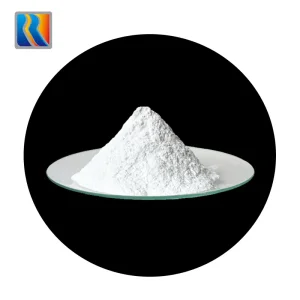
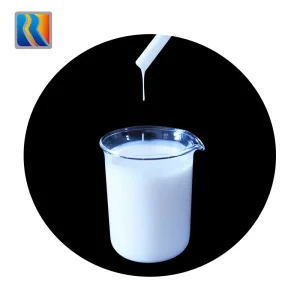
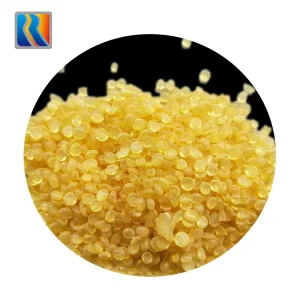
Explore our range of water-based additives, thickeners, and thermoset polymers designed for commercial applications.
 Runtai