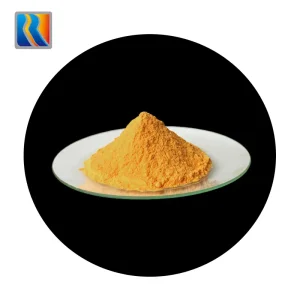
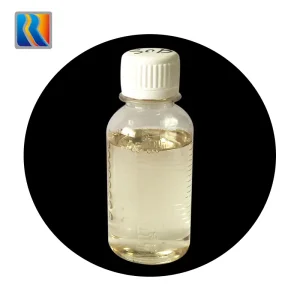
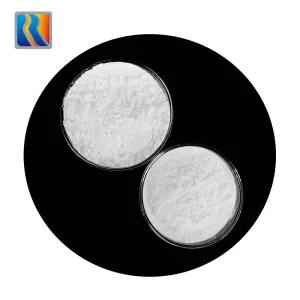
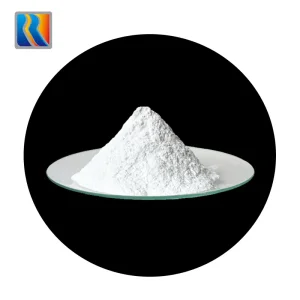
Direct industrial chemicals, dispersants, compounds, and active interfaces direct from our advanced ISO-certified production lines.
Emulsifiers serve as the foundational pillar for stabilizing heterogeneous mixtures of immiscible fluids. In the realm of industrial coatings, adhesives, and polymer matrix formulations, maintaining physical homogeneity is critical. An emulsifier reduces the interfacial tension between the hydrophobic and hydrophilic phases, forming micellar barriers that inhibit coalescence, flocculation, and phase separation.
For B2B procurement agents seeking cost-competitive sources ("cheap emulsifiers"), optimizing the raw materials supply chain without sacrificing performance is a complex equation. Active ingredient ratios, hydrophilic-lipophilic balance (HLB) values, and thermodynamic stability curves must be analyzed to ensure long-term shelf life in industrial settings.
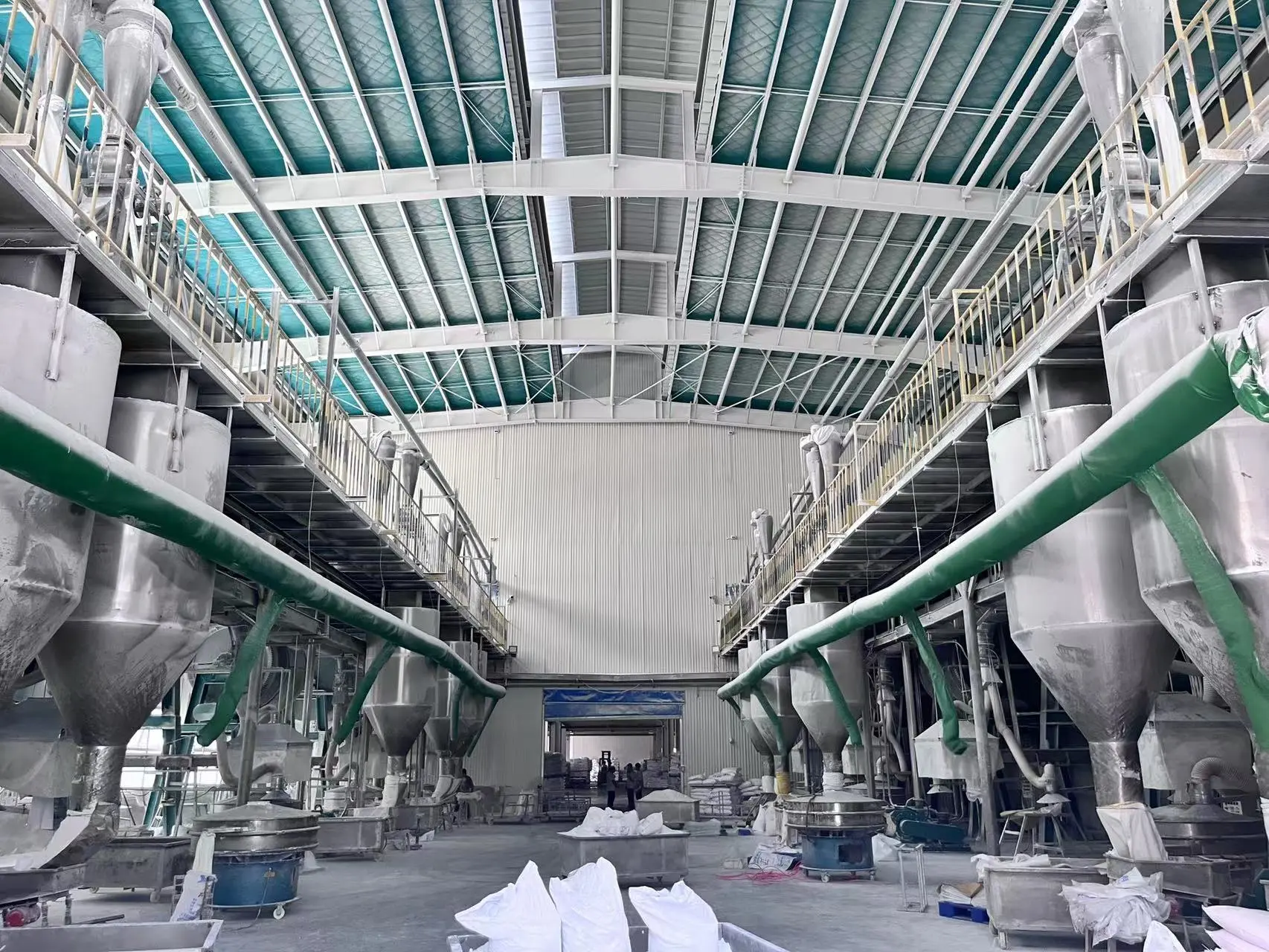
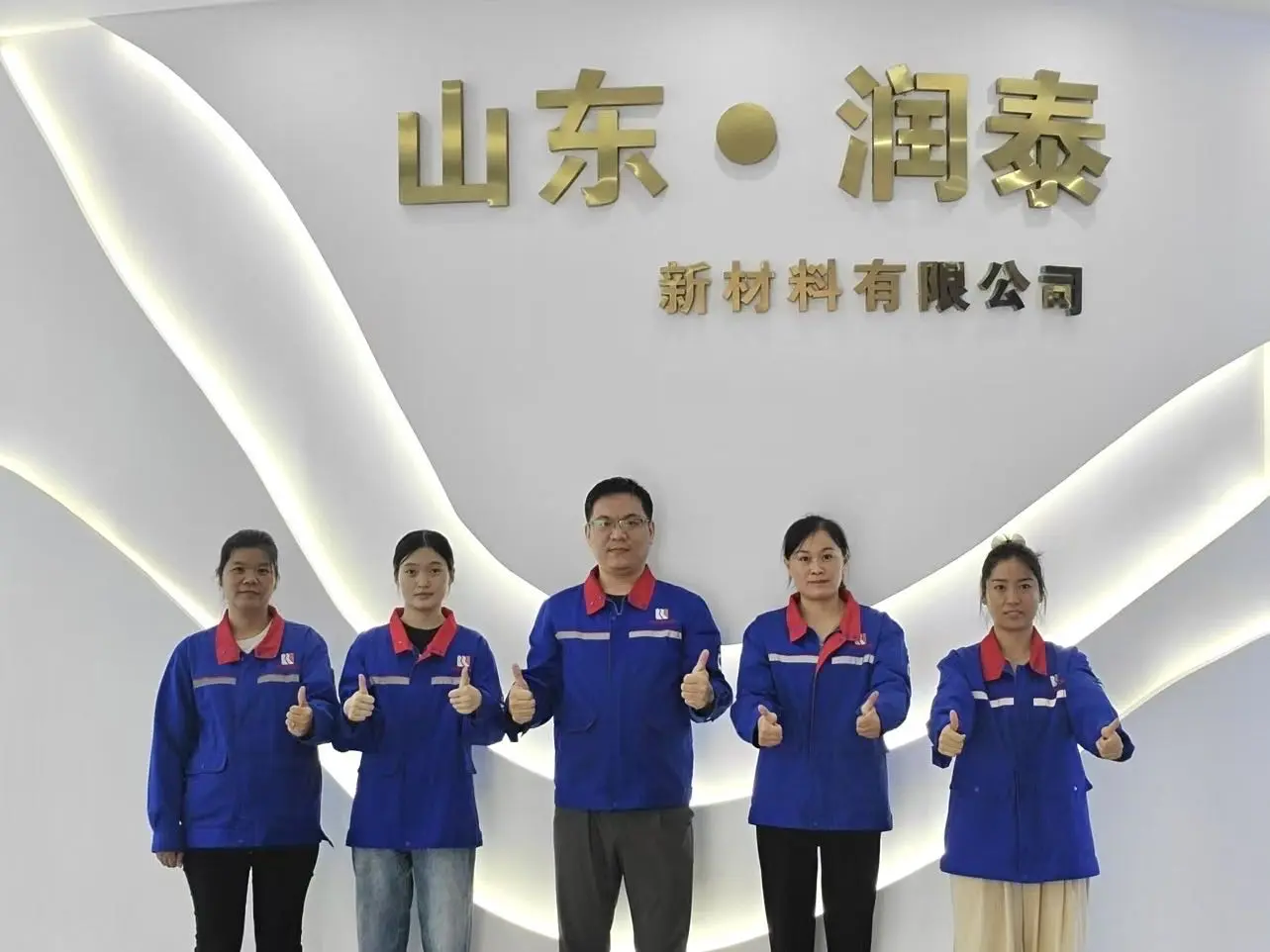
Founded in March 2020, Shandong Runtai New Materials Co., Ltd. is a comprehensive group firm that specializes in fine chemical products and advanced surfactant components. Our manufacturing headquarters, situated in Zaozhuang City, Shandong Province, covers a vast footprint of 270,000 square meters with a total project investment of 2.06 billion yuan.
Through robust automation and direct integration with upstream raw materials, we have consolidated our industrial footprint, maintaining an impressive 80% market share in China for key resin-intermediates and compounds, whilst establishing streamlined logistics lanes directly to global commercial hubs in the United States, Thailand, Kenya, Egypt, and beyond.
Navigating environmental compliance, product customization, and physical performance optimization in modern polymer synthesis.
Global regulatory landscapes, including REACH (Europe) and TSCA (USA), demand a swift transition to low-VOC, solvent-free emulsification agents. Our research focuses on bio-compatible dispersants and biodegradable polymers that dramatically reduce carbon footprints without degrading active emulsion properties in paint or structural adhesive formulas.
Batch-to-batch consistency is the primary challenge in surfactant manufacturing. By adopting advanced DCS automation across all chemical synthesis towers, Runtai New Materials ensures strict compliance with process limits (temperature, molar ratio, pH). This reduces chemical waste and maintains standardized quality metrics.
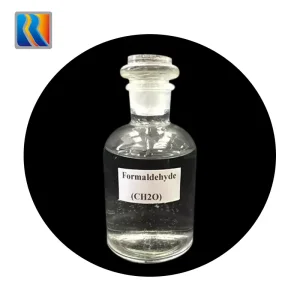
How do we achieve "cheap" pricing without compromising chemical viability? True cost efficiency is reached via structural integration. As a major producer of base components (Formaldehyde & Melamine), our chemical supply line is vertically integrated, protecting our partners from severe price fluctuations in downstream derivatives.
Runtai New Materials thrives on a system of integrated research. By collaborating closely with the Changzhou Research Institute of the Beijing University of Chemical Technology, we ensure our processing techniques remain at the forefront of polymer science. Our doctoral research and development group works directly within our state-of-the-art labs, generating proprietary technologies that enhance molecular crosslinking and structural stability in our resin-adhesives and dispersant additives.

Operational compliance validated through strict global quality management certifications and audited operations.
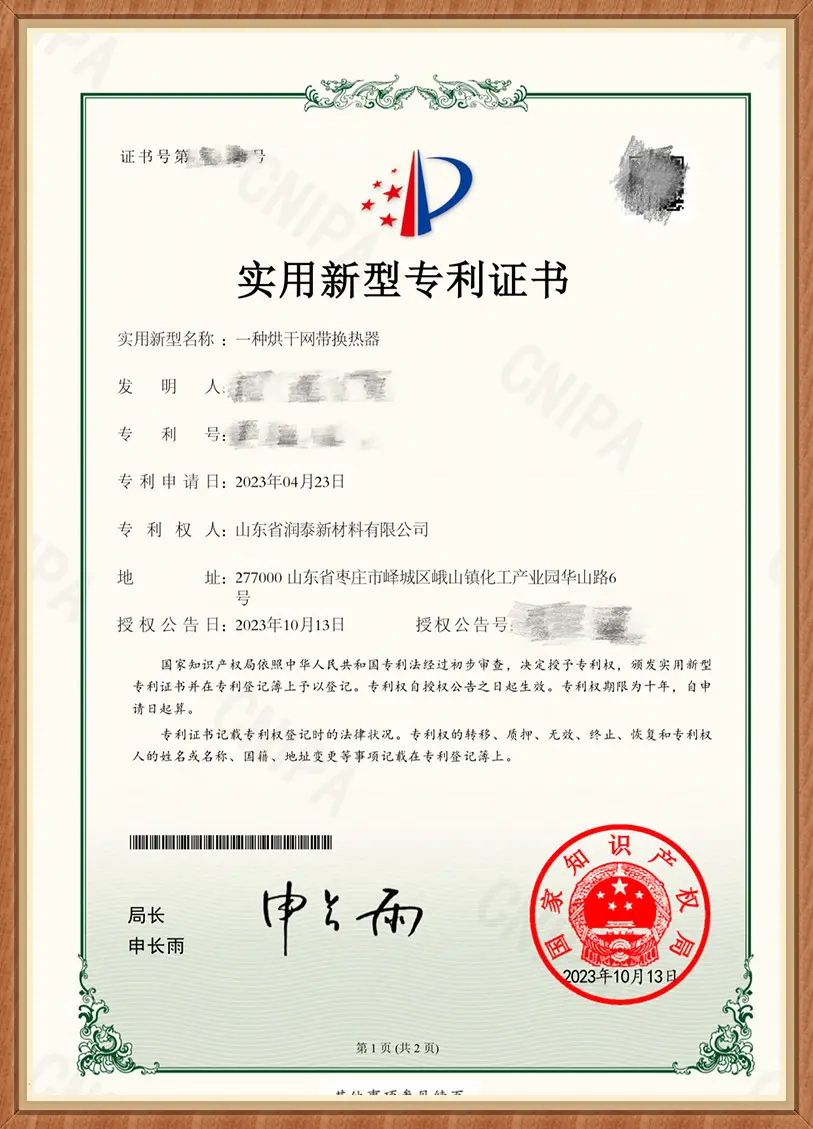
Our commitment to quality, environmental health, and safety protocols is supported by internationally recognized certifications. The Shandong Runtai processing zones are audited against ISO 9001 quality management guidelines and ISO 14001 environmental safety frameworks. We focus heavily on reducing wastewater discharge, integrating vapor recovery systems for our formaldehyde installations, and utilizing heat reclamation to power downstream processes.
Governs chemical manufacturing processes, product inspections, and client verification loops.
Ensures export products are compliant with international chemical hazard safety standards.
Detailed technical answers to common questions asked by procurement managers and process engineers.
Stabilizing water-based systems relies on balancing electrostatic and steric repulsion forces. Using ammonium salt dispersants prevents pigment and filler particles from flocculating. Storage conditions should avoid extreme thermal cycles. Keeping temperatures between 5°C and 35°C prevents physical separation of emulsions.
By manufacturing base formaldehyde and melamine raw materials in-house at our Zaozhuang facility, we eliminate the logistics overhead and markups typical of third-party suppliers. This allows us to supply derivatives like urea-formaldehyde resins and melamine glazing powders at competitive bulk rates.
Urea-formaldehyde resins offer quick curing times, excellent thermal stability, and high shear resistance at a low cost. Our formulations are modified to lower free formaldehyde emissions, meeting international eco-standards (such as CARB Phase 2 and E1/E0 requirements) without losing adhesive bond strength.
Consistency is managed through our integrated DCS automation system. Real-time adjustments verify feedstock concentrations and reactor temperatures. Every finished batch undergoes gas chromatography and viscosity testing to verify it meets specification sheets before dispatch.
Yes, our technical team modifies parameters like flowability, curing speed, and gloss level to match client molding machinery. These modifications ensure excellent surface hardness, scratch resistance, and low chemical leaching in the finished tableware.
Explore our full range of specialty resins, intermediate powders, and eco-friendly additives designed for high-performance applications.
 Runtai