High-quality chemical raw materials, manufacturing auxiliaries, and performance agents engineered for durability and efficiency.
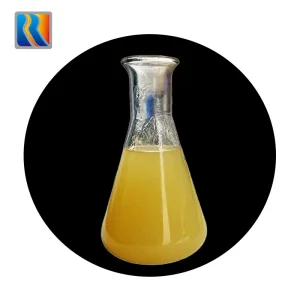
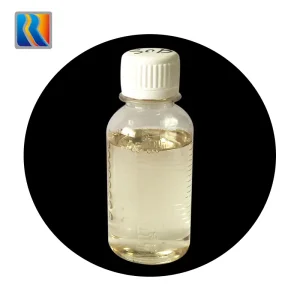
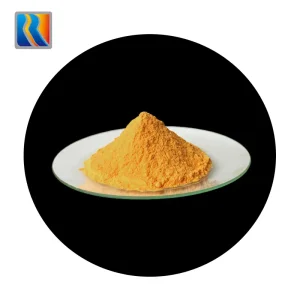
Understanding the modern industrial demand, chemical attributes, and manufacturing infrastructure of Phenolic Resins.
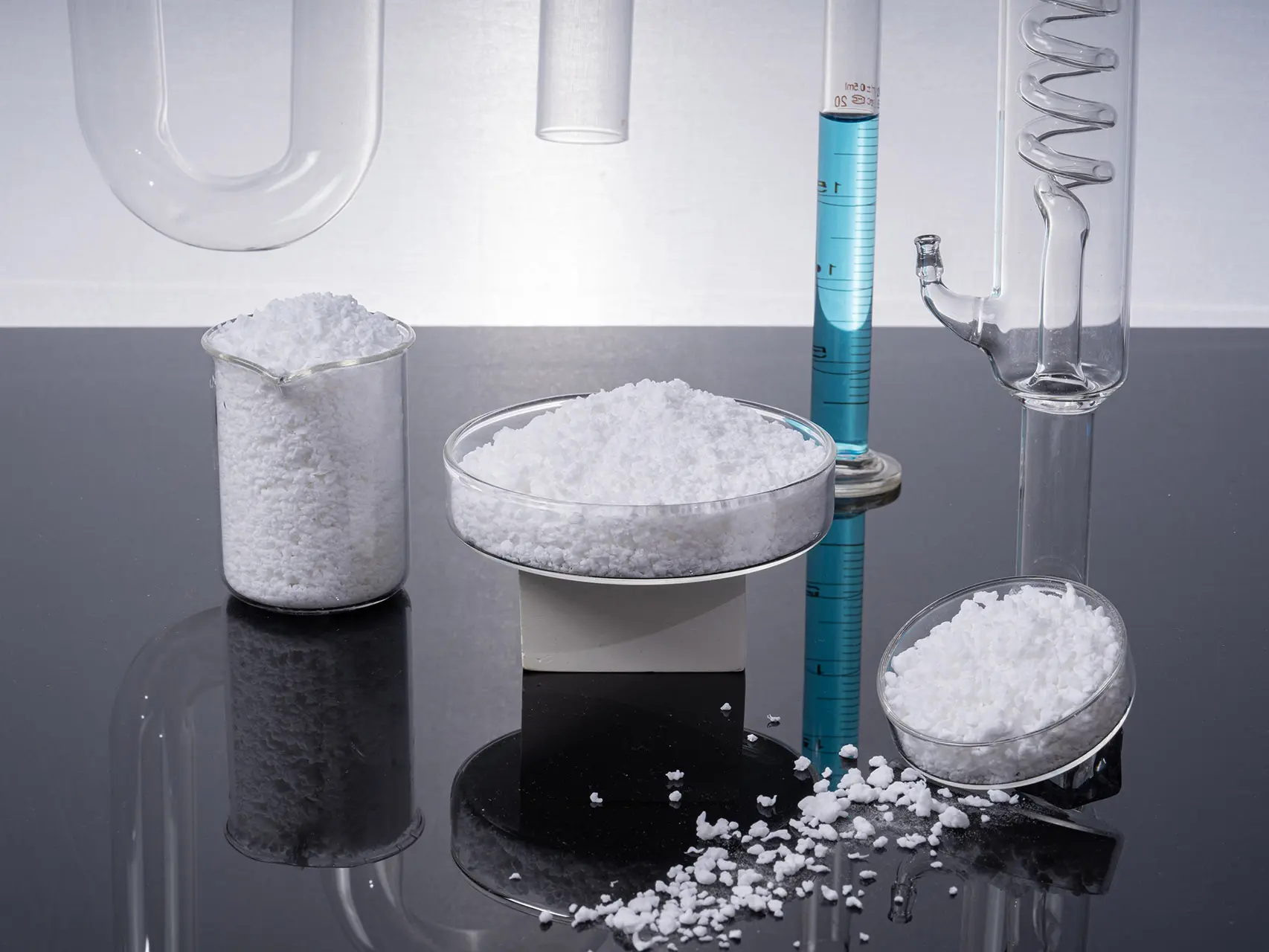
Bakelite, historically recognized as the world's first fully synthetic plastic, remains a cornerstone of the modern thermosetting polymer sector. Formally known as polyoxybenzylmethylenglycolanhydride, Bakelite phenolic resin is produced via the condensation reaction of phenol with formaldehyde. As global heavy manufacturing, electronic component assembly, and automotive engineering demands surge, the quest for highly durable, heat-resistant, and cost-effective phenolic resins has become a critical procurement priority. Selecting a cheap Bakelite phenolic resin manufacturer does not mean compromising on technical standards; rather, it indicates seeking optimized yield efficiency, integrated upstream raw materials, and highly automated production processes.
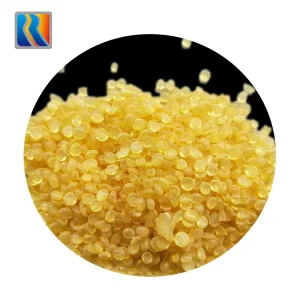
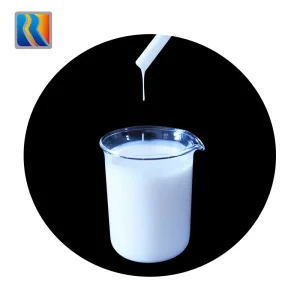
Industrial manufacturers typically supply phenolic resins in two main formulations, depending on the chemical ratio of phenol to formaldehyde and the catalyst utilized in the polymerization loop:
Shandong Runtai New Materials Co., Ltd.
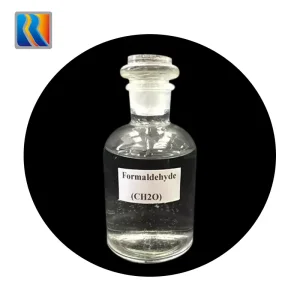
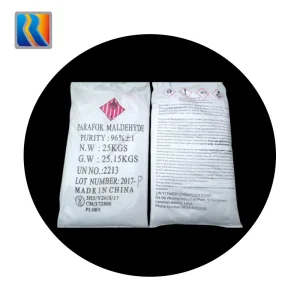
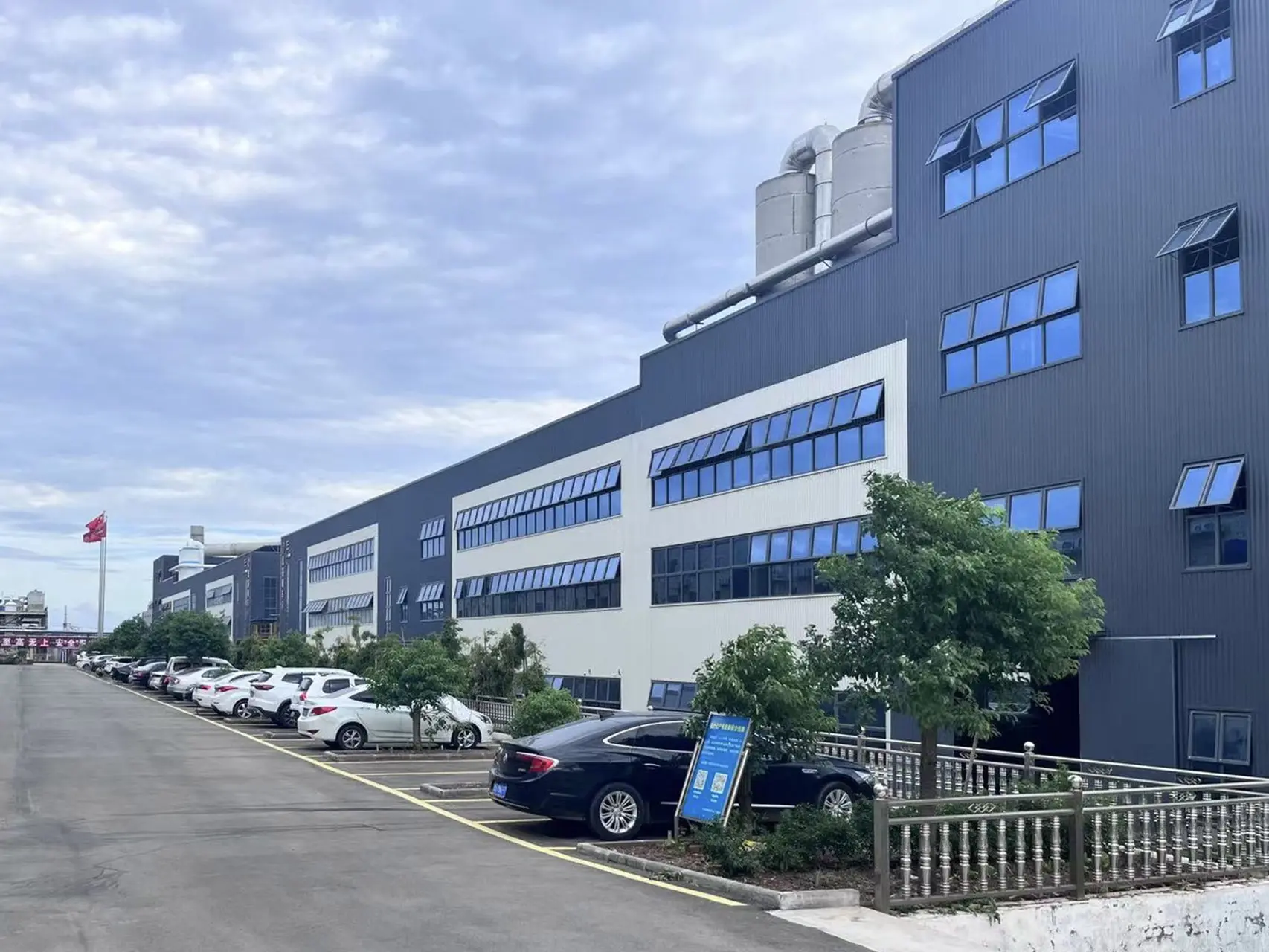
Founded in March 2020, Shandong Runtai New Materials Co., Ltd. is a comprehensive group firm that specializes in fine chemical products. Our primary products include formaldehyde, polyformaldehyde, urea formaldehyde resin, melamine powder and melamine glazing powder. The corporation has branches in five different cities throughout the whole country, with its headquarters located in Zaozhuang City, Shandong Province. Runtai New Materials covers an area of 270,000 square meters with a total investment of 2.06 billion yuan.
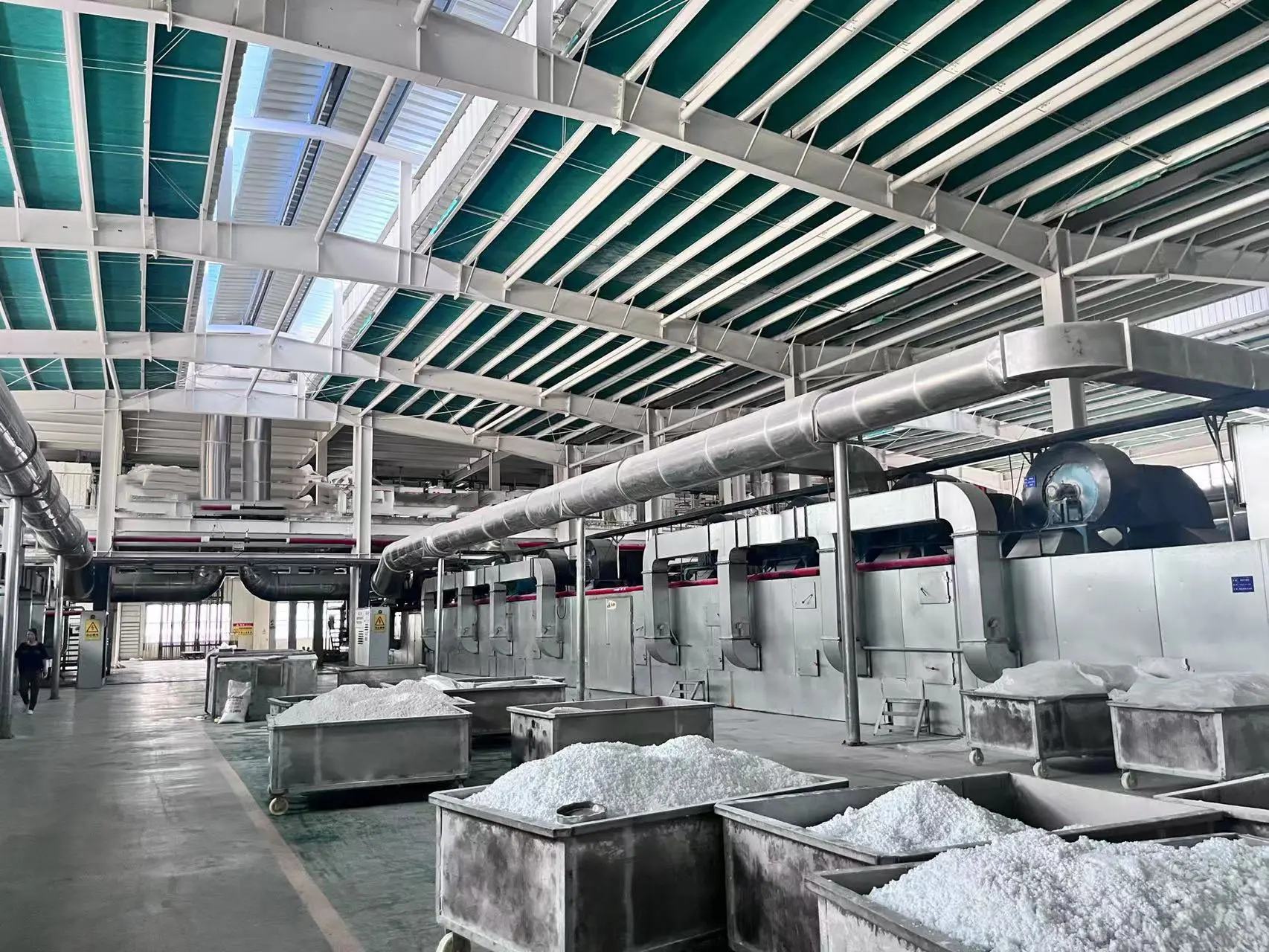
Equipped with advanced synthesis machinery, our production systems operate under continuous loop controls. This helps ensure that both Novolac and Resole type resins maintain consistent chemical properties, batch after batch. Through deep collaboration with national scientific research institutions, we provide high-performance, cost-effective solutions tailored to various industrial sectors worldwide.
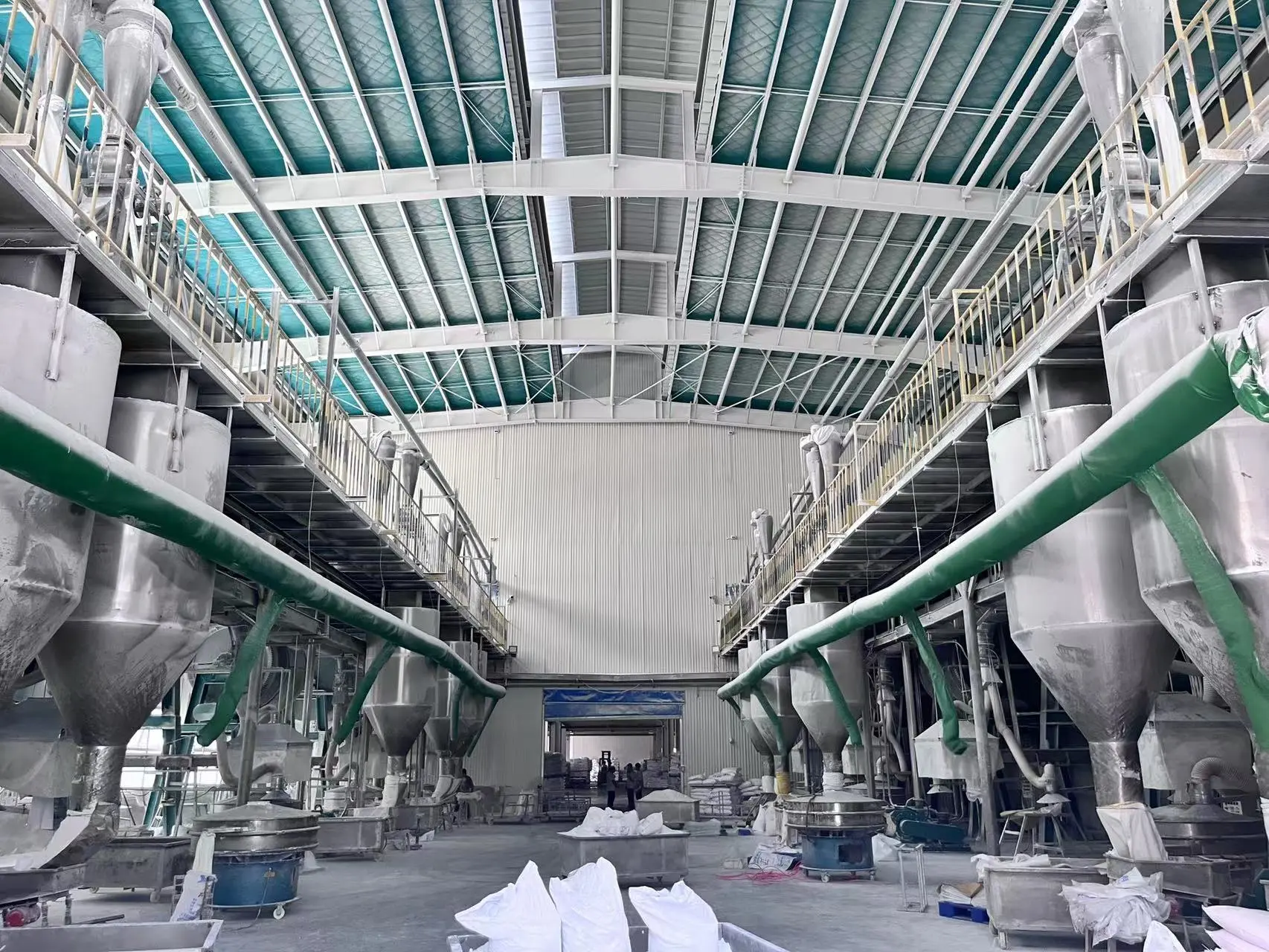
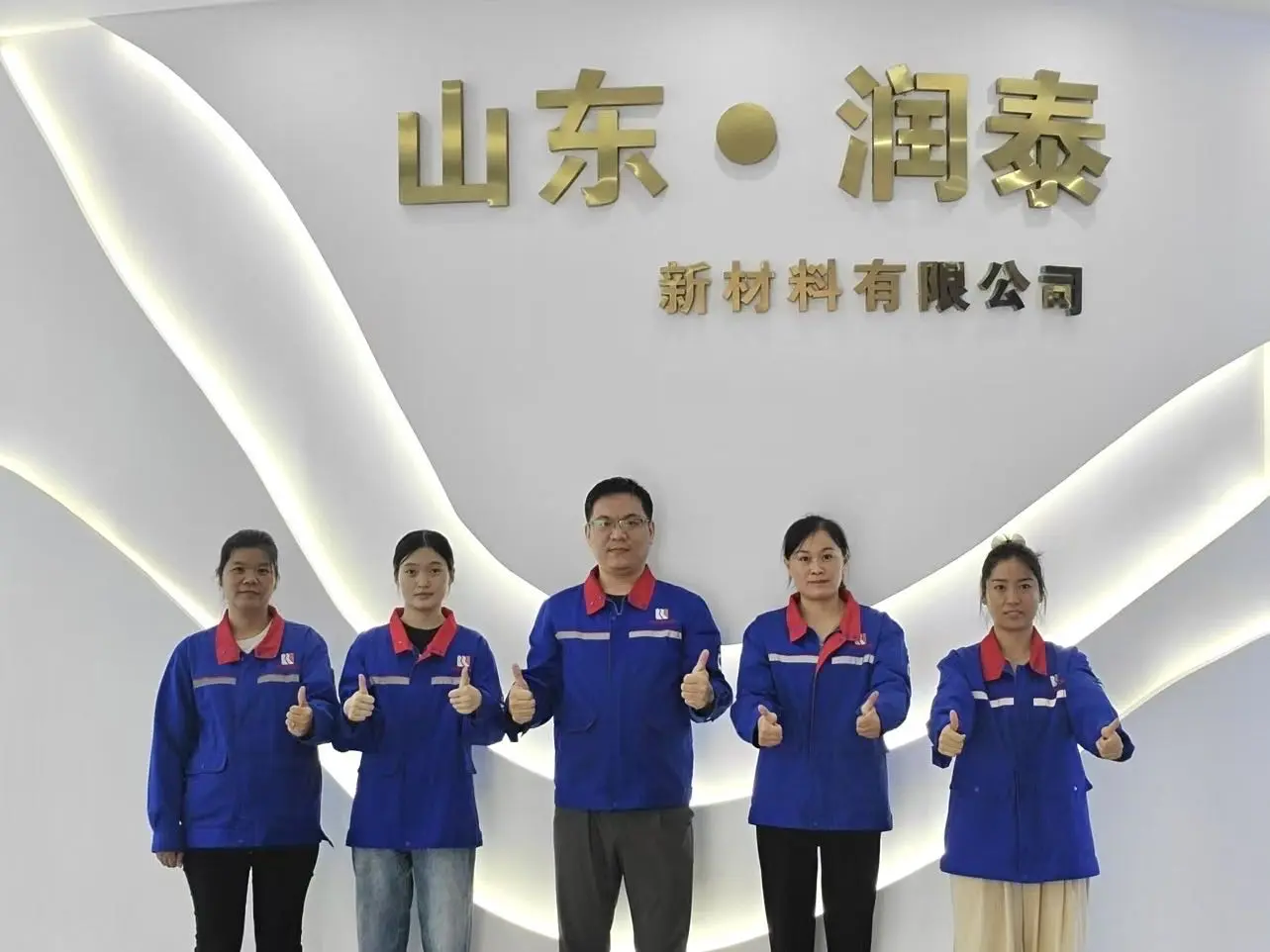
Runtai New Materials has grown to be one of China's top producers of melamine and formaldehyde due to our recent improvements in production lines growth. As of currently, the company produces 380,000 tons of formaldehyde annually, 60,000 tons of melamine annually, 20,000 tons of melamine glazing powder annually, 11,000 tons of resin annually, 300,000 tons of urea formaldehyde resin annually, and so forth. We have reached about 80% market share in China. At the same time, we are actively developing overseas business, our products have been exported to the United States, Thailand, Kenya, Egypt and other countries and have been widely praised by overseas customers.
Our professional staff and cutting-edge production machinery are committed to the production of chemical goods that satisfy global standards. In order to satisfy the needs of various industries, we simultaneously offer standardized products as well as tailored solutions based on the unique requirements of our customers.
Leveraging systematic advantages in industrial chemistry to deliver reliability and cost efficiency.
After the completion of the melamine project, Runtai New material Co., LTD has become a comprehensive enterprise in the forefront of China's research, production, sales and application of new chemical materials with formaldehyde as raw materials. Melamine materials are projected to have a leading market share nationwide.
We choose production technology based on the principles of "automatic control, safe and reliable, stable operation, energy saving and consumption reduction, and comprehensive utilization of resources." The advanced Distributed Control System (DCS) allows us to closely control process parameters across the entire production line. This helps maintain consistent product quality and equipment safety while lowering raw material consumption.
To meet high product quality standards, we employ reliable and established manufacturing and testing equipment. By increasing automation, we aim to decrease labor intensity, boost productivity, conserve energy, and lower testing and production costs.
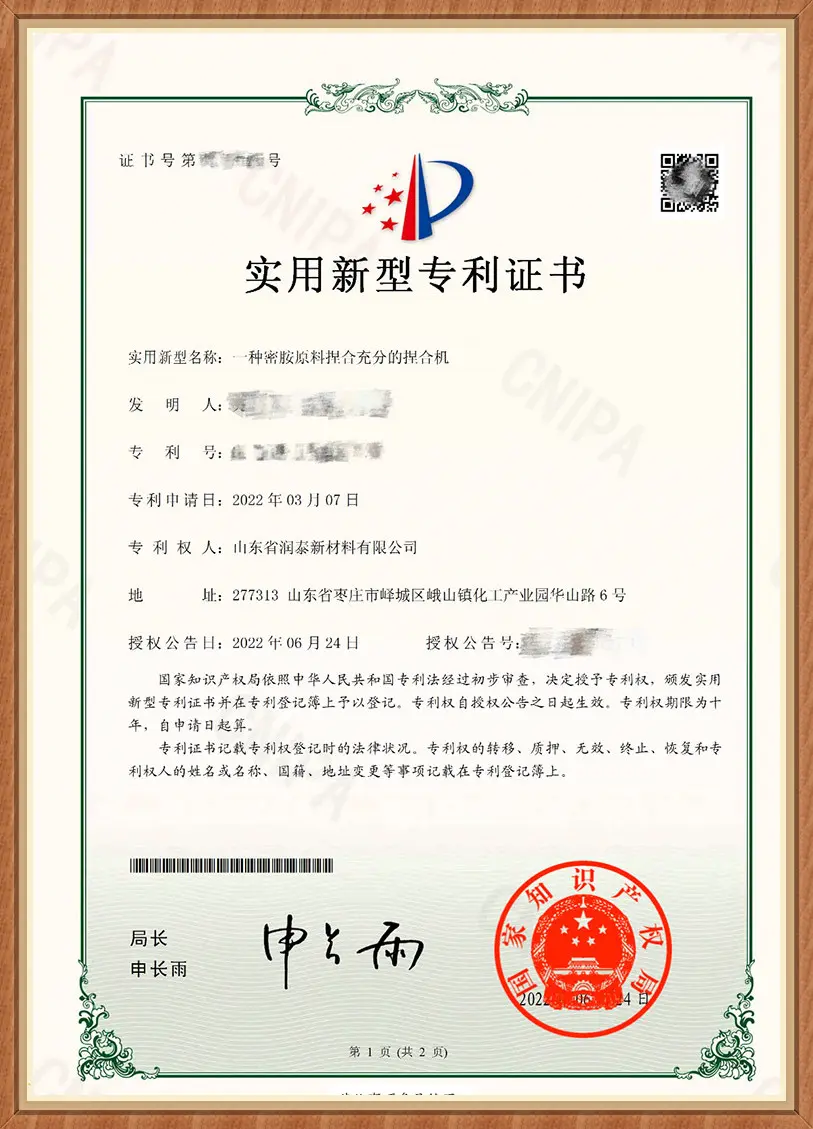
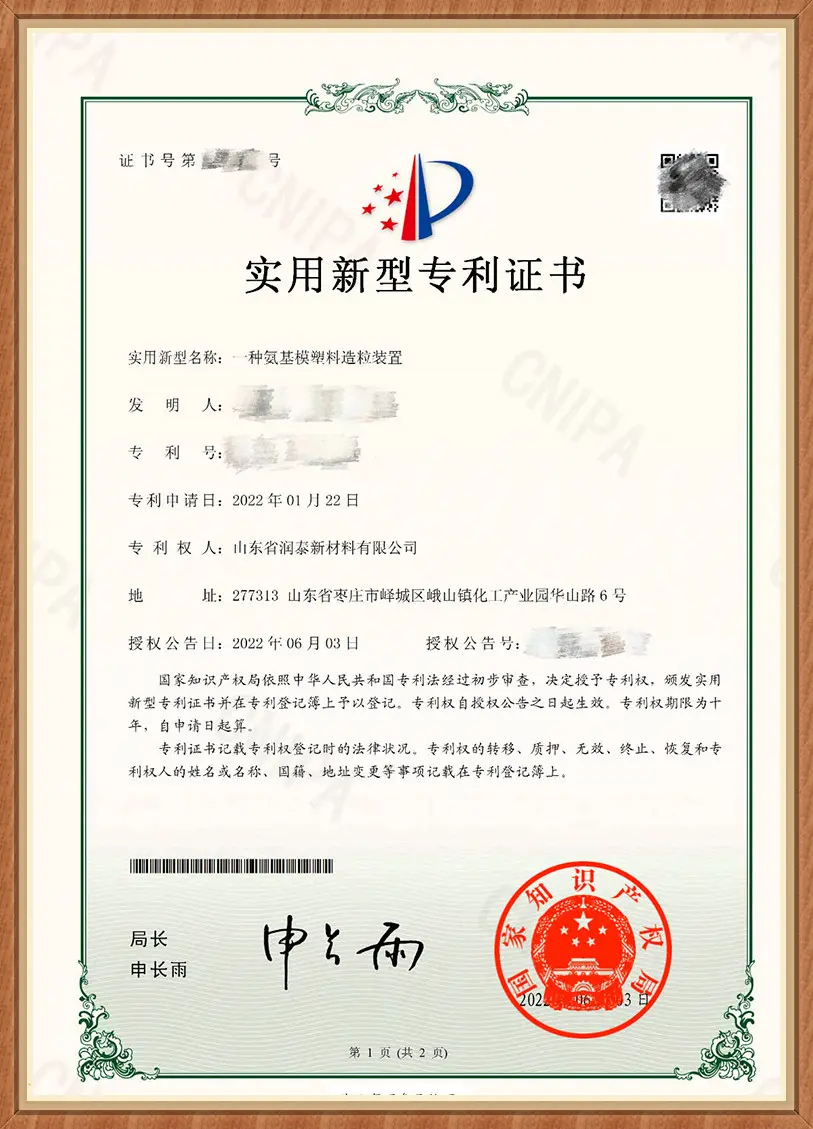
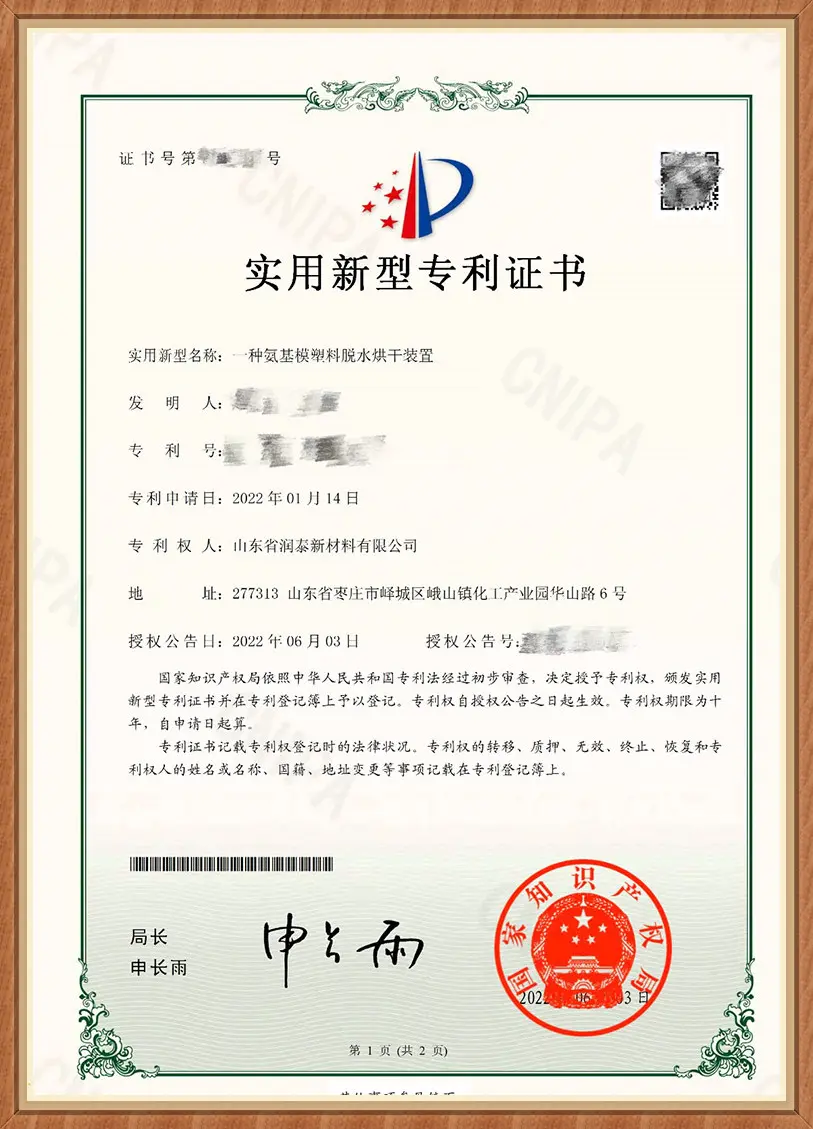
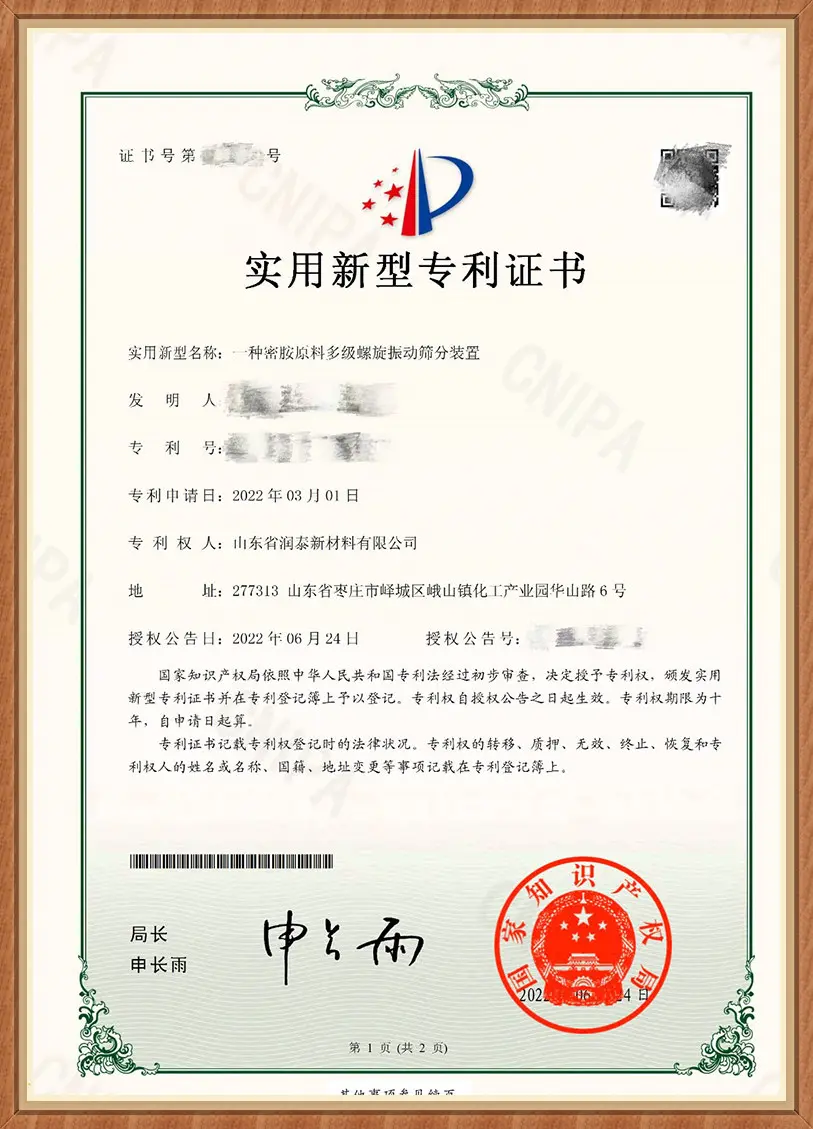
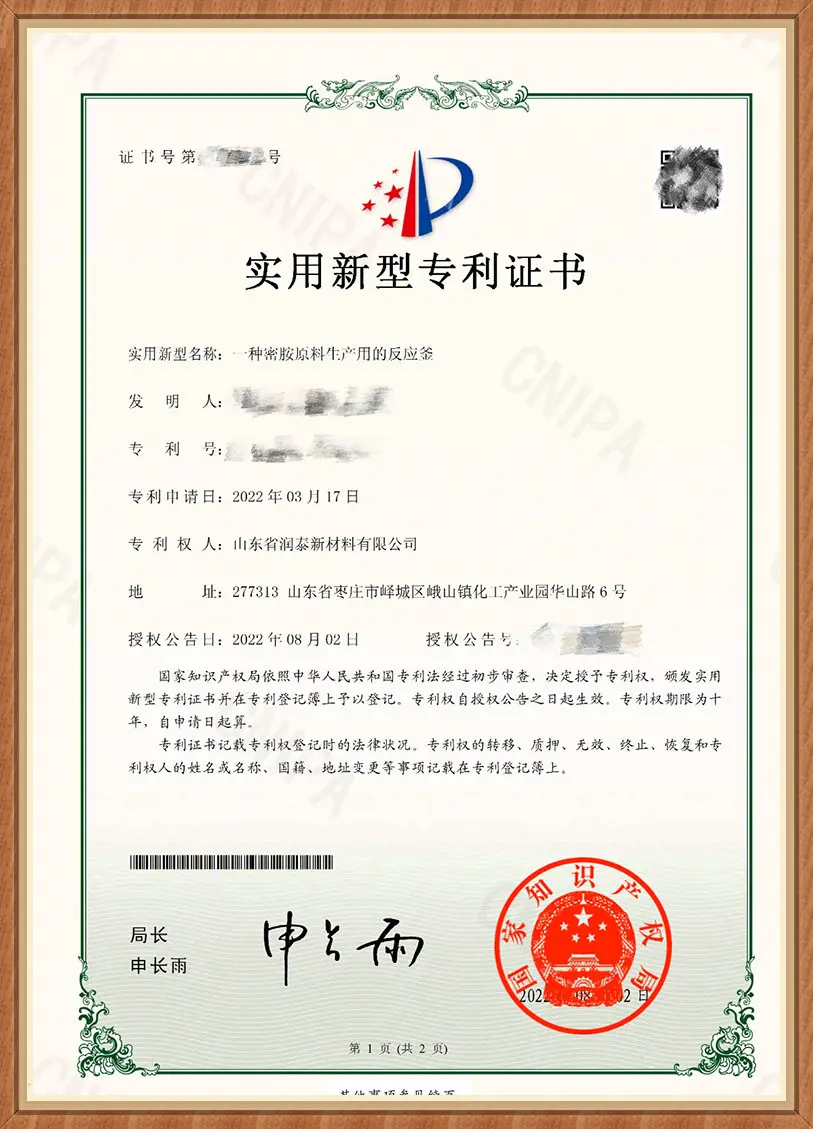
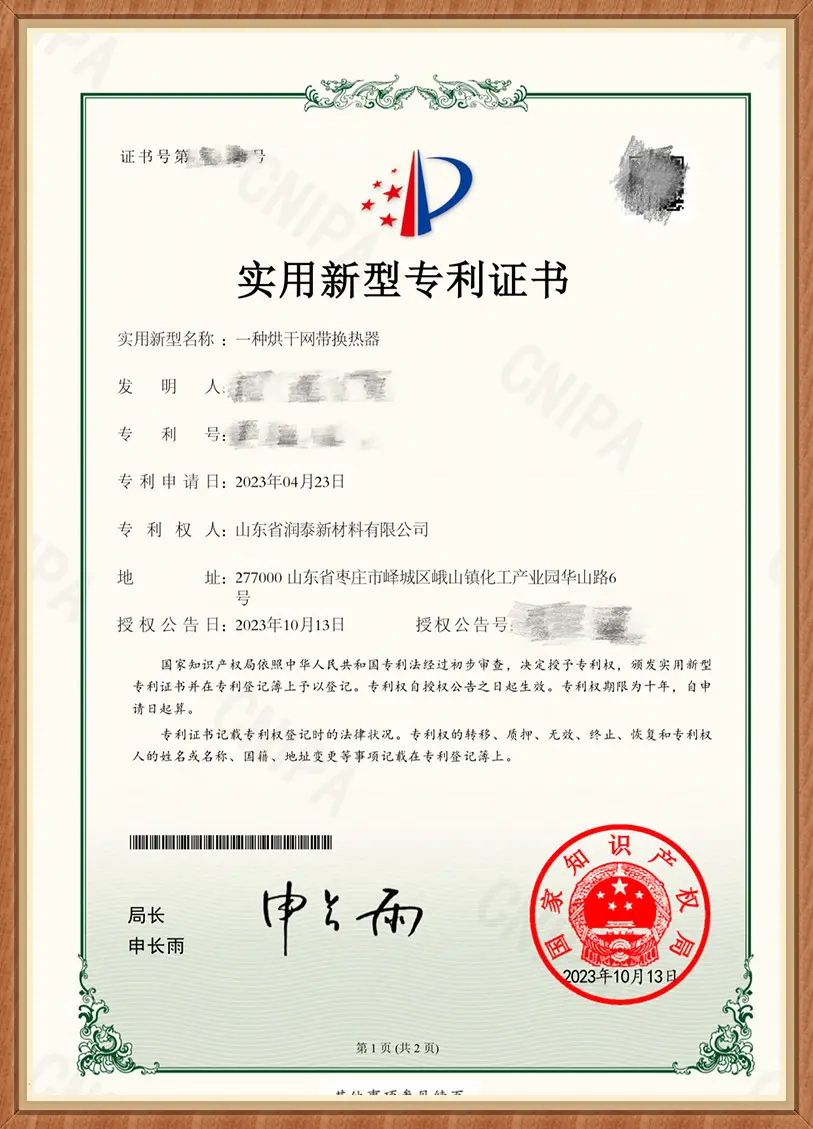
With the Changzhou Research Institute of Beijing University of Chemical Technology and other scientific research institutions, Runtai New material Co., LTD has long engaged in the integration of production, learning, and research. The company also has a cutting-edge doctoral research and development team in the industry and a number of patented technologies.
The new chemical materials industry with formaldehyde as raw materials has great potential for extension, and there are many types of derivative products, which can be widely used in adhesives, coatings, resin plastics, dyes, medical basic raw materials, and electronic, electrical, machinery, daily utensils materials replacement and upgrading fields.
We prioritize sustainable development and environmental preservation. Our commitment lies in developing and producing eco-friendly products that minimize their negative effects on the environment while adhering to pertinent laws, regulations, and standards. The "quality first, customer first" attitude has always guided our business, and we embrace customer service with honesty and professionalism.

Analyzing key markets, localized demands, and global manufacturing shifts for Bakelite Phenolic Resin.
The global demand for Bakelite phenolic resin is driven by its high thermal resistance, structural integrity, and electrical insulation properties. Major industries—including automotive parts manufacturing, aerospace, electronics, and metallurgy—rely heavily on phenolic polymers. Rapid industrialization in developing countries and the continuous upgrades in electronics packaging demand a reliable supply of premium thermosetting resins.
In the electronics sector, phenolic resins are widely used for encapsulation, printed circuit boards (PCBs), and electrical commutators. The automotive industry utilizes them in friction materials, clutch plates, and heat shields. As global supply chains face fluctuating raw material costs, buyers are increasingly turning to manufacturers who can balance cost efficiency with reliable product performance.
China's prominence in the global phenolic resin supply chain is built on strong industrial integration. Modern Chinese chemical parks cluster raw material refineries (producing phenol and methanol, the precursor for formaldehyde) close to polymer synthesis facilities. This proximity lowers transport costs, minimizes energy consumption, and reduces supply-chain disruptions.
Runtai New Materials leverages this domestic chemical integration, managing an annual production of 380,000 tons of formaldehyde. This secure supply of key precursors allows us to offer cost-effective phenolic resins while maintaining high quality standards. Our automated DCS processes reduce manual labor and optimize raw material utilization, ensuring consistent, high-volume production for international markets.

Because phenolic resins are highly versatile, different regions utilize them in unique, specialized applications:
When procurement managers source Bakelite phenolic resin, key considerations include:
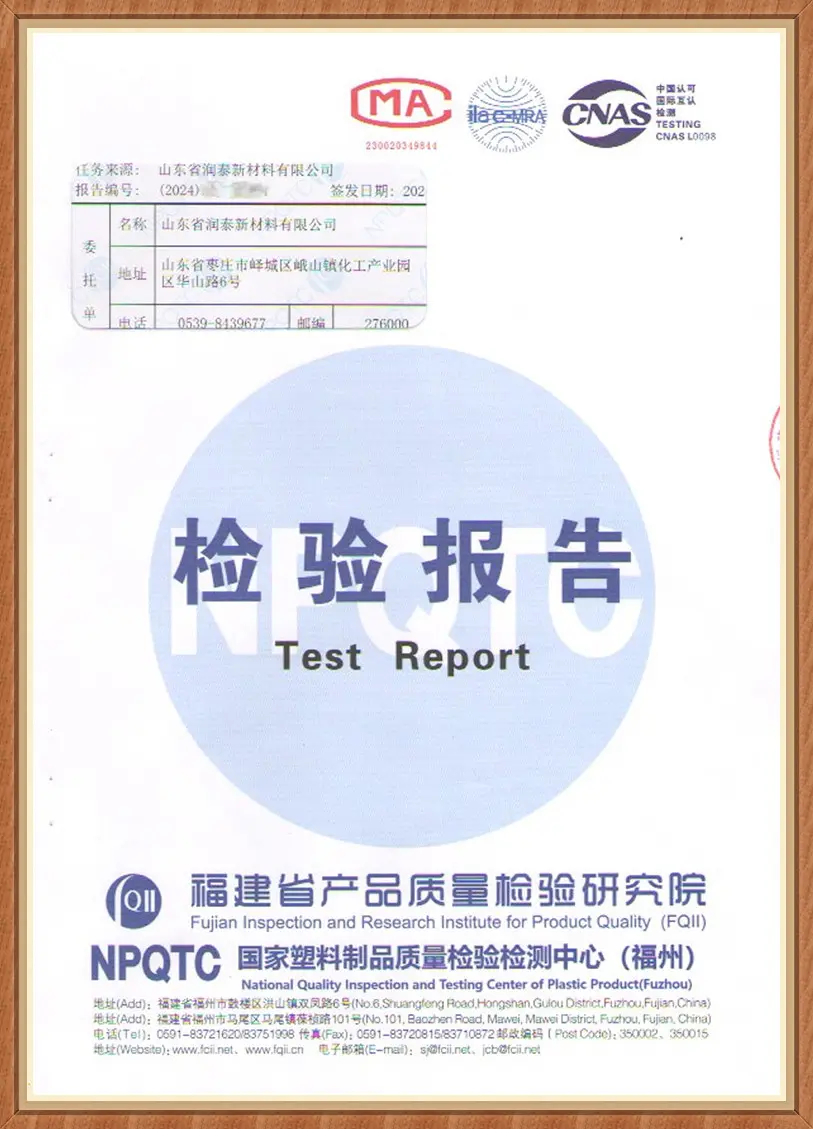
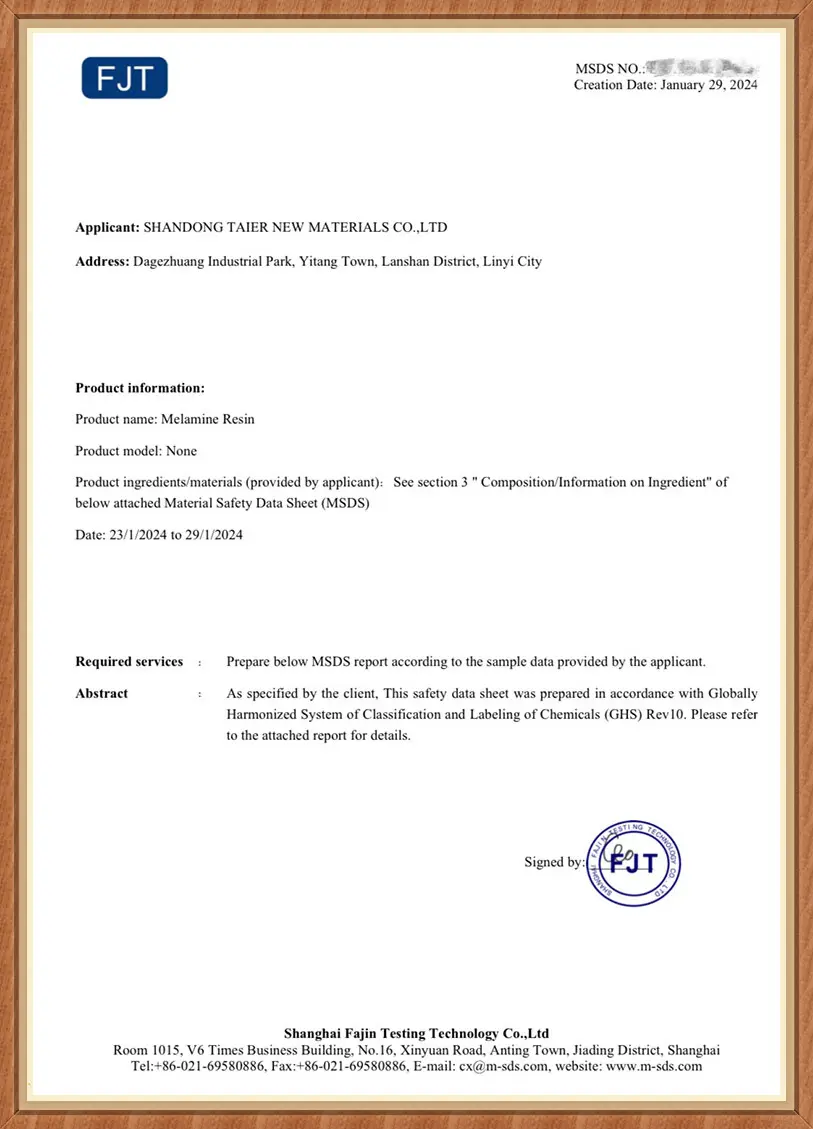
Demonstrating our commitment to quality, technology innovation, and international standards.
Answering common industrial queries about Bakelite Phenolic Resin properties, storage, and processing.
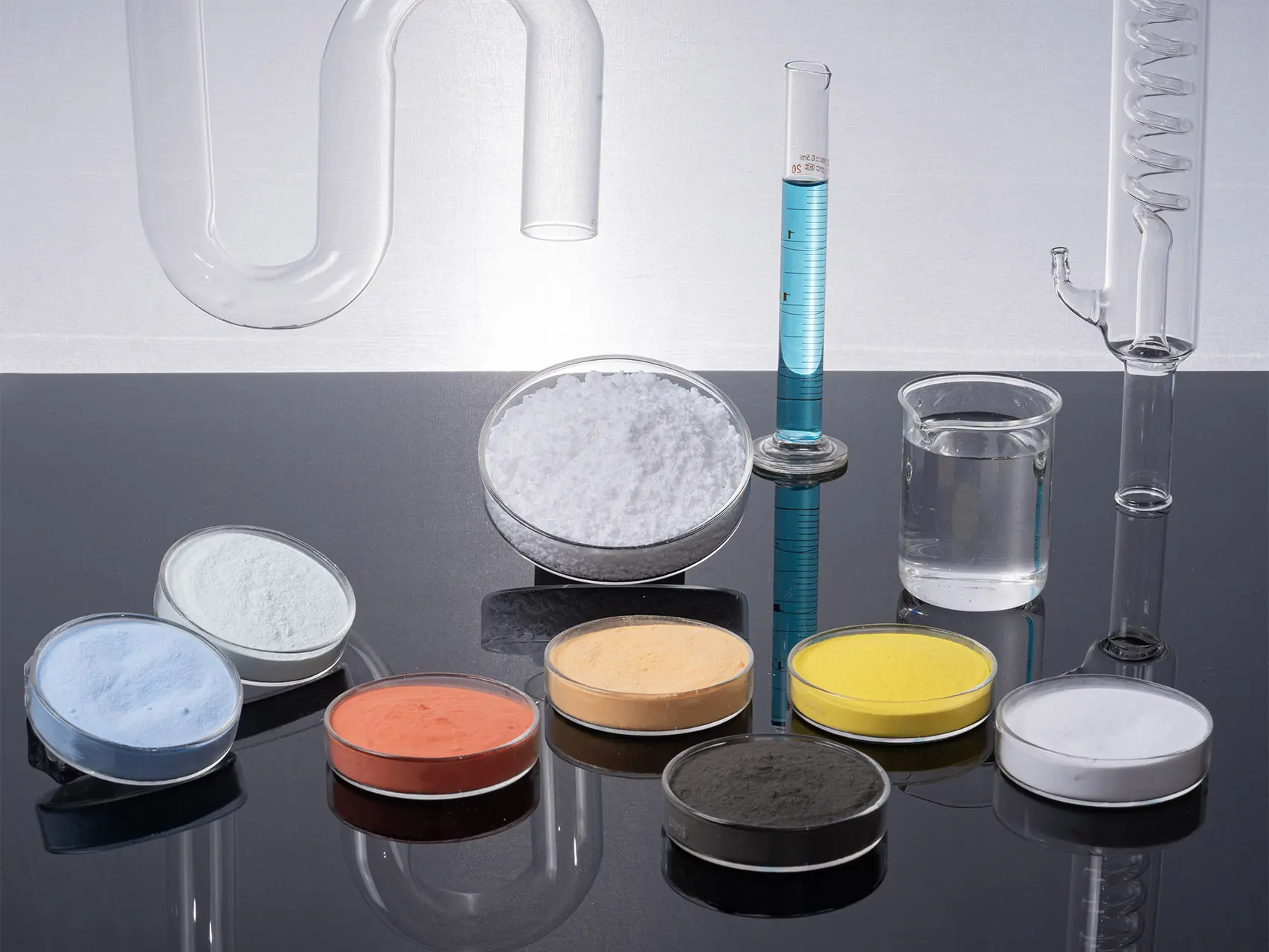
Browse our selection of fine chemical resins, moulding compounds, and water-based additives.
 Runtai