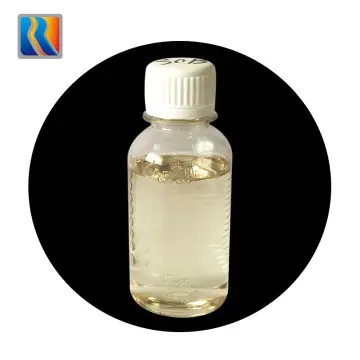
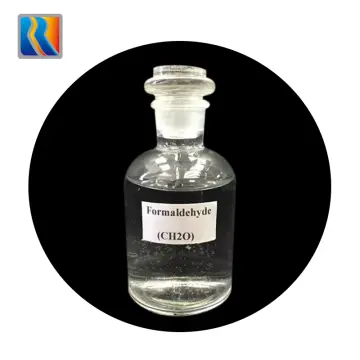
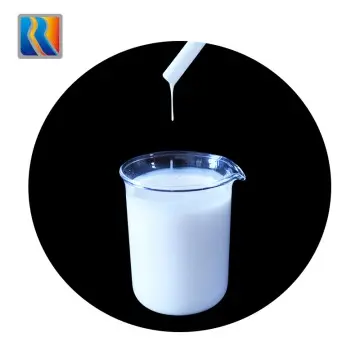
Explore our selection of premium polymer compounds, structural adhesives, and auxiliary processing agents direct from our integrated manufacturing hub.
An in-depth chemical and economic analysis of phenolic resins, illustrating how optimization in synthesis achieves cost efficiency without compromising material integrity.
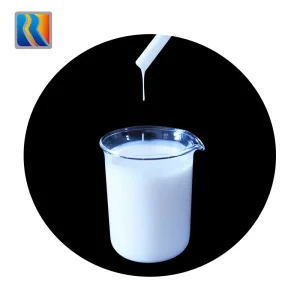
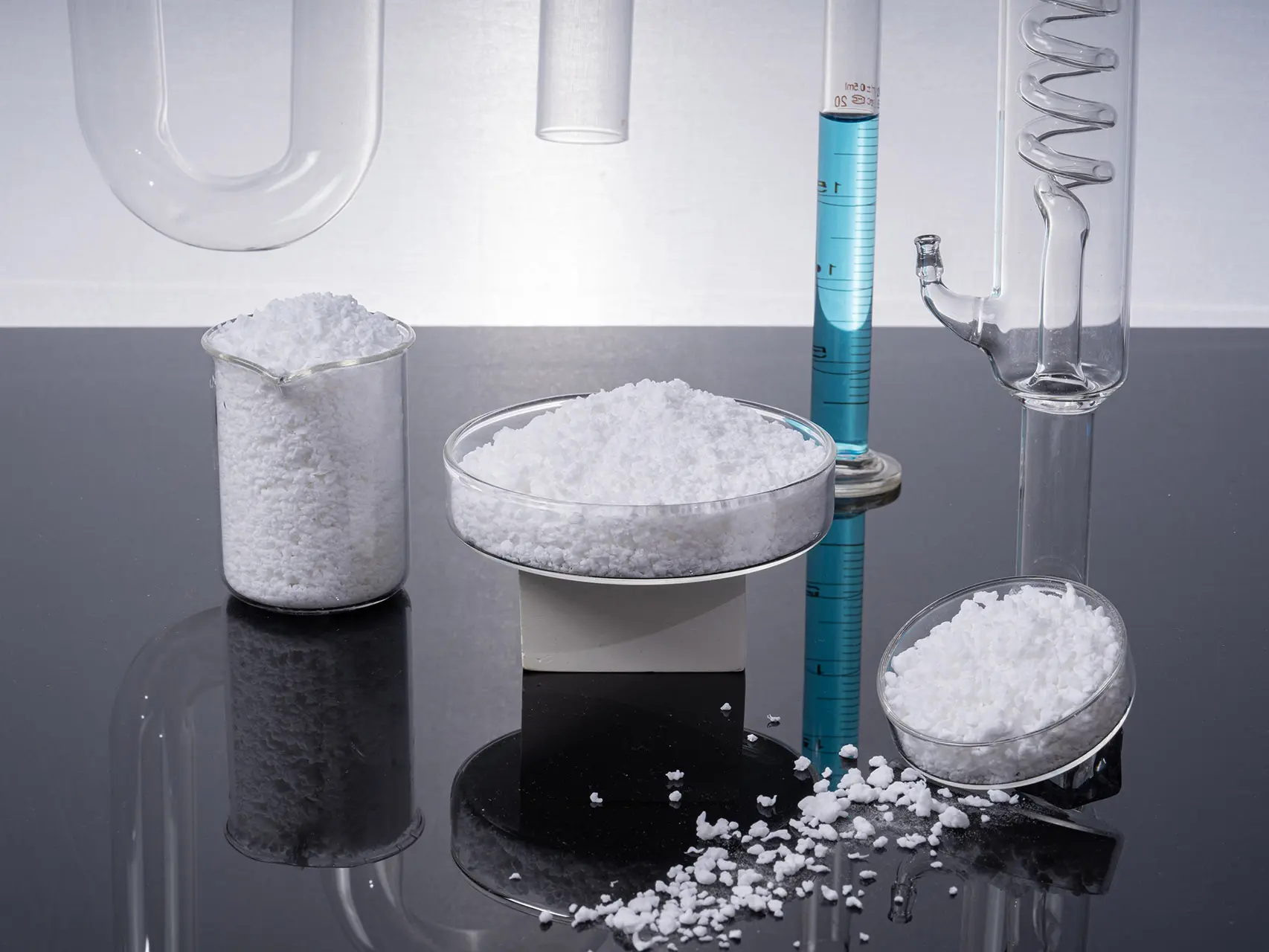
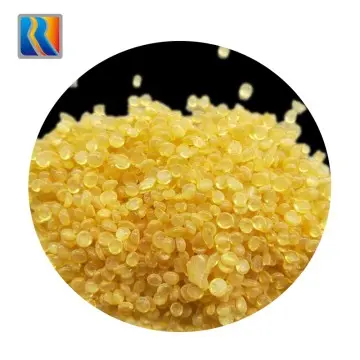
Phenol Formaldehyde (PF) resins, historically recognized as the primary fully synthetic polymers, are formed via step-growth polymerization of phenol with formaldehyde. Based on the molar ratios of reactants and pH controls during synthesis, PF resins are classified into two distinct types: Novolacs (acid-catalyzed, phenol-to-formaldehyde ratio > 1) and Resoles (base-catalyzed, formaldehyde-to-phenol ratio < 1). Novolac resins are thermoplastic and require a cross-linking agent—typically hexamethylenetetramine (HEXA)—to cure. Under high-temperature molding, Novolacs form cross-linked, rigid networks ideal for electrical laminates, abrasive grinding wheels, and automotive friction components.
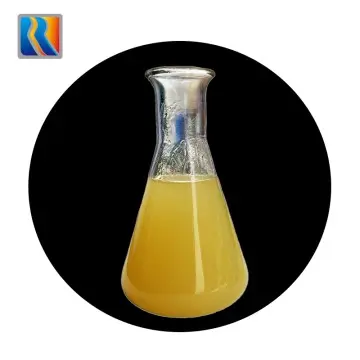
Conversely, Resoles contain reactive methylol functional groups that self-crosslink upon heating without the addition of hardeners, making them highly suitable for wood adhesives, structural plywood panels, and high-temperature laminations. Understanding this chemical configuration allows industrial buyers to choose the precise formulation needed for their application, optimizing raw material costs and cycle runtimes.
For industrial buyers, seeking a "cheap" application of phenol formaldehyde resin does not translate to accepting inferior properties. Rather, it demands precision engineering to optimize chemical formulations. By fine-tuning polymerization parameters, such as catalyst selection (e.g., sodium hydroxide vs. oxalic acid) and reaction temperature controls, manufacturers can minimize free monomer content (unreacted phenol and formaldehyde). This optimization results in faster curing times, lower energy consumption, and high structural yields.
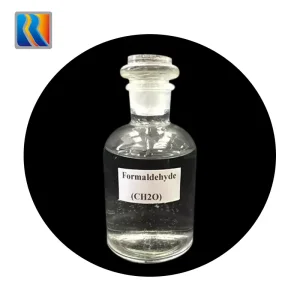
Runtai New Materials leverages an integrated supply chain model. By producing key raw materials like formaldehyde upstream, the company eliminates external supply markups, stabilization packaging costs, and intermediate shipping risks. This vertical integration allows us to deliver high-performance phenol formaldehyde solutions at direct-from-factory prices, fulfilling the modern market's search intent for high-value procurement.
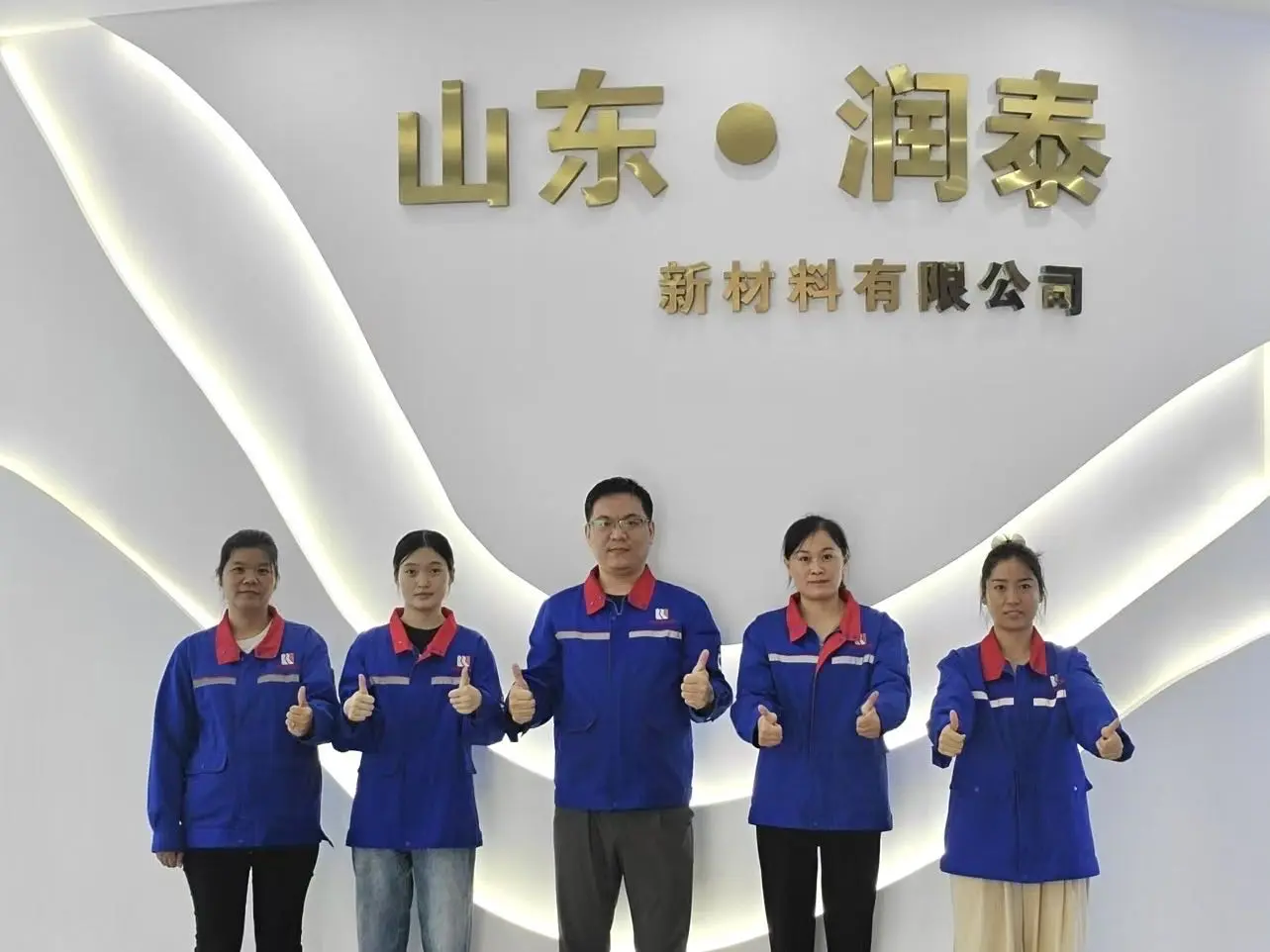
Founded in March 2020, Shandong Runtai New Materials Co., Ltd. has established itself as an industry leader in fine chemicals and polymer production.
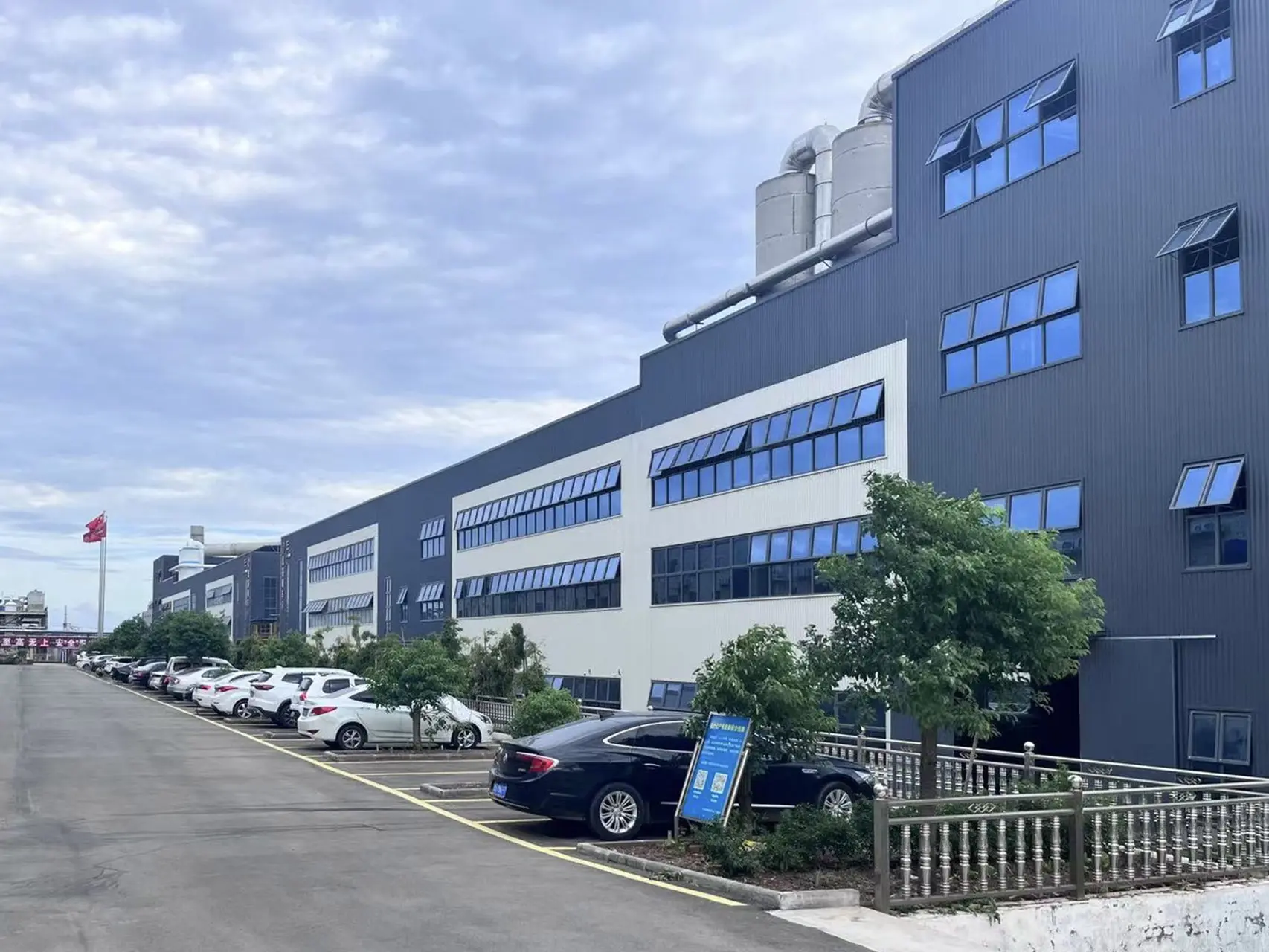
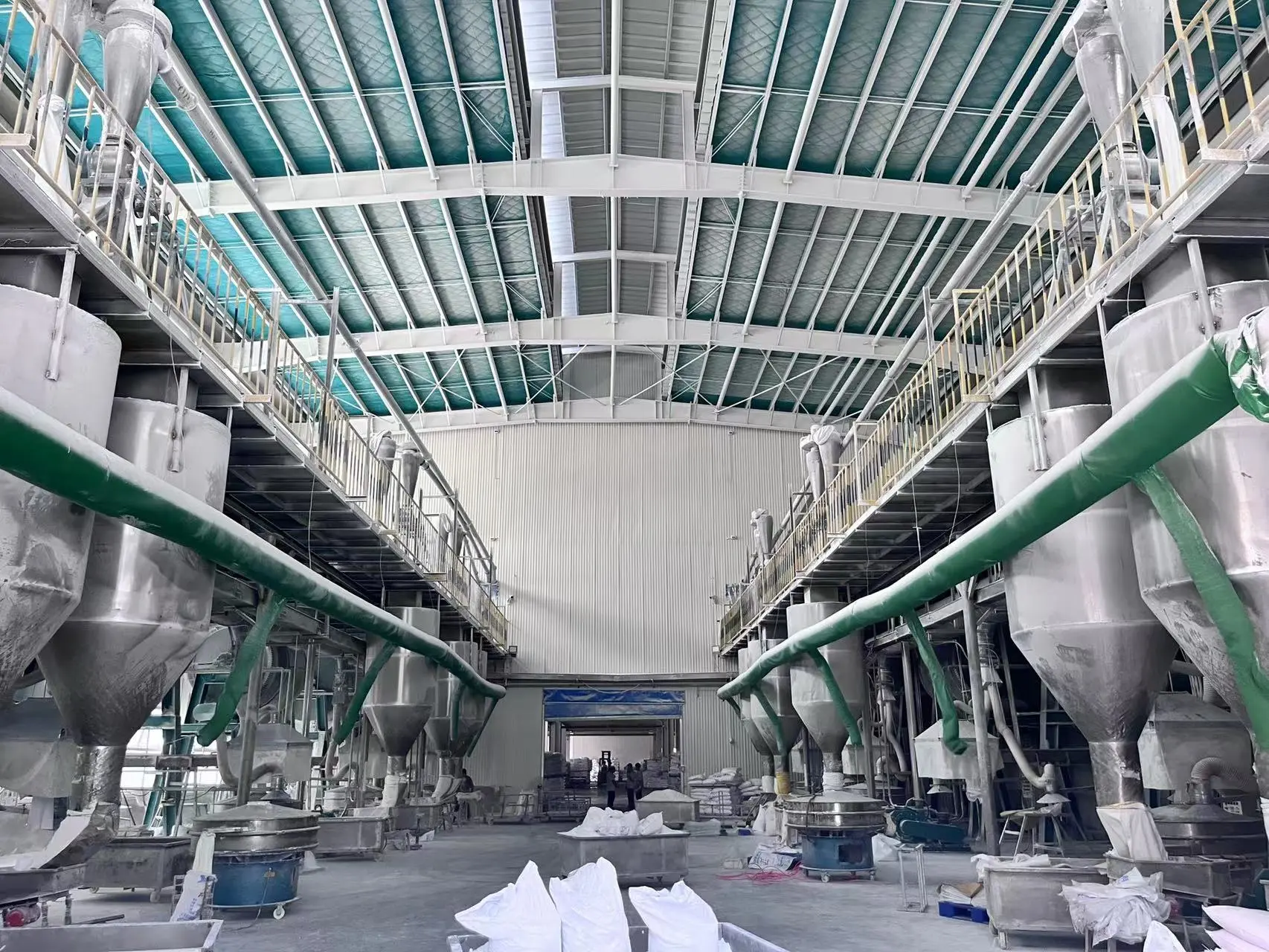
Shandong Runtai New Materials Co., Ltd. is a comprehensive group firm specializing in fine chemical products. The corporation maintains branches in five cities nationwide, with headquarters in Zaozhuang City, Shandong Province. Spanning 270,000 square meters, our facility represents a major regional commitment to advanced chemical engineering.
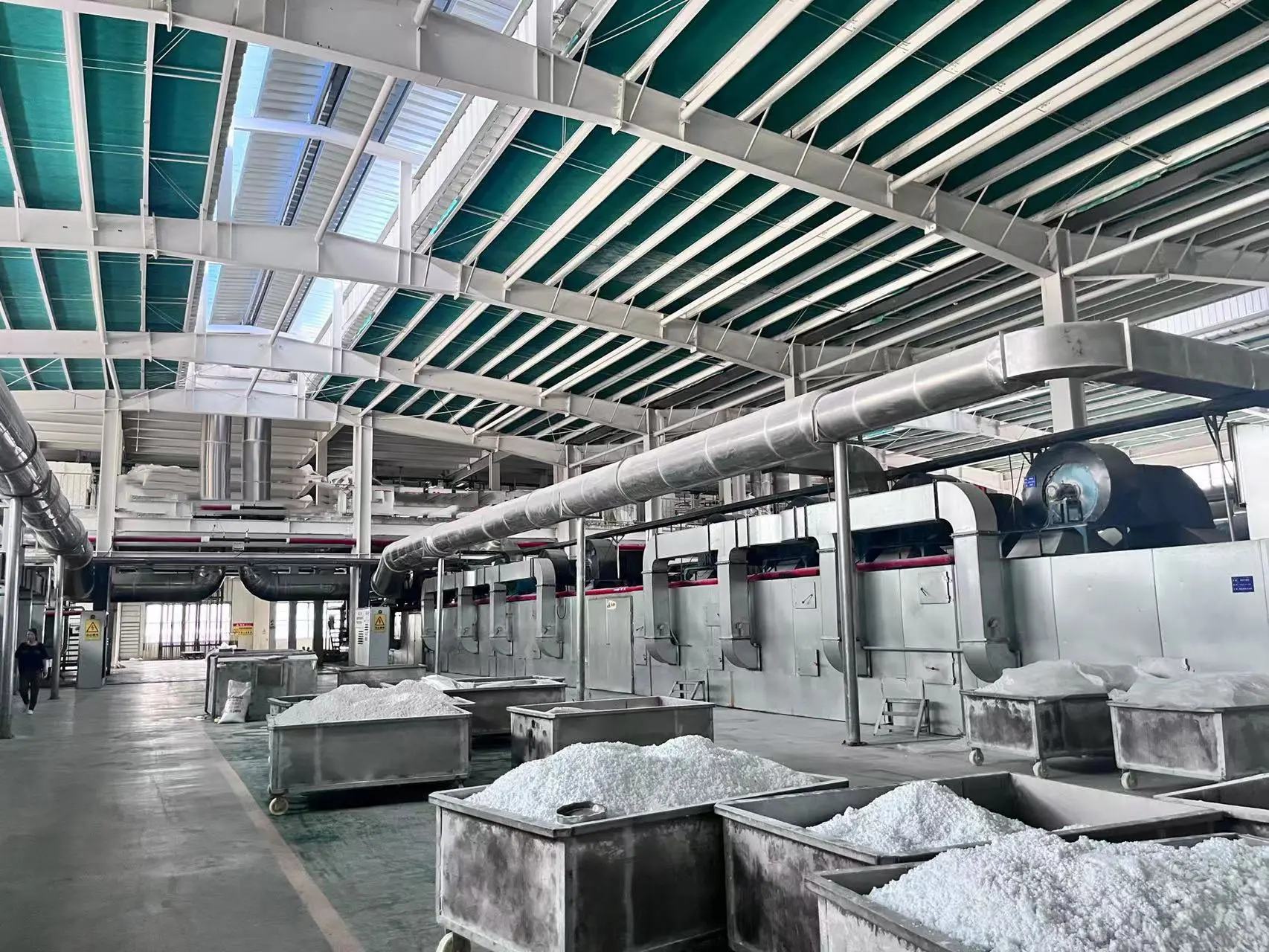
Through modern production line expansions, we produce 380,000 tons of formaldehyde, 60,000 tons of melamine, 20,000 tons of melamine glazing powder, 11,000 tons of specialized resins, and 300,000 tons of urea formaldehyde resin annually. This scale supports our leading domestic market position and expanding global footprint.
Our dedicated chemical engineering teams provide standardized and customized formulations tailored to specific application parameters. We maintain rigorous quality control checkpoints, from monomer purity inspection to final cured polymer evaluation, ensuring performance in demanding industrial applications.
We prioritize sustainable development and environmental preservation. By investing in modern VOC treatment plants, thermal heat recovery loops, and effluent purification units, we minimize the environmental footprint of our phenol and formaldehyde operations. Our business philosophy aligns quality-first objectives with environmental compliance, developing products that meet global standards.
Through collaboration with research institutions, we develop resin systems with minimized free formaldehyde emission levels, supporting workplace safety in client manufacturing plants.

How our engineering capabilities, raw material access, and technological systems translate into value for global buyers.
We utilize advanced Distributed Control Systems (DCS) to monitor and adjust process parameters across our production lines. This level of automation guarantees chemical consistency, safe operating limits, reduced energy usage, and minimized monomer waste.
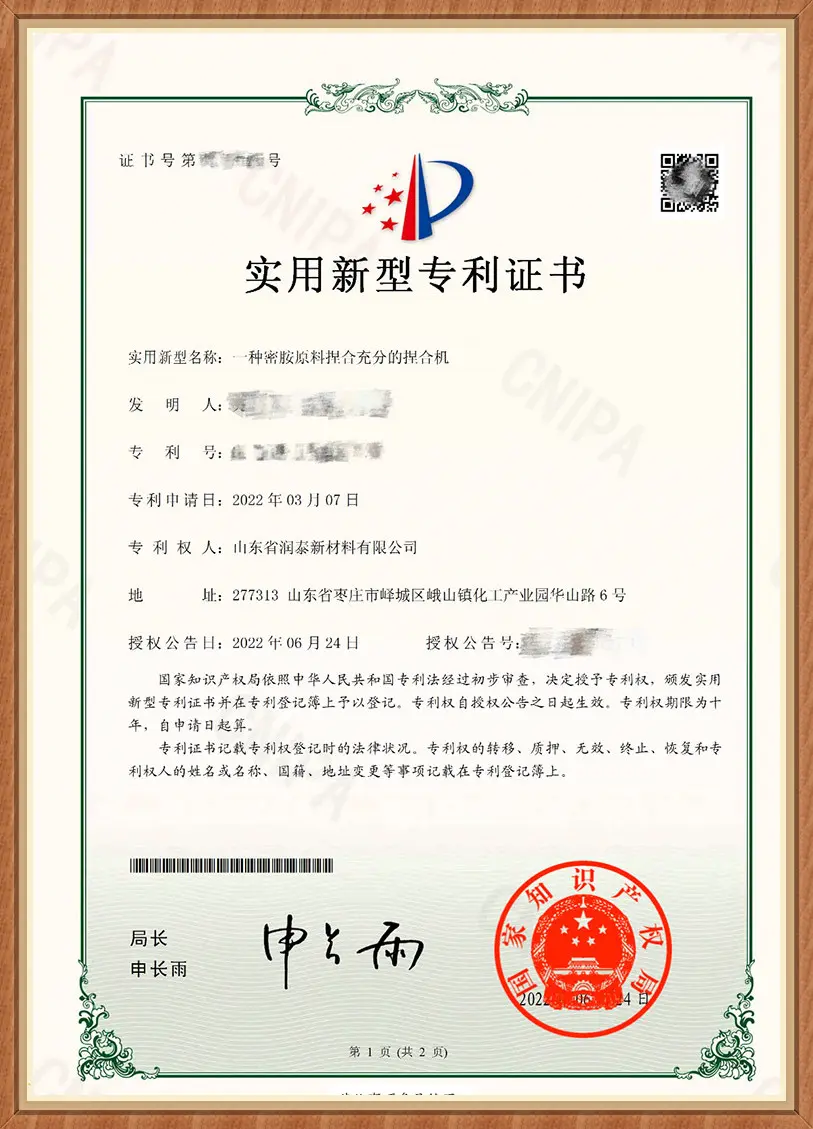
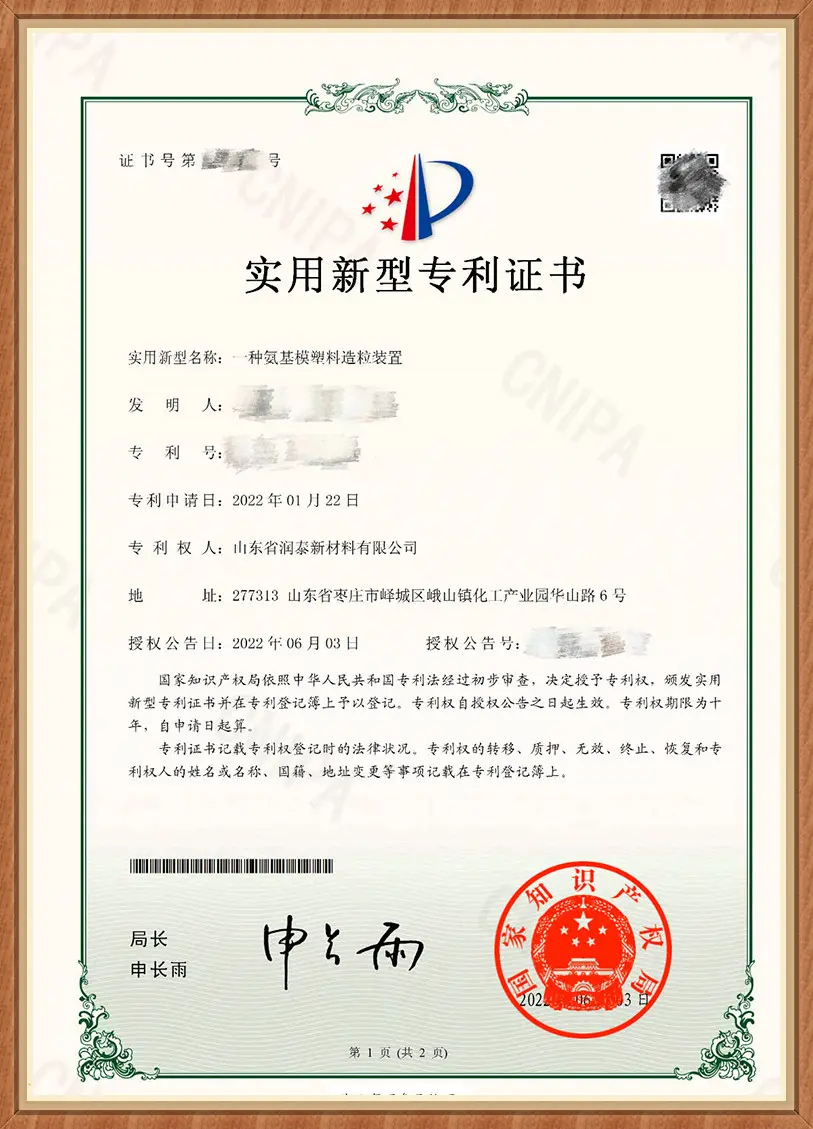
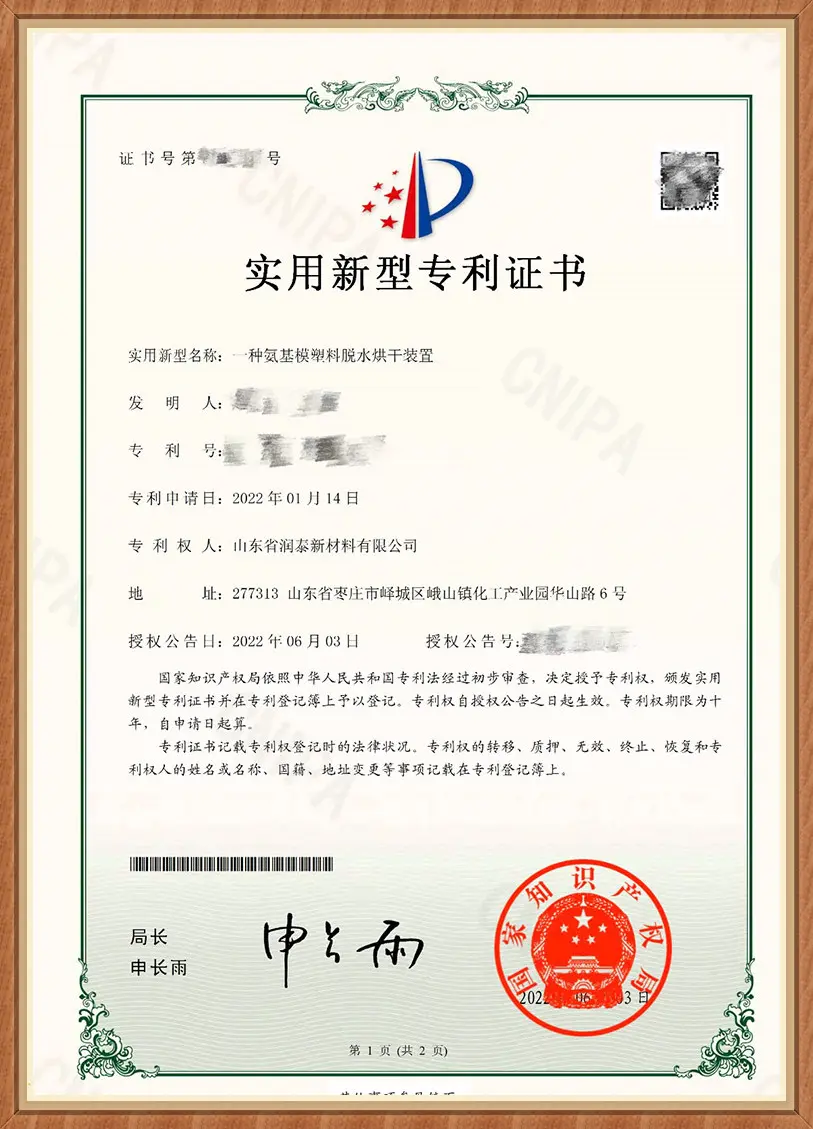
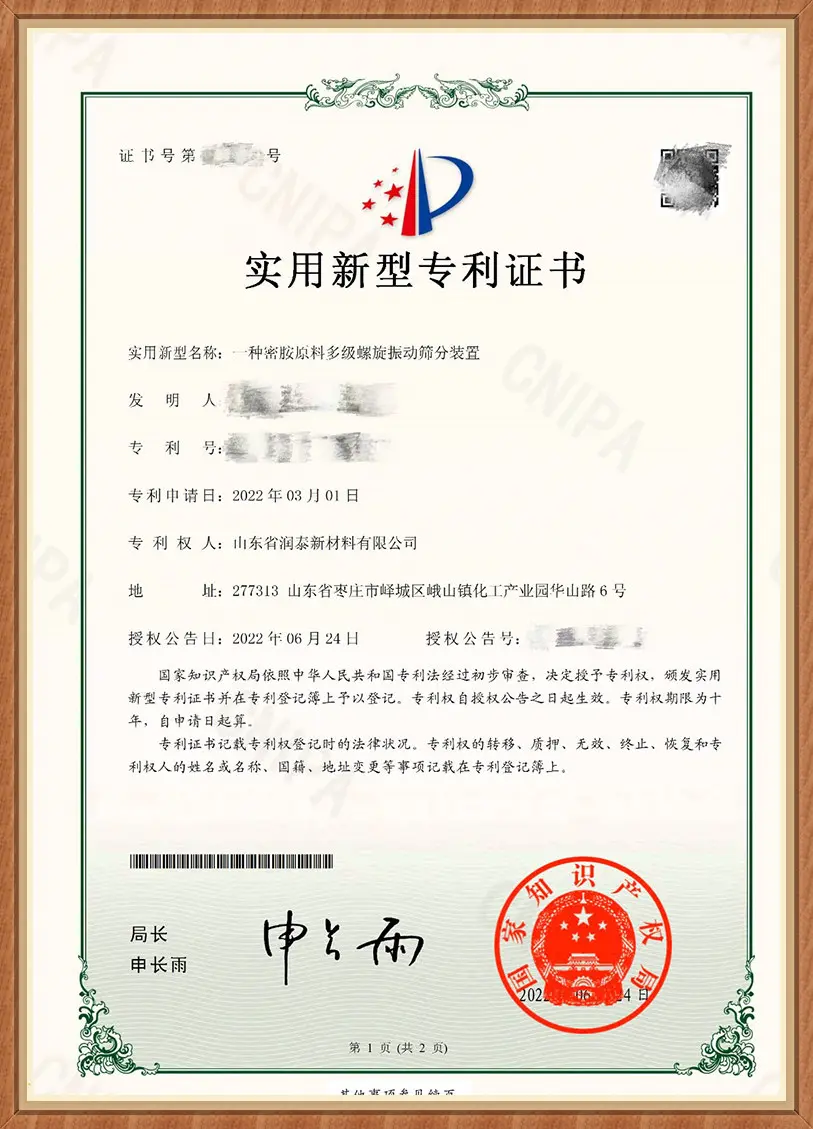
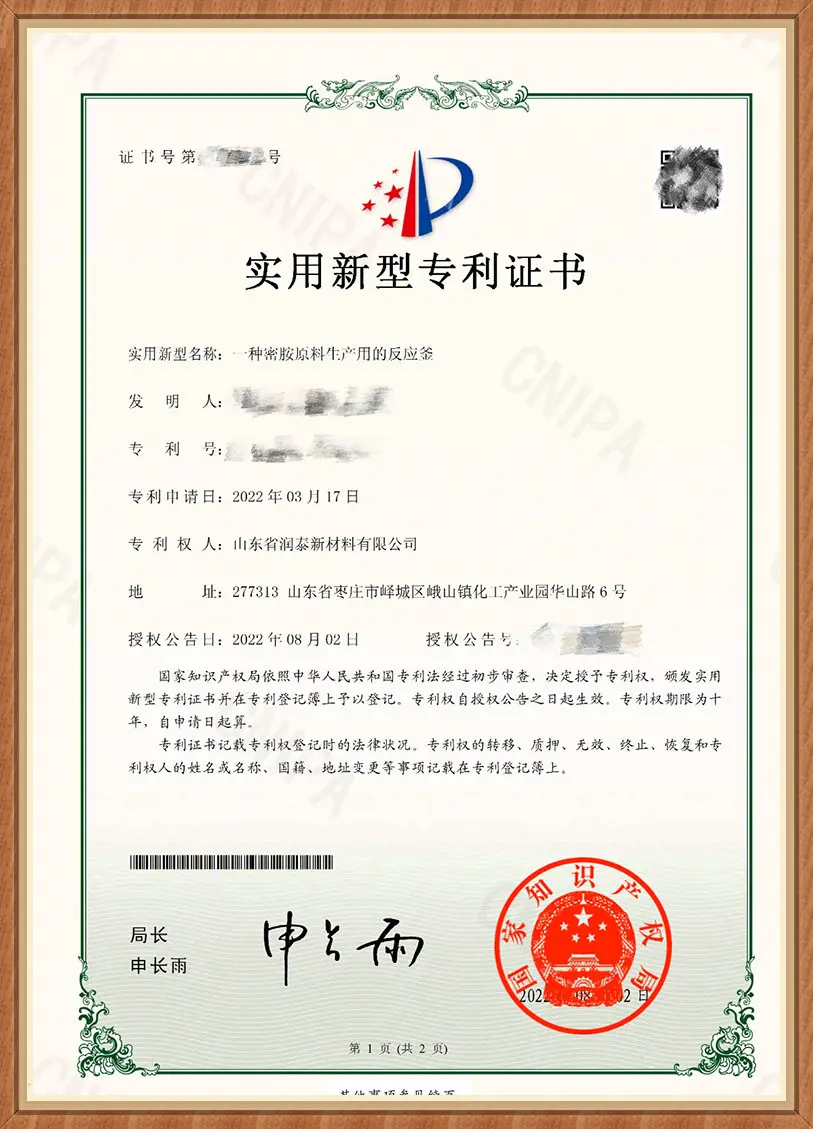
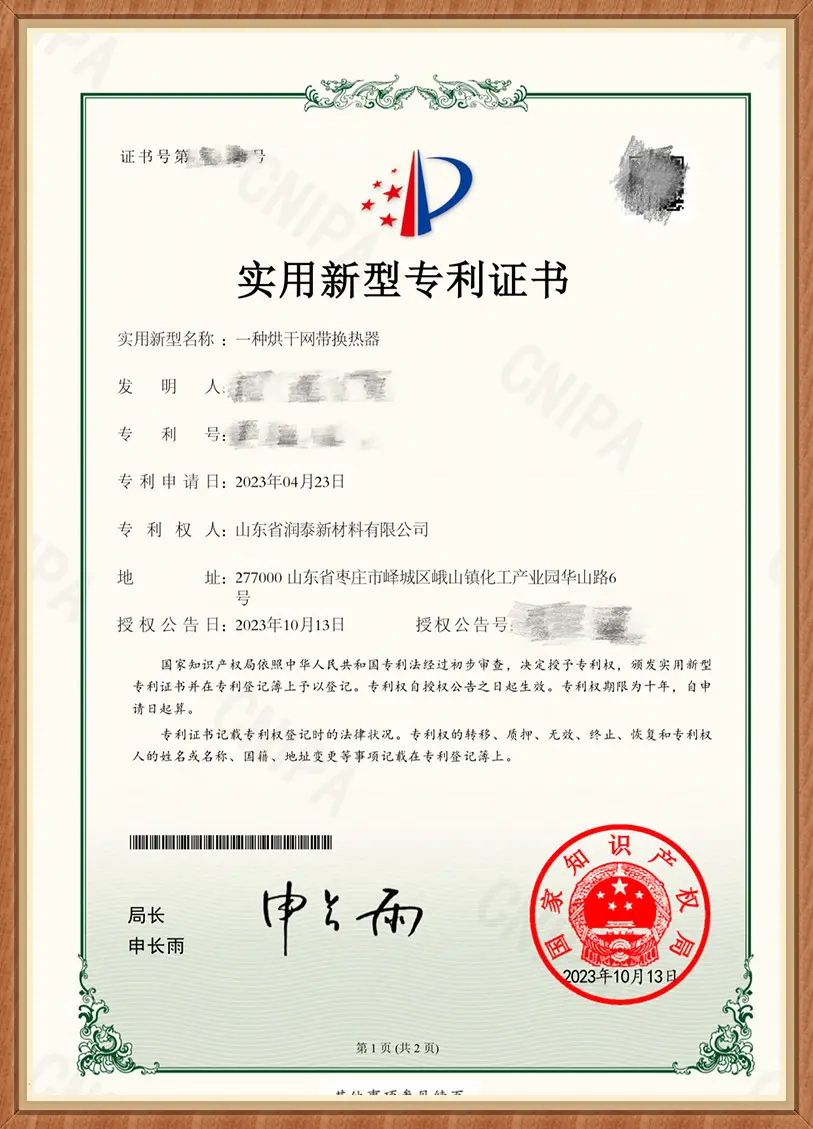
Our long-term academic-industrial partnership with the Changzhou Research Institute of Beijing University of Chemical Technology fuels our product development. Supported by a specialized doctoral team, we hold multiple patents on synthetic polymers.
Our direct access to formaldehyde raw materials, combined with proximity to primary transport routes and Qingdao Port, optimizes our raw material flow and shipping timelines to the Americas, Southeast Asia, Africa, and the Middle East.
Our formaldehyde-derived chemicals serve a wide range of industrial applications, including structural adhesives, industrial coatings, molded electrical resins, mineral dispersants, and lightweight tableware coatings.
Navigating the regulatory requirements, regional compliance frameworks, and logistics channels critical for international resin procurement.
Exporting chemical materials worldwide requires strict compliance with international regulations. Our phenolic resin production complies with the EU's REACH regulation, ensuring chemical safety and supply stability for our European partners.
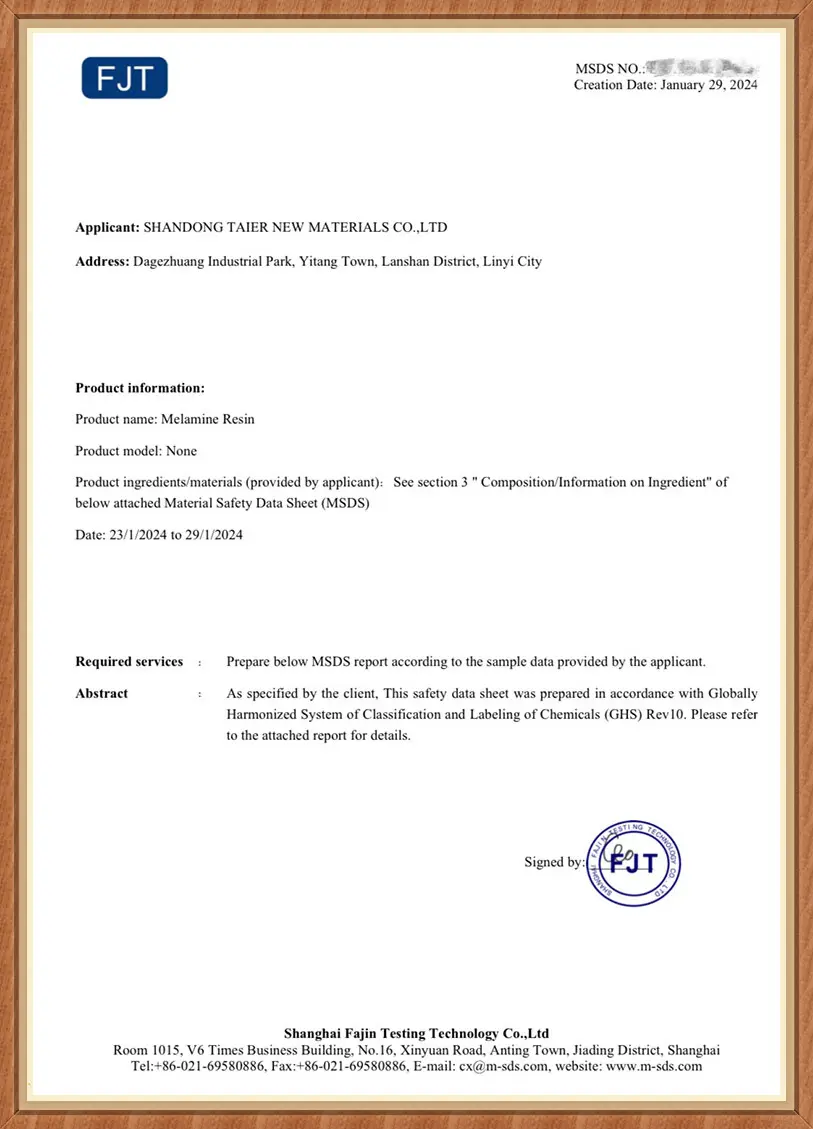
Additionally, we comply with US TSCA standards, EPA toxic compound limits, and national VOC regulations. By providing detailed Safety Data Sheets (SDS) and certificate documentation, we facilitate seamless customs clearance and regulatory compliance for importing manufacturers.
China's chemical manufacturing clusters offer major logistics and raw material advantages. Shandong province serves as a core hub for petrochemical intermediates. This location ensures a consistent supply of high-grade phenol, urea, and catalysts.
Our proximity to major ports allows us to utilize optimized shipping lanes, container consolidation, and bulk-tank transport. These factors reduce ocean freight costs and transit times, enabling cost-effective phenol formaldehyde resin sourcing.
Different regions present unique material demands. In North America and Europe, our phenolic resins are optimized for high-performance friction liners and aerospace-grade insulation materials that demand low flame propagation and minimal smoke toxicity.
In growing manufacturing hubs across Southeast Asia, South America, and Africa, we supply cost-efficient Resole resins and urea-formaldehyde compounds tailored for exterior structural plywood, MDF board bonding, and mineral wool insulation binders designed for hot, humid climates.

The global phenolic resin market is transitioning toward reduced emissions, biomaterial integration, and improved energy efficiency during processing. Modern environmental regulations require low free-phenol and free-formaldehyde levels in final products.
Runtai New Materials addresses these trends by refining our resin formulations. Through advanced synthesis steps and vacuum distillation, we reduce unreacted monomers. This approach delivers resins that meet environmental standards, helping our customers maintain compliance and market access.
Technical answers to common questions about sourcing, formulating, and processing phenol formaldehyde resins.
Review our extended catalog of technical resins, industrial compounds, and specialized additive lines.
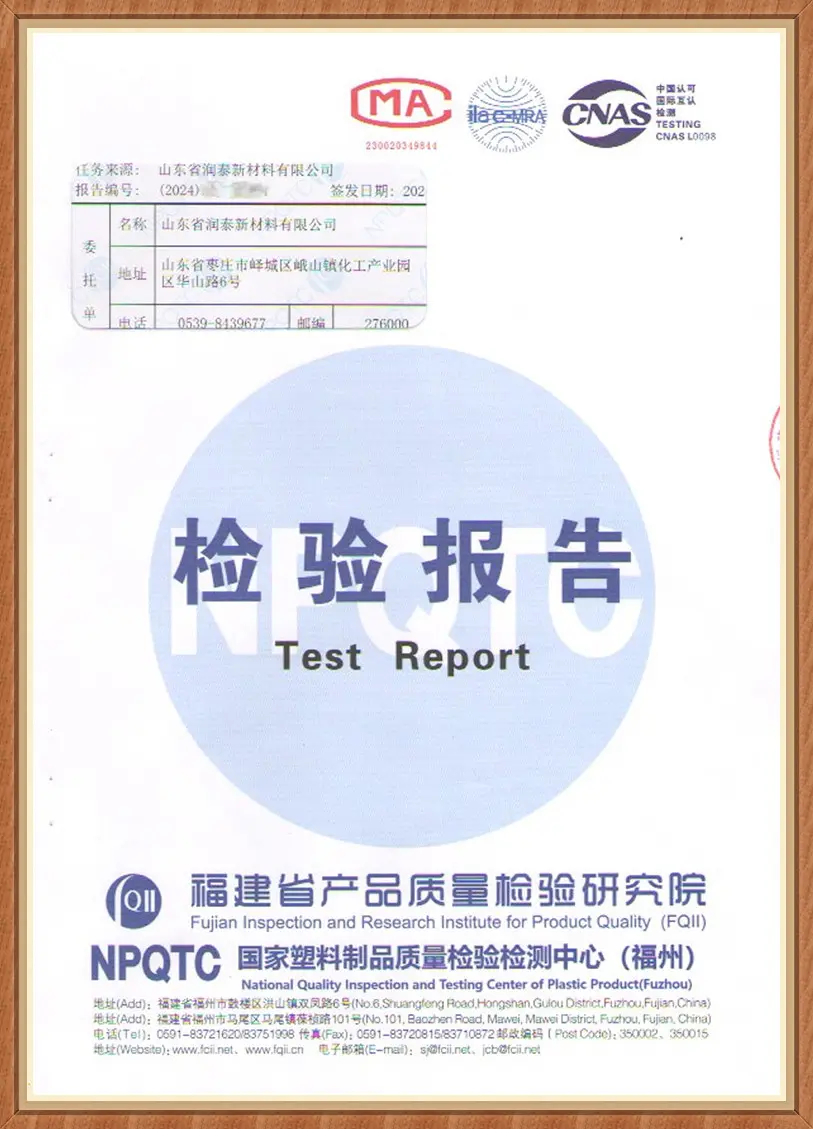
Our production facilities maintain standard quality, safety, and environmental management certifications.
 Runtai