Direct from Shandong Runtai New Materials — Industry-Leading Quality & Yield Stability
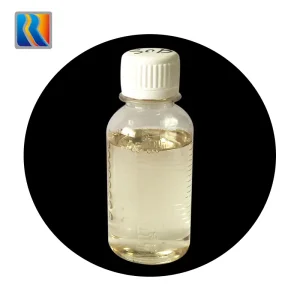
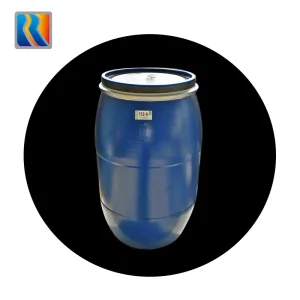
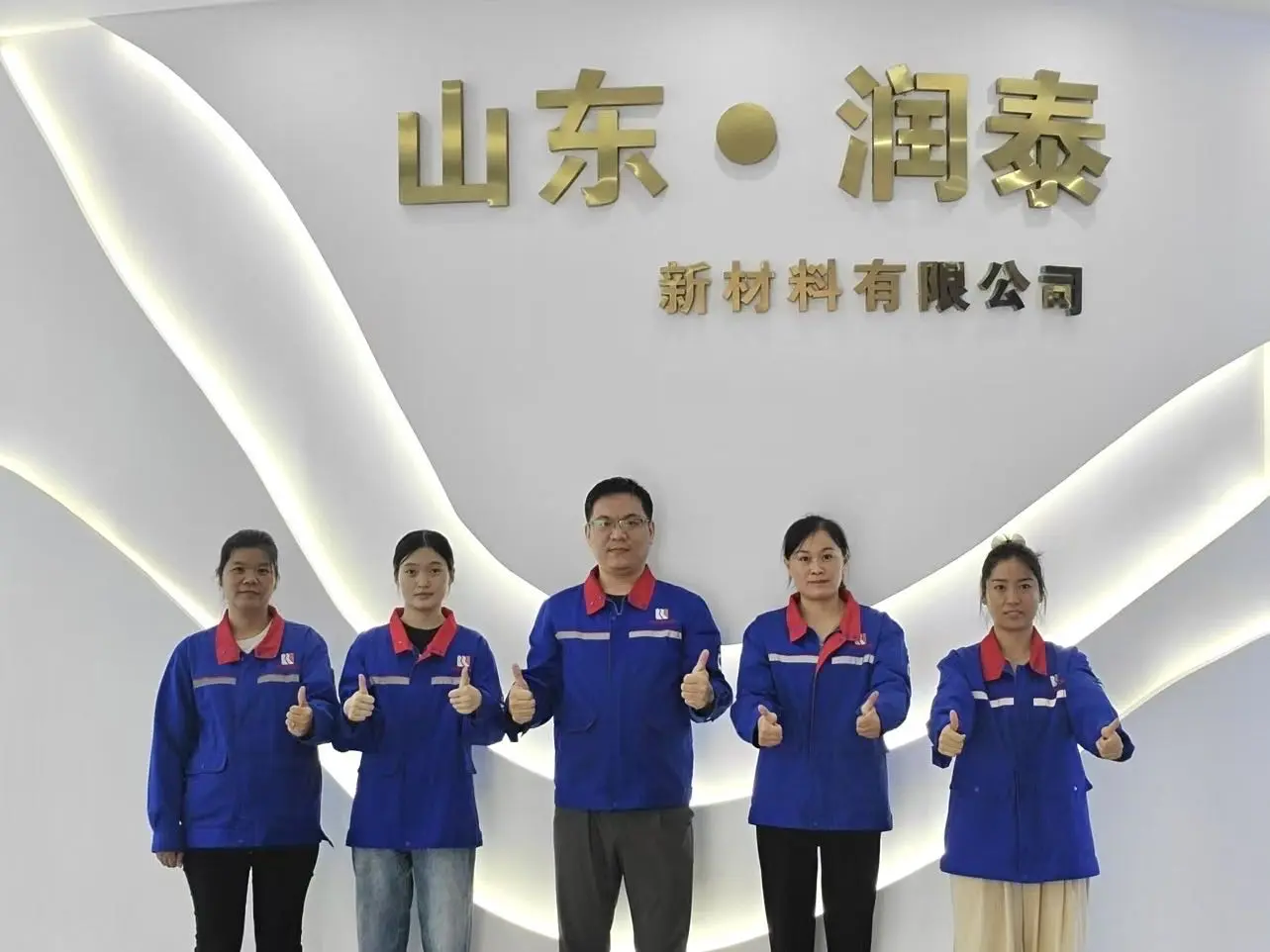
In the contemporary global chemical landscape, the demand for formaldehyde and its downstream polycondensation derivatives is scaling at unprecedented rates. Founded in March 2020, Shandong Runtai New Materials Co., Ltd. has established itself as an absolute market leader and a high-tier structural solution provider in fine chemical synthesis. Strategically headquartered in Zaozhuang City, Shandong Province, we represent a multi-regional enterprise with corporate nodes in five major cities across the People's Republic of China.
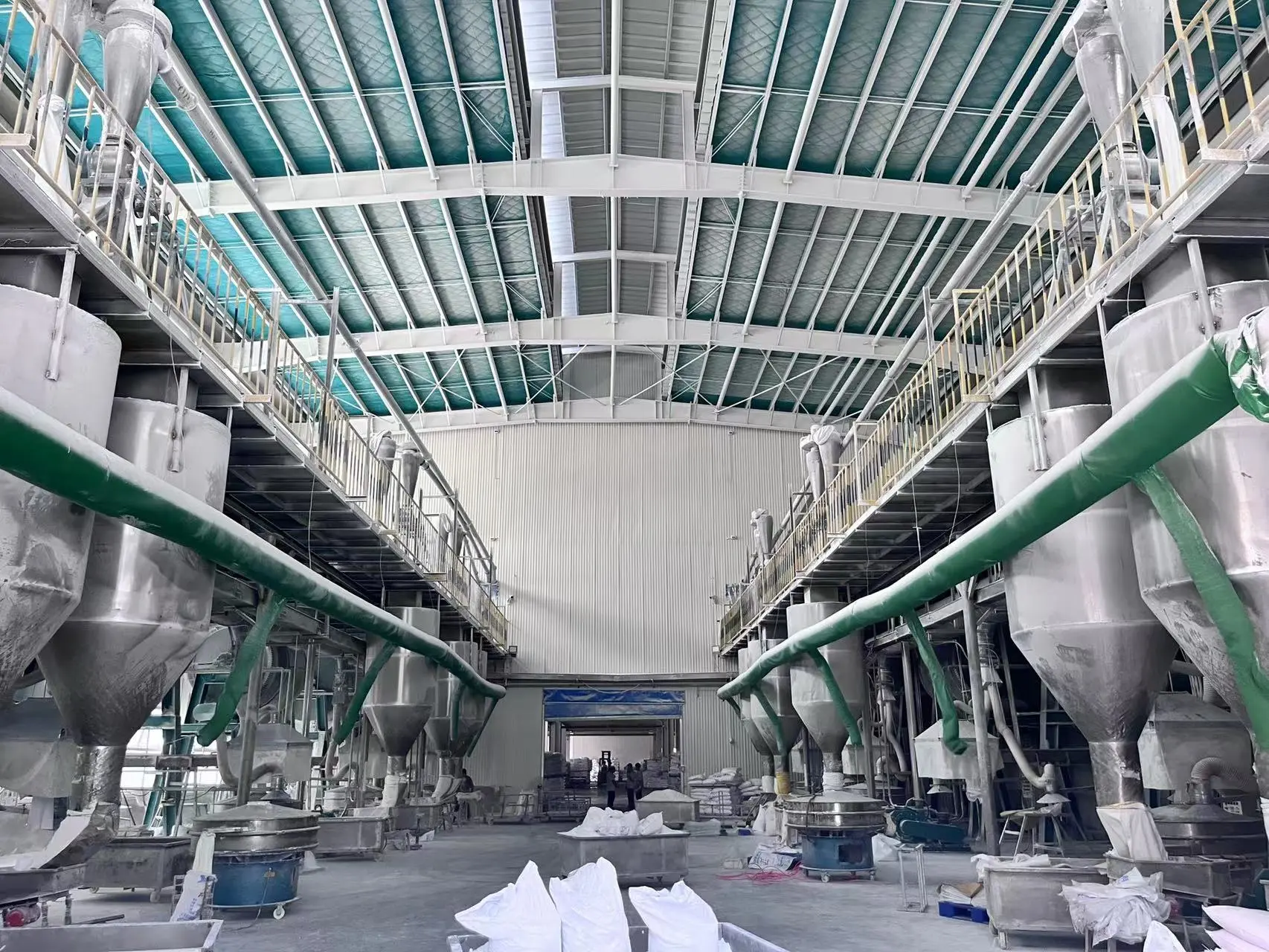
Spanning an expansive footprint of 270,000 square meters and powered by an initial capitalization project totaling 2.06 billion Yuan (RMB), our industrial facilities deploy high-throughput production lines designed for maximum raw material conversion efficiency, high reliability, and strict compliance with international chemical directives.
Understanding the Macroeconomic Variables in Formaldehyde & Melamine Sourcing
Industrial procurement departments globally face a major challenge: balancing cost efficiency with strict environmental and quality compliance. Under the modern GHS (Globally Harmonized System of Classification and Labelling of Chemicals) and European REACH frameworks, sourcing high-purity formaldehyde derivatives requires manufacturers to maintain highly advanced process controls.
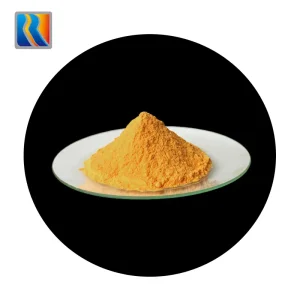
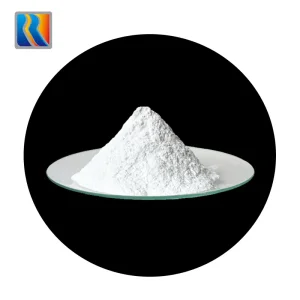
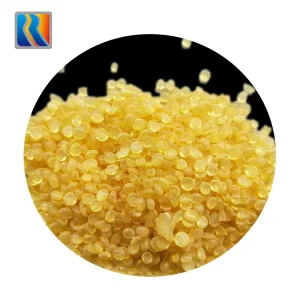
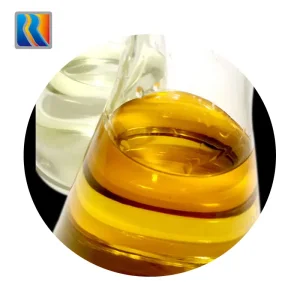
Our global shipping operations serving the United States, Thailand, Kenya, Egypt, and beyond demonstrate that supply chain resilience relies heavily on chemical stability. The transport of liquid formaldehyde requires temperature-controlled container networks to prevent polymerization into paraformaldehyde. For clients requiring dry storage, we synthesize high-purity, granular Paraformaldehyde and premium Urea Moulding Compound (UMC), which feature extended shelf lives, lower hazardous classification profiles, and simplified customs clearance processes.
When selecting the top formaldehyde manufacturers, experienced procurement officers focus on "Total Cost of Ownership" (TCO). A lower price per metric ton can be quickly offset by high levels of free formaldehyde, inconsistent particle sizes in molding powders, or unstable curing times. Runtai New Materials addresses these challenges by offering:
Pioneering Sustainable Chemical Engineering Through Advanced Research and R&D Collaborations
Our entire synthesis line utilizes advanced Distributed Control Systems (DCS). This architecture monitors temperatures, feed ratios, and pressure parameters in real-time, reducing batch-to-batch variation to near zero.
Partnering with the Changzhou Research Institute of Beijing University of Chemical Technology, our doctoral research team continuously develops new catalysts that lower the reaction activation energy for formaldehyde synthesis.
We are advancing the molecular structure design of Urea-Formaldehyde (UF) resins. By adjusting molar ratios during multi-stage additions, we achieve deep polymerization while keeping free formaldehyde levels well within E0 and CARB Phase 2 standards.
Our environmental systems recover heat from the exothermic reaction of methanol oxidation. This recovered energy is then redirected to power our melamine concentration and crystallization units, significantly reducing our overall carbon footprint.
Why Global Enterprises Choose Shandong Runtai New Materials Co., Ltd.
We manage the entire production chain from primary formaldehyde synthesis to advanced melamine resins, molding powders, and glazing compounds. This integration guarantees consistent quality and provides a reliable supply buffer against market fluctuations.
By leveraging advanced silver and metal oxide catalyst methodologies, our processes optimize raw material consumption, yielding high-purity chemical outputs with minimal side-product generation.
Supported by our industry doctoral team, we design and produce custom formulations tailored to specific molding speeds, color requirements, and curing temperatures requested by our clients.
We manage complex regulatory requirements for chemical exports, maintaining full compliance with US EPA TSCA Title VI, European REACH registration, and GHS classification standards.
Every product batch undergoes testing using high-pressure liquid chromatography (HPLC), gas chromatography (GC), and laser diffraction particle size analysis to verify strict compliance with specifications.
Located near major international container hubs, our logistics team manages temperature-controlled and moisture-proof shipping systems, protecting our chemical formulations from ocean transit risks.
At Shandong Runtai, we believe that chemical manufacturing must align with environmental stewardship. Our corporate culture is anchored on the core value of "Quality First, Customer First," coupled with a dedication to sustainable development. We strictly adhere to national environmental laws and international treaties, utilizing state-of-the-art waste gas scrubbers and closed-loop water systems that achieve zero wastewater discharge from our melamine synthesis processes.
Our commitment to sustainability is demonstrated in our product line. We actively promote the transition to water-based additives, bio-based phenolic modifications, and low-formaldehyde-emission resins that support healthier, safer building and living environments worldwide.

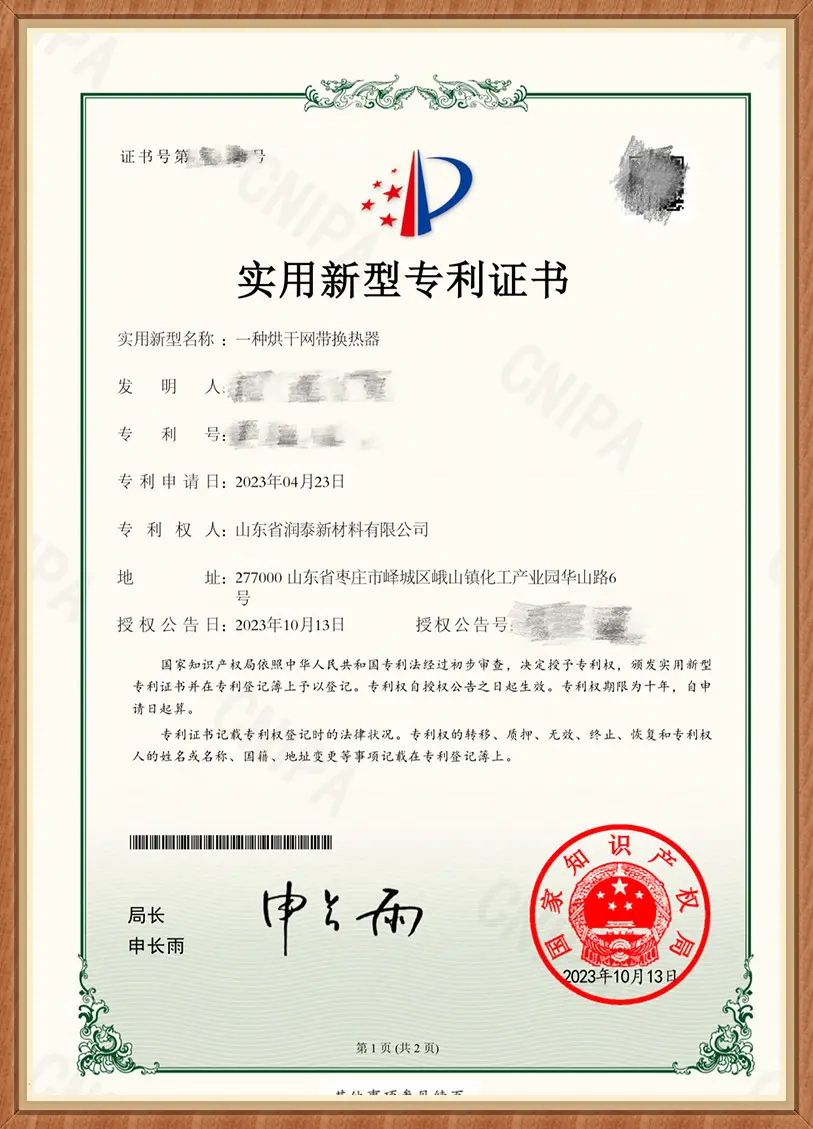
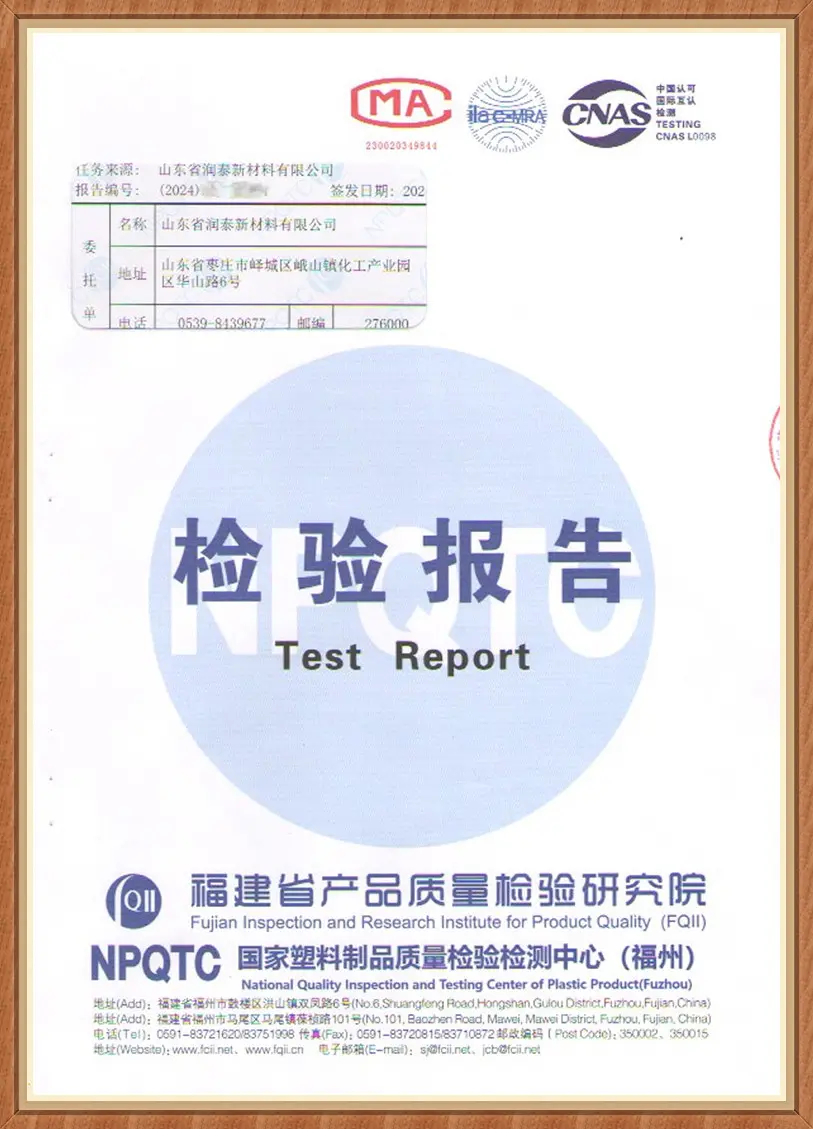
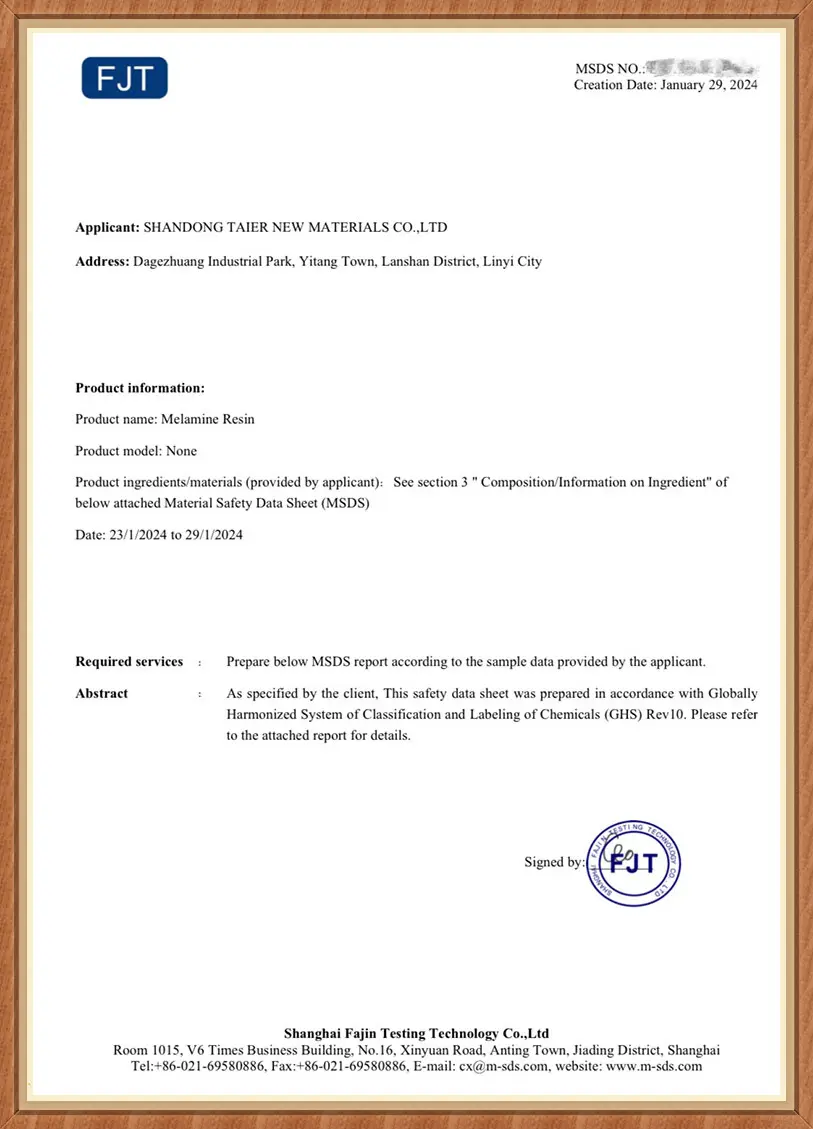
Quality and Safety Verified by Global Standards Bodies
Resolving Key Technical and Logistical Sourcing Questions for Procurement Directors
Urea Moulding Compound (UMC) is synthesized from urea-formaldehyde resin and an alpha-cellulose filler. It provides excellent electrical insulation and high surface hardness at a cost-effective price point, making it ideal for electrical housings and wiring accessories. Melamine Moulding Compound (MMC), composed of melamine-formaldehyde resin and alpha-cellulose, offers superior heat resistance, chemical resistance, and surface durability. MMC is preferred for dinnerware, food contact applications, and high-wear components.
Our R&D team uses advanced polymer design to optimize the molar ratio of formaldehyde to urea/melamine during multi-step polycondensation. Supported by DCS automated control, this process maximizes resin cross-linking. The resulting formulations meet international emission standards, including CARB Phase 2, EPA TSCA Title VI, and European E1/E0 limits, without compromising mechanical strength or curing speed.
In downstream chemical synthesis (such as pharmaceuticals, resin modifications, and agrochemicals), impurities like heavy metals, high iron content, or elevated moisture levels can deactivate catalysts and cause secondary side reactions. Runtai produces high-purity Paraformaldehyde with minimal water content and low acid levels. This ensures predictable reaction profiles, clean dissolution rates, and high conversion efficiency.
Our export products are packed in moisture-resistant, multi-layer composite bags with internal PE barriers. For bulk shipments of hygroscopic powders like UMC and MMC, we monitor humidity in the shipping container and utilize desiccant packs to prevent clumping. This ensures our materials arrive in optimal condition and are ready for processing.
Yes. Our partnership with the Changzhou Research Institute of Beijing University of Chemical Technology allows us to customize polymer chain structures. We can adjust the viscosity, solids content, and gelation times of our Urea Formaldehyde Resins and Phenolic Resins to match your specific production parameters.
Our facility features closed-loop wastewater purification and recycling systems, catalytic combustion units for off-gas treatment, and advanced dust filtration. These systems meet stringent national environmental standards, ensuring high-capacity production with minimal local environmental impact.
Complete Industrial Formulations for Custom Processing Applications
 Runtai