Discover our leading selection of engineered industrial resin materials, curing agents, and auxiliary process components.
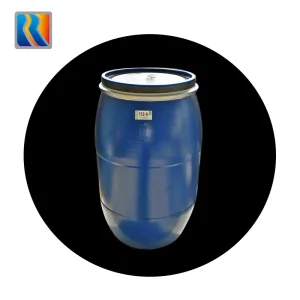
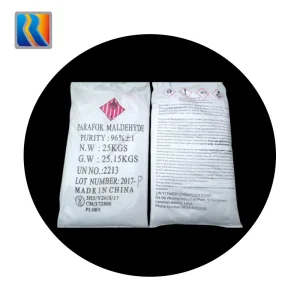
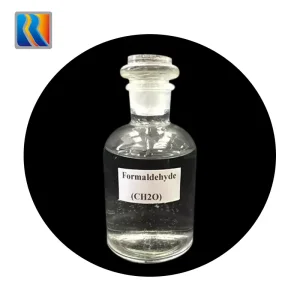
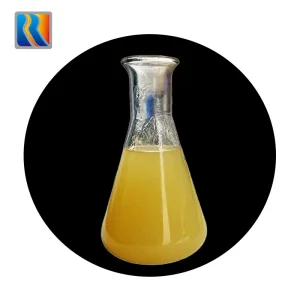
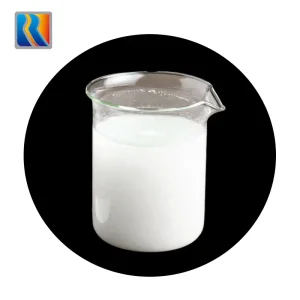
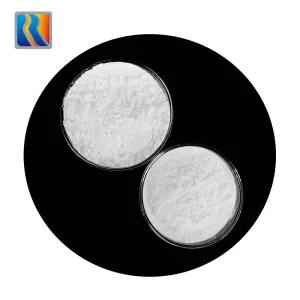
Urea-Formaldehyde (UF) resin is a cornerstone in the global wood-composite industry. As a synthetic polymer resulting from the controlled chemical condensation of urea and formaldehyde, UF resins provide indispensable advantages, including high reactivity, excellent thermal stability, rapid curing velocity, and remarkable cost-efficiency. Under structural growth pressures, the demand for wood-based panels, such as particleboards, medium-density fiberboards (MDF), and plywood, has driven manufacturers to seek higher standards in cross-linking efficiency and ecological compatibility.
Currently, the worldwide commercial ecosystem demands a dual focus: optimizing shear strength and mechanical load resistance, while concurrently satisfying strict environmental regulations regarding volatile organic compounds (VOCs). The transition from standard formulations to low-emission (E1, E0, and Super E0) formulations requires advanced synthesis technologies. This includes adjusting formaldehyde-to-urea (F:U) molar ratios and introducing specialized co-condensation techniques, such as Melamine-Urea-Formaldehyde (MUF), to secure robust hydrolytic resistance for diverse environmental conditions.
We leverage highly optimized logistics channels across key regions, including North America, Southeast Asia, East Africa, and Europe, maintaining strict chemical stabilization protocols during ocean freight.
Our formulations employ high-purity crystalline paraformaldehyde and customized urea concentrations to yield a resin matrix with optimal adhesive tack, viscosity stability, and curing performance.
We engineer low-formaldehyde emitting resin structures that comply with international environmental requirements, including USA EPA TSCA Title VI, CARB Phase 2, and European EN 312 standards.
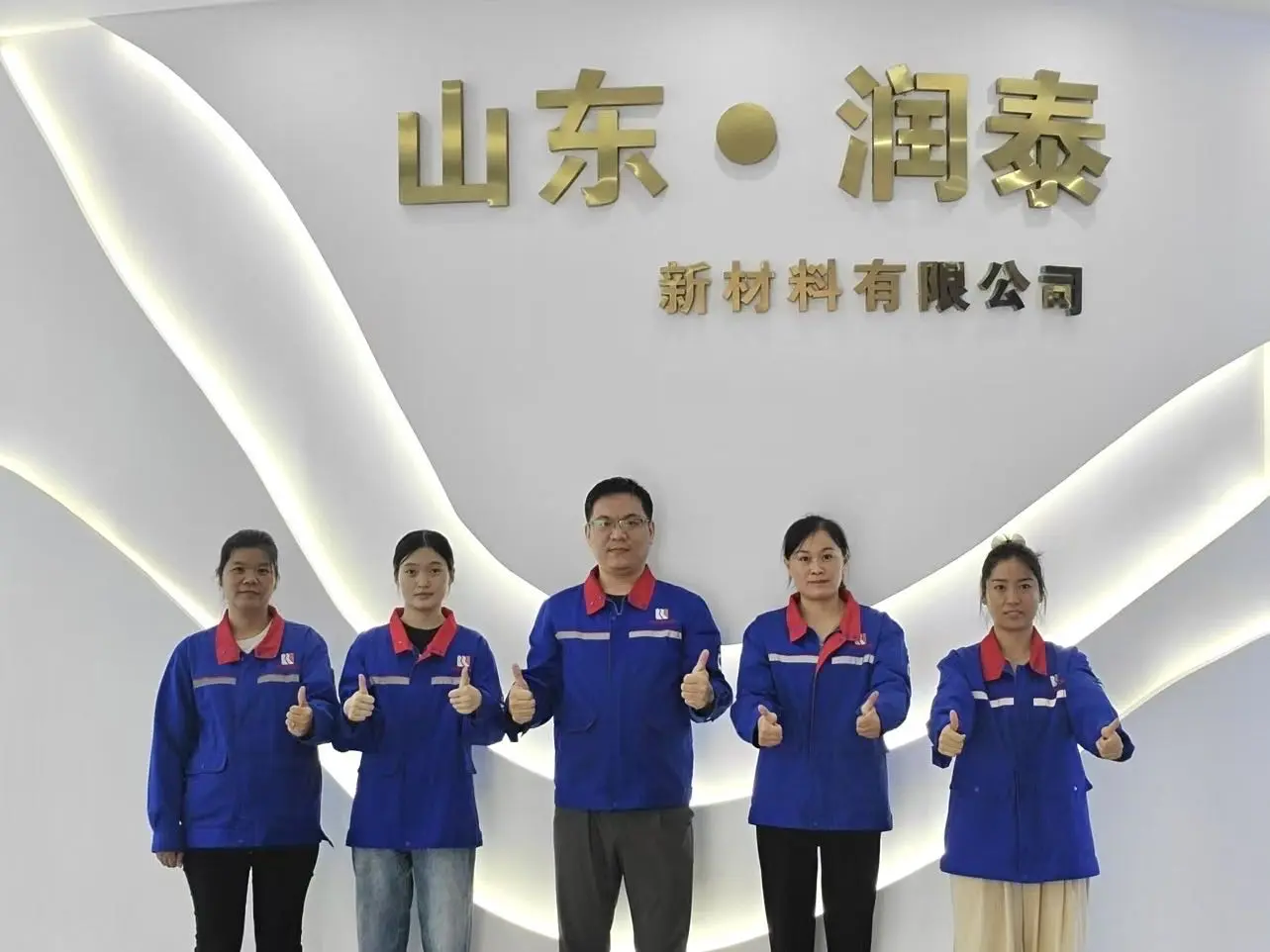
Established in March 2020, Shandong Runtai New Materials Co., Ltd. has established itself as an industry leader in the fine chemical industry. With our main headquarters located in Zaozhuang City, Shandong Province, and operating branches spanning five major domestic economic centers, we maintain a robust nationwide presence.
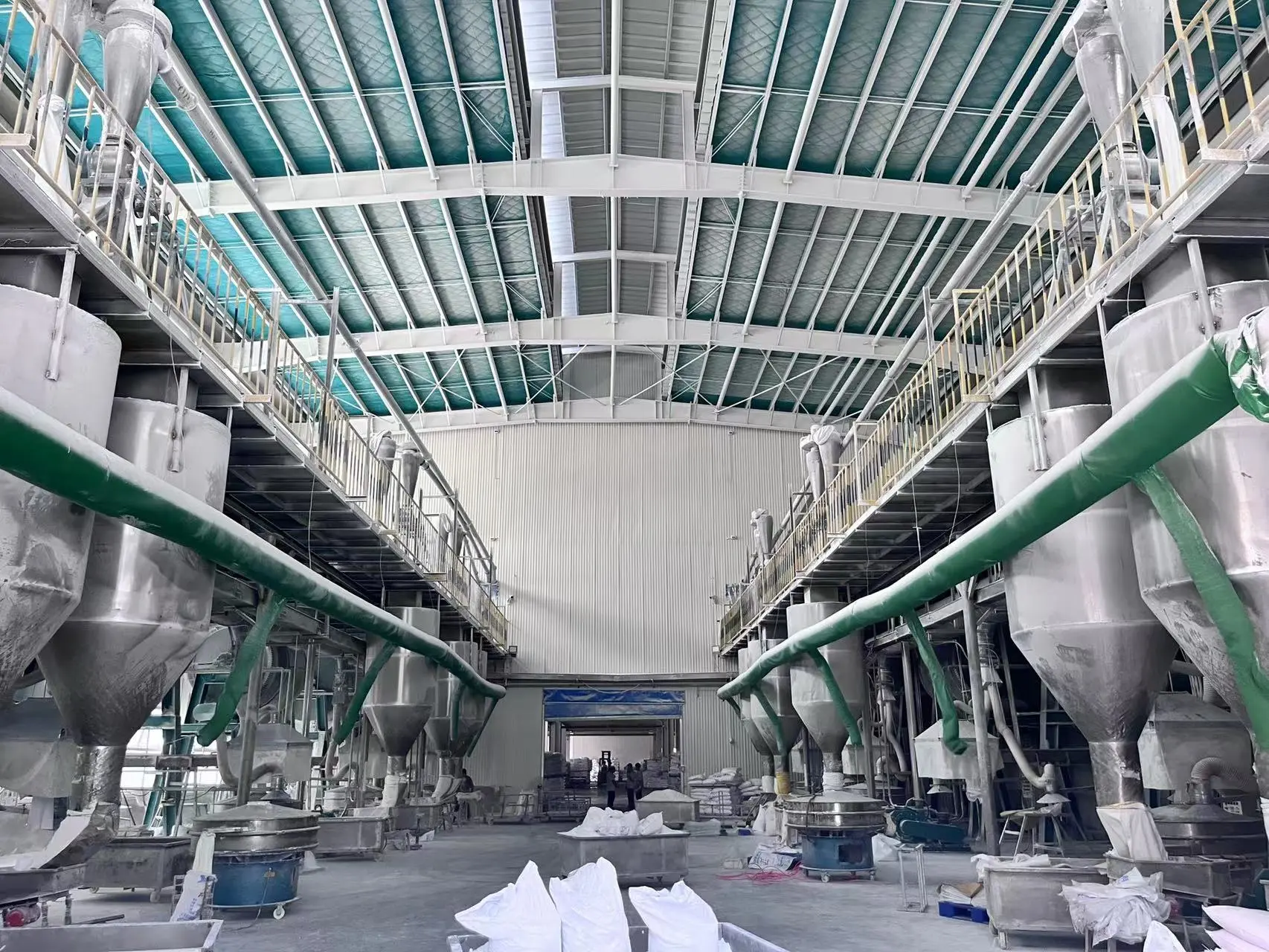
Spanning over 270,000 square meters and powered by a strategic capital investment of 2.06 billion yuan, our industrial complex utilizes state-of-the-art chemical reactors, fractionators, and polymerization units. We utilize high-degree automation systems (DCS) to manage production consistency and ensure safety.
Through backward integration of raw material processing—such as local formaldehyde generation and synthesis of paraformaldehyde—Runtai ensures stable sourcing, cost control, and reliable delivery for global clients.
UF Resin Annually
Formaldehyde Output
Melamine Powder
Domestic Market Share
At Runtai New Materials, we deliver standardized chemical products alongside customized resin engineering solutions designed for specific customer requirements. Our production lines are equipped to adjust primary properties—such as solid content, viscosity, pH value, and gel time—to suit diverse industrial press settings and ambient manufacturing temperatures.
Whether your assembly line demands a slow-curing resin for complex veneer layups or a rapid-curing formulation for continuous particleboard hot presses, our professional research staff and chemical engineers optimize structural cross-linking to fit your requirements.
Why industrial manufacturers globally partner with Shandong Runtai for their adhesive supply chains.
We utilize advanced Distributed Control Systems (DCS) to manage key reaction parameters across our production lines. This automated control maintains consistent quality, reduces raw material consumption, and minimizes safety risks.
With an integrated value chain based on self-produced formaldehyde, we control the cost and purity of our inputs. This insulation from external market volatility ensures stable, year-round pricing for our partners.
In partnership with the Changzhou Research Institute of Beijing University of Chemical Technology, our internal doctoral research team holds multiple patents in low-emission adhesives and moisture-resistant resin synthesis.
Our chemical derivatives find wide application in packaging film adhesives, water-based coatings, mineral oil defoamers, dispersants, melamine moulding compounds, and high-performance glazing powders.

Adhesive requirements vary significantly depending on localized climates, manufacturing setups, and regional environmental mandates. Runtai New Materials provides customized resin profiles engineered for specific end-use environments:

Pioneering the next generation of industrial adhesives through environmental design and advanced polymer science.
Our research focuses on incorporating bio-derived raw materials, such as lignin and starch derivatives, into the UF polymer matrix to reduce carbon footprint and dependency on fossil resources.
We are developing active formaldehyde scavengers that chemically bind free formaldehyde molecules within the wood panel structure, achieving emissions below natural wood thresholds.
Our engineering roadmap includes developing catalysts that enable low-temperature pressing, helping manufacturing partners reduce energy consumption and improve throughput.
Expert technical answers regarding industrial application, storage, and properties of Urea Formaldehyde Resin.
Liquid UF resin is temperature-sensitive and typically has a shelf life of 3 to 6 weeks depending on ambient storage conditions. It should be kept in ventilated, cool environments between 15°C and 25°C. For projects requiring longer storage, our high-purity powder UF resin can be stored for up to 12 months when kept dry in sealed, original packaging.
We adjust the formaldehyde-to-urea (F:U) molar ratio during synthesis and implement secondary addition phases. This control minimizes free formaldehyde content without compromising bond strength or cure times.
Standard UF resin is generally recommended for interior applications due to its susceptibility to hydrolysis under hot, humid conditions. For exterior or high-moisture applications, we offer Melamine-Urea-Formaldehyde (MUF) and Phenolic Resin formulations to provide the necessary water resistance.
We offer customization of solid content (typically 50% to 65% for liquid resins), viscosity ranges (measured via Brookfield rotational viscometer), curing gel time, and pH stability. We formulate these parameters to align with our customers' production lines and equipment.
Explore our full line of chemical materials, water-based additives, and resin formulations.
 Runtai