High-performance industrial additives & polymer precursors developed for global manufacturing scale.
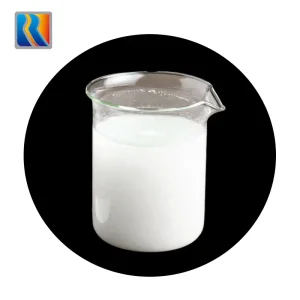
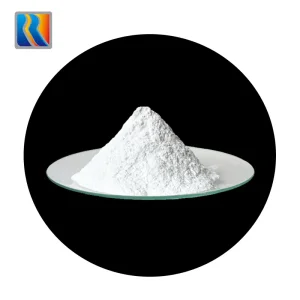
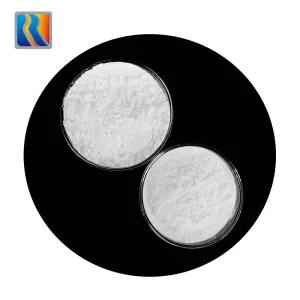
The critical role of polymer precursors, stabilizers, and architectural chemical agents in modern manufacturing.
In the current globalized manufacturing arena, chemical additives, functional resins, and compounding elements serve as the silent backbone of multiple multi-billion-dollar industries. From the creation of structural panel boards to automotive components and high-durability kitchenware, additives dictate the mechanical strength, thermal profile, and surface properties of the final product. The global market demand for high-purity chemical components—ranging from Melamine Moulding Compound (MMC) and Urea Formaldehyde Resin (UFR) to advanced Ammonium Salt Dispersants and Mineral Oil Defoamers—has experienced a major surge. This spike is driven by the growth of clean-label building construction, high-barrier flexible packaging, and automated tableware production.
Historically, the chemical supply chain was fragmented, with localized factories serving regional packaging and woodworking clusters. However, modern environmental directives (such as the EU's REACH and EPA guidelines on free formaldehyde emissions) have reshaped standard formulations. Global supply chains now demand additives that combine top-tier performance with compliance. This shift has elevated the requirements for raw materials, prompting advanced manufacturers to invest heavily in automated synthesis plants. Today, chemical suppliers must demonstrate advanced R&D capacity, clean chemical routes, and robust capacity pipelines to remain competitive.
"Modern polymer synthesis is no longer just about blending ingredients; it is about molecular control. The quality of a defoamer or resin affects the overall throughput of automated packaging lines and high-output compression molding presses."
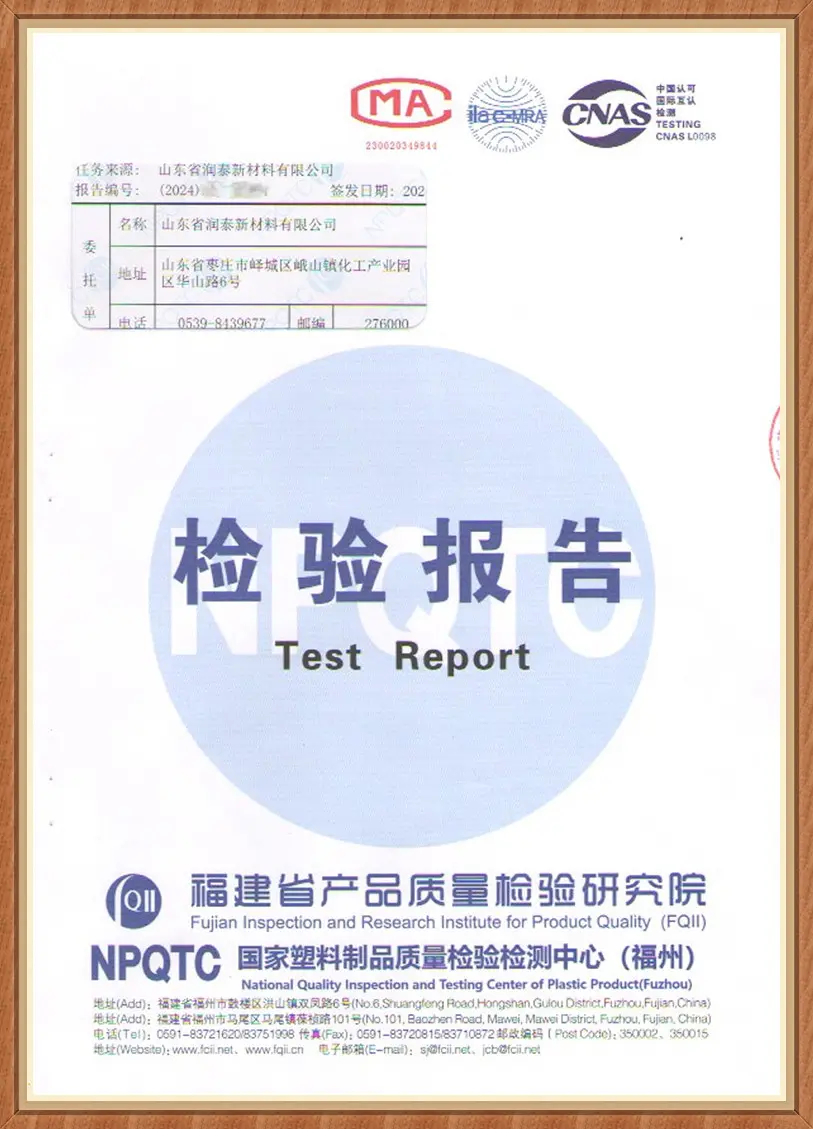
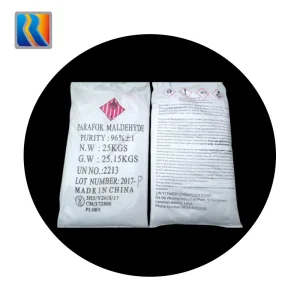
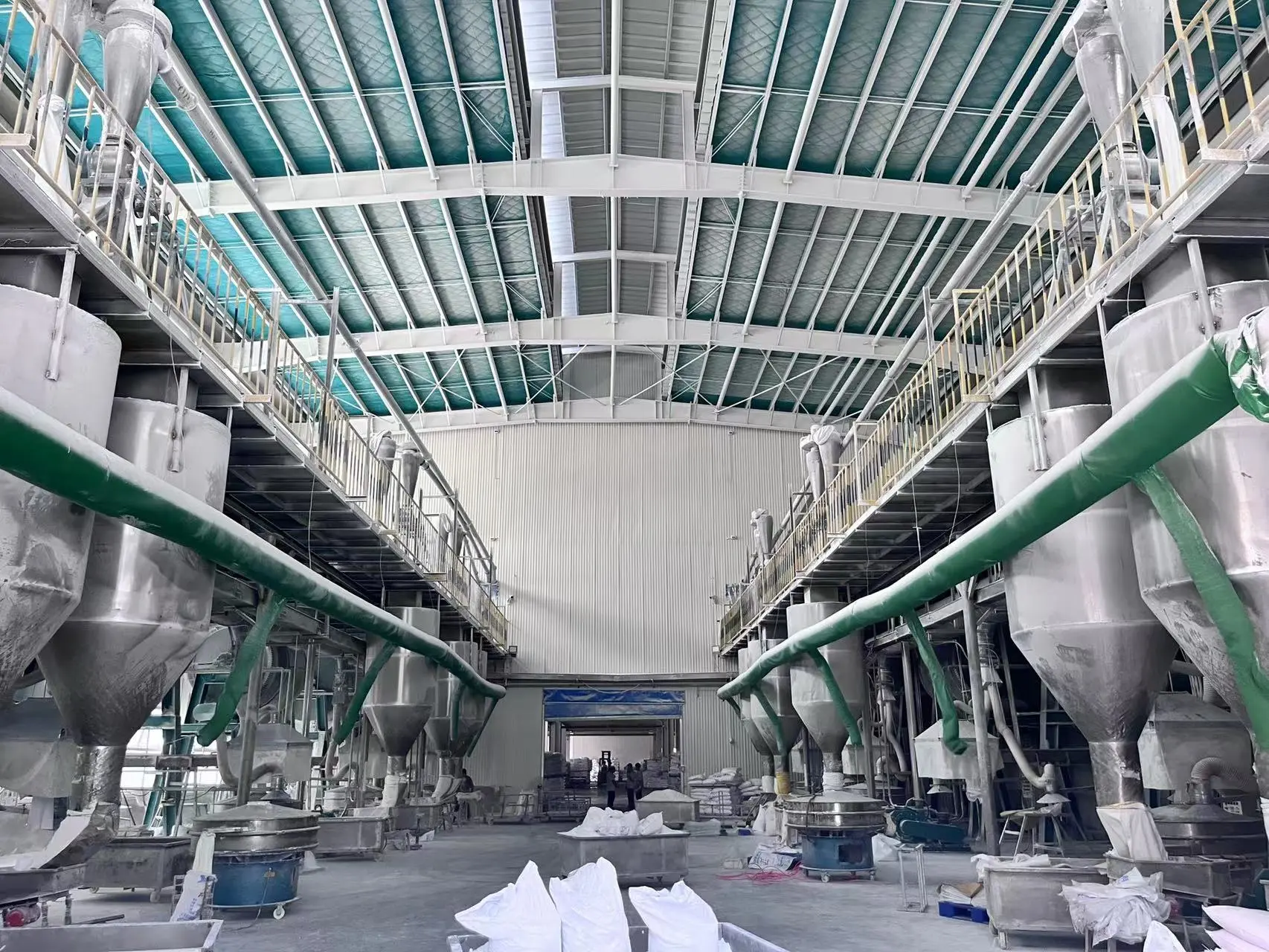
Founded in March 2020, Shandong Runtai New Materials Co., Ltd. is a comprehensive group firm that specializes in fine chemical products. Our primary products include formaldehyde, polyformaldehyde, urea formaldehyde resin, melamine powder, and melamine glazing powder. The corporation has branches in five different cities throughout the whole country, with its headquarters located in Zaozhuang City, Shandong Province. Runtai New Materials covers an area of 270,000 square meters with a total investment of 2.06 billion yuan.
As a technology-driven enterprise, we have established strategic R&D and integration partnerships with the Changzhou Research Institute of Beijing University of Chemical Technology. This collaboration allows us to field a high-caliber doctoral research and development team, driving breakthroughs in formaldehyde value-chain extensions. We design our industrial operations with a focus on automation, energy efficiency, and safety.
Formaldehyde Annually
Urea Formaldehyde Resin
Melamine Annually
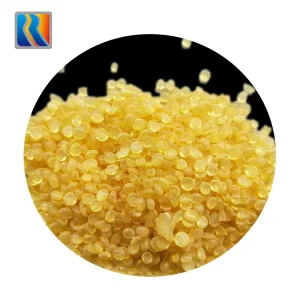
Melamine Glazing Powder
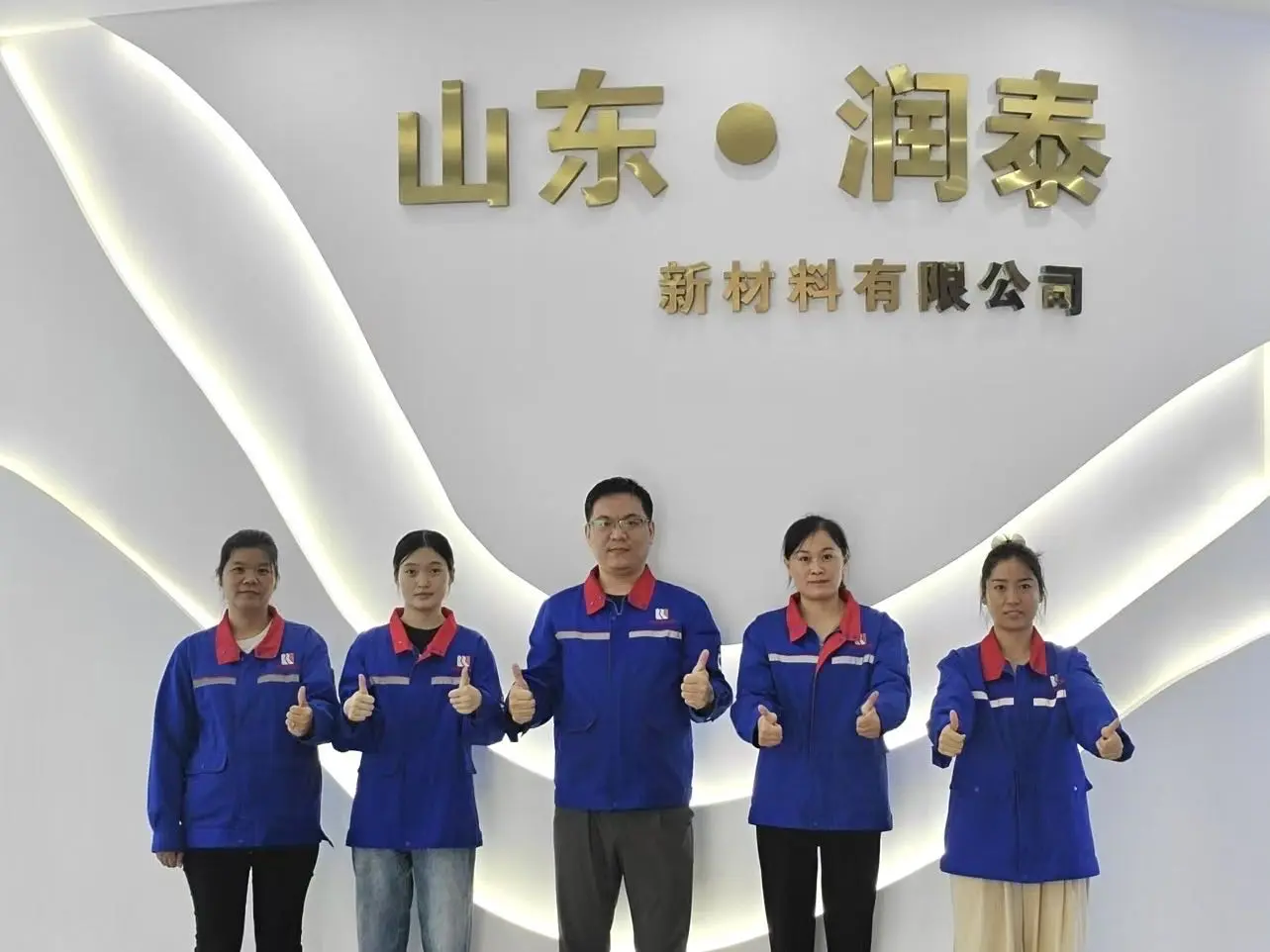
Runtai New Materials has grown to be one of China's top producers of melamine and formaldehyde due to our recent improvements in production line growth. As of currently, the company produces 380,000 tons of formaldehyde annually, 60,000 tons of melamine annually, 20,000 tons of melamine glazing powder annually, 11,000 tons of resin annually, 300,000 tons of urea formaldehyde resin annually, and so forth. We have reached about 80% market share in China. At the same time, we are actively developing overseas business, our products have been exported to the United States, Thailand, Kenya, Egypt and other countries and have been widely praised by overseas customers.
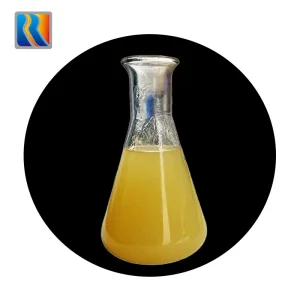
Runtai New Materials is a professional chemical supplier dedicated to satisfying customer requirements with superior chemical products and solutions. Our professional staff and cutting-edge production machinery are committed to the production of chemical goods that satisfy global standards. In order to satisfy the needs of various industries, we simultaneously offer standardized products as well as tailored solutions based on the unique requirements of our customers.
How vertical integration, automation, and research partnership drive B2B cost advantages.
We use a Distributed Control System (DCS) to manage our process parameters. This approach ensures high product quality, stable operations, energy conservation, and safe production cycles.
Our industrial chain begins directly with formaldehyde synthesis. By securing our raw material supply, we reduce downstream cost volatility for melamine resins and specialty additives.
Partnering with the Changzhou Research Institute of Beijing University of Chemical Technology, our doctoral research team continuously improves resin curing speeds and low-emission formulations.
Meanwhile, Runtai New Materials, as an ethical company, we prioritizes sustainable development and environmental preservation. Our commitment lies in developing and producing eco-friendly products that minimize their negative effects on the environment while adhering to pertinent laws, regulations, and standards.
The "quality first, customer first" attitude has always guided our business, and we embrace customer service with honesty and professionalism. Friends from both domestic and foreign locations are warmly invited to visit Runtai New Materials. We look forward to collaborating with you to build a better future together!

How our additives perform under specific industrial requirements and processing demands.
In plywood, particleboard, and MDF plants, resin properties directly impact structural integrity. Our Urea Formaldehyde Resins are formulated for low free-formaldehyde emissions (meeting E0 and CARB Phase II standards) while maintaining high tack, rapid curing, and excellent moisture resistance. This helps board manufacturers speed up production times and reduce pressing cycles.
Compression molding facilities require materials with controlled flowability, shrinkage, and curing profiles. Our Melamine Moulding Compound (MMC) and Glazing Powders deliver high mechanical strength, surface hardness, and chemical resistance. This produces durable, scratch-resistant, and stain-proof tableware that meets international food-contact standards.
Flexible packaging converters face challenges in bonding polymeric films. Our Packaging Film Adhesives provide high peel strength, shear resistance, and heat stability. They prevent delamination in multi-layer structures, making them suitable for high-speed solvent-free or solvent-based laminators.
Paint, ink, and ceramic manufacturers require stable dispersion of solid particles in liquid media. Our Ammonium Salt Dispersants coat particle surfaces to create electrostatic and steric barriers. This prevents flocculation, reduces viscosity, and maintains color consistency in water-based coatings.
Decarbonization, performance optimization, and clean-chemistries defining the next decade.
The global chemical additives sector is shifting toward products with lower environmental impact. Key trends shaping this transition include:
Ensuring batch consistency, regulatory compliance, and supply chain security.
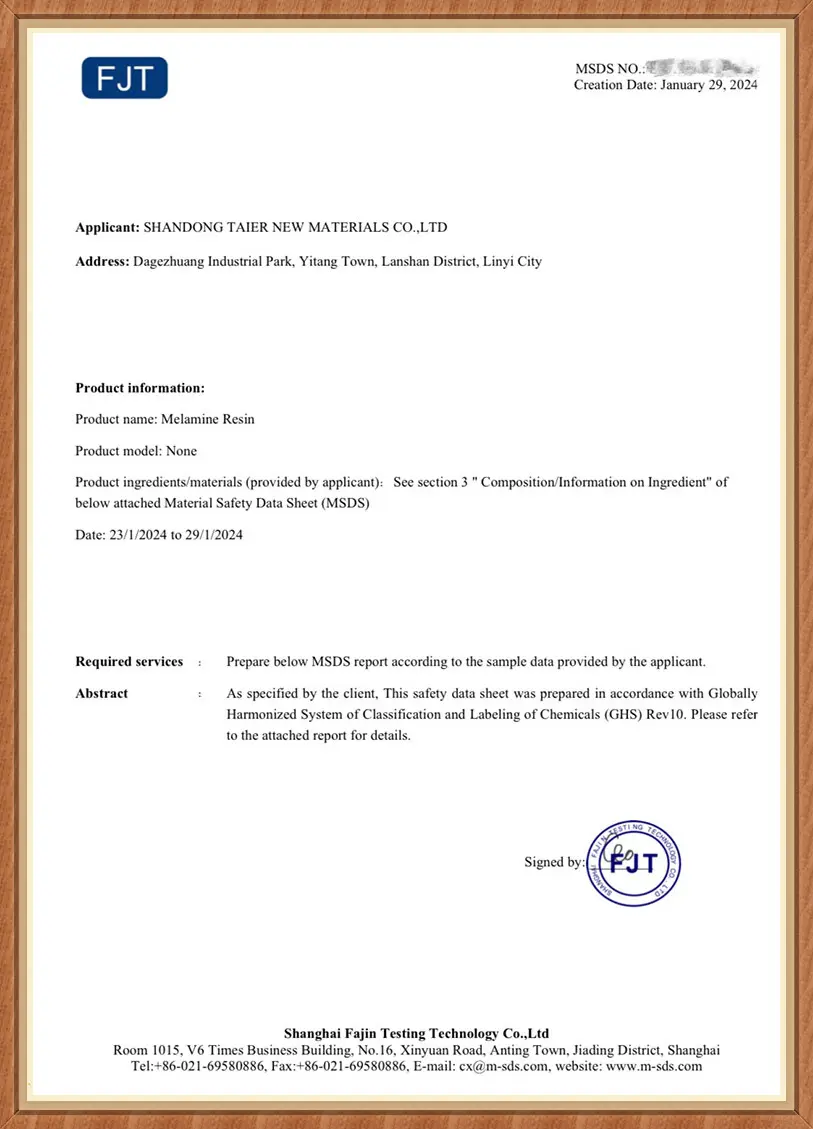
When sourcing industrial chemical raw materials, global procurement departments must focus on maintaining quality, securing consistent supply, and verifying safety certifications:
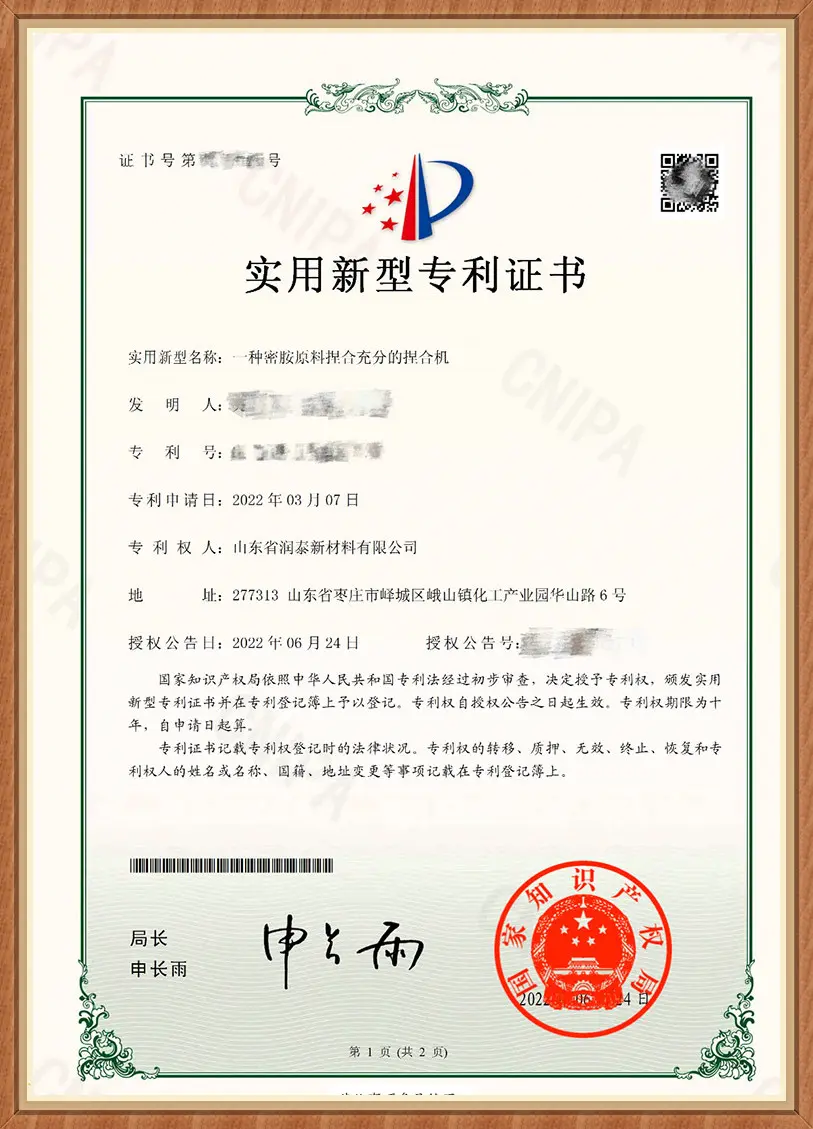
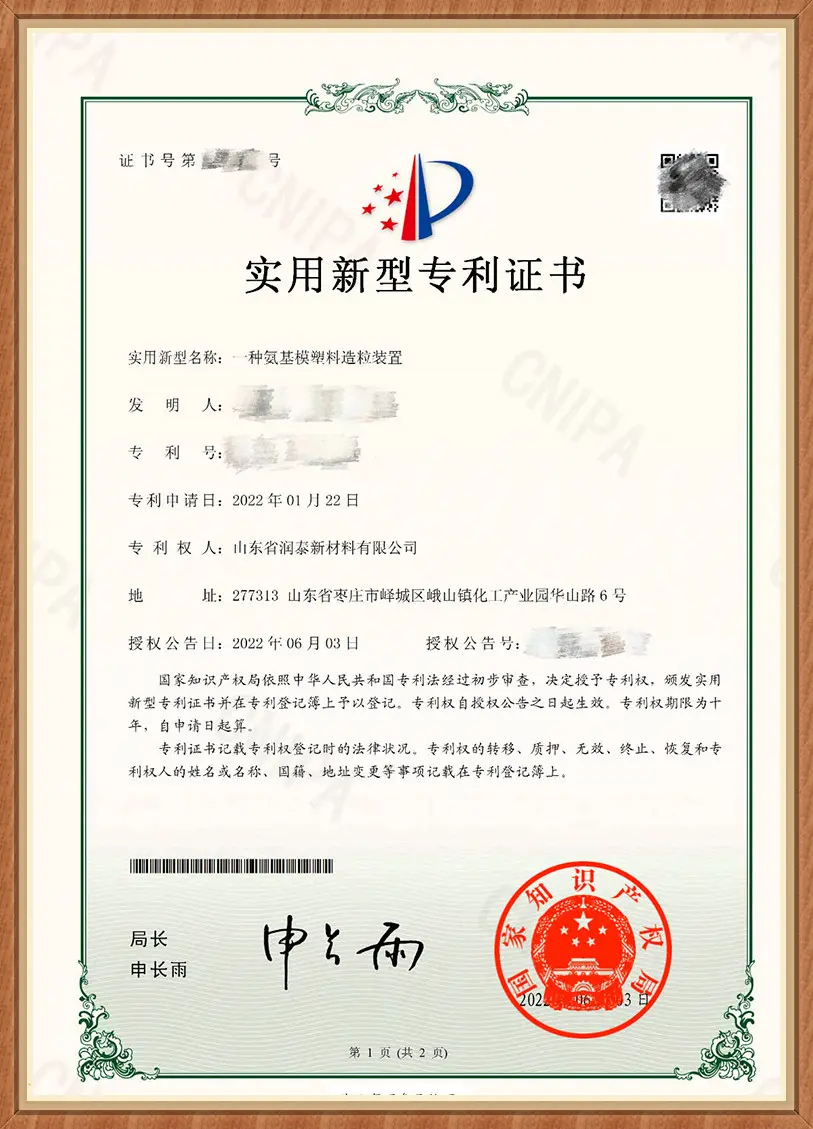
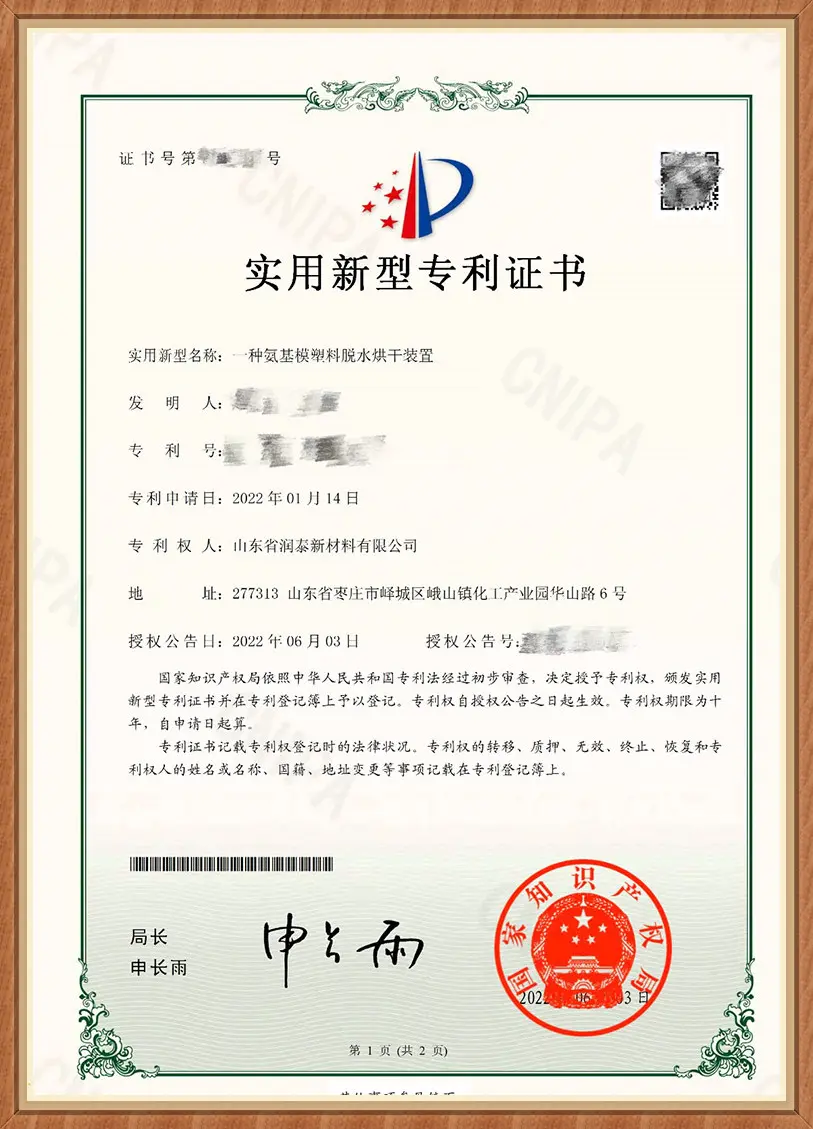
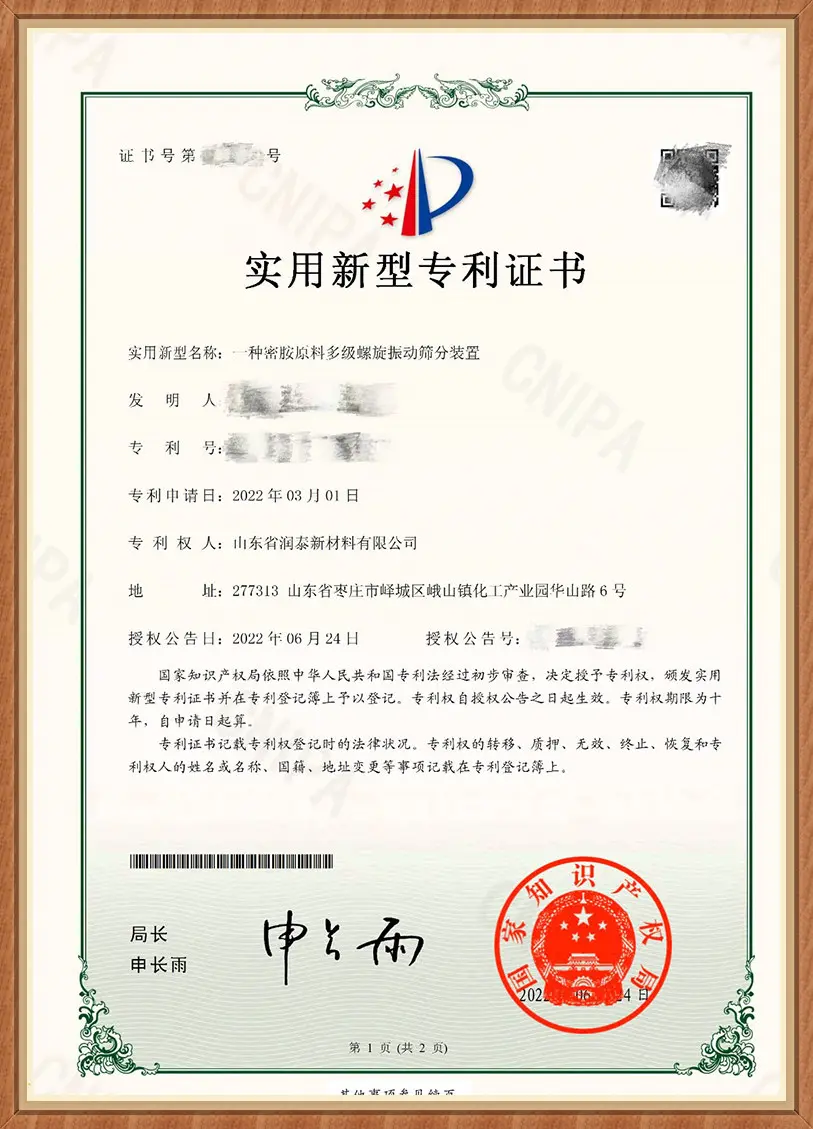
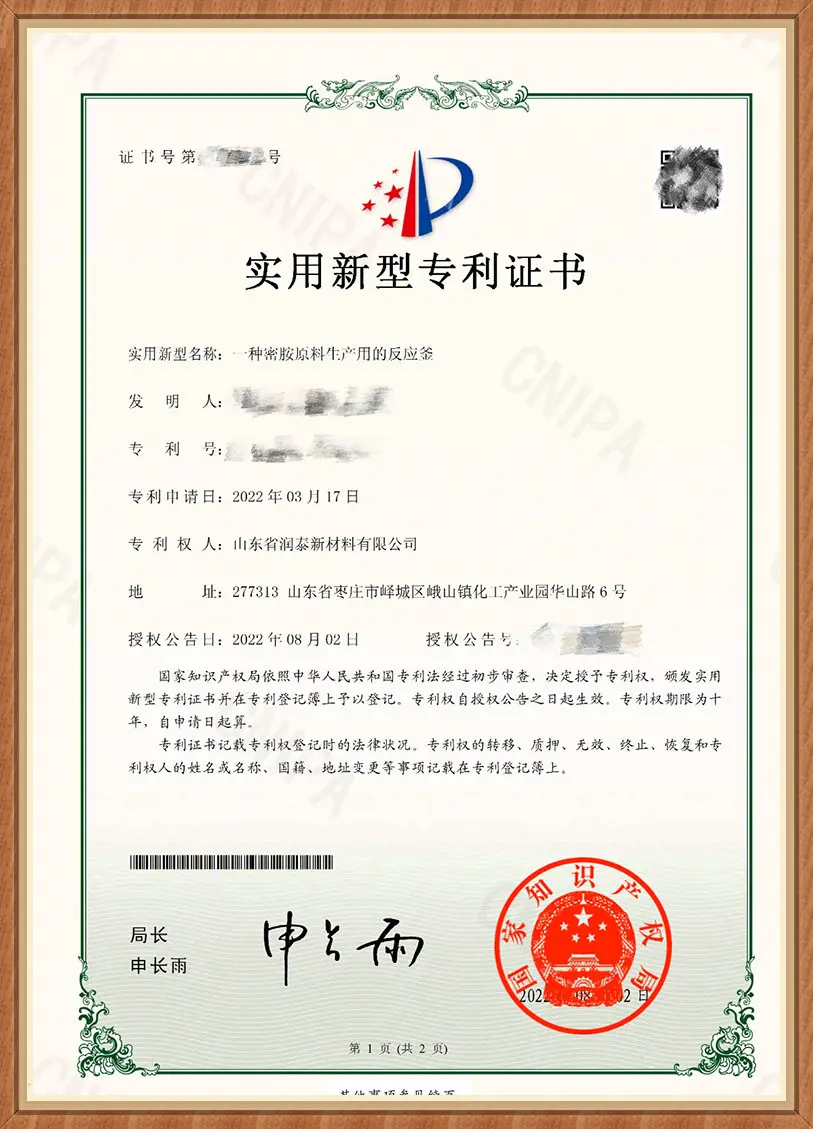
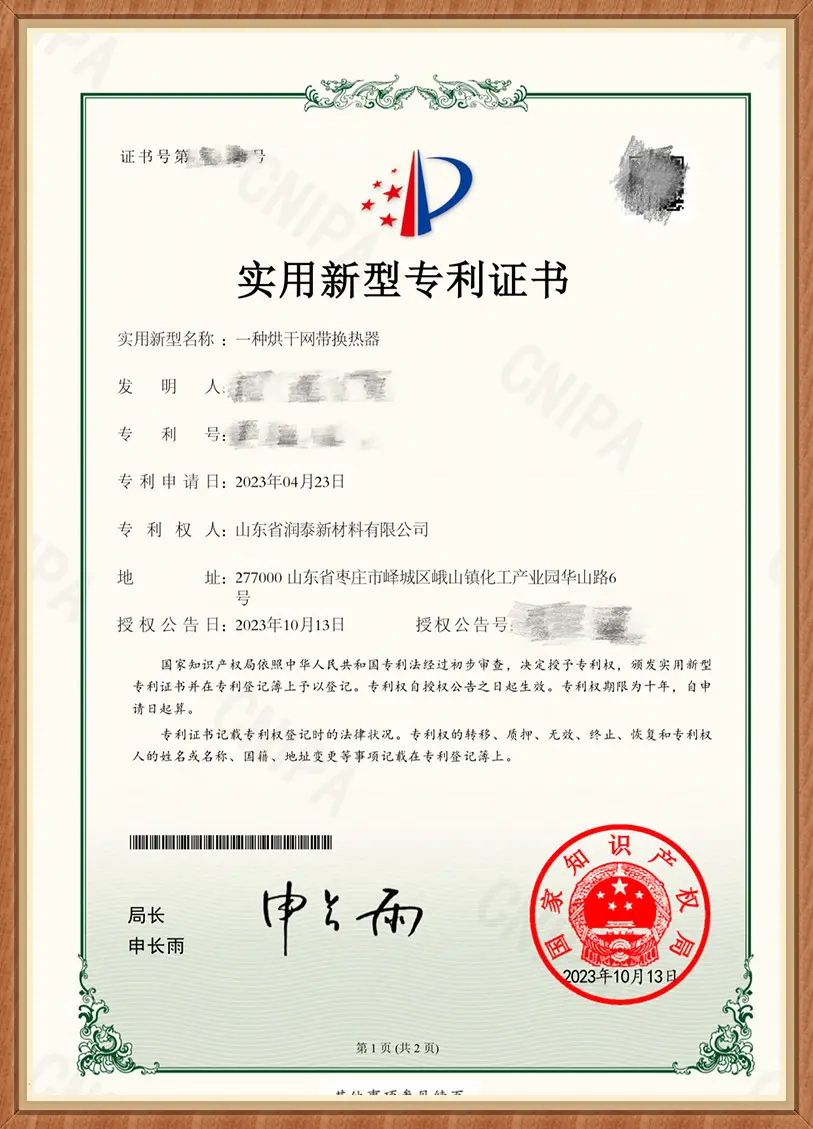
Certified operations and patented technologies supporting our manufacturing processes.
Answers to common engineering and commercial questions for procurement managers.
Additional chemical compounds, defoamers, and industrial adhesives from our production plants.
 Runtai