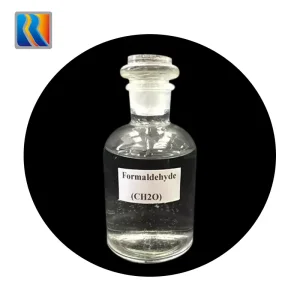

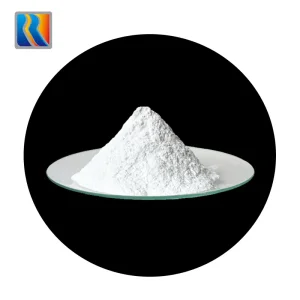

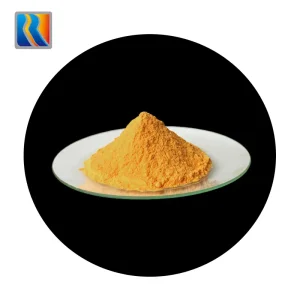
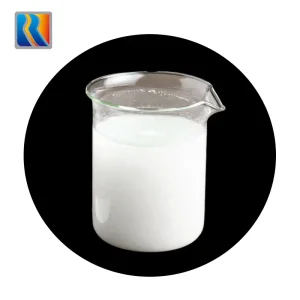
Founded in March 2020, Shandong Runtai New Materials Co., Ltd. is a comprehensive group firm that specializes in the research, development, and manufacturing of premium fine chemical products. Our primary industrial chemical portfolio includes formaldehyde, polyformaldehyde, urea formaldehyde resin, melamine powder, and highly specialized melamine glazing powder.
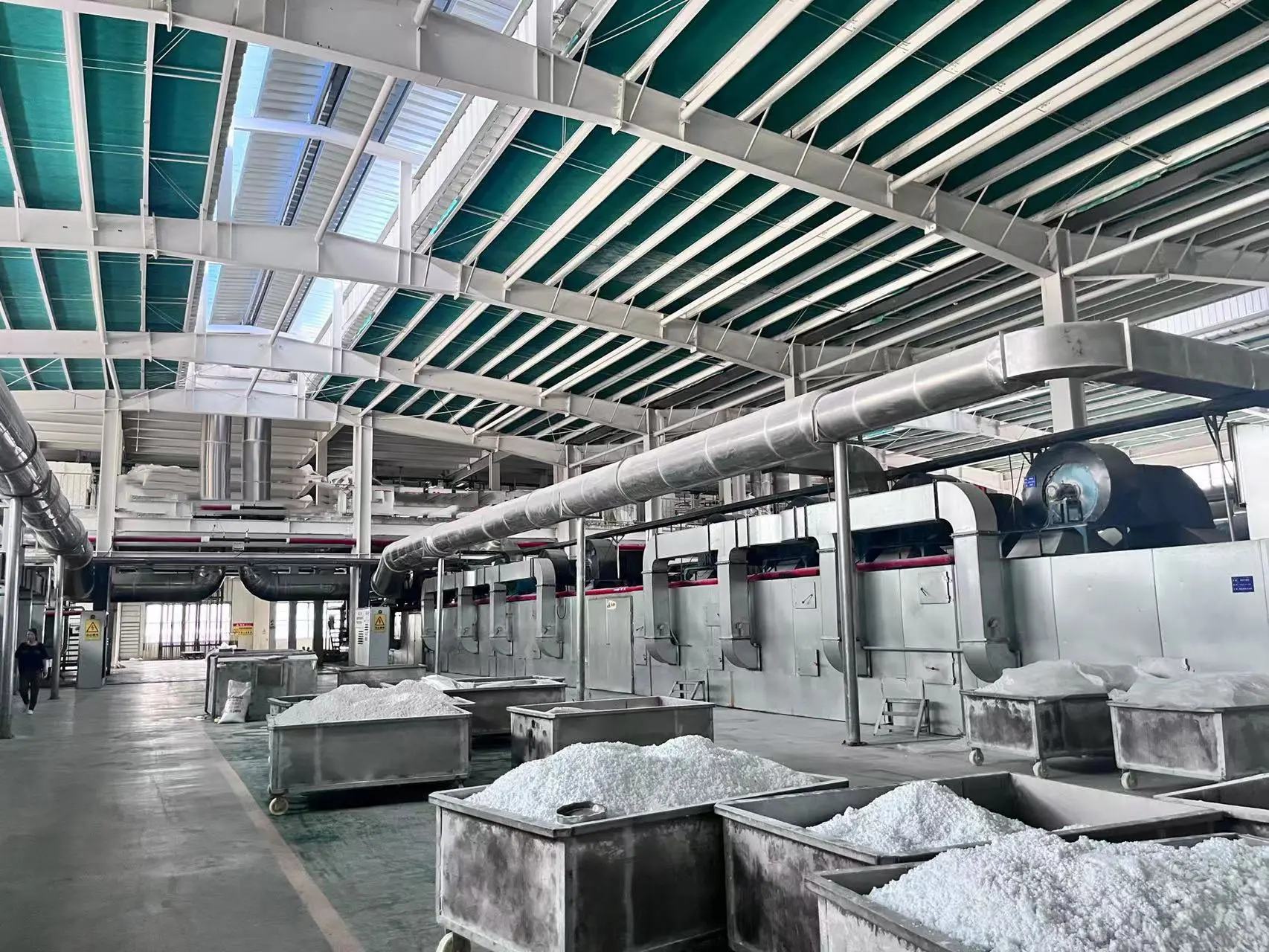
Headquartered in Zaozhuang City, Shandong Province, our industrial footprint spans across five distinct cities nationwide. With an expansive manufacturing zone covering 270,000 square meters and a total strategic capital investment of 2.06 billion yuan, Runtai New Materials represents the forefront of high-capacity chemical synthesis and polymer engineering in China.
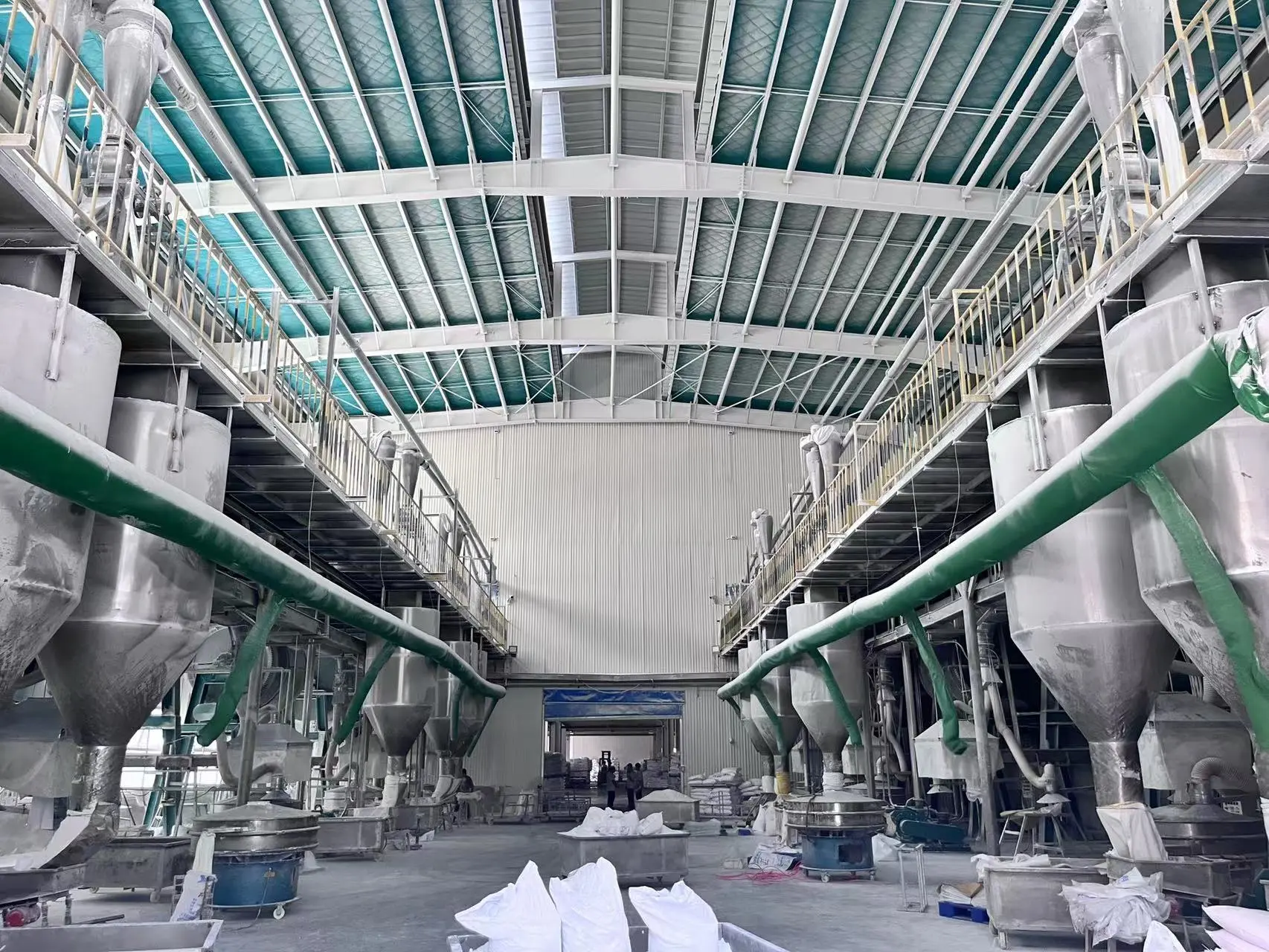
By leveraging continuous technological upgrades and advanced process lines, Runtai New Materials has secured approximately 80% market share in China for melamine-based resins and raw components. This dominant position allows us to offer unmatched price-to-performance stability for global clients.
We are actively expanding our overseas trade routes, exporting high-grade chemical powders and resins to the United States, Thailand, Kenya, Egypt, and many other global hubs. Our service design focuses heavily on custom chemical synthesis—allowing us to modify viscosity, cure times, and mesh particle sizes to meet the specific equipment configurations of our clients.
Utilizing state-of-the-art Distributed Control Systems (DCS) to monitor real-time chemical process parameters, ensuring consistent chemical purity, reduced resource waste, and zero safety deviations.
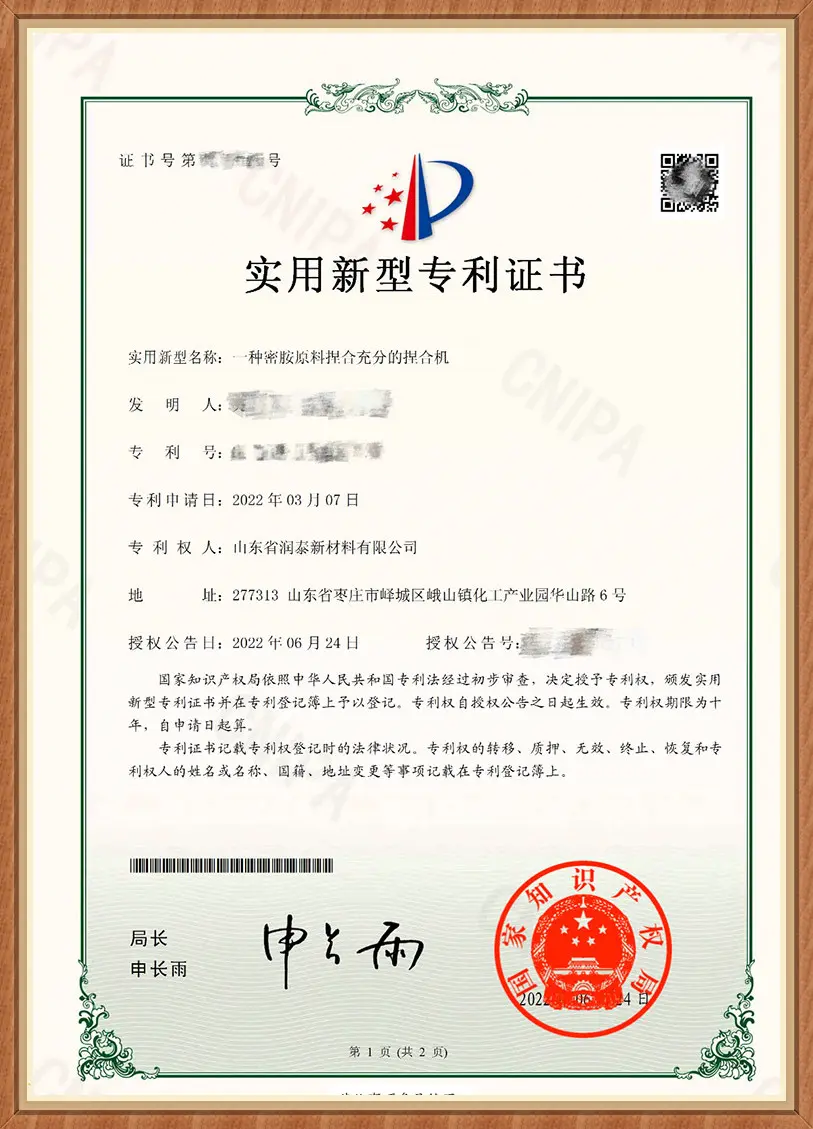
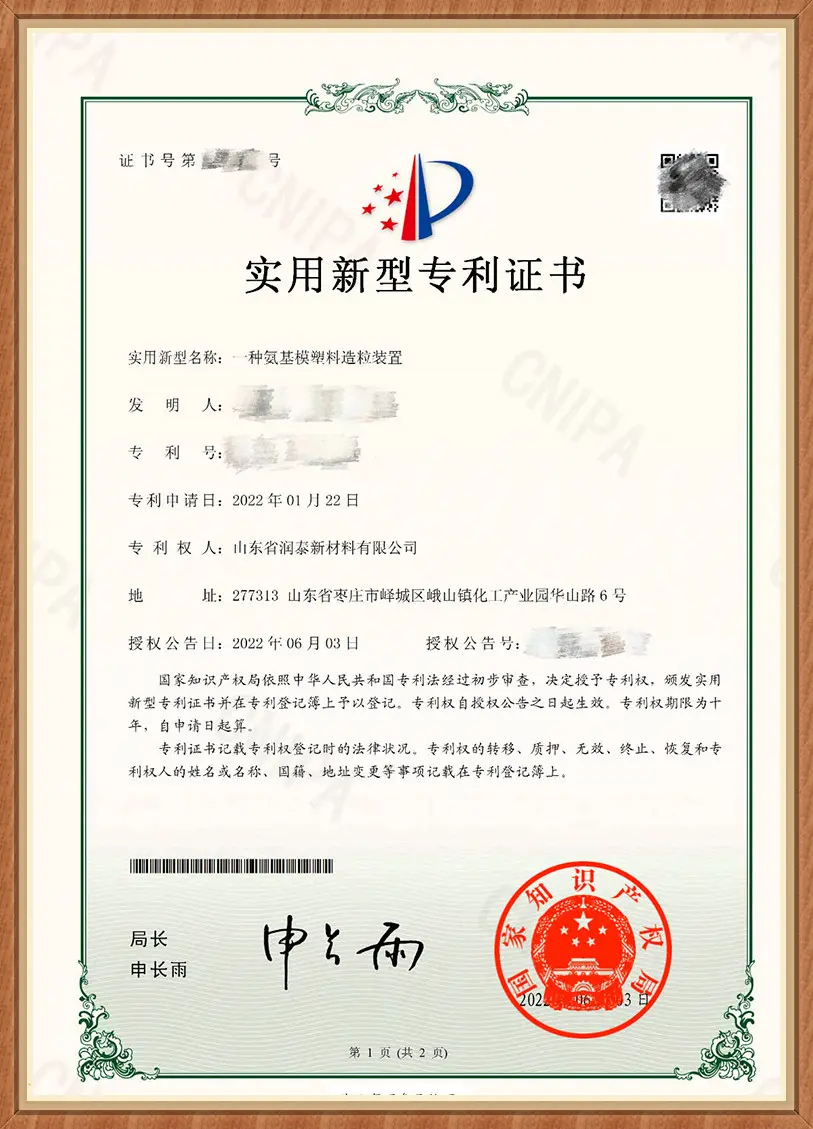
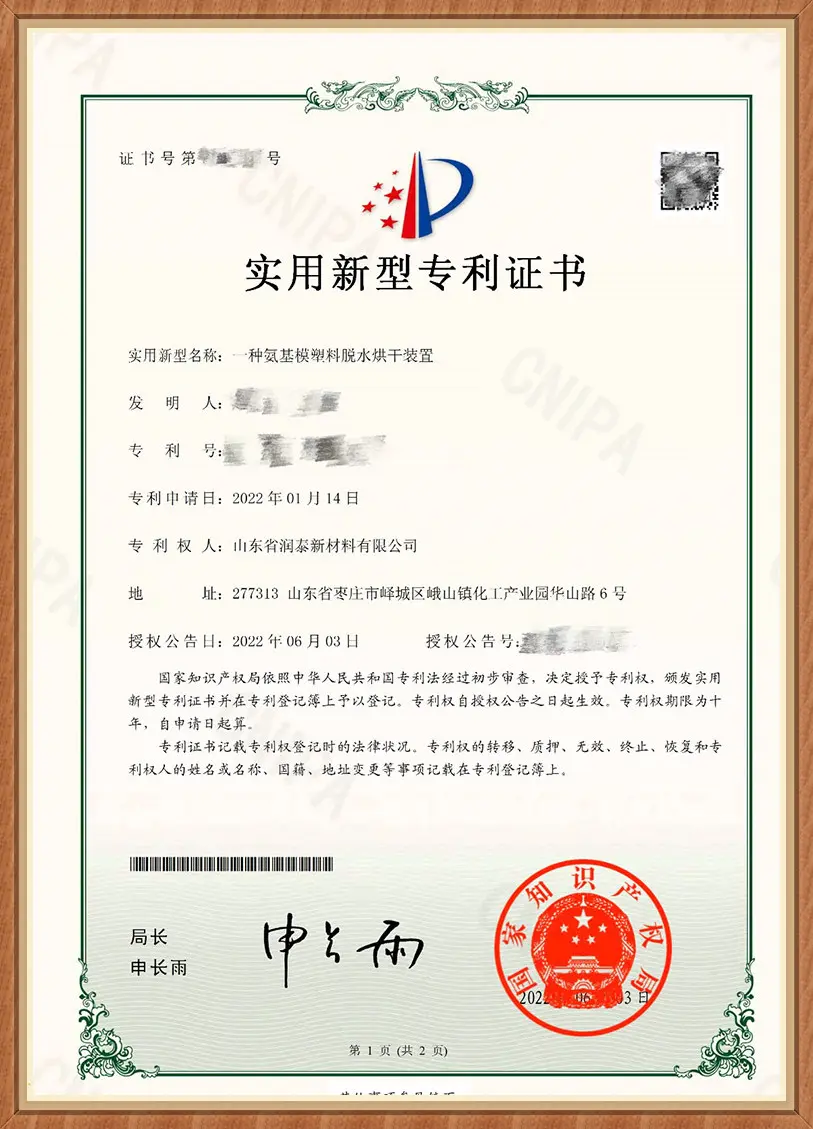
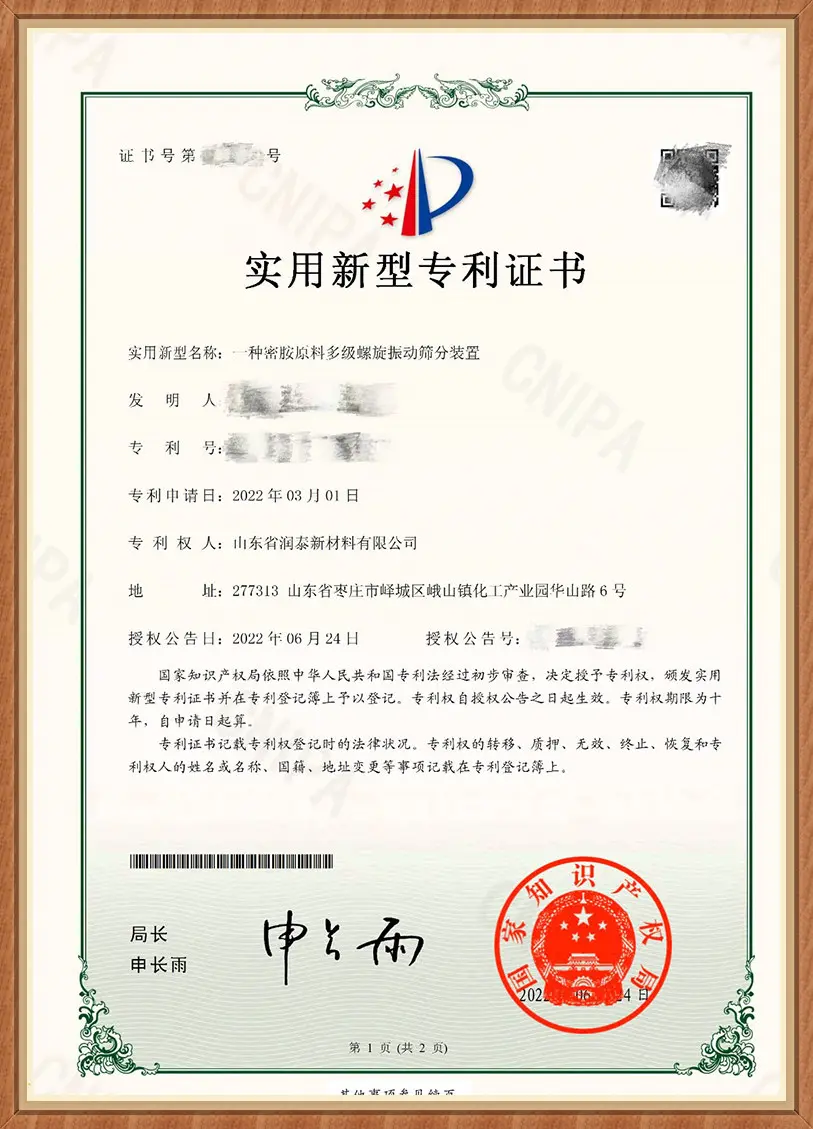
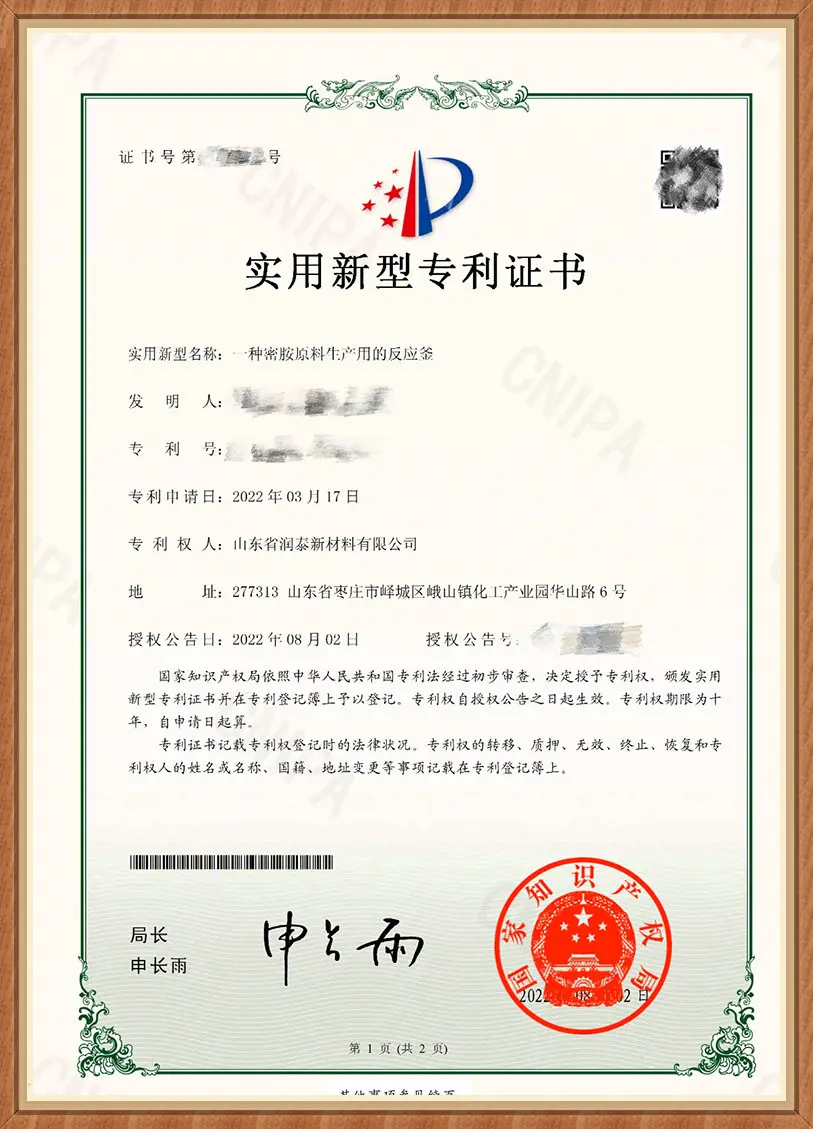
Partnered with the Changzhou Research Institute of Beijing University of Chemical Technology. Backed by a dedicated doctoral research squad and a portfolio of proprietary national patents.
Our upstream production of formaldehyde directly feeds our melamine and glazing powder lines. This vertically integrated supply chain insulates global buyers from wild pricing fluctuations.
In modern industrial design and consumer housewares, the demand for lightweight, shatterproof, and aesthetically brilliant tableware has led to the exponential growth of "melamine pottery" or "imitation porcelain." To achieve the glossy, scratch-resistant surface finish that makes these materials look and feel like genuine glazed ceramics, manufacturers rely heavily on melamine glazing powder.
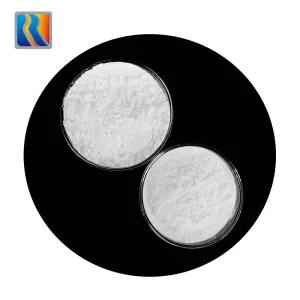
Melamine glazing powder is a thermosetting compound synthesized through the condensation polymerization of melamine and formaldehyde. Unlike regular molding compounds (MMC or UMC), glazing powder contains no cellulose fillers. Instead, it is formulated with high-purity resins, reaction catalysts, and surface-tension modifiers. During the final compression molding phase, the powder is dusted over the pre-formed product. Under heat (160°C - 180°C) and high pressure, it melts into a clear, vitreous protective shield that chemically cross-links with the substrate.
Procuring raw glazing powders from Chinese industrial giants like Shandong Runtai New Materials provides global buyers with several crucial advantages:
When sourcing glazing compounds for melamine-ceramic manufacturing, technical directors must evaluate several parameters. Below is a structural guideline of how Shandong Runtai matches these key parameters to meet global quality standards:
We provide multiple grades of glazing powders tailored to specific application requirements:

As the consumer and hospitality industries phase out single-use plastics and fragile glass, high-end melamine pottery has emerged as the premier choice. Our macro-level solutions support:
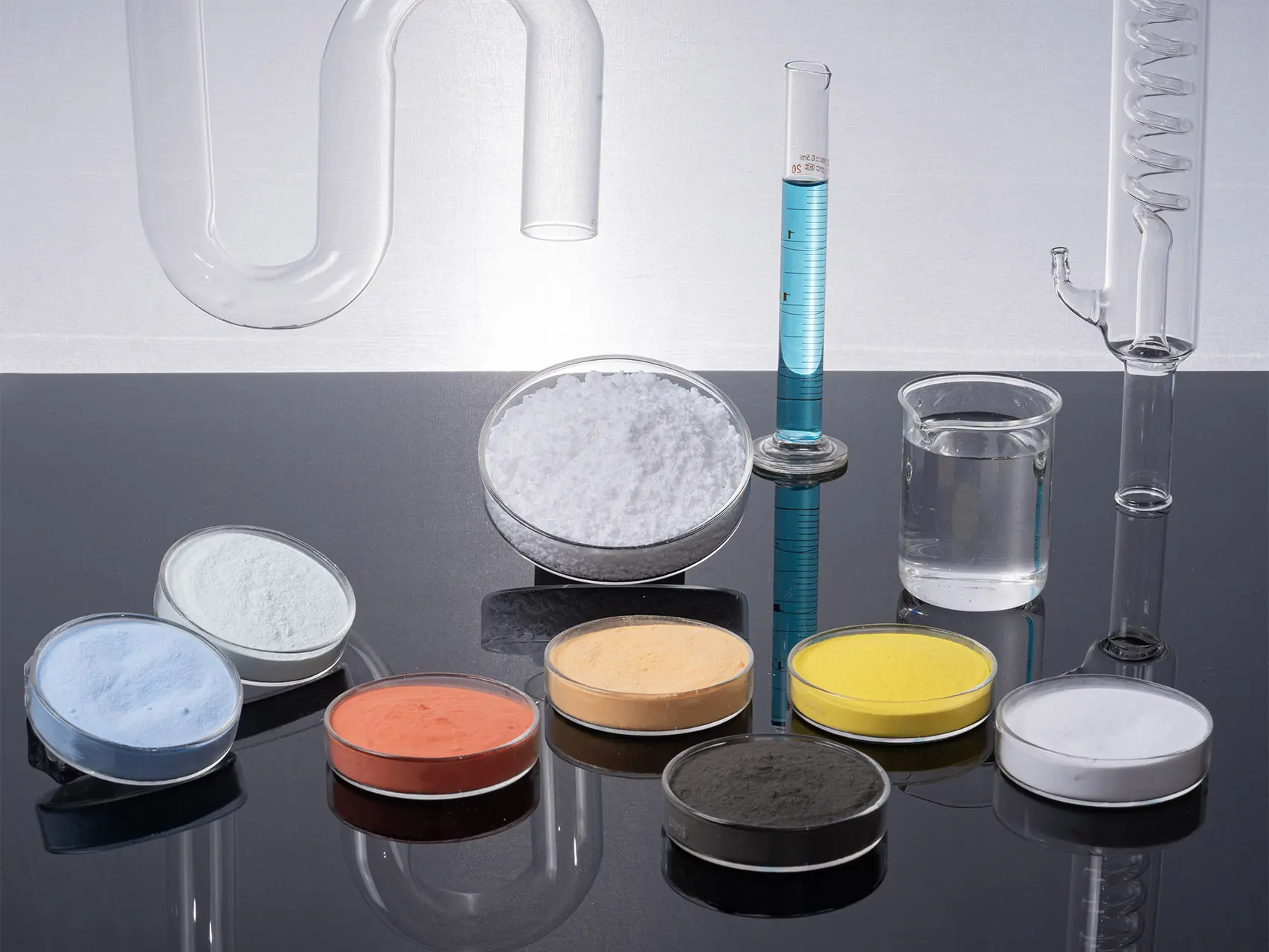

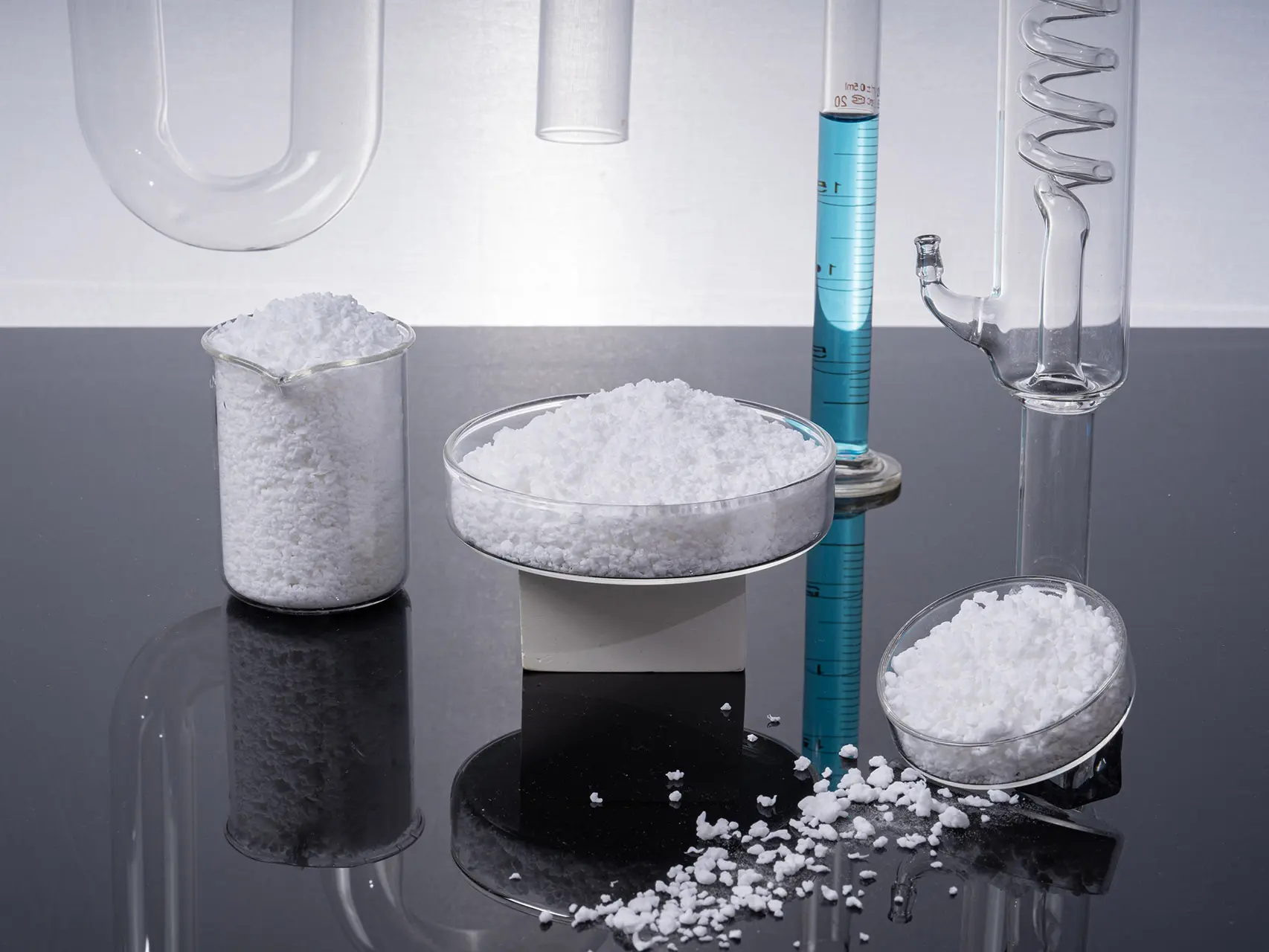
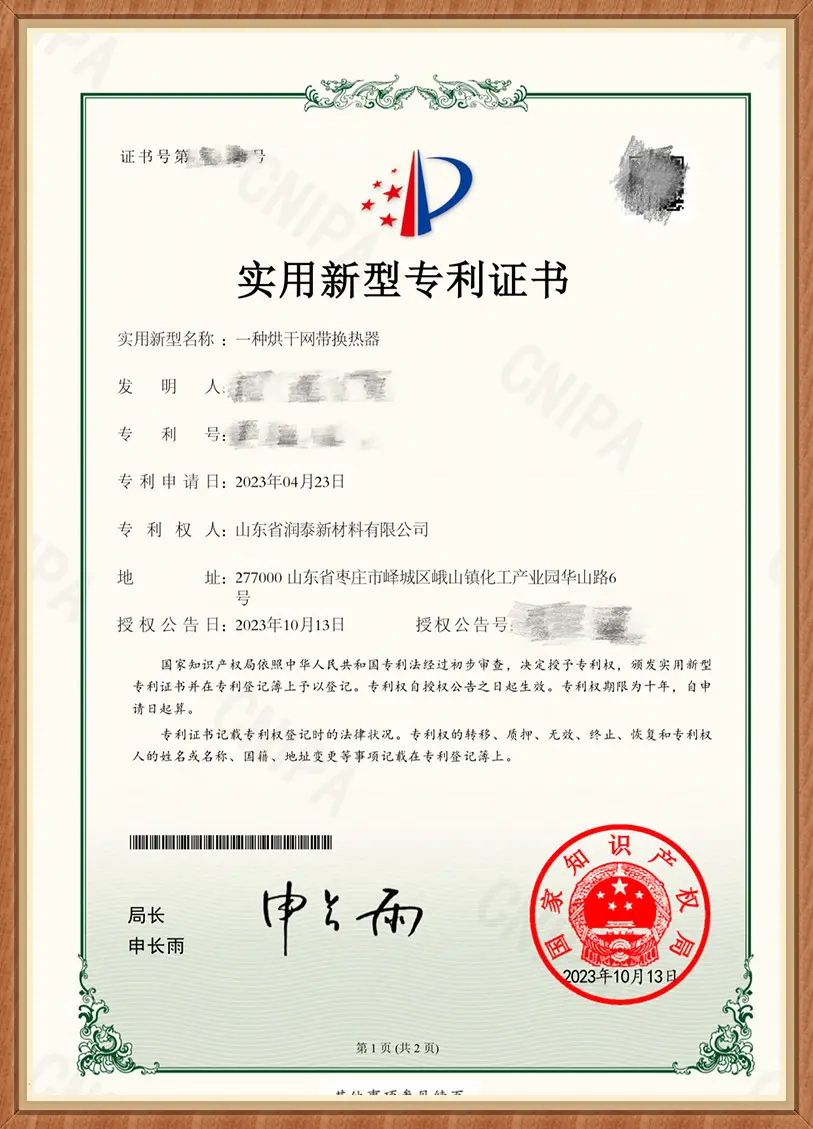
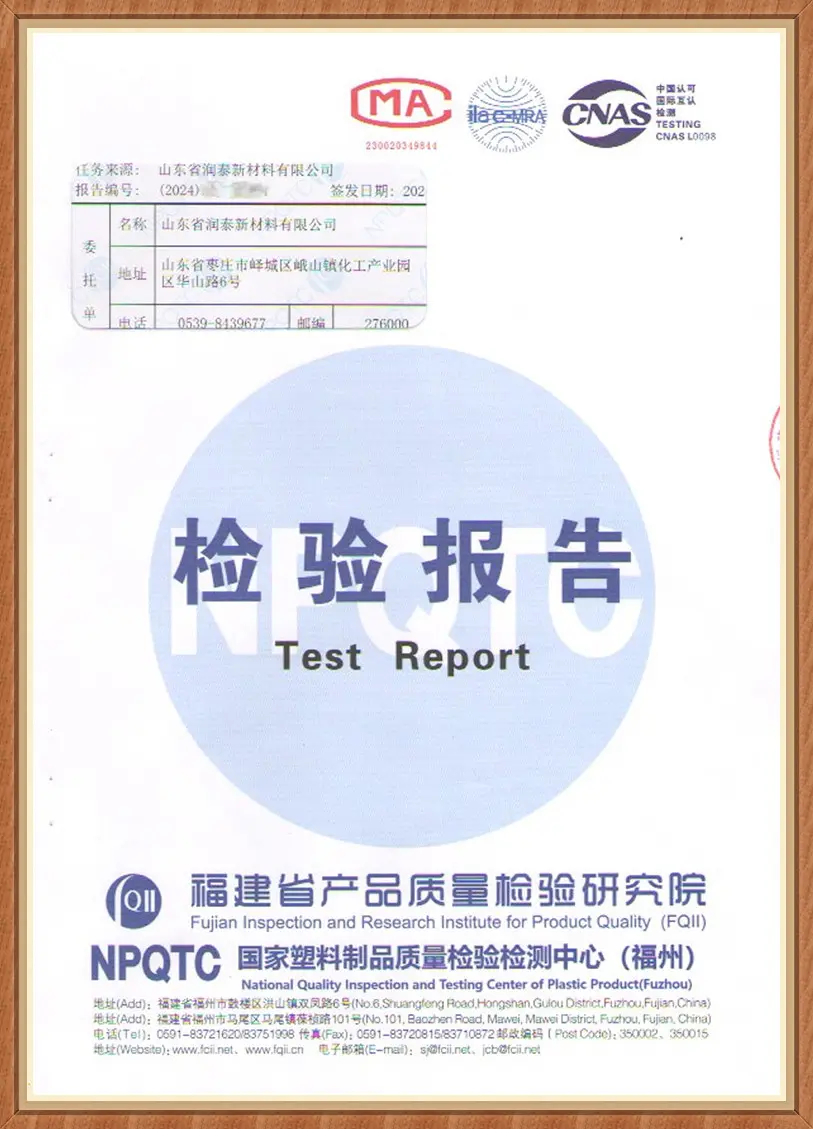
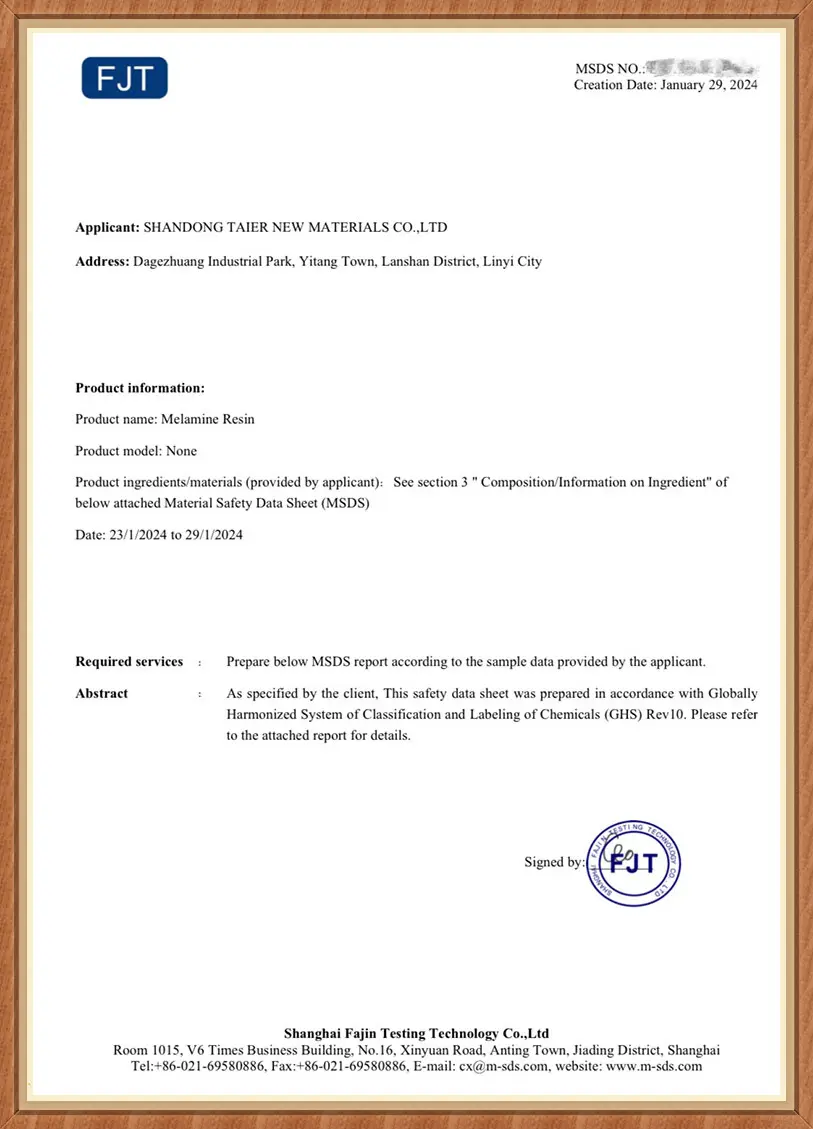
We supply a massive array of fine chemical products and high-performance resins. Below is the direct catalog structure for global purchase teams:
Melamine Moulding Compound (MMC), Urea Moulding Compound (UMC), Melamine Glazing Powder
Urea Formaldehyde Resin, Phenolic Resin, Packaging Film Adhesives
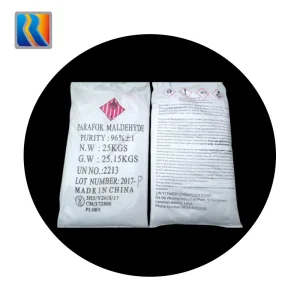
Mineral Oil Defoamers, Ammonium Salt Dispersants, Acrylic Acid-Based Swelling Thickeners, Formaldehyde, Paraformaldehyde
Melamine Moulding Compound contains pulp/cellulose fillers and color pigments, used to mold the core structural body of the tableware. Melamine Glazing Powder contains no cellulose filler and is a highly refined melamine-formaldehyde resin dust. When applied to the molded surface, it liquefies to form a transparent, glossy, and durable protective shell, similar to the glaze on pottery.
Yes. Our chemical synthesis processes ensure that our melamine glazing powders and compounds meet or exceed the requirements of US FDA 21 CFR 177.1460, EU Commission Regulation No. 10/2011, and Germany's LFGB food safety parameters. We verify chemical migration limits regularly in independent accredited laboratories.
Absolutely. Through our active collaboration with the Changzhou Research Institute of Beijing University of Chemical Technology, we can modify the catalyst concentrations and resin formulations to adjust the flow rate, molding pressure, and curing time (curing speed) to match your factory's exact machine settings and cycle time requirements.
We maintain an 80% market share in China due to our immense manufacturing capacity (380,000 tons of formaldehyde, 60,000 tons of melamine, and 300,000 tons of urea-formaldehyde resin annually) combined with complete vertical supply integration. This scale allows us to buffer raw material cost shocks and deliver unmatched batch-to-batch consistency.
Thermosetting powders are highly sensitive to moisture and temperature. We package our glazing powders in moisture-proof woven bags with PE inner liners (25kg net weight). We recommend storing them in cool, dry, ventilated areas below 30°C, away from direct sunlight, to avoid pre-curing and clumping.

 Runtai