Explore our foundational range of highly synthesized water-based formulations, acrylic thickeners, formaldehyde derivatives, and specialized molding compounds.
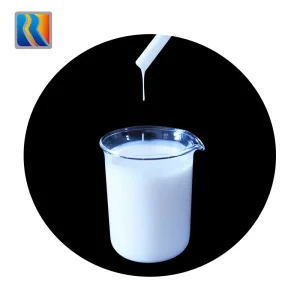
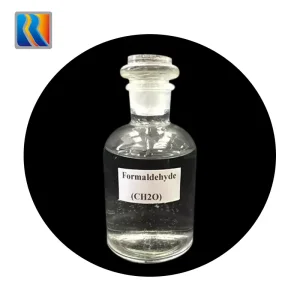
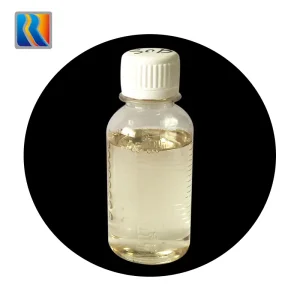
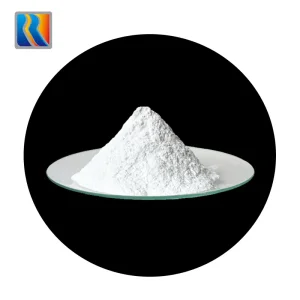
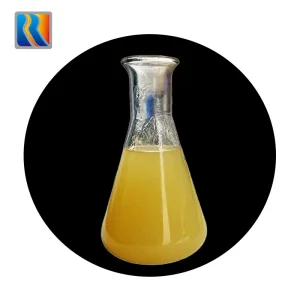
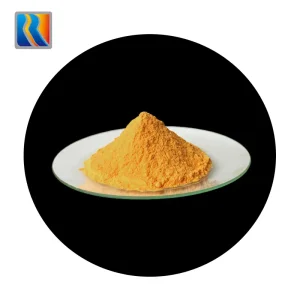
Poly Urea Formaldehyde (PUF) resins represent the pinnacle of thermosetting polymer technology. Formulated through the precise polycondensation of urea with formaldehyde under strict thermodynamic controls, these matrices provide exceptional cross-linking density. As a leading manufacturer, our raw material formulations prioritize mechanical structural integrity, thermal resistance, and optimal curing kinetics.
By tailoring the F:U (Formaldehyde to Urea) molar ratio during polymerization, we control structural branching to deliver precise viscosity, solid content, and shelf-life profiles. Whether optimized for low-pressure laminates, medium-density fiberboards (MDF), or compression molding operations, our PUF chemicals ensure mechanical strength and processing stability.
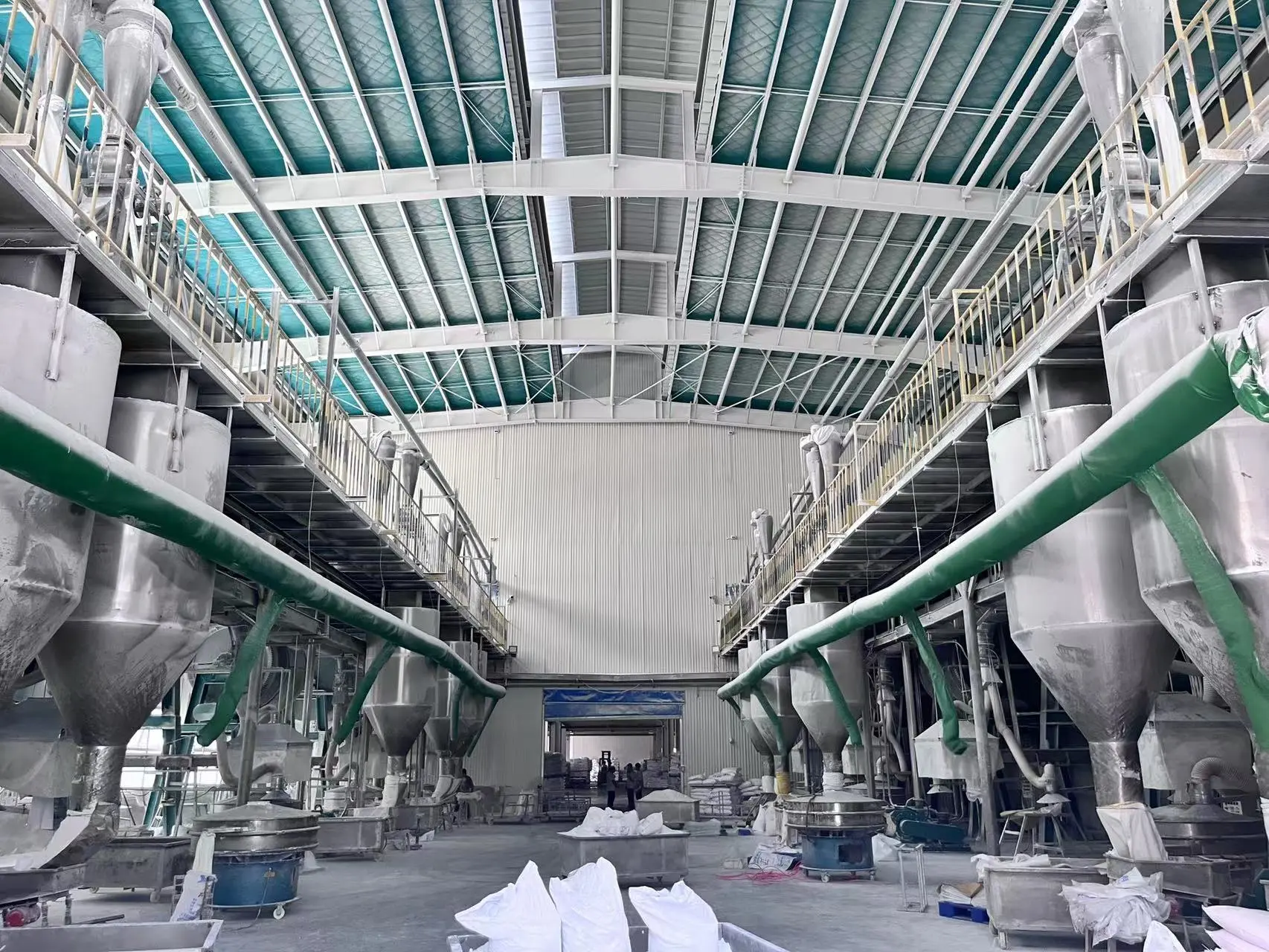
Comprehensive Chinese Chemical Group specializing in high-capacity production, advanced DCS-driven automation, and deep scientific innovation.
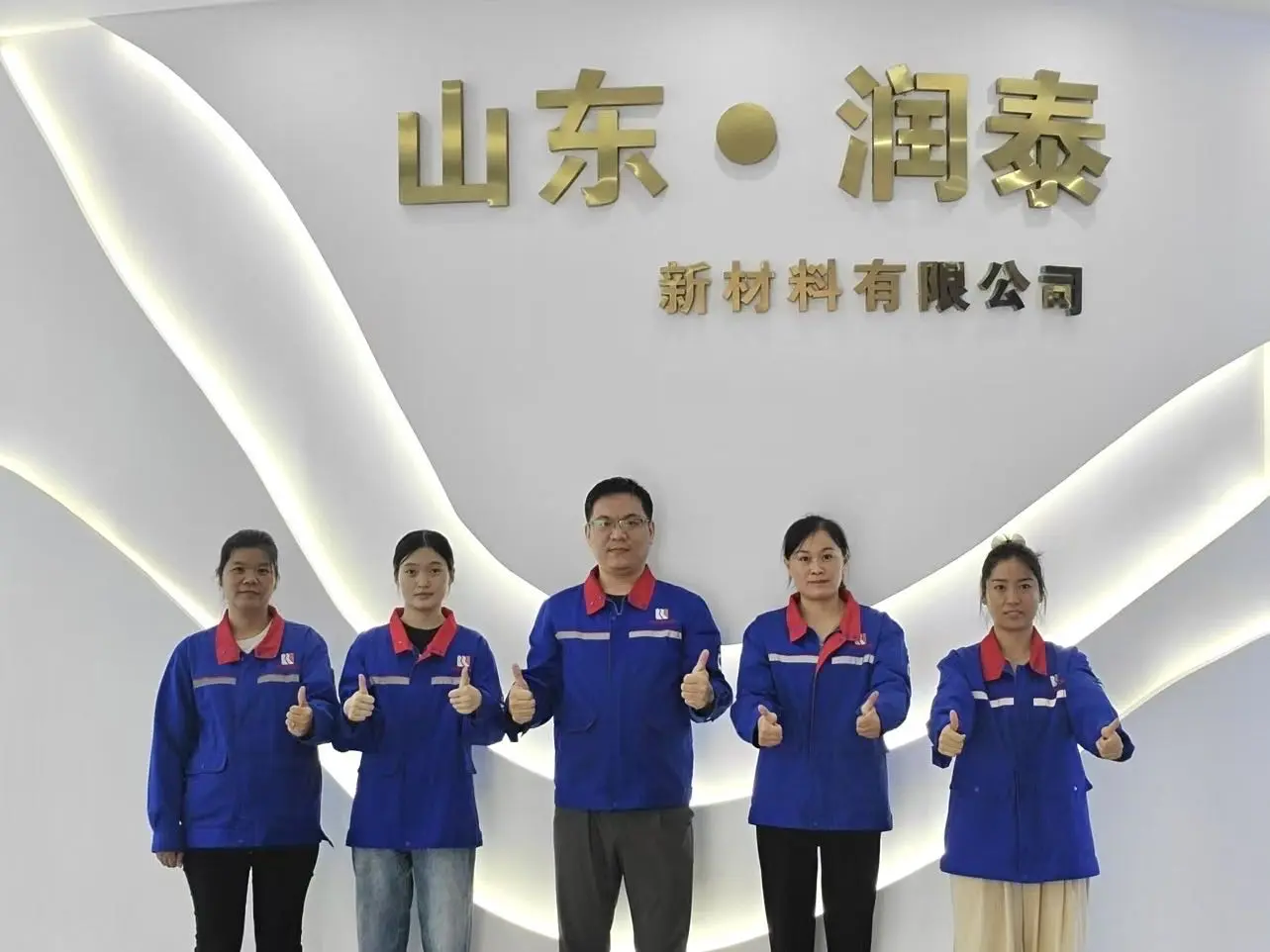
Founded in March 2020, Shandong Runtai New Materials Co., Ltd. is a comprehensive group firm that specializes in fine chemical products. Our primary products include formaldehyde, polyformaldehyde, urea formaldehyde resin, melamine powder and melamine glazing powder.
With its headquarters strategically located in Zaozhuang City, Shandong Province, the corporation has branches in five different cities throughout the whole country. Runtai New Materials covers an area of 270,000 square meters with a total investment of 2.06 billion yuan.
"Through technological innovation and state-of-the-art chemical engineering platforms, we aim to supply global supply chains with reliable polymer materials."
Our facility represents one of China's most capital-intensive, integrated production lines. We currently output:
This scale allows us to capture an estimated 80% market share in China, while supporting strong export pipelines to the United States, Thailand, Kenya, Egypt, and other regions.
Tailored engineering solutions designed to address complex manufacturing challenges across construction, automotive, consumer goods, and wood manufacturing sectors.
High-dry-strength and water-resistant resins for MDF, plywood, and particleboard production. Our formulations are optimized to meet structural emission criteria (E0, E1, CARB2, EPA TSCA Title VI) without compromising bond strength or curing speeds.
Urea Moulding Compound (UMC) and Melamine Moulding Compound (MMC) for compression molding of electrical housings, switches, circuit breakers, and tablewares, providing high surface hardness, arc resistance, and flame-retardant properties.
Glazing powders designed to create hard, scratch-resistant protective skins over thermosetting materials. Extends service life, prevents moisture ingress, and resists chemical deterioration in food contact and industrial environments.
Runtai New Materials serves as a critical supplier in international supply networks. Our logistics team handles complex, bulk-liquid, and dry powder transportation across multiple borders, meeting stringent compliance frameworks.
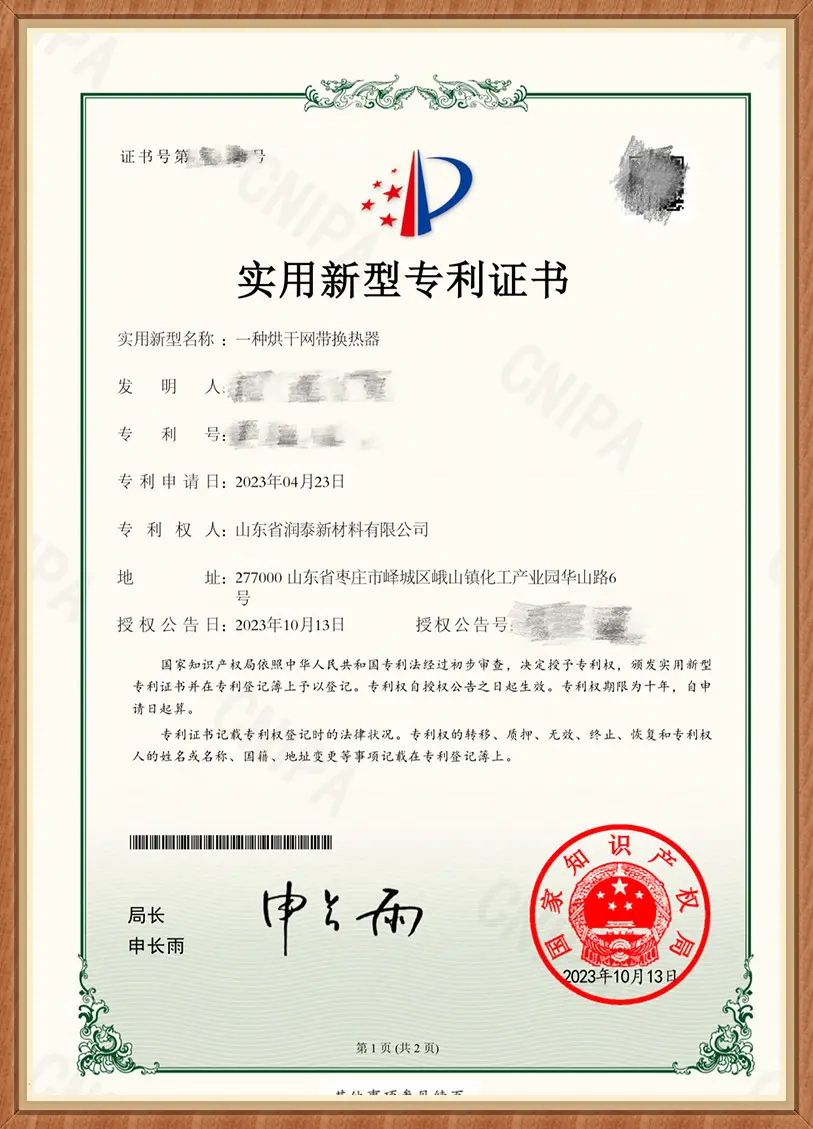
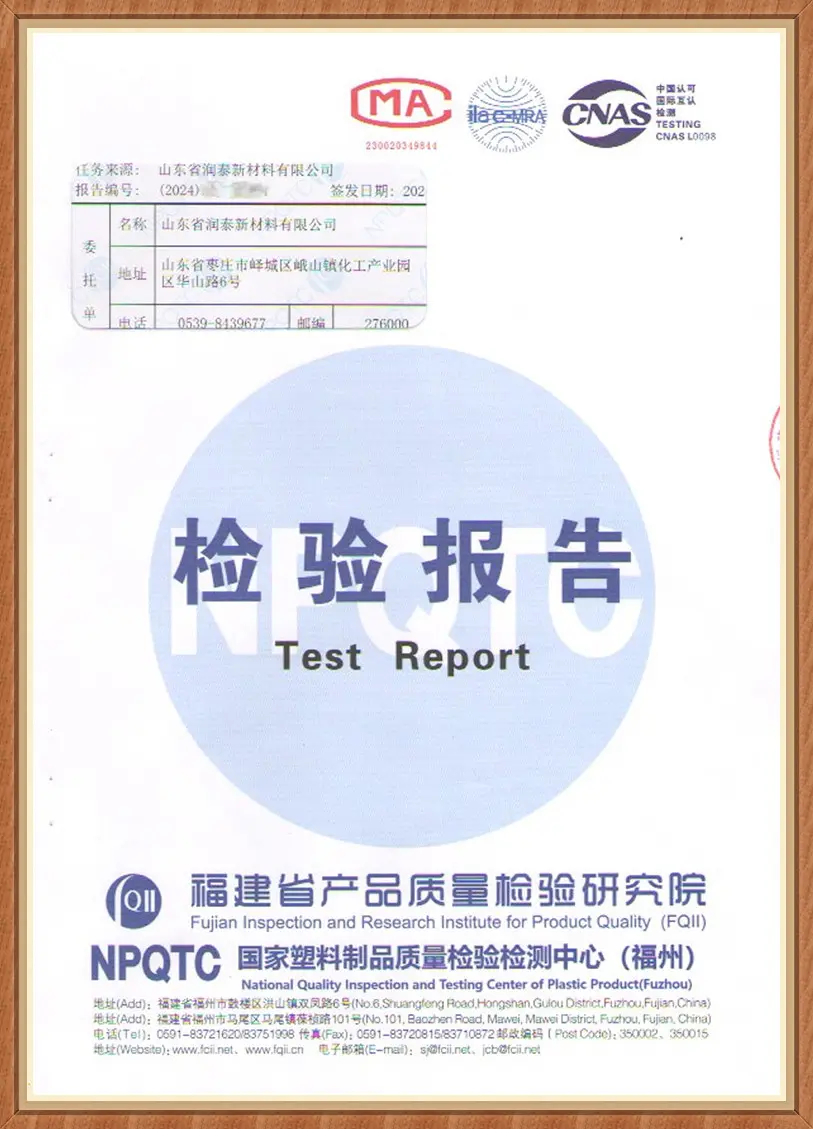
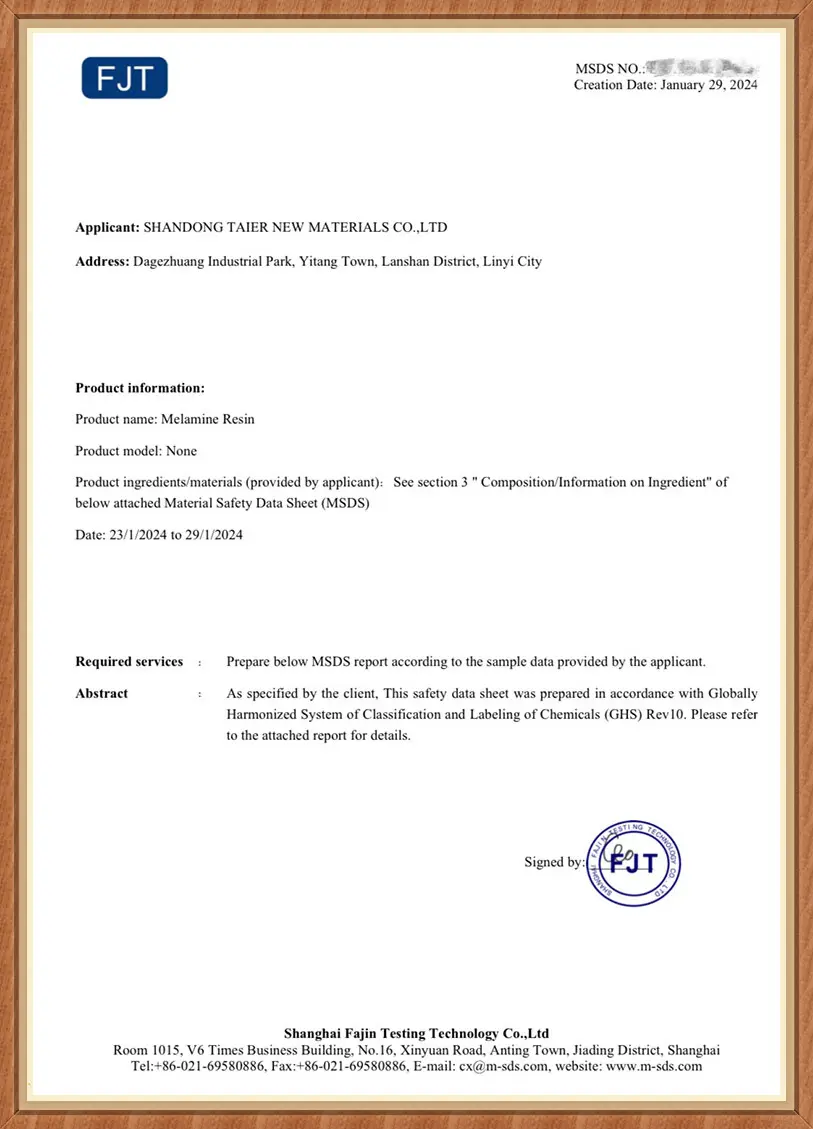
We operate in accordance with international chemical safety standards, securing compliance certificates and providing documentation such as MSDS, TDS, REACH certifications, and SGS performance ratings. We support regional logistics systems, custom shipping protocols, and localized technical services in the US, Africa, Middle East, and Southeast Asia.
Continuous emission and safety monitoring for regulatory compliance.
Moisture-resistant paper bags and chemical-resistant intermediate containers (IBCs).
Our core advantages rely on automated control systems, material science innovations, and research partnerships.
We implement automated processes via DCS systems, allowing operators to monitor reaction parameters, temperatures, reflux rates, and pH adjustments in real time, yielding high batch consistency and process safety.
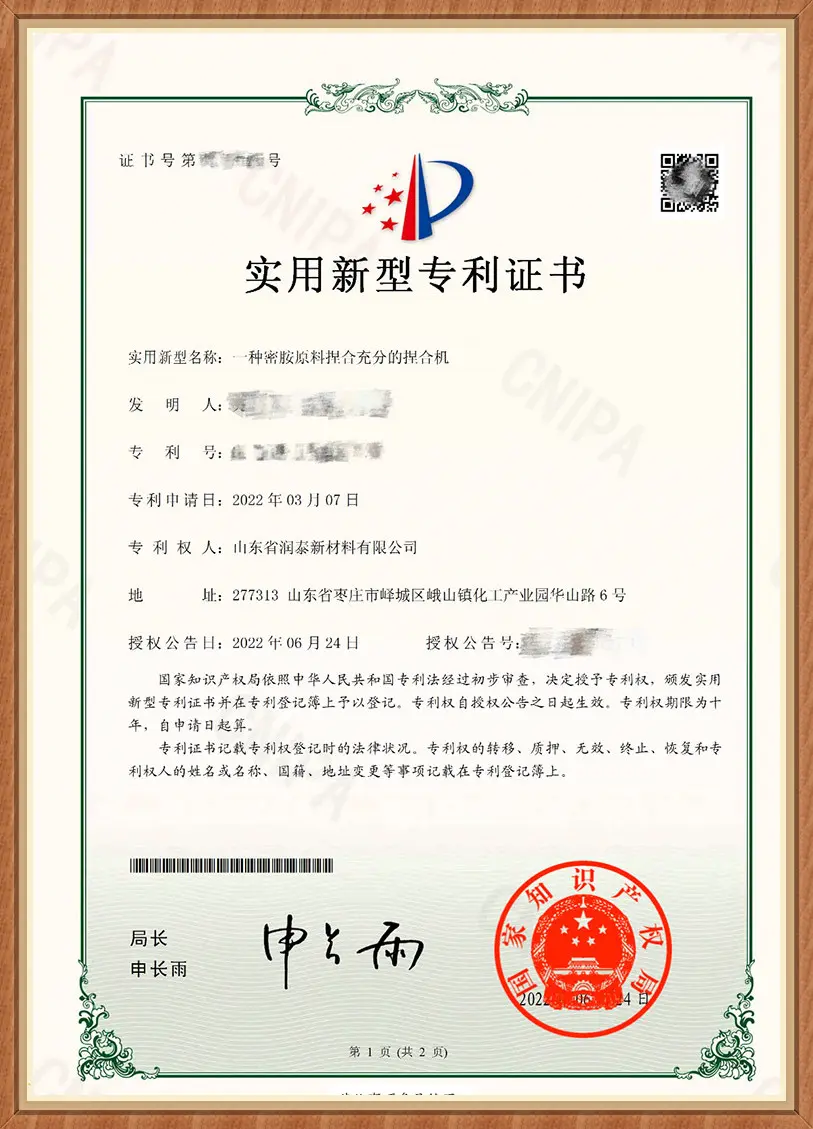
Partnered with Changzhou Research Institute of Beijing University of Chemical Technology, our facility leverages research talent, academic R&D, and patented polymer chemistries to address evolving market demands.
We choose advanced, reliable equipment domestically and internationally. This increases process automation, reduces labor density, conserves energy, and lowers overall testing and production costs.
Using formaldehyde as a primary building block, our production lines extend to adhesives, coatings, resins, and upgrades for electrical, mechanical, and agricultural industries.
As an ethical company, Runtai New Materials prioritizes sustainable development and environmental preservation. Our commitment lies in developing and producing eco-friendly products that minimize their negative effects on the environment while adhering to pertinent laws, regulations, and standards.
The "quality first, customer first" attitude guides our business, and we embrace customer service with honesty and professionalism. Friends from both domestic and foreign locations are warmly invited to visit Runtai New Materials. We look forward to collaborating with you to build a better future together!

A multi-year developmental strategy focusing on carbon footprint reduction, zero-emission synthesis, and advanced performance polymers.
Optimizing automated dosing configurations to narrow polymerization metrics and ensure consistent resin curing.
Partnering with BUCT to introduce formaldehyde-scavenging agents, pushing emissions below CARB Phase 2 and E0 thresholds.
Integrating lignin and agricultural residues into polycondensation pathways, reducing petrochemical reliance and building circular economies.
Explore our specialized range of urea-formaldehyde derivatives, dispersants, performance adhesives, and advanced glazing powders.
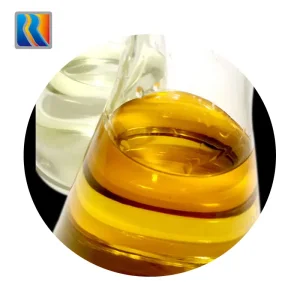
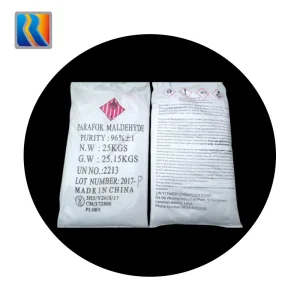
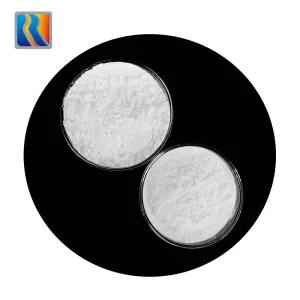
Our quality management systems meet ISO 9001 and ISO 14001 guidelines to maintain consistency and purity in chemical synthesis.
Technical guidance and processing insights compiled by our R&D engineers to address common polymerization and application queries.
Urea Formaldehyde resins generally cure within a temperature window of 110°C to 150°C. Standard systems require a catalyst (such as ammonium chloride or ammonium sulfate) to activate polycondensation. High-frequency or thermal hot-pressing machinery can adjust curing speeds based on panel thicknesses.
We manage formaldehyde emissions by controlling the free-formaldehyde ratio in our reactants, using advanced catalysts, and integrating formaldehyde-scavenging molecules during synthesis. This produces materials compliant with E1, E0, and CARB Phase 2 standards.
UMC utilizes a urea-formaldehyde matrix, offering good electrical resistance and mechanical properties at a lower cost, suitable for standard electrical plates and indoor applications. MMC utilizes melamine-formaldehyde, providing superior scratch resistance, lower water absorption, higher heat resistance, and compliance with food contact safety requirements for tableware.
Liquid UF resin is thermodynamically reactive and typically has a shelf life of 30 to 90 days, depending on storage temperatures. Storing the resin in cool, dry conditions (under 20°C) extends shelf life, while exposure to heat accelerates self-polymerization and viscosity buildup.
Key quality parameters include active solid content, pH sensitivity, and shear-thinning response. Standard thickeners remain low in viscosity at acidic pH levels but swell to form thick gels under neutral-to-alkaline conditions, providing stable pigment suspension and paint consistency.
 Runtai