Direct sourcing channels for engineering-grade monomers, polymers, and compounding agents.
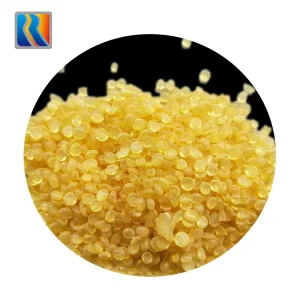
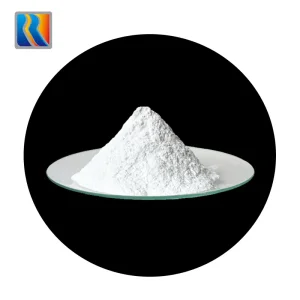
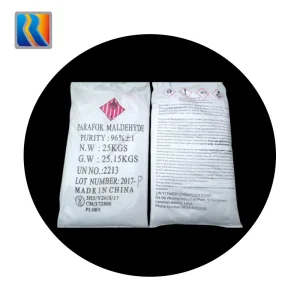
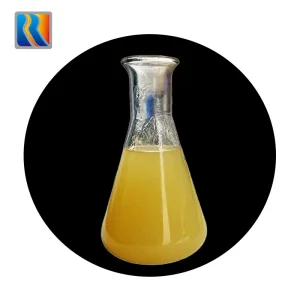
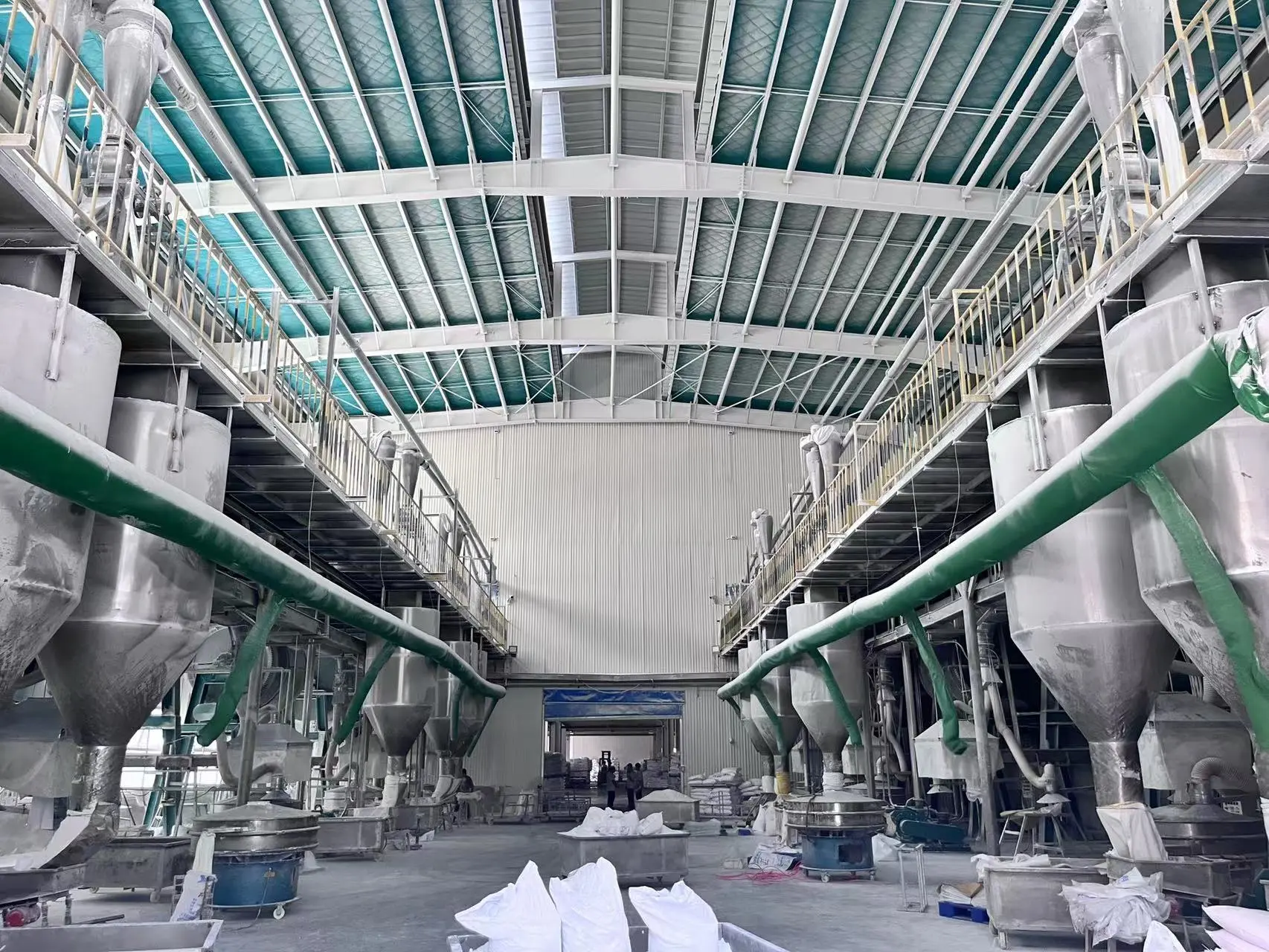
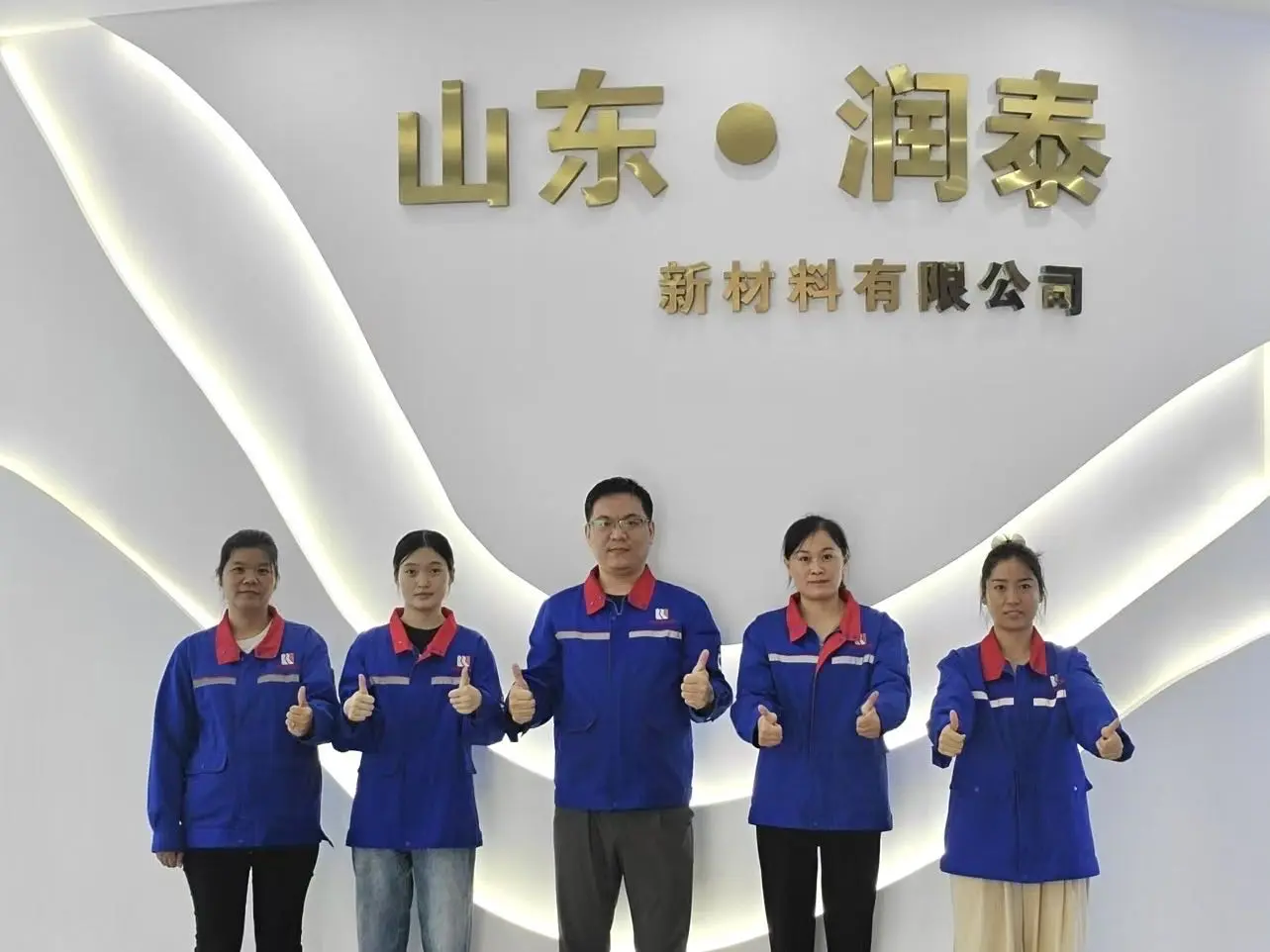
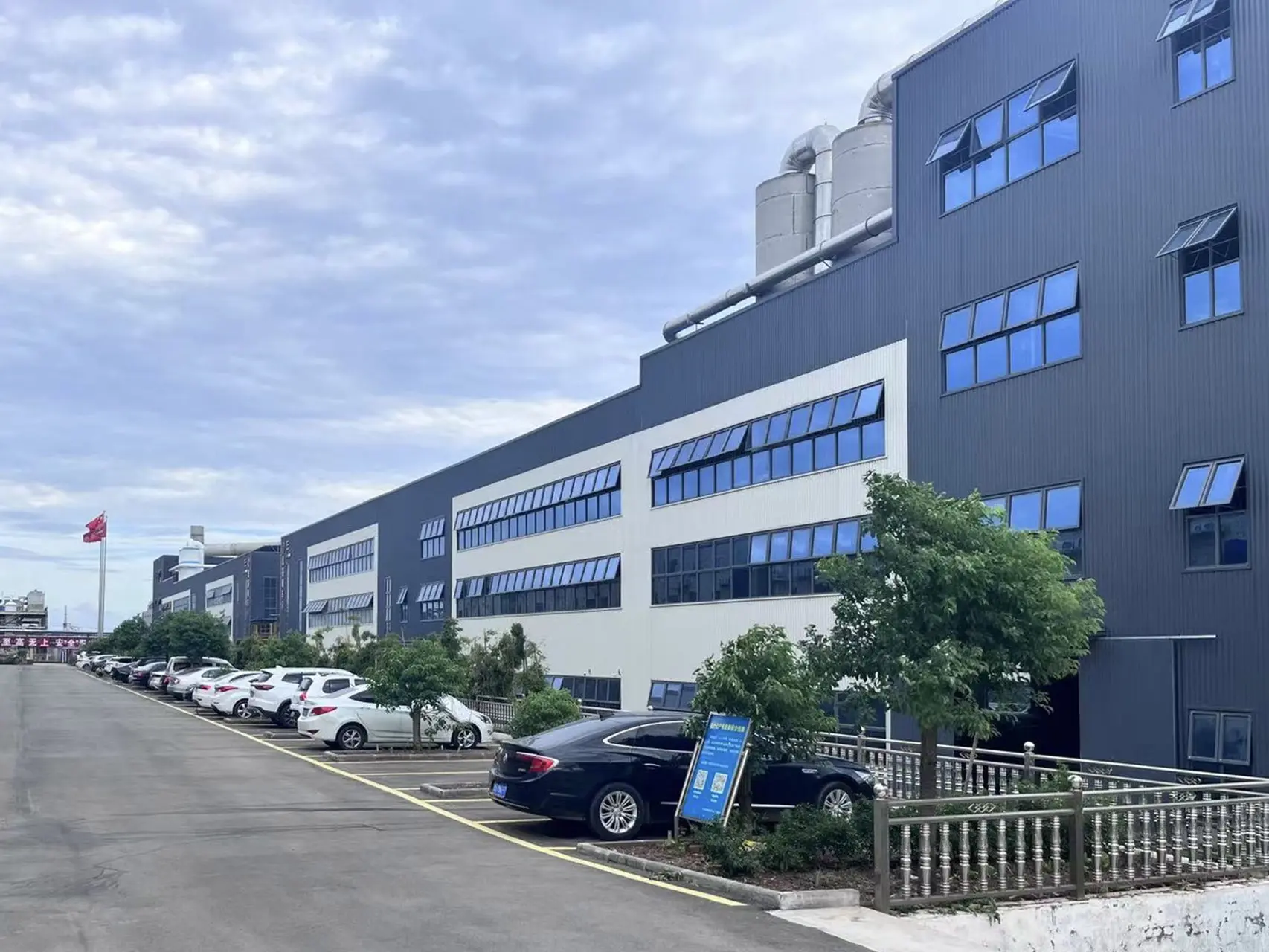
Founded in March 2020, Shandong Runtai New Materials Co., Ltd. has established itself as an industry-leading, comprehensive chemical enterprise specializing in high-end fine chemical products. Headquartered in Zaozhuang City, Shandong Province, the company spans an extensive footprint of 270,000 square meters, backed by a total capital investment of 2.06 billion yuan.
Leveraging strategically located branches across five metropolitan hubs nationwide, Runtai integrates cutting-edge monomer synthesis with high-polymer research to power global supply lines spanning the United States, Thailand, Kenya, Egypt, and beyond.
A macroeconomic analysis of the phenolic resin and polycondensation polymer supply chains.
Global procurement of phenolic resin (Novolac and Resole classes) is highly dependent on downstream applications such as aerospace heat shields, automotive brake friction layers, structural adhesives, and copper-clad laminates (CCL). OEMs are migrating away from spot-market buying, moving toward strategic capacity-reservation contracts with vertically integrated manufacturers who produce their own formaldehyde feedstocks.
Procurement engineers must balance free phenol levels, free formaldehyde content, polymer cross-link density, and molecular weight distribution. Strict limits on VOC emissions (particularly in automotive cabin plastics and construction adhesives) demand highly refined resoles with customized curing catalysts and controlled viscosity characteristics.
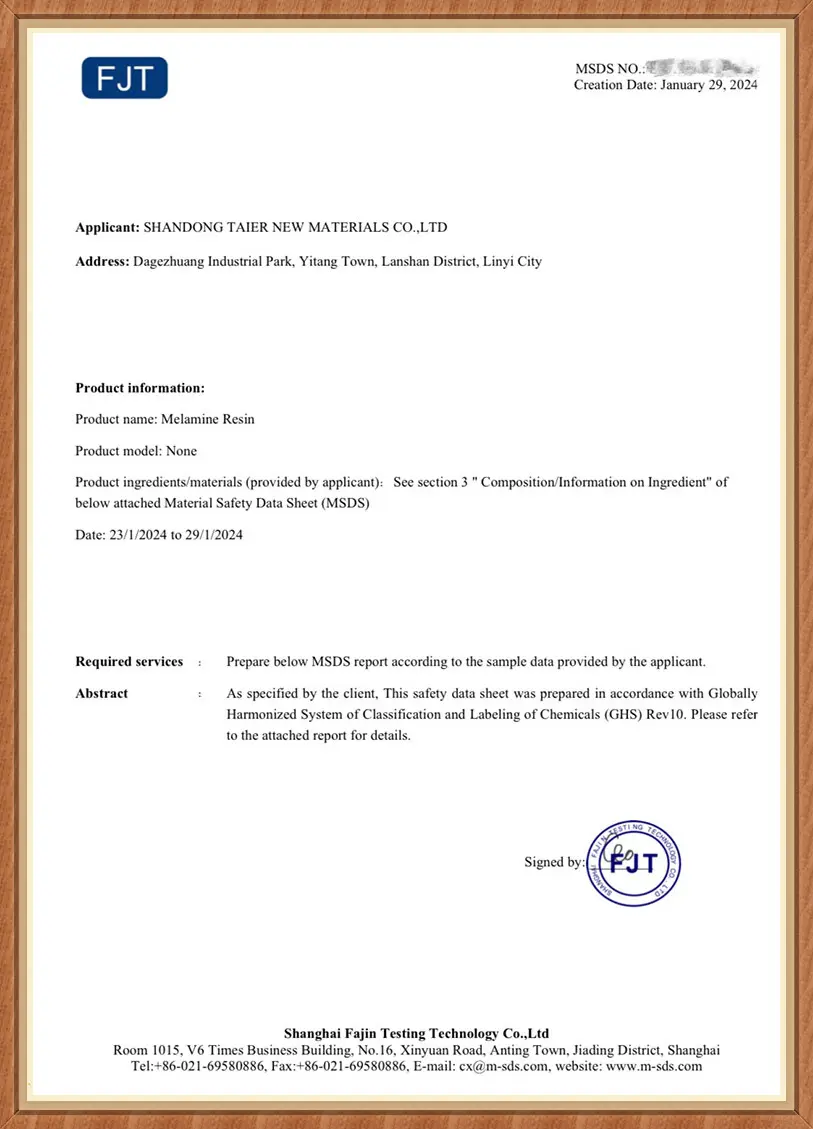
Operating across global markets dictates absolute alignment with REACH directives, RoHS compliance, TSCA regulations, and ISO certification frameworks. Sourcing partners must guarantee chemical safety records, consistent supply-chain tracing, and low-waste synthesis routes.
Phenolic resin manufacturing costs are deeply linked to the price volatility of basic petrochemicals like phenol and methanol (the catalyst for formaldehyde synthesis). By maintaining a massive internal capacity of 380,000 tons of formaldehyde and 11,000 tons of high-grade resin synthesis, Shandong Runtai insulates its buyers from the raw material shocks that typically disrupt standalone compounders.
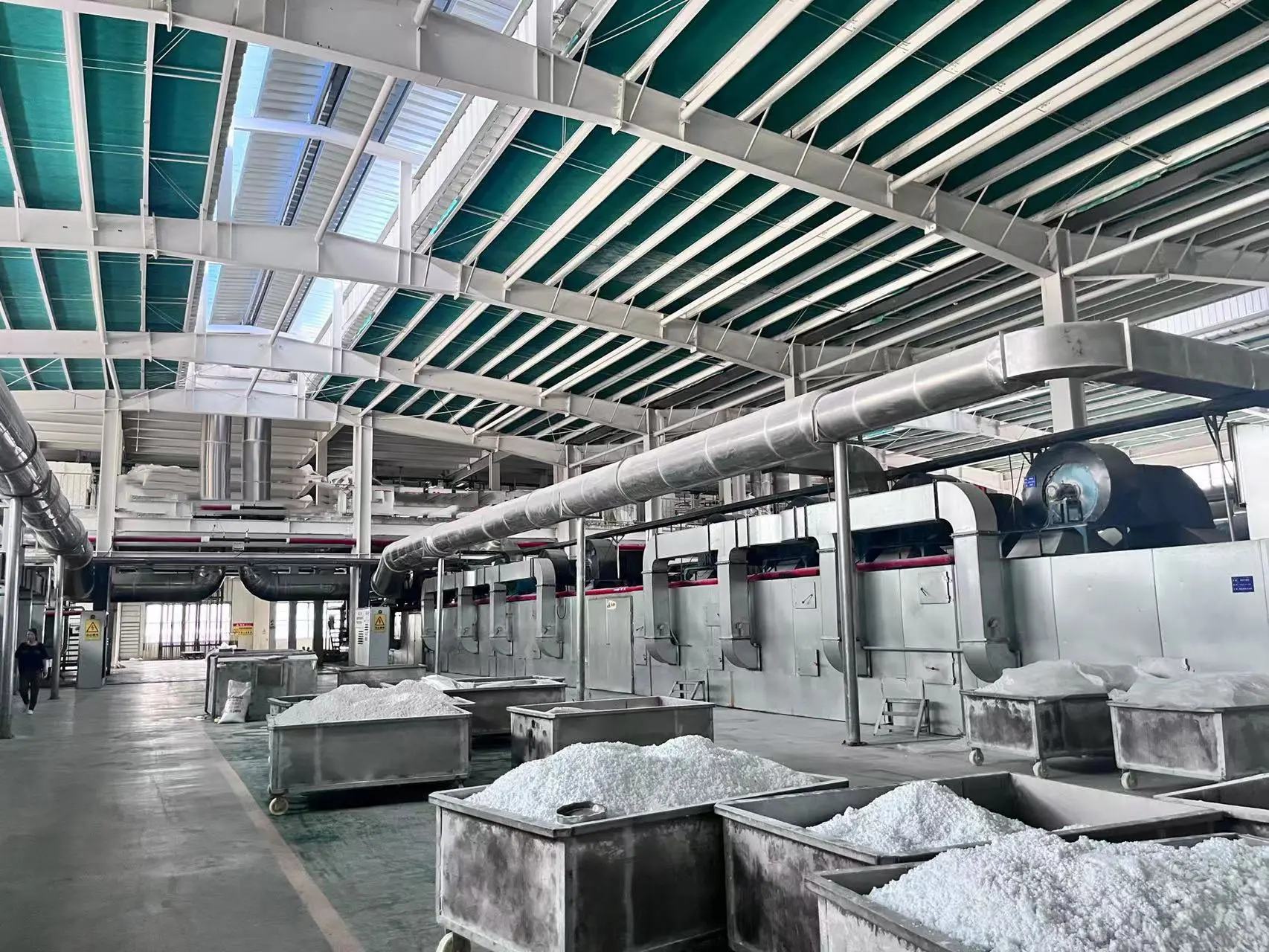
Runtai New Materials implements a comprehensive, tech-driven methodology focused on "automatic control, safe and reliable operation, energy conservation, and holistic resource usage."
By deploying state-of-the-art DCS automation, we monitor and control polymer process parameters (temperature, pressure, feed ratios, condensation duration) in real-time. This eliminates batch-to-batch inconsistencies while minimizing raw material loss.
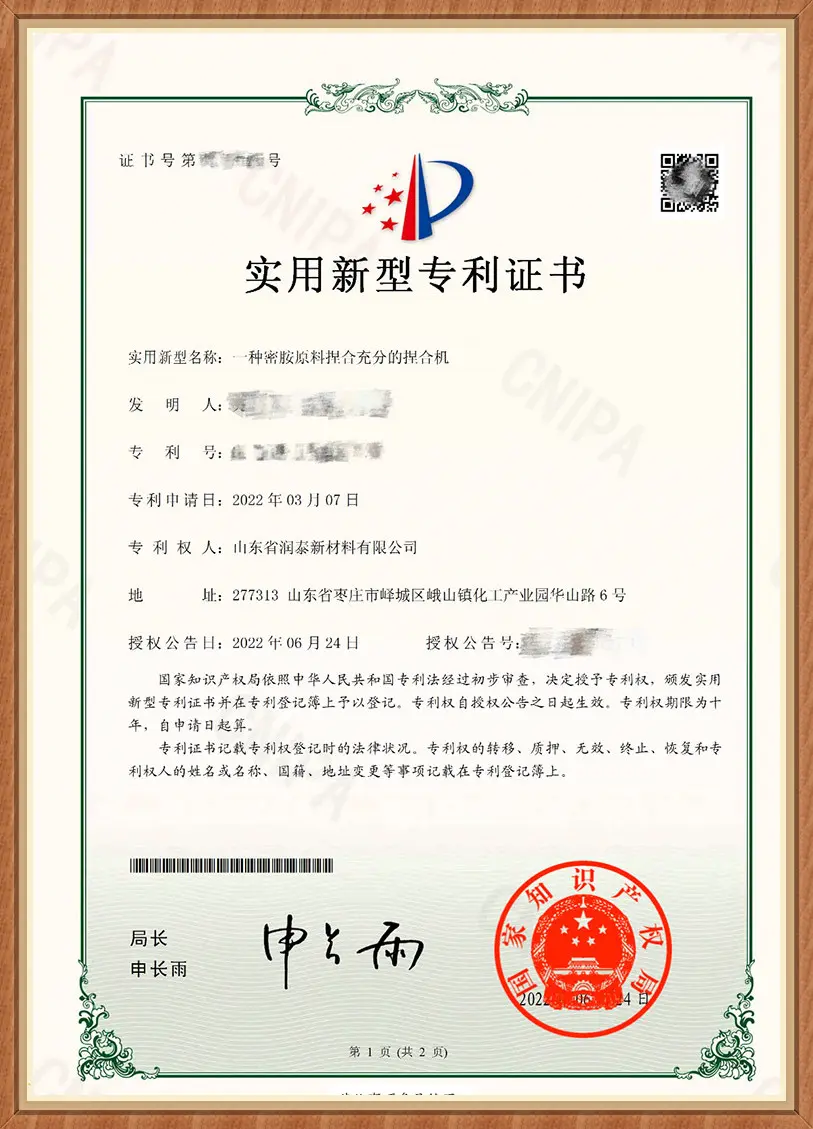
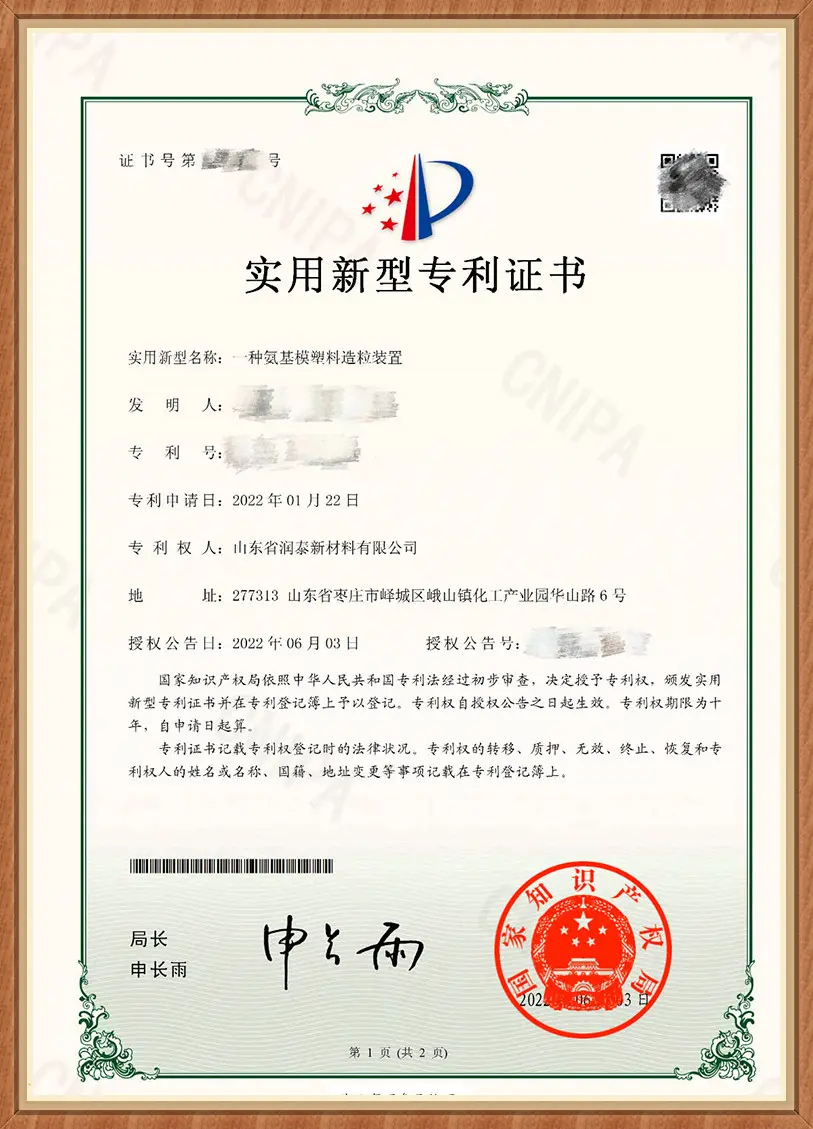
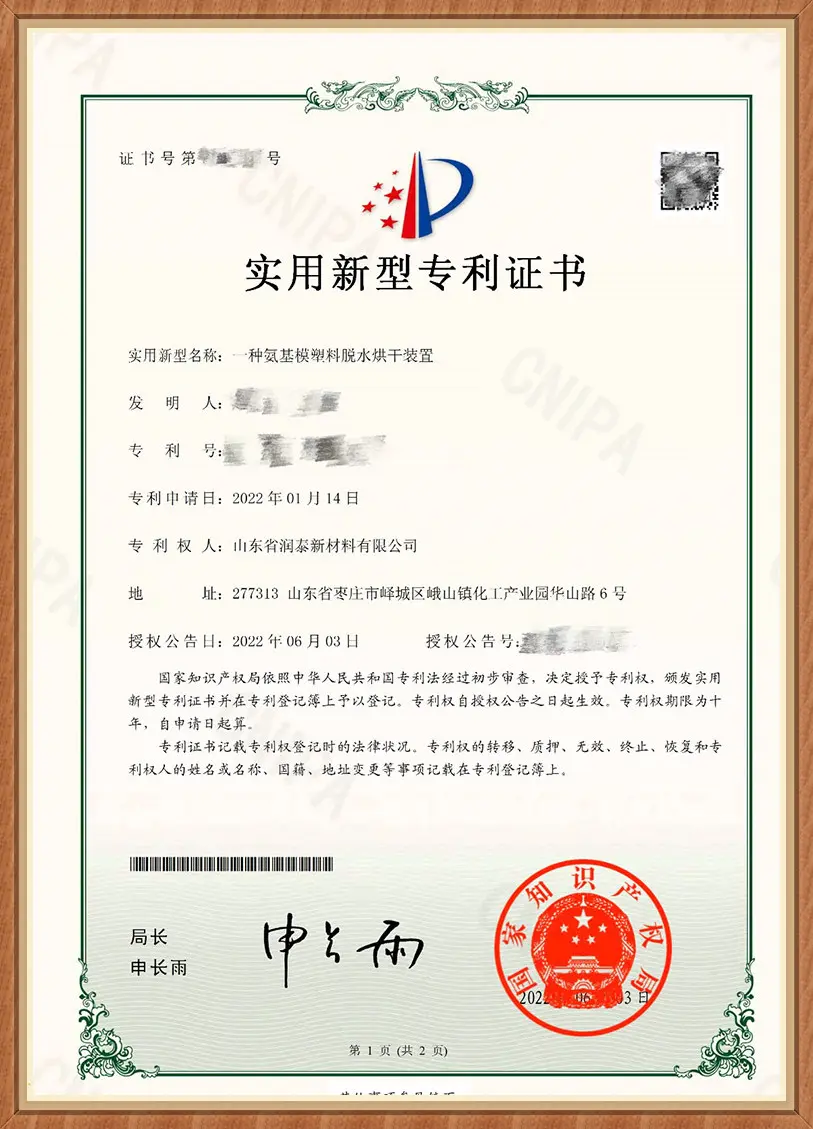
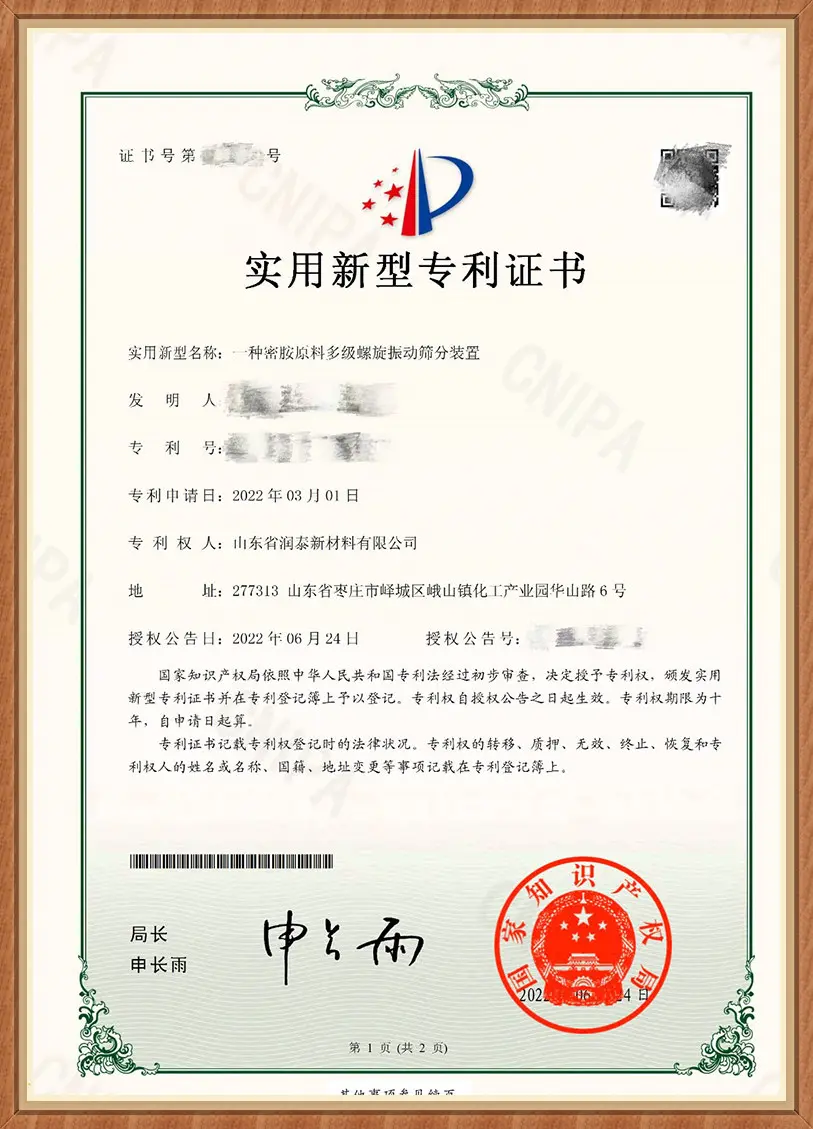
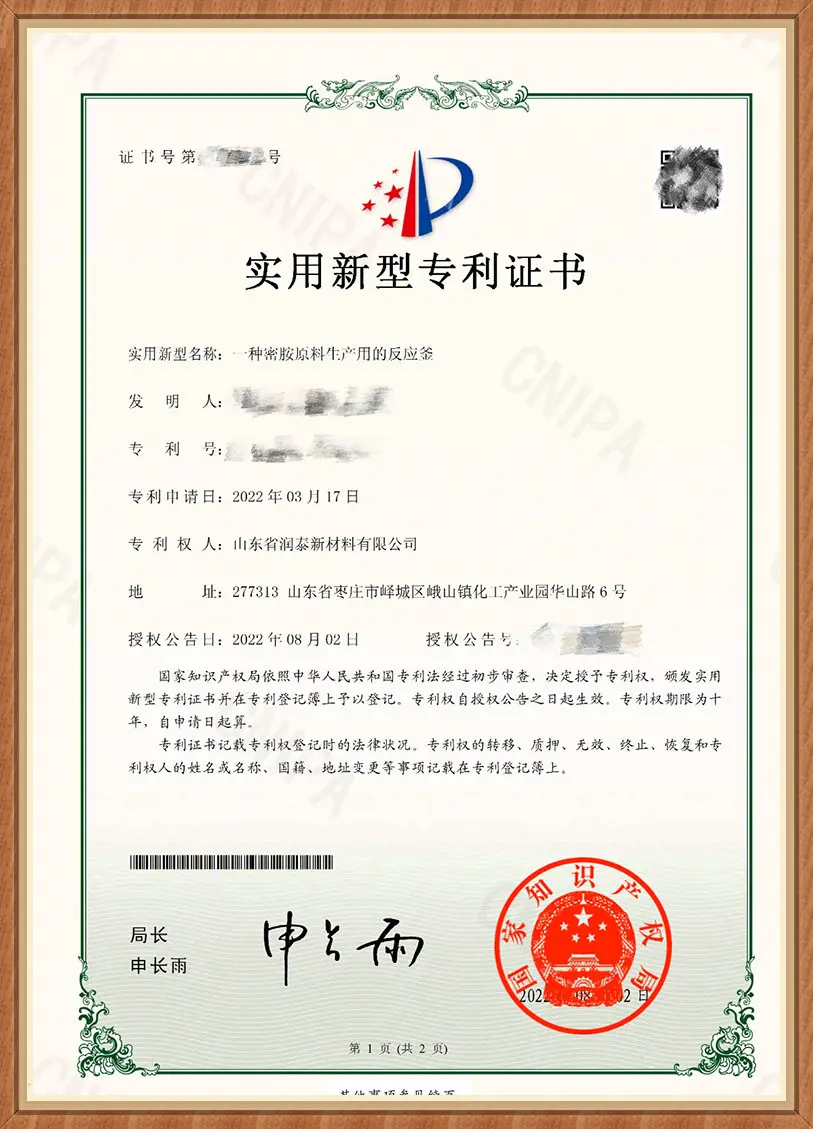
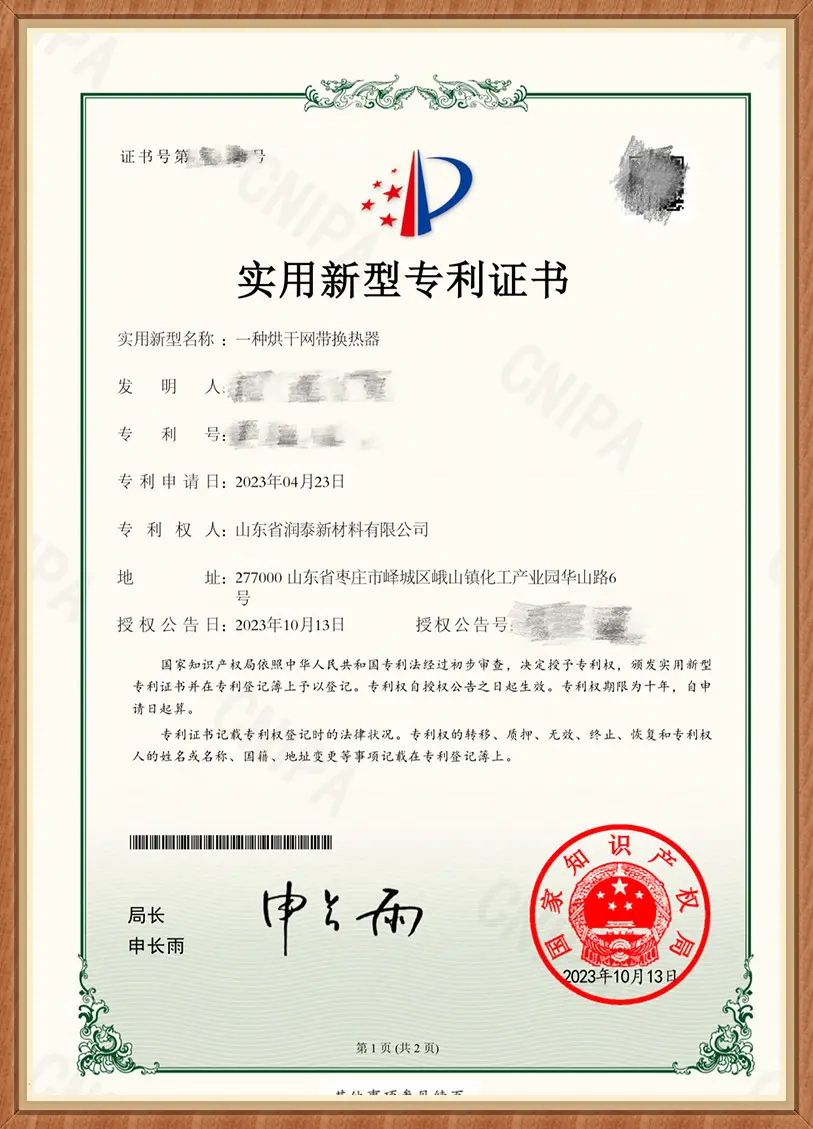
Through long-term integration of production, learning, and research with the Changzhou Research Institute of Beijing University of Chemical Technology, our doctoral R&D teams have secured multiple patents in polycondensation modification and low-emission coatings.
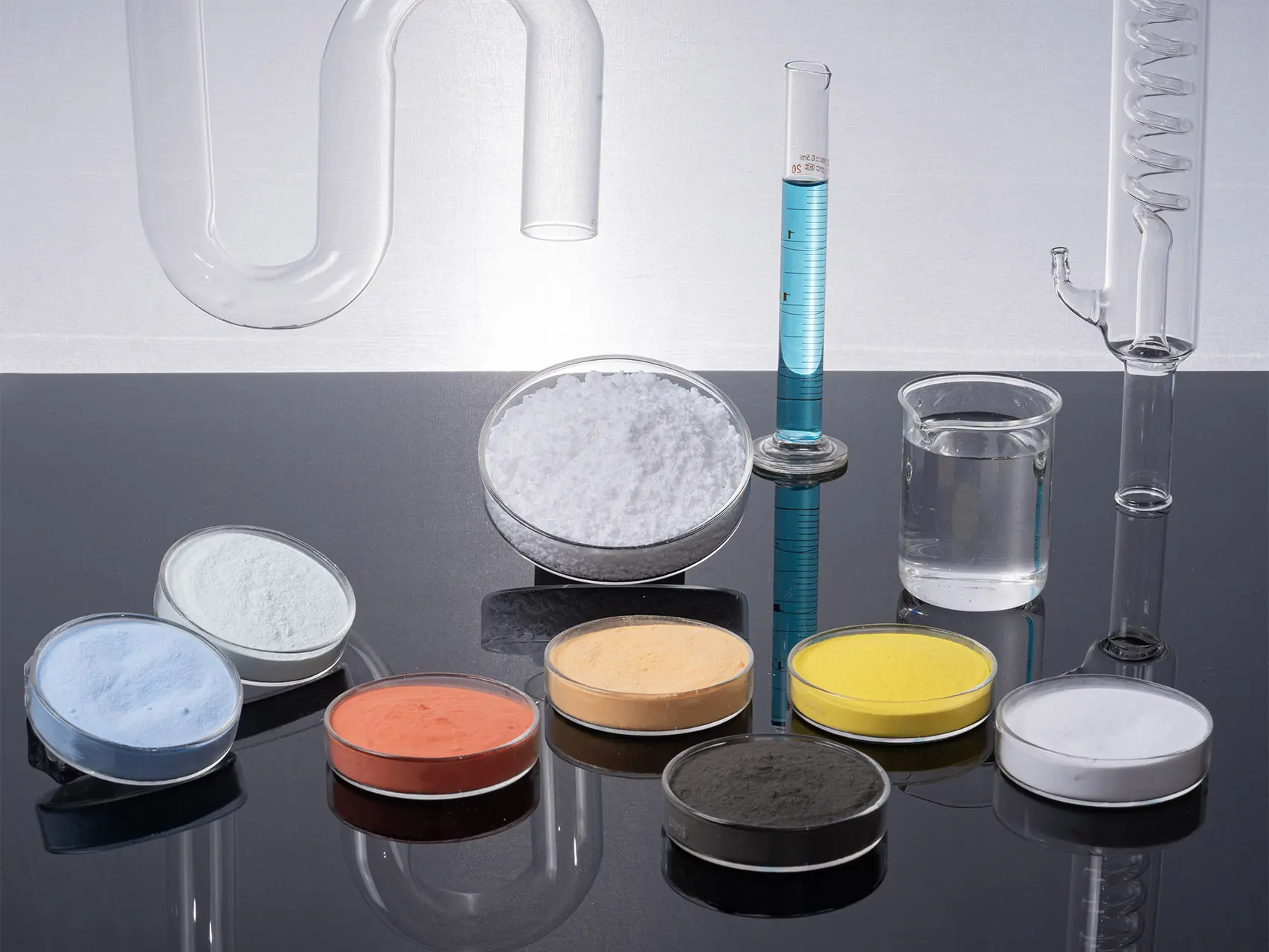
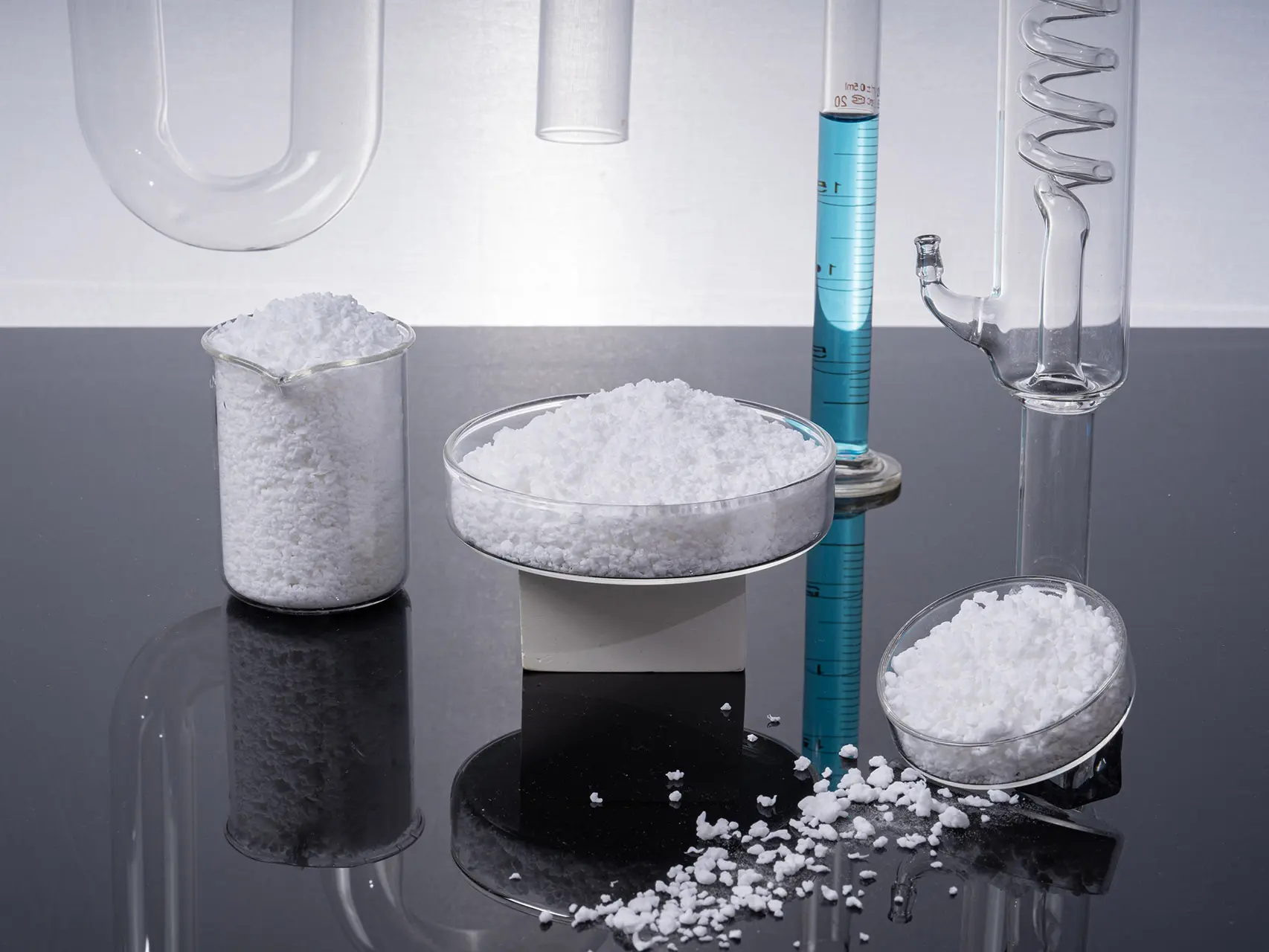
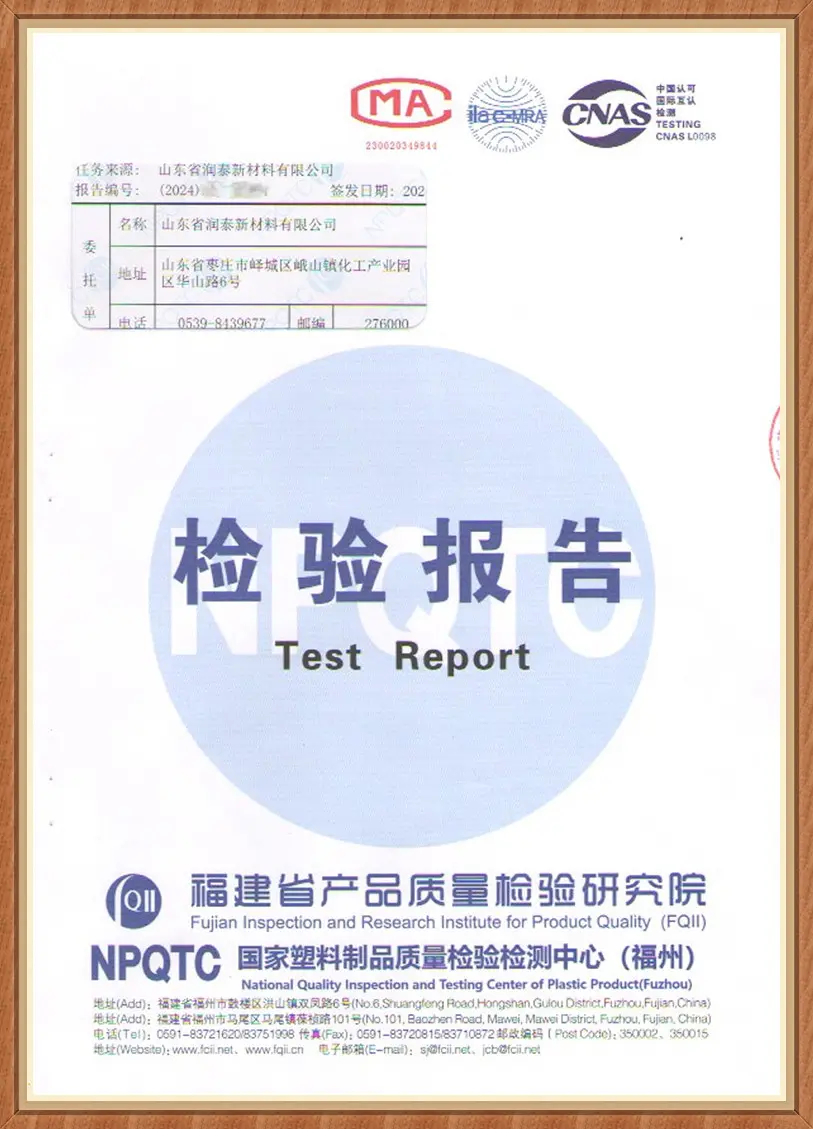
Every batch undergoes gas chromatography, gel permeation chromatography (GPC) molecular weight profiling, and mechanical stress verification before leaving our facility.

Addressing clean processing requirements, low carbon footprints, and high stability requirements across key verticals.
The expansion of 5G circuits, automotive computing systems, and power grid components demands insulating base resins with superior dielectric strength, low dissipation factors, and excellent heat resistance. Phenolic matrices serve as the primary structural binder in multi-layer PCBs and microchips, retaining their integrity at continuous temperatures exceeding 200°C.
In automotive brake pads and grinding wheel systems, phenolic resins bind steel fibers, abrasive grains, and mineral fillers. Advanced novolac formulations modified with elastomer groups prevent micro-cracking under intense frictional heat and shear stress, guaranteeing vehicle safety and component service life.
Engineered wood composite panels and packaging systems rely on modified urea-formaldehyde and phenolic systems to deliver strong moisture resistance while keeping formaldehyde emissions to a minimum. Runtai's low-free-monomer technologies support manufacturing standards like CARB Phase II and European E0/E1 guidelines.
The next generation of phenolic resin technology will focus on bio-based precursors (replacing fossil-derived phenol with lignin or cardanol platforms) and ultra-low free formaldehyde limits. Additionally, recycling thermosetting polymers poses an industry-wide challenge. Our team is actively researching chemical recycling pathways and vitrimer chemistry, ensuring that our products remain compliant with tomorrow’s strict circular economy mandates.
Compliance, standardization, and quality verification documents for secure international distribution.
Addressing the technical, chemical, and logistical inquiries of polymer buyers and factory engineers.
Reliable chemical solutions engineered for consistency and compliance.
 Runtai