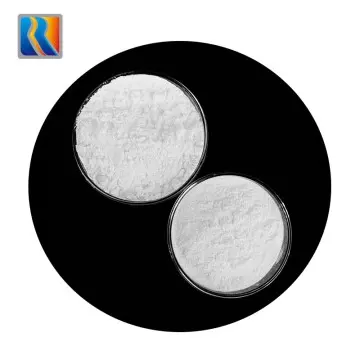
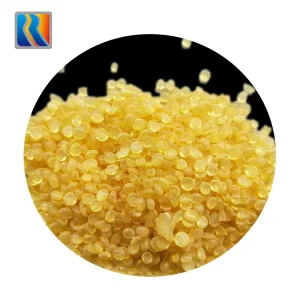
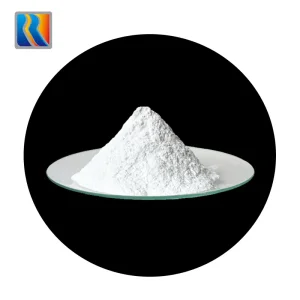
Premium solutions engineered to raise processing performance across global applications.
Understanding the chemistry of degree of polymerization (DP) and its industrial significance.
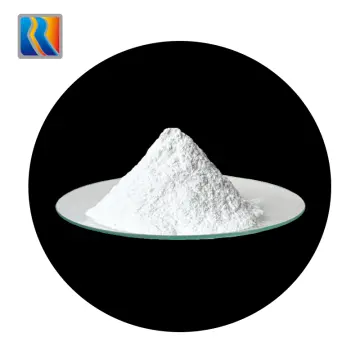
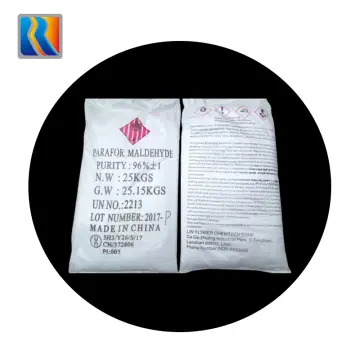
Paraformaldehyde (PFA), defined chemically as polyoxymethylene glycol, is the shortest-chain solid polymer of formaldehyde, carrying the general formula HO(CH₂O)nH (where n represents the degree of polymerization, typically ranging from 8 to 100). The molecular weight of paraformaldehyde depends directly on the number of formaldehyde units chained together. Generally, its molecular weight varies from 240 to approximately 3,000 g/mol. This characteristic molecular weight distribution governs key chemical behaviors, including its rate of depolymerization, thermal stability, solubility kinetics, and suitability for specific synthetic configurations.
For industrial chemists and procurement engineers, understanding the molecular weight of paraformaldehyde is not merely an academic exercise—it is a critical parameter that dictates manufacturing performance. Short-chain paraformaldehyde (low molecular weight, low DP) undergoes depolymerization rapidly at relatively low temperatures, liberating active gaseous formaldehyde into reactions. Conversely, long-chain paraformaldehyde (high molecular weight, high DP) features higher thermal resistance and slower depolymerization kinetics, which is highly preferred for formulations demanding delayed release or long-term operational stability without premature off-gassing.
During the condensation process of liquid formaldehyde, the control of reaction temperatures, vacuum levels, and catalyst systems defines the distribution of polymer chain lengths. High molecular weight chains yield crystalline forms that are chemically robust but harder to dissolve in organic solvents or water without intense acidic or alkaline catalytic intervention. Industrial operations sourcing from Runtai New Materials benefit from tailored crystallization profiles that yield optimized molecular distributions—ensuring the ideal balance between solubility, reaction speed, and material safety.
Shandong Runtai New Materials Co., Ltd.
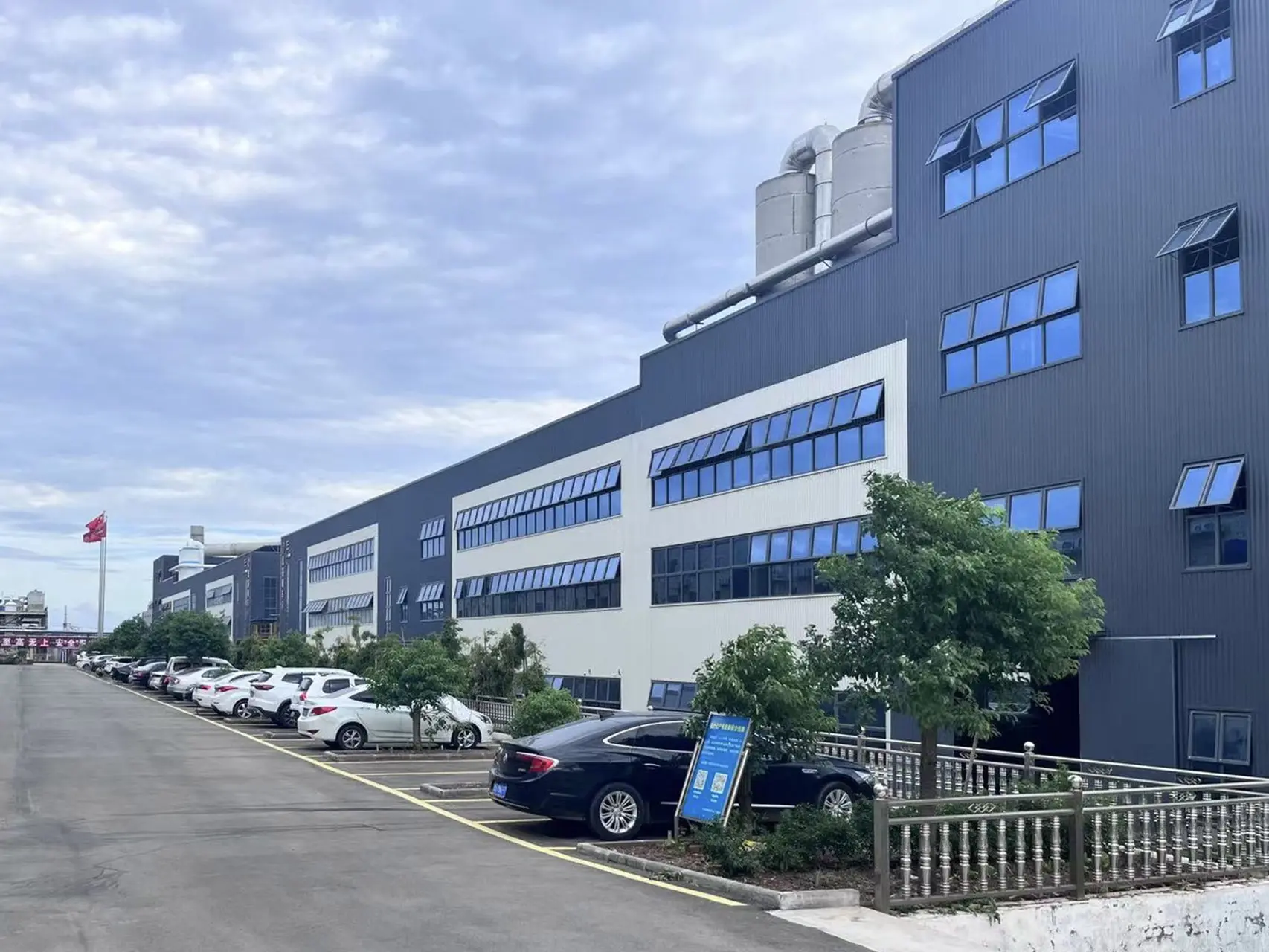
Founded in March 2020, Shandong Runtai New Materials Co., Ltd. is a comprehensive group firm that specializes in fine chemical products. Our primary products include formaldehyde, polyformaldehyde (paraformaldehyde), urea formaldehyde resin, melamine powder, and melamine glazing powder. The corporation has branches in five different cities throughout the whole country, with its headquarters located in Zaozhuang City, Shandong Province. Runtai New Materials covers an area of 270,000 square meters with a total investment of 2.06 billion yuan.
Runtai New Materials has grown to be one of China's top producers of melamine and formaldehyde due to our recent improvements in production lines growth. As of currently, the company produces 380,000 tons of formaldehyde annually, 60,000 tons of melamine annually, 20,000 tons of melamine glazing powder annually, 11,000 tons of resin annually, 300,000 tons of urea formaldehyde resin annually, and so forth. We have reached about 80% market share in China. At the same time, we are actively developing overseas business, our products have been exported to the United States, Thailand, Kenya, Egypt, and other countries and have been widely praised by overseas customers.
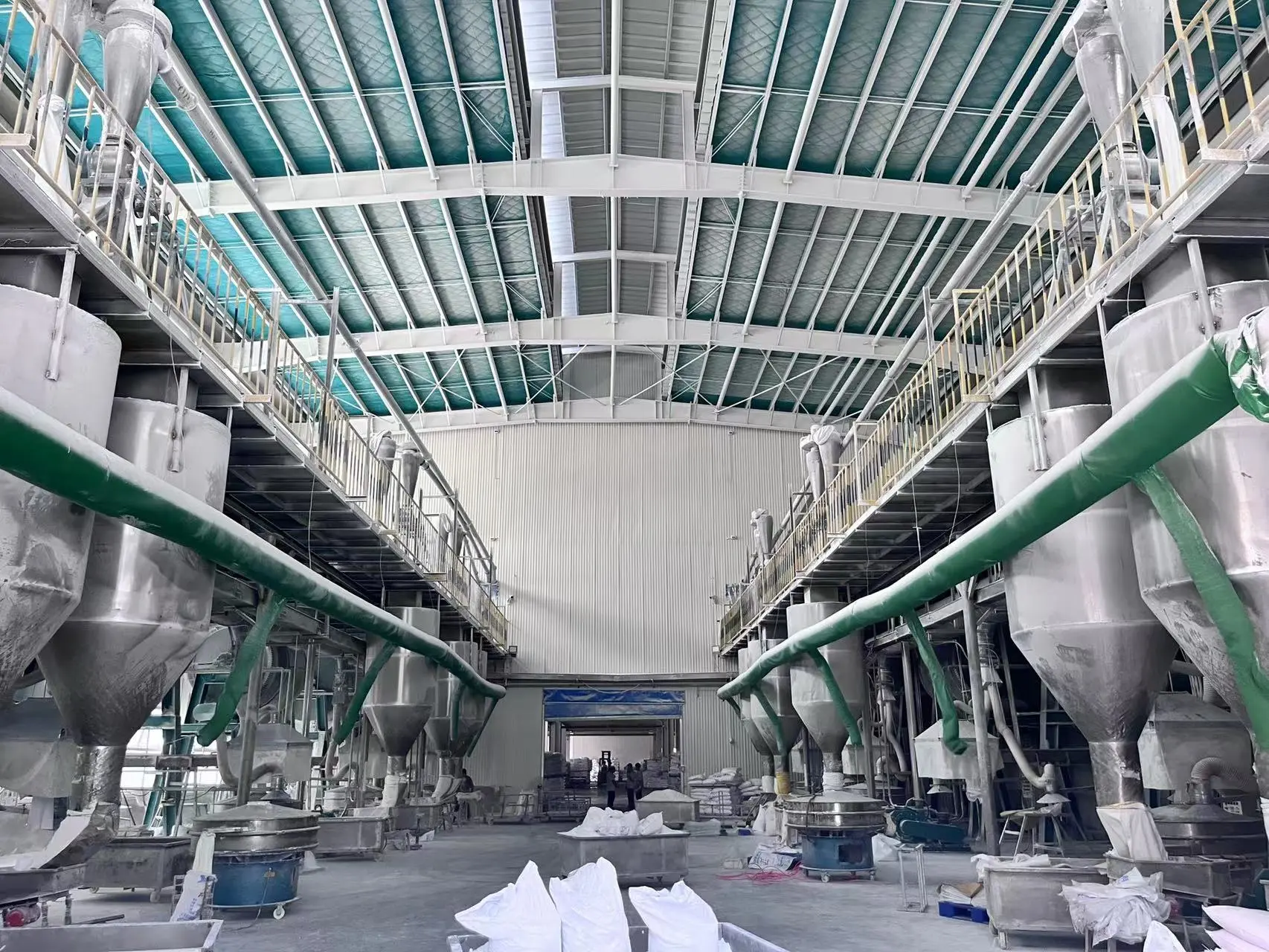
Runtai New Materials is a professional chemical supplier dedicated to satisfying customer requirements with superior chemical products and solutions. Our professional staff and cutting-edge production machinery are committed to the production of chemical goods that satisfy global standards. In order to satisfy the needs of various industries, we simultaneously offer standardized products as well as tailored solutions based on the unique requirements of our customers.
Meanwhile, Runtai New Materials, as an ethical company, prioritizes sustainable development and environmental preservation. Our commitment lies in developing and producing eco-friendly products that minimize their negative effects on the environment while adhering to pertinent laws, regulations, and standards. The "quality first, customer first" attitude has always guided our business, and we embrace customer service with honesty and professionalism. Friends from both domestic and foreign locations are warmly invited to visit Runtai New Materials. We look forward to collaborating with you to build a better future together!
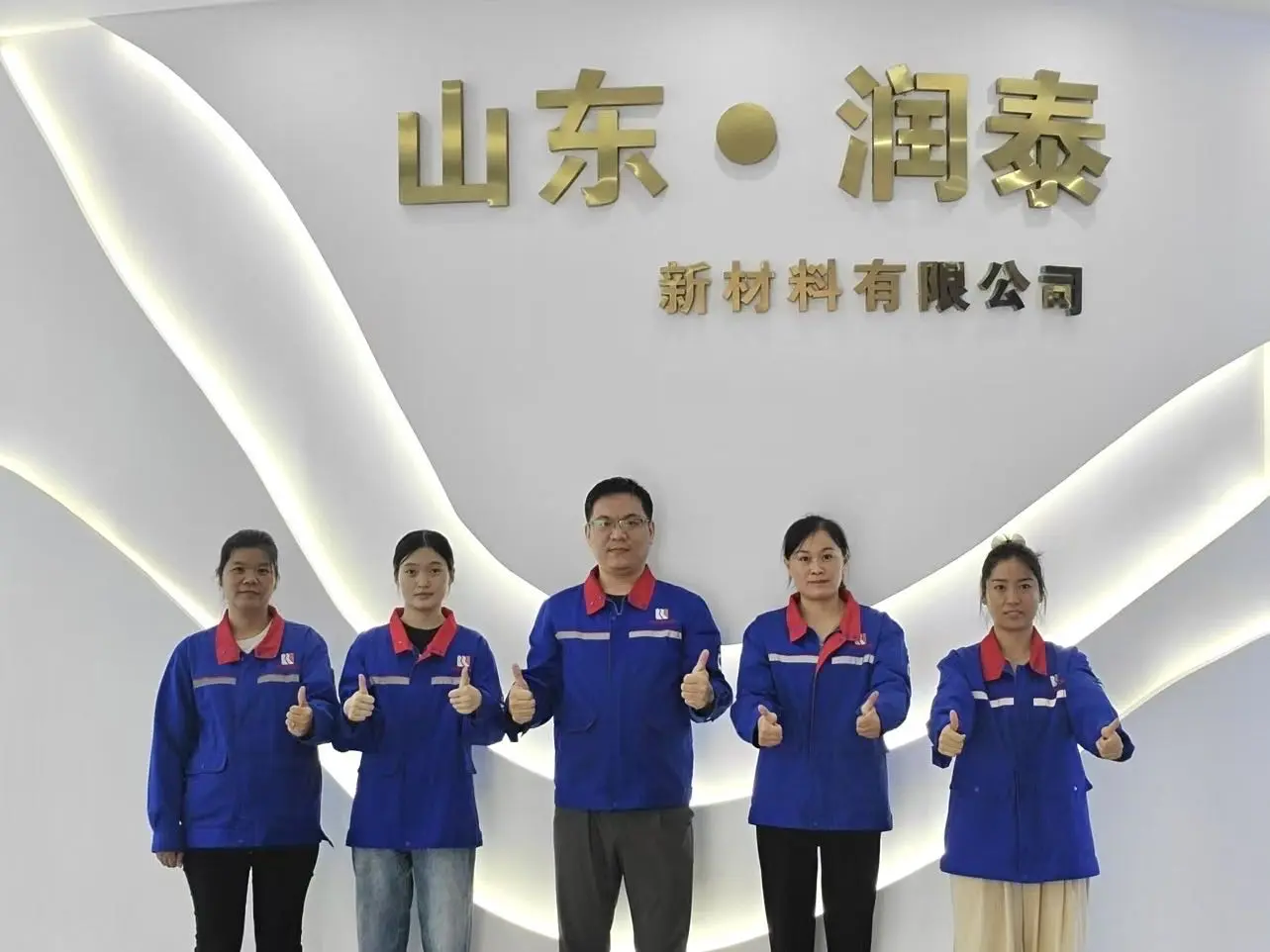
Technological innovation and advanced engineering capabilities that define our market position.

Why domestic vertical integration and technological scale provide cost-efficient, high-precision products.
As global supply chains restructure for efficiency and quality reliability, sourcing paraformaldehyde from a premier Chinese manufacturer like Shandong Runtai New Materials offers unparalleled advantages. The Chinese chemical industrial infrastructure is built on dense raw material integration and local cluster dynamics. Methanol supply lines feed directly into local oxidized formaldehyde plants, which in turn supply the polymerization reactors. This complete vertical Integration minimizes transport hazards, prevents pre-reaction degradation, and keeps structural pricing highly competitive.
Furthermore, Chinese manufacturers lead in the adoption of state-of-the-art process automation. By deploying advanced Distributed Control Systems (DCS) linked to analytical spectrometers, Runtai’s production facilities can target specific molecular weight thresholds dynamically. The control parameters are micro-adjusted based on temperature gradients and crystallization kinetics in real-time. This level of technological precision allows for the production of low-molecular-weight paraformaldehyde (which requires strict reaction control to prevent runaway polymerization) and high-density, slow-release crystalline variants under the same roof.
From a geographical perspective, Shandong Province acts as China's primary hub for chemical research and logistics. Proximity to major global ports like Qingdao ensures that shipping pipelines remain open year-round with rapid delivery windows. Combined with rigorous compliance with global environmental standards and REACH registrations, Chinese factories deliver bulk solutions with the security, standardization, and scientific consistency expected by multinational procurement teams.
Aligning molecular weight design with modern manufacturing challenges and green regulations.
In major agricultural nations throughout North and South America, the molecular weight of paraformaldehyde is a critical variable in the synthesis of herbicides such as glyphosate, butachlor, and acetochlor. When synthesizing these crop-protection agents, manufacturers favor a lower molecular weight paraformaldehyde. This grade dissolves quickly at lower reaction temperatures, reducing thermal degradation of active ingredients and minimizing wastewater generation.
The manufacturing of phenolic and melamine resins for microelectronics and structural composite materials requires ultra-pure paraformaldehyde with a highly uniform molecular weight. Any variability in polymerization chain length will destabilize the curing rate, causing micro-voids, structural vulnerabilities, or outgassing in the final cured product. Sourcing paraformaldehyde with certified molecular weight distribution ensures consistent cross-linking density in the resulting resin matrix.
Global regulatory bodies are continuously lowering limits on free formaldehyde emissions from composite wood, MDF, and plywood panels. To meet these targets, resin manufacturers are transitioning from liquid formaldehyde solutions to solid paraformaldehyde. Sourcing specific molecular weight paraformaldehyde allows resin producers to adjust the formaldehyde-to-urea ratio precisely, producing premium urea-formaldehyde resins that comply with European CARB Phase II and EPA TSCA Title VI emission limits.

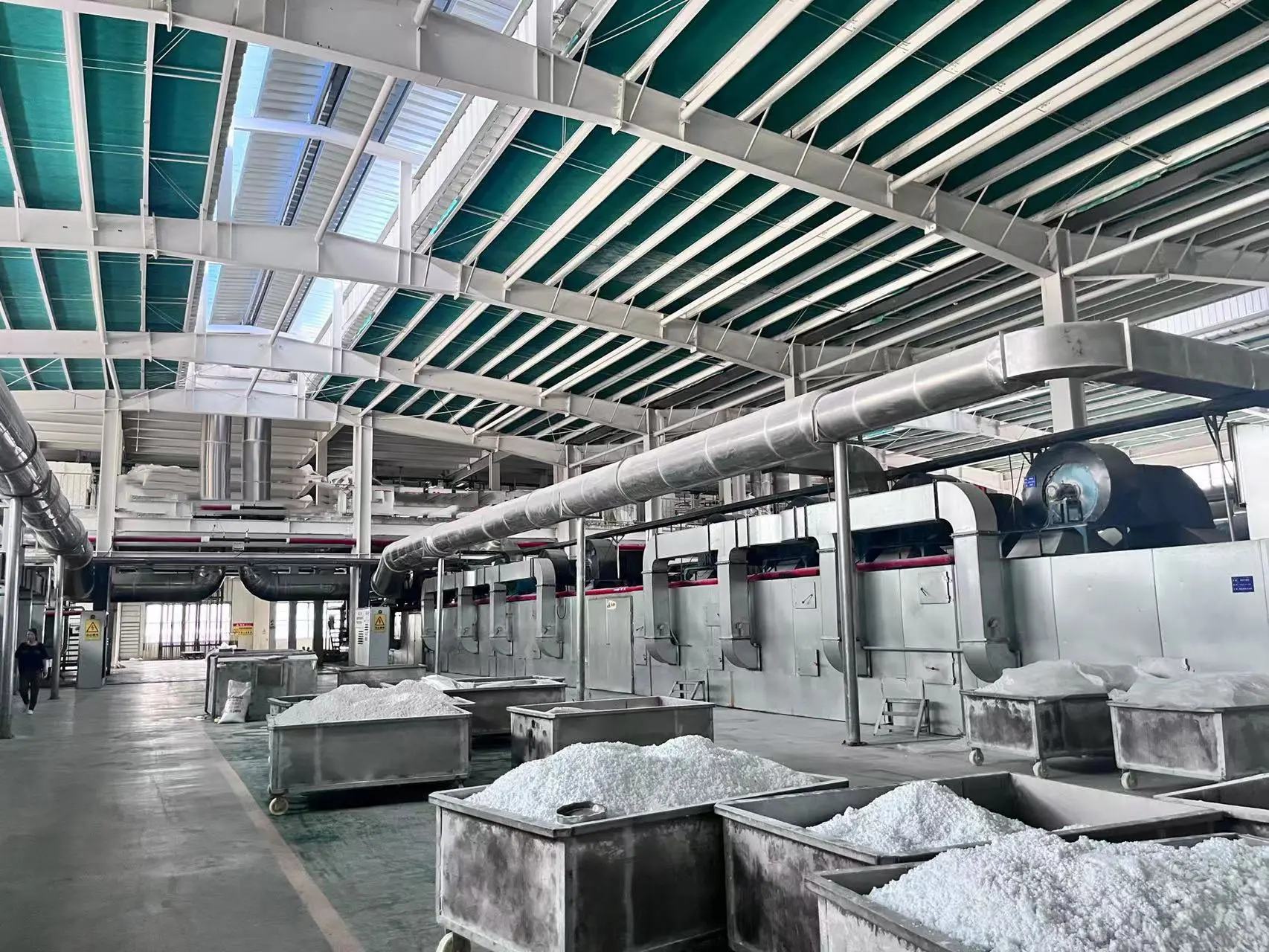
By leveraging an integrated industrial model, Runtai New Materials provides macro solutions to clients rather than simple chemical shipments. Our system integrates raw formaldehyde production directly with downstream synthesis lines—such as melamine, melamine glazing powders, and urea-formaldehyde resins. This closed-loop design ensures that off-gasses and heat generated during paraformaldehyde synthesis are captured and recycled, supporting sustainable energy recovery and lowering the carbon footprint of each chemical batch.
The technical metrics that procurement officers must analyze for quality validation.
When procuring paraformaldehyde on a global scale, specifying "96% purity" is no longer sufficient. To guarantee process compatibility, sourcing teams should evaluate the following key parameters:
Runtai New Materials manages these variables by applying analytical checks at every stage of production. By using automated, enclosed crystallization chambers, we prevent humidity contamination, ensuring that the solid product remains dry, free-flowing, and resistant to clumping during long maritime transit.
Expert technical answers regarding Paraformaldehyde Molecular Weight and application behaviors.
Founded in March 2020, Shandong Runtai New Materials Co., Ltd. is a comprehensive group firm that specializes in producing fine chemical products.
Our primary products include formaldehyde, Paraformaldehyde, urea formaldehyde resin, melamine powder, and melamine glazing powder. Through long-term collaboration with research institutes like the Changzhou Research Institute of Beijing University of Chemical Technology, we continuously innovate to deliver high-performance, cost-effective chemical solutions globally.
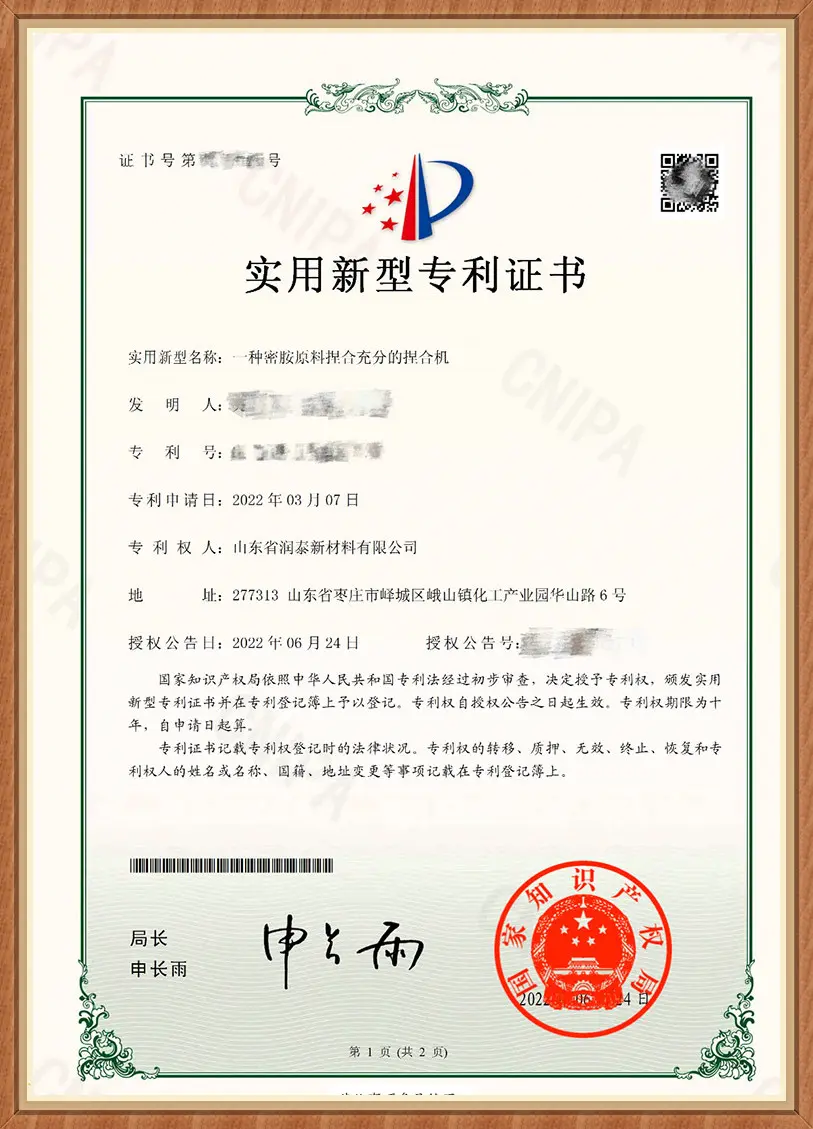
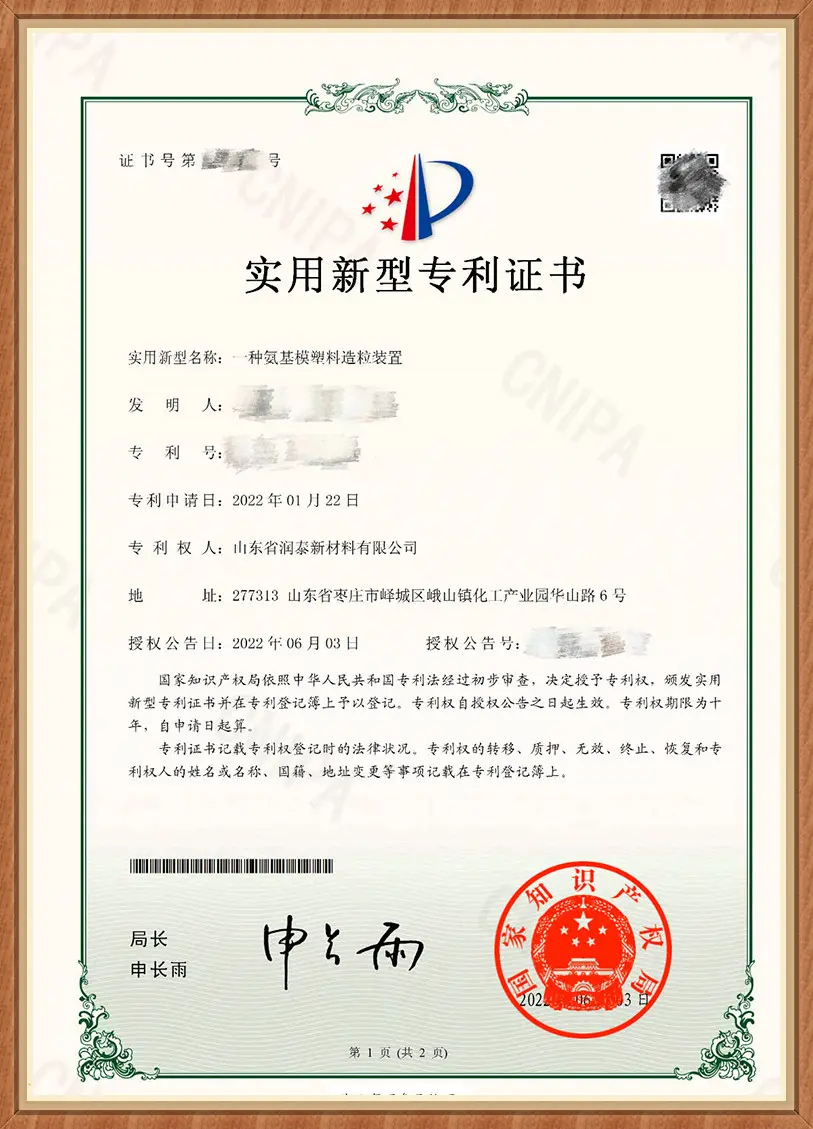
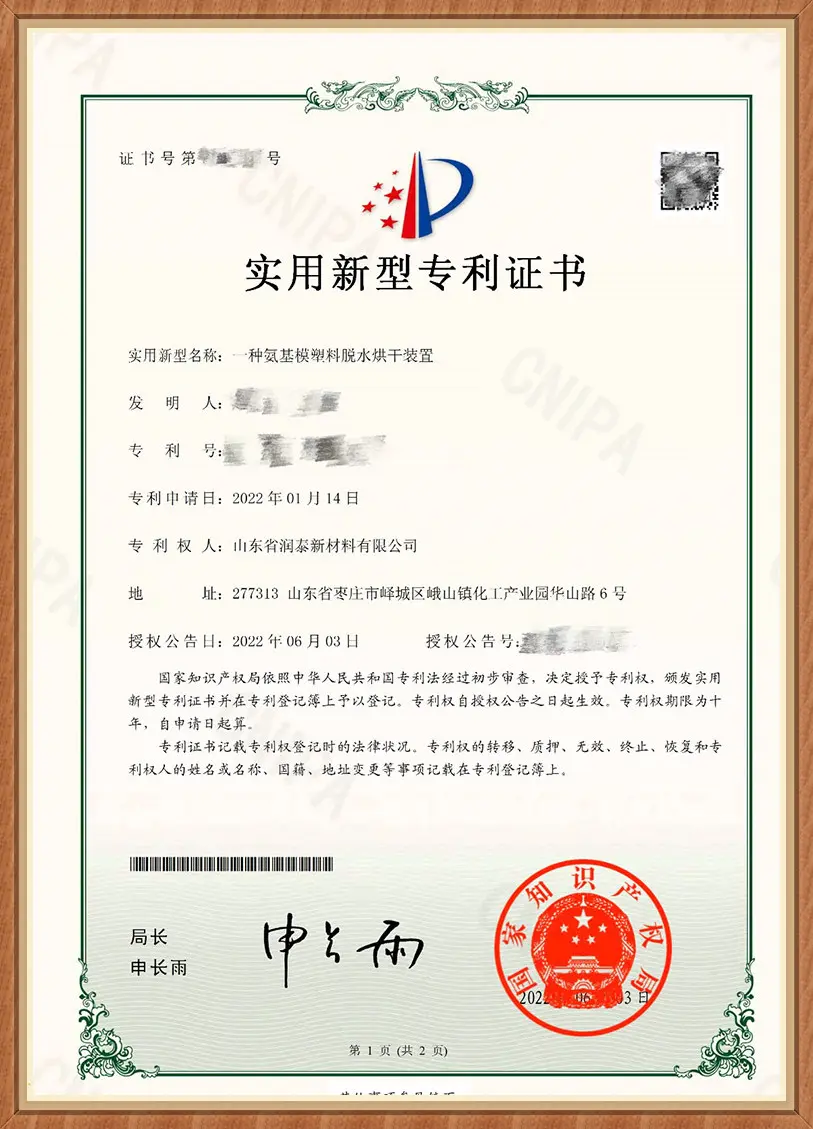
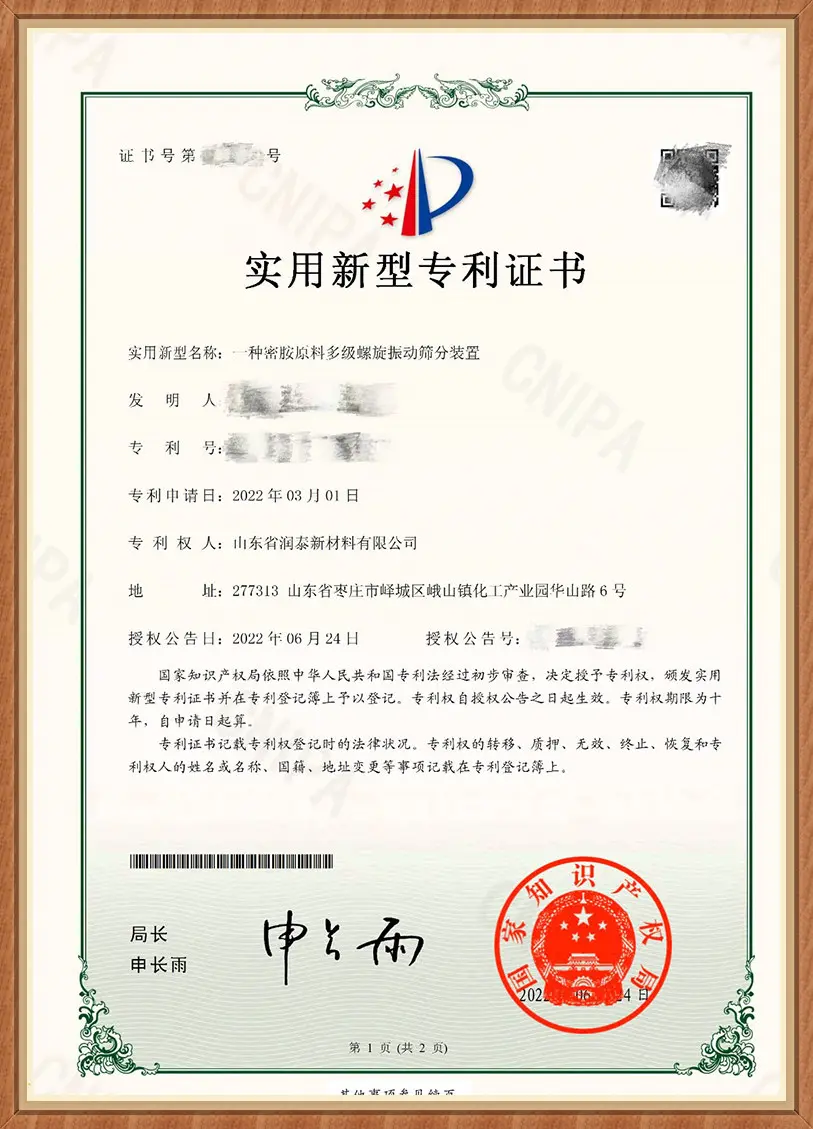
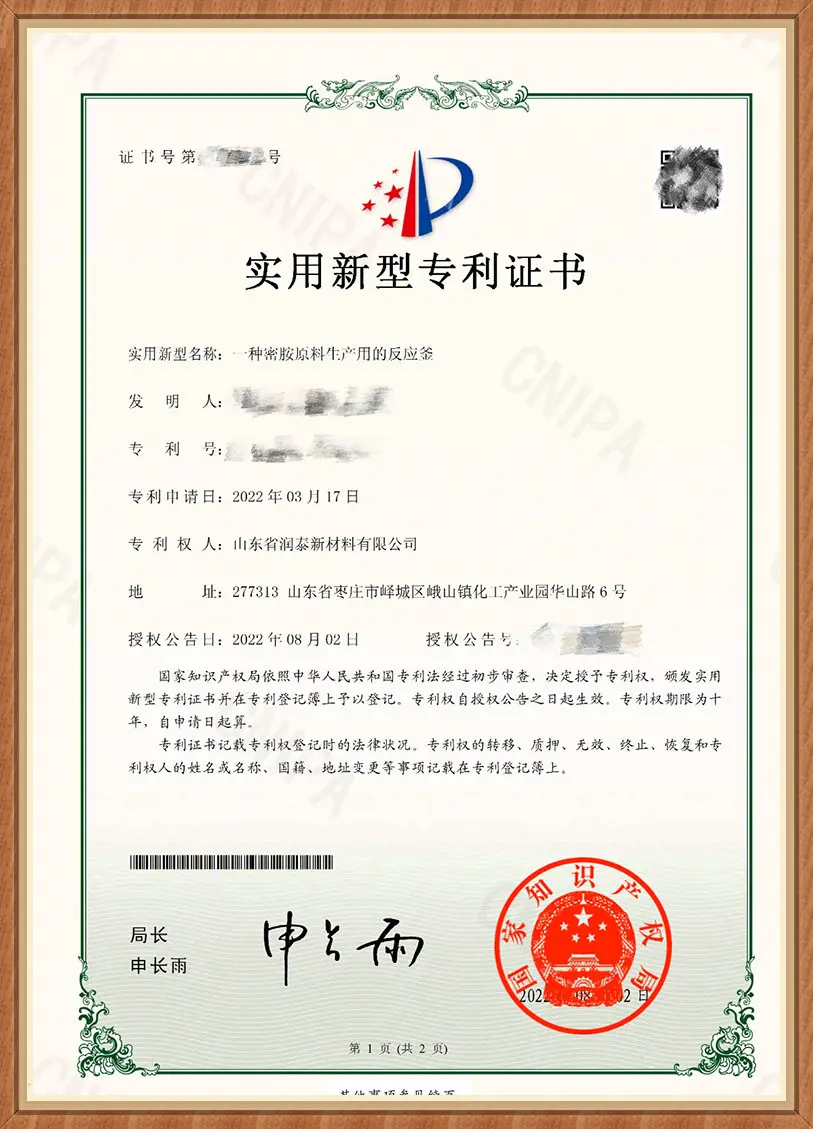
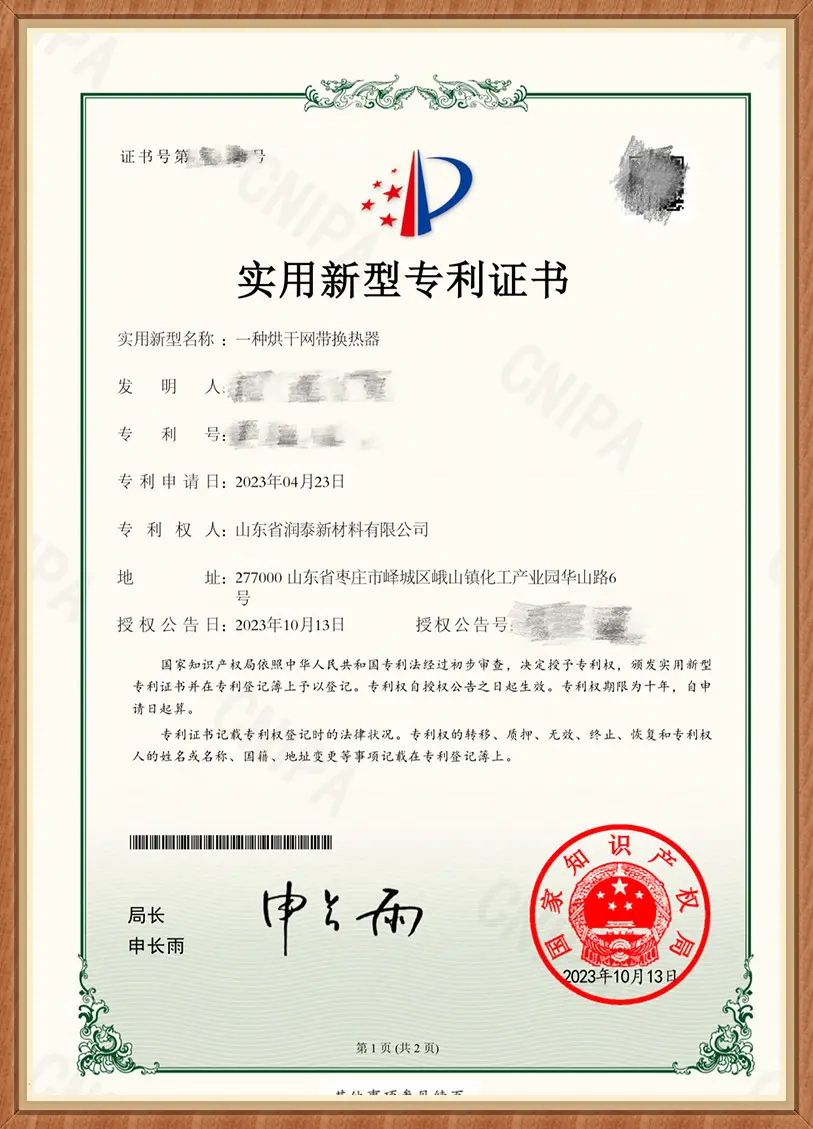
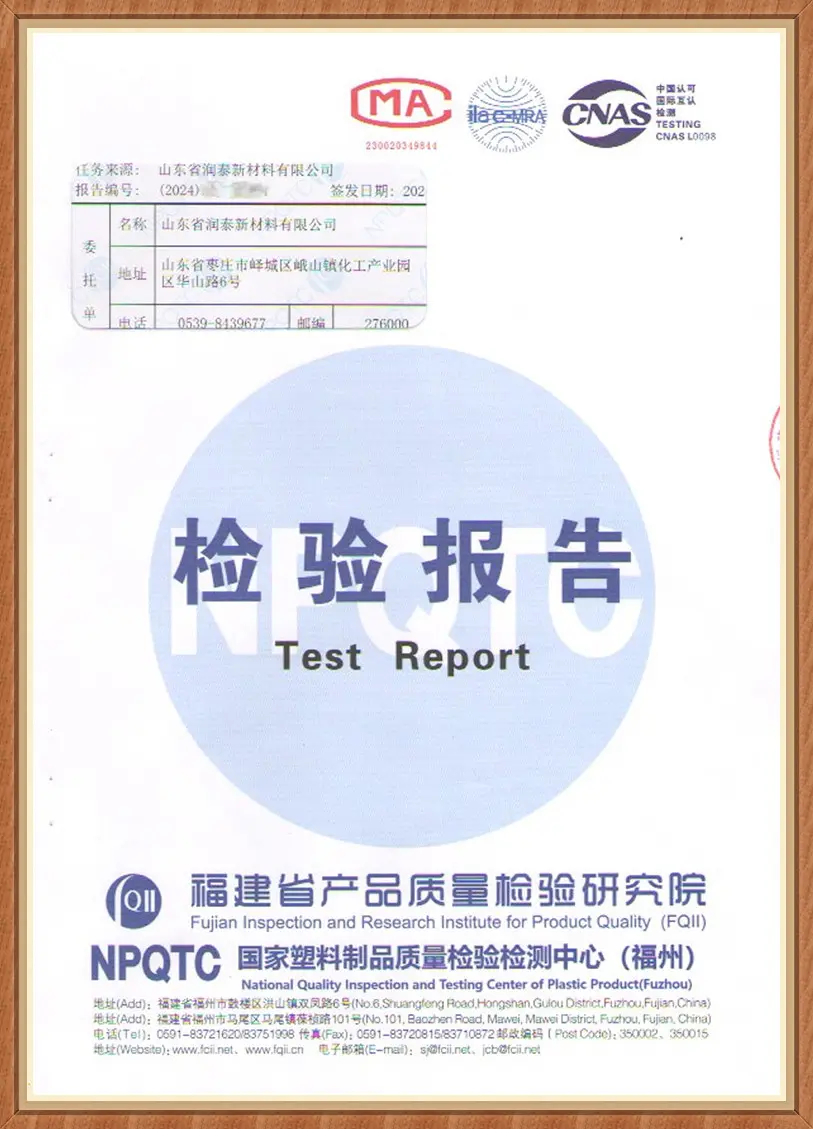
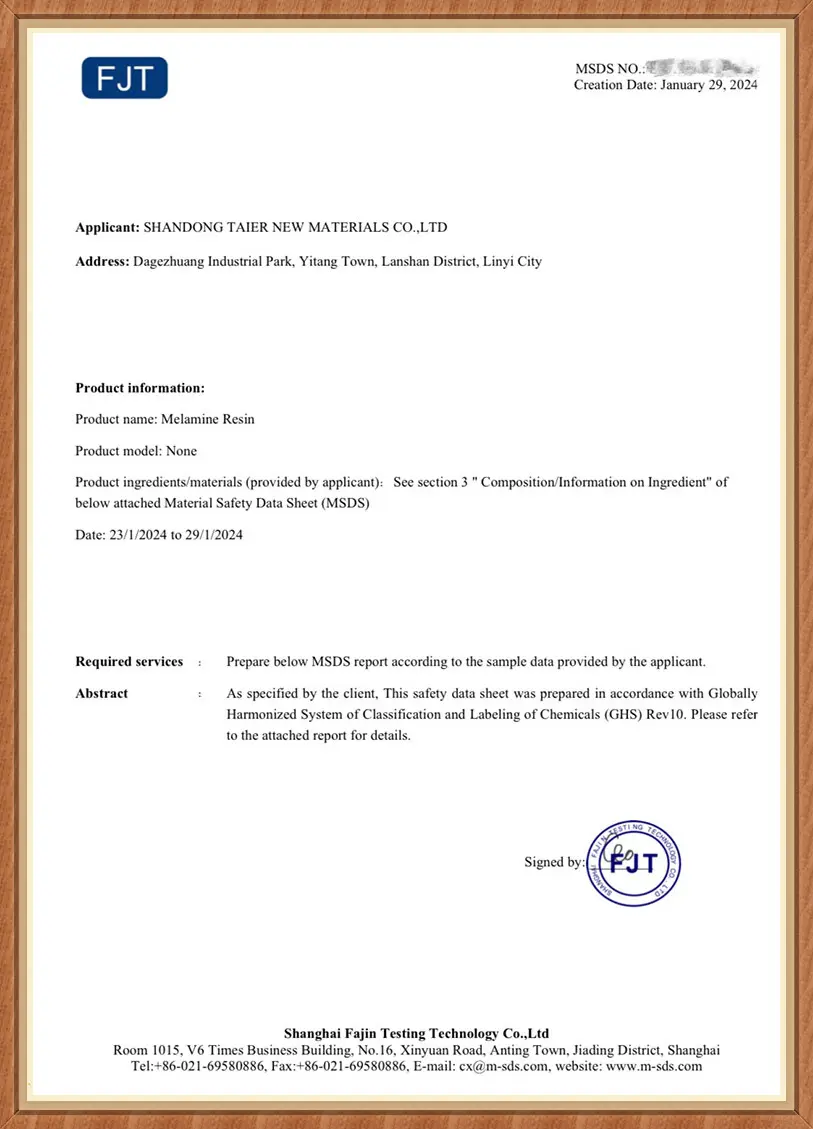
Verified compliance and quality credentials meeting international standards.
Providing vertically integrated compounds and advanced resins to the global market.
Providing industrial chemicals with reliable global logistics and custom specifications.
 Runtai