Direct supply from state-of-the-art manufacturing zones, ensuring verified compliance, certified purity levels, and reliable international distribution pipelines.
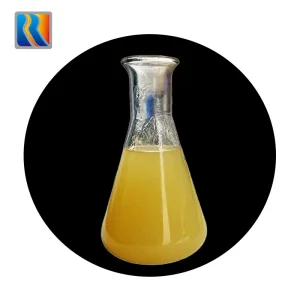
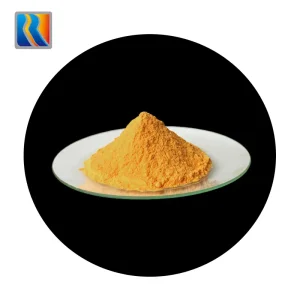
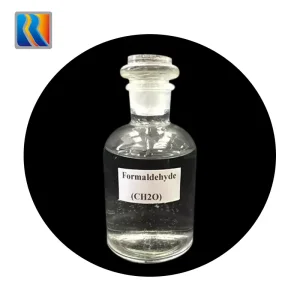
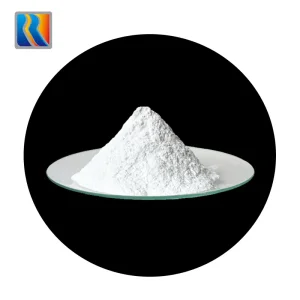
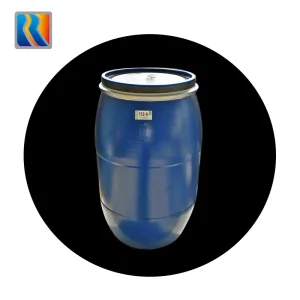
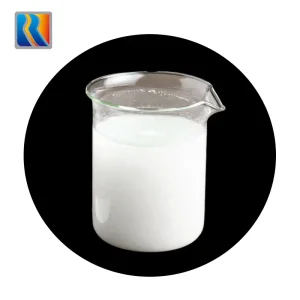
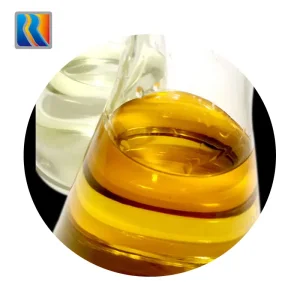
In the global chemical sector, formaldehyde (HCHO) represents a foundational block for producing a vast array of polymer resins, molding compounds, and specialized auxiliary agents. Selecting the right Hcho Is s Factories & Supplier requires evaluating supply chains, safety controls, synthesis methods, and compliance structures.
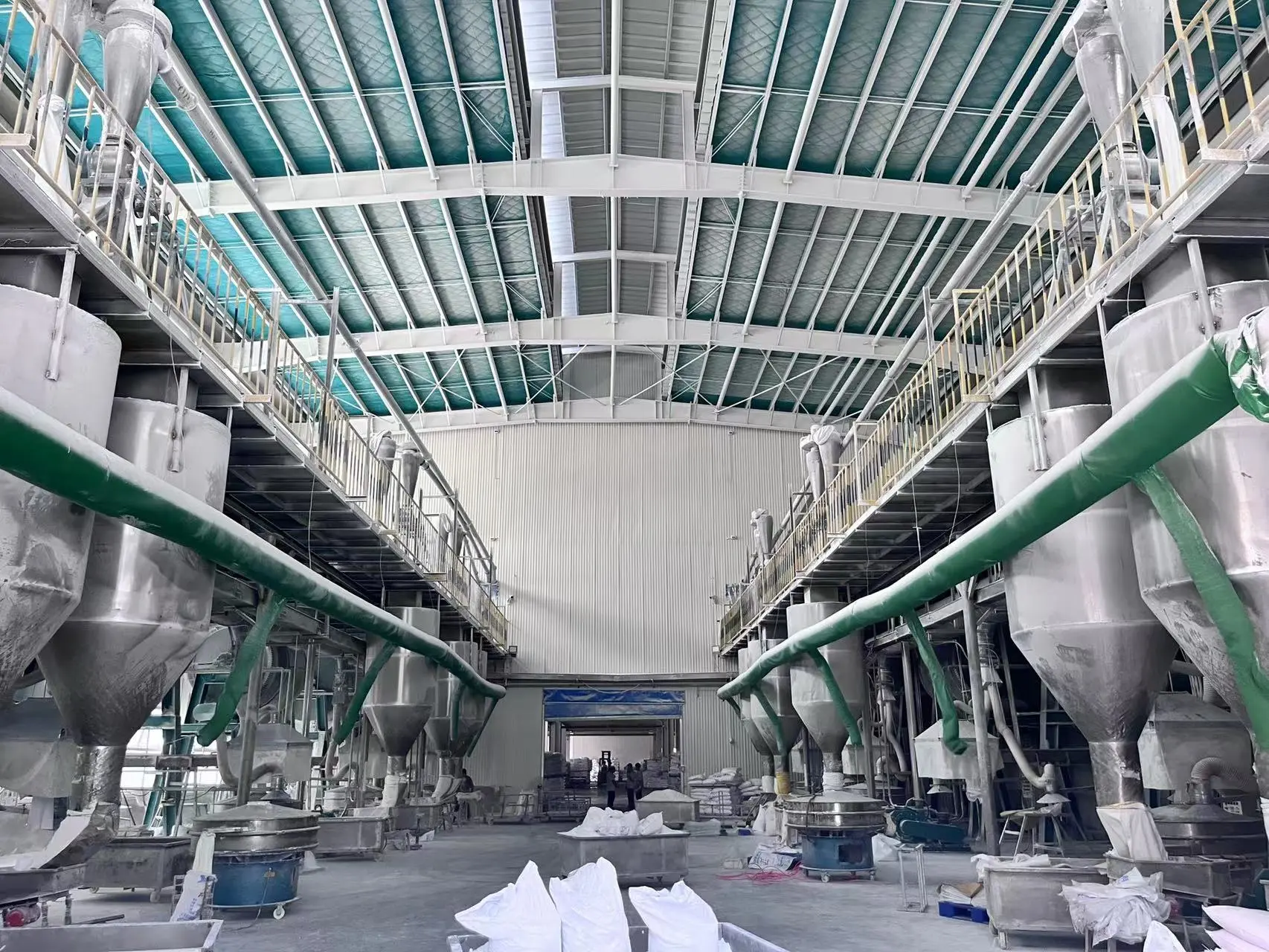
Established in March 2020, Shandong Runtai New Materials Co., Ltd. has positioned itself at the cutting edge of fine chemical manufacturing. Spanning a specialized layout of 270,000 square meters with an investment of 2.06 billion yuan, Runtai operates its core headquarters in Zaozhuang City, Shandong Province, alongside five strategically positioned branches nationwide. This centralized structure ensures raw materials flow seamlessly, manufacturing stays continuous, and products reach global markets on time.
Why modern global manufacturers turn to integrated chemical clusters in Shandong for steady, high-volume sourcing.
By placing production right near key upstream coal-to-chemical and methanol hubs in East China, we bypass the supply blockages and pricing swings that hit non-integrated suppliers. We convert methanol directly into high-purity HCHO, feeding downstream polymerization reactors without delays.
Our plants run on automated, continuous production lines. This setup delivers reliable output while reducing energy waste. The resulting cost efficiencies are passed down directly to our industrial buyers, protecting them from market fluctuations.
We are situated near key deep-water ports like Qingdao and Tianjin. This location makes container shipping easy and helps us arrange bulk chemical transport for global ports under tight delivery schedules.
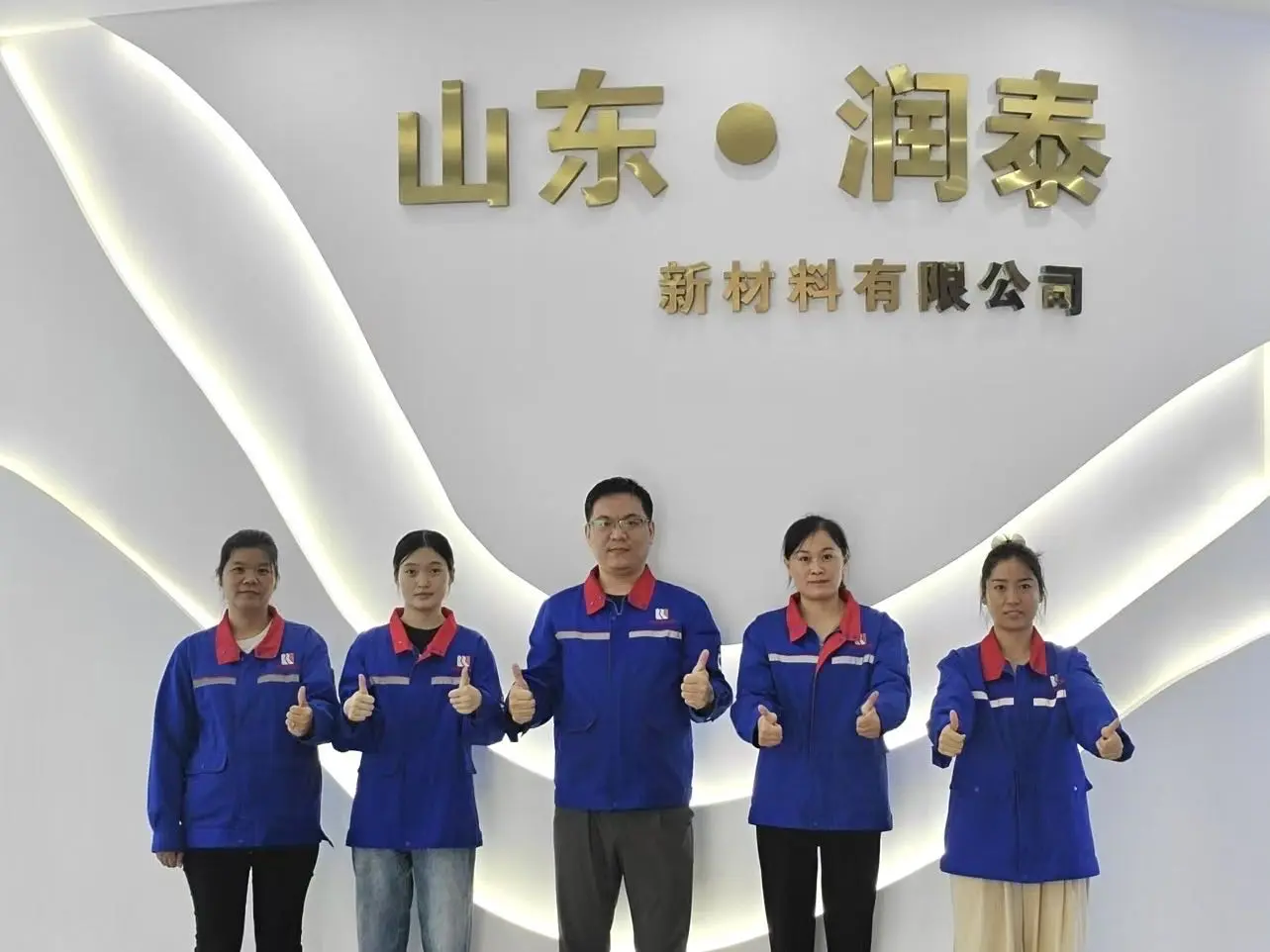
Shandong Runtai New Materials Co., Ltd. operates a wide range of production lines tailored to meet the demands of global buyers. Our daily output is backed by robust warehousing and shipping structures, allowing us to maintain a consistent market presence.
| Product Category | Annual Design Capacity (Tons) | Domestic Market Share | Primary Applications |
|---|---|---|---|
| Formaldehyde (HCHO) | 380,000 Tons | Co-supply / Upstream feedstock | Chemical synthesis, Adhesives |
| Urea Formaldehyde Resin | 300,000 Tons | ~80% (Integrated Share) | Wood panel production, adhesives |
| Melamine Powder | 60,000 Tons | Leading Market Position | Thermosetting resins, laminates |
| Melamine Glazing Powder | 20,000 Tons | High Export Ratio | Tableware, coating finishes |
| Specialized Resins | 11,000 Tons | Custom Formulation Range | Phenolic compounds, electronics |
Maintaining purity and stability across thousands of tons of polymer output requires automation. Runtai utilizes high-end Distributed Control Systems (DCS) to monitor and regulate synthesis parameters across our entire production layout in real time.
By automating the control of exothermic reactions, raw material feeds, and temperatures, we ensure stable chemical batches and limit human error. We work closely with the Changzhou Research Institute of Beijing University of Chemical Technology to continually refine our production setups. Backed by a dedicated doctoral research group and a portfolio of proprietary patents, our processes focus on lowering energy use and cutting emissions.

Aligning raw material processing with modern environmental expectations and international safety certifications.
We maintain certified ISO 9001 and ISO 14001 compliance standards. Our exports meet strict international regulations, including REACH for the European Union and specific EPA/CARB formaldehyde emission rules for structural wood products in North America.
We work to reduce emissions by developing low-free-formaldehyde resins. Our modern adhesives help builders meet strict environmental standards (like E0 and CARB Phase 2) for interior furniture and building materials.
We support our international customers with detailed documentation, including COAs, MSDS sheets, handling guides, and on-site technical assistance. We help clients optimize their compound processes and adjust machinery settings to suit their local production needs.

Our quality verification processes check every batch before it leaves the factory. By maintaining strict control over raw material feedstock and monitoring polymer condensation stages, we ensure our products deliver consistent density, predictable flow rates, and reliable shelf stability in various transport climates.
How our polymer derivatives serve primary global manufacturing and engineering sectors.
Our Urea Formaldehyde Resins act as high-strength binders for particleboard, plywood, and fiberboard production. We design these formulations to provide high moisture resistance, quick curing times, and low volatile emissions.
Our Melamine Moulding Compounds (MMC) and Urea Moulding Compounds (UMC) provide reliable electrical insulation, scratch resistance, and heat deflection. They are widely used to manufacture switches, electrical housings, and high-end consumer goods.
Our specialized Packaging Film Adhesives and water-based additives improve adhesion and bonding performance on modern composite films, making them suitable for food-grade flexible packaging systems.
Expert answers regarding critical technical variables, shipping protocols, and quality assurance processes.
Liquid urea formaldehyde resin is temperature-sensitive and continues to react slowly over time. To maximize shelf life, store it between 15°C and 25°C in well-ventilated, UV-shielded stainless steel tanks. Temperatures above 30°C will speed up polymerization, which can lead to higher viscosity and gelation. We also offer stabilized spray-dried powder alternatives with a shelf life of up to 12 months in dry conditions.
Our Melamine Moulding Compounds (MMC) are formulated under clean, controlled conditions to prevent external contaminants. We run regular testing on cured articles to ensure compliance with migration limits defined by FDA 21 CFR and EU Regulation No. 10/2011, making them suitable for durable tableware and kitchenware production.
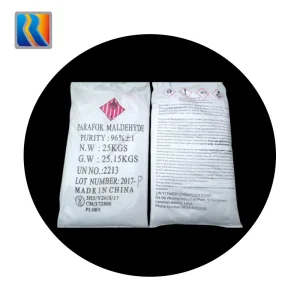
We supply formaldehyde solutions at standard concentrations of 37% to 50%, adding tailored levels of methanol stabilizer based on the customer's transport distance. For long-distance shipping and overseas buyers, we recommend switching to Paraformaldehyde (purity level of 92% to 96% solid flake/powder), which reduces bulk shipping costs and simplifies handling.
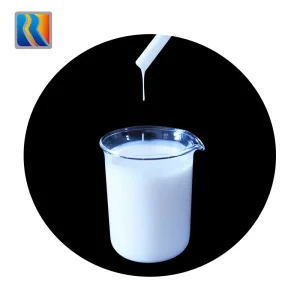
Our ammonium salt dispersants are designed to offer strong electrosteric stabilization in high-solids suspensions. By generating a uniform charge distribution on particle surfaces, they lower slurry viscosity, prevent agglomeration, and improve shelf stability for ceramic slips, pigments, and water-based paints.
We customize UMC color matching (using standard RAL and Pantone references), adjust flow properties for either compression or injection molding setups, and modify cure rates to align with our customers' production cycle times.
Explore our complete product selection, developed to improve efficiency and reliability in modern industrial operations.
 Runtai