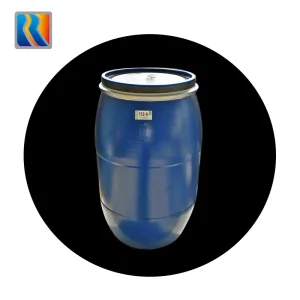
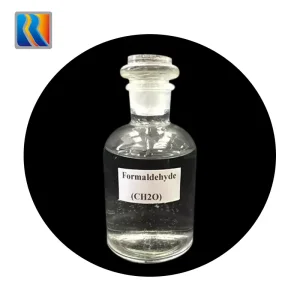
Wholesale Phenolic Adhesives Factory & Manufacturers

Global Standard Thermosetting Resin Solutions, Plywood Bonding Adhesives, and High-Performance Polymers Engineered for Structural Reliability

Premium Structural & Industrial Adhesives

Direct factory wholesale of chemical formulations built for heavy-duty composite manufacturing, polymer modifications, and coating enhancements.
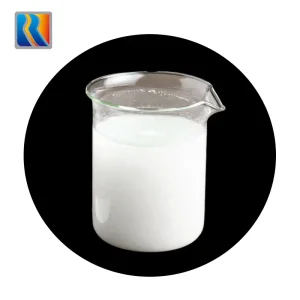
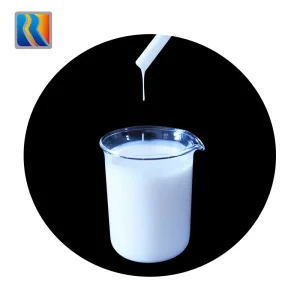
Best Urea Formaldehyde Resin

Best Urea Formaldehyde Resin - High Strength Adhesive from China Suppliers

Explore Specifications
China Acrylic Acid-Based Swelling Thickeners

Acrylic Acid-Based Swelling Thickeners - Viscosity Enhancement Solutions

Explore Specifications
Best China Acrylic Acid-Based Swelling Thickeners

Acrylic Acid-Based Swelling Thickeners Suppliers - Factory Direct Rheology Modifiers

Explore Specifications
China Packaging Film Adhesives

China Packaging Film Adhesives - Flexible Packaging Integration Factory

Explore Specifications
Wholesale China Formaldehyde

Wholesale China Formaldehyde - Leading Suppliers and Factory

Explore Specifications
Cheap China Packaging Film Adhesives

Cheap Packaging Film Adhesives - Flexible Packaging Applications

Explore Specifications
Best Urea Formaldehyde Resin Suppliers

Best Urea Formaldehyde Resin Suppliers - High-Quality Wood Composites Adhesives

Explore Specifications
Best Urea Formaldehyde Resin Factory

Best Urea Formaldehyde Resin Factory - Reliable High Strength Adhesives

Explore Specifications

The Global State of Phenolic Adhesives: Structural Integrity & Performance

Phenolic adhesives (phenol-formaldehyde resins) represent the cornerstone of structural bonding in extreme-environment industrial sectors. Known for their unmatched thermal stability, chemical resistance, and high-strength load-bearing capacity, these thermosetting polymers are widely utilized across global supply chains. As key chemical building blocks, they have transitioned from conventional wood-composite adhesives to advanced matrix components in aerospace composites, friction materials, and high-durability packaging.

In the modern manufacturing landscape, phenolic resins face rigorous technical and environmental standards. Industrial procurement teams and engineers select factories based on their ability to supply consistent molecular weights, precise solid contents, and low-emission formulations that align with global green building standards like CARB Phase II and EPA TSCA Title VI.

Key Insight for Industrial Buyers: Not all phenolic resins are created equal. The condensation reaction of phenol with formaldehyde yields two distinct adhesive classes—Resol (base-catalyzed, self-curing with heat) and Novolac (acid-catalyzed, requiring a hardener like hexamethylenetetramine). Selecting the appropriate chemical path dictates your downstream processing temperatures, press cycle durations, and moisture resistance metrics.

Industrial Applications & Global Demand Realities

The commercial footprint of phenolic adhesives is driven by high-performance sectors that refuse to compromise on structural safety:

  • Engineered Wood & Structural Panels: Plywood, OSB (Oriented Strand Board), and LVL (Laminated Veneer Lumber) intended for exterior structural use depend entirely on phenolic adhesives to withstand continuous moisture exposure and prevent delamination under load.
  • Aviation & Ground Transit: Due to their low smoke emission and excellent fire resistance, phenolic matrices are heavily integrated into aircraft interior lining panels, vehicle brake linings, and structural acoustic insulation.
  • High-Temperature Insulation: Phenolic-bound mineral wool and fiberglass insulation provide vital thermal barrier solutions for processing plants, refineries, and commercial HVAC networks.

Technology & Synthesis Innovation Roadmap

The chemical formulation paradigm is shifting towards highly optimized curing speeds and minimized VOC (volatile organic compound) emissions. Here is the technical milestone roadmap shaping our R&D and manufacturing focus:

Phase 1: Precision Monomer Ratios & Automation

Deployment of advanced Distributed Control Systems (DCS) to monitor the exothermal reaction of phenol and formaldehyde. This ensures consistent condensation, targeting specific molecular weights to achieve optimal viscosity-to-solid ratios.

Phase 2: Formaldehyde Emission Control Technologies

Integrating innovative formaldehyde scavengers and co-reacting agents like urea or melamine to capture free formaldehyde molecules within the polymer network without sacrificing mechanical bonding strength.

Phase 3: Bio-Based Lignin Modification (ESG-Driven)

Partially substituting fossil-derived phenol with natural lignin in the resin synthesis. This provides a renewable structural pathway that improves adhesive bio-degradability and reduces the product's overall carbon footprint.

Localized Application Scenarios and Environmental Challenges

Depending on geographic coordinates and localized supply chains, the application profiles of phenolic systems adapt:

Tropical Climates (e.g., Southeast Asia, Brazil)

Industrial wood processors require adhesives with high tolerance to ambient humidity and long assembly times. This demands specialized Resol formulations with slow pre-curing profiles and fast hot-pressing kinetics.

North American & European Building Codes

Stricter regulations on emissions force manufacturers to transition to ultra-low emitting phenolic systems or hybrid formulations like Melamine-Urea-Formaldehyde (MUF) resin with crosslink boosters.

Technical Parameters at a Glance

  • Appearance: Reddish-brown liquid to dark amber depending on concentration
  • Solid Content: 42% to 65% (tailored for specific application methods)
  • Viscosity (25°C): 100 - 800 mPa.s
  • Free Formaldehyde: < 0.1% (compliant with international eco-regulations)
  • Storage Stability: Up to 6 months in climate-controlled environments

*Standard parameters listed. Shandong Runtai New Materials provides bespoke formulation adjustments based on your factory machinery capabilities.

Company Profile: Shandong Runtai New Materials Co., Ltd.

Founded in March 2020, Sh山东 Runtai New Materials Co., Ltd. is a comprehensive group firm that specializes in fine chemical products. Our primary products include formaldehyde, polyformaldehyde, urea formaldehyde resin, melamine powder, and melamine glazing powder.

The corporation has branches in five different cities throughout the whole country, with its headquarters located in Zaozhuang City, Shandong Province. Runtai New Materials covers an area of 270,000 square meters with a total investment of 2.06 billion yuan.
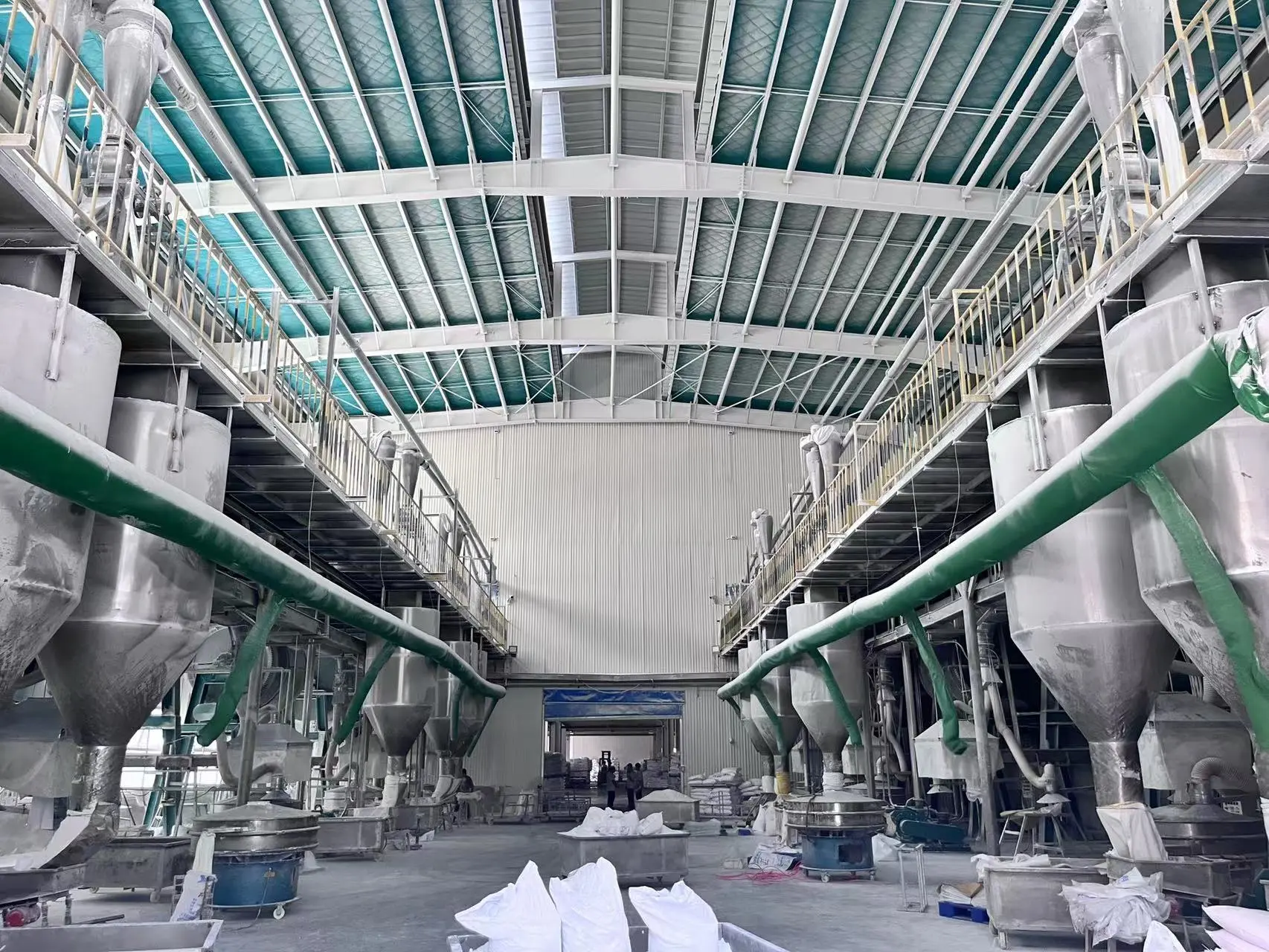
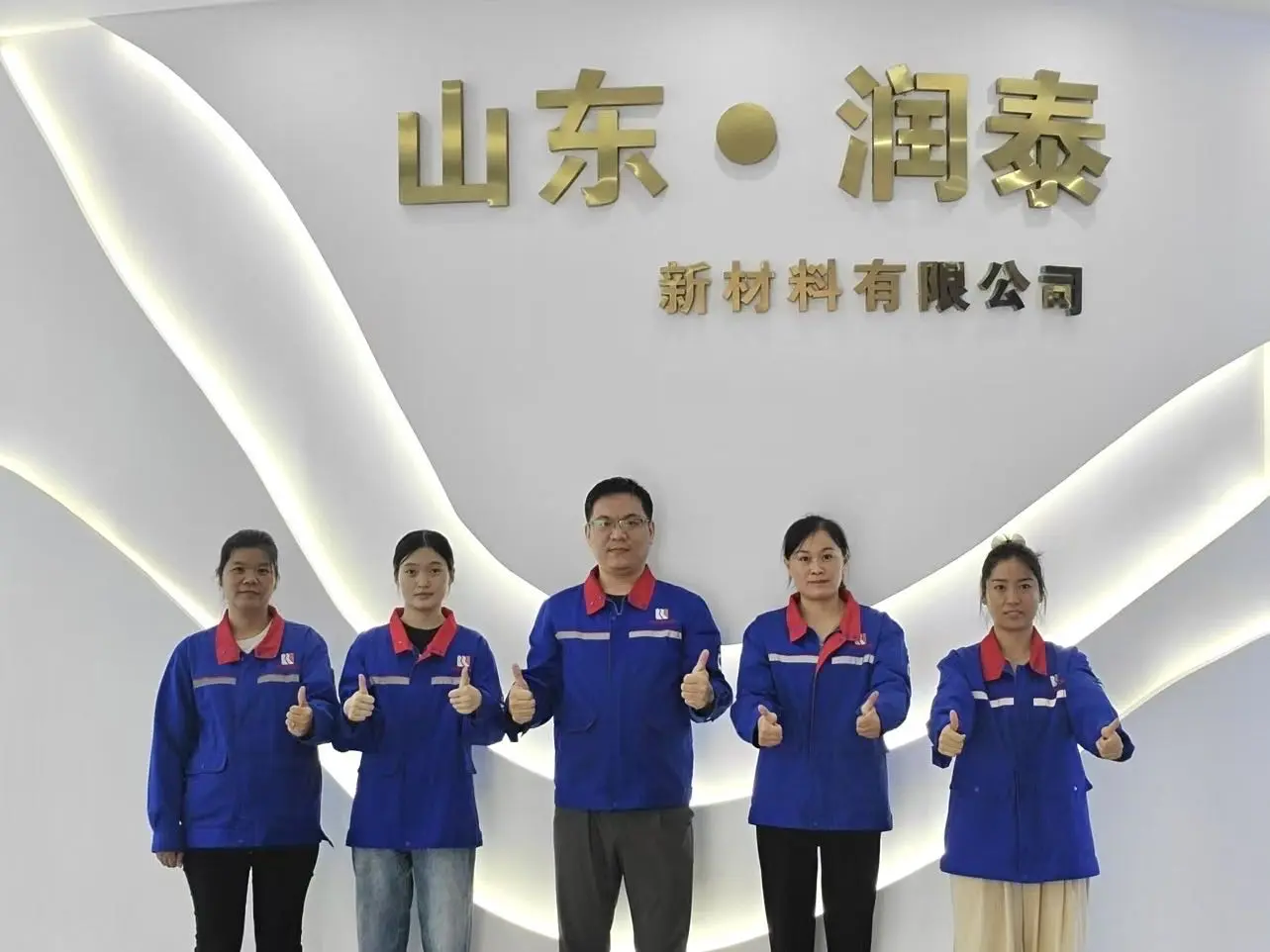
Runtai Plant View 1 Runtai Plant View 2
Runtai Chemical Production Line

"We prioritize sustainable development, energy saving, consumption reduction, and automated control to ensure consistent batch quality."

Industrial Production Capacity

Our scaled infrastructure and automated chemical processes guarantee robust material flow and supply chain consistency.

380k T
Formaldehyde Annually
300k T
Urea Formaldehyde Resin
60k T
Melamine Annually
80%
Domestic Market Share

As one of China's top producers of melamine and formaldehyde derivatives, we currently produce 20,000 tons of melamine glazing powder, 11,000 tons of resin, and 300,000 tons of urea formaldehyde resin annually. Our products have been exported to the United States, Thailand, Kenya, Egypt, and other countries.

Custom Solutions

We simultaneously offer standardized products as well as tailored solutions based on the unique requirements of our customers. Our professional staff and cutting-edge production machinery are committed to generating chemical goods that satisfy global standards.

Social Responsibility

As an ethical company, we prioritize sustainable development and environmental preservation. Our commitment lies in developing and producing eco-friendly products that minimize their negative effects on the environment while adhering to pertinent laws, regulations, and standards.

Quality & Integrity

The "quality first, customer first" attitude has always guided our business, and we embrace customer service with honesty and professionalism. Friends from both domestic and foreign locations are warmly invited to collaborate with us.

Competitive Advantages & Technology

Why industrial buyers trust Runtai as their manufacturing partner.

Advanced DCS Automation

We select the more advanced distributed control system (DCS) available currently. This allows us to control the process parameters across the entire production line, ensuring high levels of product quality, equipment safety, and raw material efficiency.

Strong Independent Innovation

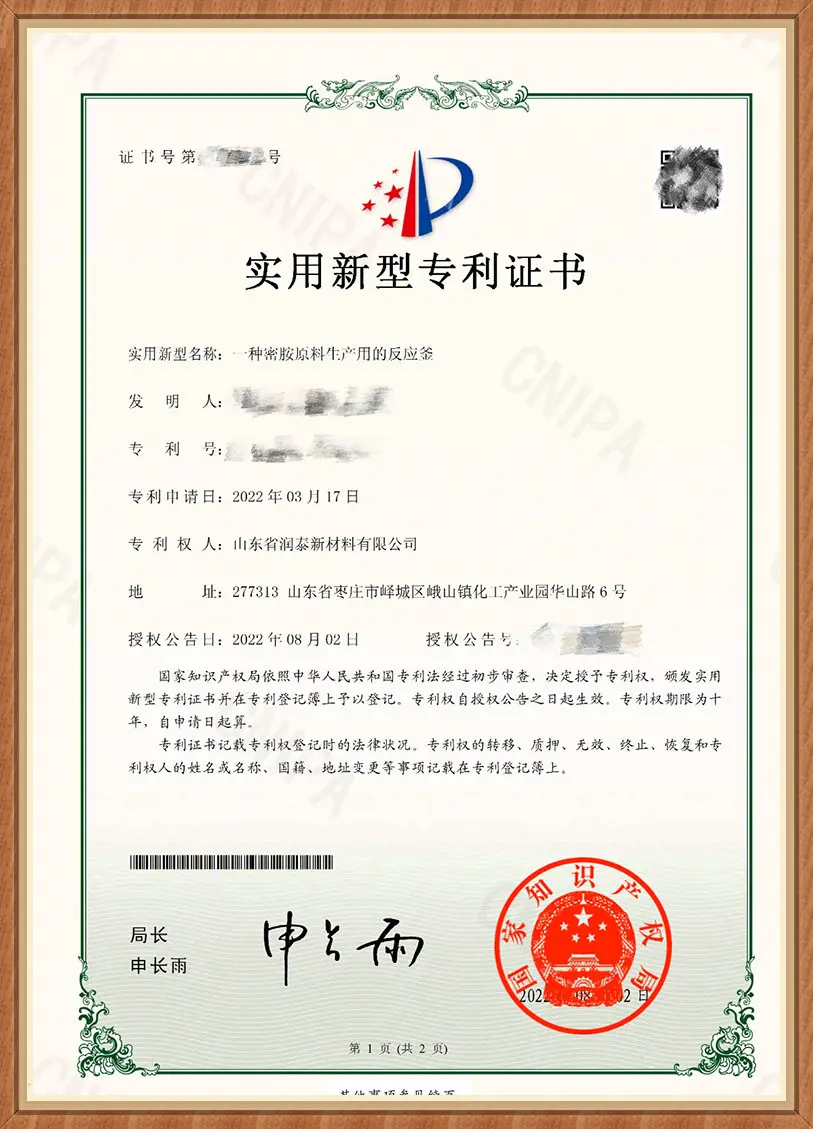
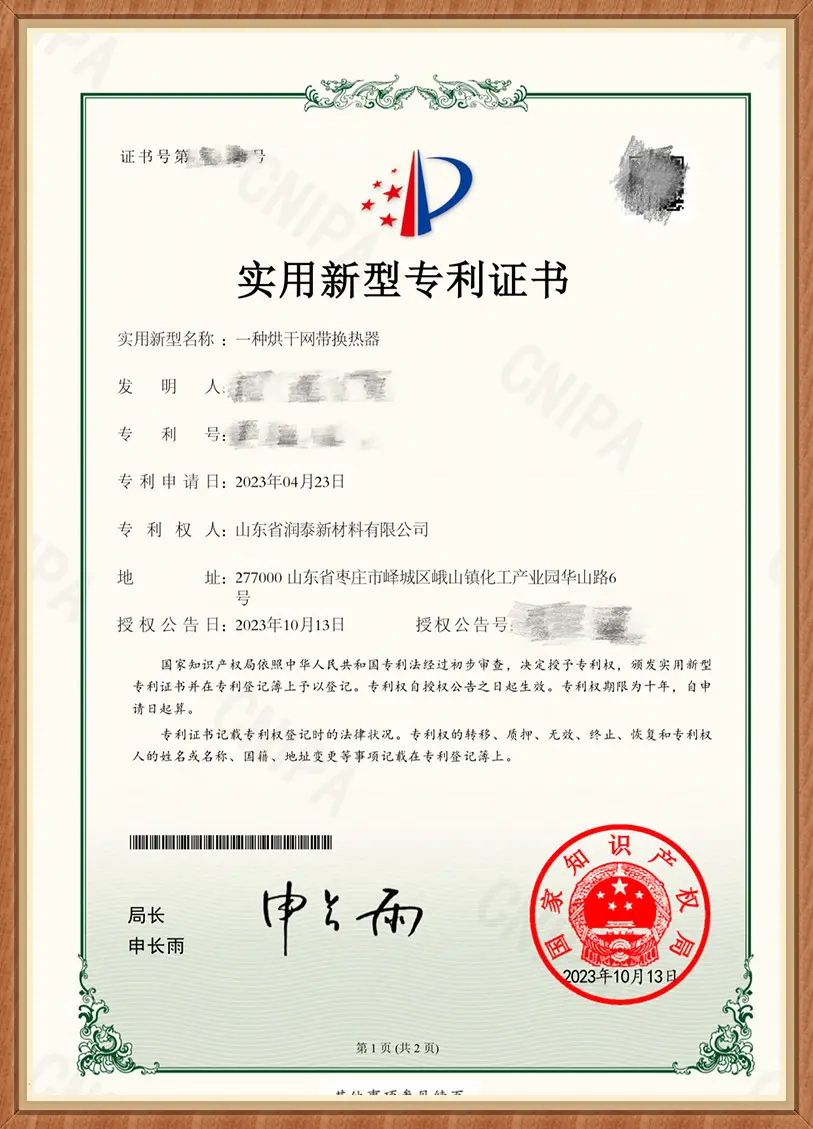
With the Changzhou Research Institute of Beijing University of Chemical Technology and other scientific research institutions, we engage in the integration of production, learning, and research, boasting a doctoral R&D team and patented technologies.

Deep Integrated Industrial Chain

Our chemical materials industry with formaldehyde as raw materials has great potential for extension, with derivative products widely used in adhesives, coatings, resin plastics, dyes, medical basic raw materials, and electronics.

Certificates, Patents, & Product Index

Verified manufacturing processes and high-quality materials catalogs.

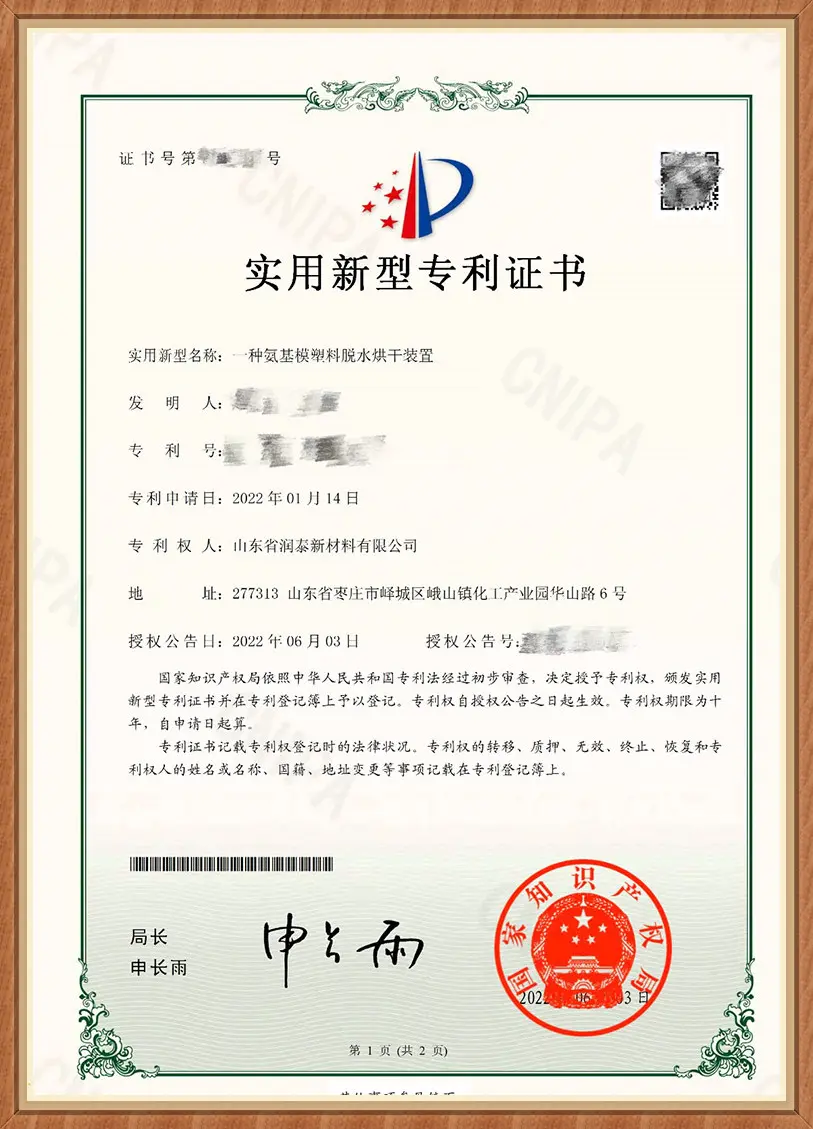
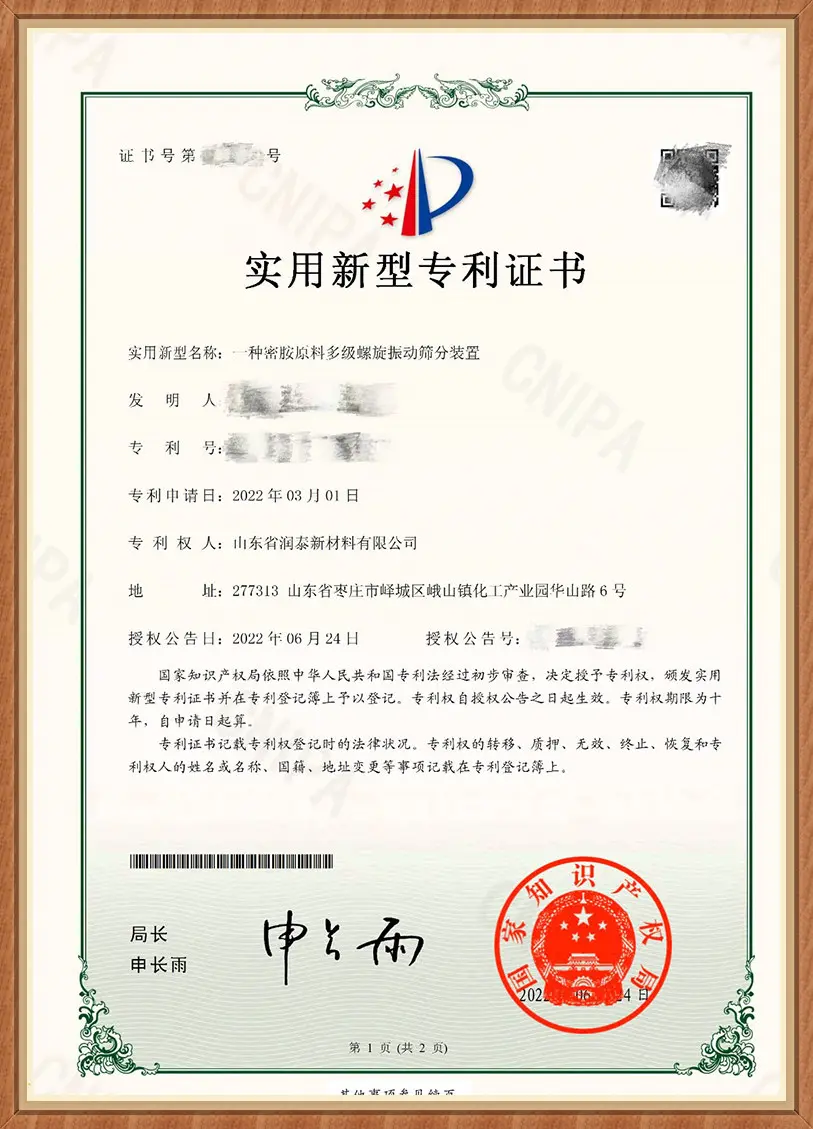
Our manufacturing sites utilize high-end, reliable, and established testing devices both domestically and internationally. This allows us to increase automated efficiency, boost labor productivity, conserve energy, and lower processing overheads.
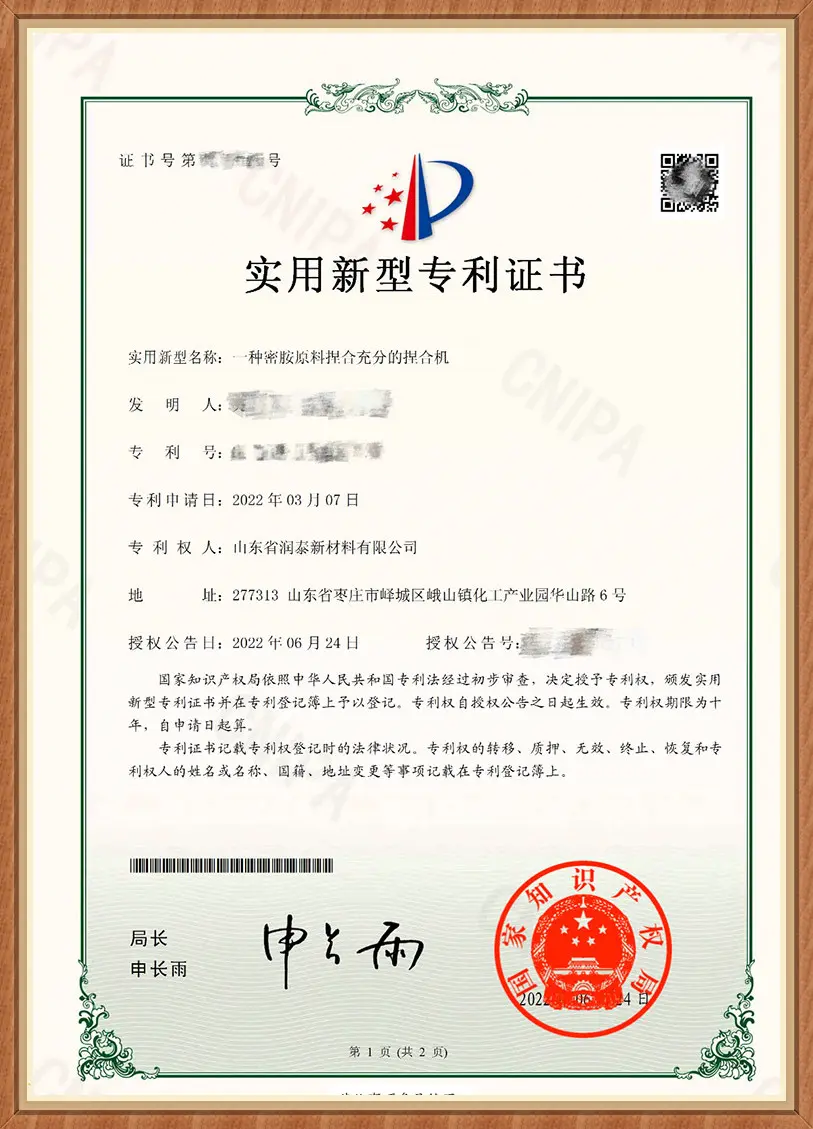
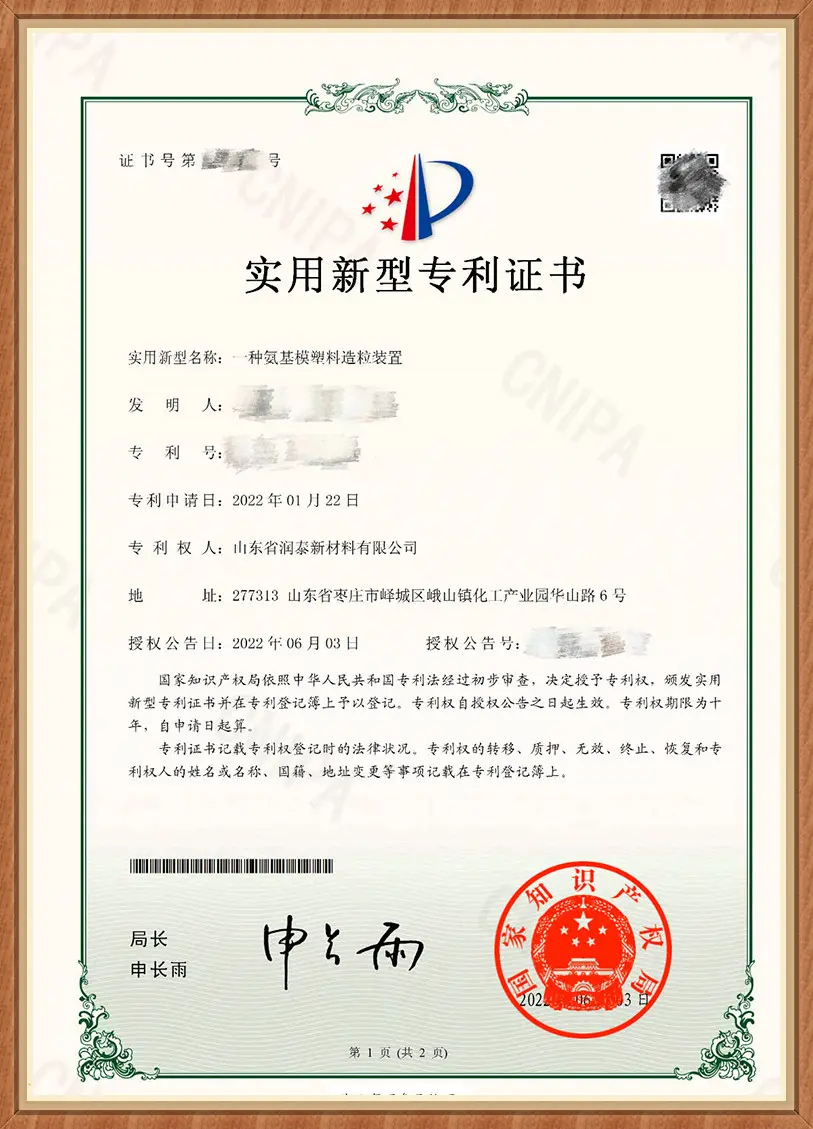
Patent Cert 1 Patent Cert 2 Patent Cert 3 Patent Cert 4 Patent Cert 5 Patent Cert 6

Complete Chemical Portfolio:

UMC Urea Moulding Compound(UMC)
MMC Melamine Moulding Compound(MMC)
Paraformaldehyde Paraformaldehyde
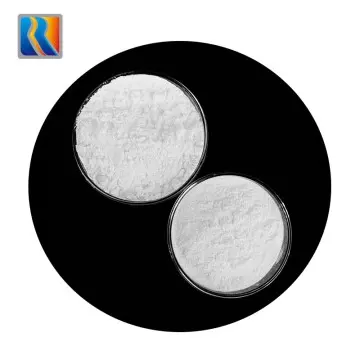
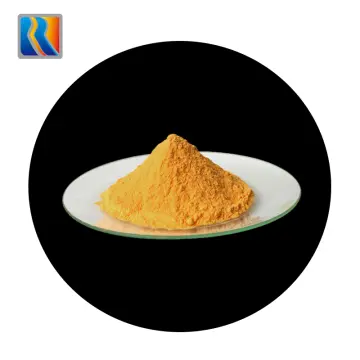
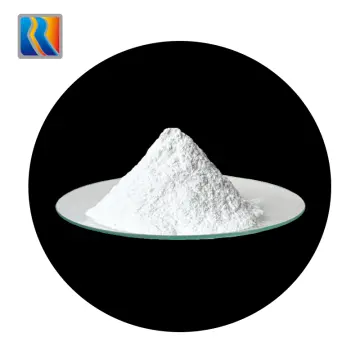
Melamine Glazing Powder Melamine Glazing Powder
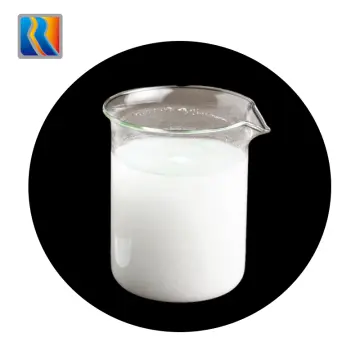
Urea Formaldehyde Resin Urea Formaldehyde Resin
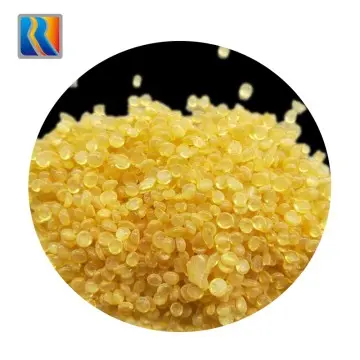
Phenolic Resin Phenolic Resin
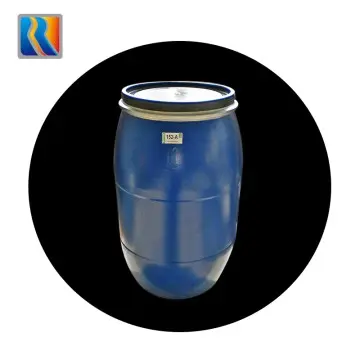
Packaging Film Adhesives Packaging Film Adhesives
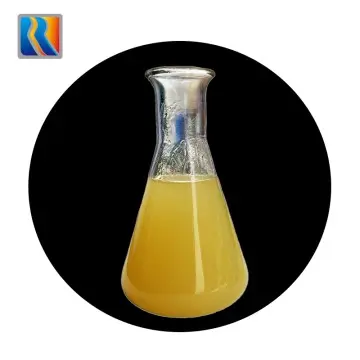
Mineral Oil Defoamers Mineral Oil Defoamers
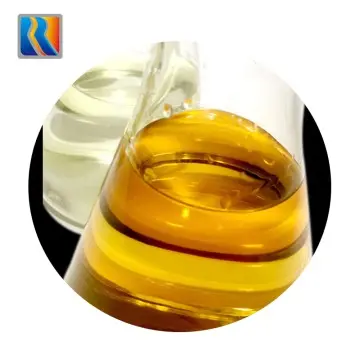
Ammonium Dispersant Ammonium Salt Dispersants
Water-Based Additives Water-Based Additives
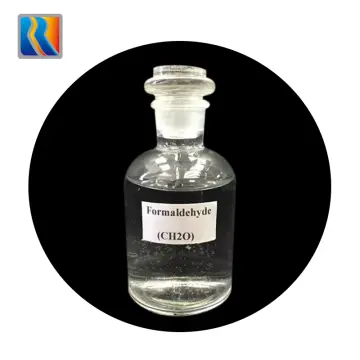
Formaldehyde Formaldehyde
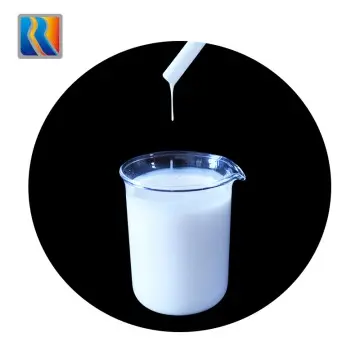
Swelling Thickeners Acrylic Acid Thickeners

Expert Q&A on Phenolic & Industrial Adhesives

Technical insights addressing key inquiries from design engineers, chemical distributors, and processing managers.

1. What is the fundamental difference between Resol and Novolac Phenolic Resins?
Resol resins are synthesized under alkaline catalyst conditions with an excess ratio of formaldehyde to phenol. They are self-curing and crosslink under heat without additional curing agents. Novolac resins are manufactured under acid-catalyzed environments with an excess of phenol. They remain thermoplastic and require a curing agent (typically hexamethylenetetramine or 'hexa') to thermoset when heated.
2. How does Runtai ensure ultra-low formaldehyde emissions in its resin systems?
We employ modern synthesis technology that precisely controls reaction kinetics via DCS platforms. By utilizing custom scavenger systems and optimization of the formaldehyde-to-urea/melamine ratio, we chemically bind free monomers. This ensures that the finalized structural panels and composite parts easily comply with strict international criteria, including US EPA TSCA Title VI and European E1 emission classes.
3. Can your urea-formaldehyde and phenolic adhesives be customized for different environmental humidity levels?
Yes. We formulate customized products based on our clients' environmental conditions. For tropical areas with high moisture and temperature, we supply resins modified with melamine to increase moisture resistance, along with custom catalyst systems that regulate gelation times during the hot press cycle.
4. What are the key shipping and storage protocols for bulk liquid phenolic resins?
Liquid phenolic adhesives are temperature-sensitive polymers that undergo slow aging (viscosity increase) even at room temperature. We recommend storing liquid resins between 15°C to 20°C in stainless steel or fiberglass-reinforced plastic tanks. During maritime transit, we coordinate thermal-controlled containers to guarantee that the material arrives within the specified viscosity and curing window.
5. What testing equipment does Runtai use to verify batch consistency?
Our quality control labs utilize advanced analytical testing equipment, including Gel Permeation Chromatography (GPC) to verify molecular weight distribution, Differential Scanning Calorimetry (DSC) to examine resin curing kinetics, and rotational viscometers to confirm fluid characteristics. This ensures that each industrial batch performs identically under our client's hot press parameters.

Specialized Formulations & Rheology Additives

Complete your production processes with our certified stabilizers, defoamers, and thickeners.
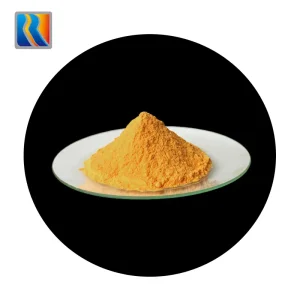
Cheap High-Quality Formaldehyde Suppliers

High-Quality Formaldehyde Suppliers - Colorless Gas and Solutions

Explore Specifications
Best China Suppliers Factory for High-Quality Packaging Film Adhesives

Packaging Film Adhesives Factory - Flexible Packaging Solutions

Explore Specifications
Cheap Acrylic Acid Thickeners

Acrylic Acid-Based Swelling Thickeners - Water-Based Formulations

Explore Specifications
Cheap Urea Moulding Compound

Urea Moulding Compound (UMC) Suppliers - Powder and Granular Forms

Explore Specifications
China Mineral Oil Defoamers

China Mineral Oil Defoamers - Top Suppliers for Foam Control

Explore Specifications
Cheap China Mineral Oil Defoamers

Mineral Oil Defoamers - Effective Industrial Foam Control Solutions

Explore Specifications
Famous Urea Formaldehyde Resin Suppliers

Famous Urea Formaldehyde Resin Suppliers - High Strength Wood-Based Adhesives

Explore Specifications
Wholesale Water-Based Additives Suppliers

Wholesale Water-Based Additives Suppliers - Innovative Product Performance Solutions

Explore Specifications