Direct supply options from our integrated Shandong manufacturing base, ensuring compliance with global specifications.
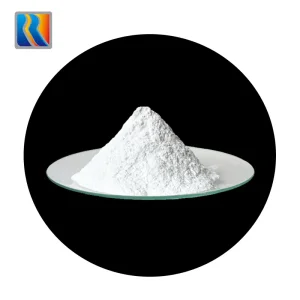
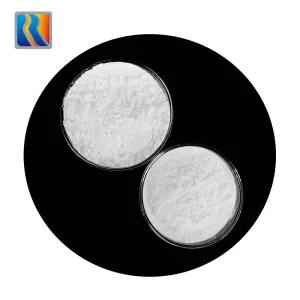
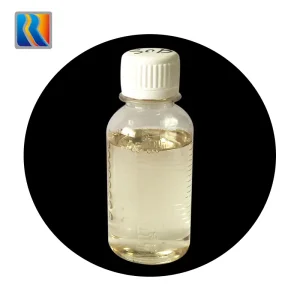
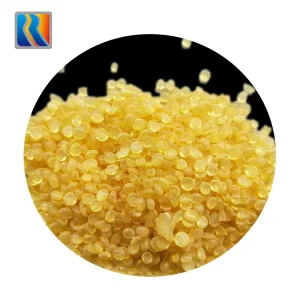
Paraformaldehyde (CAS No. 30525-89-4) represents the smallest solid polyoxymethylene polymer, characterized by a polymerization degree typically ranging from 8 to 100 units. For modern industrial applications, it functions as a highly concentrated solid source of formaldehyde gas, eliminating the heavy transportation weight and operational challenges associated with aqueous formaldehyde solutions (formalin).
At Shandong Runtai New Materials Co., Ltd., we utilize advanced chemical synthesis parameters to control the depolymerization rate of our paraformaldehyde. This ensures optimal chemical kinetics when reacted with urea, melamine, phenols, or active organic intermediates. Our manufacturing protocols minimize the formation of acid impurities (specifically formic acid), ensuring consistent pH environments during subsequent chemical processing.
With an investment of over 2.06 Billion Yuan and operating a massive 270,000 square meter plant, Runtai is uniquely positioned to deliver reliable, high-yield product outputs that comply with strict ISO 9001 and ISO 14001 specifications.
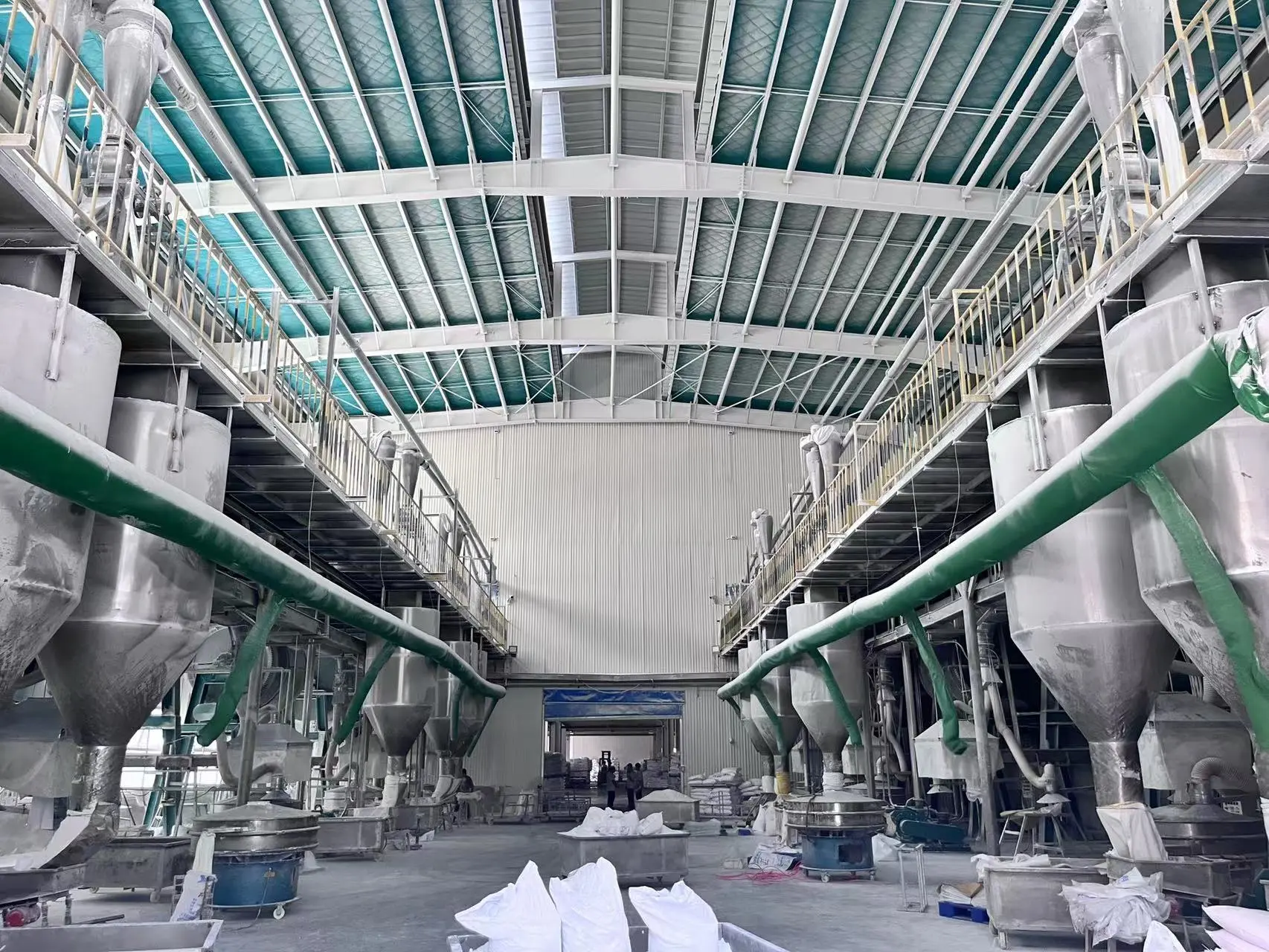
Strategic capacity distribution supporting local resin replacement schemes and extensive overseas trade.
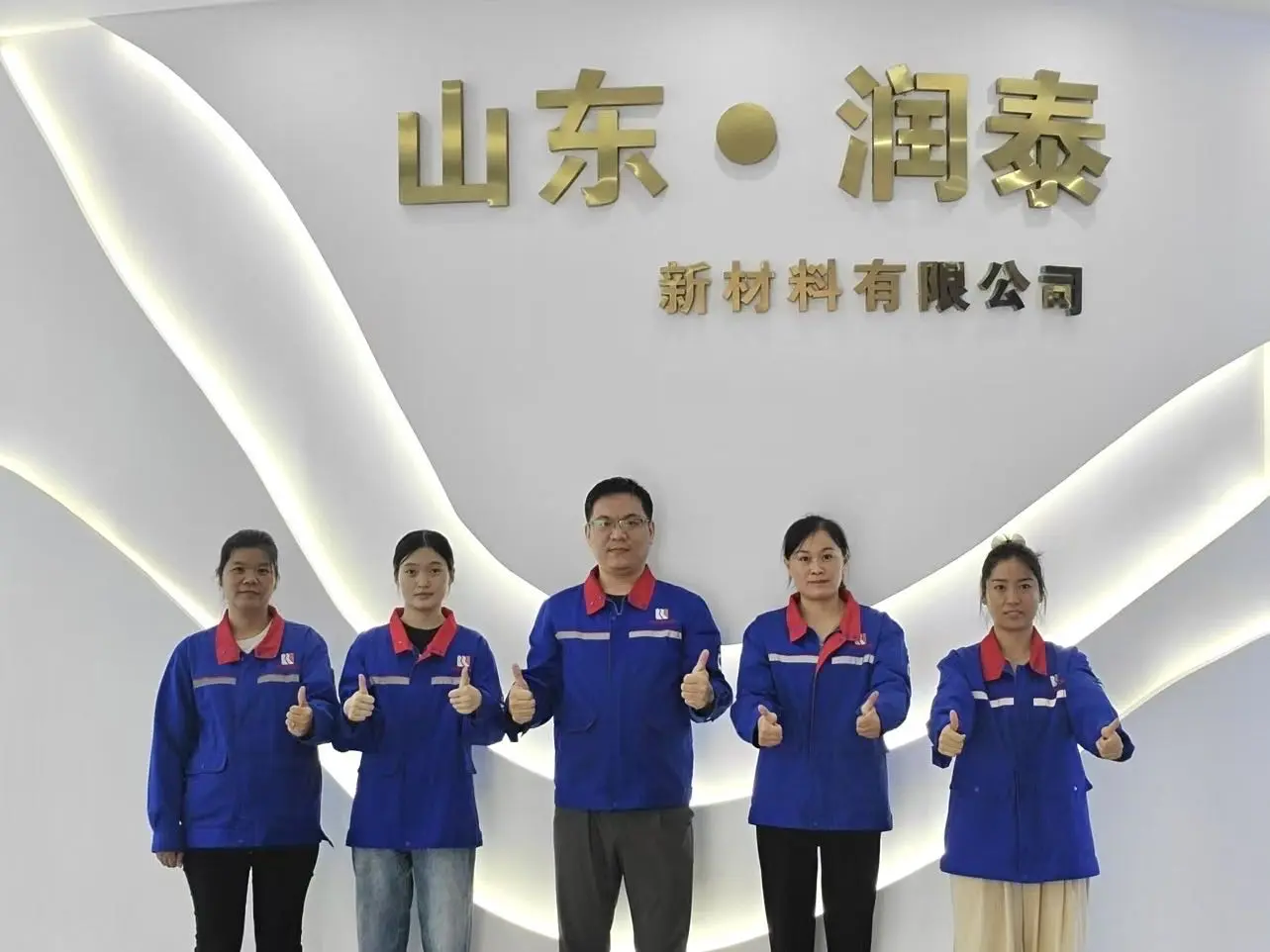
By shifting processing setups to advanced Distributed Control Systems (DCS), Runtai ensures real-time oversight of key variables, including concentration temperatures, depolymerization rates, and moisture control metrics. This automation directly limits raw material consumption, optimizes thermal energy usage, and safeguards operational integrity.
Furthermore, our collaborations with leading institutions such as the Changzhou Research Institute of Beijing University of Chemical Technology have established a pipeline for ongoing product and process optimization. This is supported by an in-house doctoral research team focusing on low-emission synthesis solutions.
Why international chemical buyers prioritize Shandong chemical corridors for raw material procurement.
Shandong Province serves as a central hub for China's petrochemical and coal chemical industries. This proximity secures direct, pipeline-fed access to raw methanol, protecting manufacturing lines from supply shortages and pricing volatility.
By manufacturing 380,000 tons of formaldehyde intermediates annually, we achieve significant economies of scale. These efficiencies translate into competitive pricing for bulk paraformaldehyde shipments, without compromising quality standards.
Our integration of Honeywell and Yokogawa DCS systems allows for precise control over polymerization indices (n-value). This ensures that batch-to-batch variations remain well within international buyer specification limits.
Our facilities utilize advanced closed-loop VOC recovery systems and high-capacity biological wastewater treatment. This proactive environmental management ensures uninterrupted, year-round production schedules.
Located in Shandong, our logistics network provides direct access to Qingdao Port. This infrastructure enables efficient booking, container tracking, and adherence to international shipping regulations for Class 4.1 flammable solids (UN 2213).
Our downstream capabilities extend from raw formaldehyde to melamine, polyformaldehyde, and urea-formaldehyde resins. This integration supports comprehensive quality tracking across the entire product lifecycle.
Optimizing depolymerization characteristics to serve key global chemical sectors.
Paraformaldehyde serves as a critical raw material in the synthesis of widely used herbicides, including Glyphosate, Acetochlor, and Butachlor. High-purity PFA ensures higher reaction concentration yields and minimizes waste generation.
By replacing aqueous formalin with solid paraformaldehyde, resin manufacturers can eliminate water distillation cycles. This operational change can increase batch capacity by 20% to 35% and reduce wastewater generation.
PFA plays an important role in the synthesis of active pharmaceutical ingredients (APIs), disinfectants, and specialized coatings. Precise polymerization degree control is key to maintaining stable reaction profiles.
Used in formulating industrial cross-linkers for heat-cured coatings, PFA contributes to improved chemical resistance, surface durability, and hardness in automotive and consumer appliance finishes.
At Shandong Runtai, we balance industrial scale with a commitment to sustainable chemical processing. Our research and development efforts focus on low-emission synthesis and reducing carbon footprints across our production lines.
By complying with international environmental standards, including REACH, ROHS, and regional emission controls, we ensure that our global partners receive products that meet both technical requirements and sustainability targets.

Key considerations for chemical sourcing teams navigating supply chains and regulatory standards.
Procurement managers look for paraformaldehyde with consistent depolymerization rates. By adjusting processing parameters, factories can produce PFA that dissolves readily under mild heating, reducing energy consumption for end users.
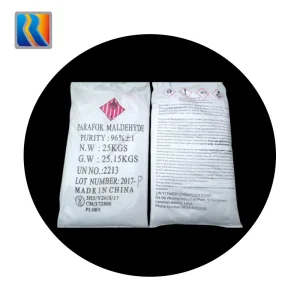
To prevent moisture absorption and subsequent cake formation, we package our products in 25kg multi-layer composite bags or 500kg/1000kg jumbo bags featuring moisture-proof inner liners.
Classified as a Class 4.1 flammable solid (UN 2213), paraformaldehyde requires strict adherence to safety protocols during shipping. Our logistics team coordinates proper handling, storage separation, and customs documentation.
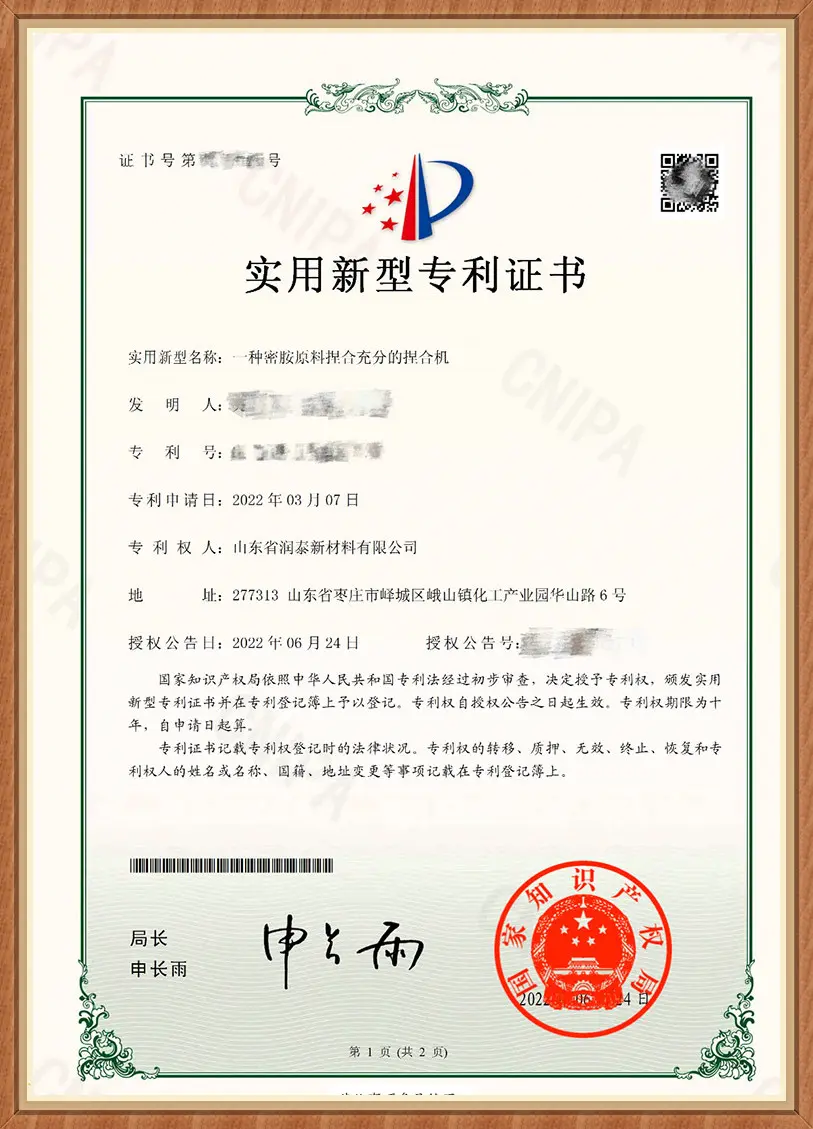
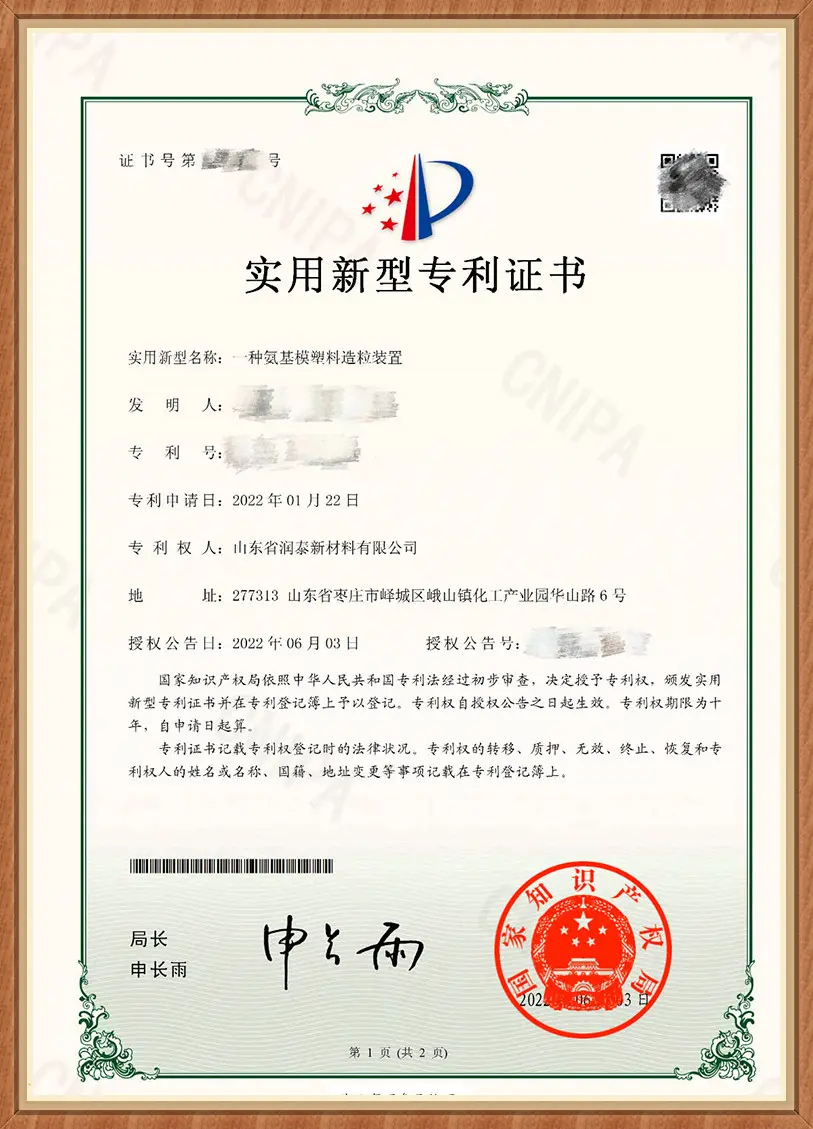
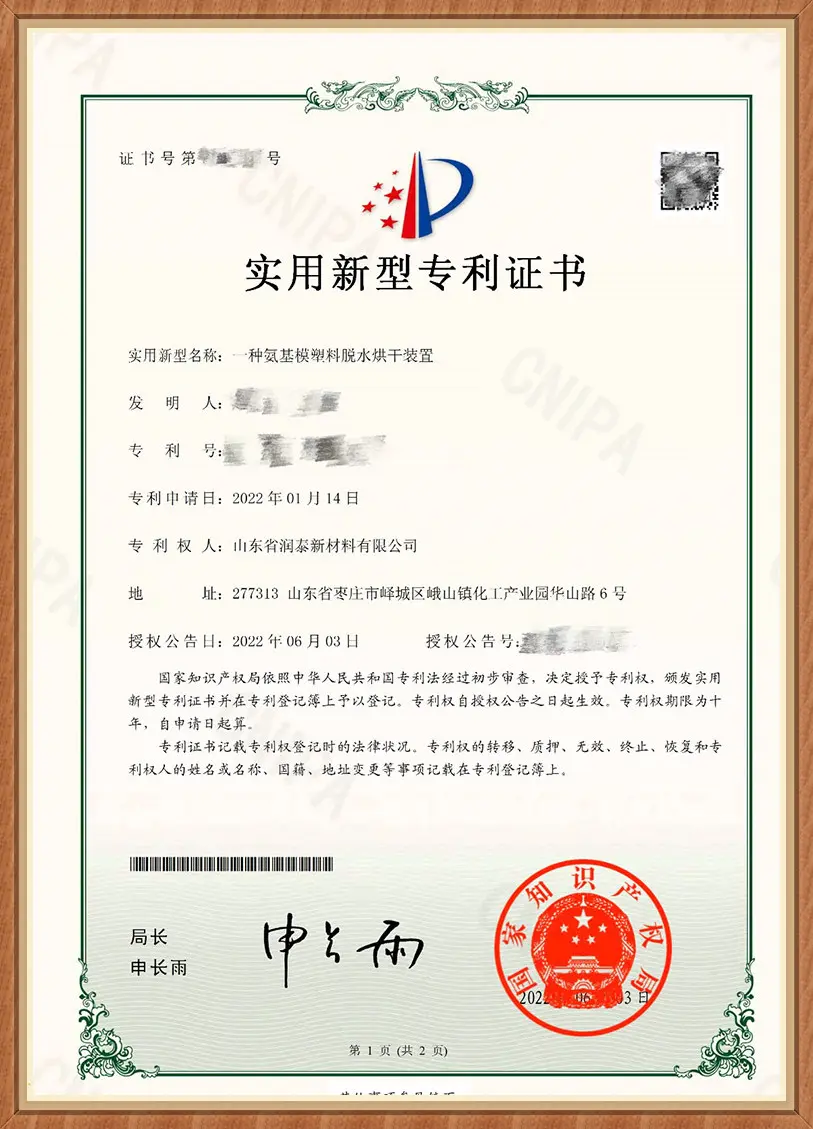
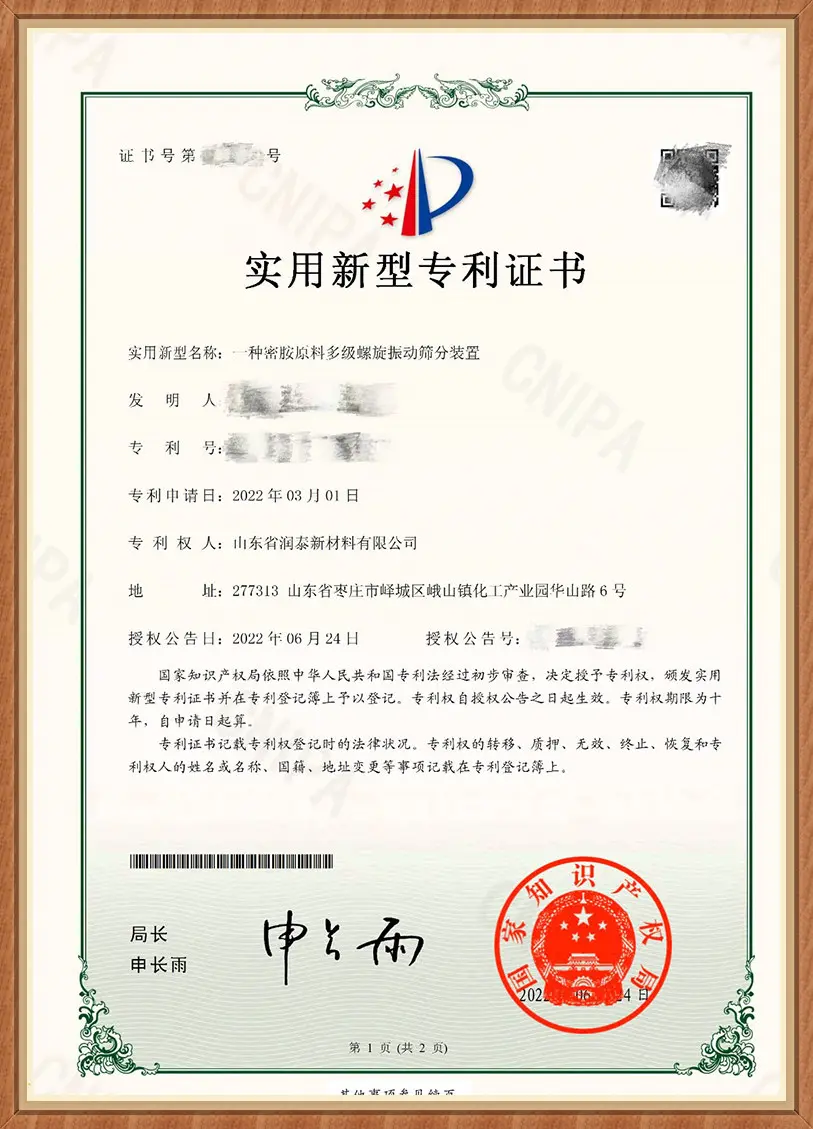
Supported by rigorous quality assurance standards and verified processing technologies.
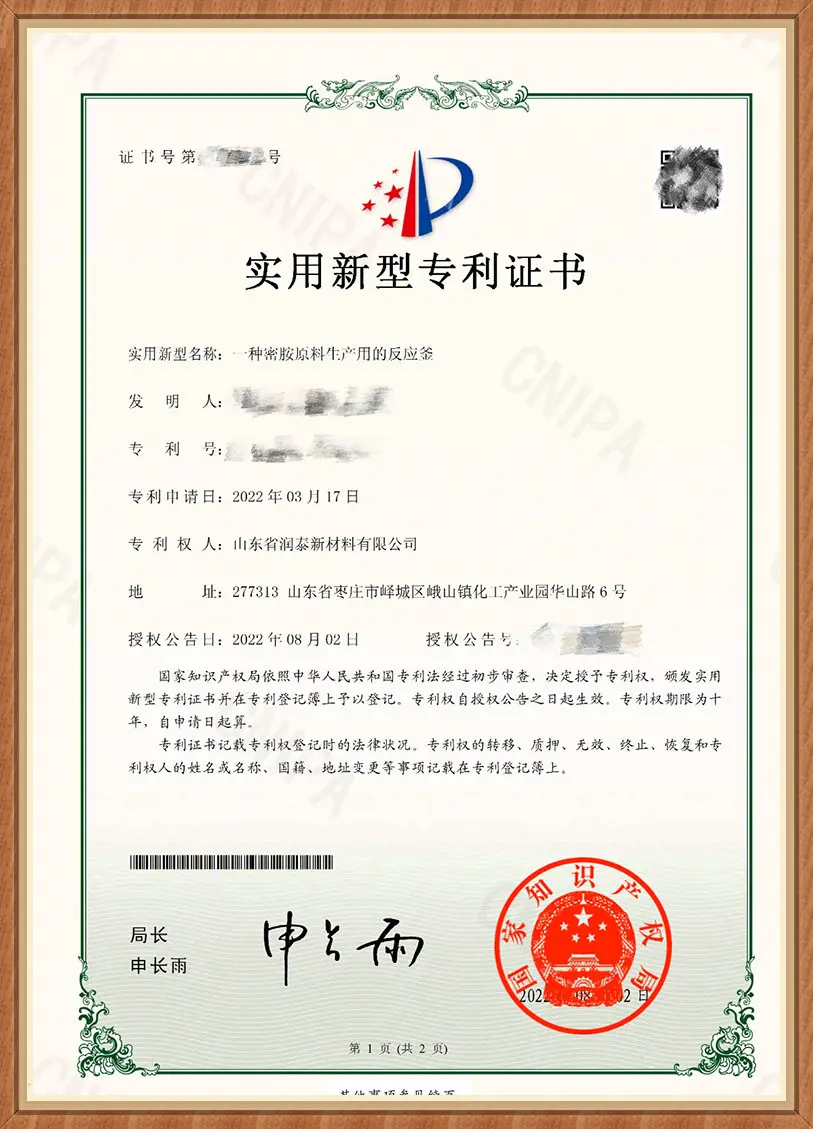
Technical and logistical insights from our chemical engineers and export specialists.
The percentage refers to the active formaldehyde content within the solid polymer. 96% PFA has a higher polymerization degree (n-value), meaning it contains less residual water and free methanol than 92% PFA. 96% PFA is preferred for water-sensitive organic synthesis reactions, while 92% PFA is commonly selected for agricultural chemicals and resin formulations due to its lower cost and faster depolymerization profile under mild heating.
Formalin contains 43% to 63% water, which must be distilled off during the condensation polymerization of melamine, urea, or phenolic resins. By substituting formalin with solid paraformaldehyde, the water load is reduced. This allows for higher solids concentrations per batch, increases reactor throughput by 20% to 35%, and decreases wastewater treatment volumes, helping to lower overall energy costs.
Under dry, ventilated storage conditions (below 25°C), paraformaldehyde remains stable for approximately 12 months. Over time, exposure to moisture and high temperatures can cause slow polymerization changes, leading to powder compaction or "caking." To prevent this, we package the product in multi-layer composite bags with high-barrier plastic inner liners and recommend maintaining strict temperature controls in the storage area.
Paraformaldehyde is classified as a hazardous chemical (Class 4.1 Flammable Solid, UN 2213, Packing Group III). Exporting requires a valid Material Safety Data Sheet (MSDS) in compliance with GHS standards, a Dangerous Goods declaration, and UN-approved packaging (such as certified woven bags or IBCs). Runtai coordinates these regulatory requirements to ensure seamless customs clearance at both origin and destination ports.
Our Distributed Control System (DCS) continuously monitors temperature, pH, pressure, and flow rates across the production line. By automating these variables, we minimize batch-to-batch variations. This process control ensures that the depolymerization rate, moisture levels, and free-acid content remain within specified limits, providing reliable material performance for our customers' processes.
Complete your supply chain requirements with our direct factory solutions.
 Runtai