As a leading global chemical group, we deliver high-performance formulations tailored for industrial applications, synthesis, composites, and coating fields.
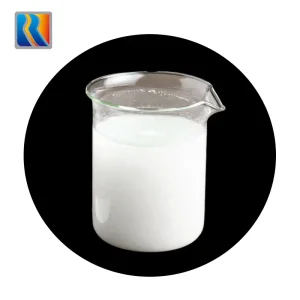
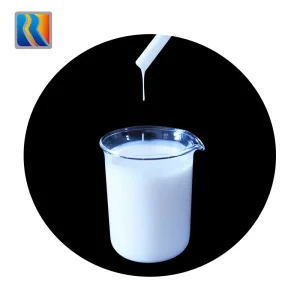
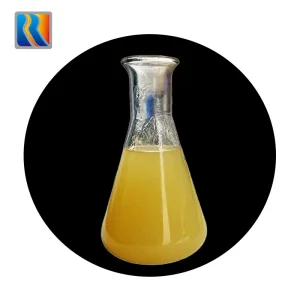
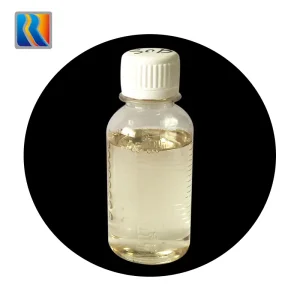
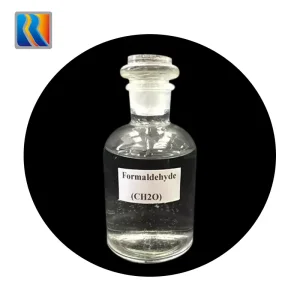
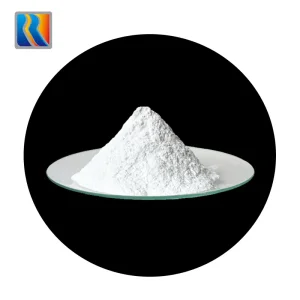
Paraformaldehyde (PFA), indexed under the CAS Registry Number 30525-89-4, is a polymerized solid form of formaldehyde. Presenting as a white crystalline powder or prill with the molecular formula HO(CH2O)nH (where n ranges from 8 to 100), PFA provides a strategic, anhydrous alternative to liquid aqueous formalin solutions. Liquid formaldehyde contains up to 63% water, which presents substantial challenges in high-yield organic synthesis, polymer engineering, and global shipping logistics.
By shifting from liquid formalin to wholesale Paraformaldehyde (CAS 30525-89-4), manufacturers eliminate unnecessary water handling, optimize batch reactors, reduce thermal energy waste, and drastically lower volatile organic compound (VOC) generation. This chemical standard is critical in formulation processes requiring highly controlled, slow-release formaldehyde dynamics via depolymerization.
Choosing the correct grade of Paraformaldehyde determines depolymerization rates, yield, and purity in target industrial syntheses.
| Technical Parameters | 92% High-Activity Grade | 96% Premium Synthesis Grade | Testing Standards / Methods |
|---|---|---|---|
| Appearance | White Prills / Granules | Fine White Powder / Micro-Granules | Visual Inspection |
| CAS Registry Number | 30525-89-4 | 30525-89-4 | CAS Standard Registry |
| Assay (as HCHO) | ≥ 91.5% - 93.0% | ≥ 95.5% - 97.0% | Acid-Base Titration (Sodium Sulfite) |
| Methanol Content | ≤ 1.5% | ≤ 0.5% | Gas Chromatography (GC) |
| Ash Content | ≤ 0.05% | ≤ 0.02% | Gravimetric Analysis (800°C) |
| Acid Value (as Formic Acid) | ≤ 0.03% | ≤ 0.015% | Potentiometric Titration |
| Depolymerization Temperature | 80°C - 120°C | 100°C - 140°C | Thermal Desorption Analytics |
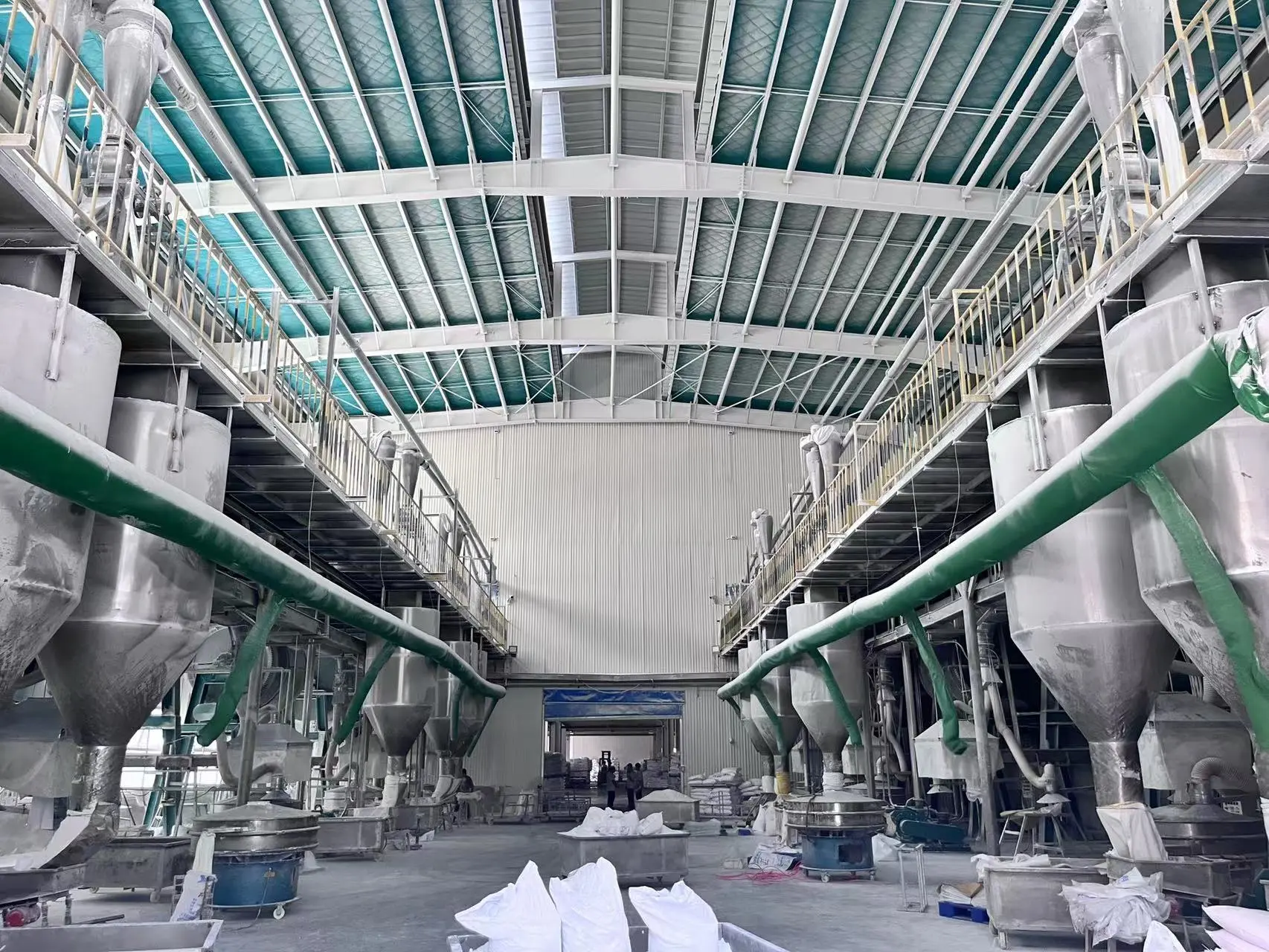
Founded in March 2020, Shandong Runtai New Materials Co., Ltd. is a premier chemical group specializing in fine chemicals and advanced resins. Located in Zaozhuang City, Shandong Province, our headquarters cover 270,000 square meters. Backed by a total investment of 2.06 billion yuan, we operate modern, fully automated production lines that supply essential base chemicals to both domestic and international markets.
Our high-end facilities employ cutting-edge Distributed Control Systems (DCS) to monitor critical process parameters, ensuring high product consistency, reduced energy consumption, and safe operations.
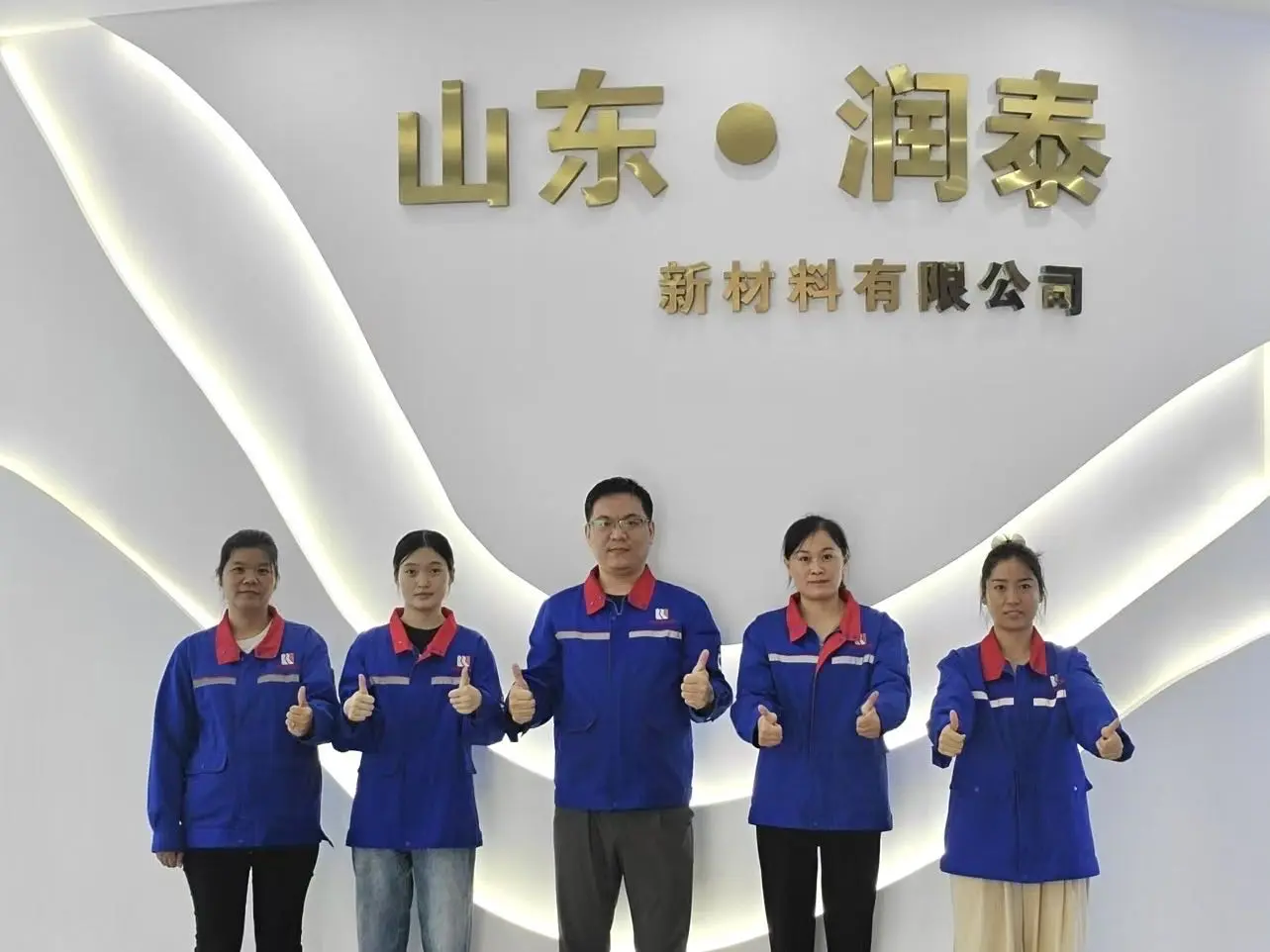
Paraformaldehyde CAS 30525-89-4 is not just an raw ingredient; it is a critical driver for process optimization across multiple chemical supply chains.
PFA is a crucial precursor in manufacturing herbicides like Glyphosate, Acetochlor, and Butachlor. By avoiding water in the synthesis phase, manufacturers can maximize reaction volume, increase conversion rates, and limit waste treatment costs.
Used in producing high-performance phenolic, urea-formaldehyde, and melamine-formaldehyde resins. PFA delivers exceptional strength, durability, and moisture resistance, which are critical for wood panel bonding, automotive coatings, and molding.
In industrial, automotive, and coil coatings, PFA serves as an effective cross-linking agent. It enhances finish hardness, chemical resistance, and weather durability. Solid PFA also simplifies VOC management compared to liquid alternatives.
Exporting Paraformaldehyde (CAS 30525-89-4) requires strict compliance with international safety regulations. classified as a Class 4.1 Flammable Solid (UN 2213, PG III), PFA requires specialized packaging, documentation, and storage. Shandong Runtai New Materials ensures compliance with GHS standards, provides comprehensive Safety Data Sheets (SDS), and manages local compliance, including Europe's REACH, US EPA guidelines, and regional hazardous material transport regulations.
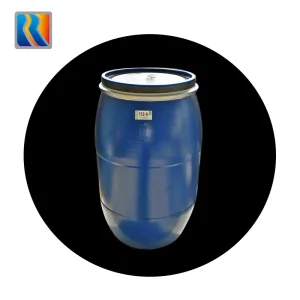
Our international logistics team works with global ocean freight partners to guarantee safe, reliable delivery. We use humidity-controlled, airtight, palletized bags (such as 25kg PP/PE bags or 500kg/1000kg bulk containers) to protect the product during long-distance transport, preserving its active formaldehyde content and preventing premature depolymerization.

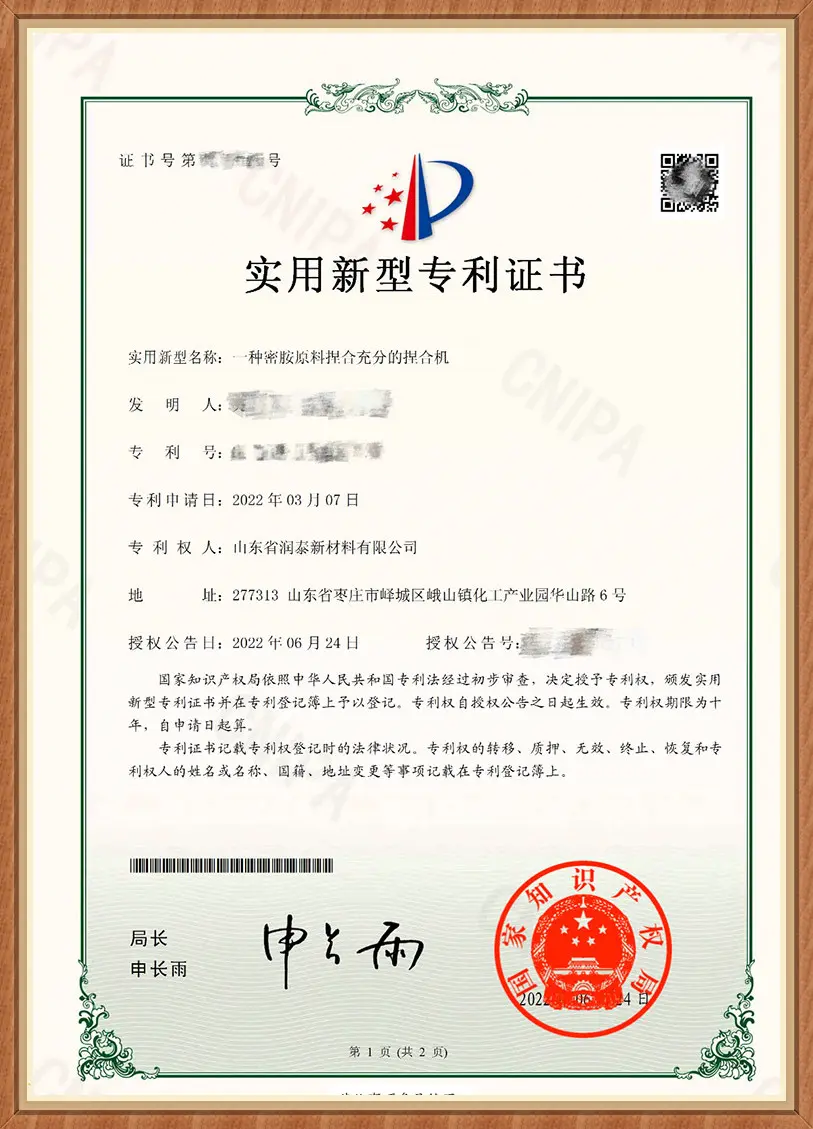
At Runtai New Materials, our competitive edge lies in vertical integration, advanced process control, and continuous R&D. By partnering with scientific institutions like the Changzhou Research Institute of Beijing University of Chemical Technology, our doctoral R&D team continuously refines production methodologies and has secured multiple chemical process patents.
We use advanced DCS automation to control synthesis temperatures and drying rates. This precise control results in low-methanol Paraformaldehyde with stable molecular weights, offering predictable depolymerization curves for chemical manufacturers worldwide.

Real-time monitoring of all synthesis parameters minimizes batch-to-batch variation, keeps heavy metal levels low, and controls pH, ensuring highly stable chemical quality.
Our direct rail access and proximity to deepwater ports ensure cost-effective shipping, reliable supply chains, and prompt delivery to international destinations.
Our closed-loop manufacturing design captures off-gases, minimizes emissions, and recycles process water, supporting sustainable and clean production.
As the chemical industry shifts toward carbon neutrality and advanced efficiency, the requirements for formaldehyde solid alternatives continue to evolve.
Our current research focuses on modifying the polymer chain length of CAS 30525-89-4. By limiting polymer length to a specific range (n=8 to 15), we aim to offer a specialized grade that depolymerizes at lower temperatures. This will help downstream synthesis plants reduce energy consumption.
We are working to integrate bio-methanol into our synthesis lines. By using renewably sourced raw materials, we can offer low-carbon footprints, helping global manufacturers achieve their scope 3 emissions reductions.
We are deploying robotic packing stations that seal bulk containers under inert gas. This prevents moisture absorption and oxidation, extending the shelf-life of our PFA to 24 months, even in tropical storage environments.
Our focus on quality and safety is backed by international certifications and patents, ensuring reliable performance in downstream manufacturing.
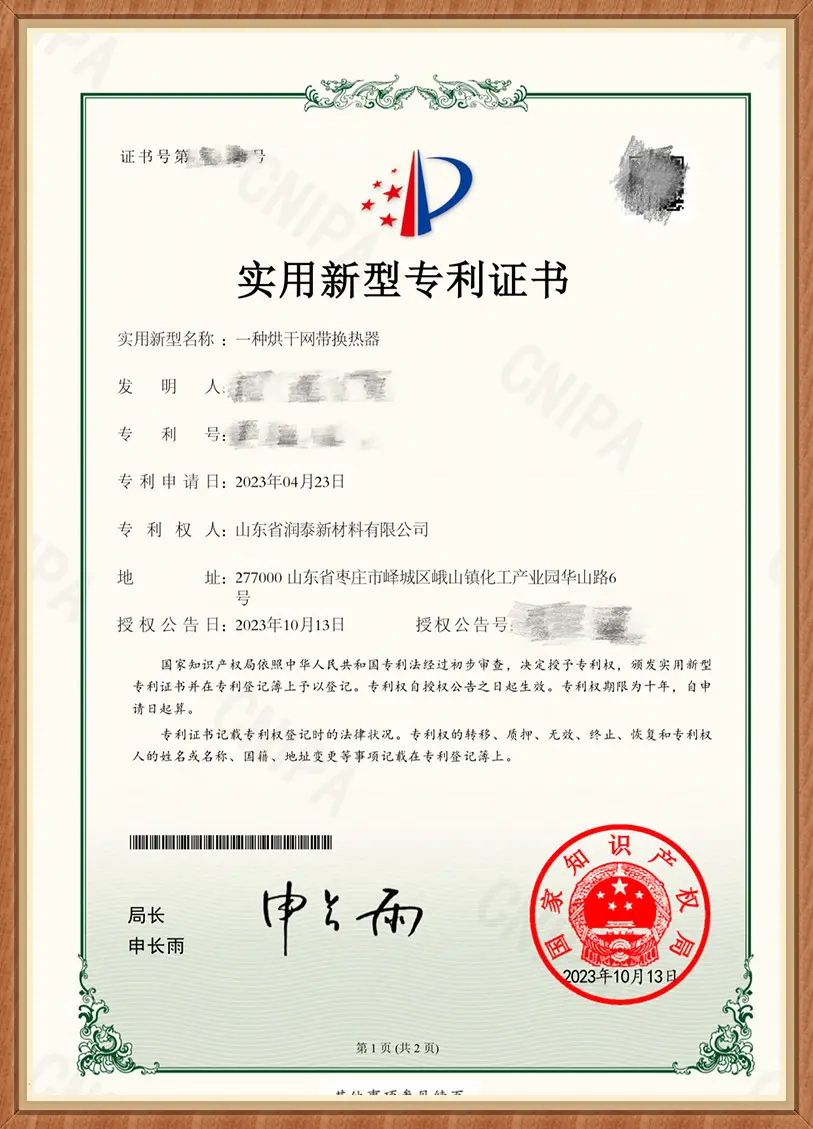
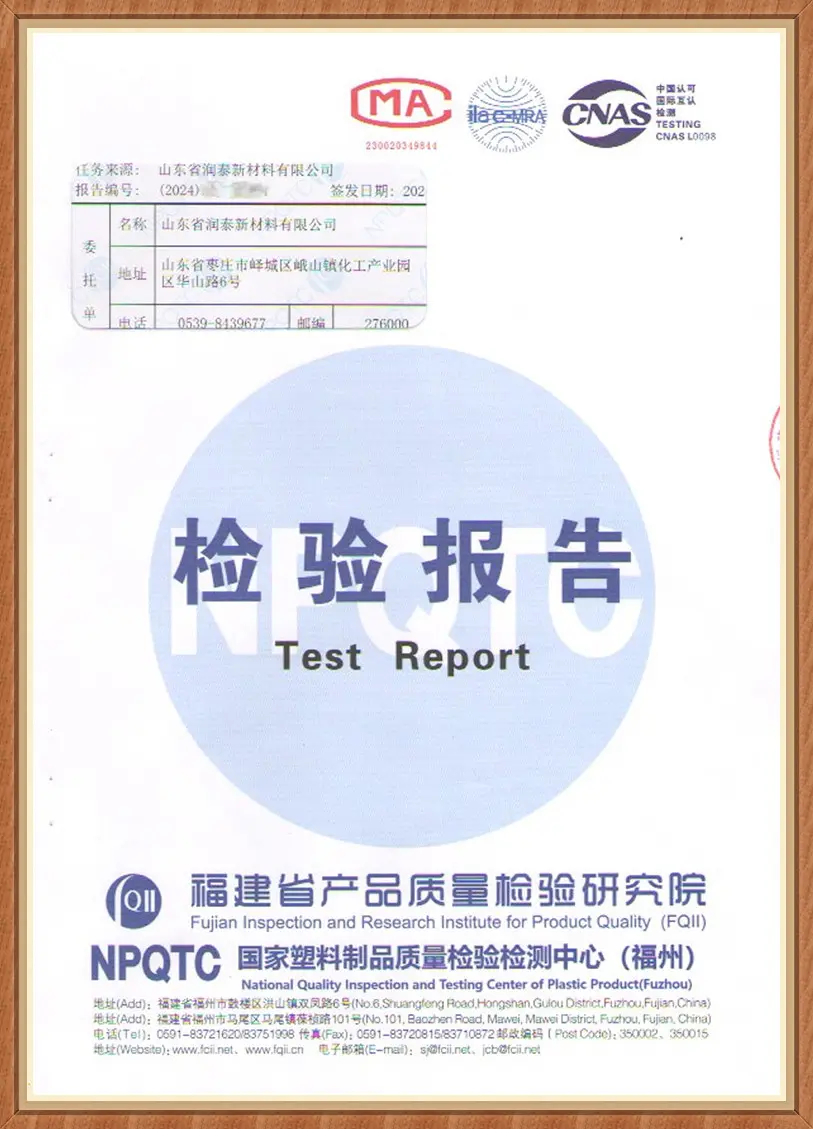
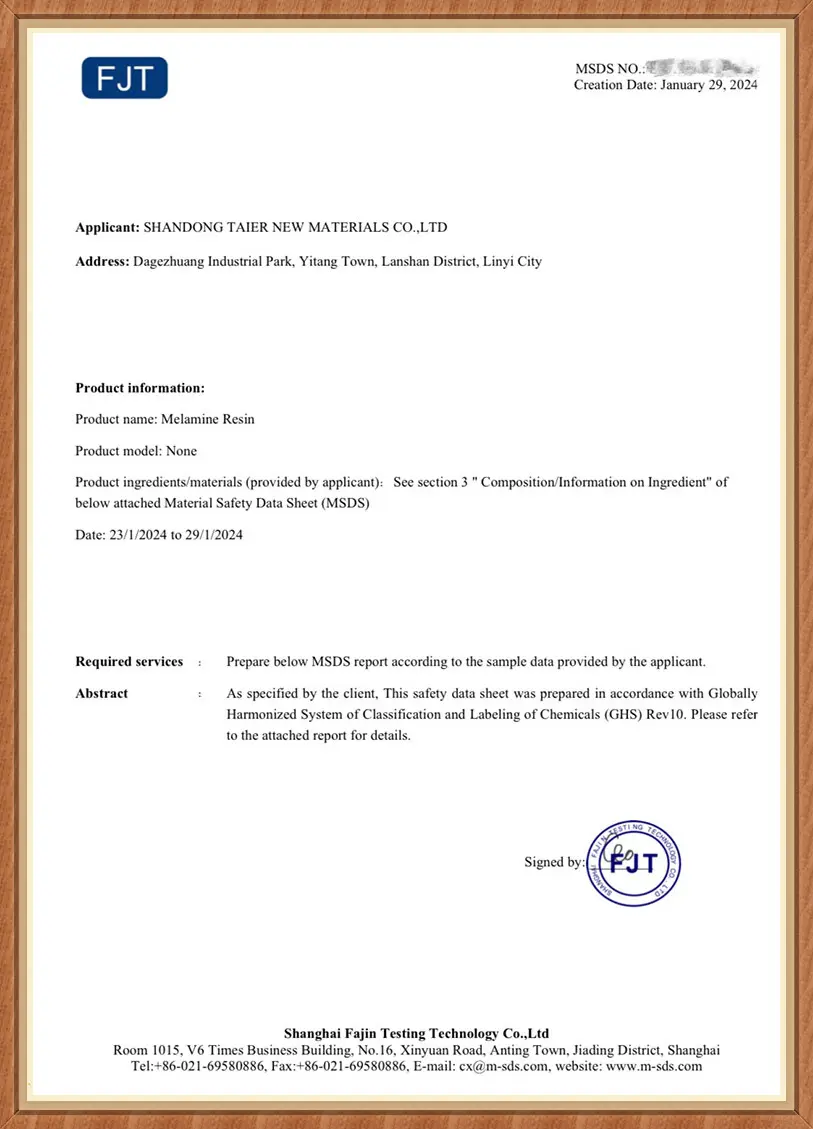
We offer a comprehensive range of fine chemicals, molding compounds, and additives to support global manufacturing requirements.
 Runtai