Direct supply channels for high-performance resins, structural moulding compounds, and high-stability water-based additives from our integrated production lines.
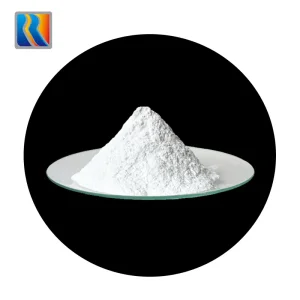
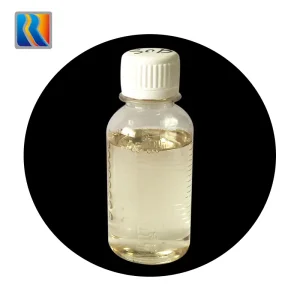
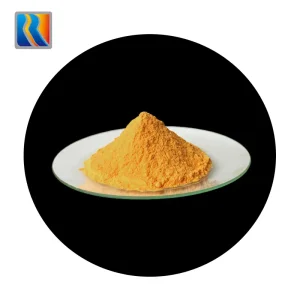
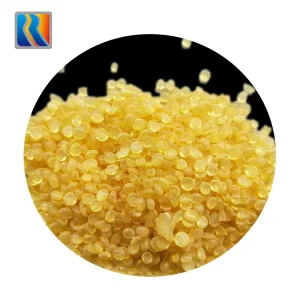
Advancing the depolymerization kinetics and high-purity synthesis pathways of solid paraformaldehyde into standardized liquid systems.
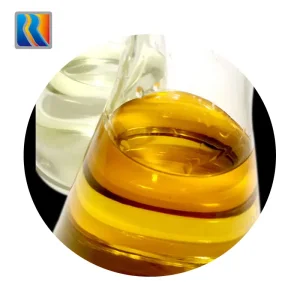
Solid Paraformaldehyde (PFA), representing a polymerization index of $HO(CH_2O)_nH$ ($n = 8 - 100$), serves as the crucial solid state configuration of formaldehyde. To construct a Paraformaldehyde 4 Solution (often referred to as 4% PFA solution in laboratory contexts or specialized chemical processes), manufacturers and chemical plants apply precise thermal depolymerization in buffered environments. The optimization of this technical route determines the storage stability, clarity, and biological fixation effectiveness of the resulting solution.
Converting solid high-molecular-weight paraformaldehyde to free formaldehyde monomer molecules ($CH_2O$) requires strict temperature control at $60^\circ\text{C}$ to $65^\circ\text{C}$ under mild alkaline conditions. Runtai's automated systems maintain this delicate equilibrium to prevent formic acid build-up.
Unlike commercial formalin solutions which rely on 10% to 15% methanol as a stabilizer, high-purity PFA solutions utilize organic buffer systems (specifically PBS or sodium cacodylate) to sustain pH parameters without compromising enzyme structures or cellular integrity.
We are actively researching catalytic low-temperature depolymerization technologies using metallic oxide frameworks (MOFs). This will eliminate the necessity of strong alkaline initiation, dramatically reducing chemical footprint and waste streams.
Bridging the gap between raw chemical manufacturing and specialized, high-yield down-stream production frameworks across sectors.
| Target Sector | Specific Solution / Application Method | Primary Industrial Objective | Runtai Material Performance Target |
|---|---|---|---|
| Biomedical & Histology | Paraformaldehyde 4 Solution in Phosphate Buffer | Cellular & structural protein cross-linking | Methanol-free, ultra-low metal ion residue |
| Thermosetting Resins | Melamine and Urea-Formaldehyde Synthesis | Adhesives, structural compounds & molding material | Controlled condensation rate, high monomer yield |
| Agricultural Chemicals | Raw material intermediates for herbicides/fungicides | Synthesis of high-stability pesticide agents | Stable purity indexes with optimal water compatibility |
| Coatings & Ink Modifiers | Acrylic and Phenolic cross-linking processes | Film forming performance & thermal stability enhancement | Excellent solubility profiles in organic solvent systems |
As a major manufacturer in China with a substantial chemical industrial park infrastructure, Shandong Runtai New Materials provides both the raw material Paraformaldehyde and customized liquid formulations. Our massive production base ensures that whether you require high-density bulk raw materials or tailored PFA preparations, the chemical metrics strictly meet regulatory standards for global chemical networks.
Shandong Runtai New Materials Co., Ltd. - Anchoring global supply chains with advanced infrastructure.
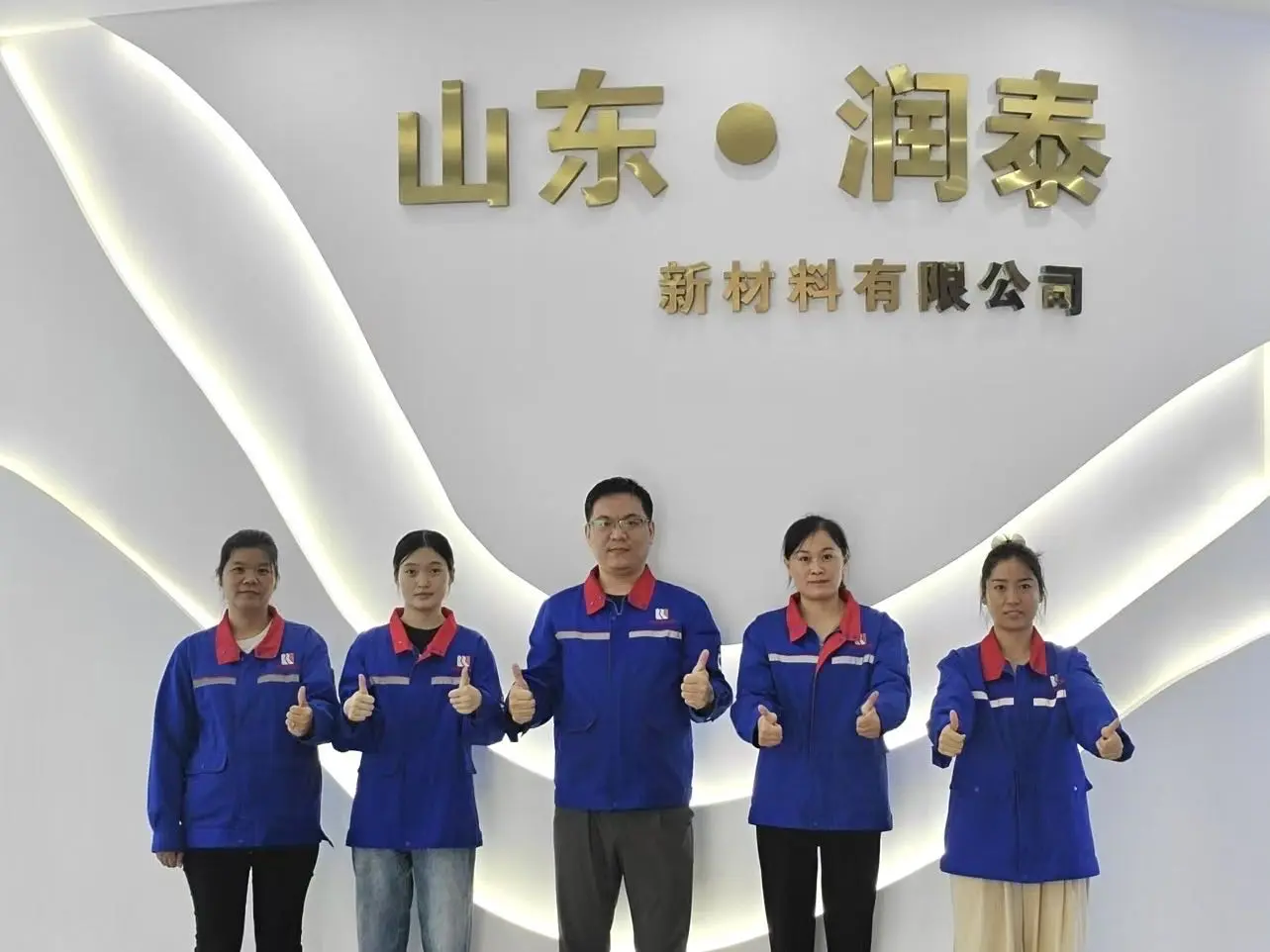
Founded in March 2020, Shandong Runtai New Materials Co., Ltd. has rapidly developed into a comprehensive group firm that specializes in high-end fine chemical products. The corporation maintains branches in five different cities throughout China, with its headquarters located in Zaozhuang City, Shandong Province. Our industrial footprint covers an area of 270,000 square meters, supported by a total investment of 2.06 billion yuan.
By integrating production, academic research, and global distribution networks, we produce formaldehyde, polyformaldehyde (paraformaldehyde), urea formaldehyde resin, melamine powder, and melamine glazing powder. Our operations align with "China Industry 4.0" guidelines, ensuring that process parameters are consistently monitored to achieve low energy consumption and high system reliability.
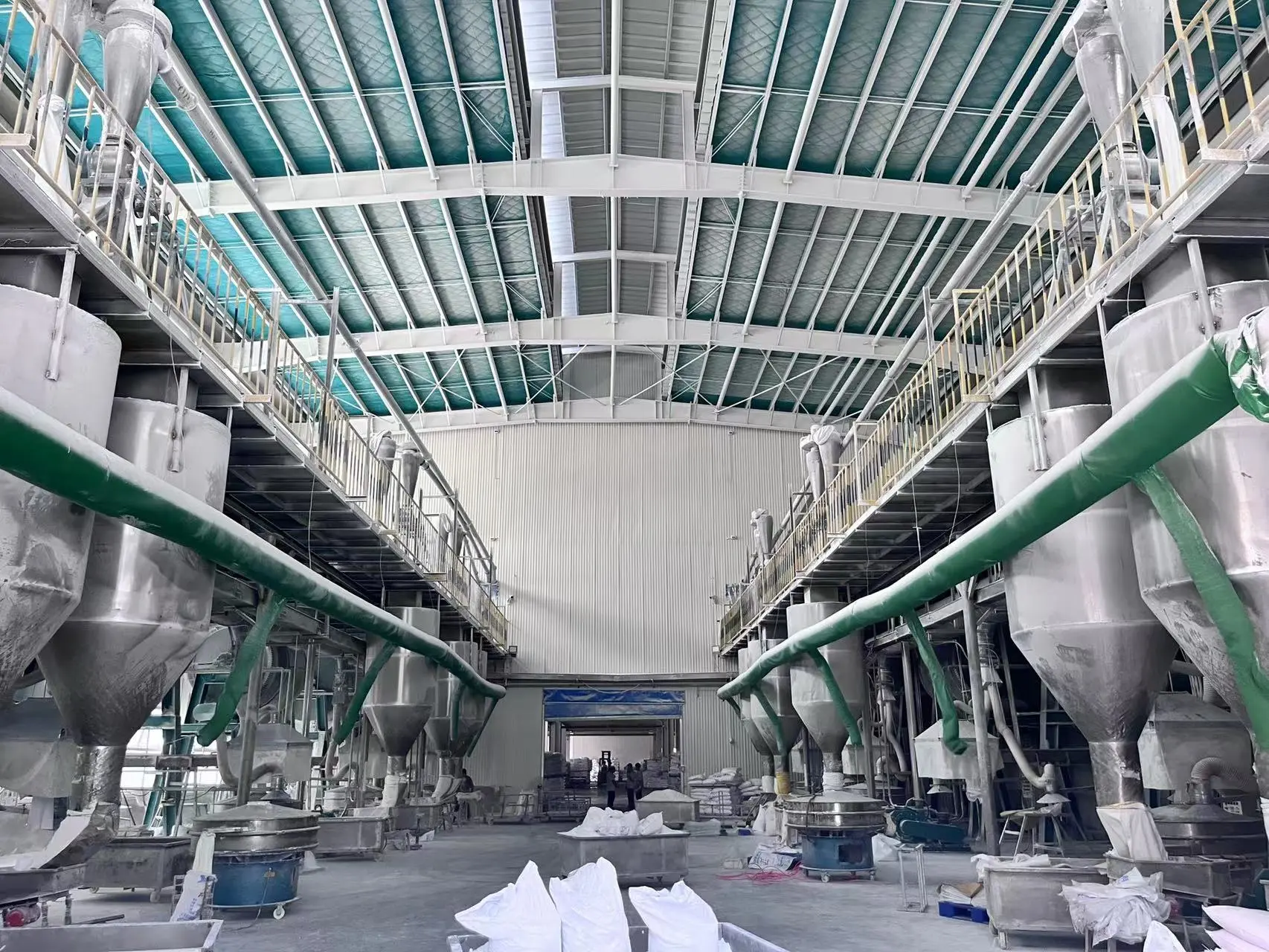
Harnessing smart manufacturing, automation, and closed-loop process integration to deliver cost advantages and consistent product batches.
Our production line operates through state-of-the-art Distributed Control Systems (DCS). This ensures real-time oversight of feed ratios, depolymerization reaction temperatures, and stabilizer additions, preventing human-introduced variances.
With our local synthesis capabilities (380,000 tons of formaldehyde annually), we utilize direct feed lines to supply downstream Paraformaldehyde reactors. This structure minimizes transit degradation and reduces processing costs.
In collaboration with the Changzhou Research Institute of Beijing University of Chemical Technology, our R&D group continuously optimizes formula options, yielding proprietary catalysts and higher stabilization benchmarks.
In the chemical industry, raw material supply fluctuations represent a significant risk for procurement managers. Because Runtai owns and manages the entire synthesis pipeline—from methanol cracking to formaldehyde production and polyformaldehyde polymerization—we guarantee consistent supply volumes during volatile market periods.
Our facility in Zaozhuang City, Shandong Province, features direct transport link access to major international deep-water ports (including Qingdao and Tianjin). This location simplifies global shipping operations to the United States, Europe, Southeast Asia, and North Africa.
Key quality markers, logistical parameters, and risk management guidelines for wholesale paraformaldehyde buyers.
Procuring Paraformaldehyde 4 Solution or raw solid Paraformaldehyde at wholesale scale requires close attention to technical specifications. Small deviations in polymerization indexes or pH parameters can compromise industrial cross-linking rates or alter cell tissue fixation quality. Here is our recommended inspection framework:
Always verify the chemical purity level (min 95-96% for solid paraformaldehyde) and check for critical impurities: Iron (Fe max 0.0005%), Ash (max 0.01%), and acid content (calculated as formic acid, max 0.03%).
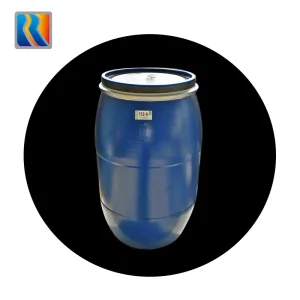
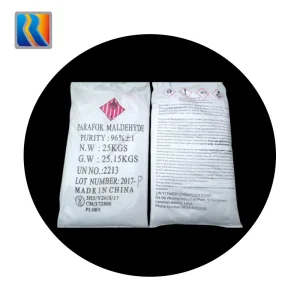
For solid materials, specify 25kg composite woven bags with dual-layer PE inner Liners. For ready-to-use solutions, verify that the containers are UV-opaque, food-grade HDPE drums or specialized IBC totes to minimize light-induced degradation.
Liquid PFA solutions exhibit sensitivity to temperature fluctuations. Storage below 15°C can accelerate the precipitation of solid paraformaldehyde, while exposure to heat above 30°C can result in formaldehyde gas emissions. Plan logistics accordingly.
Verify that your manufacturer provides GHS-compliant Safety Data Sheets (SDS) and conforms to UN 2213 Class 4.1 hazardous shipping guidelines. Shandong Runtai provides full global hazard certification documentation.
Ensuring global market access through rigorous international certifications, safety regulations, and environmental standards.
Shandong Runtai New Materials operates under a "quality first, customer first" philosophy. As an environmentally responsible supplier, we invest in wastewater treatment infrastructure and vapor-recovery facilities to minimize environmental impact.
Our operations maintain certification to international standards, including ISO 9001 (Quality Management System) and ISO 14001 (Environmental Management System). Our products comply with REACH regulations for import into the European Union, as well as EPA requirements for the United States market.

Addressing core technical, chemical, and logistical queries from professional purchasing agents and laboratory managers.
Explore our complete industrial portfolio, featuring advanced dispersants, high-strength packaging adhesives, and viscosity-enhancing chemical systems.
 Runtai