Industrial-grade compounds engineered for structural durability, low emissions, and customizable crosslinking densities.
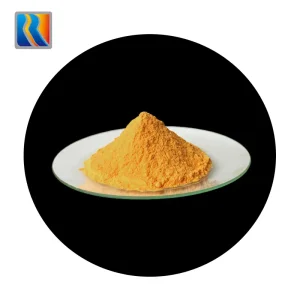
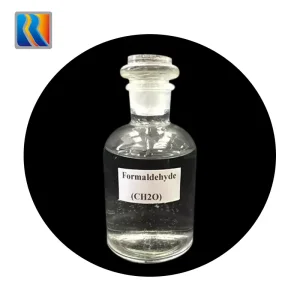
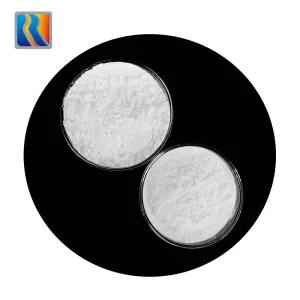
Formaldehyde ($CH_2O$) is a cornerstone molecule in modern organic synthesis and polymer chemistry. Yet, sourcing it at scale requires navigating rigorous safety parameters, toxicity mitigation, and global environmental mandates.
As a key precursor to essential industrial resins (such as Urea-Formaldehyde, Melamine-Formaldehyde, and Phenolic Resins), formaldehyde holds high economic importance. However, its high volatility and classification as an occupational hazard necessitate advanced industrial controls. Global procurement managers face the twin challenges of assuring structural compound performance and complying with international regulations like EPA TSCA Title VI, CARB Phase 2, and REACH.
By shifting to advanced polymerization variants like Paraformaldehyde or executing chemical scavenging techniques during synthesis, modern chemical enterprises minimize free monomer concentrations, establishing new benchmarks for workplace safety and product reliability.
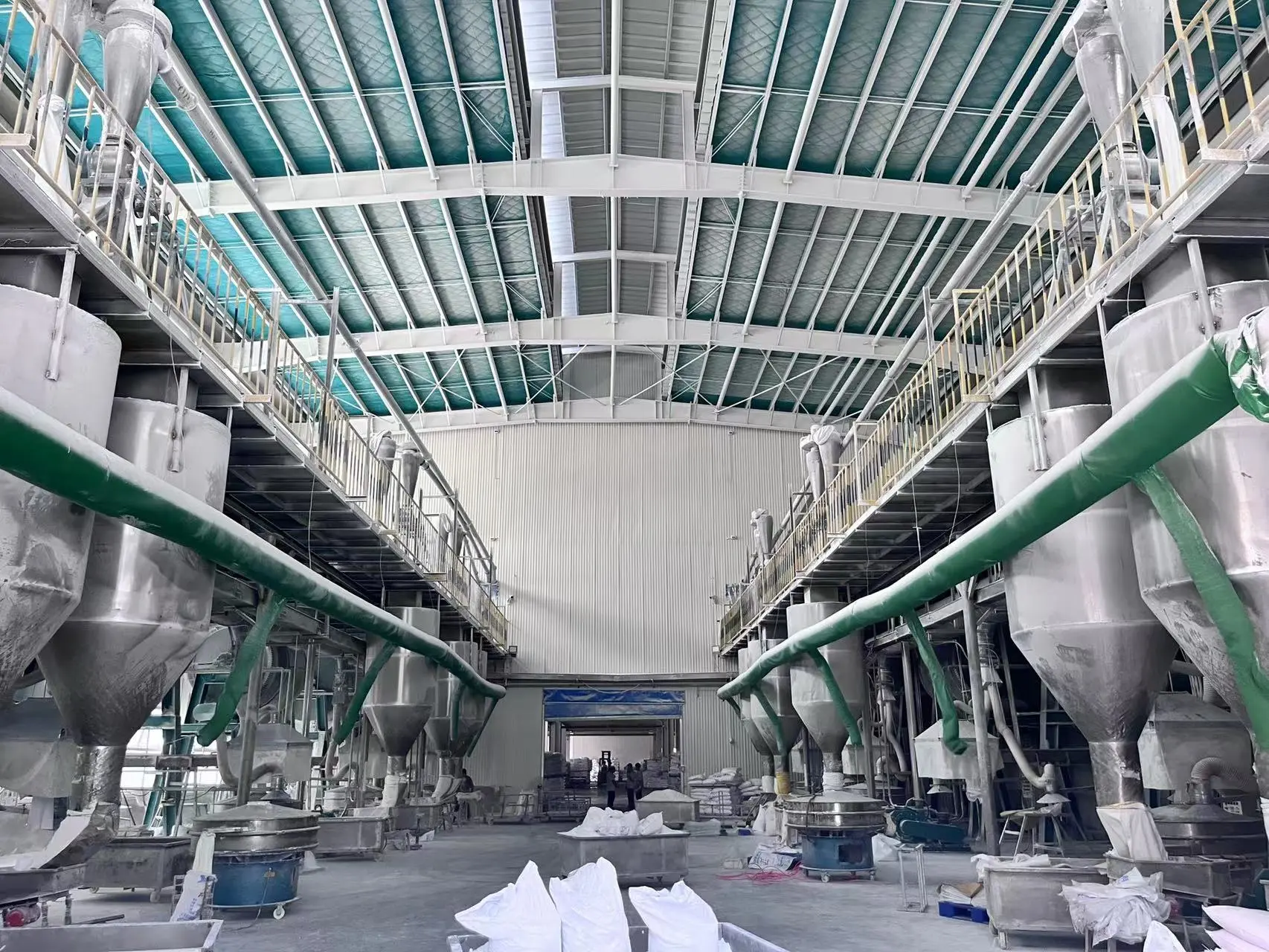
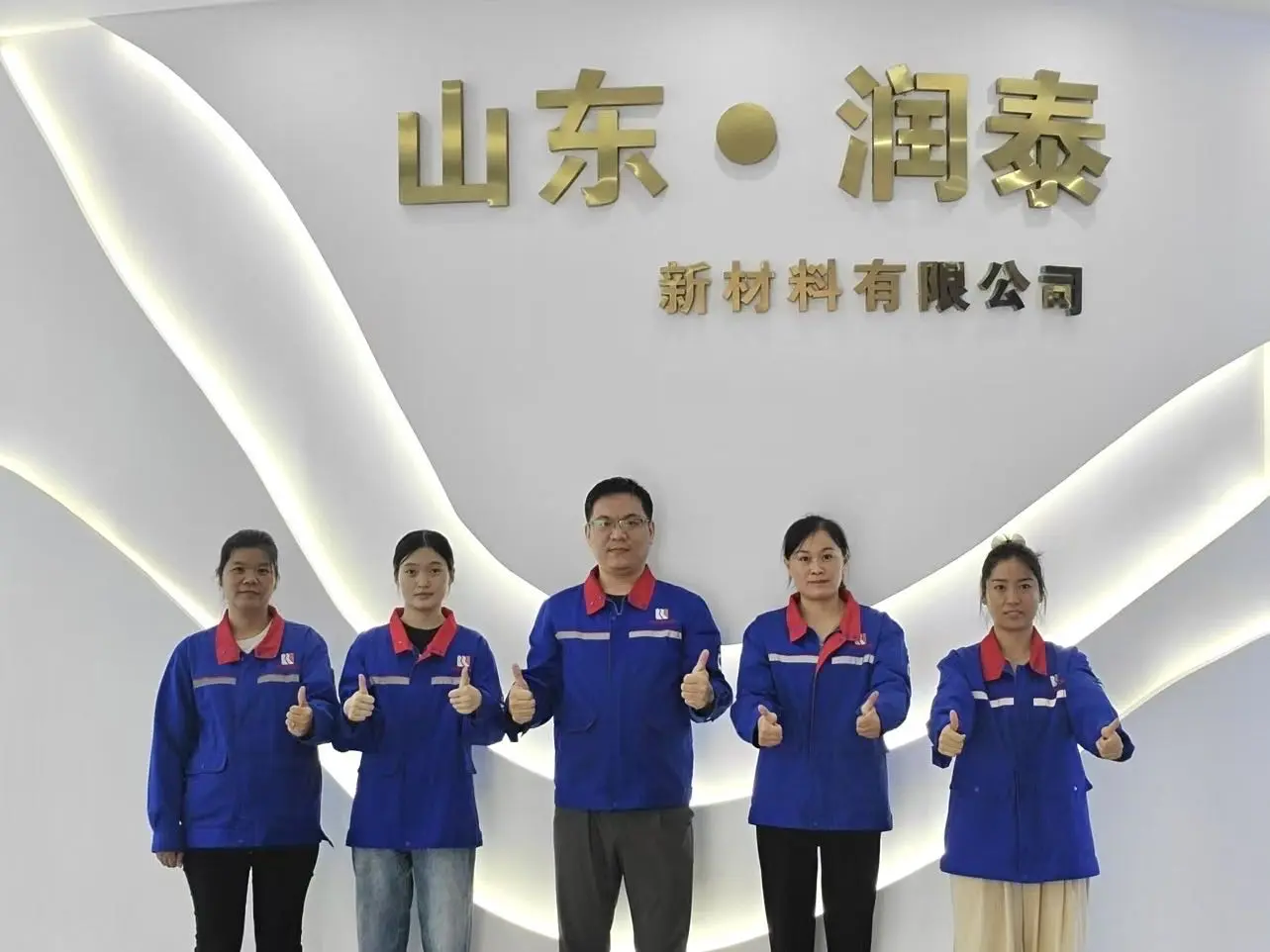
Founded in March 2020, Shandong Runtai New Materials Co., Ltd. stands as a premier comprehensive enterprise operating at the forefront of fine chemical engineering.
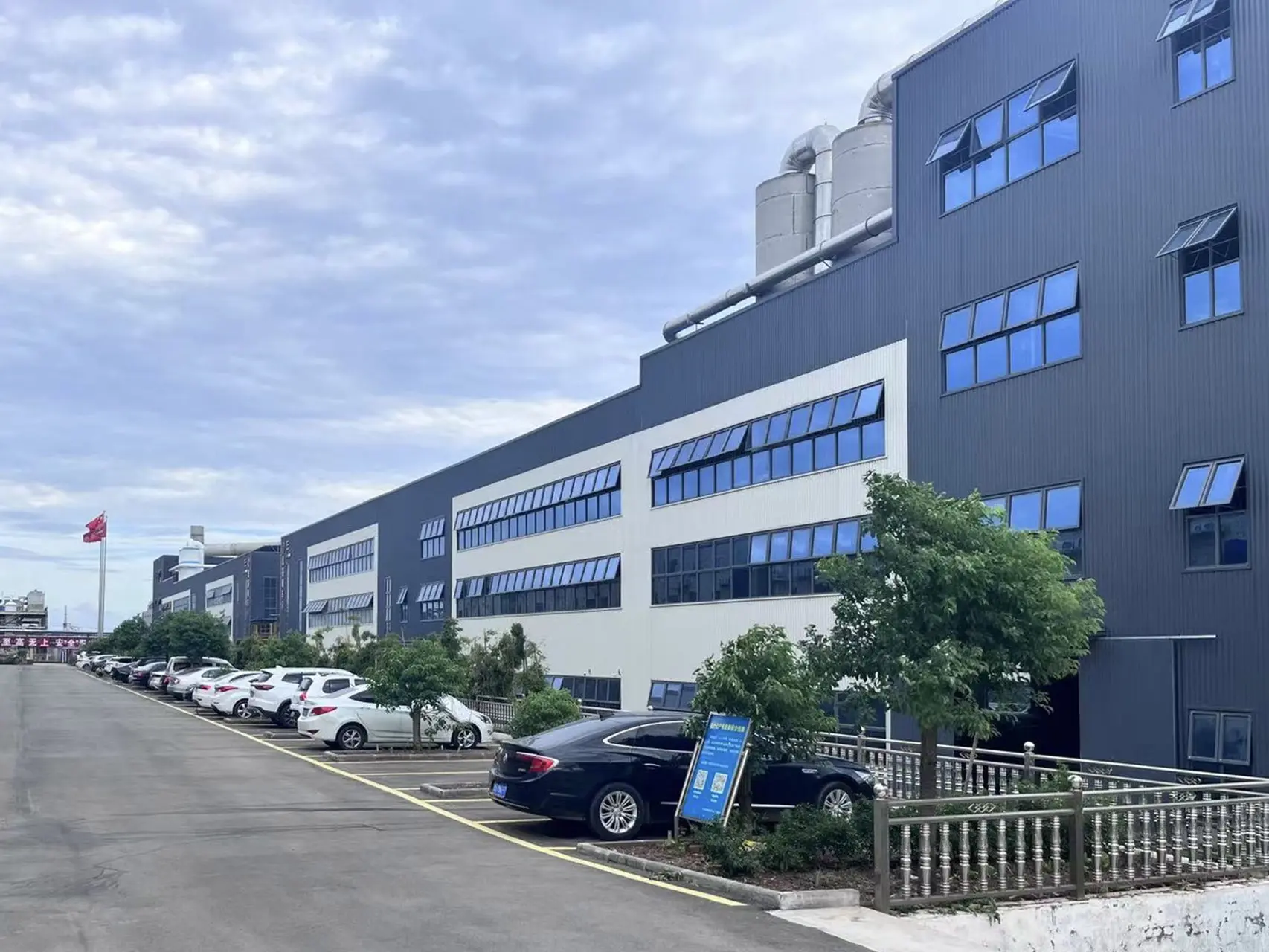
With an expansive infrastructure covering 270,000 square meters and backed by a strategic total capital investment of 2.06 billion yuan, we have optimized our supply chain to satisfy high-volume requirements for global partners. Headquartered in Zaozhuang City, Shandong Province, our chemical collective spans five strategically located branches across China, ensuring localized logistical support, rapid order turnaround, and regional storage redundancies.
Our integrated chemical matrix enables us to process primary formaldehyde feedstock directly into high-value downstream compounds, retaining strict control over chemical purity, consistency, and residual toxicity parameters.
We secure approximately 80% of the domestic market share in China, while actively distributing to demanding markets in the United States, Thailand, Kenya, Egypt, and Western Europe.
Industrial chemical application demands high stability with minimal ecological and biological risks. Runtai's R&D efforts center on reducing free-monomer concentrations through advanced molecular design.
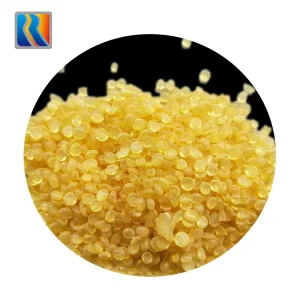
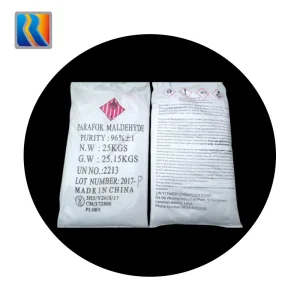
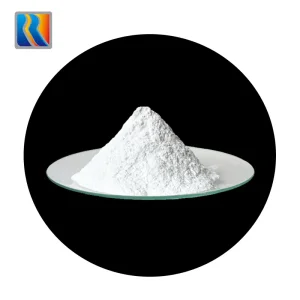
By polymerizing liquid formaldehyde into solid-state Paraformaldehyde ($HO(CH_2O)_nH$), we convert volatile monomers into a stable white crystalline powder. This eliminates raw liquid transport hazards, reduces emissions in workplace air, and allows precise, localized depolymerization in reaction vessels under controlled acidic or basic conditions.
Our advanced Urea-Formaldehyde Resin synthesis utilizes narrow molar-ratio bands (typically 1.05 to 1.15) along with multi-stage condensation stages. This prevents excess free formaldehyde from migrating out of cured resins. This ensures that composite wood panels comply with global CARB Phase 2 and EPA TSCA Title VI standards.
We incorporate amine-based chemical scavengers directly into the prepolymer matrices. These agents chemically bind any residual free formaldehyde during hot-pressing or curing. This transforms reactive volatiles into non-toxic, high-melting-point cyclic compounds, protecting end-users without compromising structural adhesion.
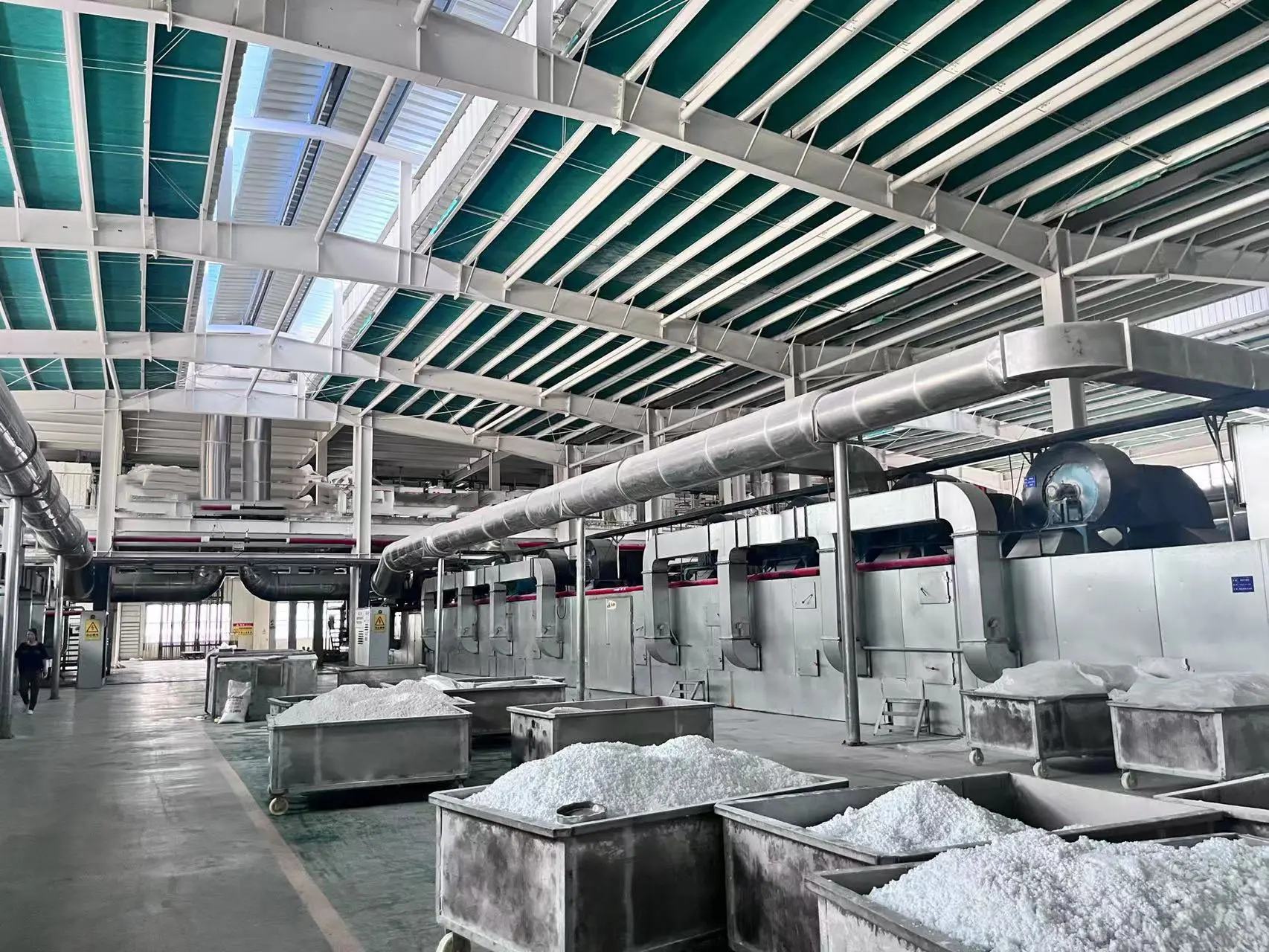
Our facility utilizes the latest Distributed Control System (DCS) to monitor critical raw material inputs and safety parameters in real time.
Through automated control loops and continuous thermal monitoring, we minimize process deviations that can lead to hazardous reaction runaways or unwanted variations in free-aldehyde content. By integrating production parameters from synthesis to final product storage, we achieve high batch-to-batch consistency and trace raw materials back to their source.
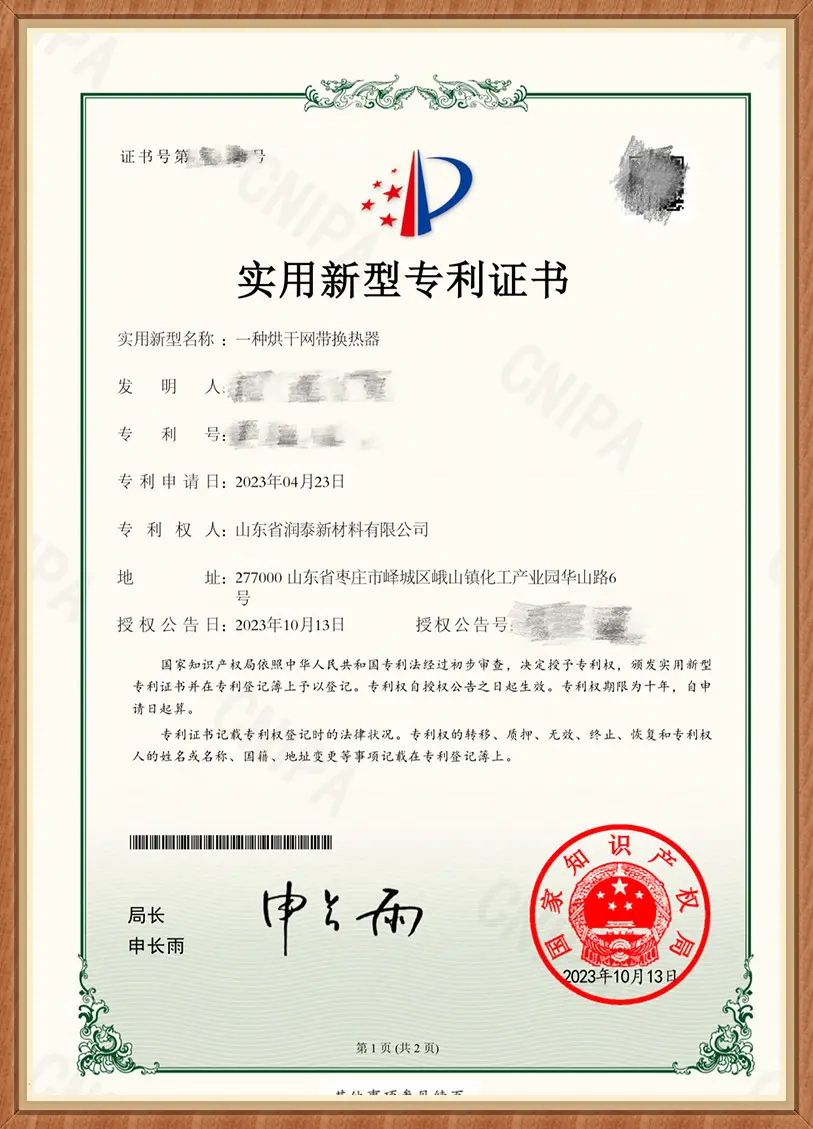
Runtai's Collaborative R&D Network: We maintain long-term partnerships with the Changzhou Research Institute of the Beijing University of Chemical Technology and other leading chemical research bodies. Supported by a dedicated doctoral research and development team, we develop cleaner manufacturing processes and lower-emission synthetic routes.

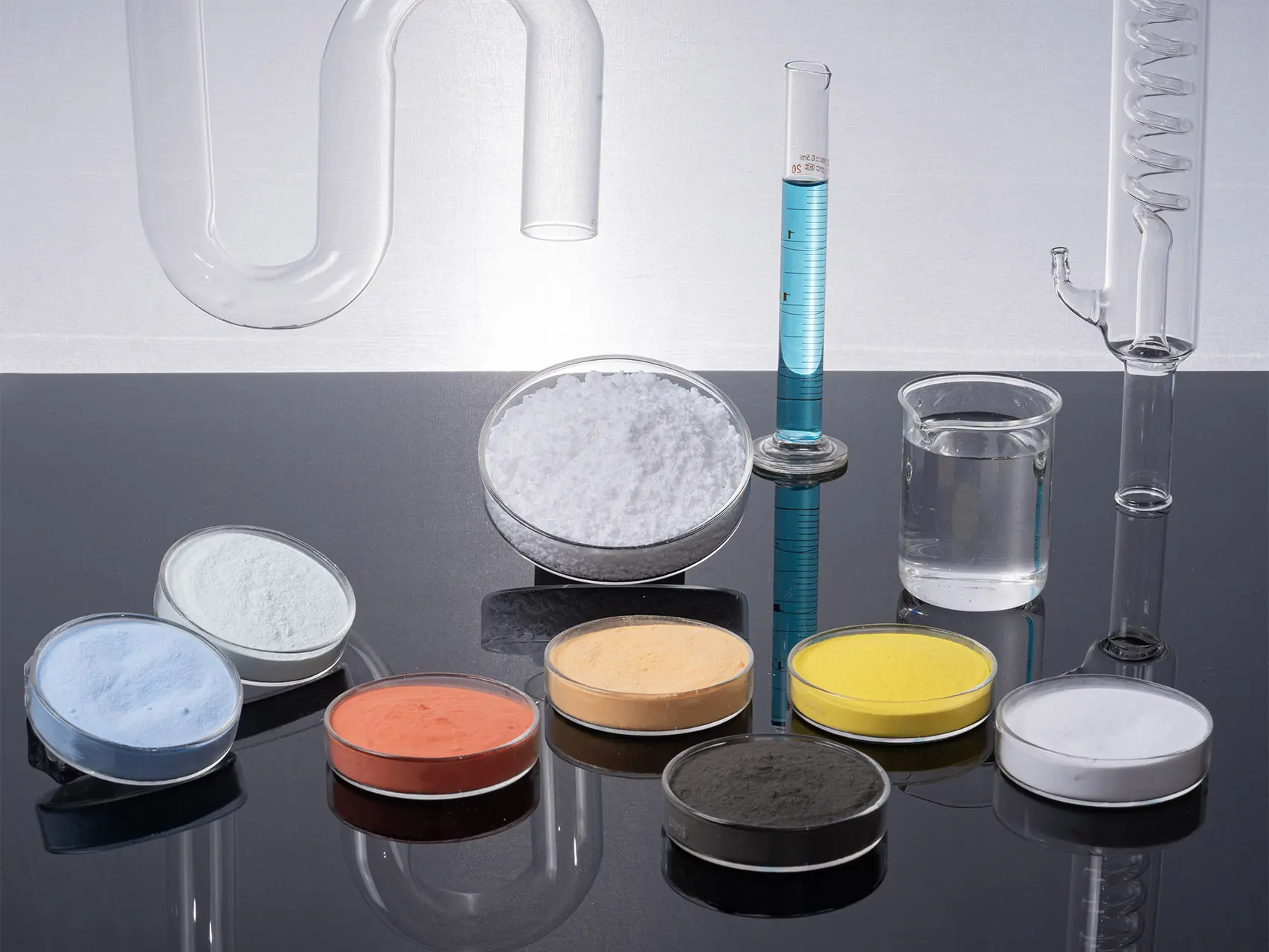
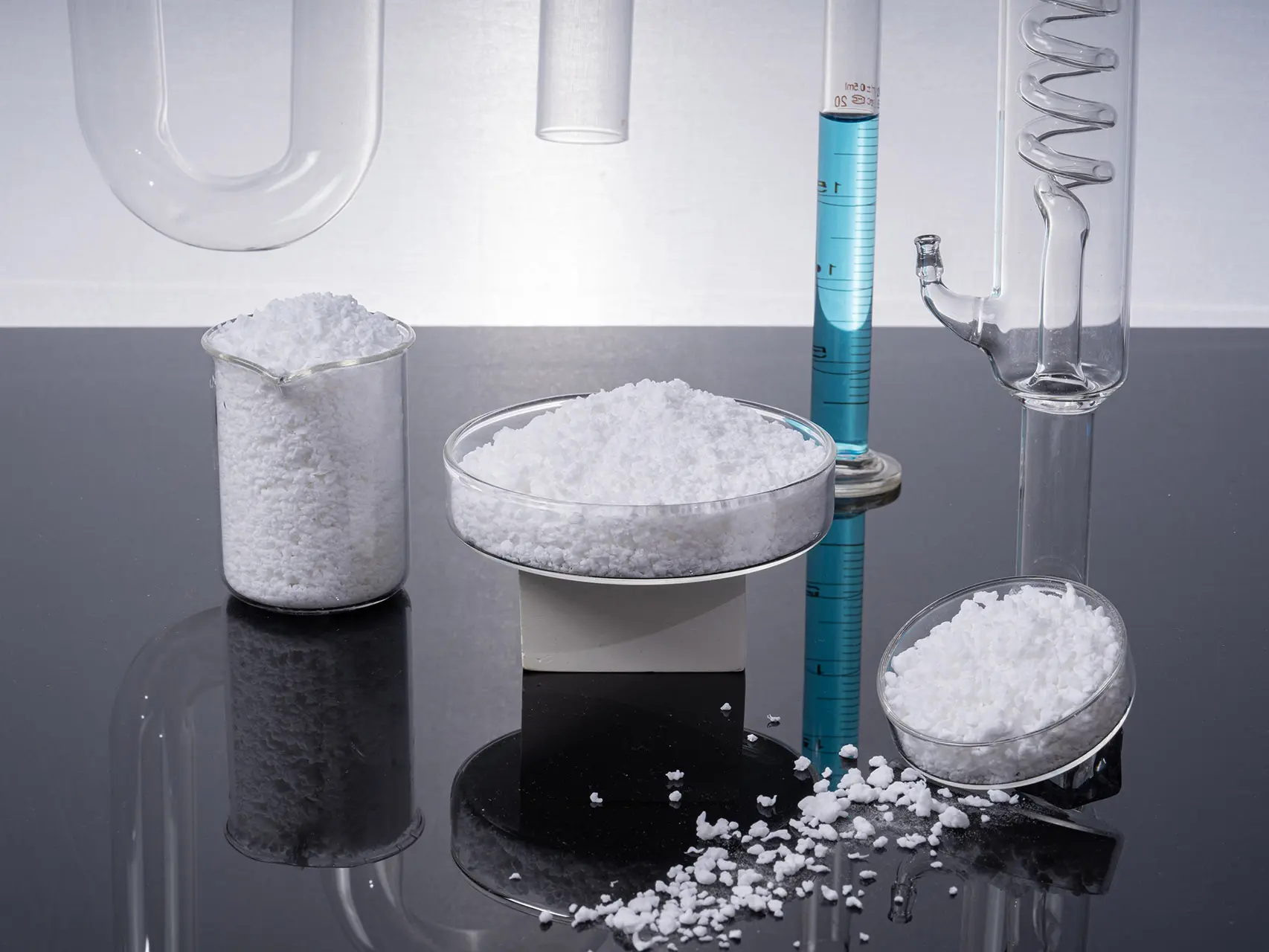
Different industries require customized formaldehyde derivatives. We provide tailormade chemical solutions to meet specific technical requirements across diverse applications.
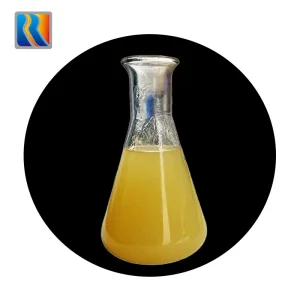
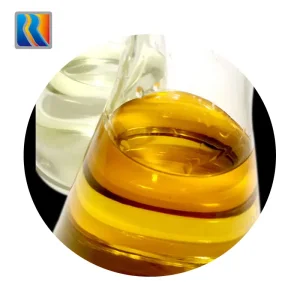
We supply high-performance Urea-Formaldehyde and Phenolic Resins optimized for structural integrity and low emissions. These resins are designed for plywood, particleboard, and medium-density fiberboards (MDF), delivering strong bonding strength under high temperature and humidity levels.
Our Melamine Moulding Compounds (MMC) and Urea Moulding Compounds (UMC) provide high thermal stability, scratch resistance, and low chemical migration. They are widely used to manufacture household goods, electrical components, and consumer-grade melamine tableware.
We manufacture Melamine Glazing Powder to seal molded materials, producing a scratch-resistant, glossy surface. This coating increases resistance to chemical stains and thermal stress, extending the service life of tableware and laminated surfaces.
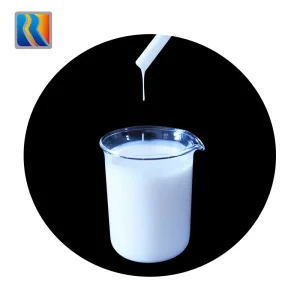
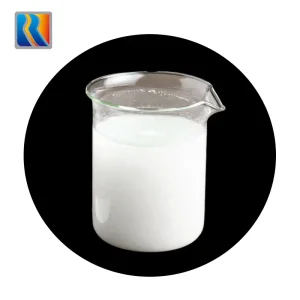
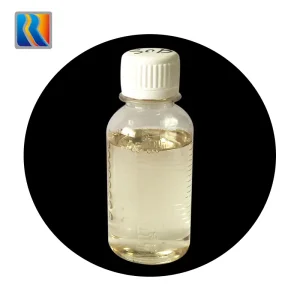
We formulate specific Mineral Oil Defoamers and Water-Based Additives to control foam in wastewater treatment, textile sizing, and coating processes. These additives prevent aeration, helping to stabilize process lines.
Industrial chemical distribution requires strict adherence to international safety regulations, transport laws, and environmental policies.
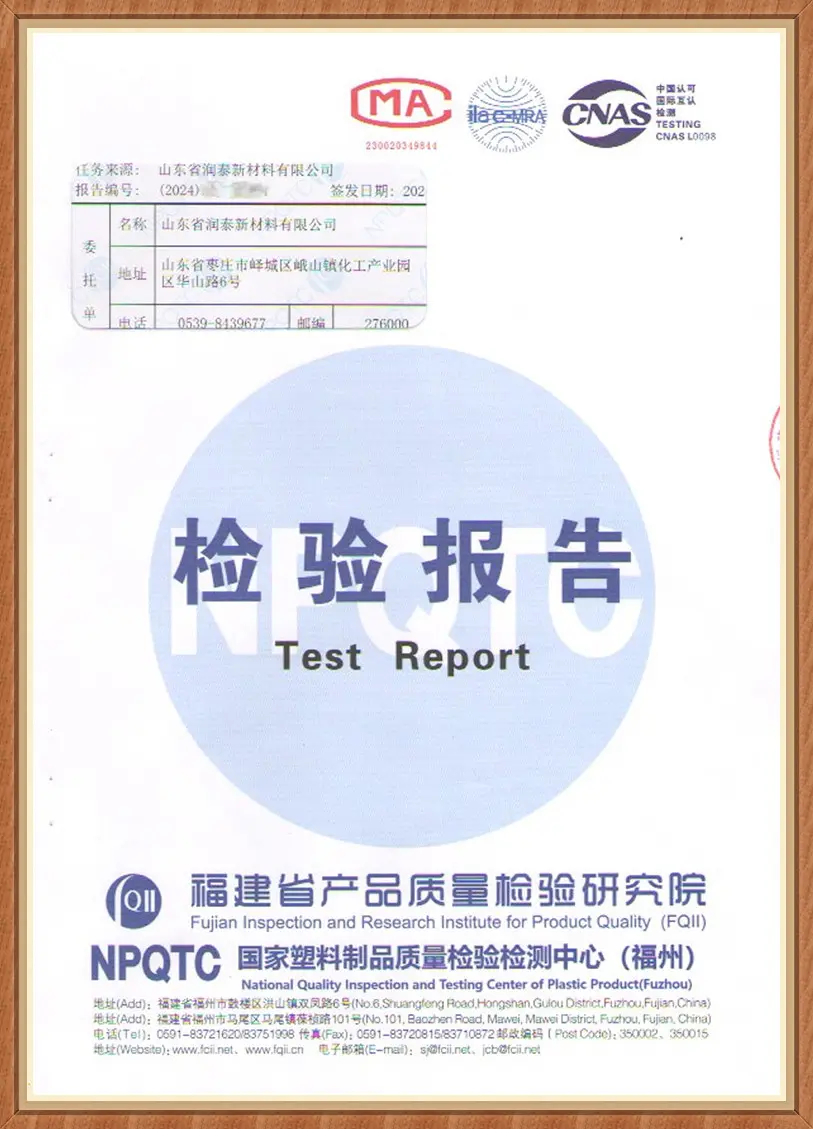
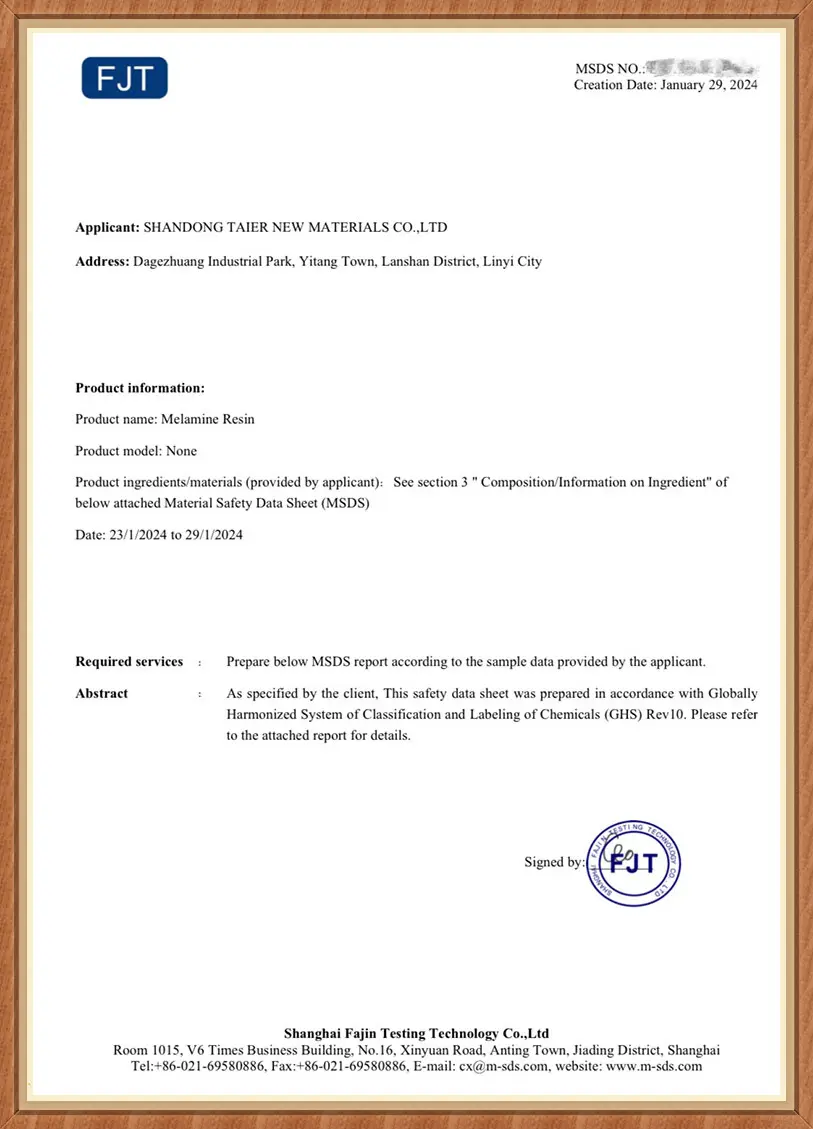
All exports from Runtai New Materials are accompanied by comprehensive GHS-compliant Safety Data Sheets (SDS), explaining local transport limits, exposure controls, and fire-safety protocols. We maintain an active REACH compliance registration for European markets, and our products satisfy USDA, FDA, and EPA criteria for agricultural and consumer-use coatings.
Environmental Responsibility: As a responsible chemical manufacturer, we prioritize sustainable processes and low carbon emissions. Our production lines use thermal recovery and exhaust gas combustion loops to minimize the environmental impact of raw formaldehyde synthesis.
Detailed answers to technical questions concerning chemical safety, shelf-life, shipping classifications, and customized formulations.
We control the free formaldehyde levels by modifying the molar ratio of Formaldehyde to Urea (F:U) during synthesis. By keeping the ratio below 1.1 and introducing active chemical scavengers like melamine or urea towards the end of the reaction, we capture unreacted monomers. This ensures that the finished wood panels satisfy CARB Phase 2 and EPA TSCA Title VI emission limits of less than 0.05 ppm.
Aqueous Formaldehyde (Formalin) contains water and methanol as stabilizers. It is classified as a hazardous Class 8 (Corrosive) and Class 3 (Flammable) liquid, which requires specialized ISO tank containers. In contrast, Paraformaldehyde is a solid polymer. Although it is classified as a Class 4.1 Flammable Solid, it is easier and more cost-effective to ship in moisture-proof woven bags. This solid form reduces the risk of liquid spills and lowers shipping costs.
Yes, our automated milling lines allow us to customize UMC and MMC products into granular or fine-powder forms. Granular forms are optimized for compression molding equipment to prevent dust generation, while fine powders are ideal for dry-blending and specific extrusion processes.
Liquid Urea-Formaldehyde and Phenolic Resins have a shelf life of 3 to 6 months, depending on storage temperature and stabilizer levels. Solid-state compounds, such as Paraformaldehyde, Melamine Glazing Powder, and UMC, have a shelf life of 12 to 24 months, provided they are stored in a cool, dry warehouse away from direct sunlight.
Our production lines use closed-loop chemical reactors to prevent emissions from entering the work environment. The factory air is monitored by real-time gas detectors. Additionally, we use high-capacity catalytic incinerators to convert exhaust air into carbon dioxide and water before release, satisfying local emission regulations.
Further selections of chemical auxiliaries, defoamers, and moulding compounds for international markets.
 Runtai