Explore our primary performance additives, specialty resins, and building blocks direct from our state-of-the-art Chinese manufacturing facilities.
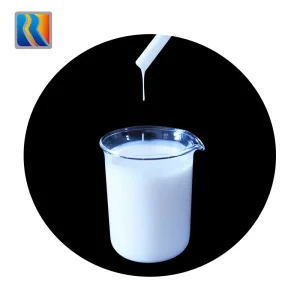
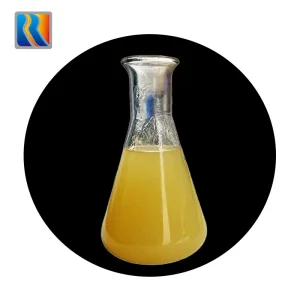
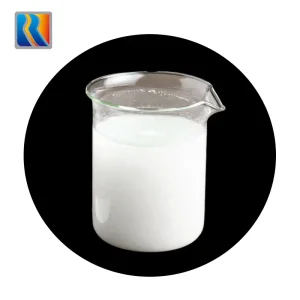
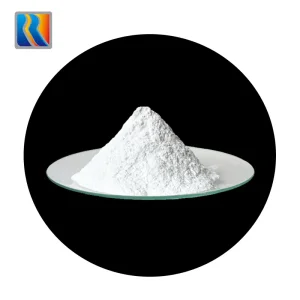
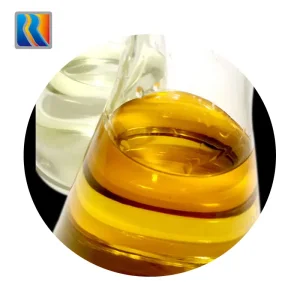
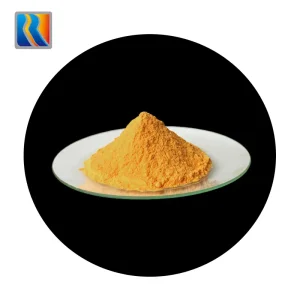
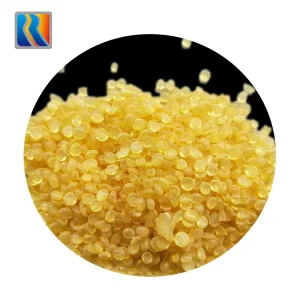
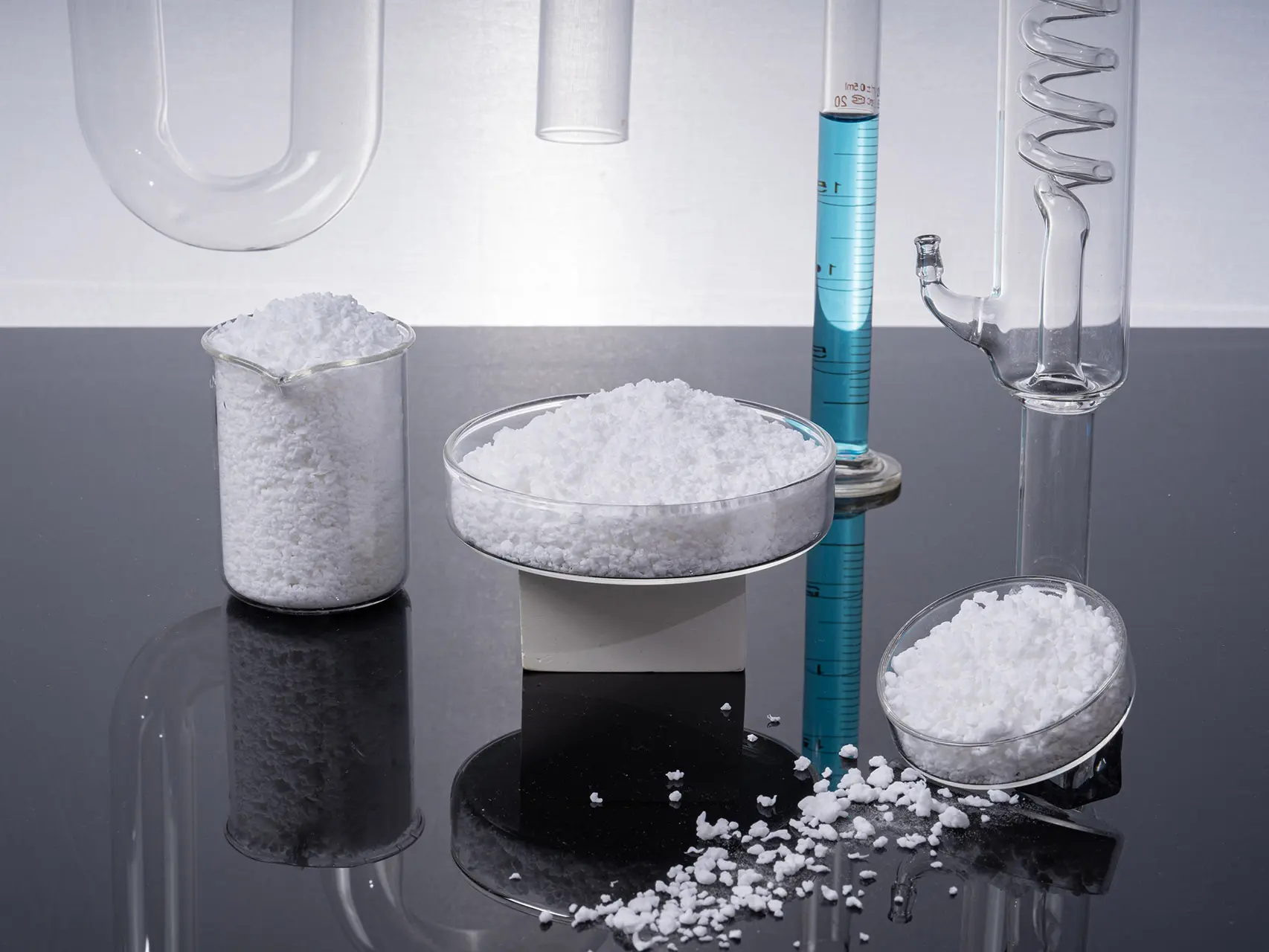
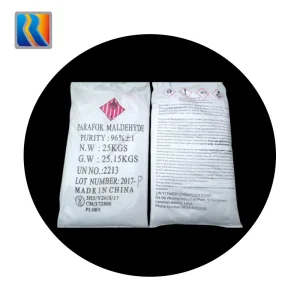
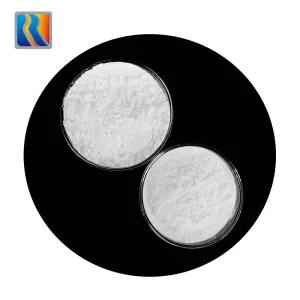
Paraformaldehyde (PFA), defined chemically as a polyoxymethylene glycol hydrate ($HO(CH_2O)_nH$, where $n = 8 - 100$), serves as the key solid precursor of formaldehyde. By condensing aqueous formaldehyde solutions under vacuum, global chemical factories produce this free-flowing white crystalline powder. The industrial relevance of Paraformaldehyde hinges on its high active formaldehyde equivalent (typically 92% to 96%), offering significant handling, transport, and storage benefits compared to volatile liquid formalin solutions.
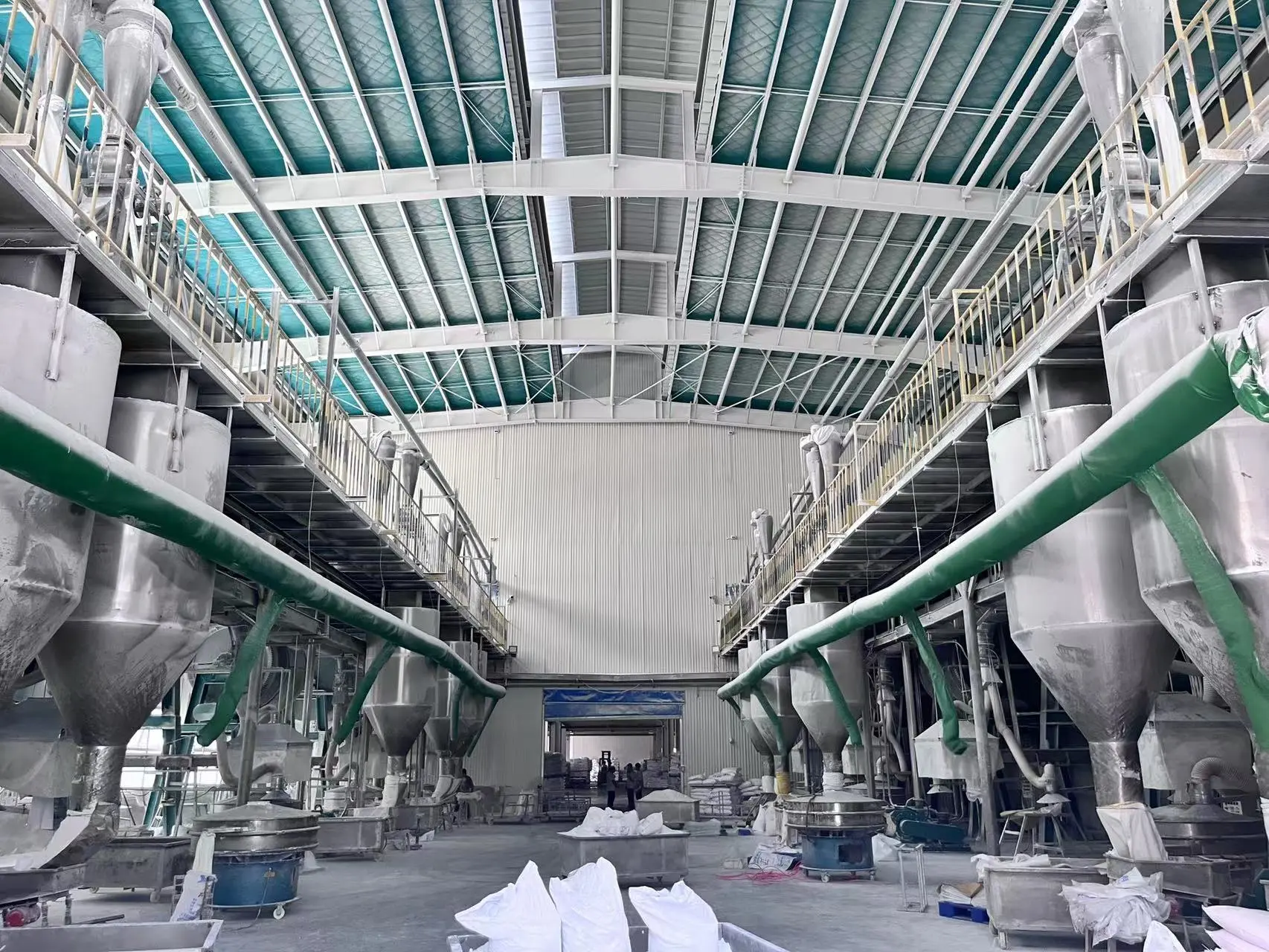
Currently, the global paraformaldehyde market is experiencing major realignment. Driven by environmental mandates in Europe and fluctuating natural gas pricing in North America, industrial buyers are seeking highly efficient, centralized production facilities. Chinese manufacturing hubs, spearheaded by integrated chemical complexes like Shandong Runtai New Materials Co., Ltd., have stepped up to satisfy these requirements. Our factories utilize advanced, continuous synthesis processes that secure a reliable, high-yield supply chain for global distributors.
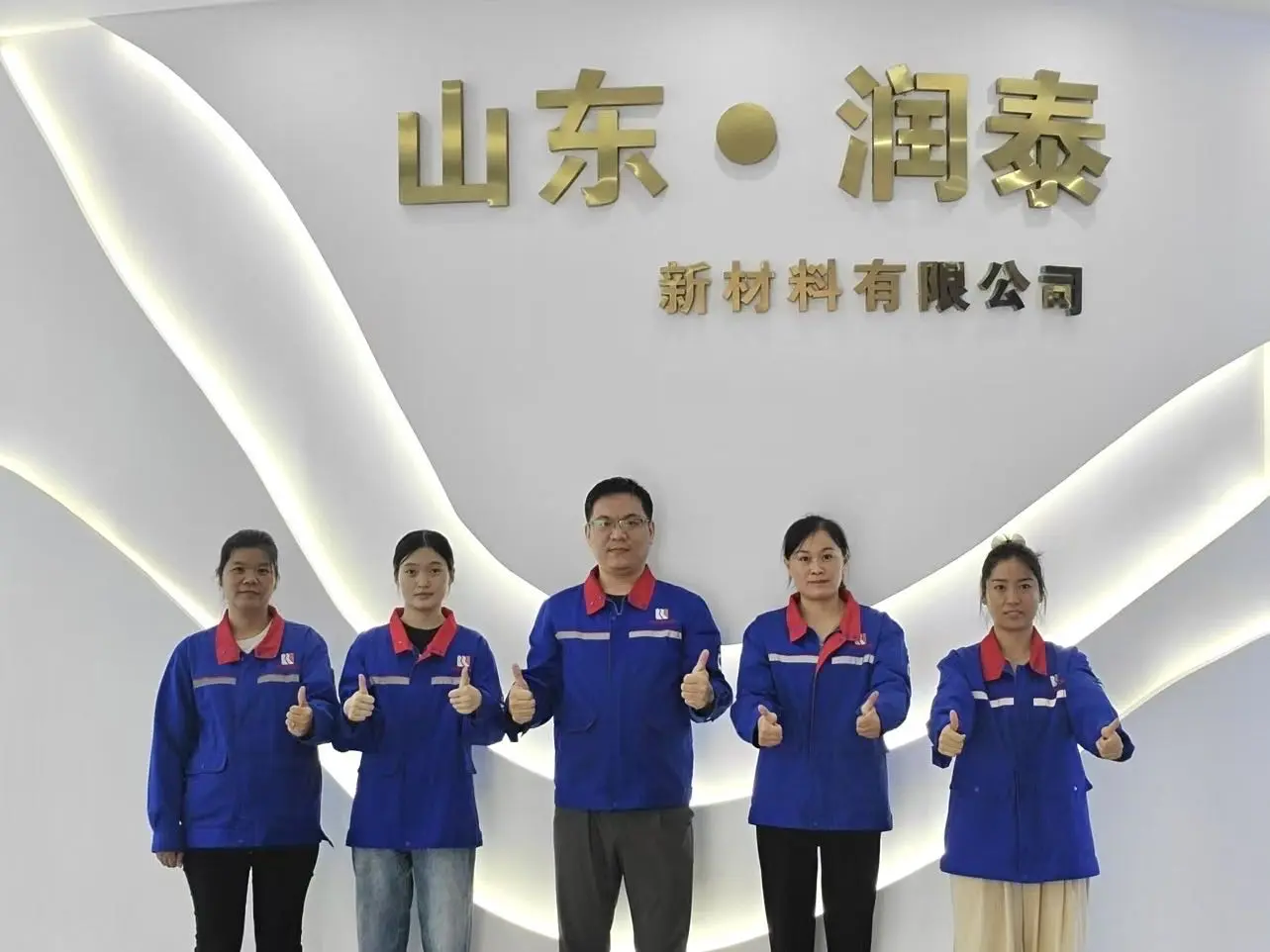
Established in March 2020, Shandong Runtai New Materials Co., Ltd. has developed into a leading industrial group specializing in fine chemicals. With a strategic headquarters located in Zaozhuang City, Shandong Province, the corporation spans an impressive area of 270,000 square meters, supported by a total capital investment of 2.06 billion yuan.
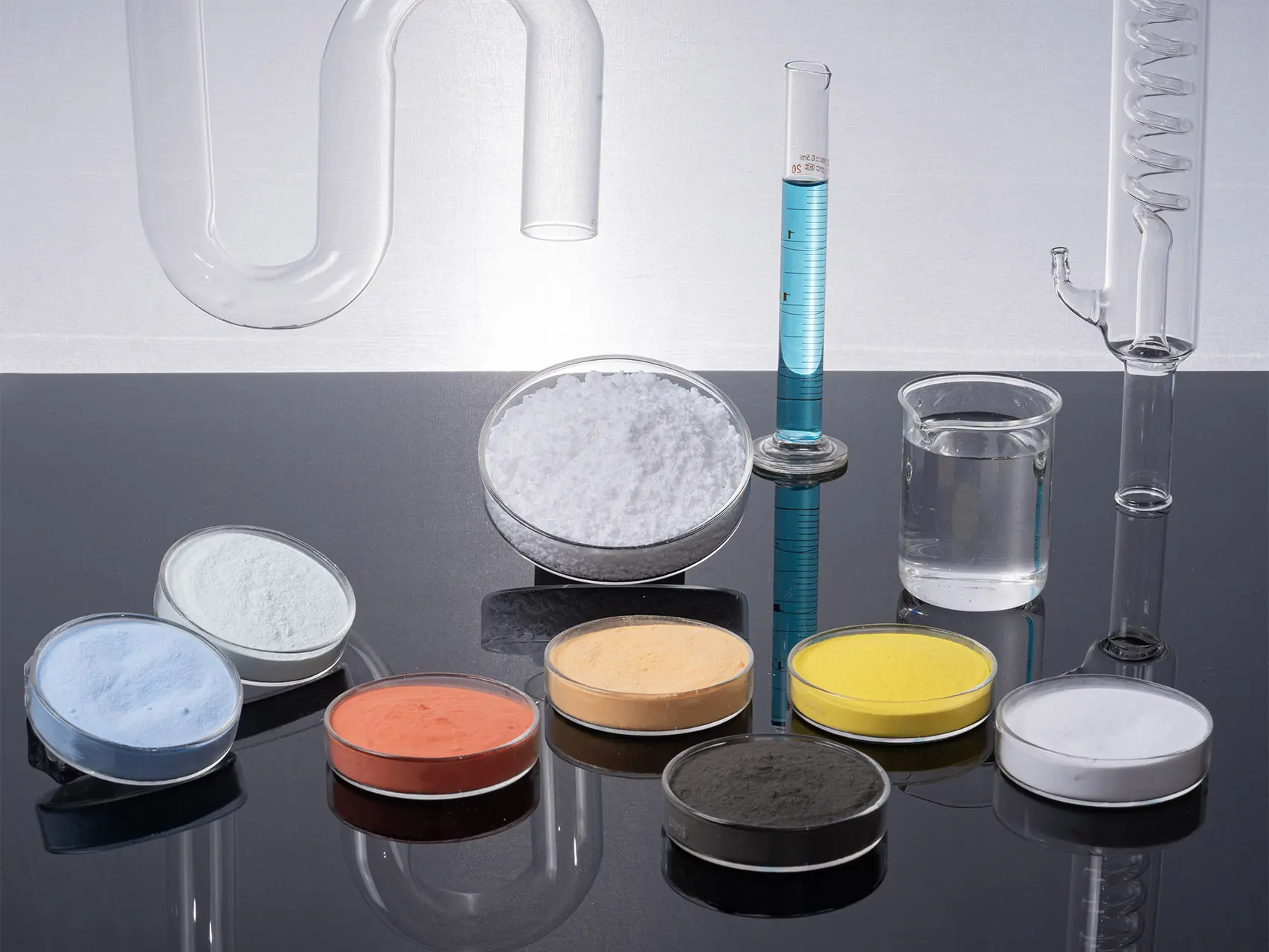
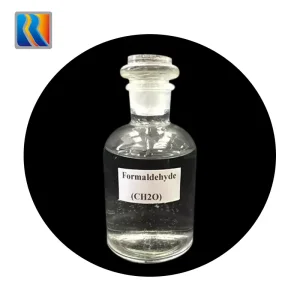
By integrating upstream feedstock with downstream chemical derivatives, Runtai mitigates volatile market pricing and guarantees consistent quality. Our primary product portfolio spans Formaldehyde, Paraformaldehyde, Urea Formaldehyde Resin, Melamine Powder, and Melamine Glazing Powder.
Understanding chemical specifications is key to successful industrial application. The term "16 Paraformaldehyde" historically points to polymerization degree indices or specific packaging and solution concentrations utilized by polymer chemists. When purchasing wholesale, industrial buyers must audit the active purity level, water content, acid value, and iron levels. Below is the standard technical specification matrix representing Runtai's premier industrial output:
| Parameters | High-Purity Grade (PFA 96%) | Standard Industrial Grade (PFA 92%) | Testing Methods Reference |
|---|---|---|---|
| Appearance | White Prills / Powders | Granular / White Powder | Visual Inspection |
| Assay (as $CH_2O$) | ≥ 96.0% | ≥ 92.0% | Acid-Base Titration |
| Acidity (as Formic Acid) | ≤ 0.03% | ≤ 0.05% | Potentiometric Titration |
| Water Content | ≤ 4.0% | ≤ 8.0% | Karl Fischer Method |
| Ash Content | ≤ 0.01% | ≤ 0.05% | Gravimetric analysis |
| Iron (Fe) | ≤ 0.0005% (5 ppm) | ≤ 0.001% (10 ppm) | Spectrophotometry |
The global cost competitiveness of Chinese chemical factories is often oversimplified. It is actually built on technical integration, advanced automation, and domestic raw material supply chains.
Runtai New Materials controls a massive annual capacity of 380,000 tons of formaldehyde. Because formaldehyde is the direct precursor of paraformaldehyde, this localized pipeline eliminates transportation costs and hazardous chemical handling risks, securing stable pricing and high purity.
Our factories deploy the latest Distributed Control System (DCS). This network monitors vacuum parameters, dehydration temperatures, and polymerization rates in real-time. The result is minimized batch-to-batch variation, low energy consumption, and high equipment uptime.
Shandong Runtai New Materials Co., Ltd. has scaled production output to satisfy major volume requirements worldwide. Currently, we produce:
This scale allows Runtai to secure an estimated 80% market share in China while expanding exports to the US, Thailand, Kenya, Egypt, and beyond.
Paraformaldehyde's primary advantage is its low water content, which avoids unwanted water volume additions in condensation reactions. This makes PFA the chemical of choice for key industrial sectors:
Using solid paraformaldehyde instead of liquid formalin increases batch yields by up to 30% by preventing reactor overfills. It also reduces wastewater treatment loads, saving manufacturers significant compliance costs.
In herbicide manufacturing—specifically Glyphosate synthesis—high-purity paraformaldehyde (96%) is reacted to form intermediate compounds. The low water content restricts the formation of byproducts, ensuring high-yield active ingredients.
PFA is a key methylene donor in organic chemistry synthesis, including the Mannich reaction. It is also used in formulating high-solid coatings and specialized cross-linking agents where strict moisture control is mandatory.
Used in manufacturing wet-strength agents and textile finishes, where precise chemical cross-linking improves tensile strength and resistance to moisture.
The modern chemical industry is shifting rapidly toward carbon neutrality and minimized hazardous emissions. Runtai New Materials has aligned its factories with these requirements. Our research division collaborates with institutions like the Changzhou Research Institute of Beijing University of Chemical Technology to engineer low-hazard synthesis pathways.
By lowering free-formaldehyde content in downstream melamine moulding compounds and urea-formaldehyde wood adhesives, we help buyers meet strict emission limits such as CARB Phase 2 and EPA TSCA Title VI.
Runtai New Materials prioritizes sustainable development and environmental preservation. We commit to developing and producing eco-friendly solutions that minimize their environmental footprint while complying with relevant global regulations and chemical management frameworks.
Guided by the core philosophy of "Quality First, Customer First," we offer both standardized wholesale options and customized chemical formulations tailored to specific client needs.

For international sourcing managers, choosing a partner requires assessing long-term manufacturing stability. Here is how Runtai delivers distinct competitive advantages:

Technical and purchasing queries answered by our senior chemical engineers.
Continuous investment in infrastructure ensures that Runtai retains its spot as an industry leader.
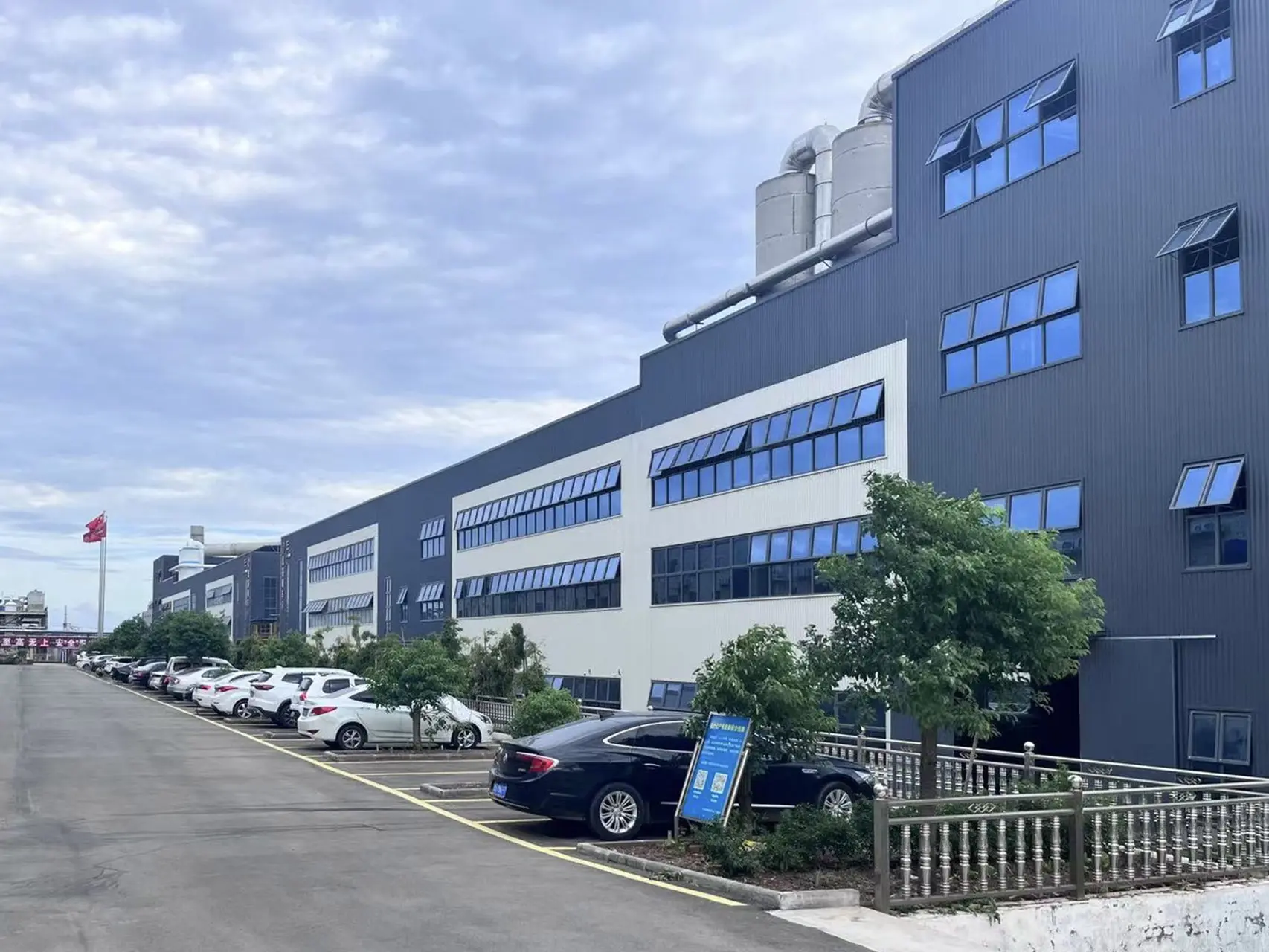
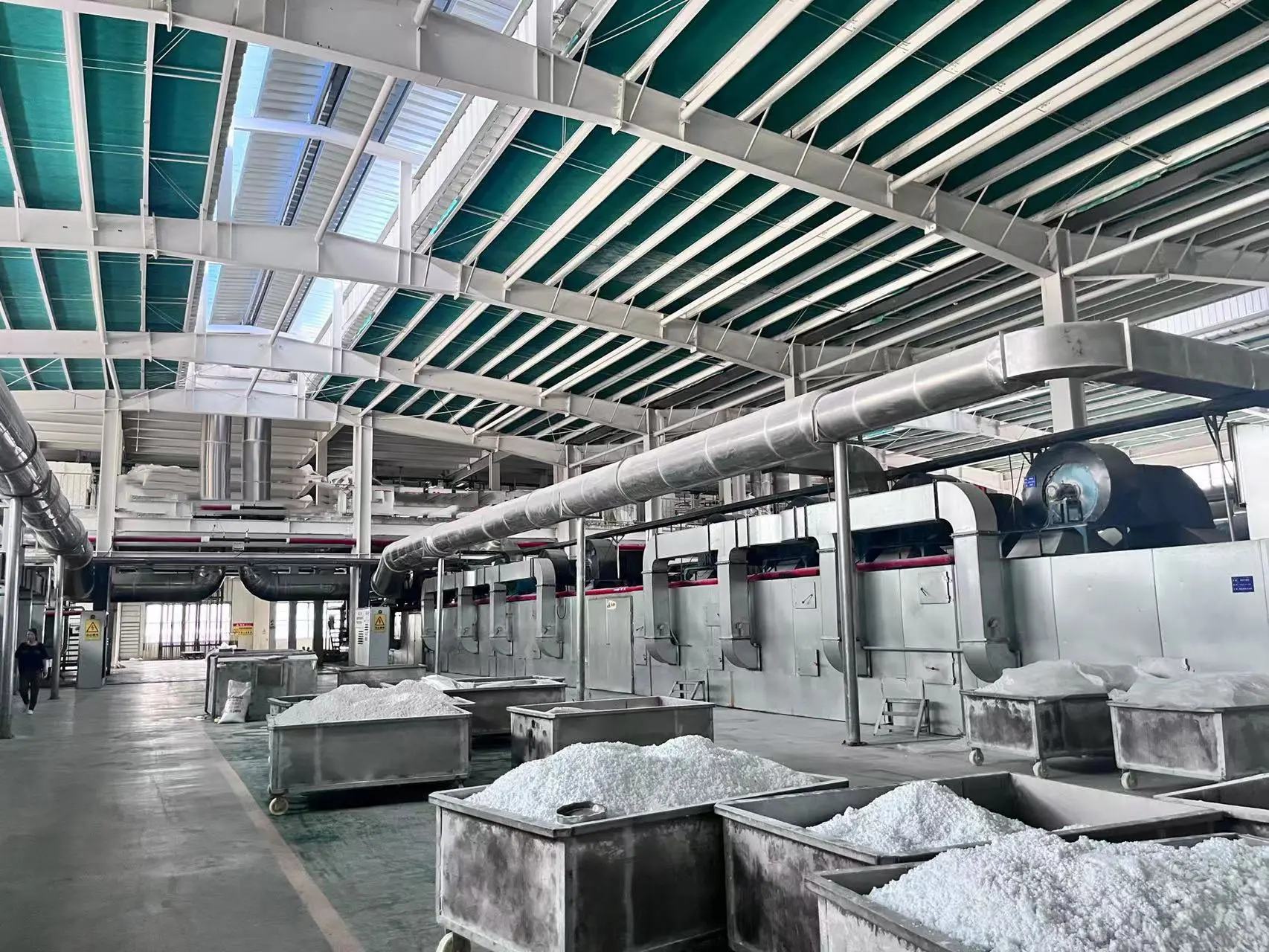
Our facilities maintain ISO 9001, ISO 14001, and ISO 45001 certifications to ensure regulatory compliance across international markets.
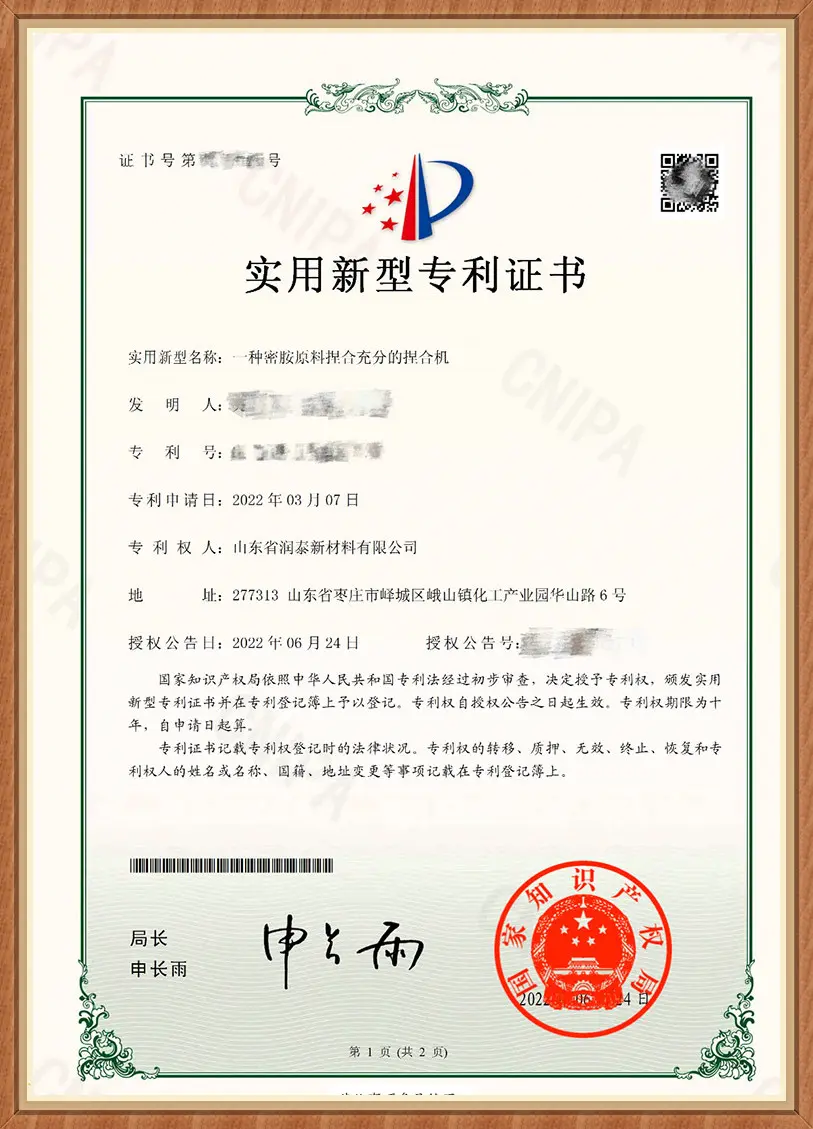
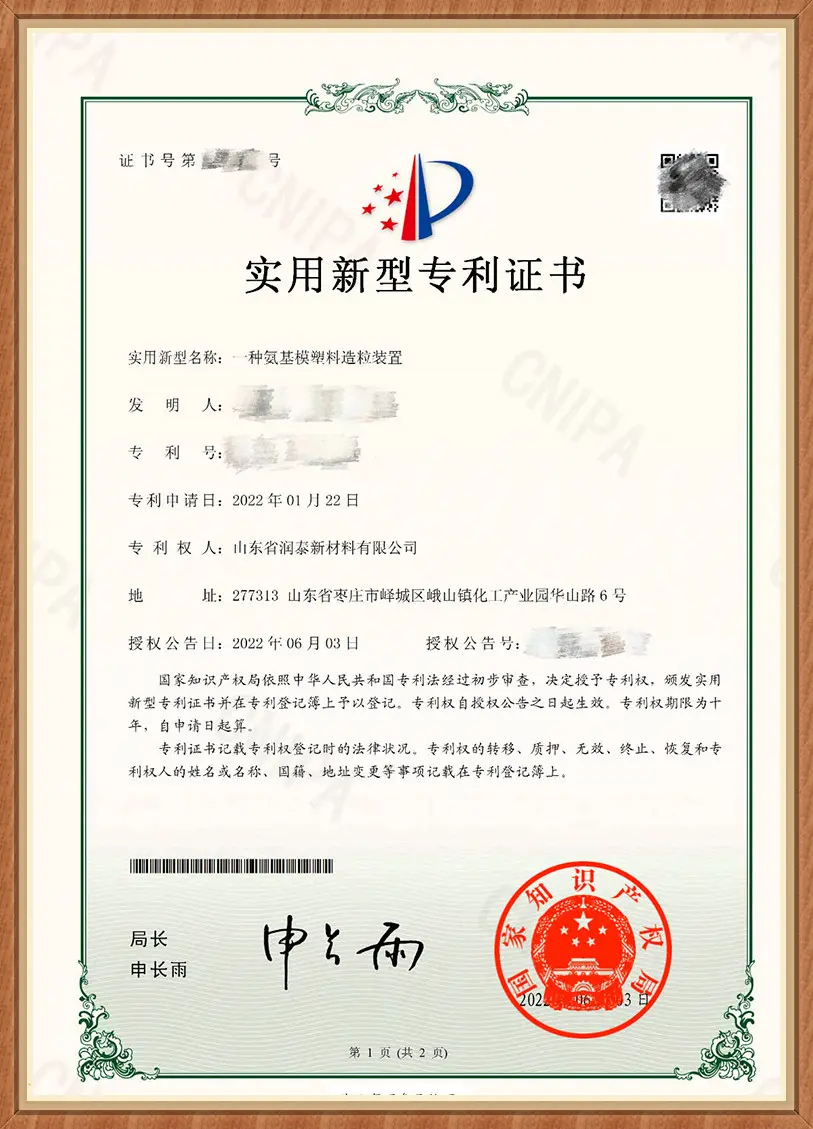
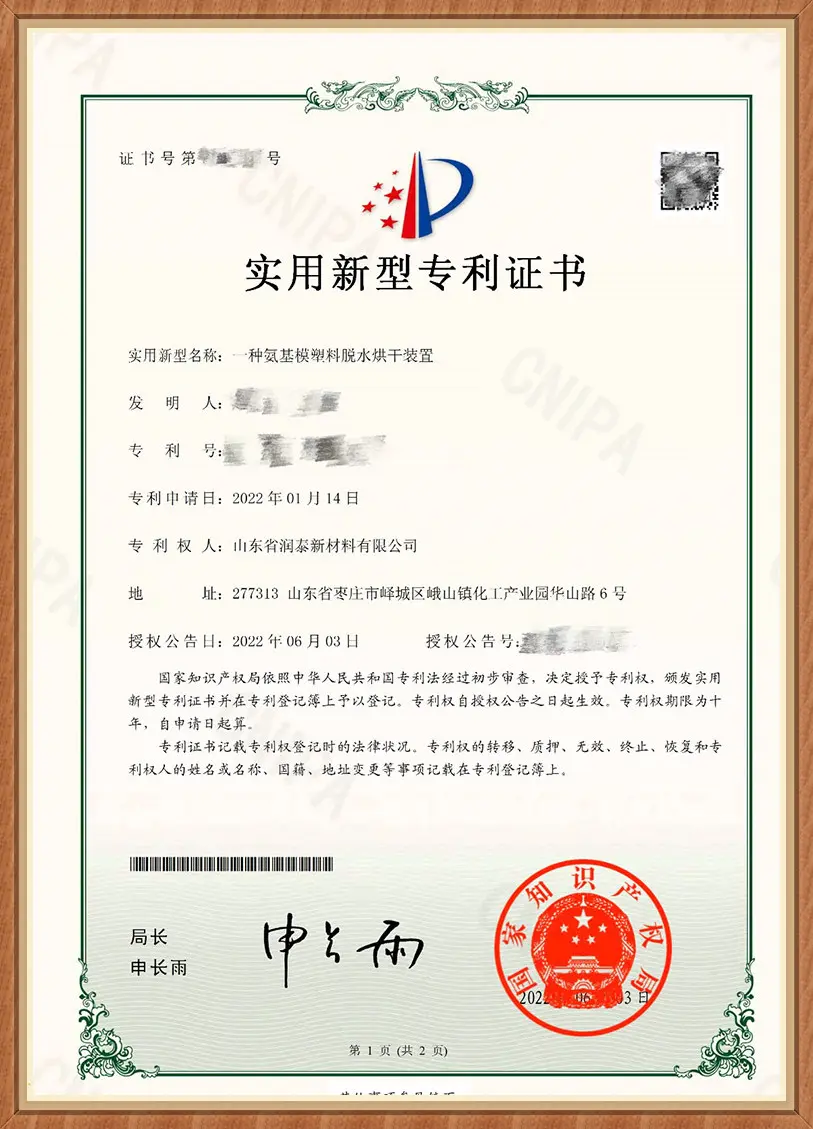
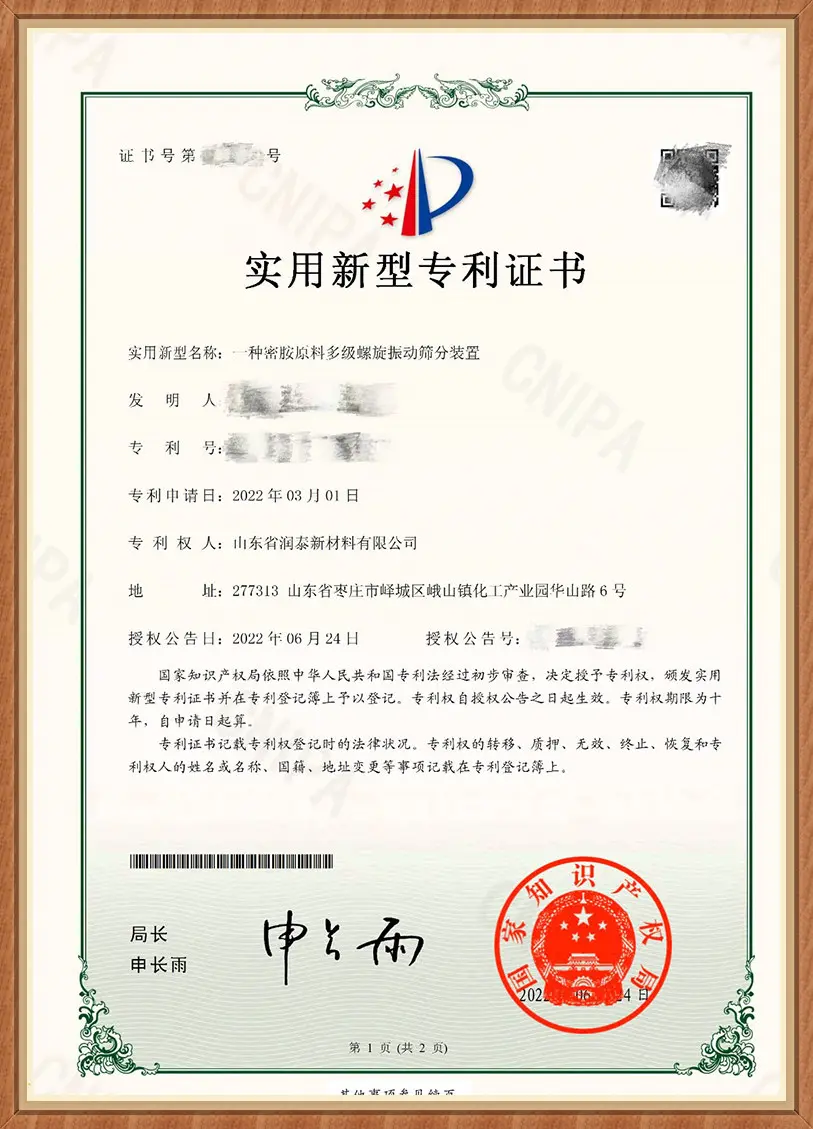
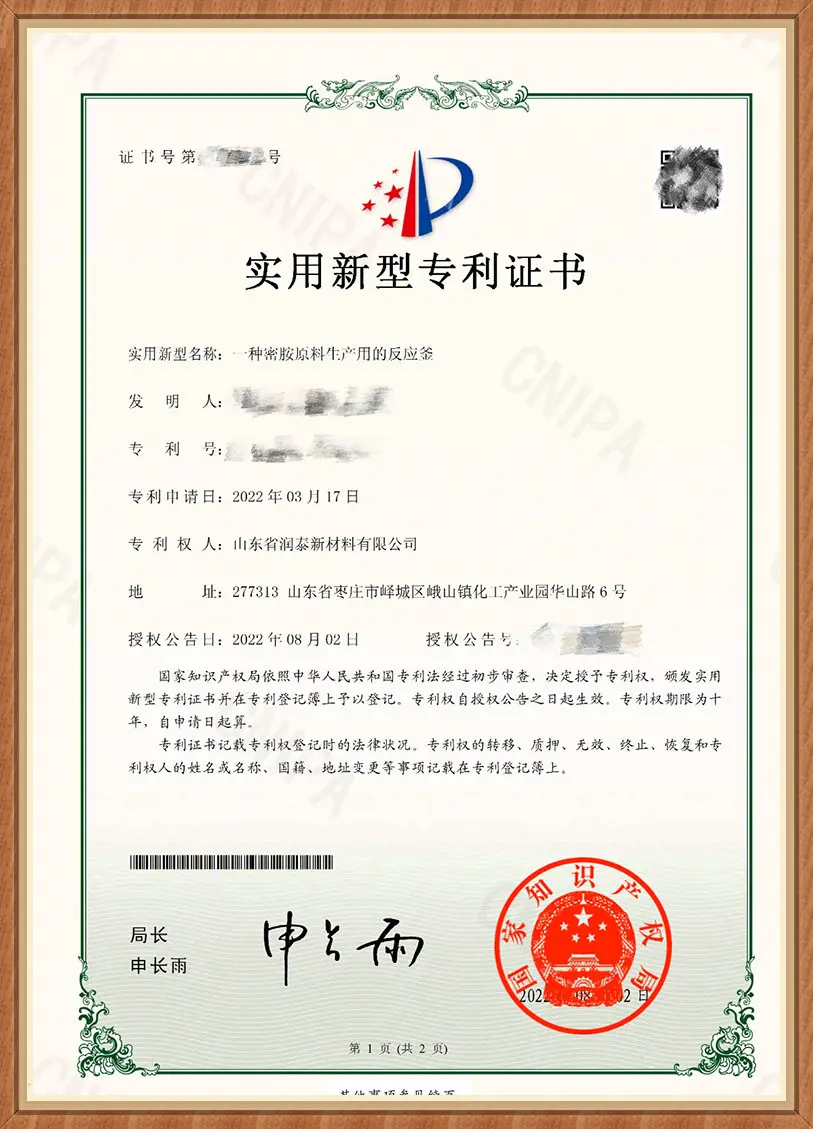
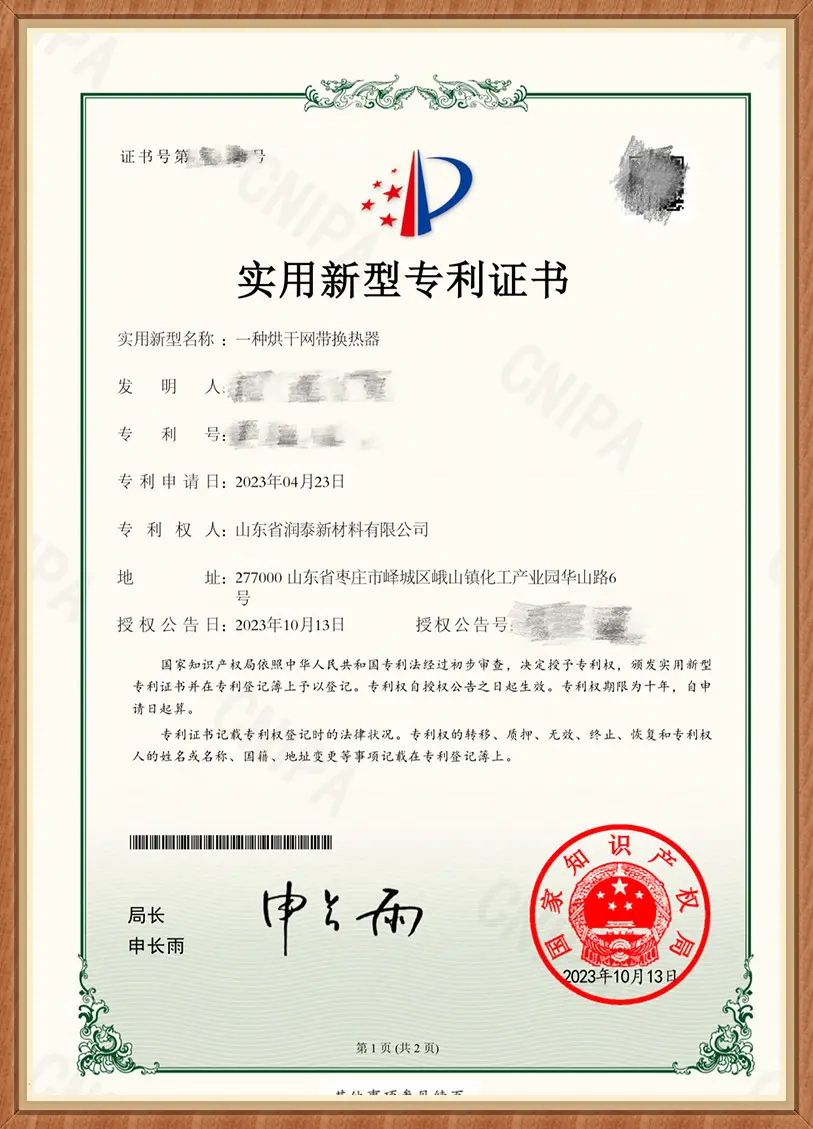
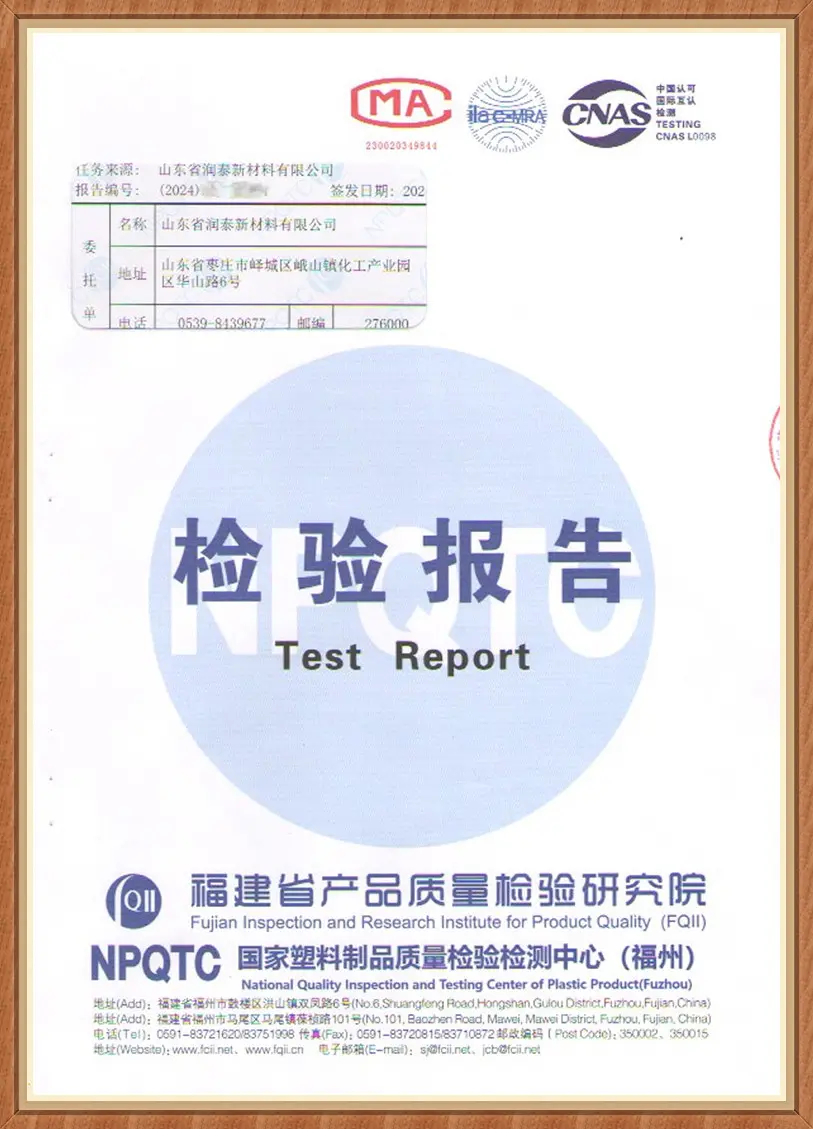
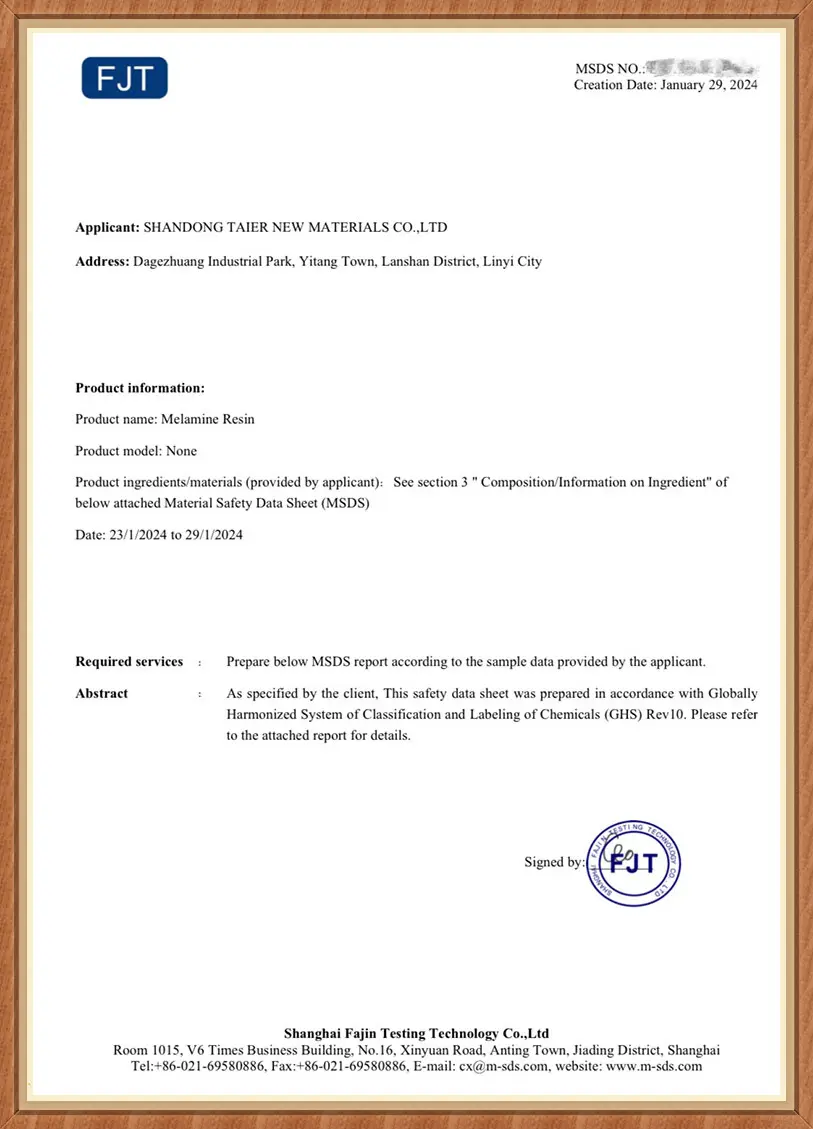
Runtai's integrated production covers high-performance compounds, resins, and specialized organic additives.
 Runtai