Direct supply options from our integrated chemical manufacturing network. High-purity compounds optimized for international standards.
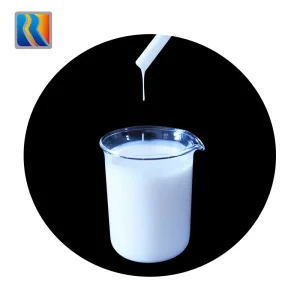
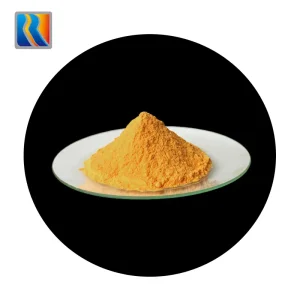
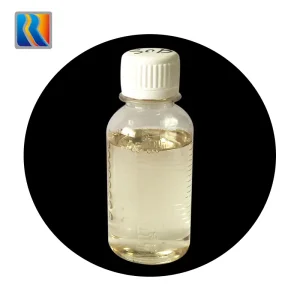
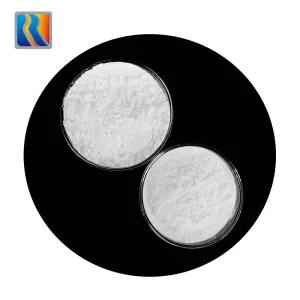
The industrial market refers to White Powder Glaze primarily as Melamine Glazing Powder. This polymer compound is engineered through the precise condensation reaction of melamine and formaldehyde. As a high-performance thermosetting material, it has achieved status as a globally sought-after chemical commodity. Its ultimate function is to provide a glassy, durable layer to melamine tableware, sanitary ware, and electrical apparatus covers.
In modern industrial applications, the aesthetic appeal and surface resilience of molded thermoset plastics depend entirely on the quality of the glazing compound. From major catering enterprises in Europe to massive design manufacturing houses in the United States, importing premium white powder glaze is an essential step. The chemistry provides high scratch resistance, exceptional chemical inertness to acidic foodstuffs, and a high-gloss finish that mimics porcelain while retaining the shatterproof qualities of structural plastics.
Globally, the consumption of melamine-finished products is on an upward trajectory. Key regional markets include North America, Western Europe, and rapidly urbanizing zones within Latin America and Southeast Asia. As regulations tighten regarding food contact compliance, international buyers are focusing on manufacturers capable of producing high-grade glaze powder with low-formaldehyde migration kinetics.
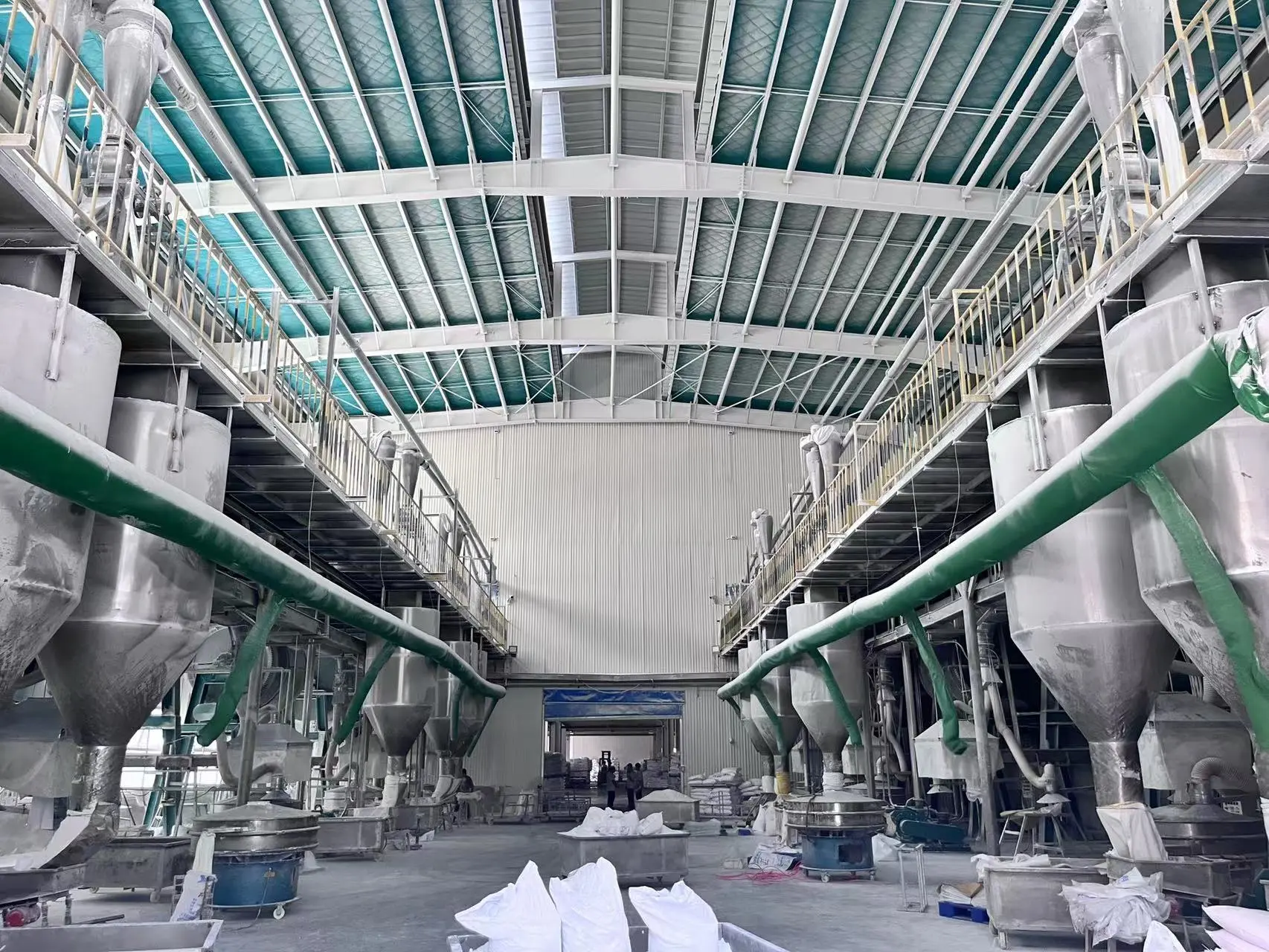
Founded in March 2020, Shandong Runtai New Materials Co., Ltd. has rapidly grown into a prominent group enterprise specializing in fine chemical production. Strategically headquartered in Zaozhuang City, Shandong Province, the corporation maintains branches across five different cities throughout China to streamline logistics and customer support.
Spanning an expansive footprint of 270,000 square meters, our factory site represents a massive total capital investment of 2.06 billion Yuan. This structural scale positions us at the forefront of the global chemical chain, allowing us to supply large-scale orders consistently to our domestic partners and international buyers alike.
Through modern upgrades and dedicated chemical processing lines, Shandong Runtai has achieved a dominant supply position. Currently, our annual capacities stand at:
These figures empower us to control approximately 80% of the domestic market share in China. Concurrently, we are expanding our global reach, exporting directly to the United States, Thailand, Kenya, Egypt, and other countries where our product reliability is highly regarded.
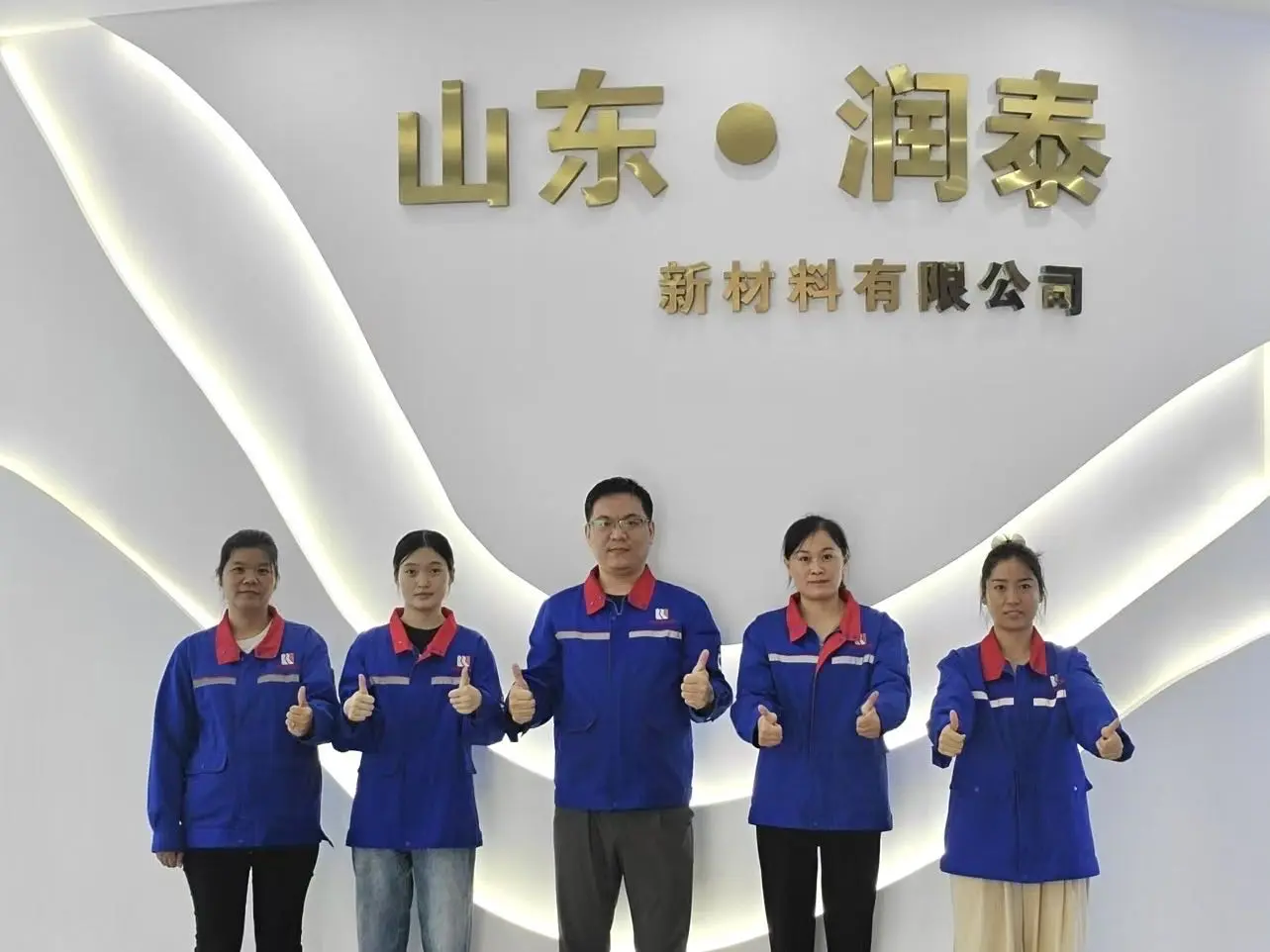
Integrating automated DCS controls and advanced polymer research to guarantee consistent product delivery.
Our processes are guided by the principles of safety, stability, energy conservation, and resources utilization. We employ a Distributed Control System (DCS) to monitor chemical parameters across the entire line, ensuring uniform molecular structures and mitigating contamination.
To ensure compliance with global standards, we deploy advanced production and testing apparatus. This automation reduces labor intensity, limits human error, and controls production costs, allowing us to pass the savings onto our procurement partners.
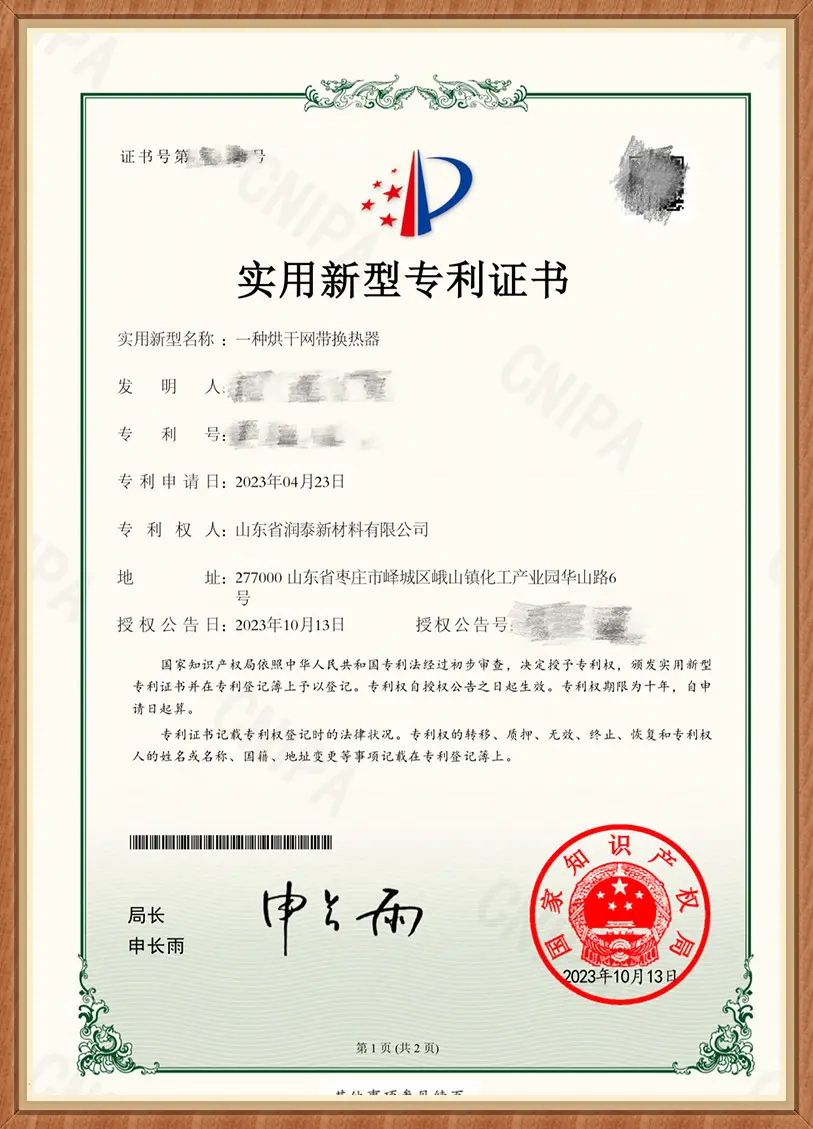
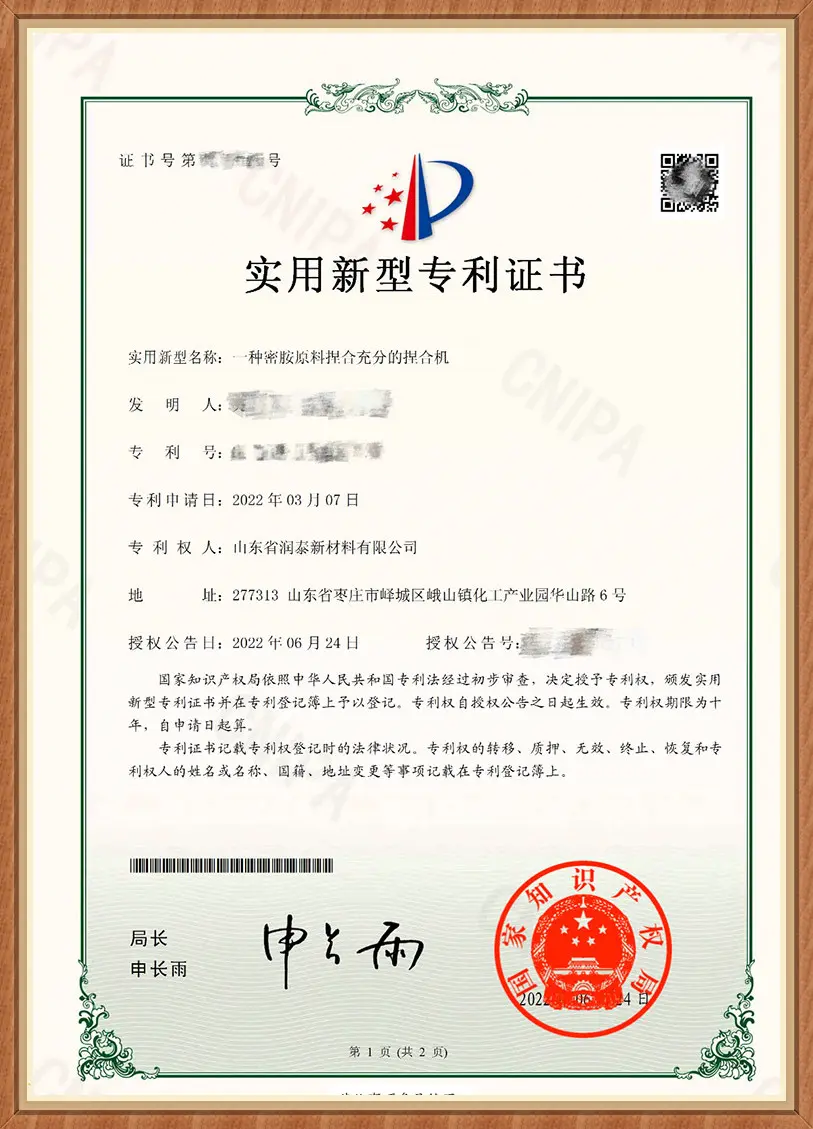
We collaborate with scientific research institutions, including the Changzhou Research Institute of Beijing University of Chemical Technology. Backed by our doctoral research and development team, we hold patented technologies designed to enhance resin elasticity and flow characteristics.

Modern applications of white powder glaze stretch beyond simple domestic dinnerware. Industrial sourcing decisions are driven by three distinct use cases:
In high-traffic foodservice industries (hotels, schools, aircraft, and institutional dining), tableware must endure repetitive chemical sanitization, mechanical dishwasher cycles, and abrasive handling. Applying a fine overlay of LG220 or LG250 glazing powder creates a non-porous, highly dense surface. This seal prevents dye stains from foods like coffee, curry, or tomato sauce while giving the item the high-gloss aesthetic of traditional china.
Due to the excellent arc resistance and dielectric strength of cured melamine resins, glazing powders are utilized to seal switches, dials, and handle grips. It provides a clean finish and serves as a flame-retardant layer, reducing the propagation of surface electrical failures.
In coating lines and thermosetting sheets, the addition of specialized glazing compounds improves humidity resistance and blocks ultraviolet light degradation. The high cross-linking density prevents internal degradation of structural polymer sheets underneath.

A primary competitive advantage of Shandong Runtai New Materials Co., Ltd. is our integrated vertical industrial chain. Standard chemical factories often rely on third-party suppliers for raw materials such as formaldehyde or melamine. This dependence exposes them to market volatility, quality variances, and transportation bottlenecks.
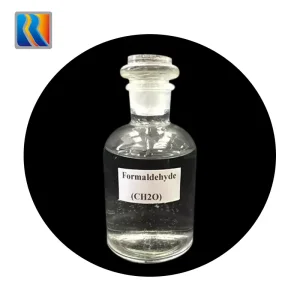
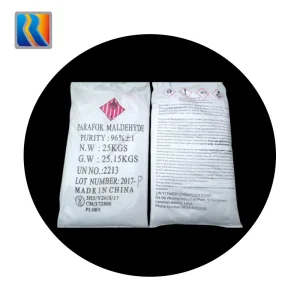
Our raw material loop starts directly with primary chemicals: we refine formaldehyde, process it into melamine, compound it into urea-formaldehyde resins, and finally convert it into melamine glazing powder. This continuous production loop delivers three distinct benefits to our clients:
As a responsible chemical producer, we prioritize sustainable development and environmental preservation. Our processes comply with relevant laws, regulations, and emissions standards. We focus on developing eco-friendly products that reduce VOC emissions and optimize energy use, helping our clients achieve their green manufacturing goals.
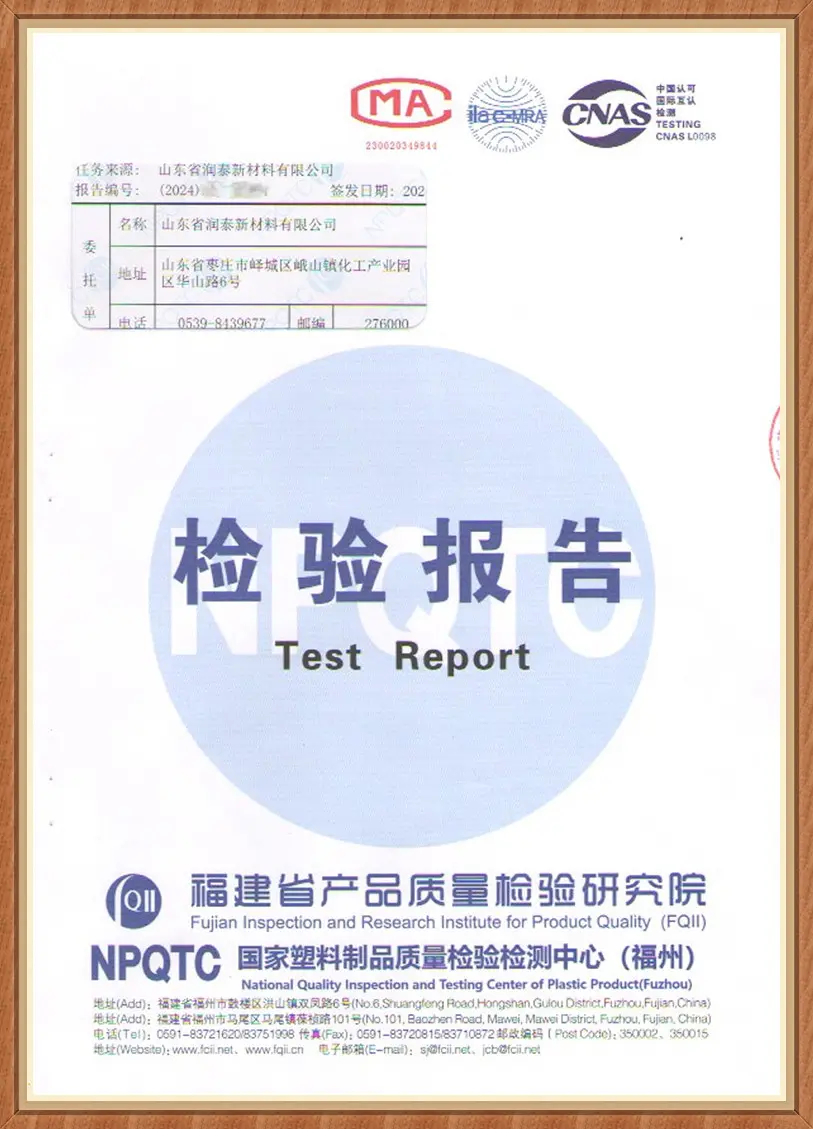
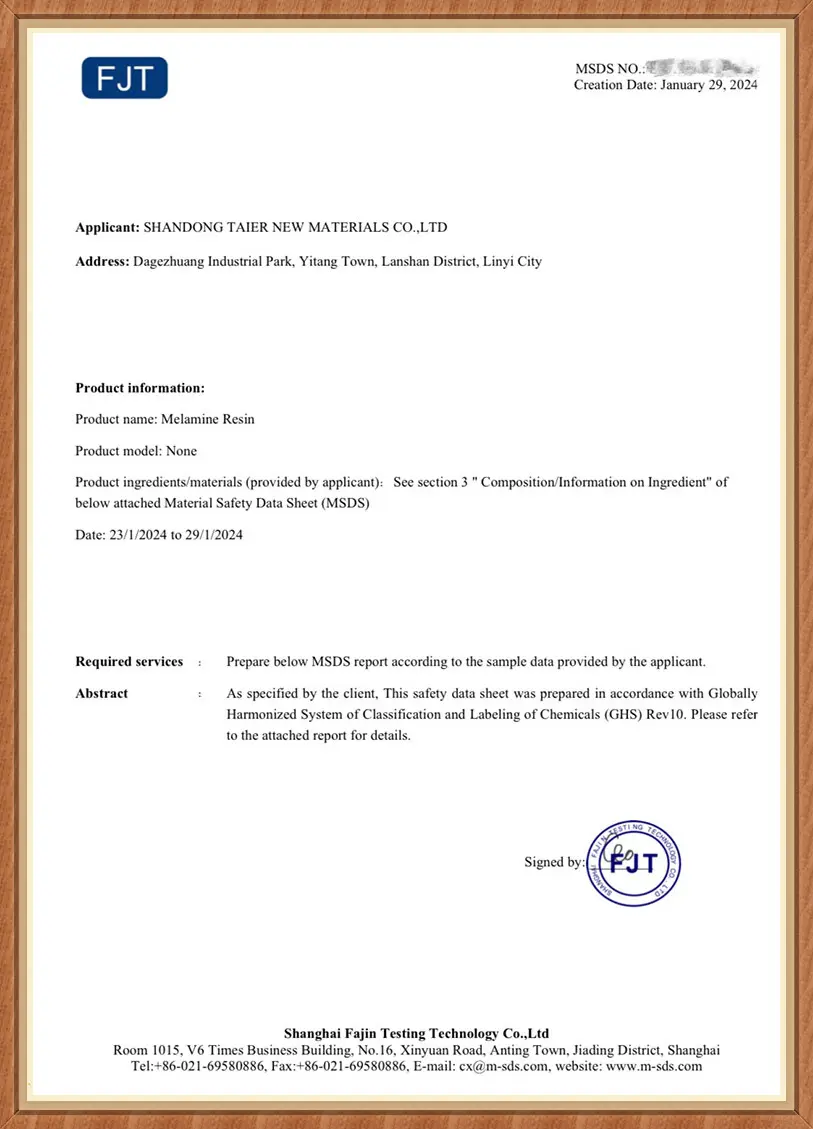
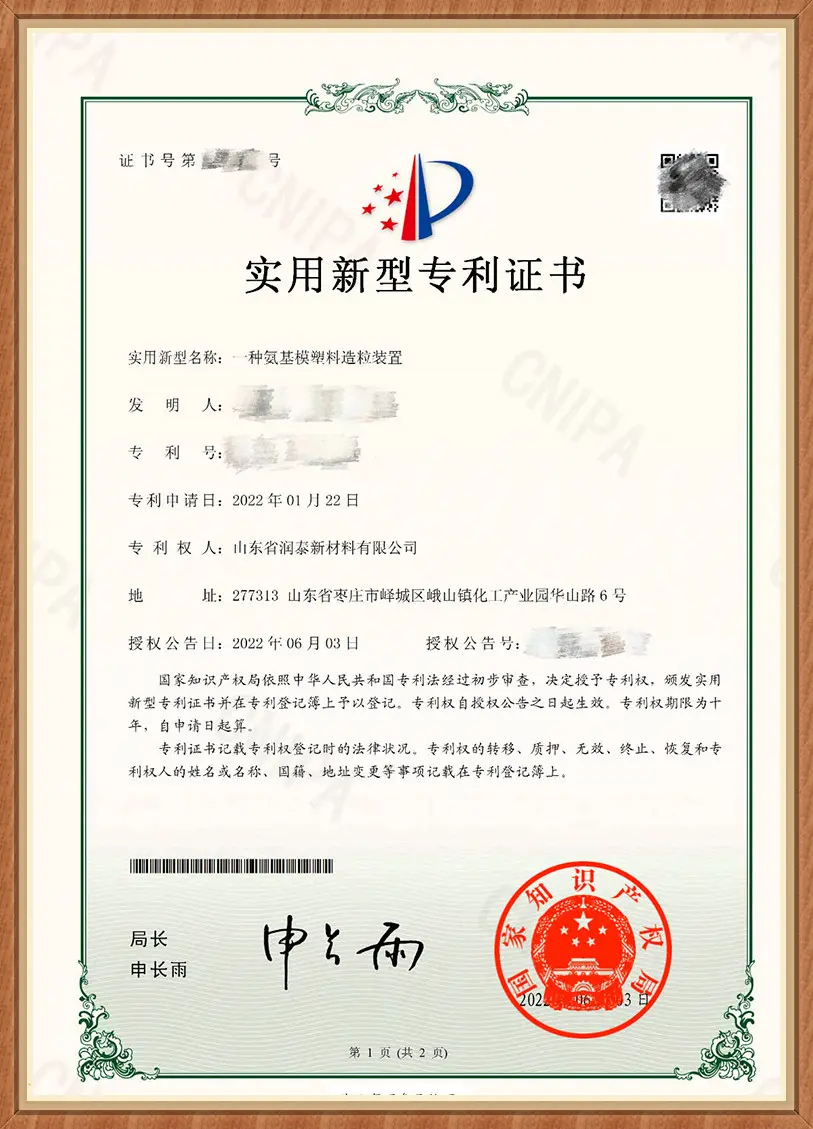
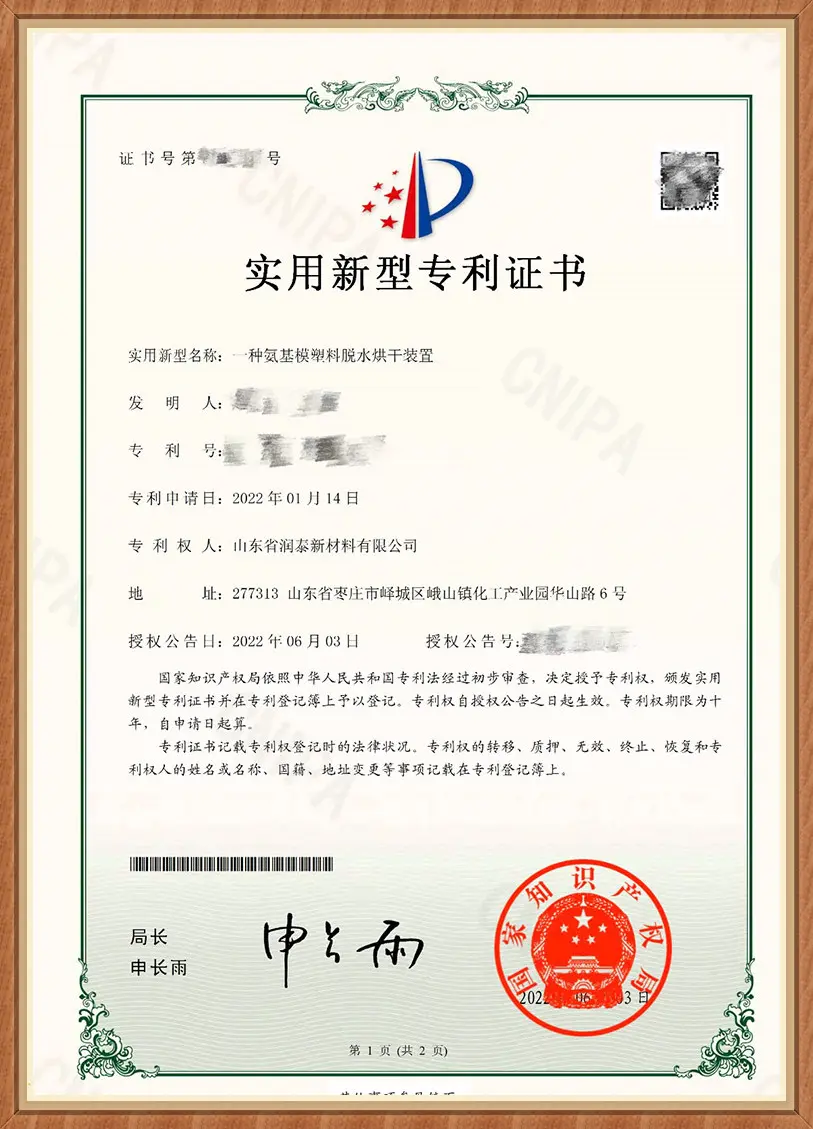
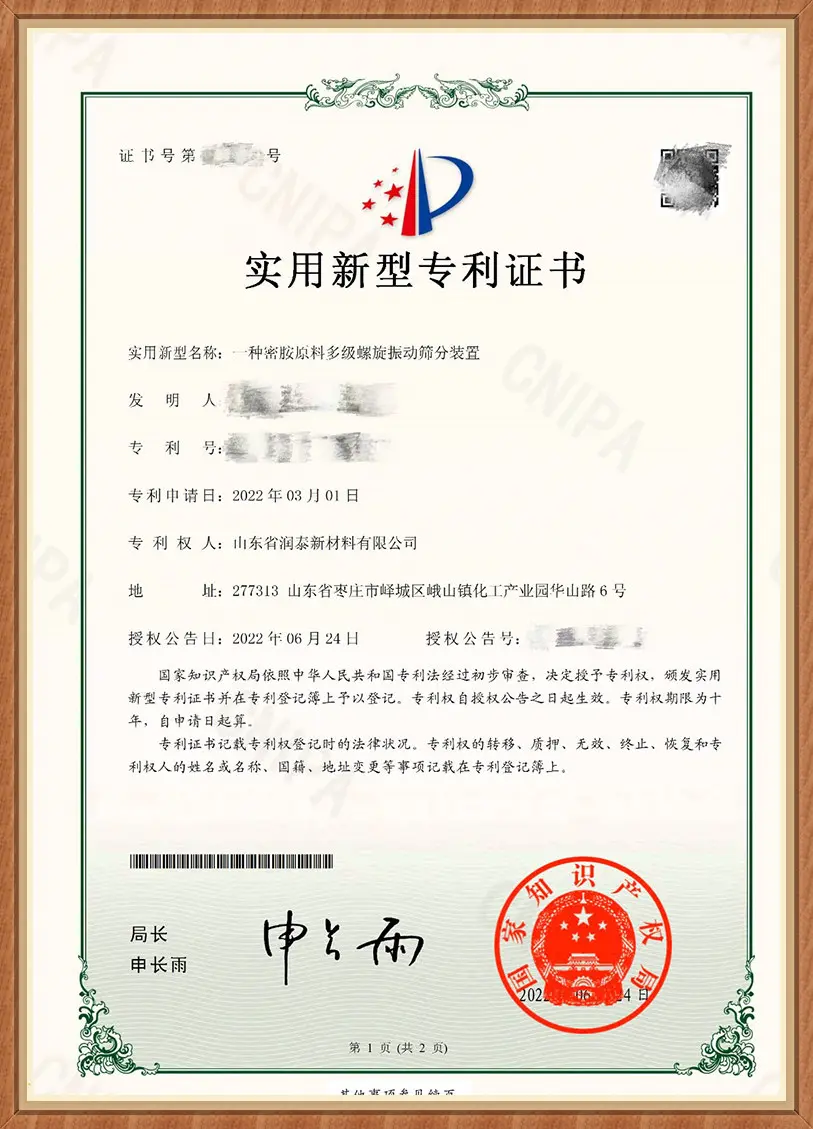
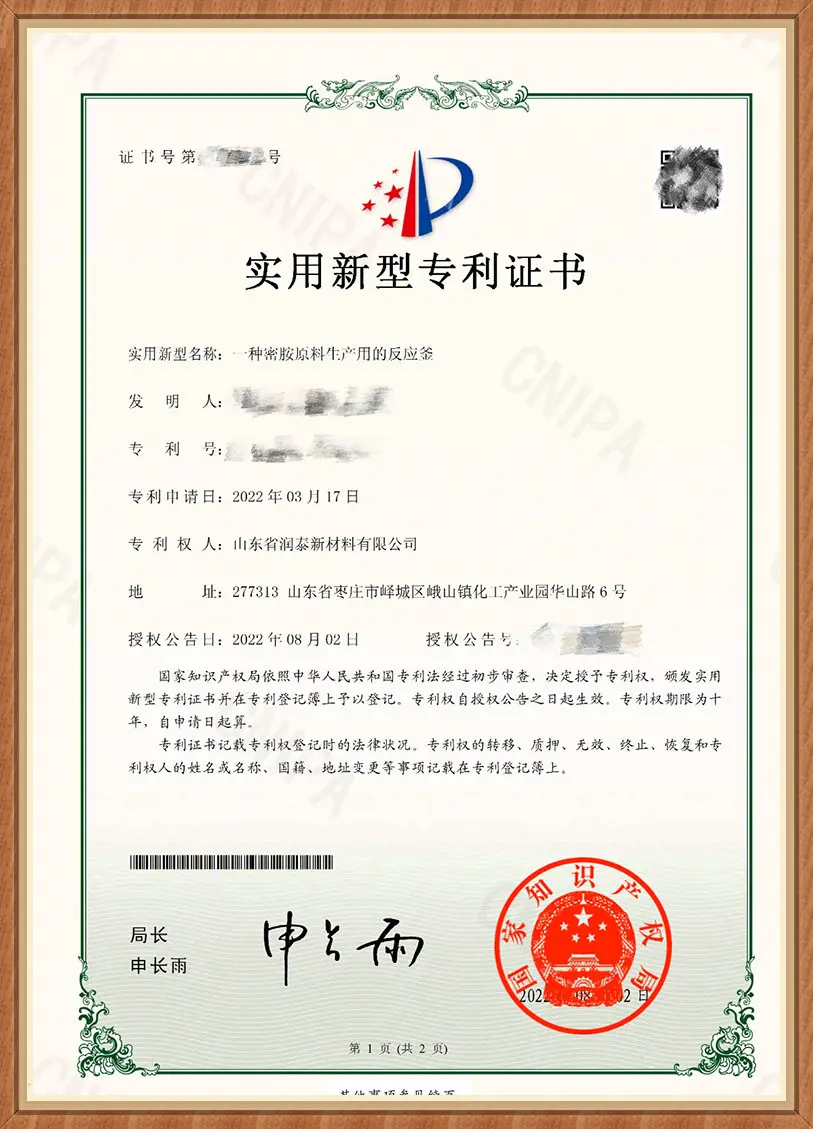
Ensuring chemical quality, safety, and operational standards. We maintain strict compliance for international customs and high-security sectors.
As international supply chains evolve, procurement directors are shifting from basic transactional purchasing to strategic sourcing models. When evaluating melamine glazing powder manufacturers, global buyers should prioritize the following factors:
Safety regulations like the EU Regulation No. 10/2011 and FDA 21 CFR standards set strict migration limits on formaldehyde and melamine monomers into food. Premium manufacturers control this by optimizing the reaction ratio of formaldehyde to melamine during the initial condensation phase, ensuring minimal unreacted free formaldehyde remains in the finished glazing powder.
The powder's particle size distribution directly impacts the molding process. Fine, controlled-mesh powders spread evenly across hot compression molds, melting rapidly to form a smooth surface without leaving pinholes, dark streaks, or trapped gas bubbles. Reliable factories use air-classification mills to achieve uniform particle distributions.
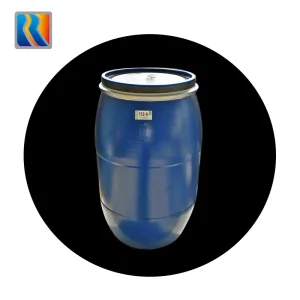
Melamine glazing powder is moisture-sensitive. Exposure to humidity can initiate premature cross-linking, rendering the powder unusable. Sourcing from factories that utilize moisture-barrier bags, sturdy stretch wrapping, and climate-monitored container loading is essential for long-distance ocean shipping.
We recommend purchasing directly from integrated manufacturers that produce their own raw materials. This ensures consistent batch quality, protects against price spikes, and guarantees the chemical assay meets import regulations.
Expert answers addressing the technical, regulatory, and logistics queries of global chemical procurement specialists.
High-purity resins, raw materials, and processing additives engineered for global markets.

 Runtai