Direct supply from state-of-the-art facilities engineered to meet rigorous international quality requirements.
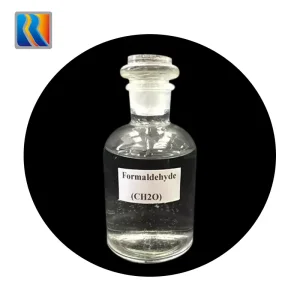
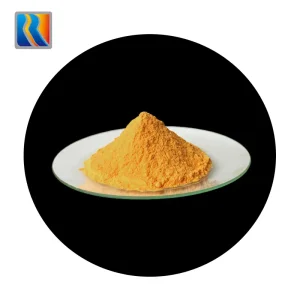
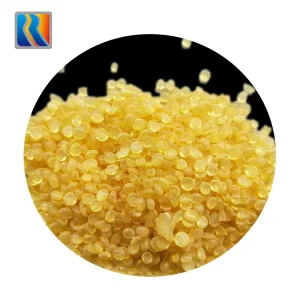
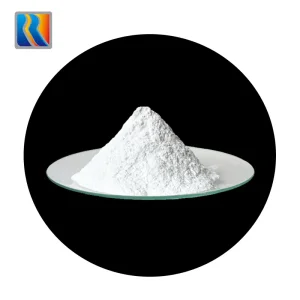
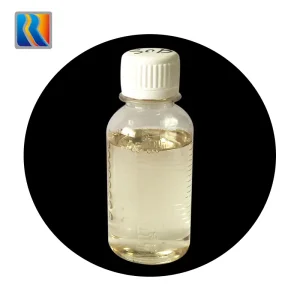
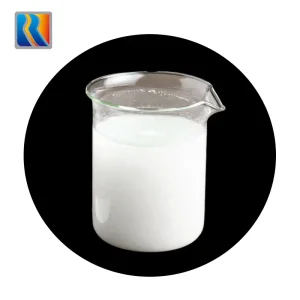
The global production paradigm of nitrogen-rich organic compounds hinges heavily upon the chemical transformation of Urea to Melamine. Melamine ($C_3H_6N_6$), a trimer of cyanamide, is synthesized on a massive scale by thermal decomposition of urea. This critical reaction pathway demands precision heat input, high pressure or catalysts, and rigorous safety control parameters to achieve high-purity outputs suitable for thermosetting plastics, high-pressure laminates (HPL), wood adhesives, and coating resins.
For decades, procurement managers and global distribution hubs have faced challenges balancing high-quality product sourcing against regulatory mandates like formaldehyde limits (E0, E1, and CARB Phase 2) and supply chain continuity. As one of China's primary manufacturing consortiums, Shandong Runtai New Materials Co., Ltd. offers vertical integration that circumvents market volatilities by coupling massive production capacities with strict regulatory conformance.
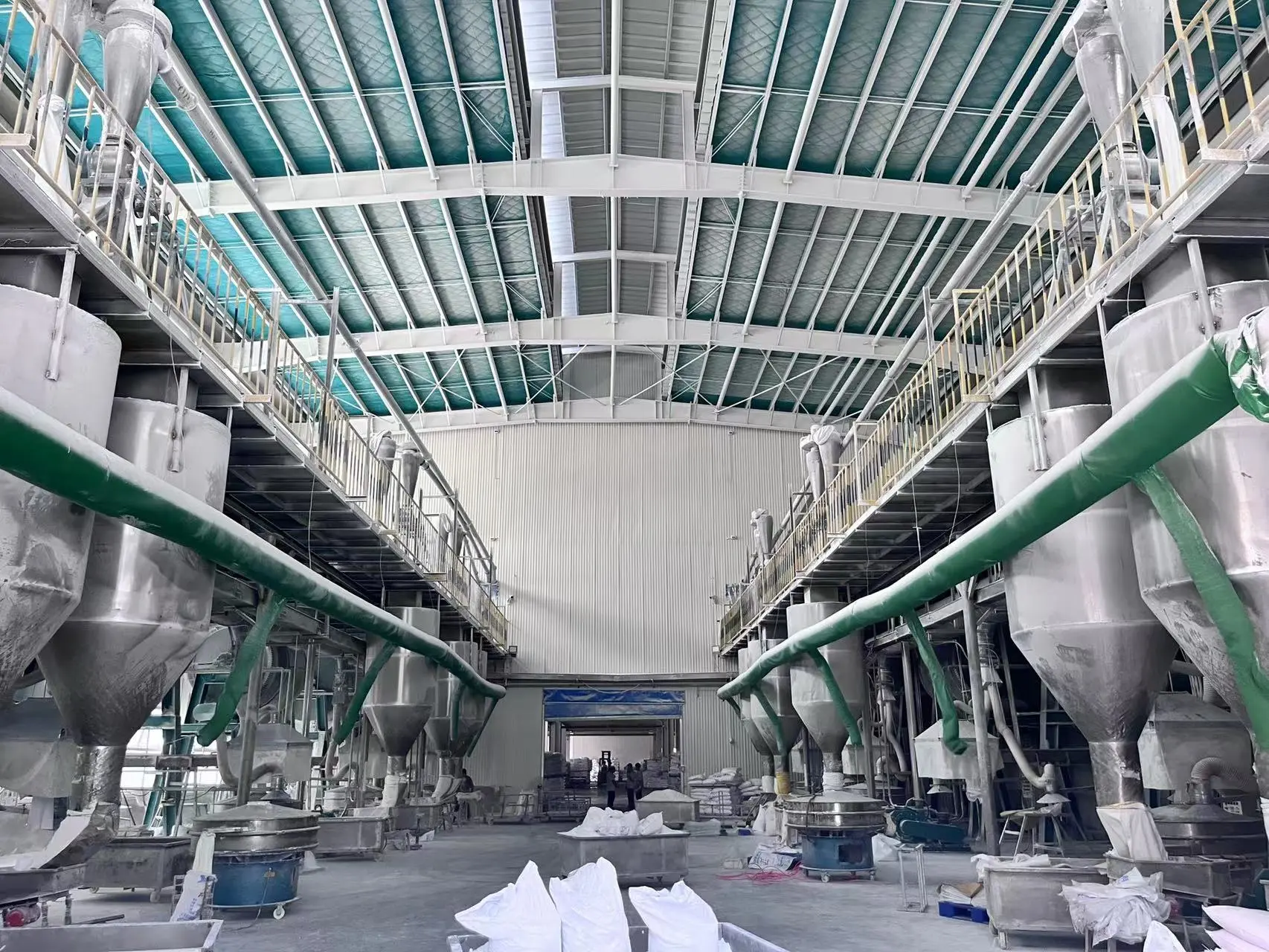
Learn about our footprint, investments, and foundational mission within the fine chemical sectors.
Founded in March 2020, Shandong Runtai New Materials Co., Ltd. is a comprehensive group firm that specializes in fine chemical products. Our primary products include formaldehyde, polyformaldehyde, urea formaldehyde resin, melamine powder, and melamine glazing powder. The corporation has branches in five different cities throughout the whole country, with its headquarters located in Zaozhuang City, Shandong Province.
Runtai New Materials covers a massive area of 270,000 square meters with a total investment of 2.06 billion yuan. Our scaling capability represents a turning point in high-performance thermosetting plastic inputs and chemical auxiliaries.
We are a professional chemical supplier dedicated to satisfying customer requirements with superior chemical products and solutions. Our professional staff and cutting-edge production machinery are committed to the production of chemical goods that satisfy global standards. In order to satisfy the needs of various industries, we simultaneously offer standardized products as well as tailored solutions based on the unique requirements of our customers.
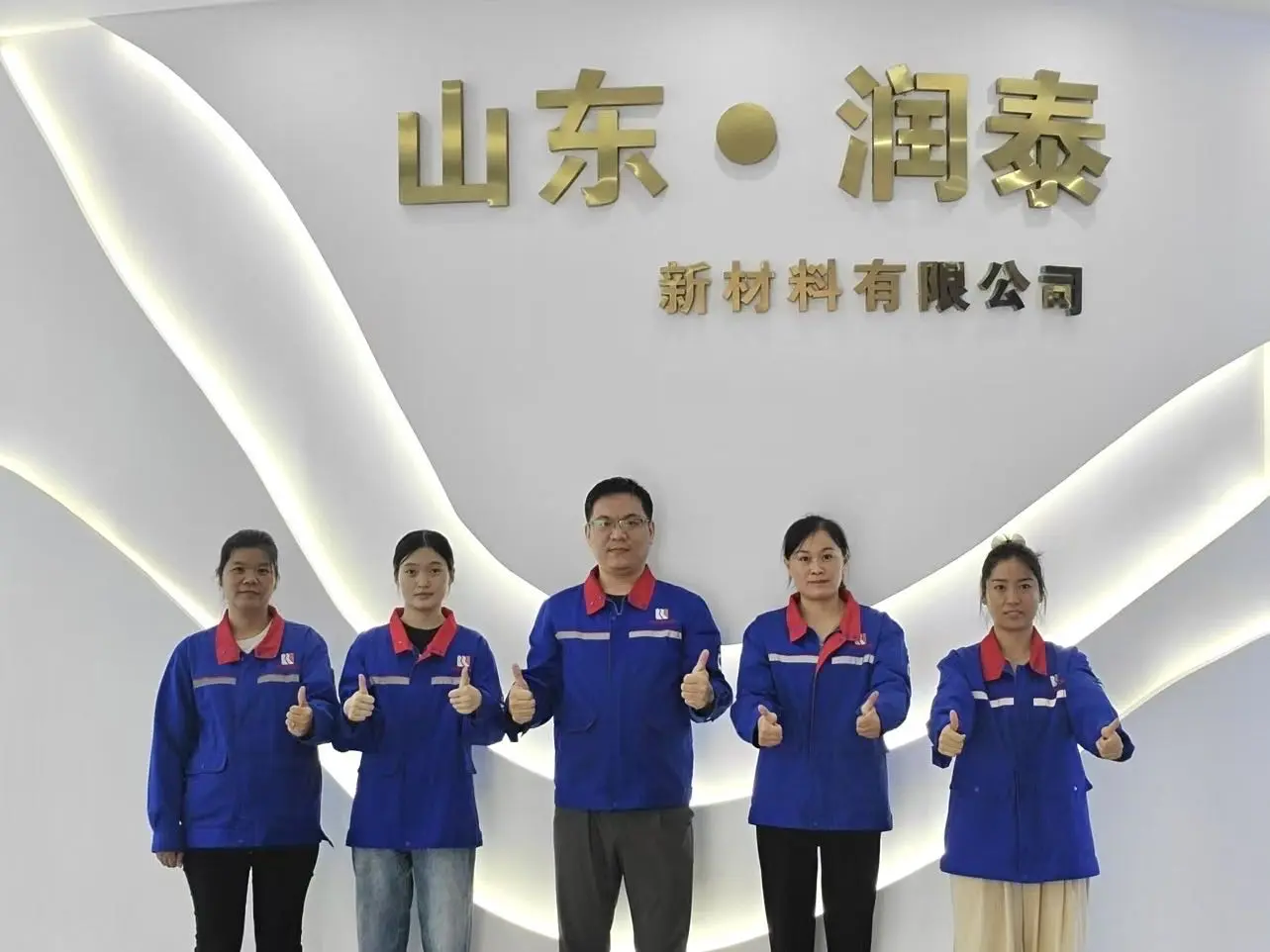
A data-driven representation of our supply resilience and dominant domestic and international market share.
Runtai New Materials has grown to be one of China's top producers of melamine and formaldehyde due to our recent improvements in production line growth. As of currently, we also produce 20,000 tons of melamine glazing powder and 11,000 tons of specialized resin. We are actively developing overseas business; our products have been exported to the United States, Thailand, Kenya, Egypt, and other countries and have been widely praised by overseas customers.
How structural, technological, and geographical advantages translate into cost-efficiency for international buyers.
By starting directly with formaldehyde production and scaling up to melamine, urea formaldehyde resins, and molding compounds, Runtai limits exposure to raw material price swings. This long industrial chain has great potential for extension, with derivative products widely applied in adhesives, coatings, resin plastics, and daily utensils.
Our distributed control system (DCS) allows real-time adjustment of process parameters across the entire production line. This minimizes human error, improves chemical purity, and minimizes raw material consumption, providing a consistent supply to global distributors.
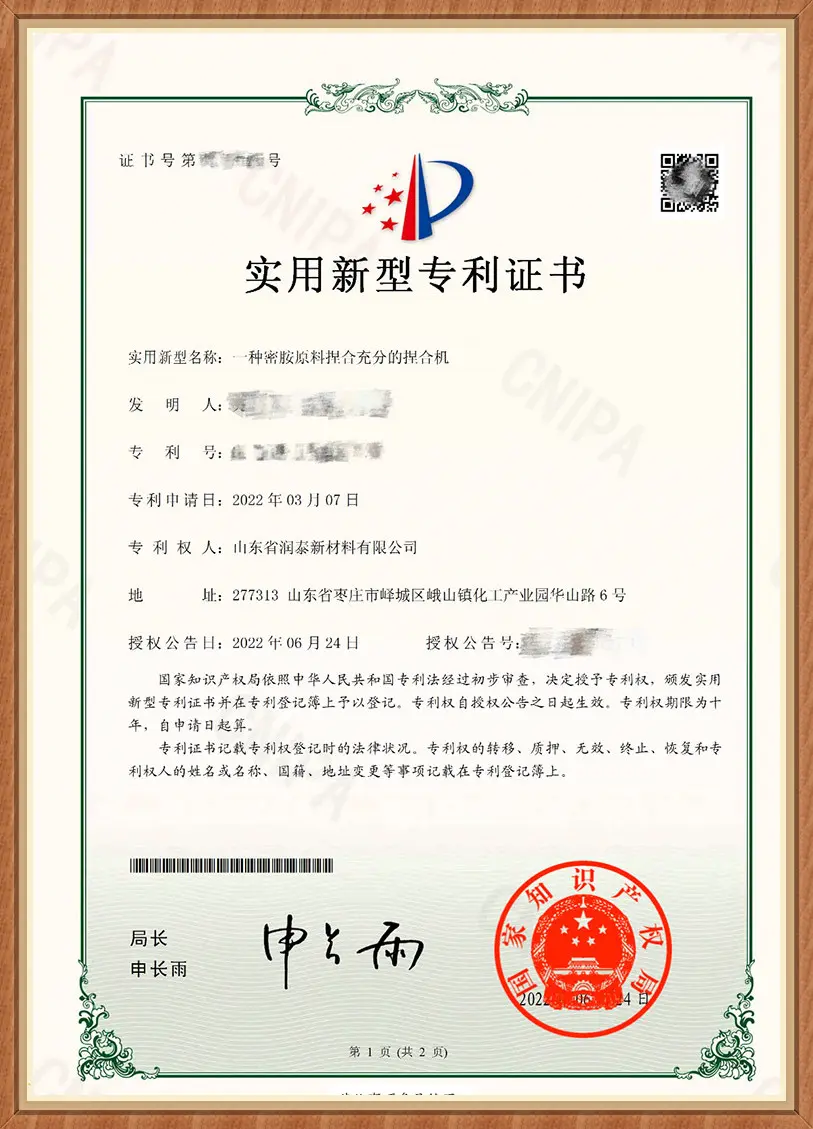
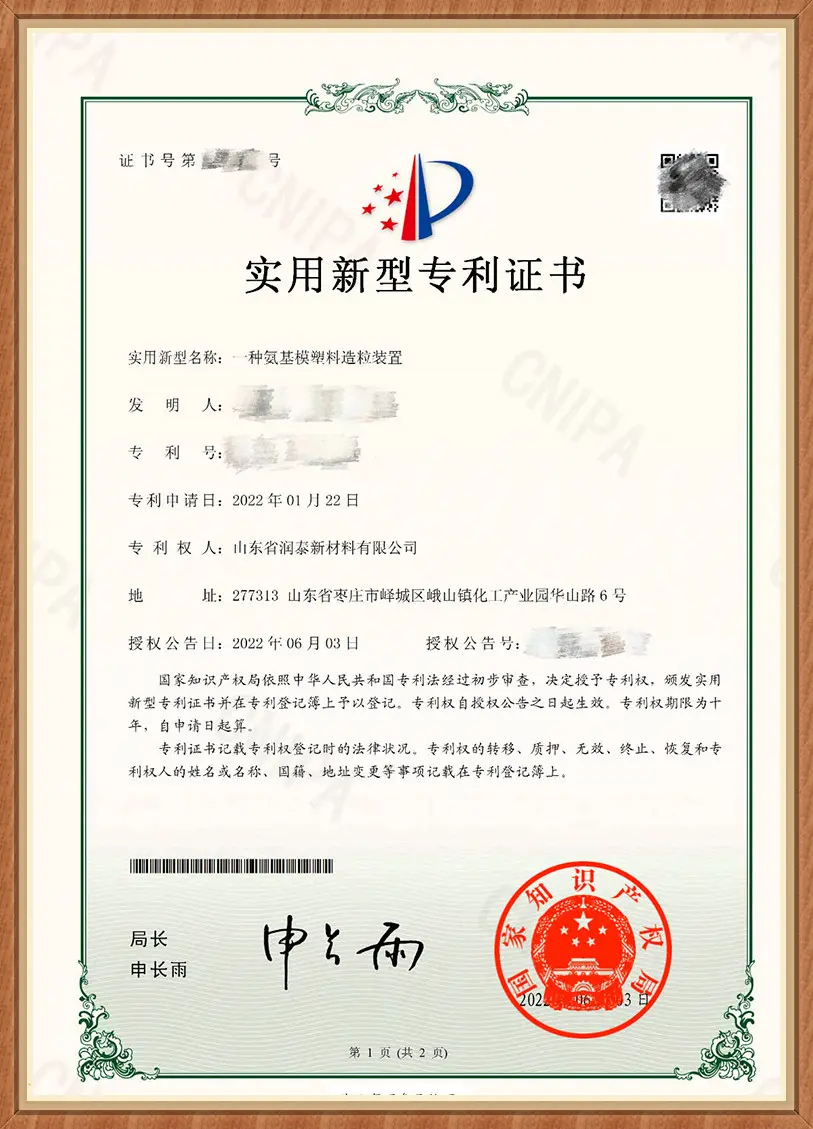
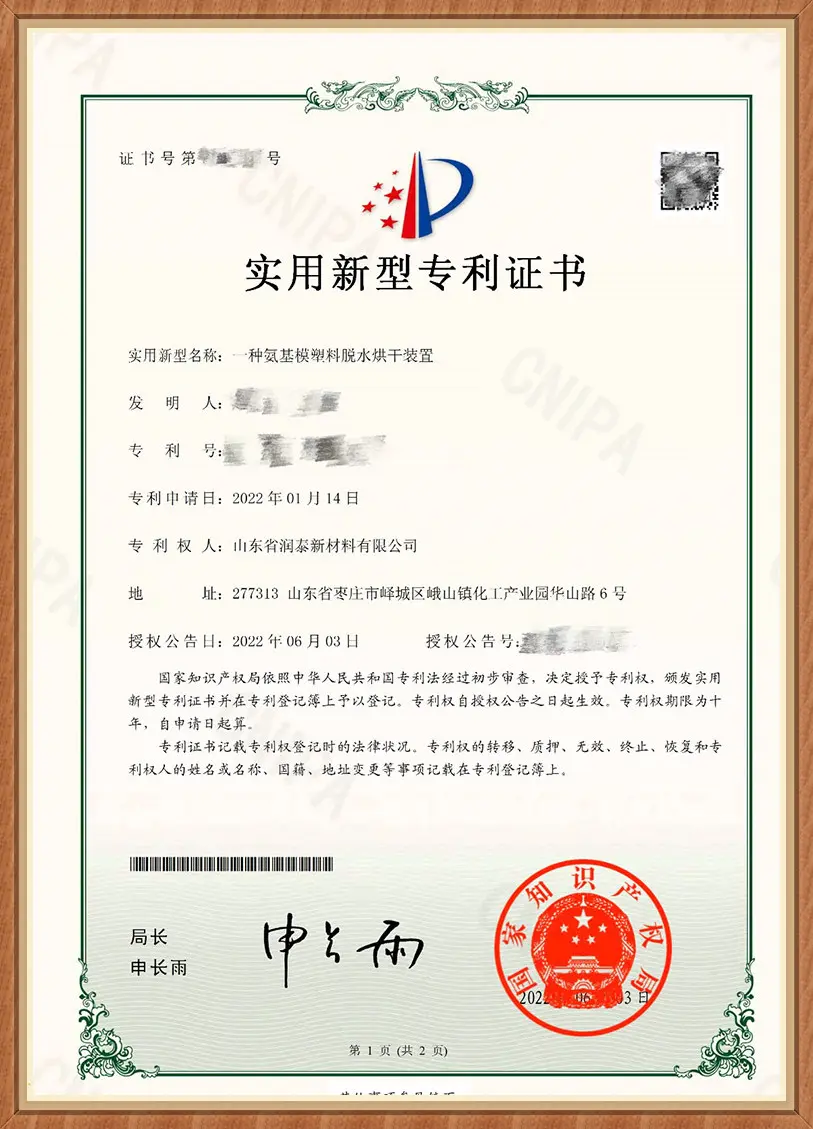
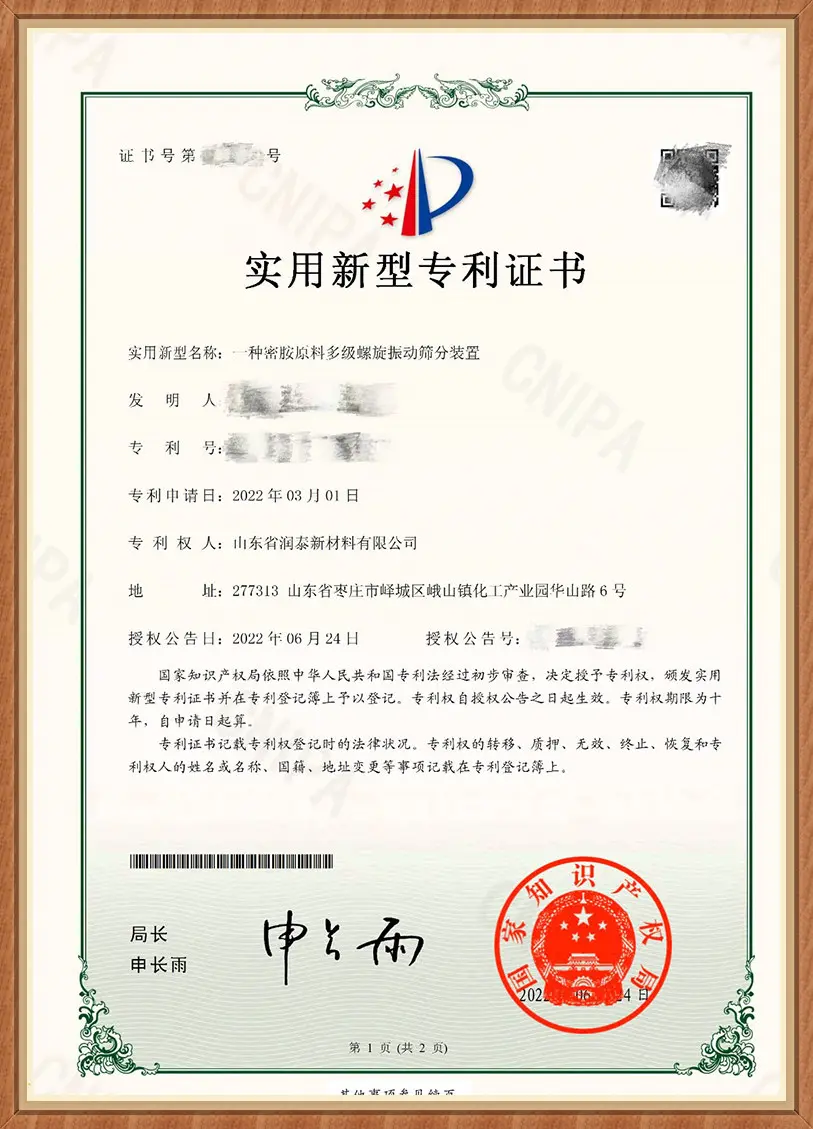
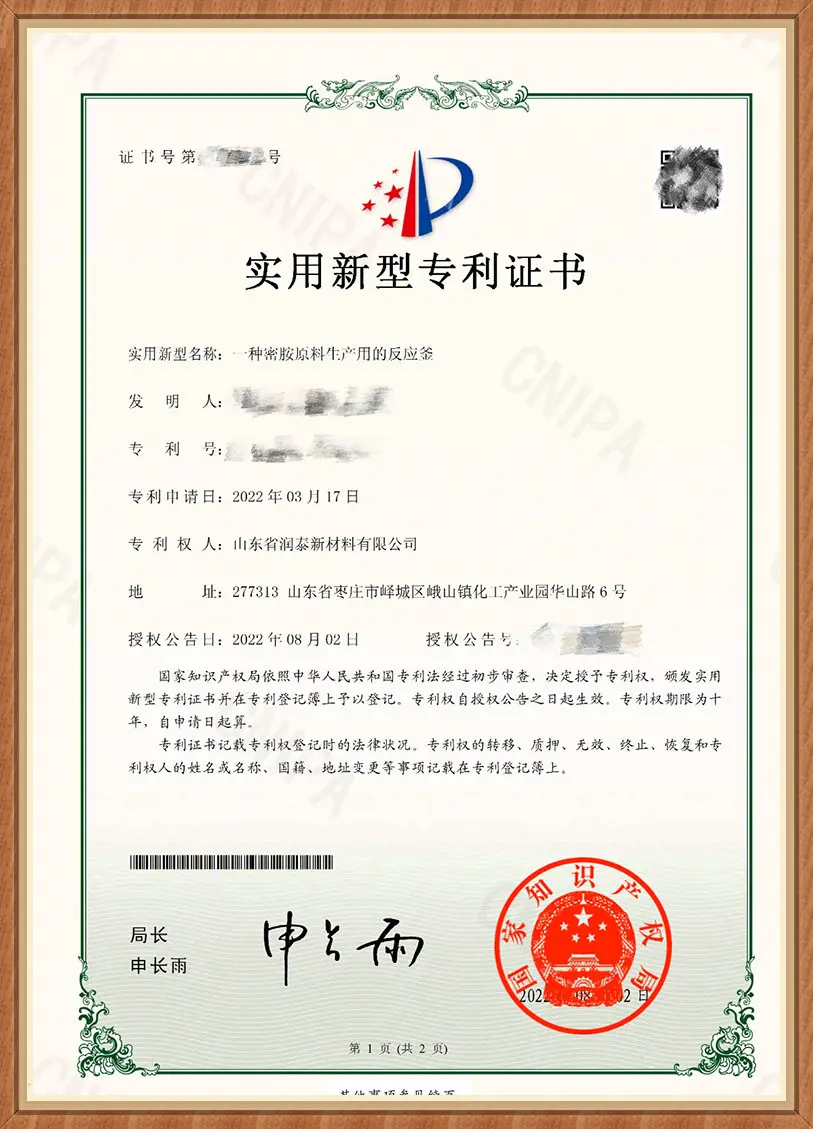
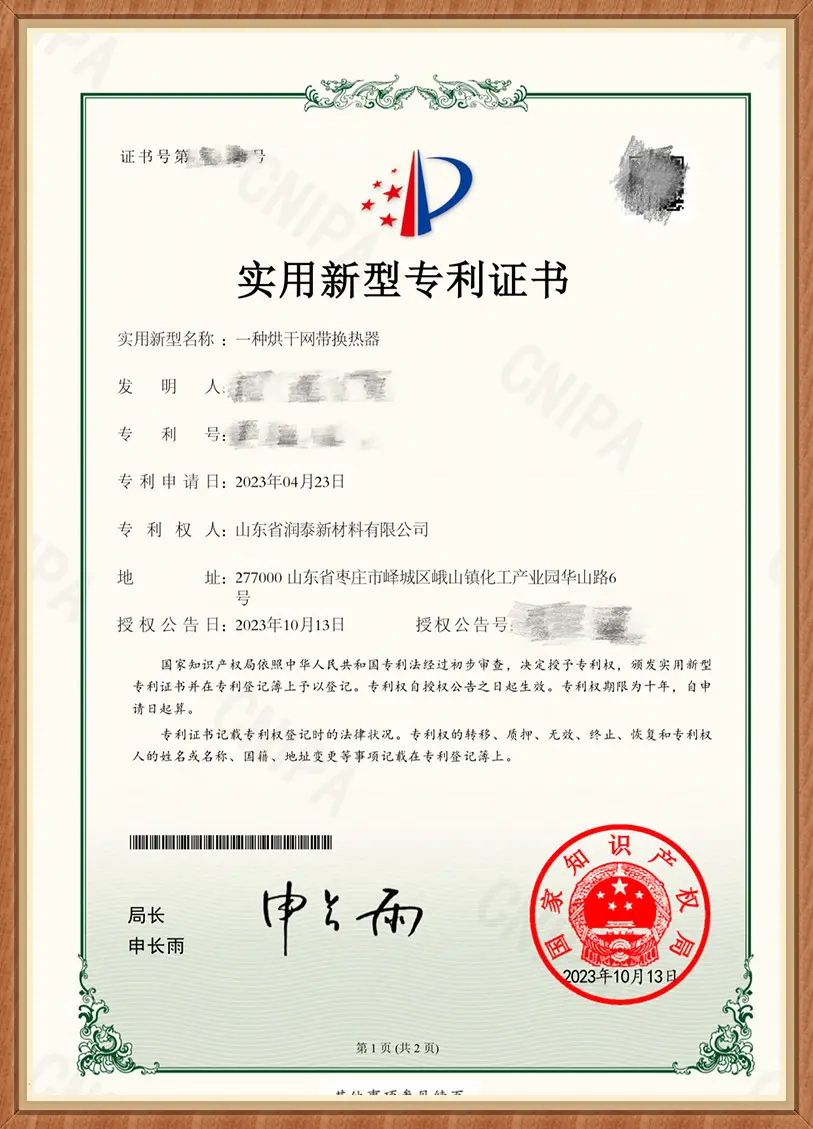
Through our long-term collaboration with the Changzhou Research Institute of Beijing University of Chemical Technology, we integrate production, learning, and research. Supported by a doctoral R&D team and patented technologies, we continuously adapt to shifting market standards.
Providing the critical raw chemical inputs required across modern industrial and consumer sectors.

Runtai New Materials prioritizes sustainable development and environmental preservation. Our commitment lies in developing and producing eco-friendly products that minimize their negative effects on the environment while adhering to pertinent laws, regulations, and standards.
The "quality first, customer first" attitude has always guided our business, and we embrace customer service with honesty and professionalism. We actively lower emission footprints through advanced scrubbers, energy recovery systems, and eco-conscious raw material routing.
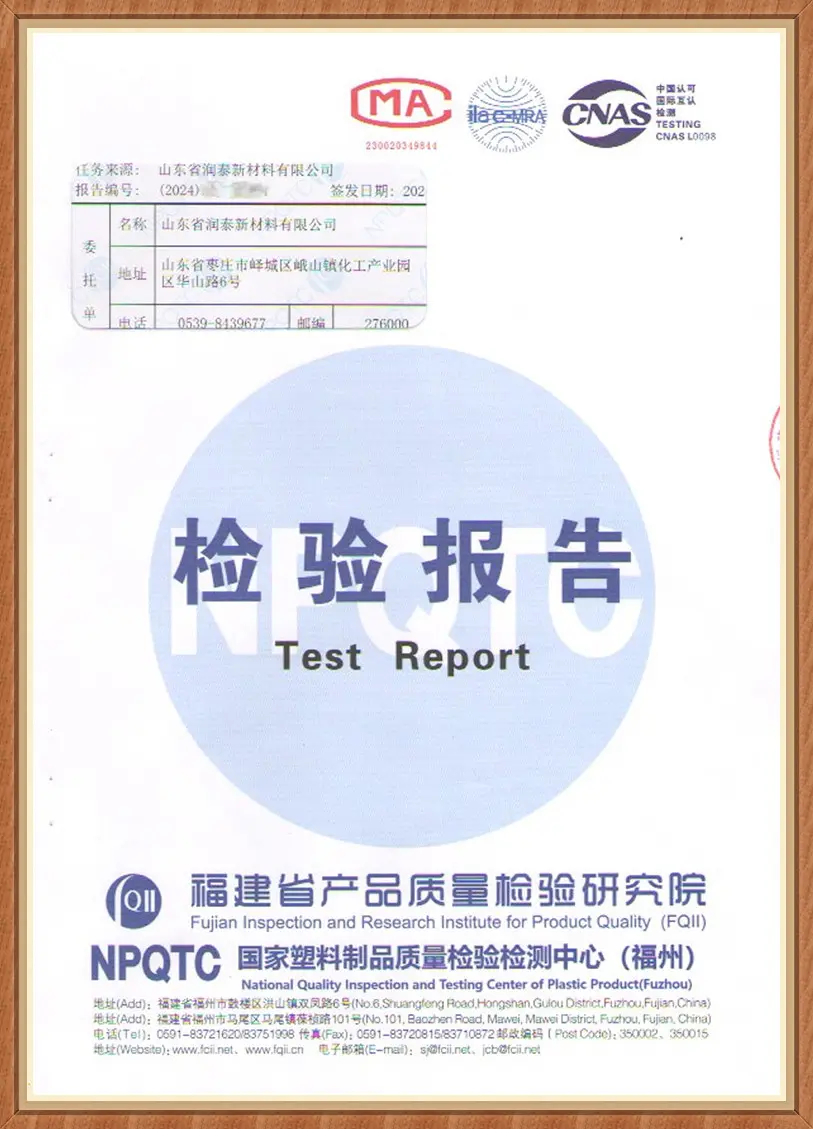
Continuous R&D in reducing free formaldehyde content in our resins, ensuring compliance with global formaldehyde emission classes.
Optimized integration of direct byproduct loops back into primary reactor cycles, lowering standard waste profiles.
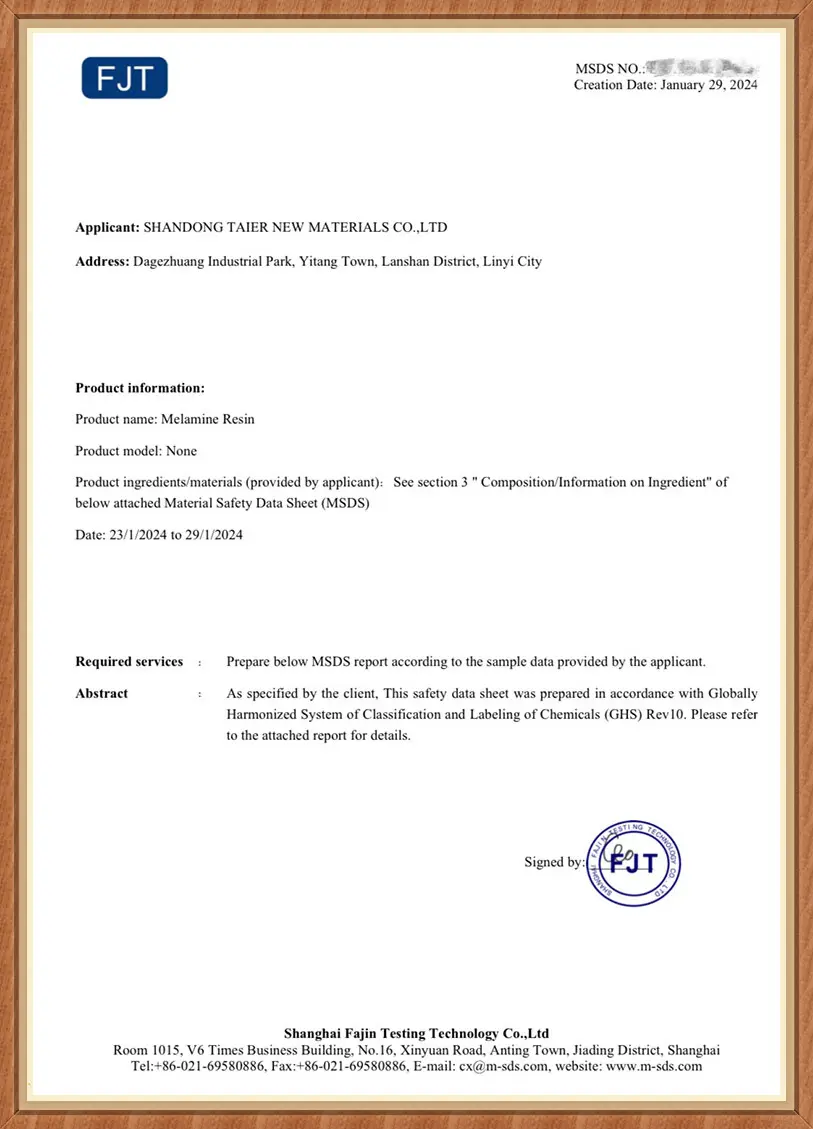
Ensuring that our products, methods, and processing facilities align with global regulatory frameworks and IP standards.
In-depth responses to fundamental chemical engineering, logistics, and compound utilization questions.
Explore our specialized range of chemical products formulated for modern industrial manufacturing processes.
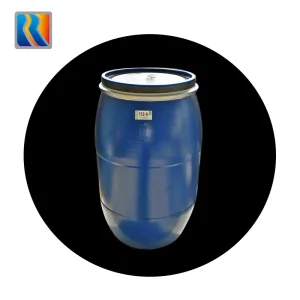
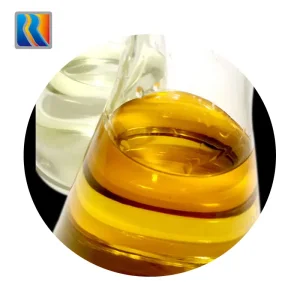
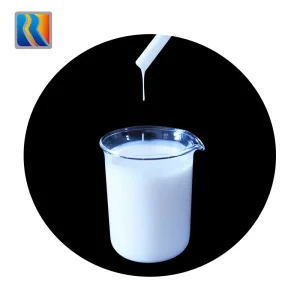
A closer look at the characteristics, applications, and formulation variables of our core chemical catalog.
Formaldehyde is a vital building block in industrial resin production. With an annual production capacity of 380,000 tons, we supply high-concentration formaldehyde solutions and solid paraformaldehyde (PFA). Runtai's paraformaldehyde features low ash, low acid content, and consistent polymer length, making it suitable for pesticide formulation, pharmaceutical synthesis, and custom organic chemical synthesis.
Our annual output of urea formaldehyde resin reaches 300,000 tons. This high-strength thermosetting adhesive is formulated for wood composite bonding. It offers high shear resistance, reliable thermal stability, and low formaldehyde emissions, serving wood processing plants that supply structural components and furniture substrate materials worldwide.
We process 60,000 tons of melamine and 20,000 tons of melamine glazing powder annually. The compression molding compounds exhibit excellent dielectric strength, low water absorption, and high flame retardancy. The glazing powder is used to protect and finish compressed melamine dinnerware, ensuring stain resistance, scratch protection, and standard compliance for food-contact surfaces.
 Runtai