Direct from factory sourcing solutions for global industries, meeting comprehensive quality regulations.
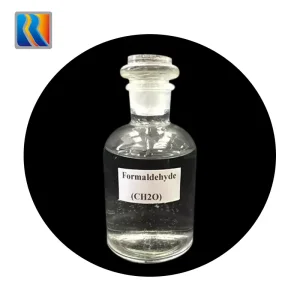
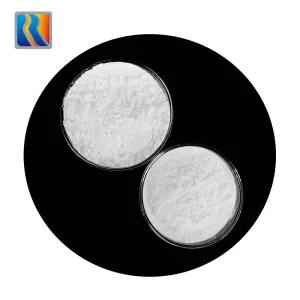
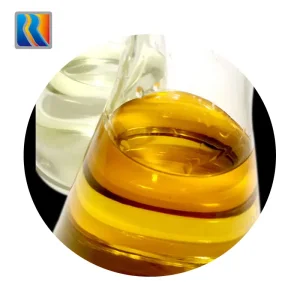
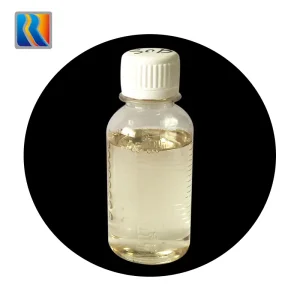
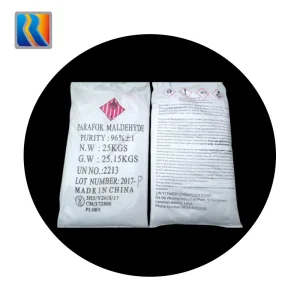
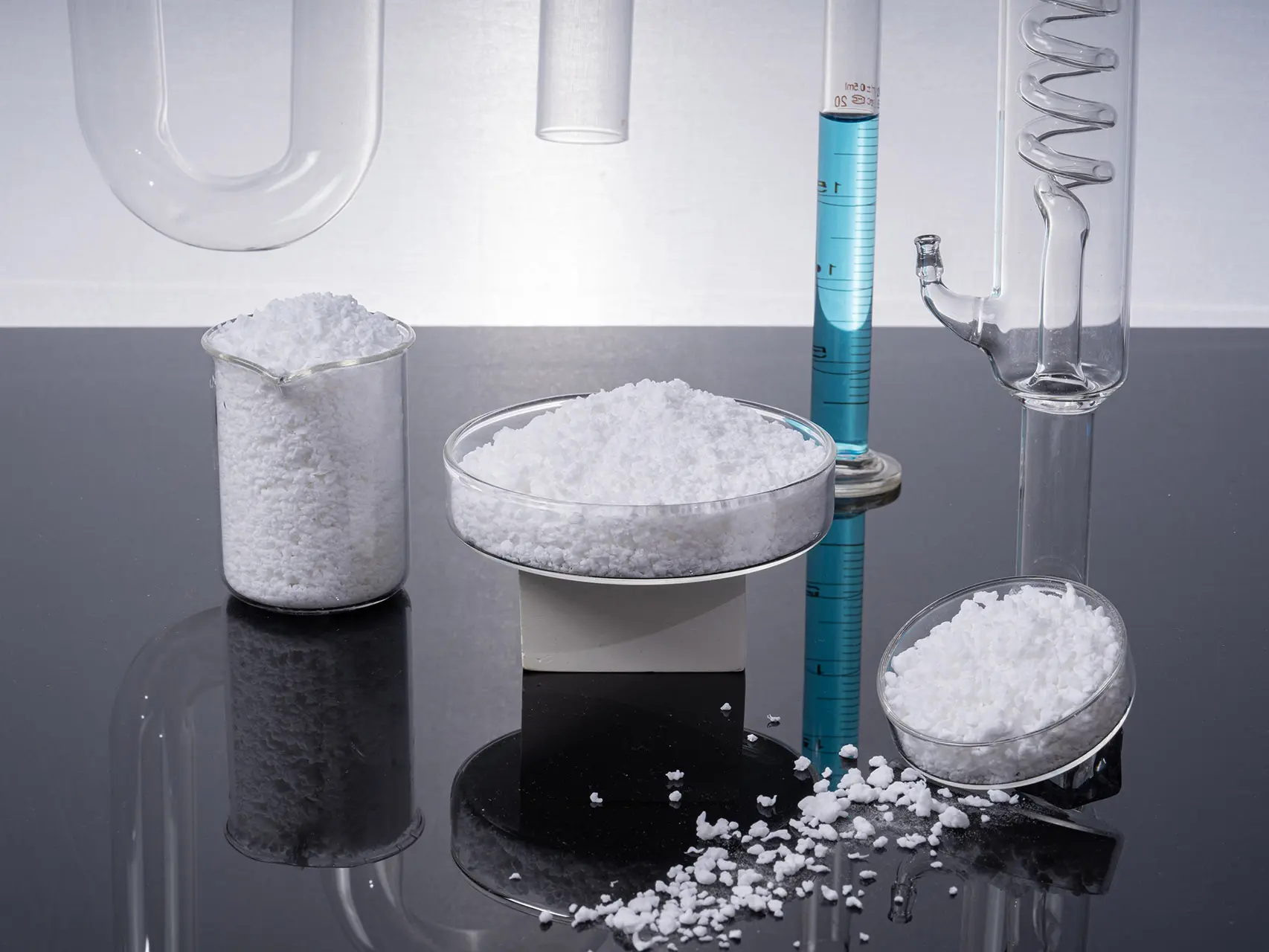
Urea Formaldehyde (UF), an indispensable class of thermosetting polymers, dominates the global wood composite and molding material landscape. Characterized by its high tensile strength, excellent flexural modulus, rapid cure profiles, and superior scratch resistance, UF resins represent the backbone of contemporary interior architecture and structural wood manufacturing. Its chemical properties are obtained via the controlled condensation of formaldehyde with urea in a multi-stage alkaline-acid reaction system.
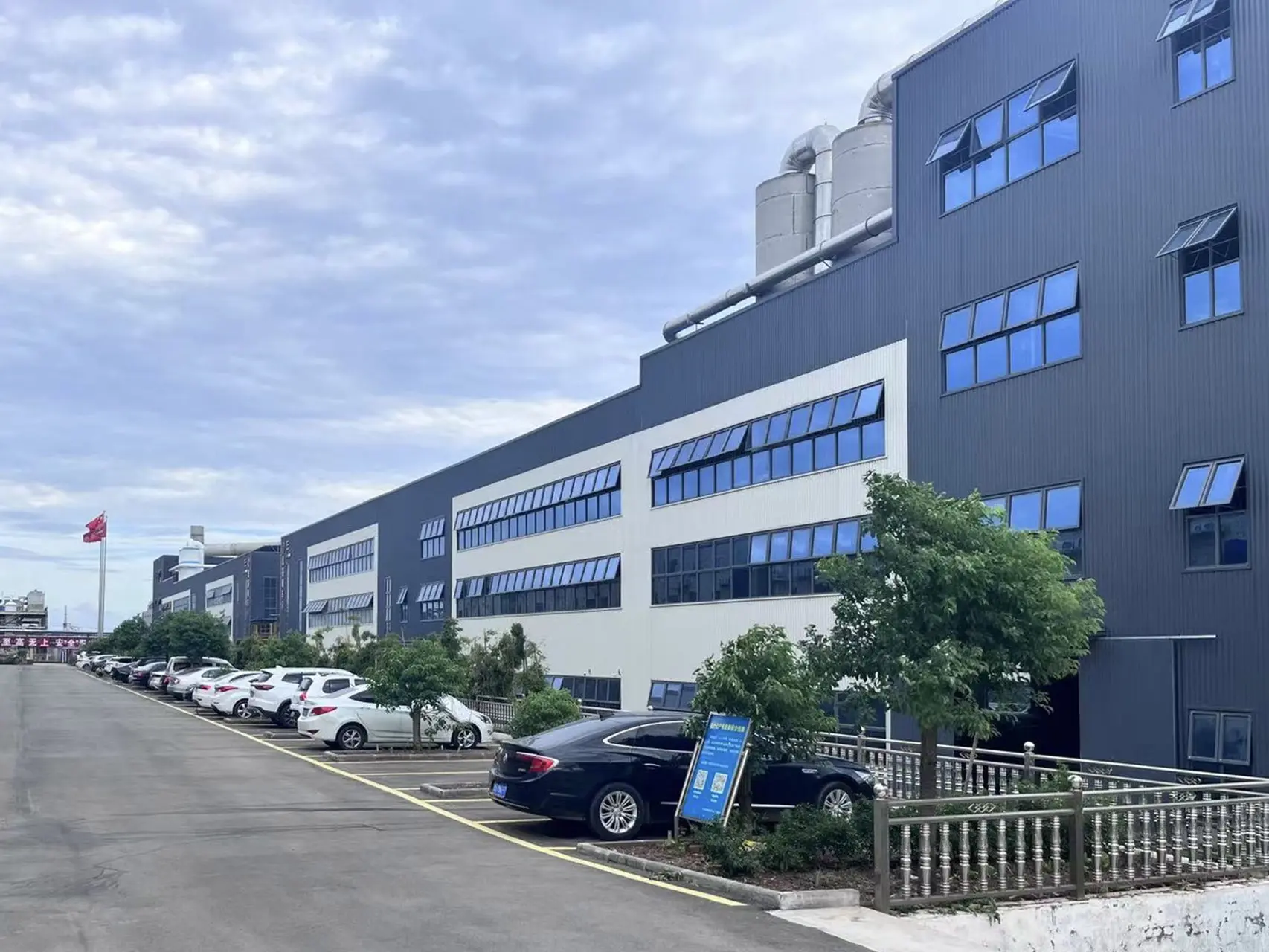
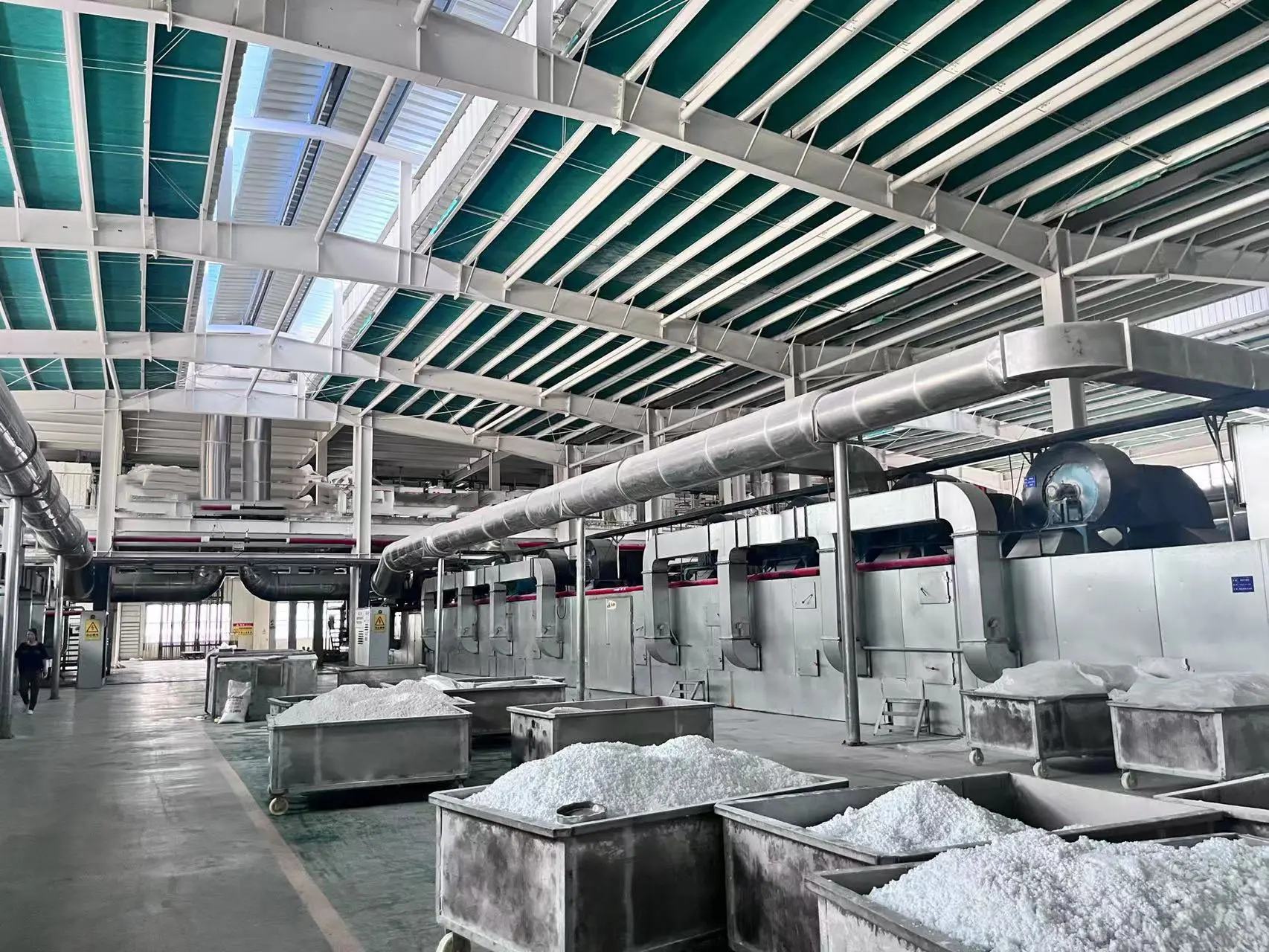
As a leading authority in fine chemical synthesis, Shandong Runtai New Materials Co., Ltd. (established in March 2020) stands at the forefront of this technology. With headquarters located in Zaozhuang City, Shandong Province, the company covers a total footprint of 270,000 square meters supported by an investment of 2.06 billion yuan. By managing a fully integrated logistics network across five regional manufacturing and sales branches, Runtai ensures rapid supply security throughout China and international chemical hubs.
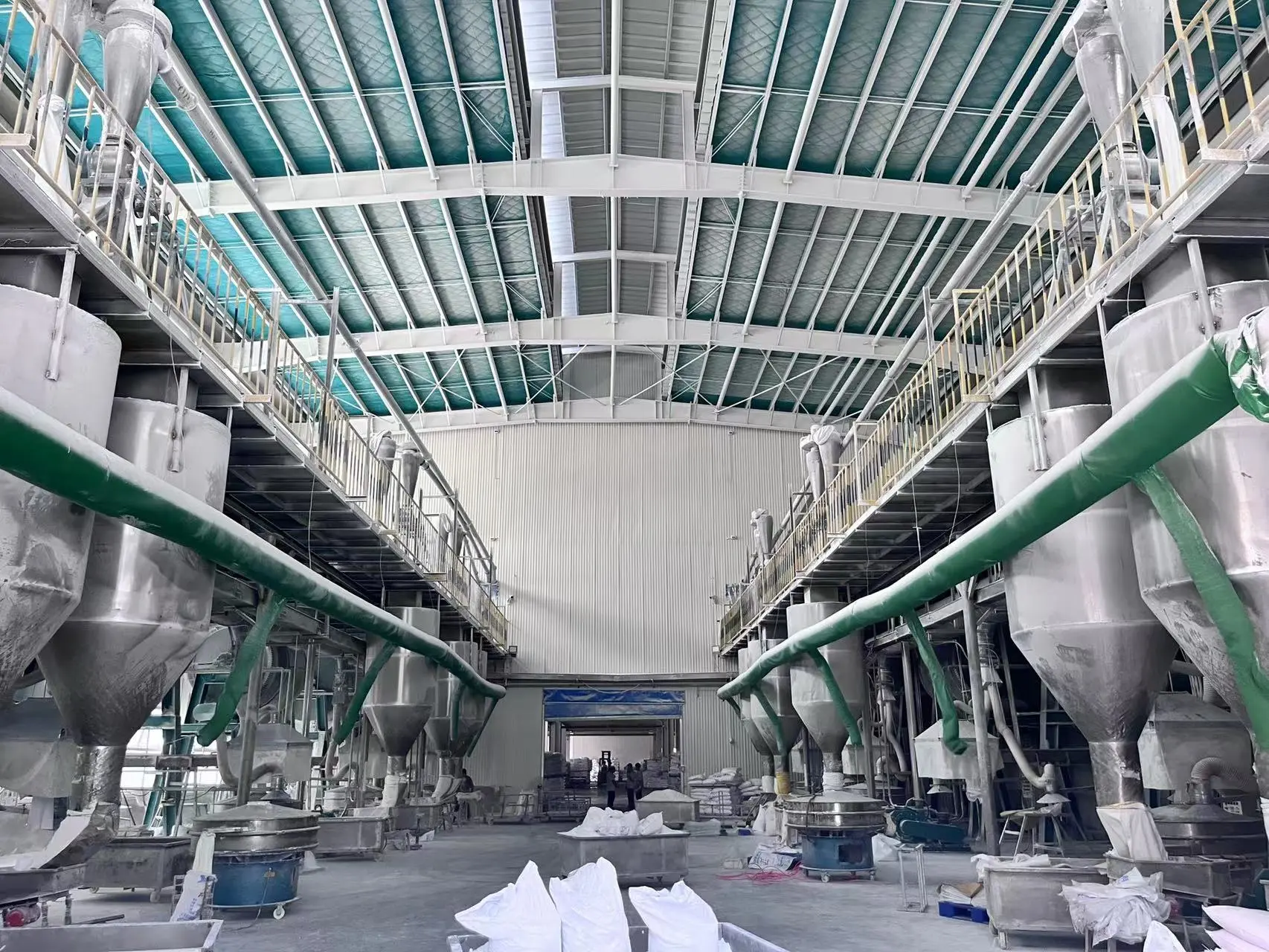
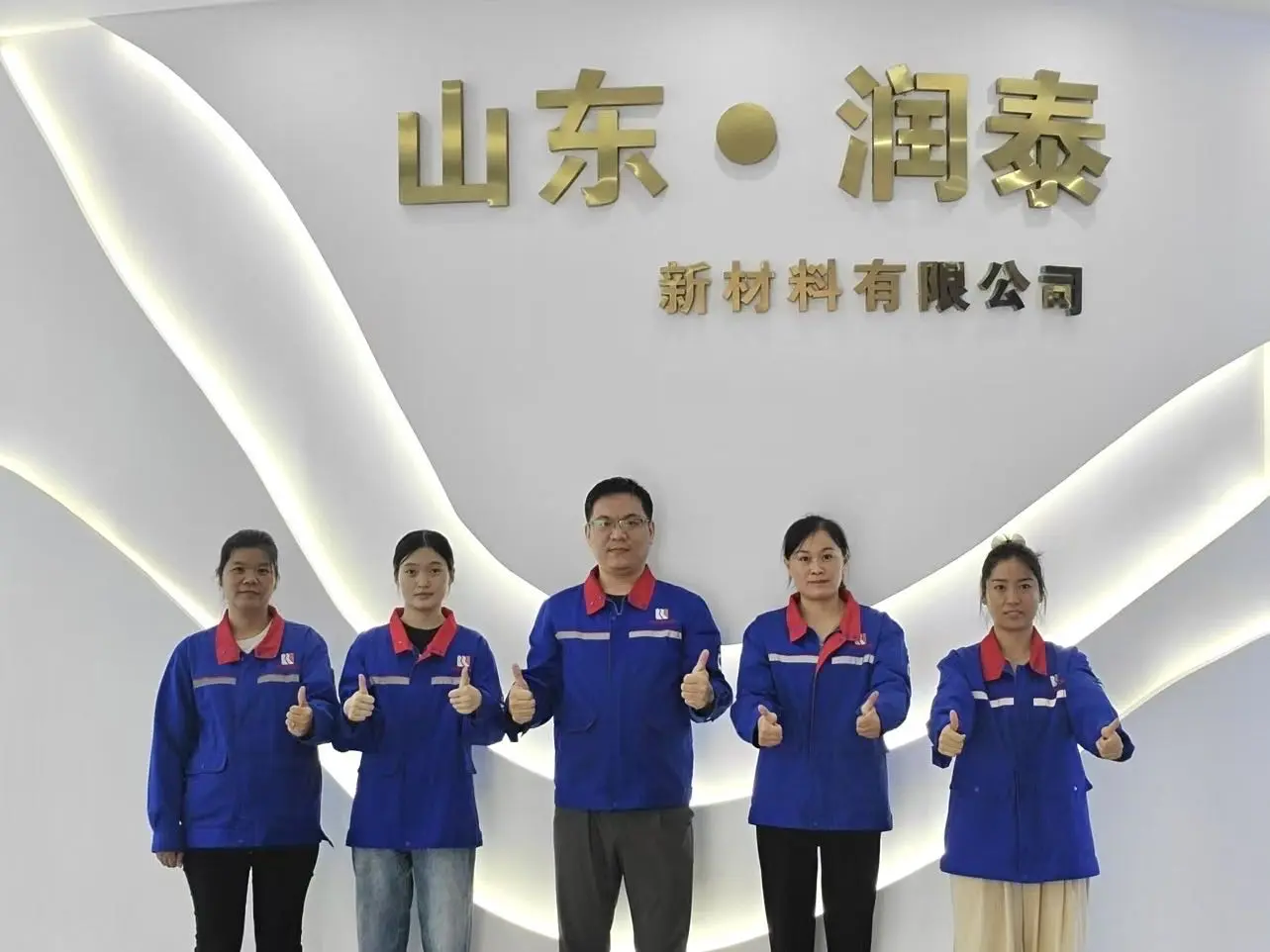
Scalability determines stability in global supply chains. Runtai New Materials has consolidated its raw material pipeline by manufacturing its own base chemical constituents. Our annual manufacturing capacity is structured as follows:
This massive output allows Runtai to control approximately 80% of the domestic market share, establishing a highly integrated chemical matrix. In tandem with domestic distribution, Runtai has developed reliable export routes to the United States, Thailand, Kenya, Egypt, and the EU, adjusting chemical compositions to align with distinct regional standards.
Why modern chemical procurement agencies prefer purchasing and partnering with Chinese manufacturing networks.
By establishing co-located facilities from basic coal gasification to downstream resin cooking, Chinese plants avoid raw material market volatility, assuring pricing stability and reliable production schedules.
We tailor viscosity, solid content, gel time, and free formaldehyde levels according to local environmental rules, supporting diverse machinery configurations in client factories.
Operating across multiple production hubs in northern and eastern China enables immediate port delivery (Qingdao, Tianjin, Shanghai), minimizing ocean freight lead times.
Runtai New Materials integrates high-level technological automation with rigorous chemical research. Our facilities utilize the Distributed Control System (DCS), which continuously tracks, stabilizes, and regulates process parameters (temperature, pH levels, pressure, reaction speed) in real time. This micro-level process management ensures batch-to-batch consistency, lowers energy consumption, and reduces raw material waste.
In addition, our collaboration with the Changzhou Research Institute of Beijing University of Chemical Technology has established a productive connection between academic science and commercial manufacturing. Managed by an expert Ph.D. R&D team, our research focuses on low-odor adhesives, moisture-resistant thermosetting materials, and eco-friendly additive agents. This technological pipeline translates directly into industrial value for our global customers.


We prioritize sustainable development and environmental preservation. As international standard bodies enforce lower thresholds for free formaldehyde emissions (such as USA TSCA Title VI, European E1/E2 classes, and Japanese F-star systems), industrial procurement requires chemical partners capable of delivering compliant formulations.
Runtai achieves this by optimizing the polycondensation synthesis process, utilizing advanced formaldehyde scavengers, and implementing strict quality checks at every production stage. We deliver solutions that maintain high bond strength and durable performance while meeting strict global indoor air quality standards.
Applying advanced polymers to structural engineering, daily household goods, and global logistics infrastructure.
We formulate tailored resins for MDF, HDF, particleboard, and plywood. These adhesives deliver excellent tack, fast curing in hot presses, and low emissions to meet strict regulatory standards.
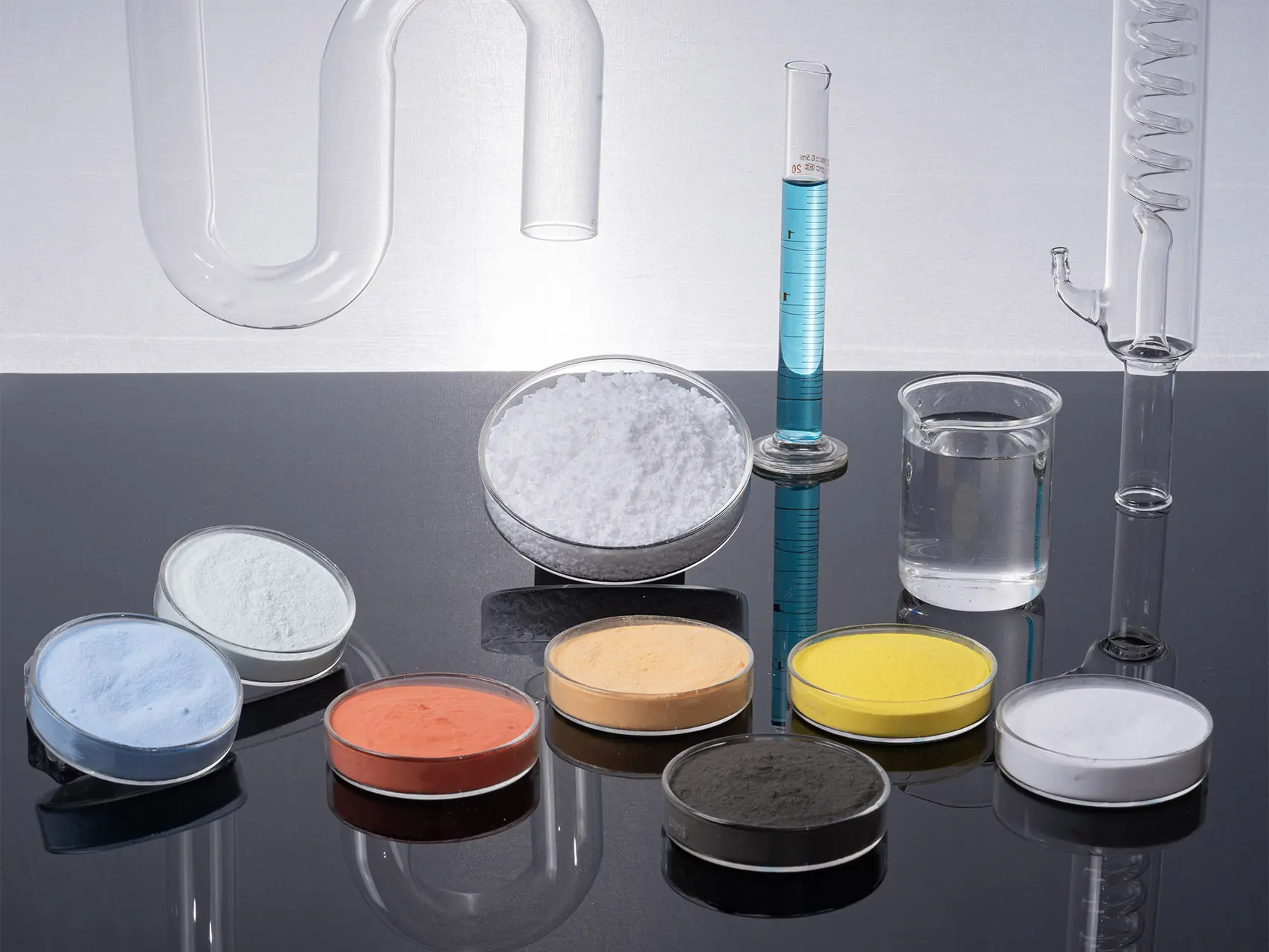
Our Urea Molding Compounds (UMC) and Melamine Molding Compounds (MMC) are ideal for manufacturing high-insulation electrical housings, switch plates, and durable tableware.
Our melamine glazing powders form a glass-like protective finish on tableware and laminate panels, enhancing heat, moisture, and chemical resistance.
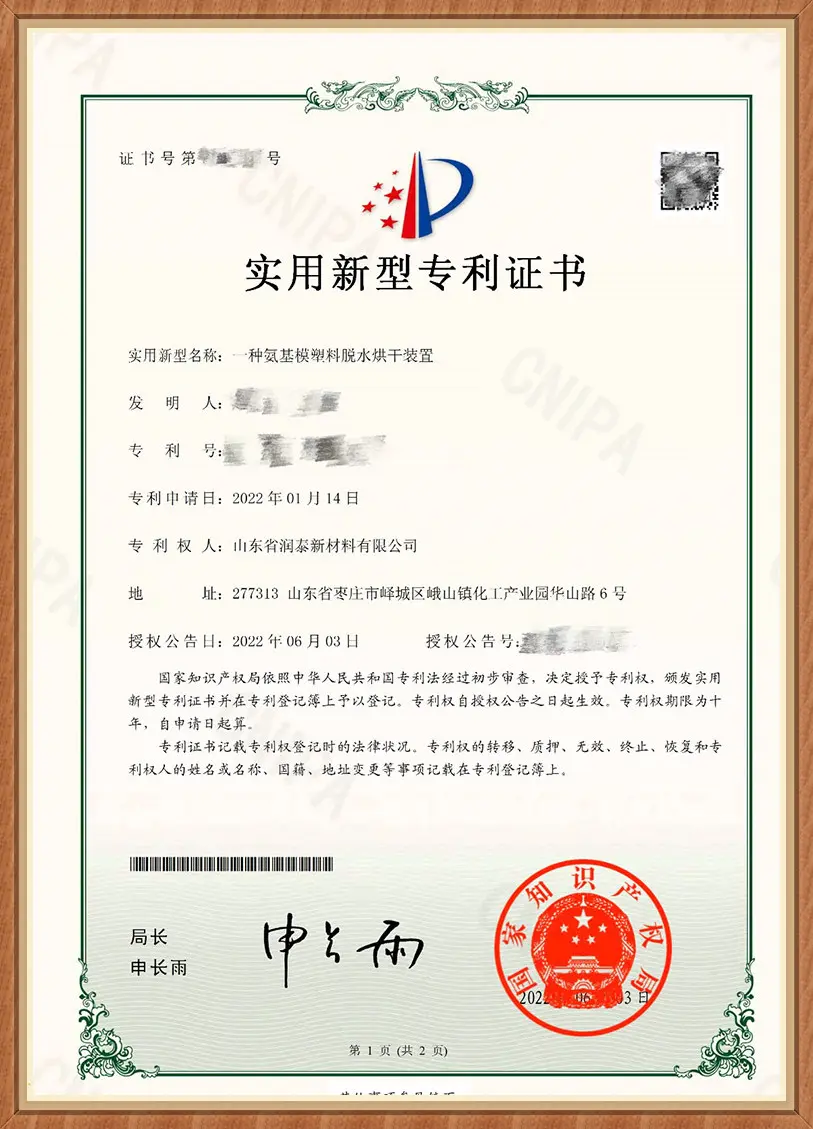
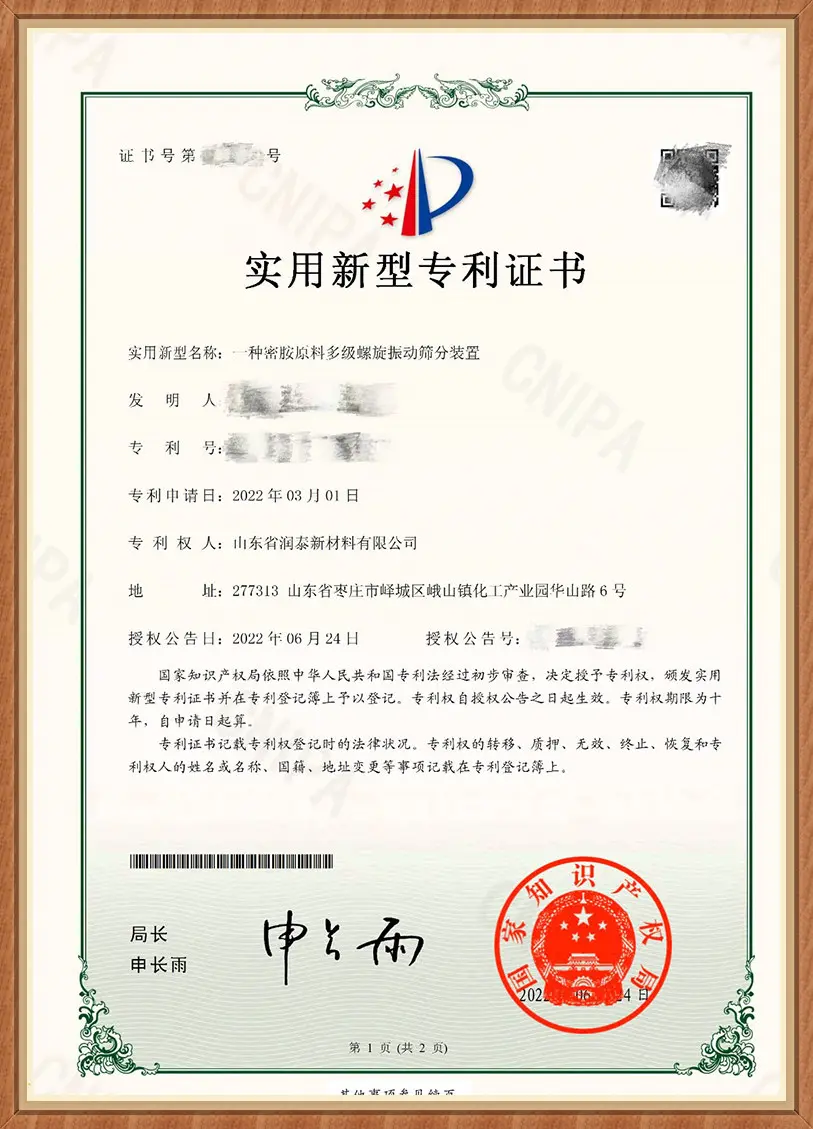
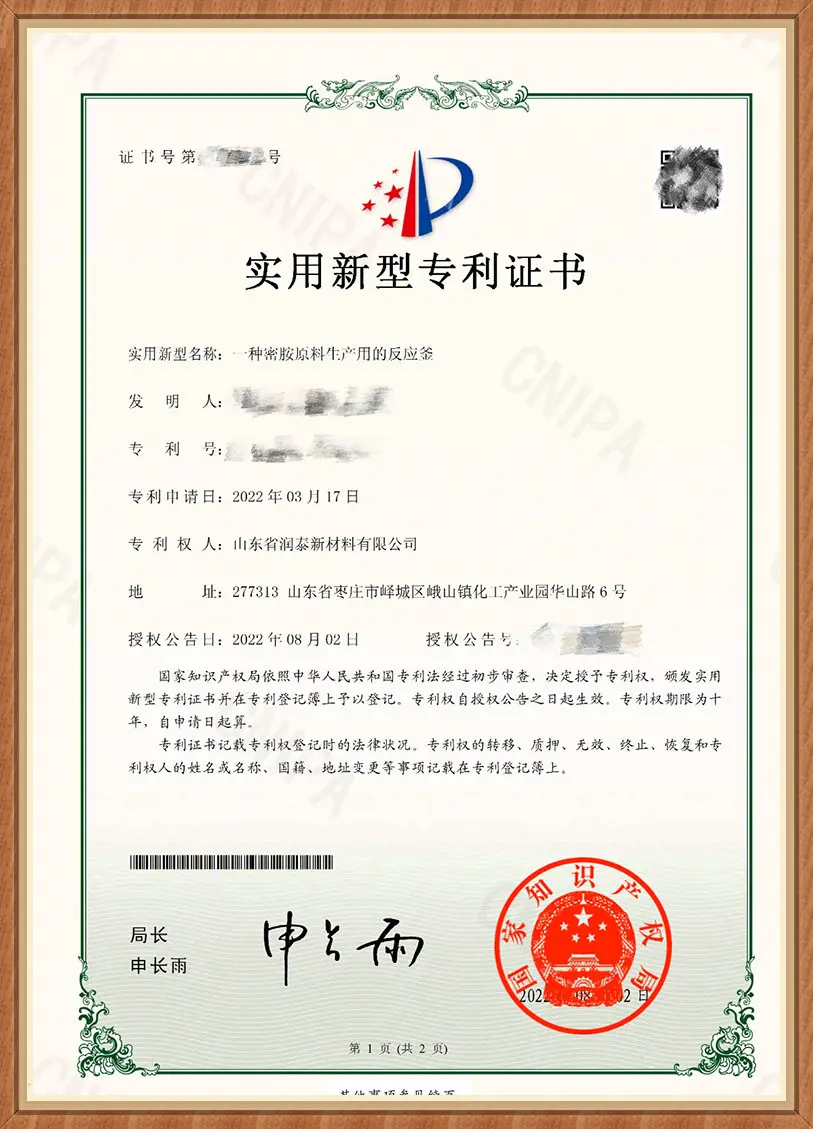
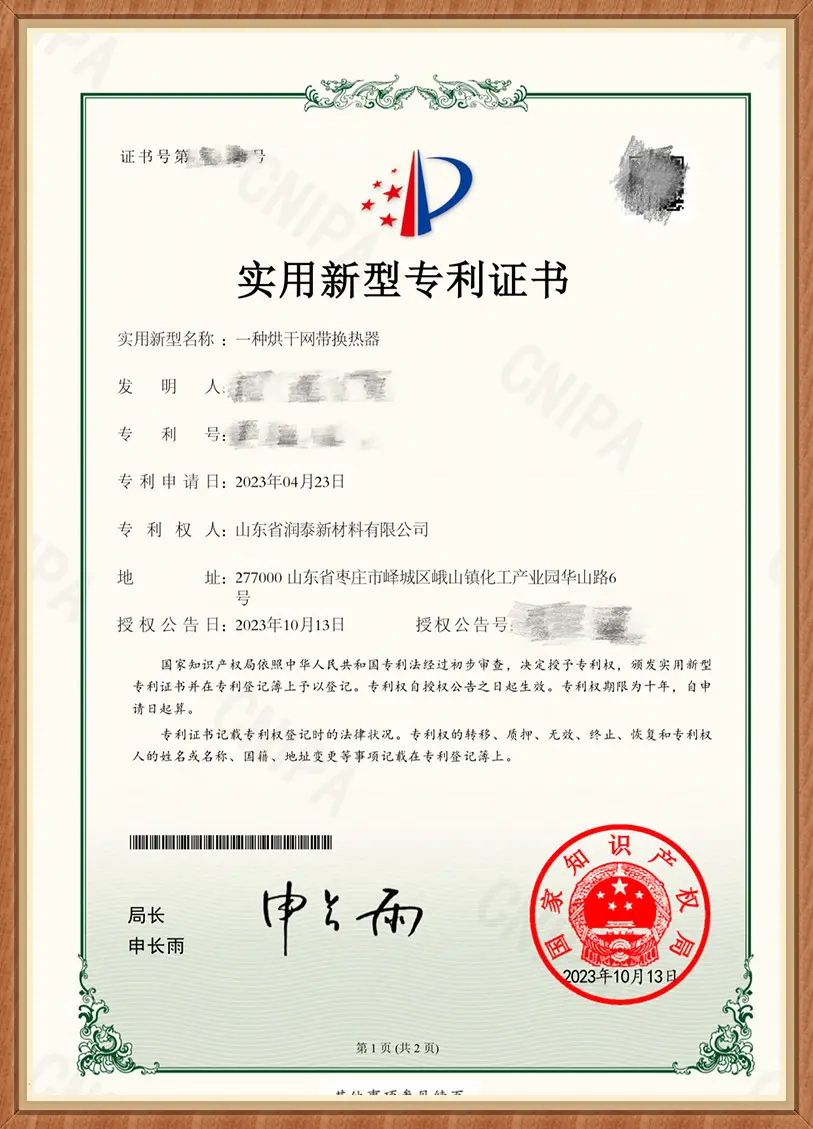
Demonstrating our commitment to compliance, consistent quality, and technological innovation.
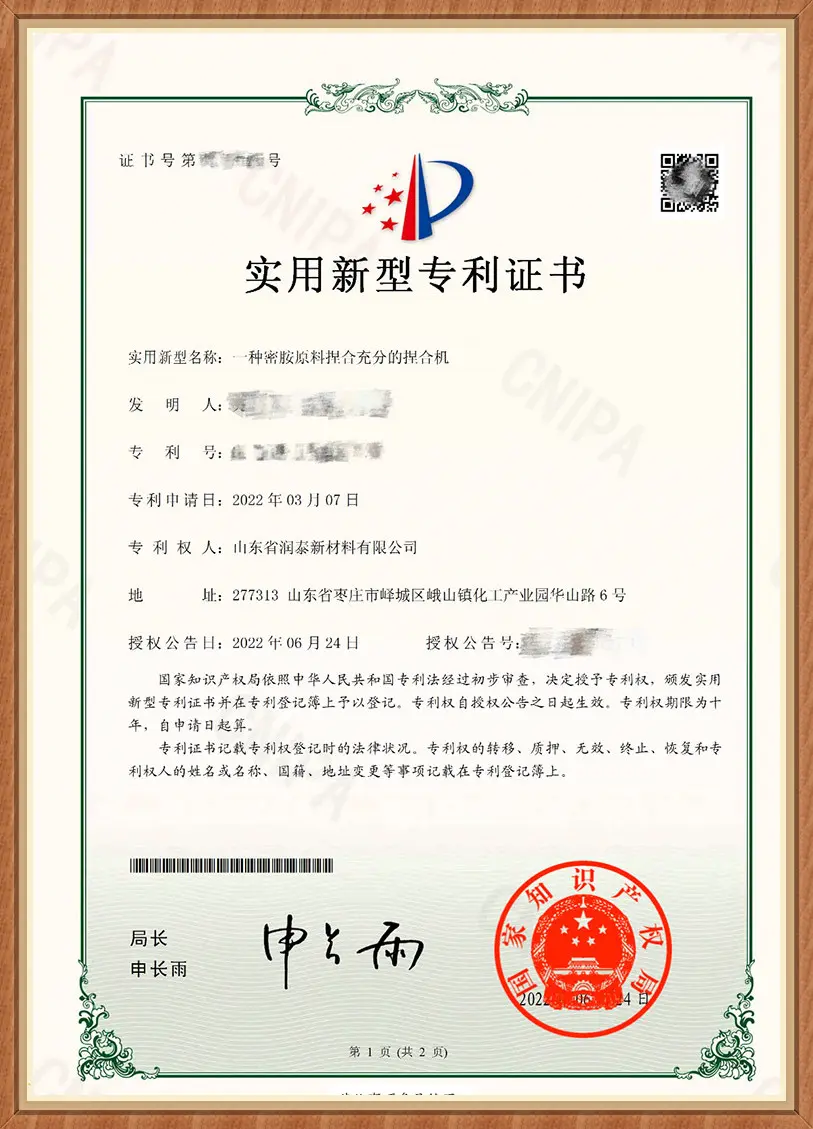
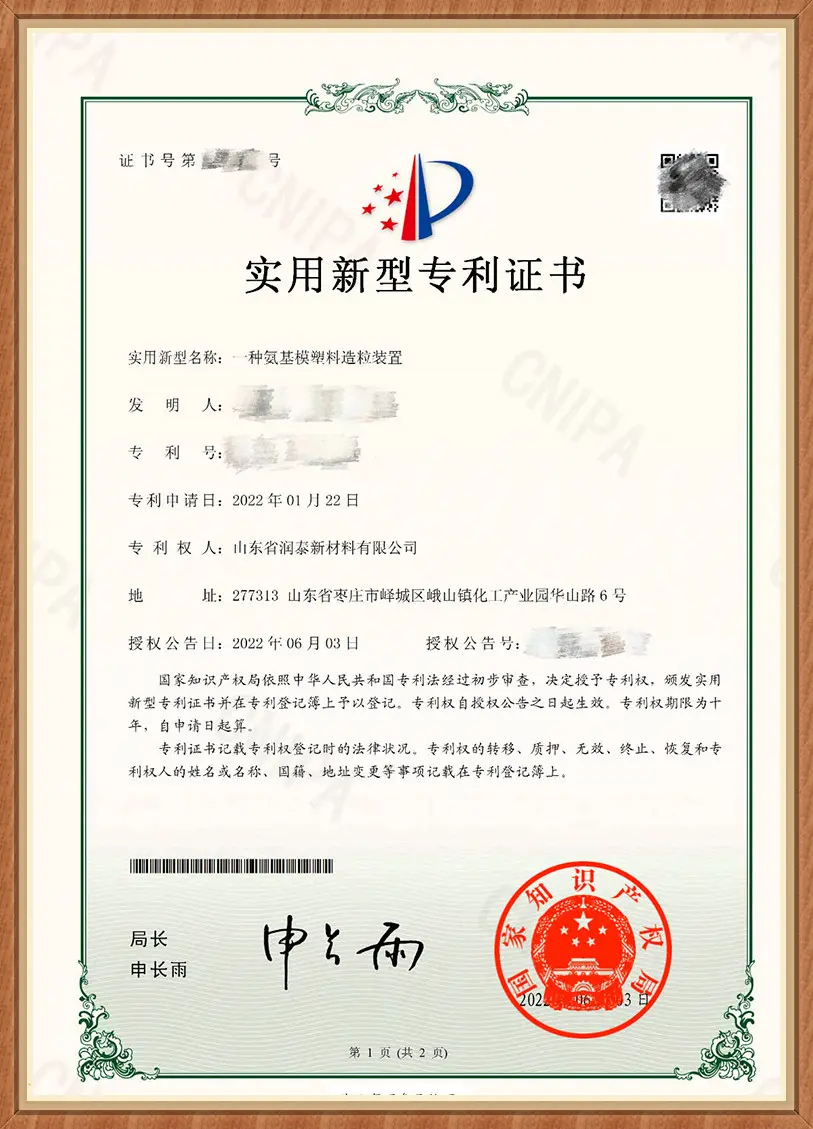
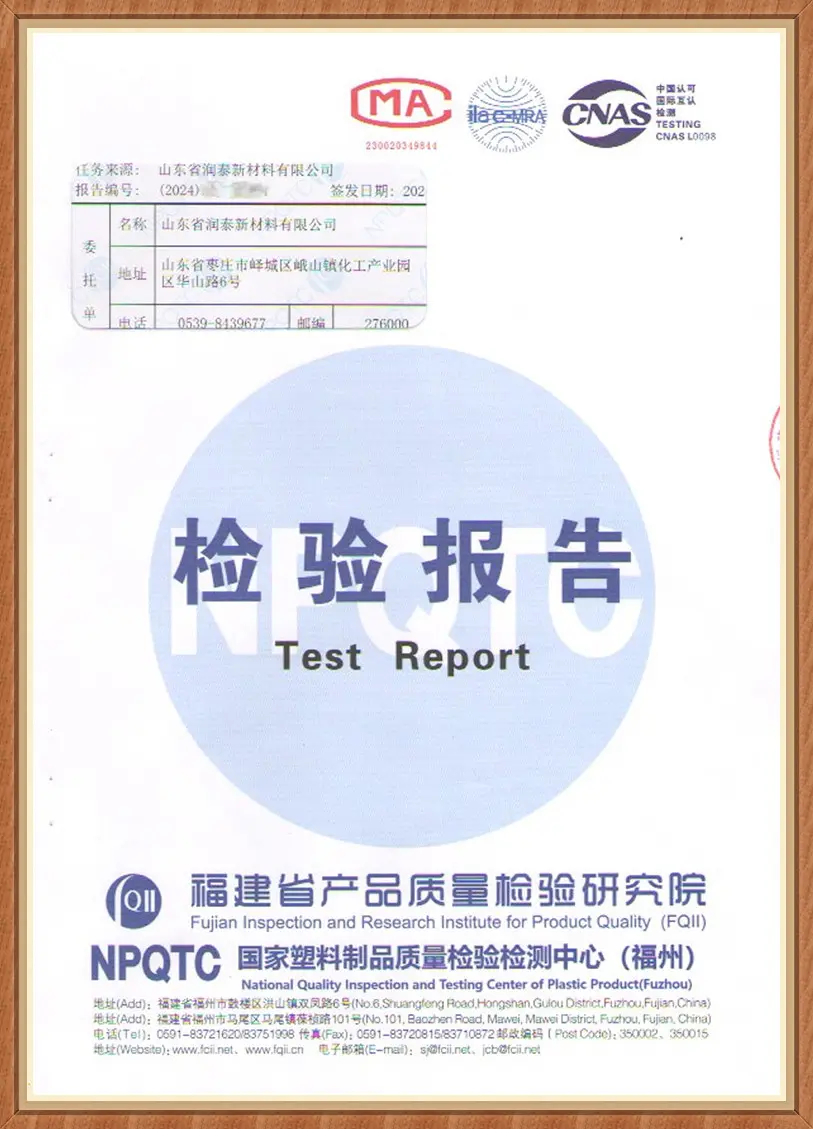
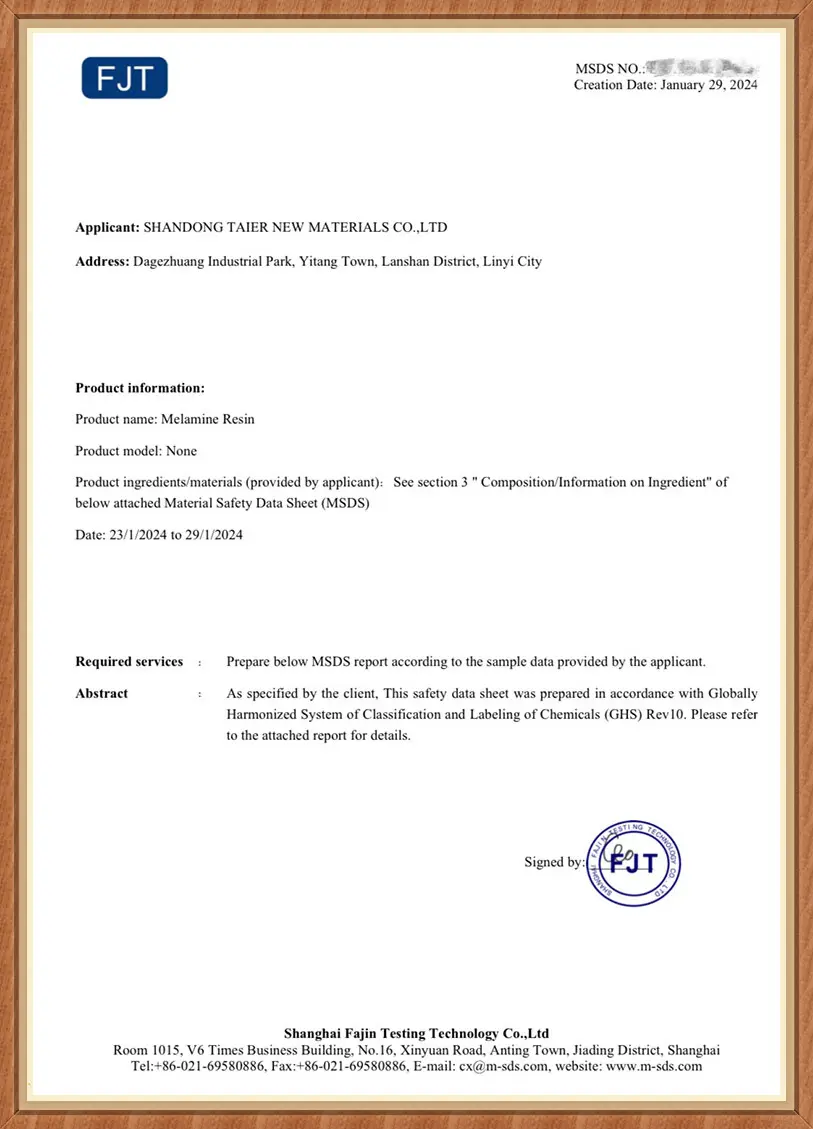
A visual look inside Runtai's raw material storage, packaging, and logistical operations.
Common questions answered by our lead chemical engineers and global compliance team.
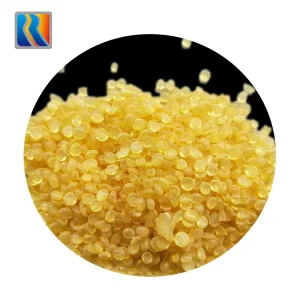
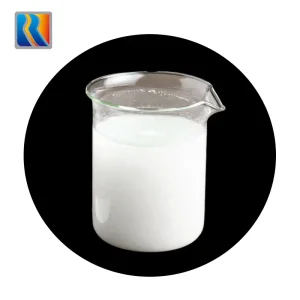
Complete your supply chain with our range of high-performance additives, resins, and defoamers.
 Runtai